SUV, crossover & wagon
Every matched generation dealt as its CollectibleCard · Tap any card to flip.
48 cards · the first forty-eight
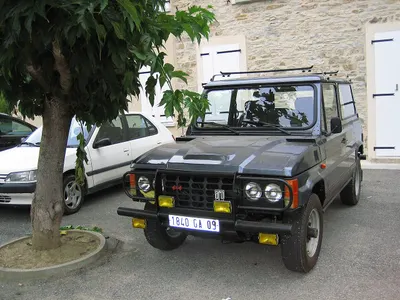
The rugged little ARO 10 borrowed its engine and front axle straight from a Dacia sedan, while its go-anywhere looks drew on the Renault Rodeo and Citroën Méhari.
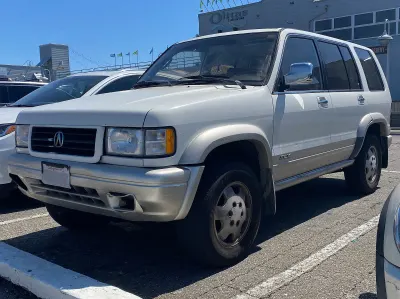
The SLX was a rebadged Isuzu Trooper sold by Acura to give its dealers an SUV to offer.
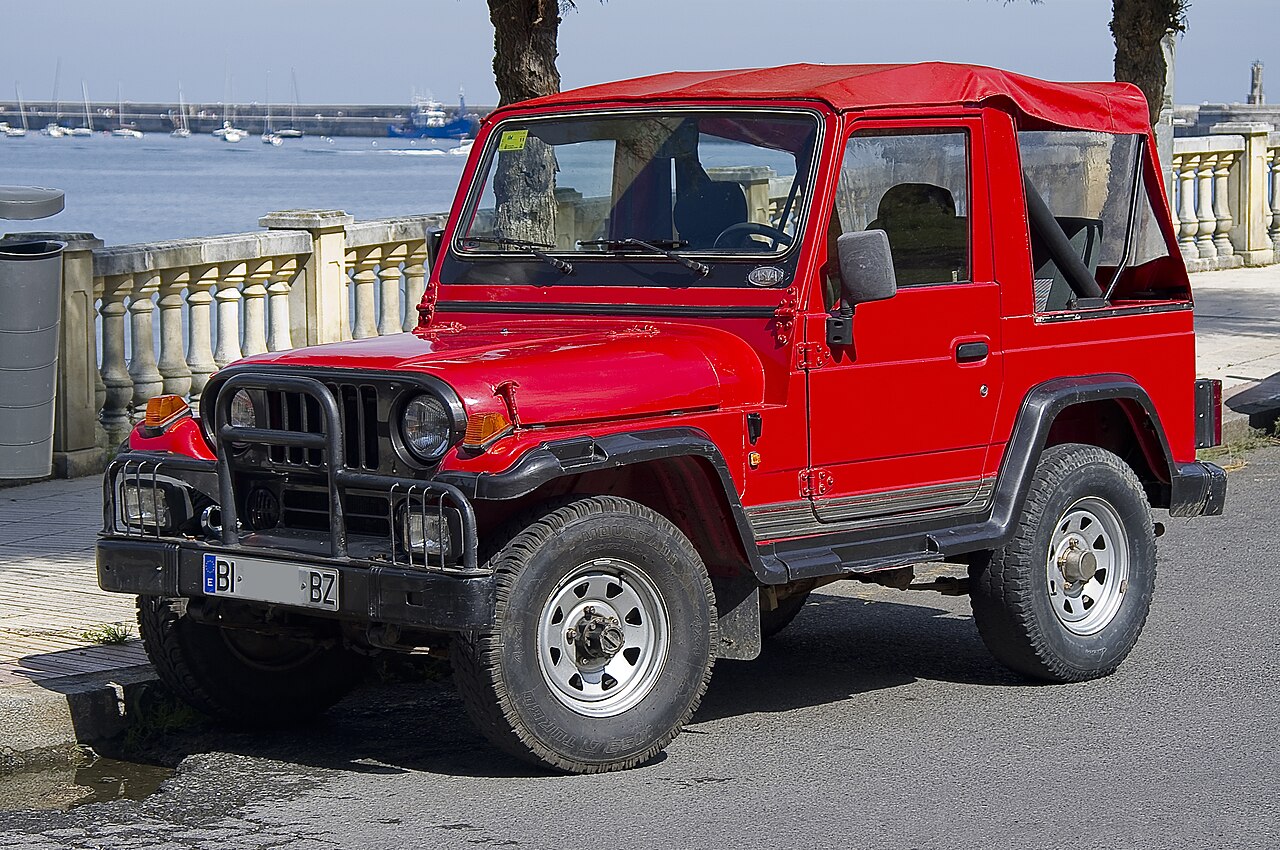
The Rocsta undercut every other 4WD on the market so thoroughly that it helped spark a whole off-road racing scene in Korea, just by making the sport affordable.
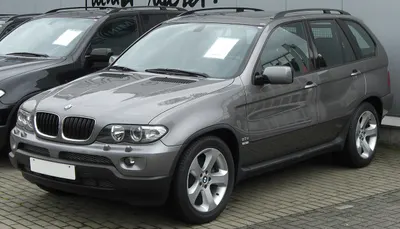
BMW's first X5 was all-wheel drive on paper but tuned to feel like a sedan — 62% of the engine's torque went to the rear wheels on purpose, chasing RWD handling over typical SUV manners.
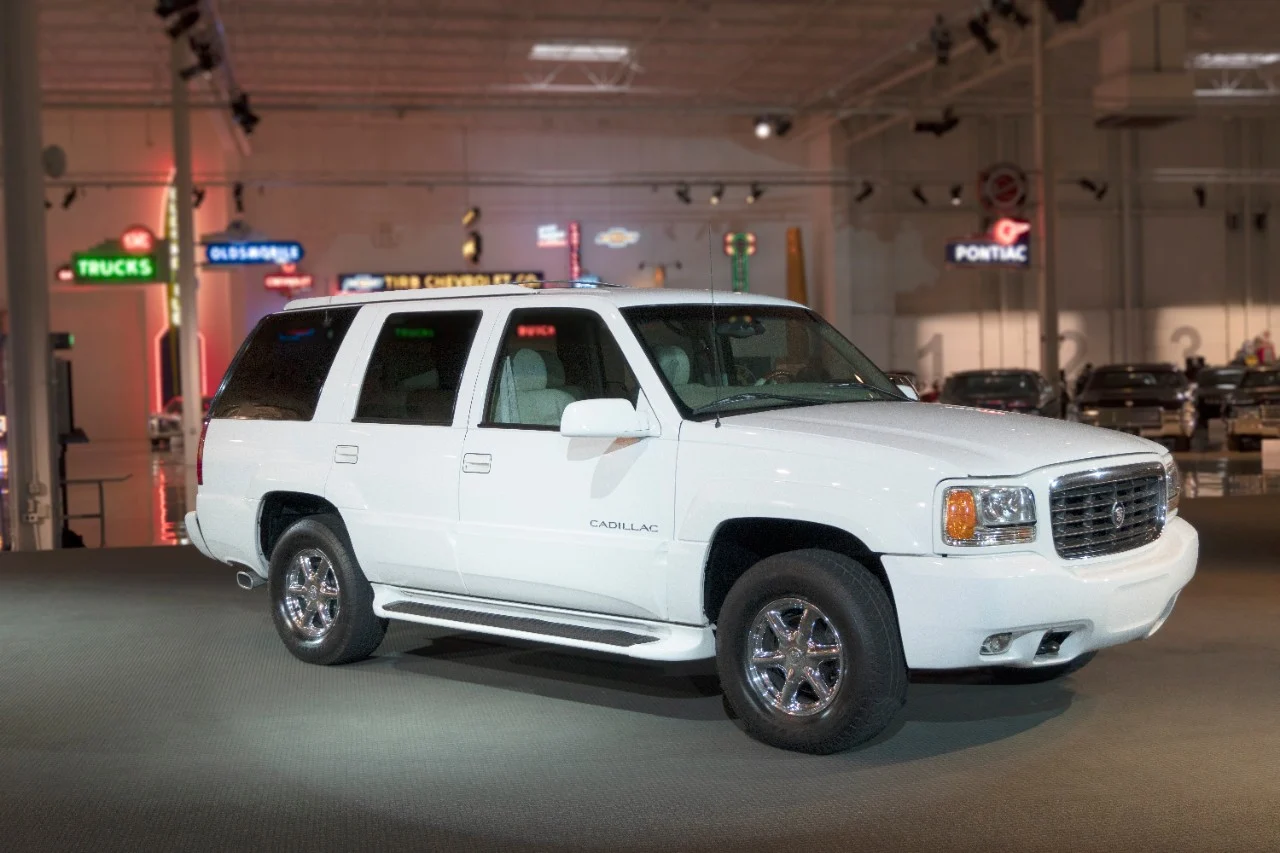
The very first Escalade wasn’t really a Cadillac at all under the skin — rushed out to answer the Lincoln Navigator, it was essentially a badge-engineered GMC Yukon Denali.
The redesigned 1995 Blazer swept the truck-of-the-year circuit - Motor Trend, the Detroit auto show, and even Playboy magazine all crowned it.
The compact S-10 Blazer was smaller than the K5 Blazer it replaced in every dimension — yet smarter packaging actually gave it MORE cargo room, 21.0 cu ft versus the K5's 20.1.
This Blazer's party trick — a tailgate glass that retracted by crank or motor — was also its weak point: the crank gears wore out and the motor loved to overheat and fail.
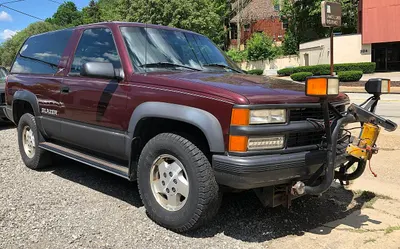
After 23 years as a modified pickup with a removable top, the final full-size Blazer gave up the gimmick entirely — GM just handed it a sealed, permanent roof borrowed straight from the Suburban.
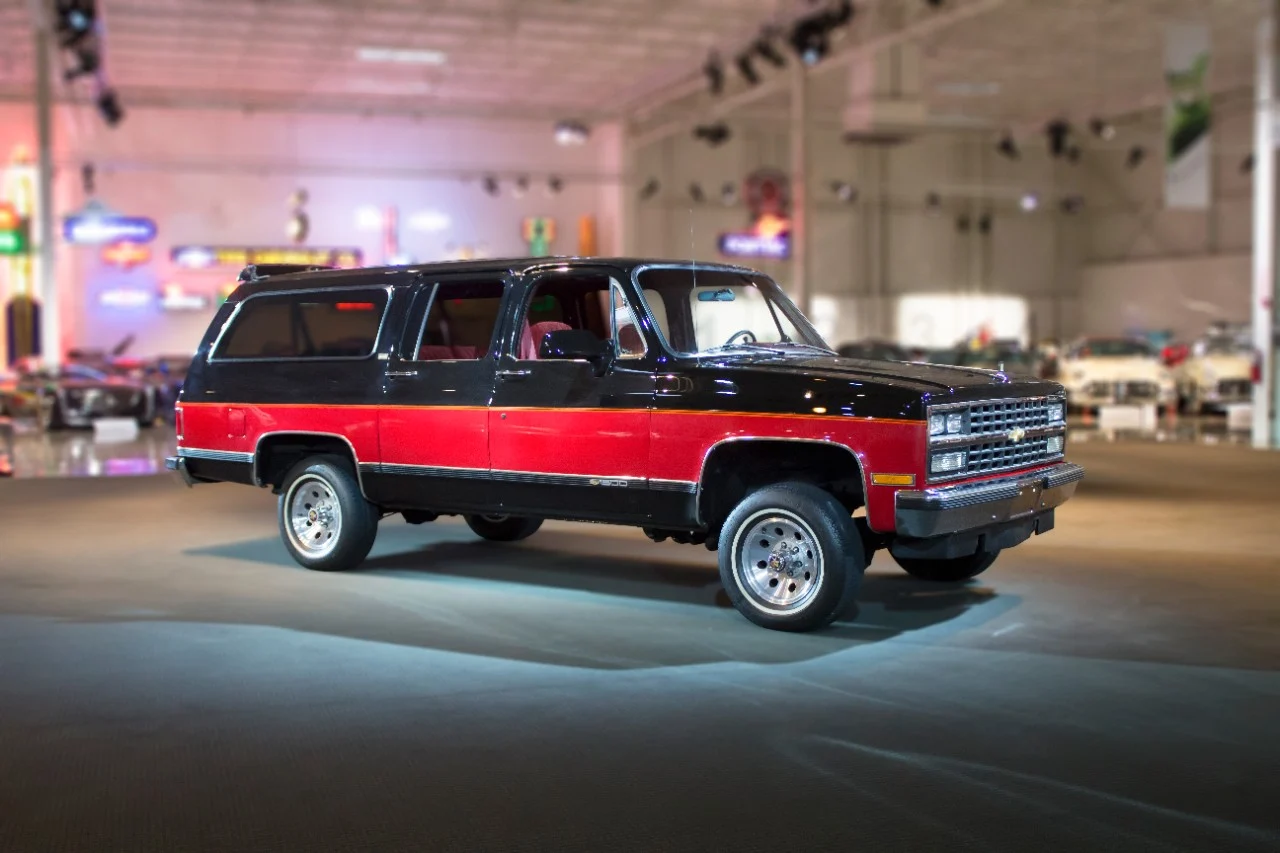
The Rounded-Line Suburban kept the same steering wheel design, nearly unchanged, from 1973 until 1989.
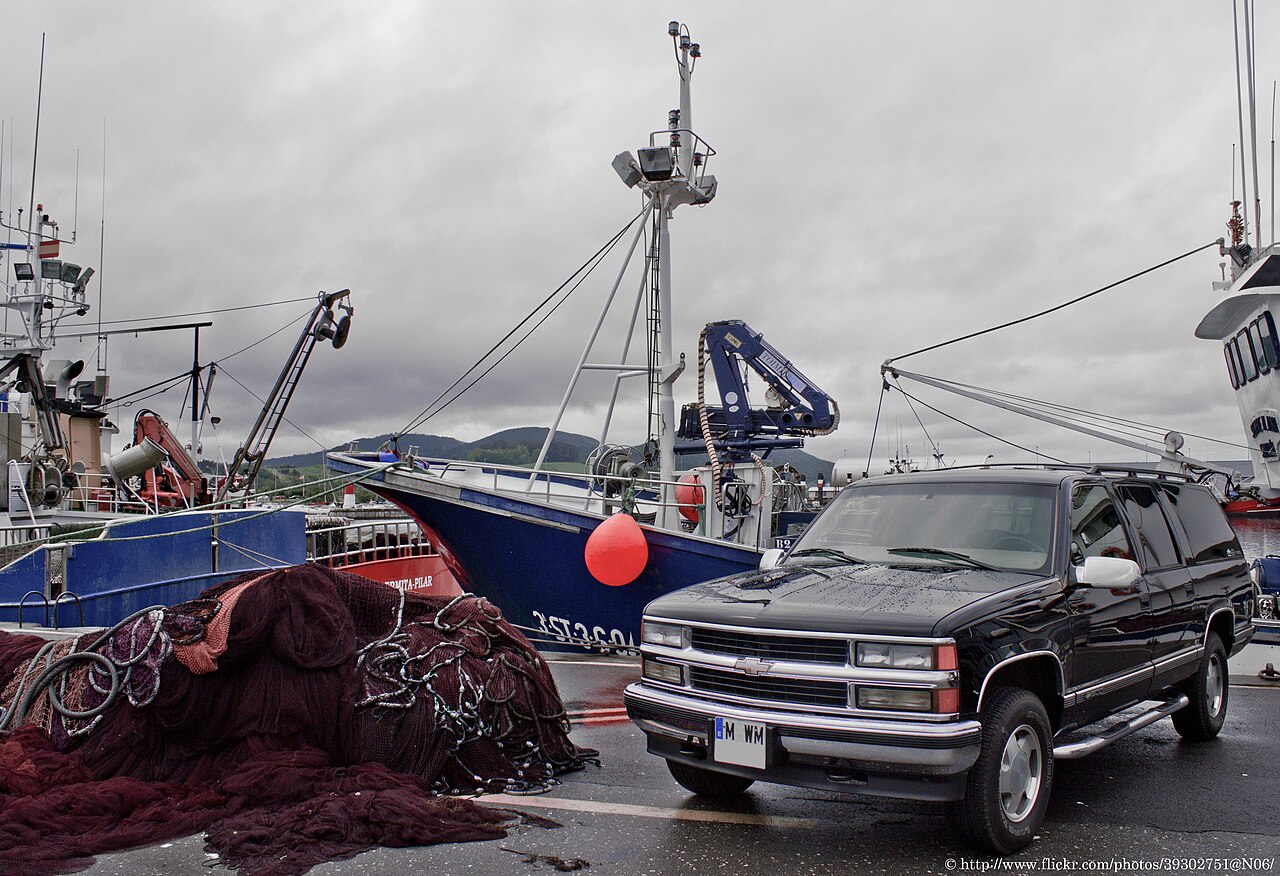
Holden sold the GMT400 in Australia and New Zealand as the Holden Suburban, imported from Mexico and converted to right-hand drive.
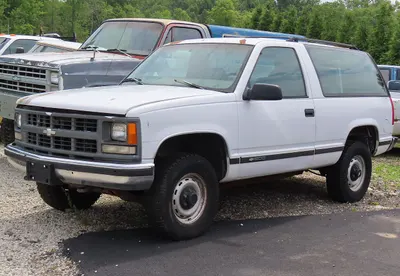
The Tahoe Limited was the 1996 Tahoe SS concept made real, minus the SS name, dropped because insurers wanted higher premiums for SUVs.
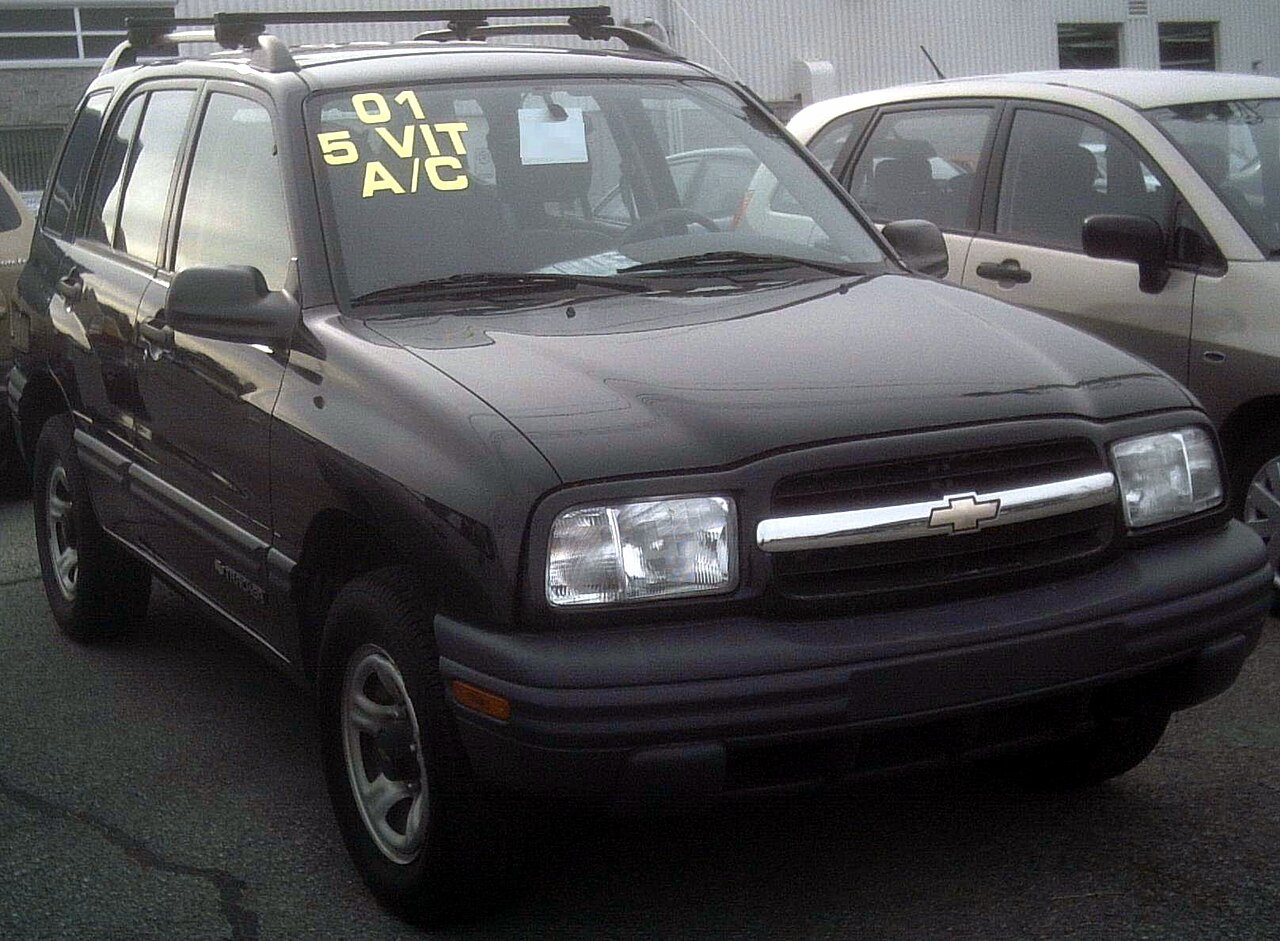
The Tracker was a rebadged Suzuki Vitara/Grand Vitara, built alongside its Suzuki twin at CAMI Automotive, a GM-Suzuki joint venture plant in Ontario.
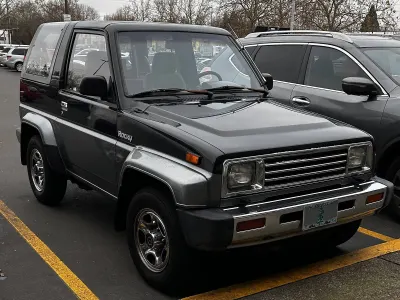
Decades before EV SUVs were a category, Daihatsu built an electric Rocky with a Japanese power utility — and the utility bought 26 of them.
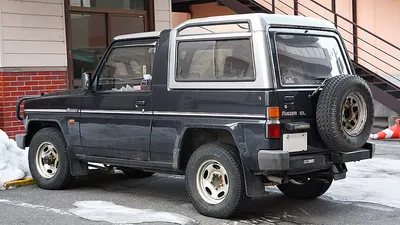
When this Rugger was redesigned, Daihatsu handed the job to Bertone — the Italian house behind Lamborghini and Ferrari styling — who also built their own upscale version for export.
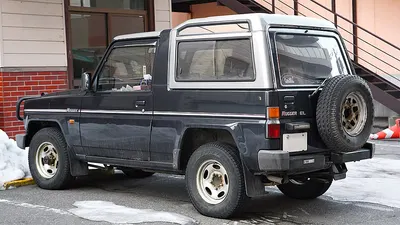
Most boxy 4x4 rivals of its era — Trooper, Land Cruiser, Pajero, Patrol — only seated four. The Rugger quietly seated five.
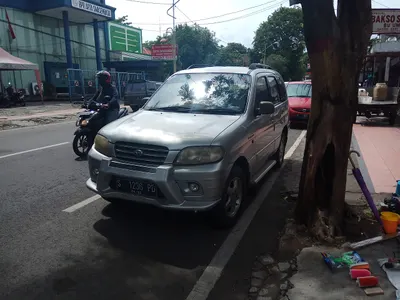
Taruna means young in Balinese, chosen for a Terios built with an extended tail just to fit a third row.
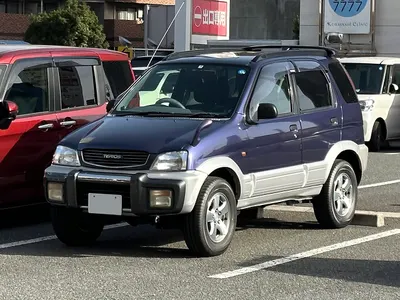
The Terios became Daihatsu's first-ever car assembled in Venezuela, with local production starting in November 2001.
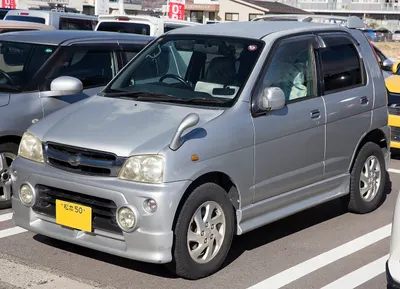
The kei-sized Terios Kid outlived the full-size Terios it was based on by six years, still being built long after its own parent car had been replaced.
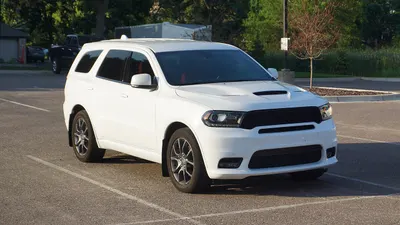
The first Durango almost had a rear-facing third row straight out of a '70s station wagon — Dodge scrapped it late, raising the roof two inches and stretching the doors to fit real forward-facing seats instead.
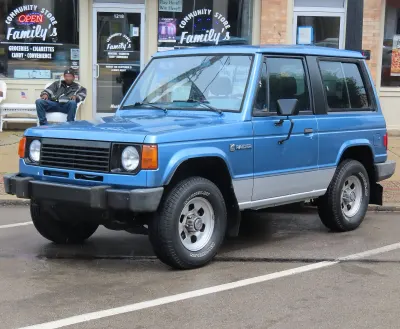
The Raider was a rebadged Mitsubishi Pajero, sold by Dodge only in North America as its first captive-import SUV from Mitsubishi.
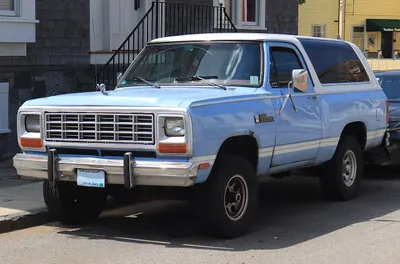
American production stopped in 1993, but Mexico kept selling it until 1996 with only minor running changes.
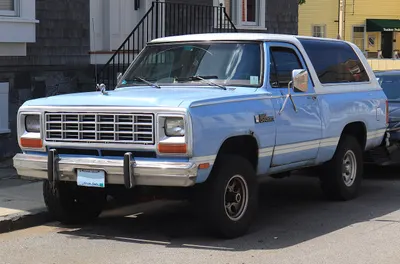
Dodge modernized the Ramcharger's V8s one at a time: throttle-body fuel injection hit the 318 in 1988, but the 360 had to wait until 1989.
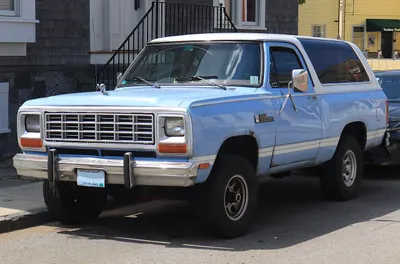
Sold only in Mexico, this last-gasp Ramcharger packed an odd party trick: a small third-row jump seat in the cargo area that faced sideways instead of forward.
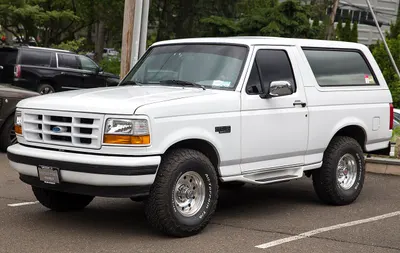
In 1996 this Bronco became the first Ford with turn signals built into its side mirrors, then Ford killed it.
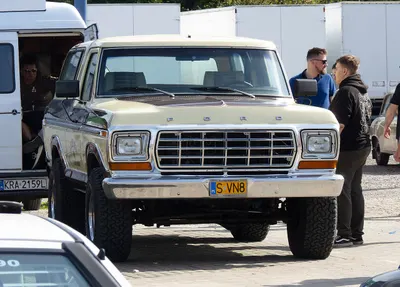
Twenty-five years in, the Bronco finally got leather: the 1991 Silver Anniversary Edition's gray leather interior was the first time Ford had ever offered leather seats in a Bronco.
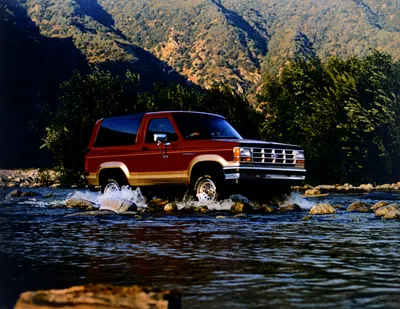
Eight months before Bronco II went on sale, Ford's own lawyers had collected 113 internal reports on its handling problems — but 53 vanished in what was later called an "unusual document handling procedure."
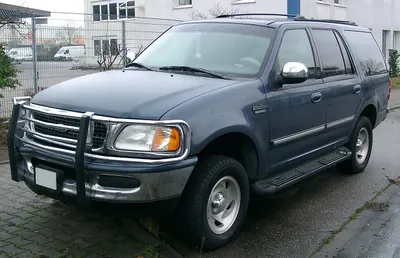
The Expedition was Ford's answer to the Chevrolet Tahoe and was built at the Michigan Truck Plant alongside the Lincoln Navigator.
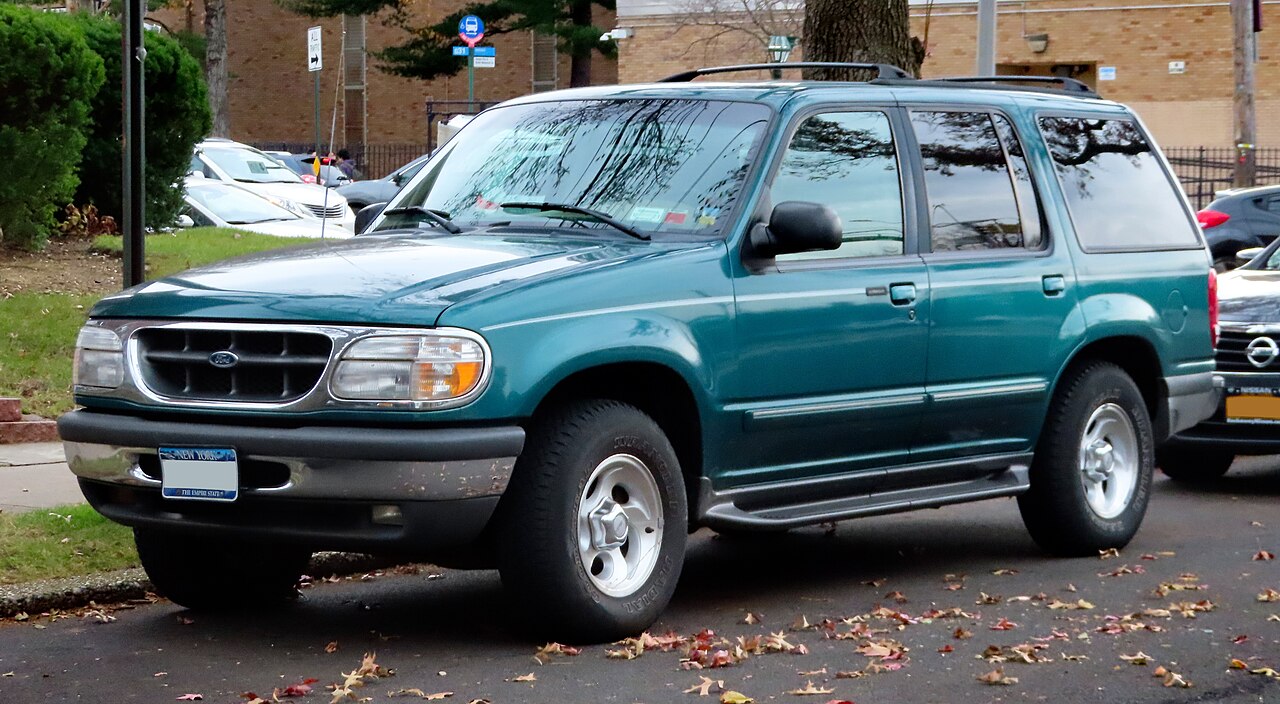
In the 2009 Cash for Clunkers program, the four-wheel-drive version was the most traded-in vehicle of all, and the two-wheel-drive version came fourth.
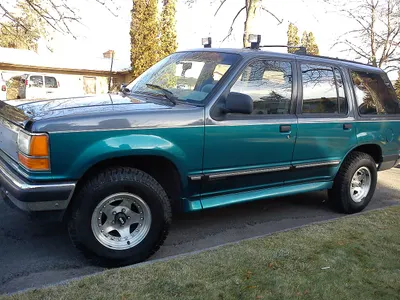
Its Mazda twin, the Navajo, became the first SUV to win Motor Trend's Truck of the Year award, for 1991.
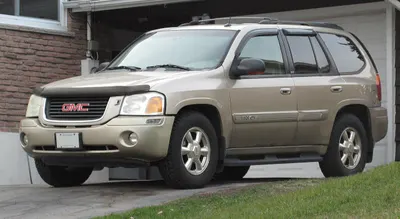
Over the regular Jimmy it added HID headlights and a Bose stereo, yet it scored Poor in the IIHS frontal offset crash test.
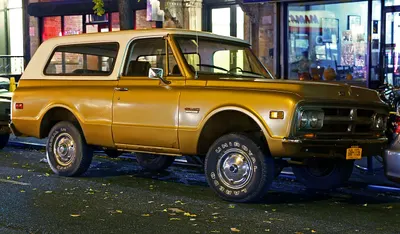
Spot an '87-'91 full-size Jimmy and GM's own paperwork didn't call it a K-series: they renamed it R/V for those years so it wouldn't be confused with the brand-new GMT400 trucks selling alongside it.
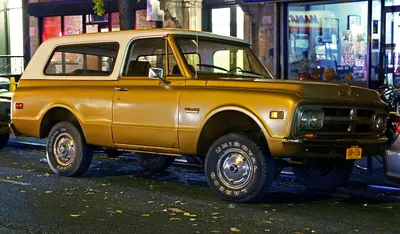
Through its entire run, the S-15 Jimmy came in one body style only: two-door. A four-door didn't arrive until the 1991 model year, right after this generation ended.
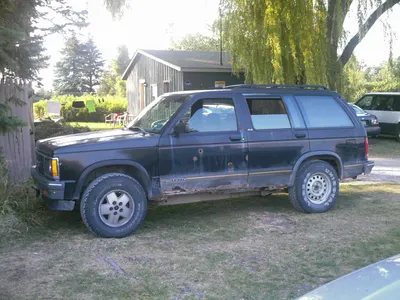
GMC beat Ford to the punch: the four-door Jimmy arrived in March 1990, months before the Ford Explorer launched to replace the two-door-only Bronco II.
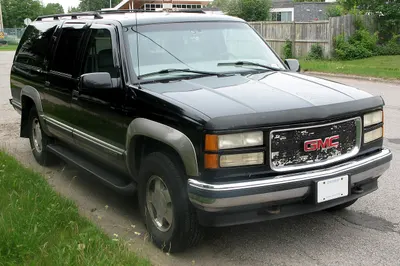
This Suburban was the first with four full passenger doors — but GM was late to the idea: the Jeep Wagoneer and International Travelall had already been building four-door wagon-style trucks for over a decade.
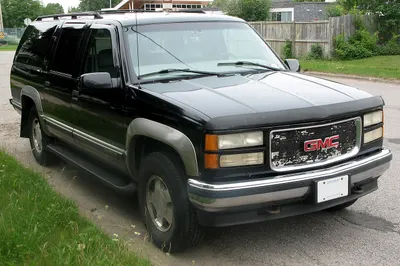
This was the last Suburban GMC ever sold under that name: starting with the 2000 model year, GMC renamed its Suburban to Yukon XL, while Chevrolet kept the original name going.
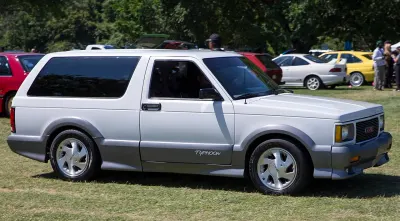
This turbocharged grocery-getter could hang with sports cars: Car and Driver clocked the Typhoon at 0-60 in 5.3 seconds.
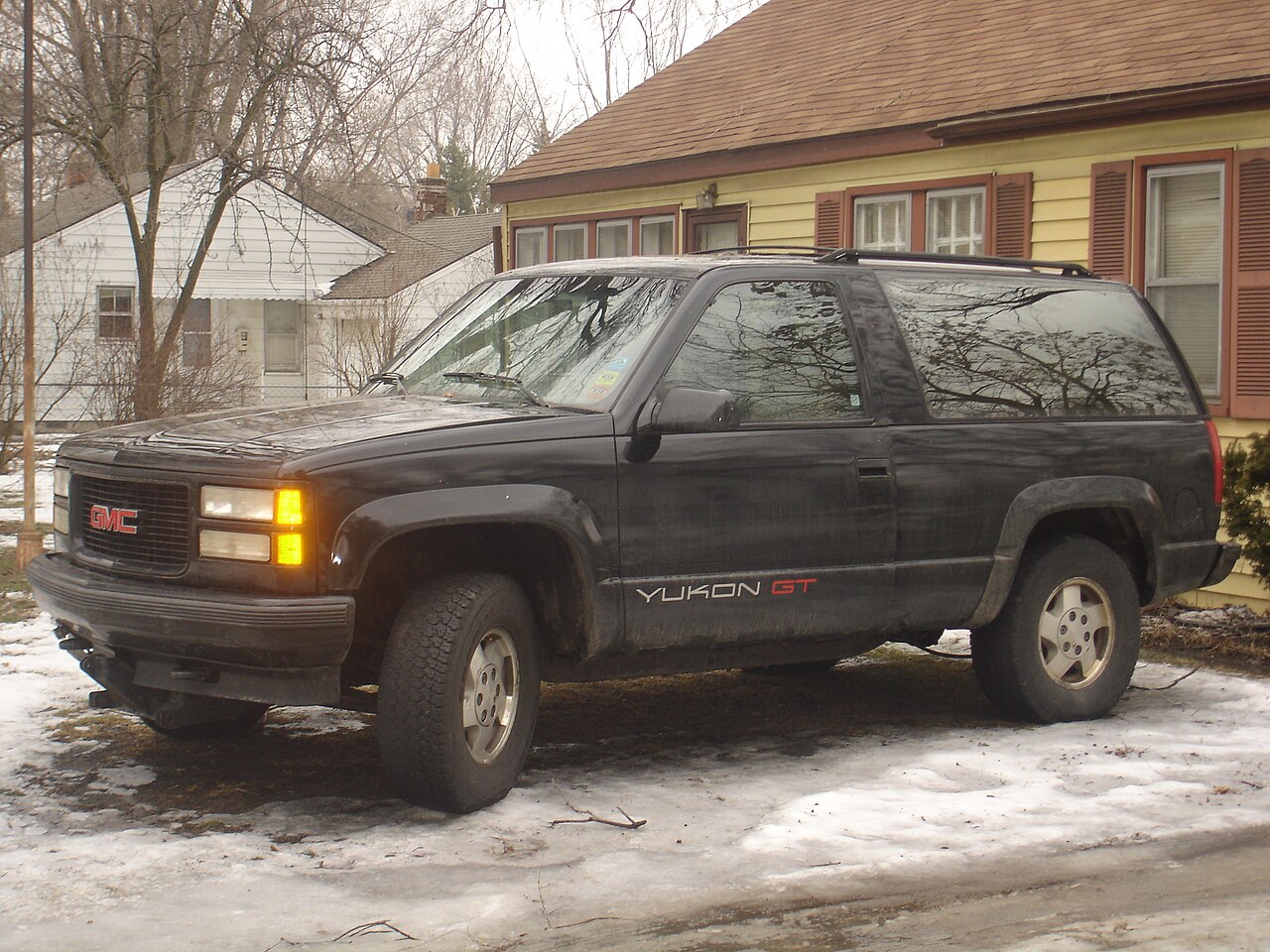
The 1998 Yukon Denali was the first Denali of all. A year later GM changed its grille and badges and sold it as the Cadillac Escalade.
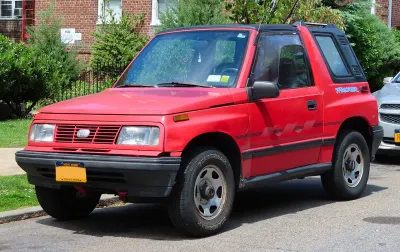
A tariff quirk flipped the Tracker's supply chain: early Canadian-built trucks all went to the US to dodge the 25% "Chicken Tax," while Canada's own Trackers shipped in from Japan.
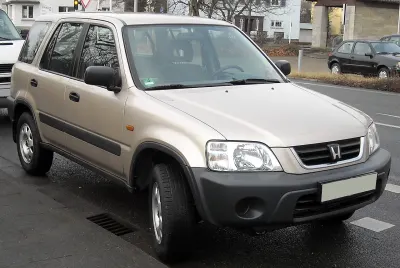
The Indonesian-market first-gen CR-V got a face-to-face third-row bench, turning it into a 7-seater purely to qualify for local tax rules.
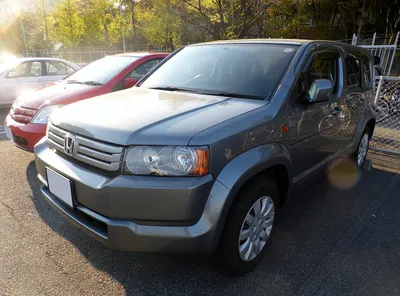
The only Honda ever sold with a V8: this Crossroad was a rebadged Land Rover Discovery with Rover's 3.9-litre unit.
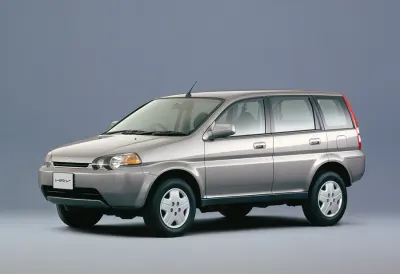
The original HR-V's four-wheel-drive system came straight off the CR-V, Honda's Real Time 4WD, shared between an SUV and this odd little three-door coupe-crossover.
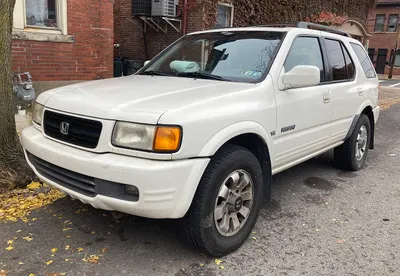
The first Honda Passport wasn't a Honda design at all: it was a rebadged Isuzu Rodeo, built through partnership rather than in-house.
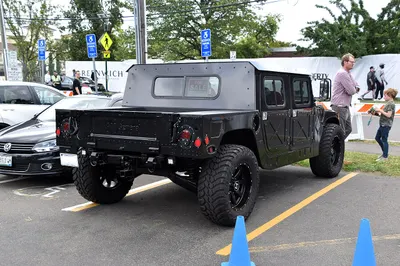
The civilian Hummer exists largely because of one Hollywood star — Arnold Schwarzenegger was so taken with the military Humvee that he personally pushed AM General to sell a road-going version.
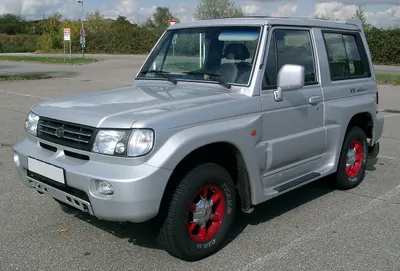
The restyled Galloper II looked like it was chasing the all-new second-generation Mitsubishi Pajero — but underneath, it was mechanically almost unchanged from the first Galloper.
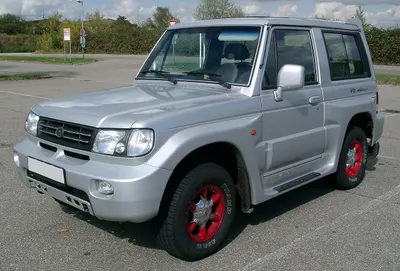
To prove it, Hyundai sent three Gallopers 73,000 km overland from Mumbai to Portugal's westernmost point — 35 countries, ten months, one advertising campaign.
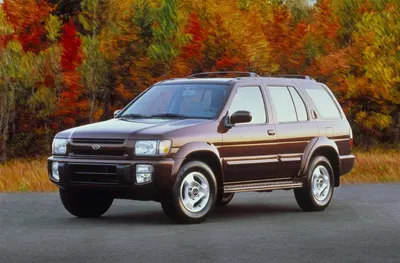
A mid-cycle engine swap gave the QX4 a huge jump — from a modest 168 hp to 240 hp — fitting the same VQ V6 that would later power the G35 and FX35.
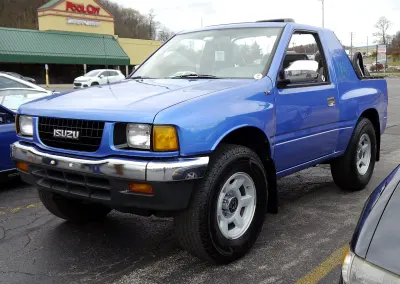
The rarest Isuzu Amigo trim, the XS-F, was so obscure that Isuzu never published sales figures for it — dealers' best guess is fewer than 75 were ever sold.