VerifiedFIRST · WORLDWIDEFIRST PRINTONLY ONE IN VANCOUVERToyota launched the 60 Series in South Africa by entering a completely stock, unmodified Land Cruiser in the brutal Toyota 1000 km Desert Race across the wilds of Botswana.
Body-on-frame icons that go where roads stop.
42 cards

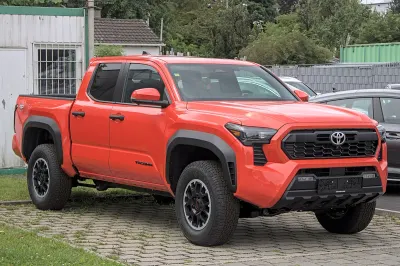
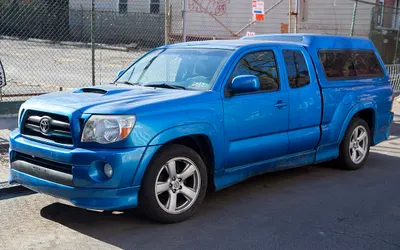
Toyota killed the XtraCab's rear seats after finding half of third-gen Access Cab buyers had already deleted them — and of those who kept the seats, most barely ever used them.

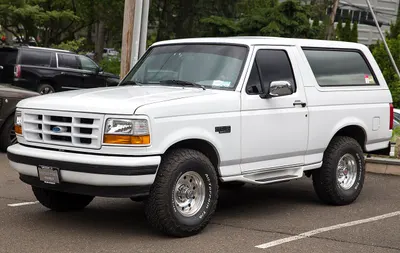
In 1996 this Bronco became the first Ford with turn signals built into its side mirrors, then Ford killed it.

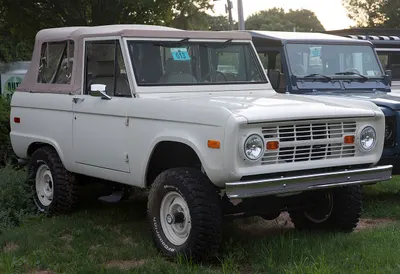
The first Bronco's optional wheel covers weren't bespoke — Ford just reused the ones from the 1966 Galaxie sedan.

The Bronco Raptor is the middle child of Ford's Raptor family — it followed the F-150 Raptor onto the badge, with a Ranger Raptor arriving after it.

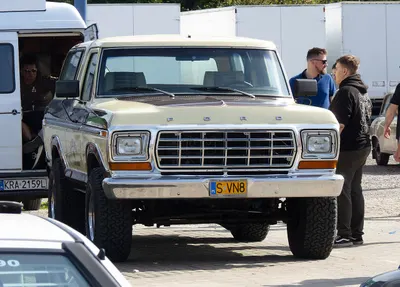
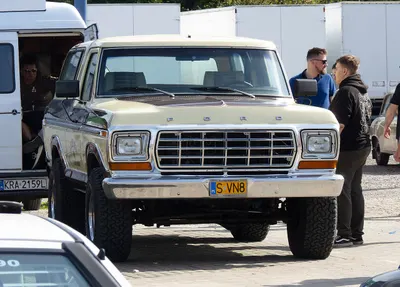
The second-gen Bronco, codenamed 'Project Shorthorn,' was supposed to launch in 1974 — the 1973 oil crisis scared Ford into a four-year delay.

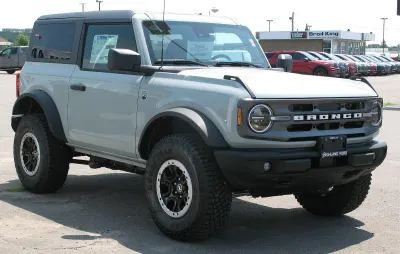
Ford's big reveal event for this Bronco landed on July 9 — O.J. Simpson's birthday — a coincidence nobody at Ford planned for a truck name forever linked to his white Bronco chase.

Ford's first attempt at a lighter third-gen Bronco frame — stamped with weight-saving holes — proved too weak and was scrapped after just two model years.

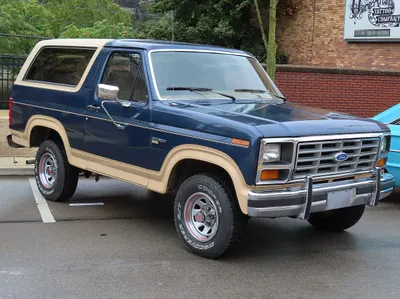
Twenty-five years in, the Bronco finally got leather: the 1991 Silver Anniversary Edition's gray leather interior was the first time Ford had ever offered leather seats in a Bronco.

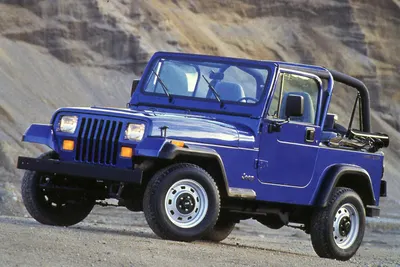
The yellow Wranglers chasing dinosaurs in Jurassic Park were not movie-only specials — they were simply 1992 Wrangler Sahara models, straight off the regular production line.

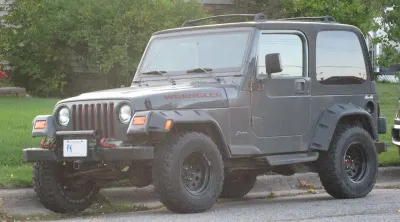
The TJ's door handles trace back to 1968 AMC passenger cars -- they, along with the AMC straight-six engine, weren't retired until this generation ended in 2006.

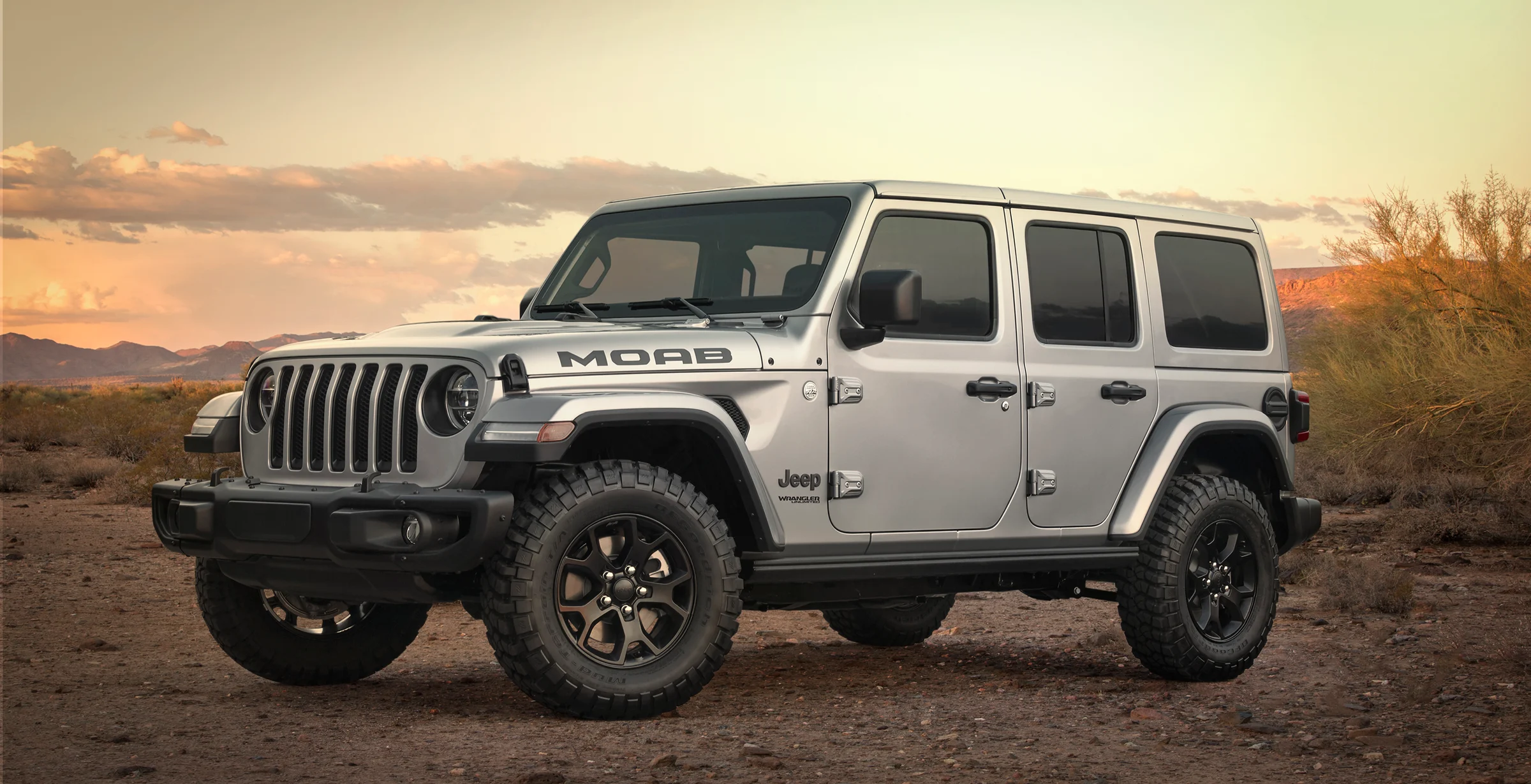
The facelifted JL Wrangler officially supports tires up to 40 inches — factory-sanctioned, not just an aftermarket stretch.

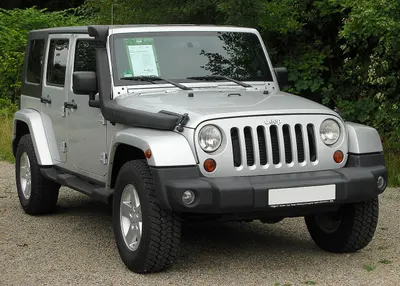
The four-door Wrangler Unlimited took over the lineup so completely that by mid-2017, three out of every four new Wranglers for sale had four doors — on a model once defined by its two-door shape.

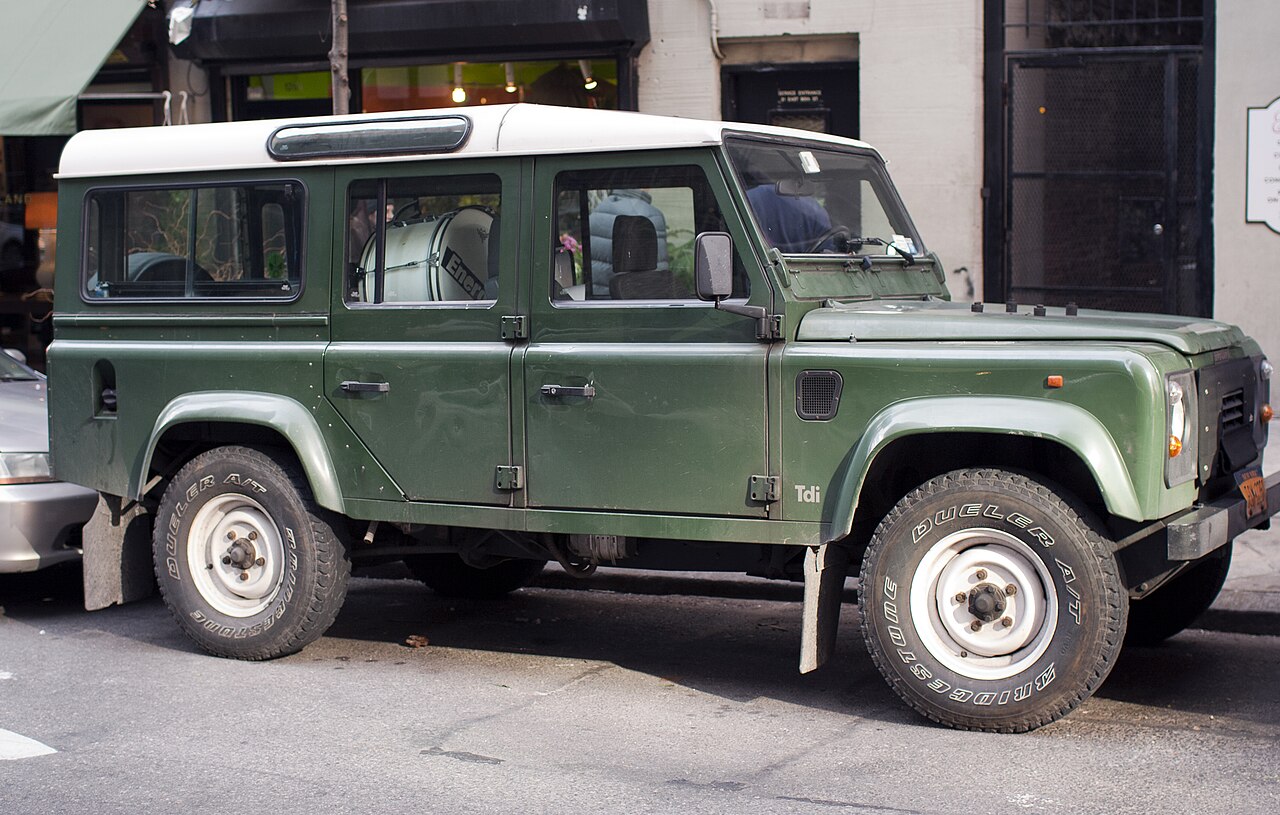
The extra-long One Two Seven wasn't built on its own frame — Land Rover took a standard One Ten chassis, cut it in half, welded in 17 inches of new steel, and reunited the two halves.

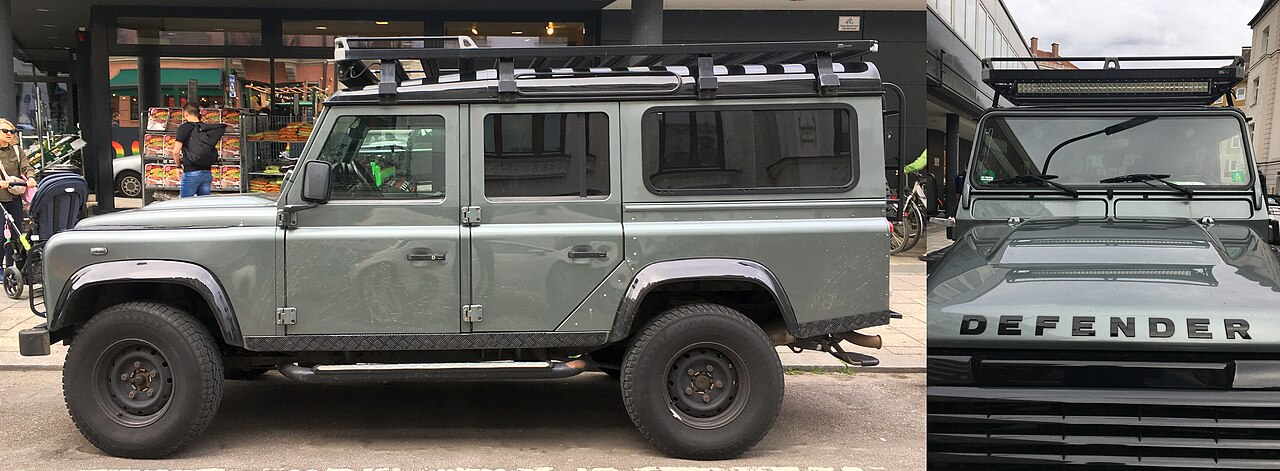
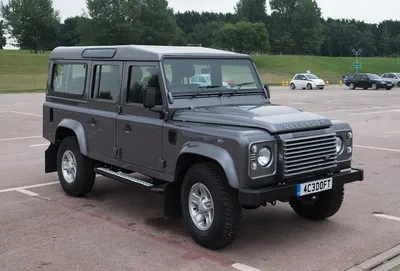
The very last Defender built — a soft-top 90 — rolled off the Solihull line at 9:22am on Friday, January 29, 2016.

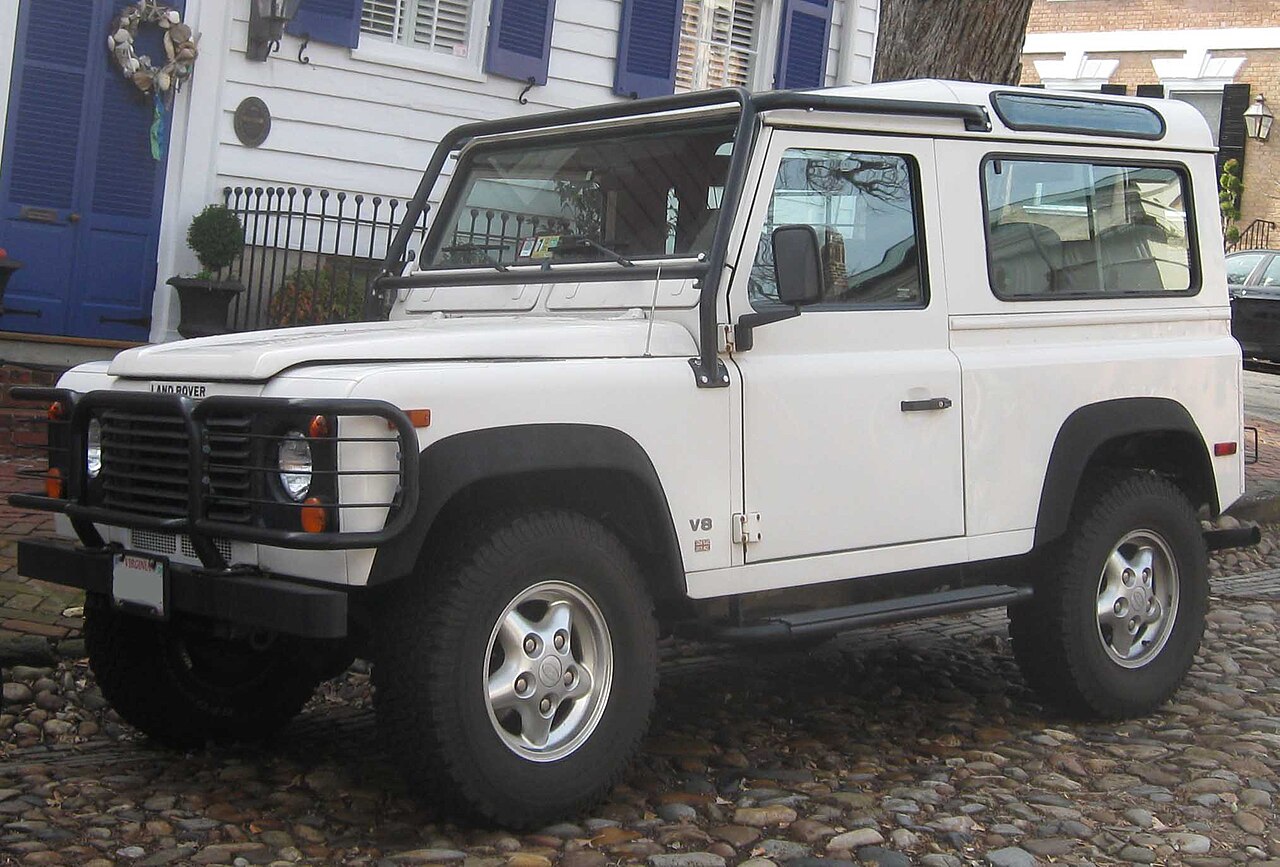
The famous marketing photos of this North American Defender 90 show a roll cage without its safety padding — the prototype used for the shoot, not the padded cage every actual customer got.

A rare South African-built Defender 2.8i, powered by a BMW straight-six, hit 0-62 mph in 9.3 seconds — the fastest production Defender Land Rover ever built.

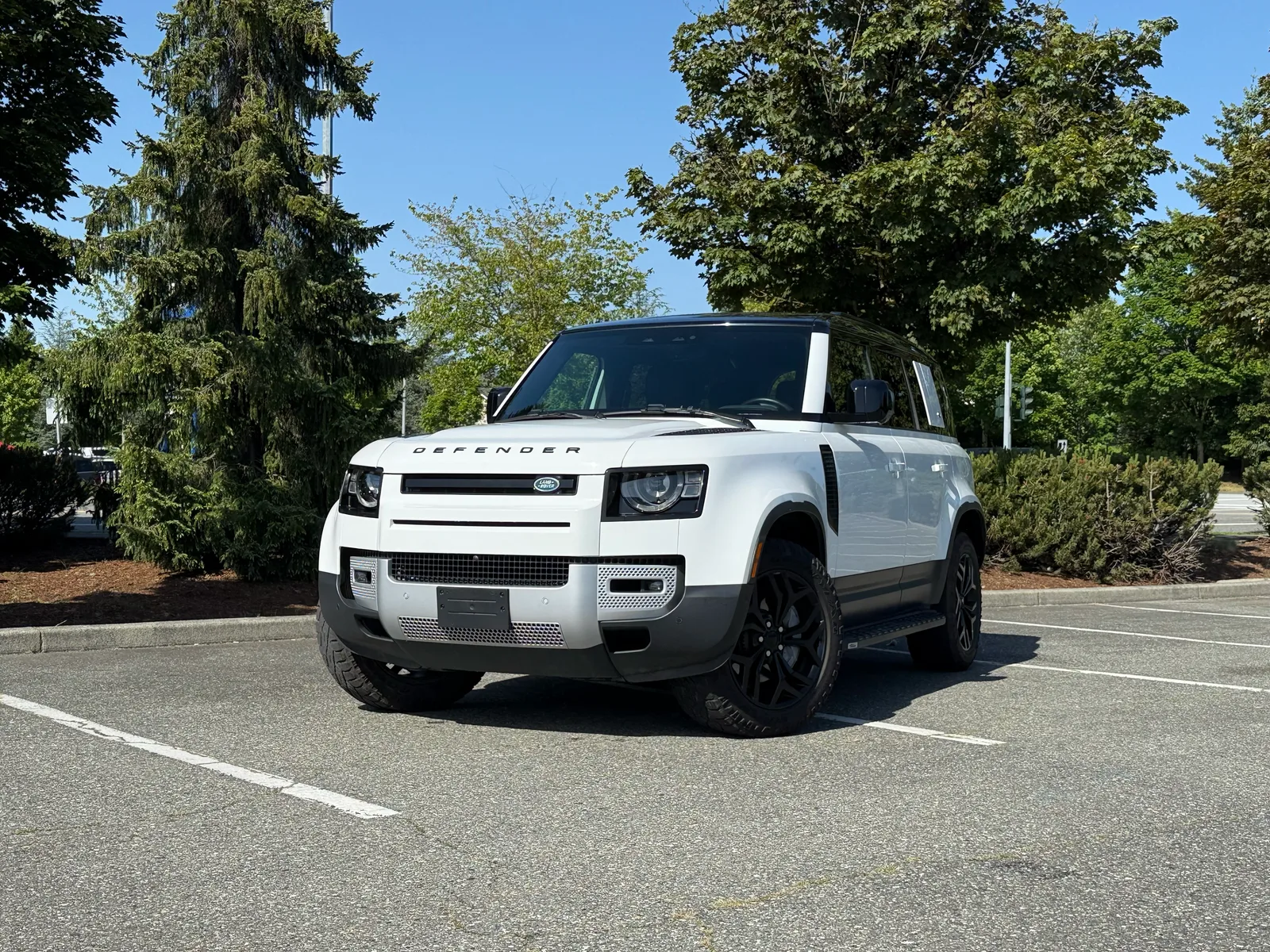
Every Defender before this one was body-on-frame — this generation broke decades of tradition with an aluminium unibody structure instead.

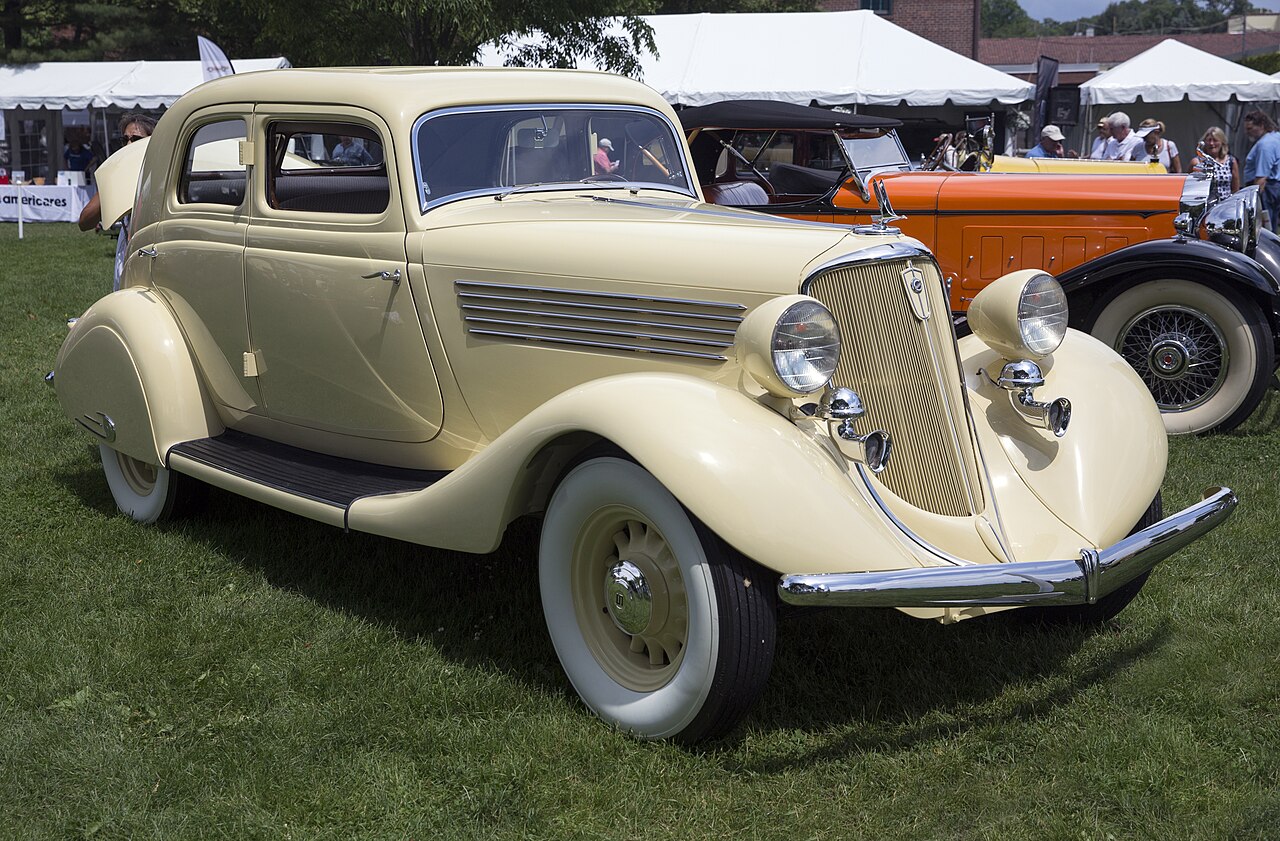
For 1941, Studebaker's ultra-luxury Skyway Land Cruiser got a curved single-pane windshield, rear fender skirts and premium trim, at a time when flat glass was the industry norm.

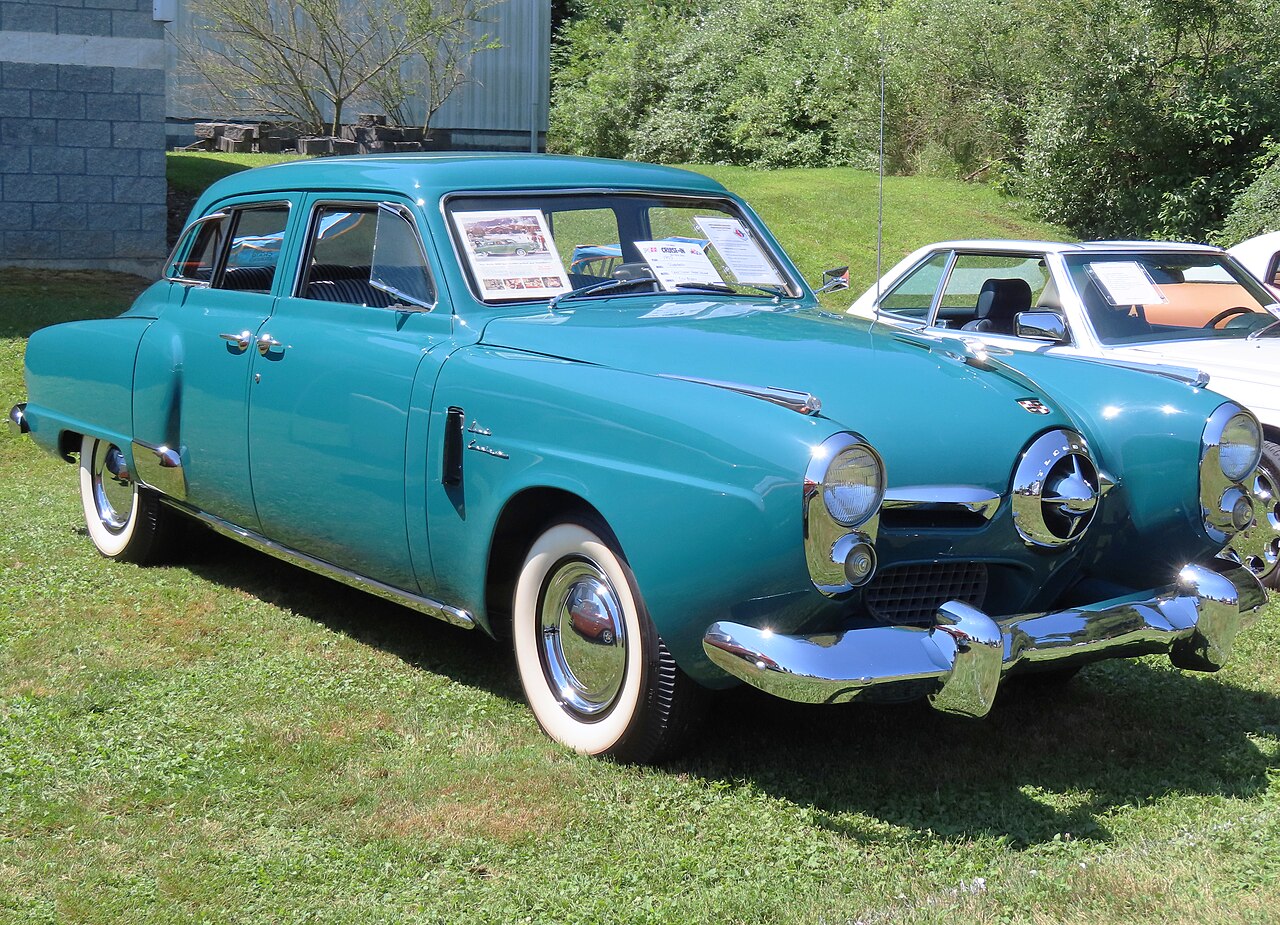
This Studebaker's optional automatic transmission was years ahead of its rivals: it had hill-holder, anti-creep, reverse lock-out and a locking torque converter for near-zero power loss in top gear.

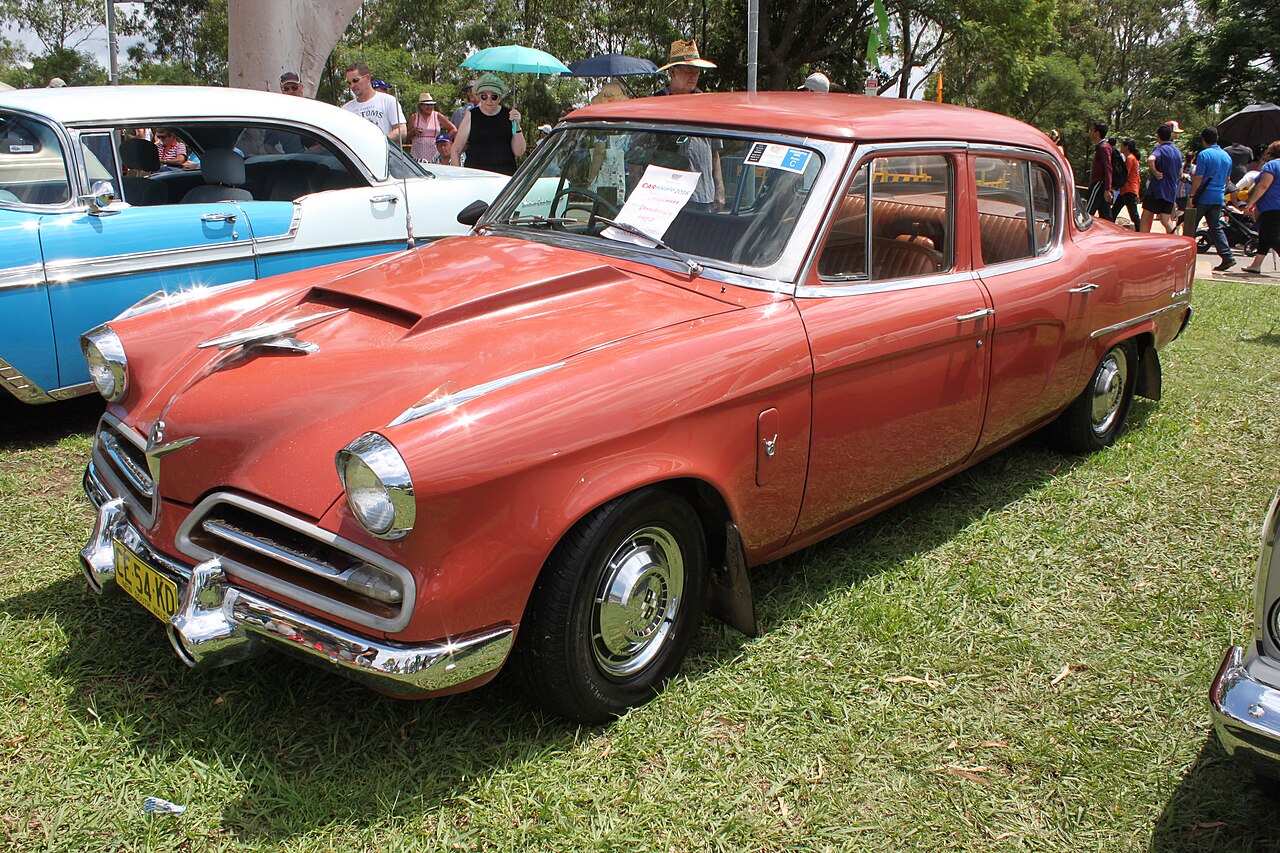
The 1953 Land Cruiser's frame flexed so badly that jacking up one corner to change a tire could jam the doors shut -- too thin a steel gauge, fixed in later years.

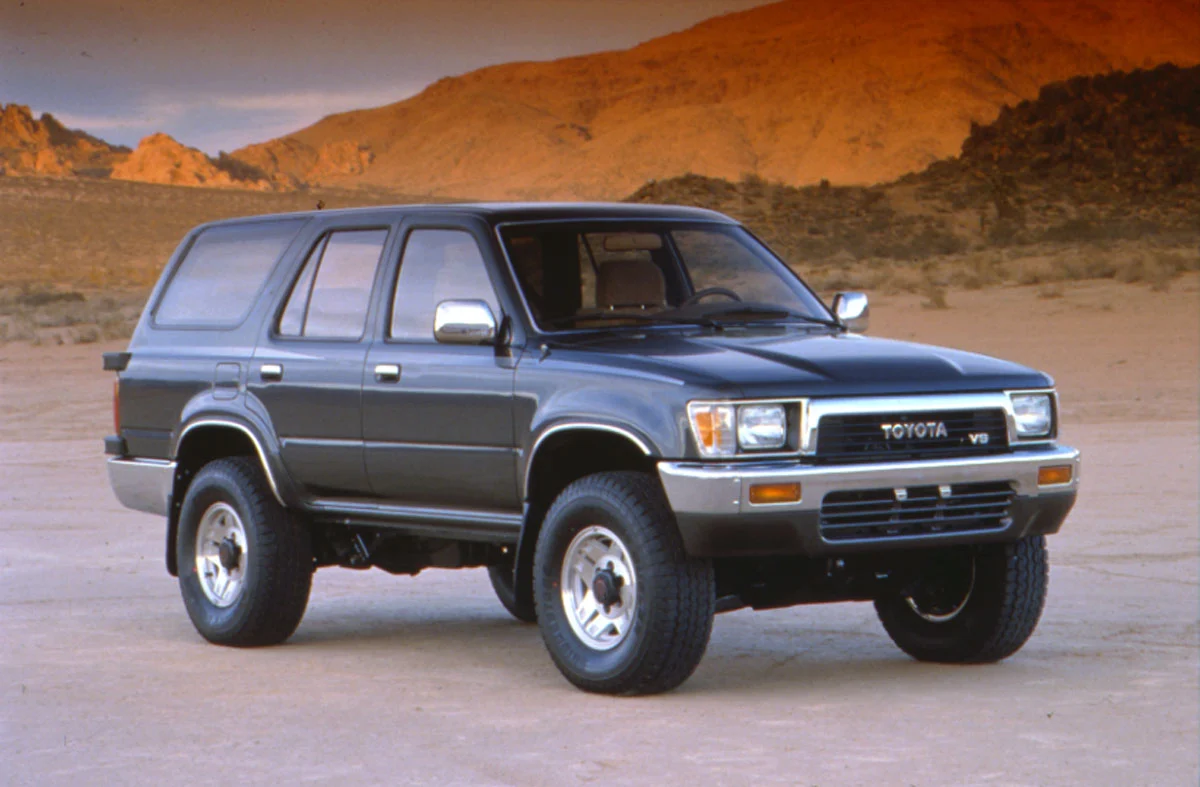
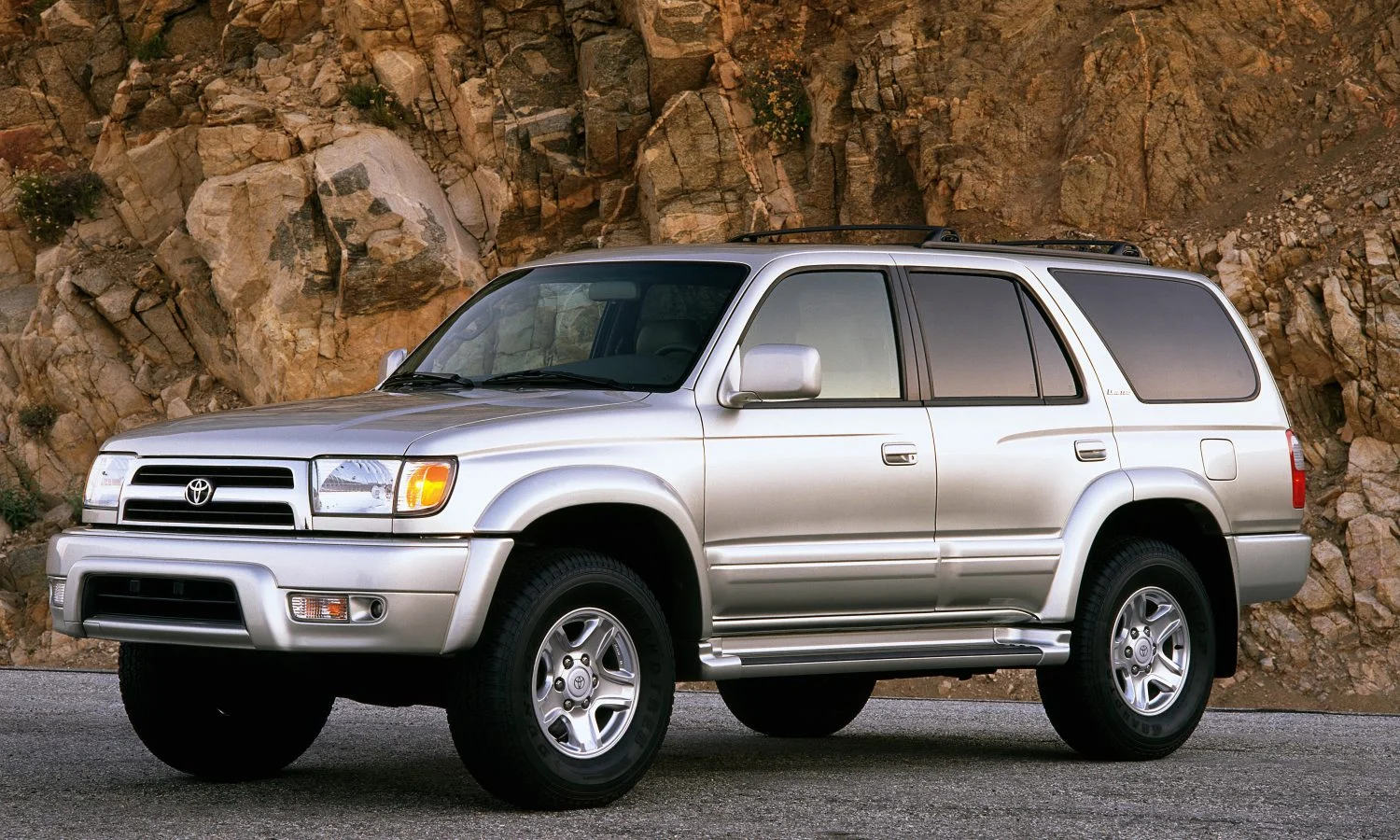
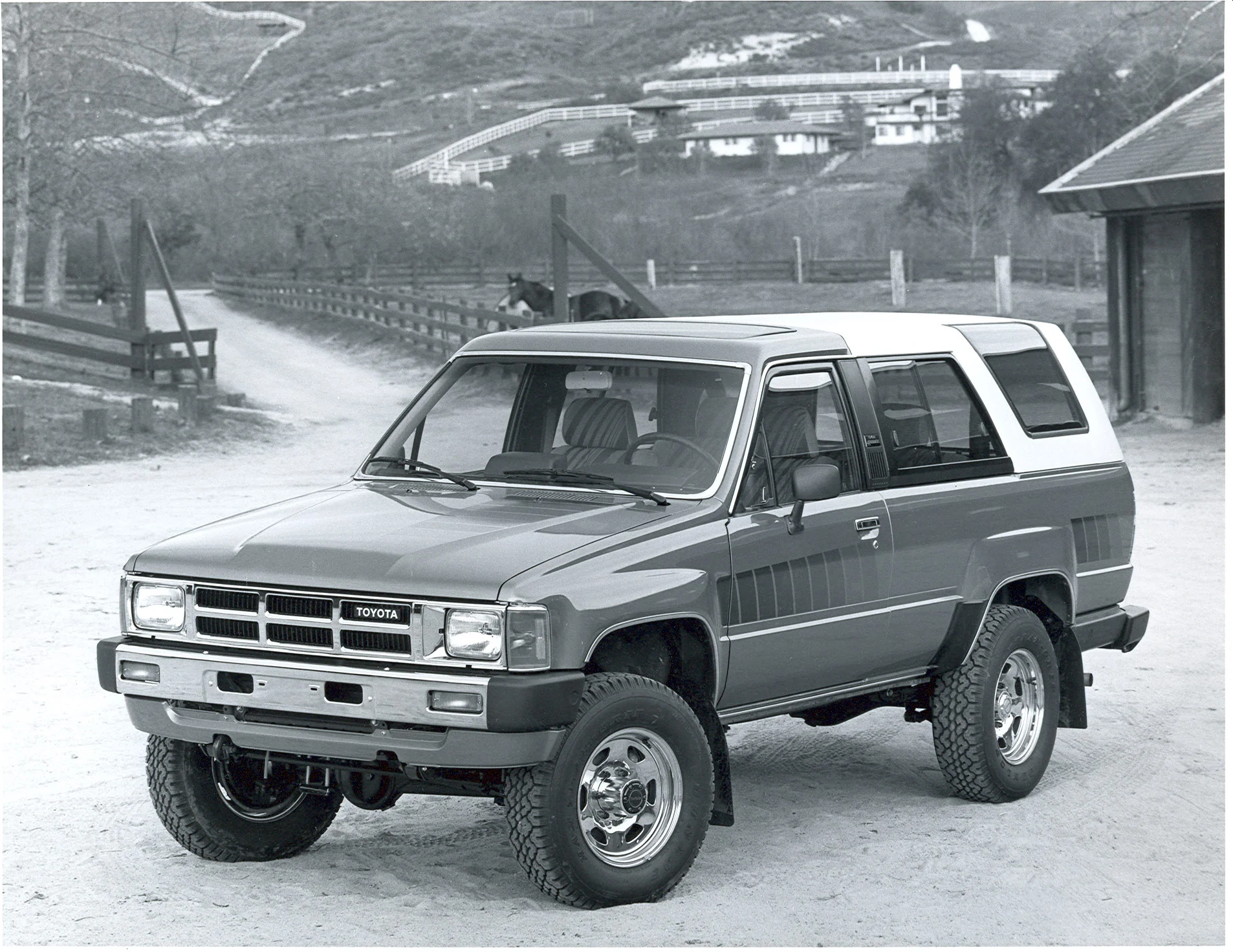
Two-door second-generation 4Runners are extremely rare, and cost more than the four-doors because the chicken tax on imported light trucks hit them.

The five-speed manual was dropped from this 4Runner for 2000, the last time any 4Runner was offered with a manual.

Early 4Runners were imported to the US with no rear seats at all, so customs would classify them as a truck and charge a lower duty.

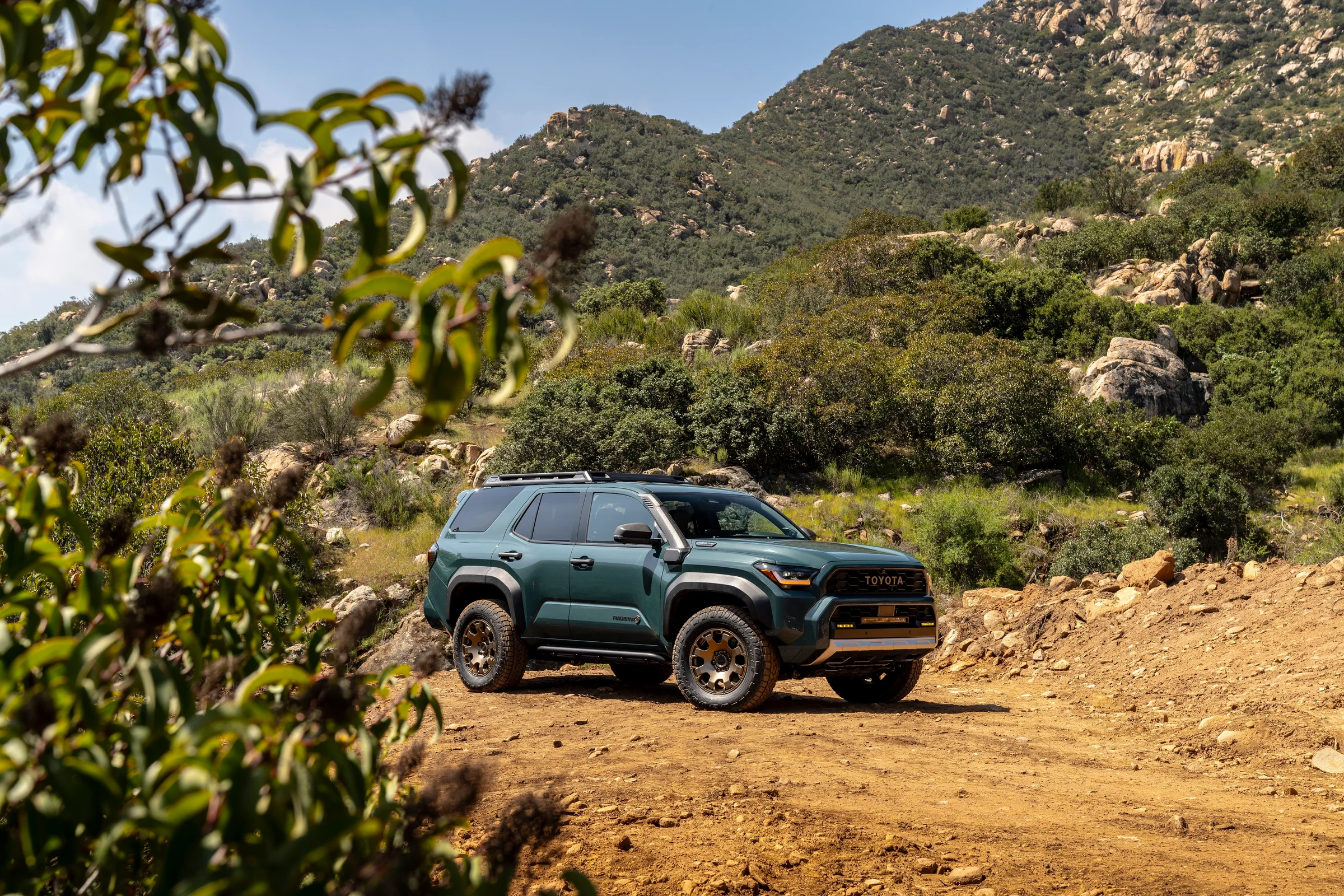
The sixth 4Runner keeps the roll-down rear window; engineers saved it by going over every part of the mechanism to cut weight.

A 2007 IIHS report found 13 deaths per million registered vehicle years for the 2003-04 4Runner; only the Astro, G35 and BMW 7 Series did better.

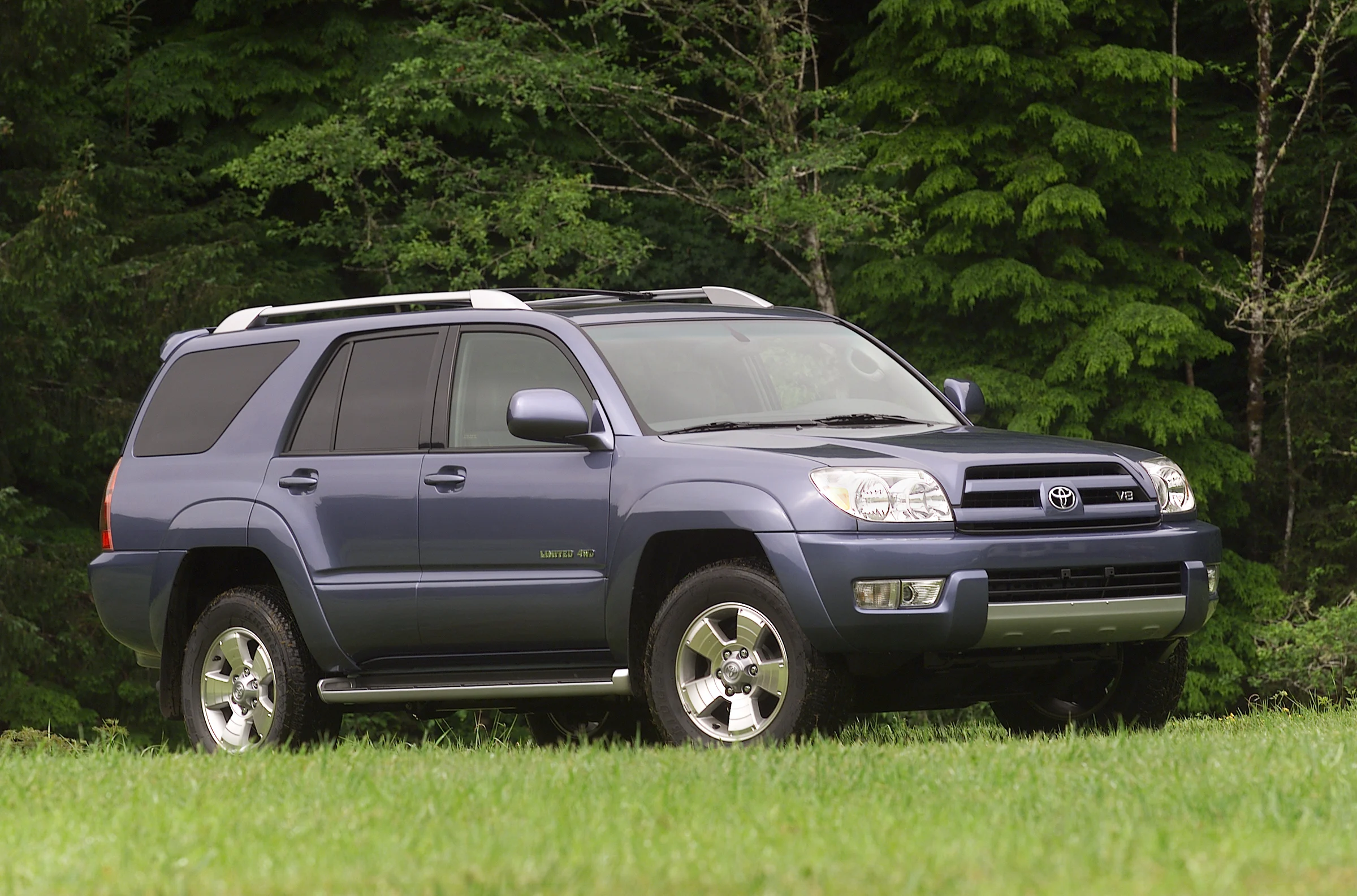
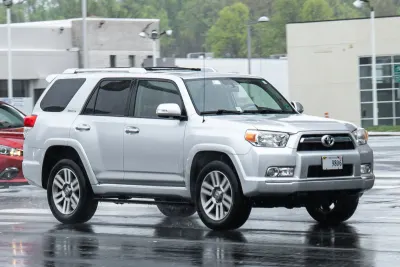
This 4Runner is built entirely in Japan — yet it's left-hand-drive only, so Toyota never sold it in Japan itself or any other right-hand-drive market.

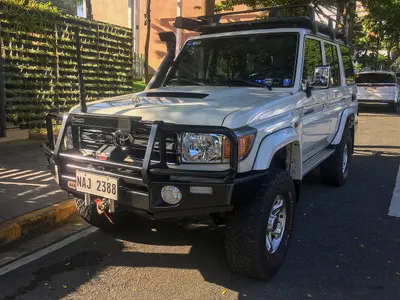
The J70 remains in production at Toyota's plants for markets including the Middle East and Africa, having outlived the J80, J100 and J200 wagons it was launched alongside.

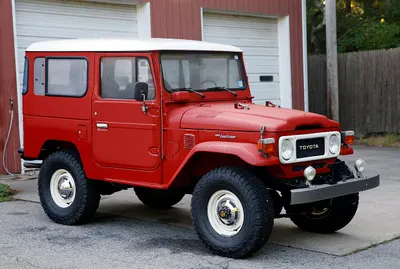
For the FJ40's 60th anniversary, Toyota built a one-off Heritage Edition of this Land Cruiser — just 1,200 units, US-only, and stripped to five seats instead of the usual third row.

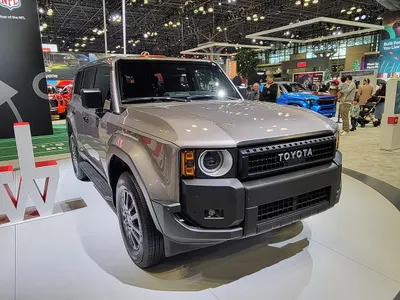
Toyota cut roughly 200 kg from the frame alone, then dropped the V8 for twin-turbo V6s instead.

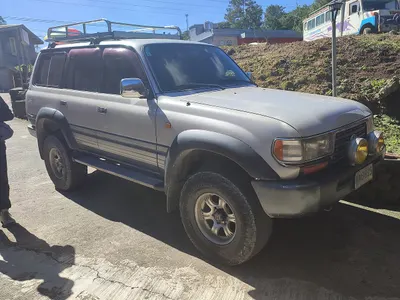
In Colombia and Venezuela, drivers nicknamed the 80 Series the "Burbuja" — the Bubble — purely because of how round it looked next to the boxy Land Cruisers before it.

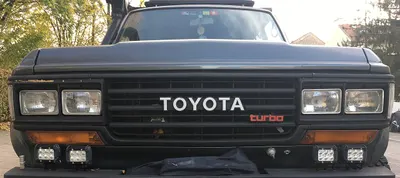
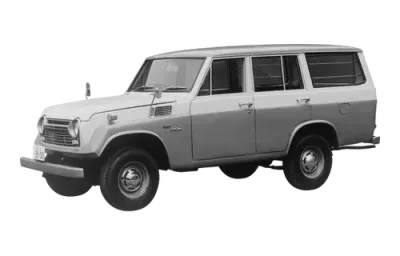
Toyota launched the 60 Series in South Africa by entering a completely stock, unmodified Land Cruiser in the brutal Toyota 1000 km Desert Race across the wilds of Botswana.

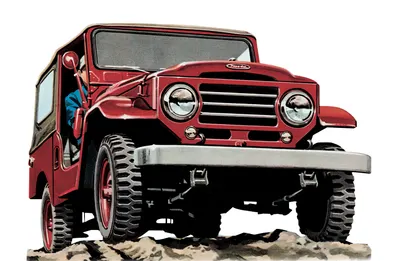
Toyota do Brasil kept building this generation as the Bandeirante clear through 1968, eight years after Japan moved on.

The 40 Series Land Cruiser used fold-down jump seats instead of a rear bench — a deliberate choice to out-cargo its rival, the Jeep CJ.

Toyota calls this the first true Land Cruiser station wagon, the car that invented the SUV body style for the line.

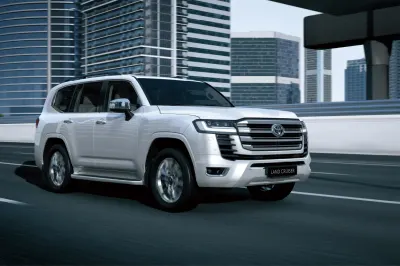
The boxy new 250 Series Land Cruiser isn't a fresh design — Toyota built its retro, slab-sided look as a deliberate callback to the J60 Land Cruiser of the 1980s.

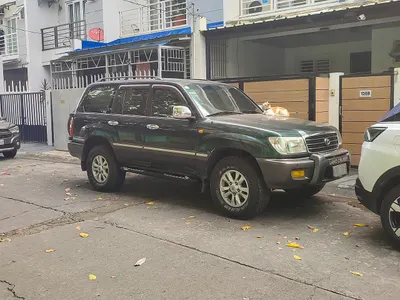
The 100 Series was the first Land Cruiser ever offered with a V8 — and Toyota built it specifically to chase North American buyers, who got nothing else.

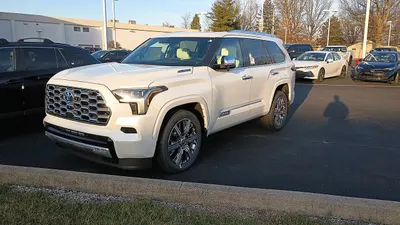
After fourteen years of a smoother independent rear suspension, this Sequoia went backwards on purpose — back to a simple solid rear axle, just like the very first generation.

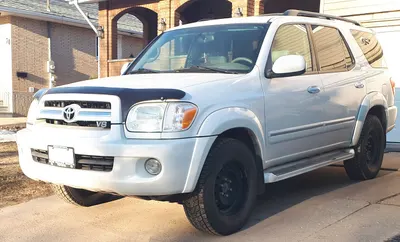
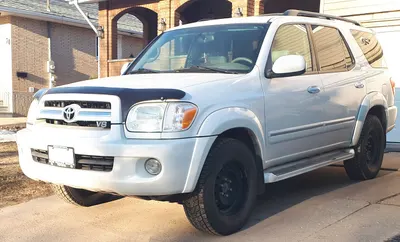
This Sequoia broke with full-size SUV convention by using a rear independent double-wishbone suspension instead of a solid axle, trading some towing toughness for ride comfort.

Toyota's first Sequoia actually out-sized its own flagship — it launched slightly longer than the contemporary Land Cruiser and bigger than a Chevy Tahoe.

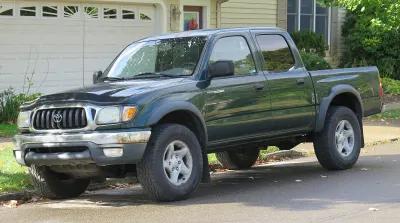
Toyota didn't develop the second-generation Tacoma alone — the majority of the engineering work was actually handled by Hino, its truck-making subsidiary in Japan.

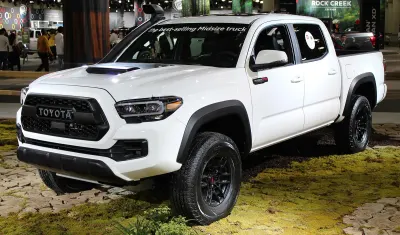
For the 30th anniversary of Back to the Future in 2015, Toyota built a one-off Tacoma concept dressed up like Marty McFly's 1985 Hilux pickup — right down to extra driving lights and period-correct mudflaps.

Toyota's own dealers would sell you a TRD supercharger for this Tacoma's V6, officially bumping output to 254 hp — a factory-blessed upgrade before that was common.
Real Adventure & Overlanding cards spotted on the street by Burbles collectors. Tap any card to flip it over, inspect the collector’s binder, or follow them.
VerifiedFIRST · WORLDWIDEFIRST PRINTONLY ONE IN VANCOUVERToyota launched the 60 Series in South Africa by entering a completely stock, unmodified Land Cruiser in the brutal Toyota 1000 km Desert Race across the wilds of Botswana.
VerifiedFIRST · WORLDWIDEFIRST PRINTPROEvery Defender before this one was body-on-frame — this generation broke decades of tradition with an aluminium unibody structure instead.
VerifiedFIRST PRINTONLY ONE IN VANCOUVER×3Every Defender before this one was body-on-frame — this generation broke decades of tradition with an aluminium unibody structure instead.
VerifiedFIRST PRINTONLY ONE IN VANCOUVERPROToyota didn't develop the second-generation Tacoma alone — the majority of the engineering work was actually handled by Hino, its truck-making subsidiary in Japan.
VerifiedFIRST · WORLDWIDEFIRST PRINTONLY ONE IN VANCOUVERThe yellow Wranglers chasing dinosaurs in Jurassic Park were not movie-only specials — they were simply 1992 Wrangler Sahara models, straight off the regular production line.