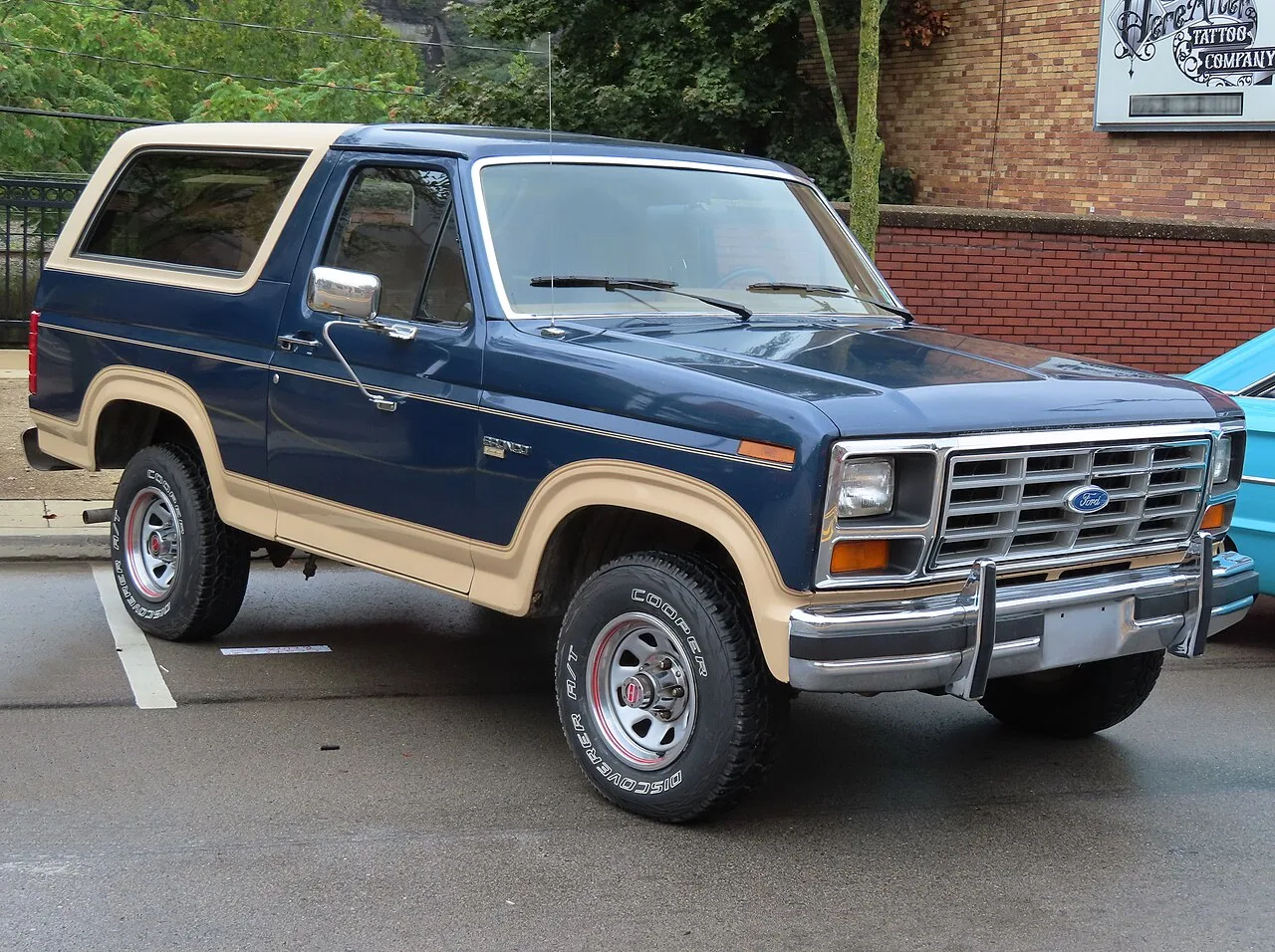
Ford's first attempt at a lighter third-gen Bronco frame — stamped with weight-saving holes — proved too weak and was scrapped after just two model years.
Median 98 hp across 49 similar cars
Lead trim: 4.9 300 straight-six (manual only) · up to 210 hp
Ford Bronco third generation1980–1986
- 0spots by members
- Unclaimednobody has spotted one yet
- 0sets it belongs to
Nobody in Burbles has spotted a Ford Bronco third generation yet. See one on the street, point the app at it, and the first card is yours — with your @handle permanently credited on this page.
FactFord's first attempt at a lighter third-gen Bronco frame — stamped with weight-saving holes — proved too weak and was scrapped after just two model years.
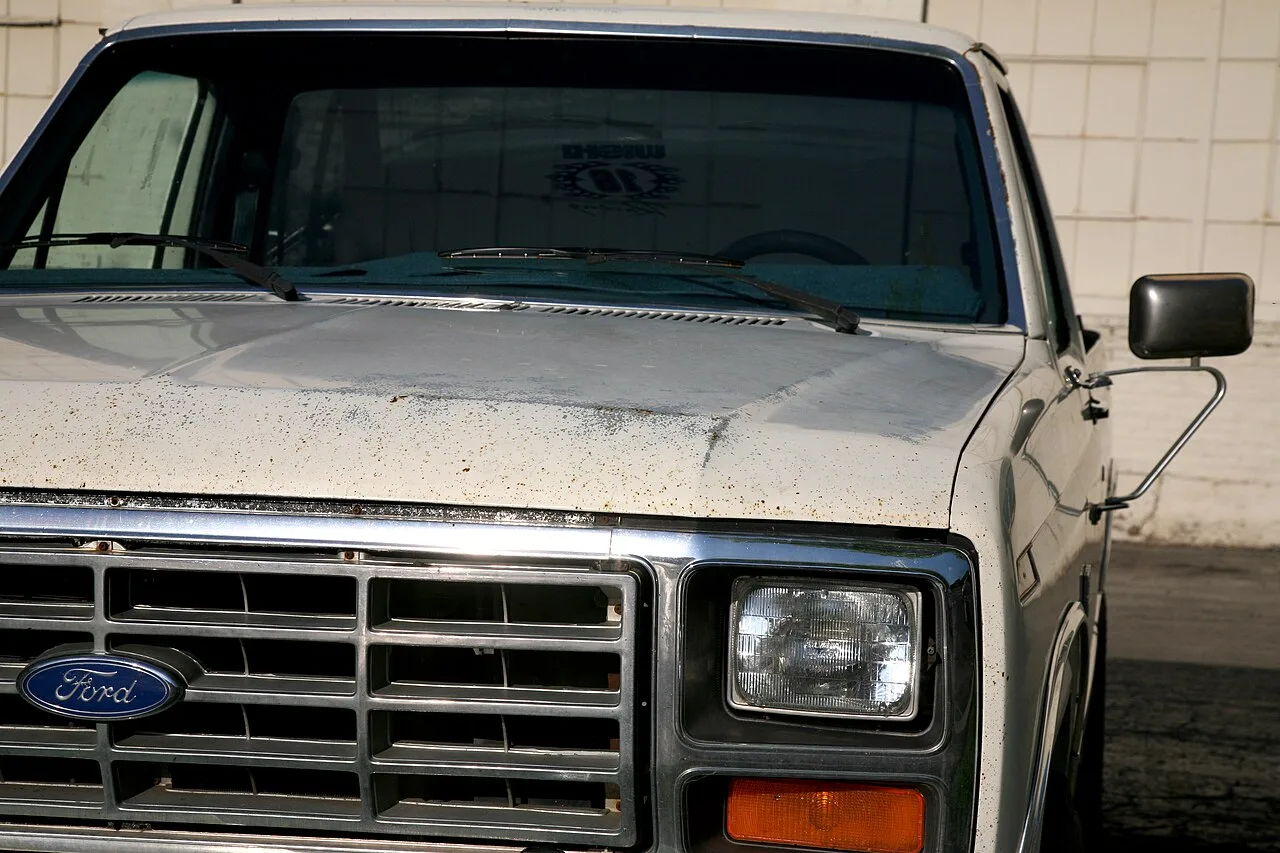
Development began in 1977, before its predecessor even went on sale, to fix the concerns that held the 1978–79 Bronco back: nominally shorter and lighter but still full-size, based on the seventh-generation F-150 chassis with a Dana 44 front axle and Ford Twin Traction Beam independent front suspension, and keeping the 104-inch wheelbase. For the first time since 1977 a 4.9 L 300 inline-six was standard (manual only), the 400 was dropped, the 351M took its place and the 302 returned as base V8, before the 351 Windsor replaced the 351M in 1982 and gained a 210 hp high-output version in 1984. The compact Bronco II was a separate Ranger-based truck from 1982.
Collectors Spotted in the Ford Bronco Lineage
No member has published a public street spot of the Ford Bronco yet — the First · Worldwide stamp is wide open.
Trims & Figures
5 published trims in the catalogue. A blank is a figure not recorded, not zero.
| Trim | Years | Engine | Power | Torque | 0–60 | Drive | Gearbox | MSRP |
|---|---|---|---|---|---|---|---|---|
| 302 V8 (carburettor) | 1980–1984 | 4.9 L V8 | — | — | — | — | — | — |
| 302 V8 multiport fuel injection (190 hp, 1985) | 1985–1986 | 4.9 L V8 | 190 hp | 285 lb-ft | — | — | — | — |
| 351 Windsor V8 (156 hp) | 1982–1985 | 5.8 L V8 | 156 hp | — | — | — | — | — |
| 351 Windsor high-output V8 (210 hp, 1984) | 1984–1986 | 5.8 L V8 | 210 hp | 305 lb-ft | — | — | — | — |
| 4.9 300 straight-six (manual only) | 1980–1986 | 4.9 L Inline-6 | 117 hp | 243 lb-ft | — | — | manual | — |
Owning one
An estimate, for the 302 V8 (carburettor) trim: fuel on its EPA figure and a dated national price, upkeep on a per-mile average for the kind of car it is.
Owners’ builds
Nobody has claimed one yet.
Photographs
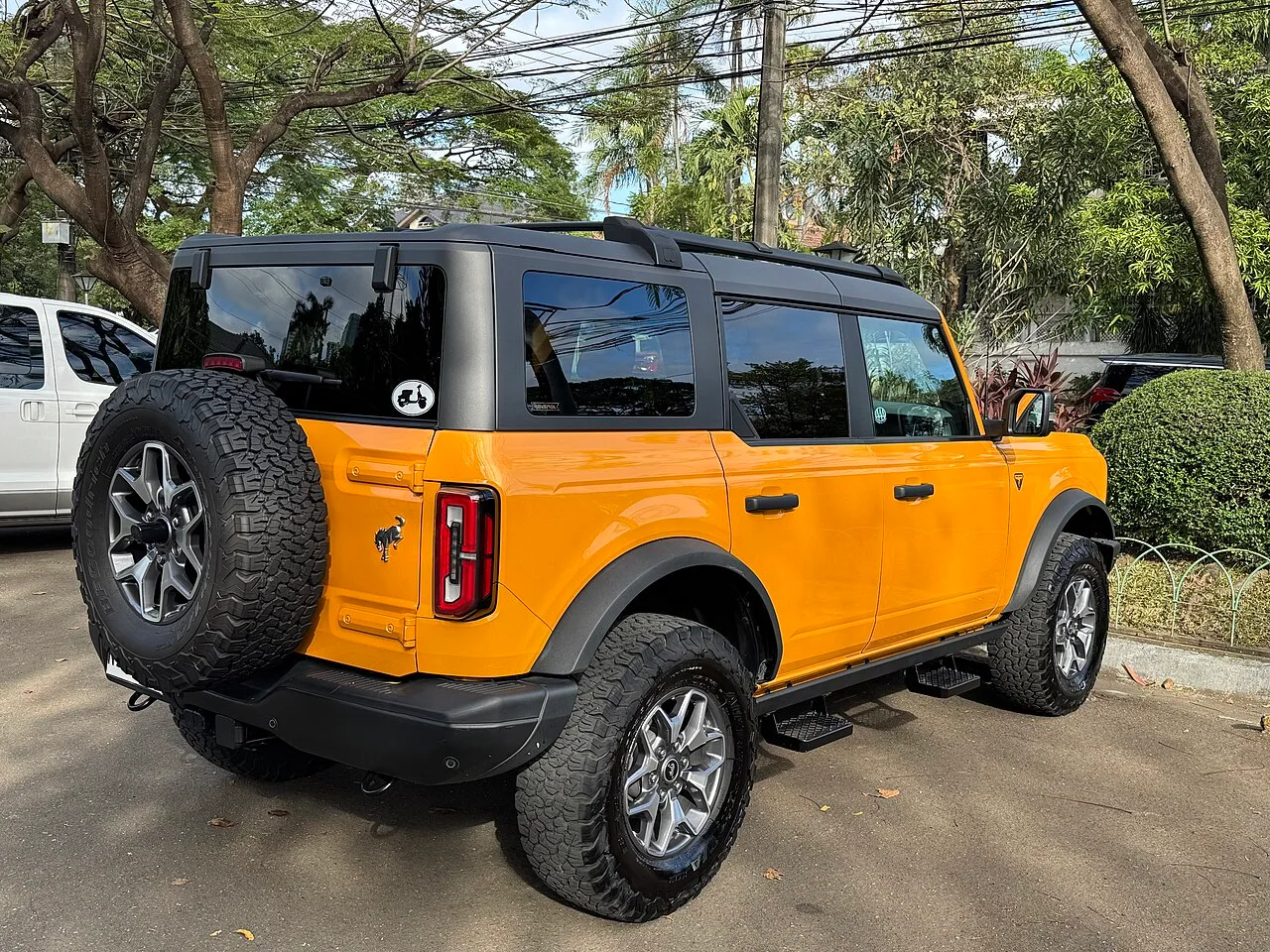
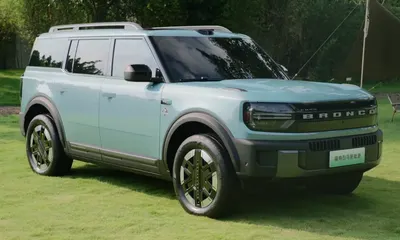
The Bronco Raptor is the middle child of Ford's Raptor family — it followed the F-150 Raptor onto the badge, with a Ranger Raptor arriving after it.
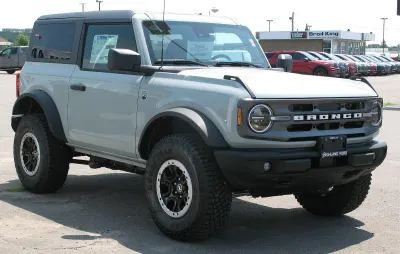
Ford's big reveal event for this Bronco landed on July 9 — O.J. Simpson's birthday — a coincidence nobody at Ford planned for a truck name forever linked to his white Bronco chase.
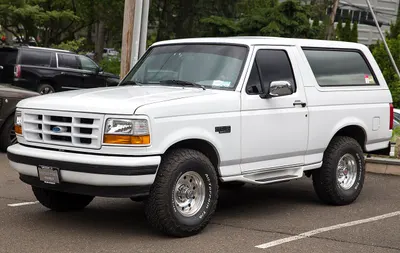
In 1996 this Bronco became the first Ford with turn signals built into its side mirrors, then Ford killed it.
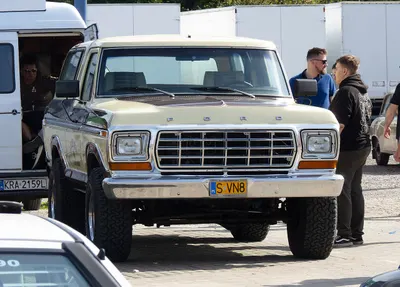
Twenty-five years in, the Bronco finally got leather: the 1991 Silver Anniversary Edition's gray leather interior was the first time Ford had ever offered leather seats in a Bronco.
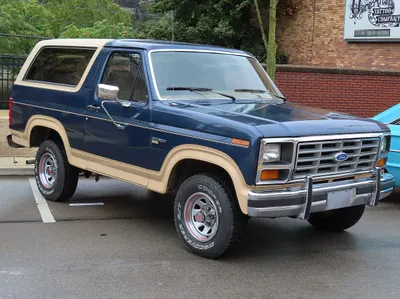
Ford's first attempt at a lighter third-gen Bronco frame — stamped with weight-saving holes — proved too weak and was scrapped after just two model years.
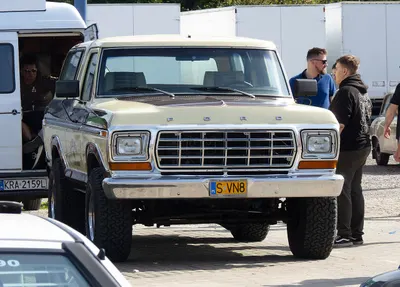
The second-gen Bronco, codenamed 'Project Shorthorn,' was supposed to launch in 1974 — the 1973 oil crisis scared Ford into a four-year delay.
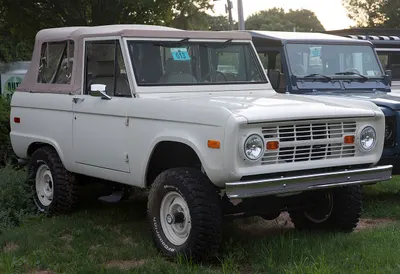
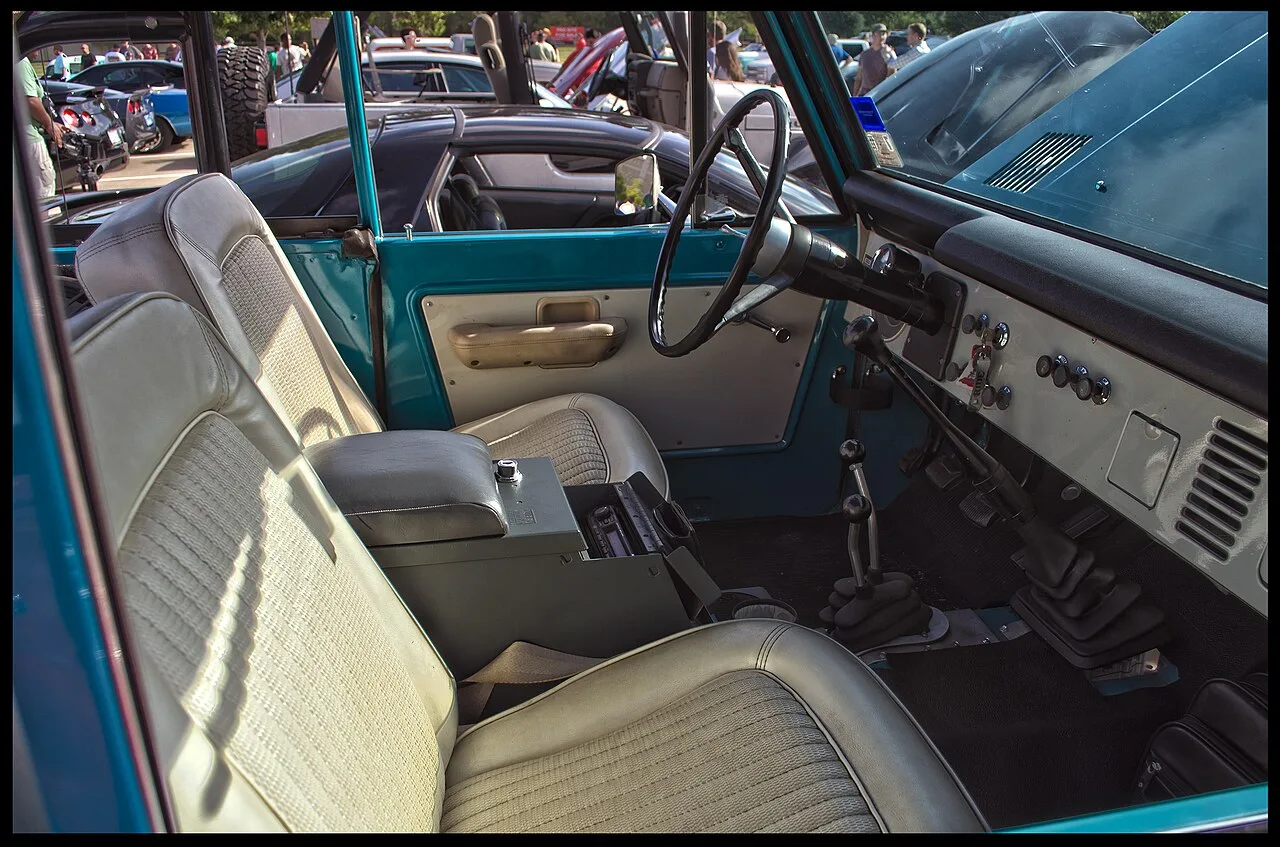
The first Bronco's optional wheel covers weren't bespoke — Ford just reused the ones from the 1966 Galaxie sedan.
Rivals
Same body, same money, other badges — tap any card to flip.
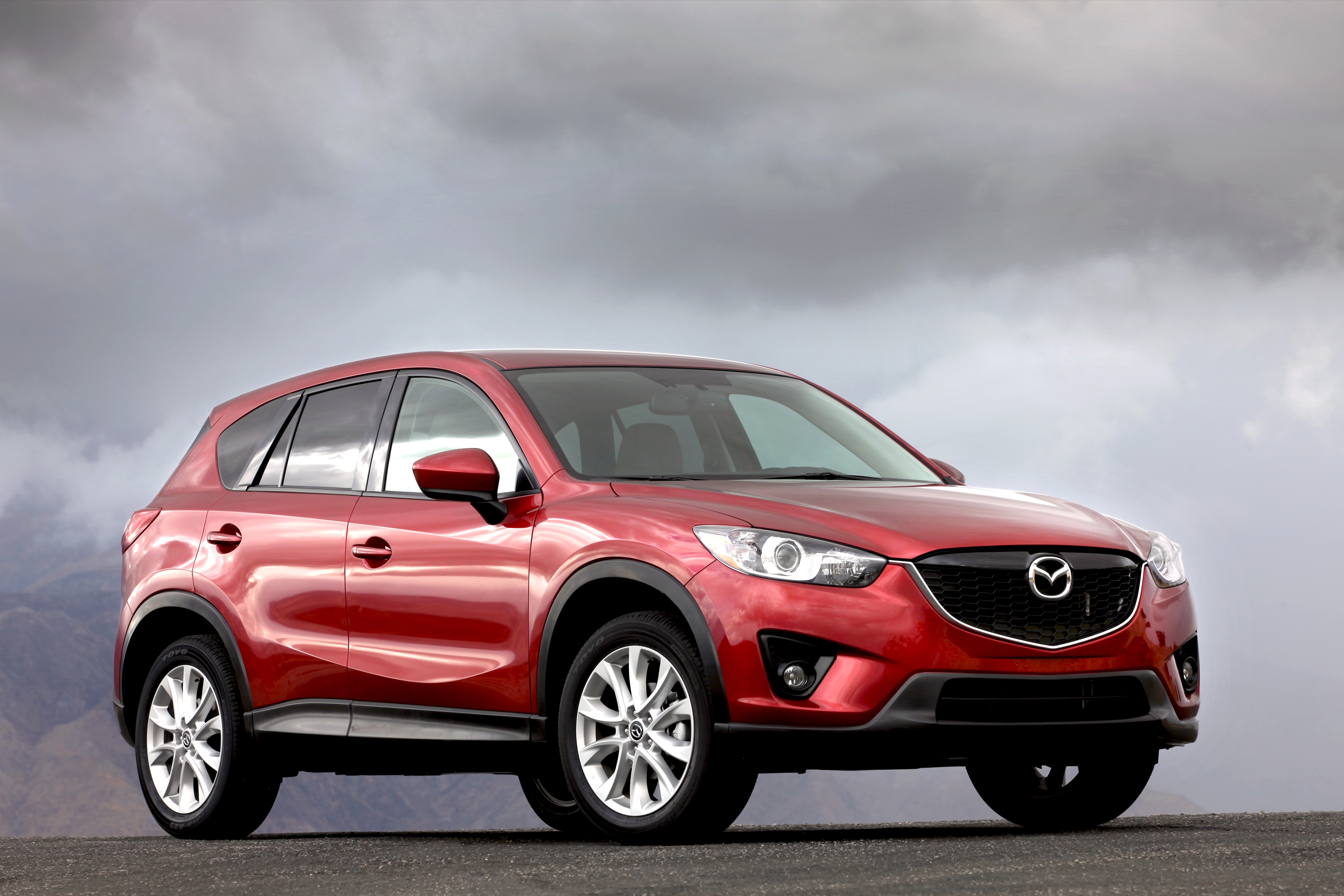
IIHS only crash-tests the driver's corner; tested on the passenger side instead, the CX-5 showed far worse intrusion.
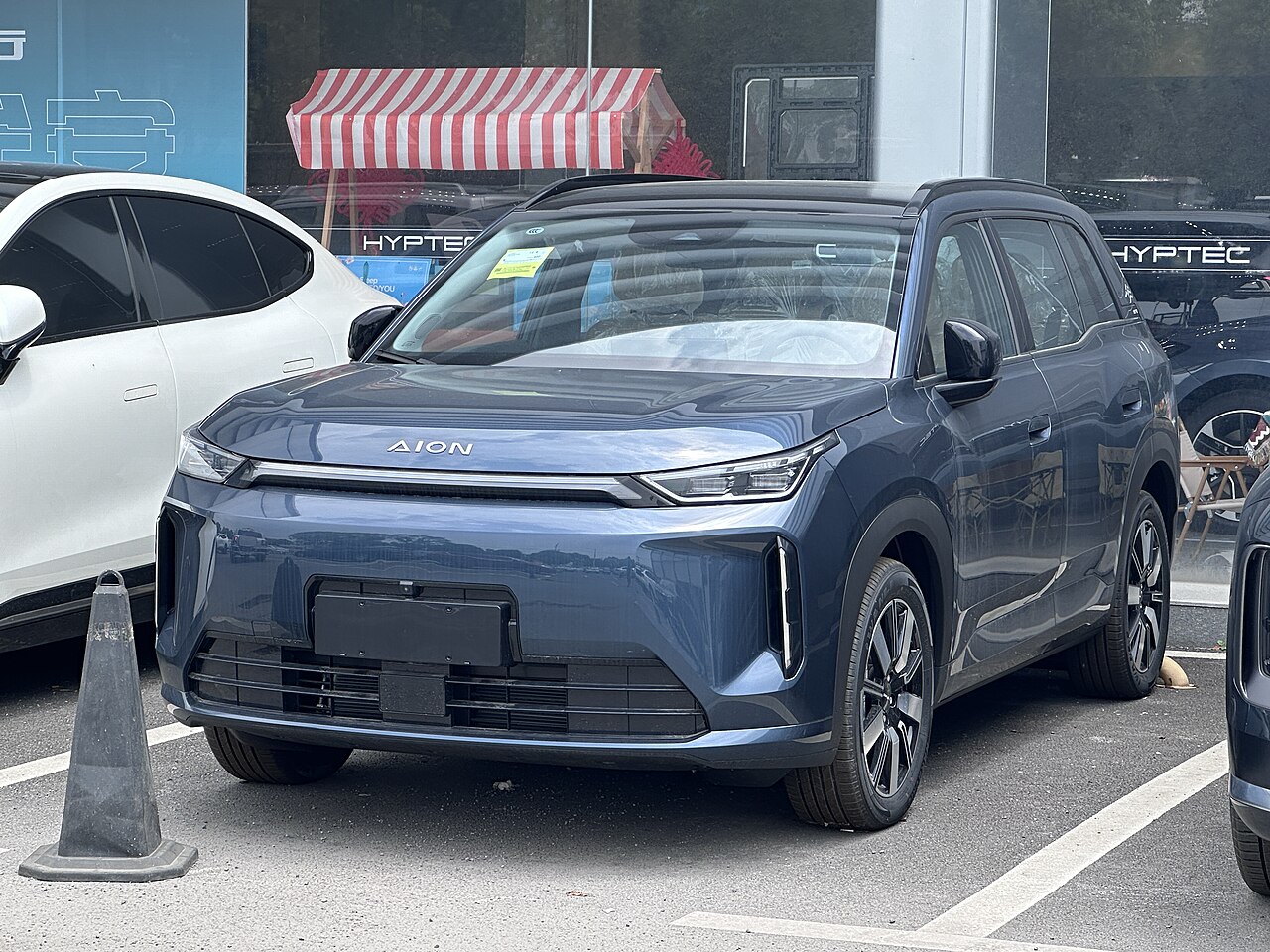
Despite launching from a standing start in late 2025, the i60 topped GAC Aion's own sales chart through January's seasonal slowdown.
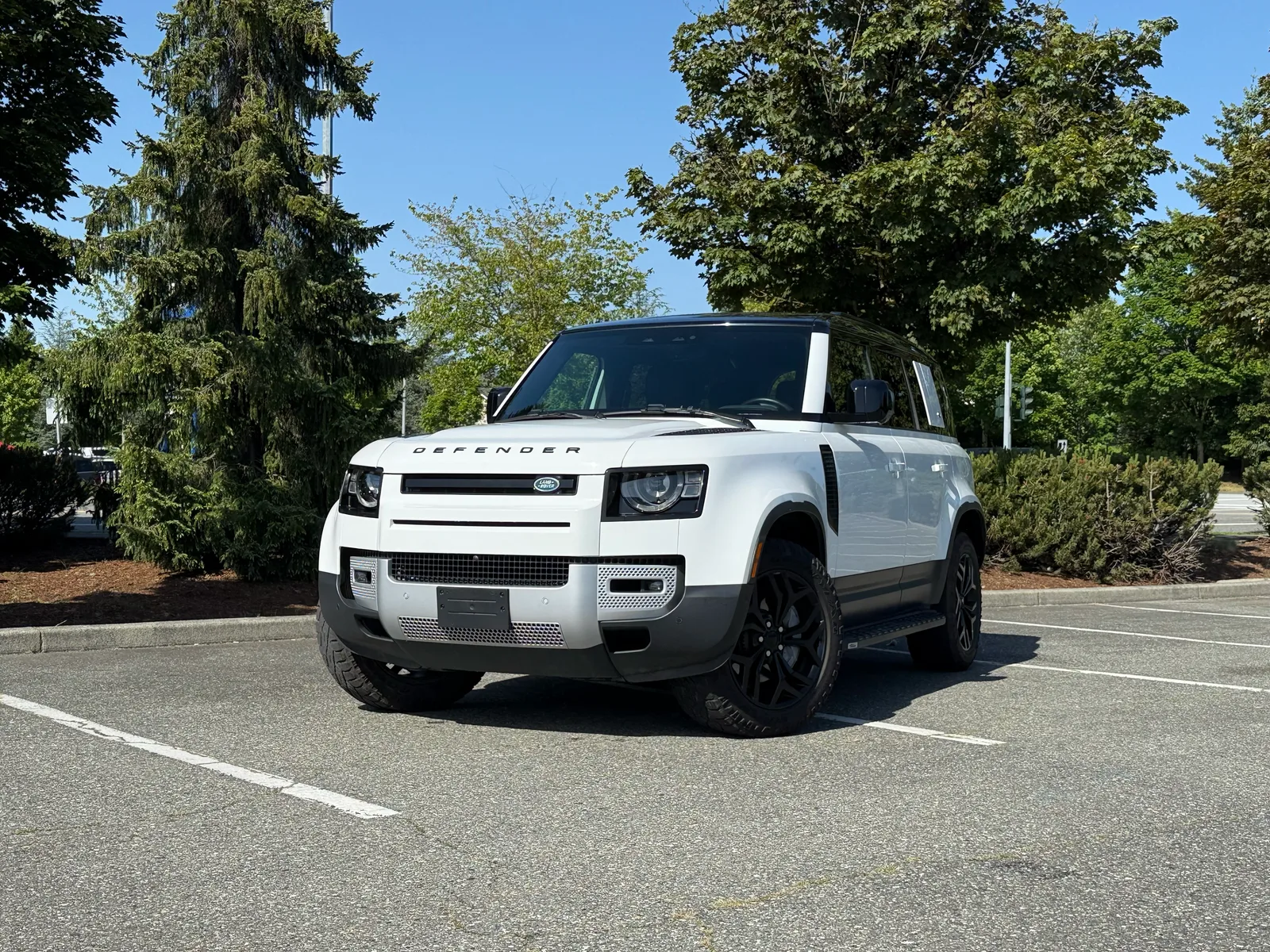
Every Defender before this one was body-on-frame — this generation broke decades of tradition with an aluminium unibody structure instead.
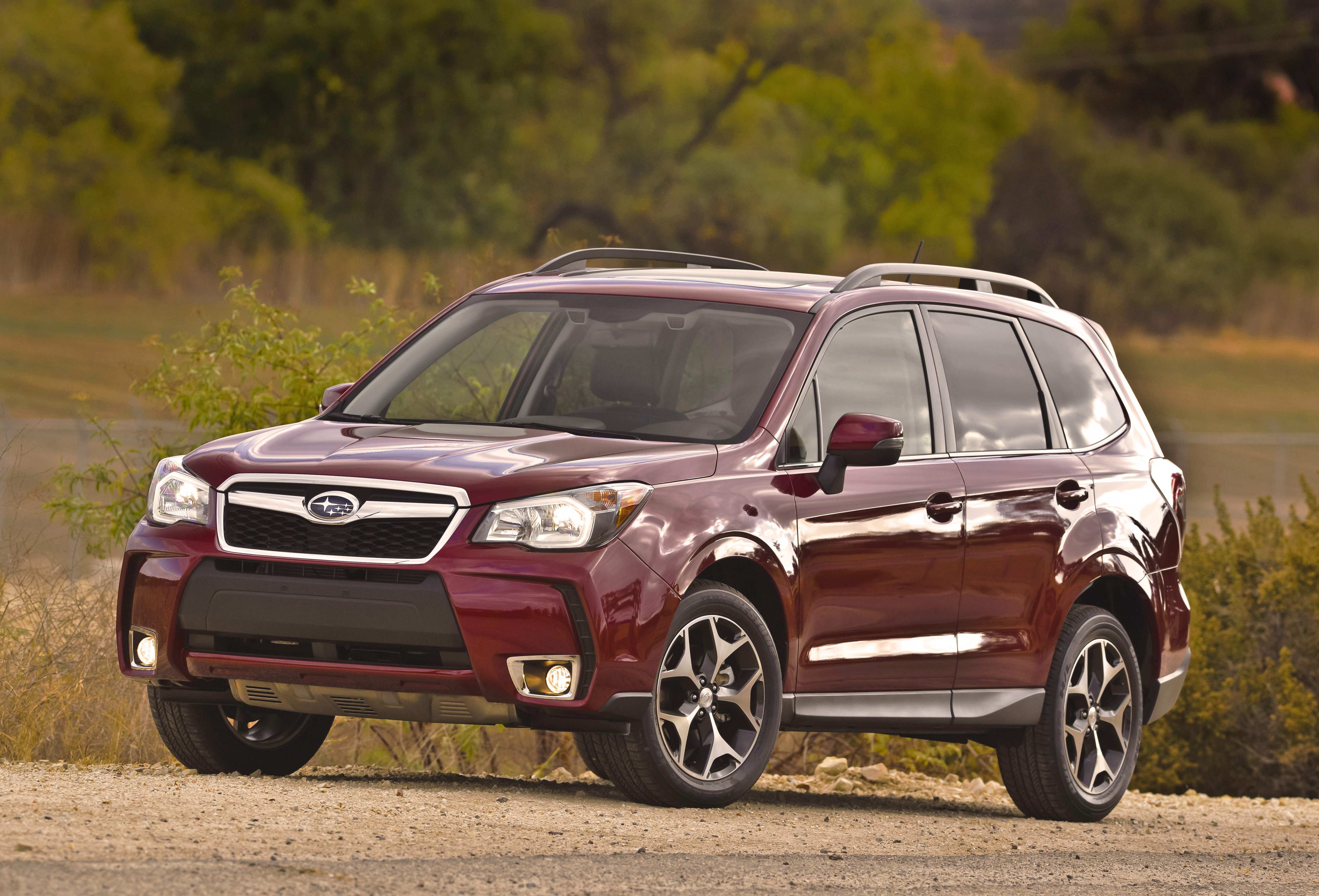
Crashed on the passenger side instead of the driver's, the 2014 Forester showed far more intrusion and would have rated Marginal with the IIHS.
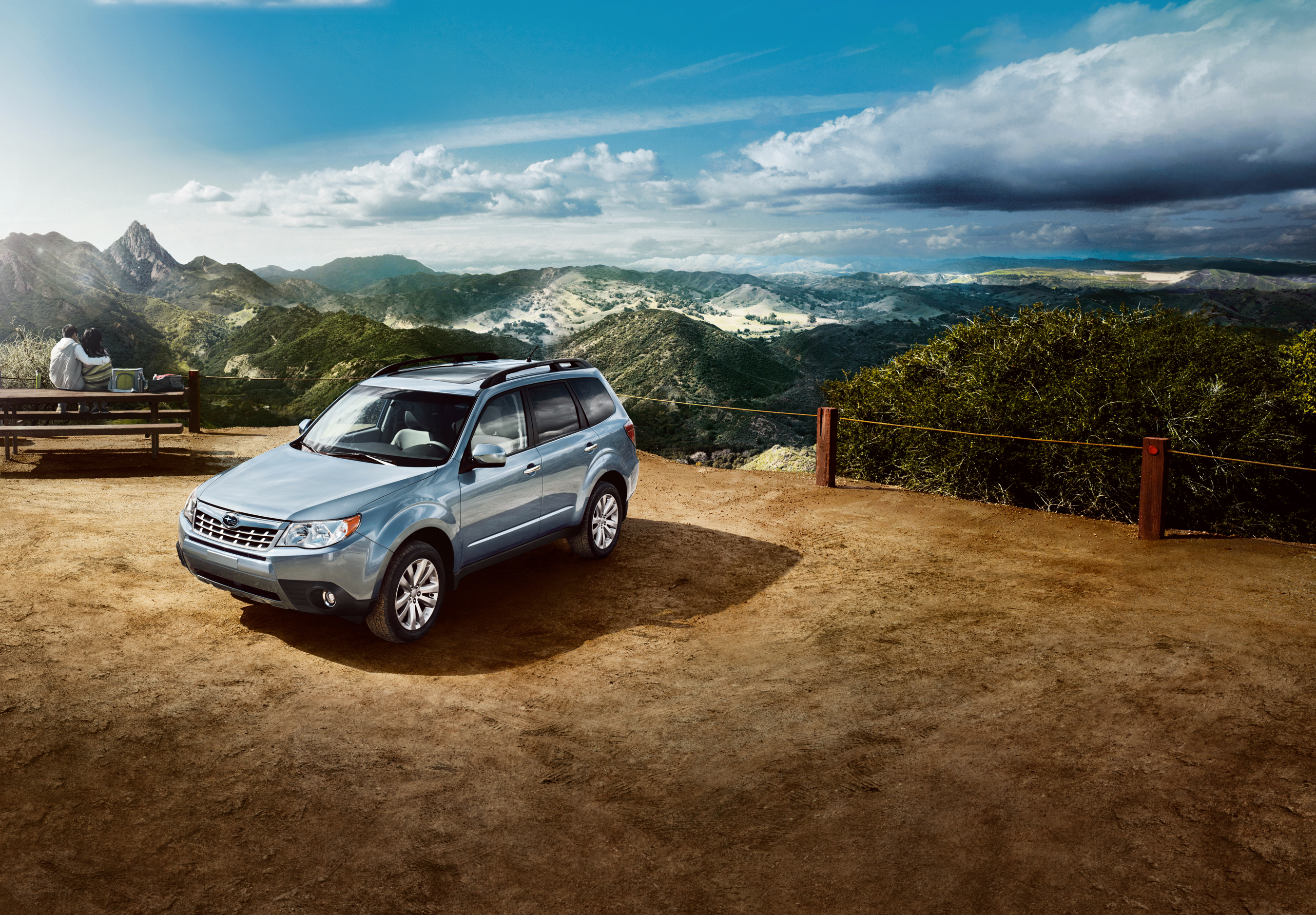
Subaru built a 2.5XT for the National Ski Patrol with a diamond-plate floor, a 9,500-pound winch and a toboggan on the roof.
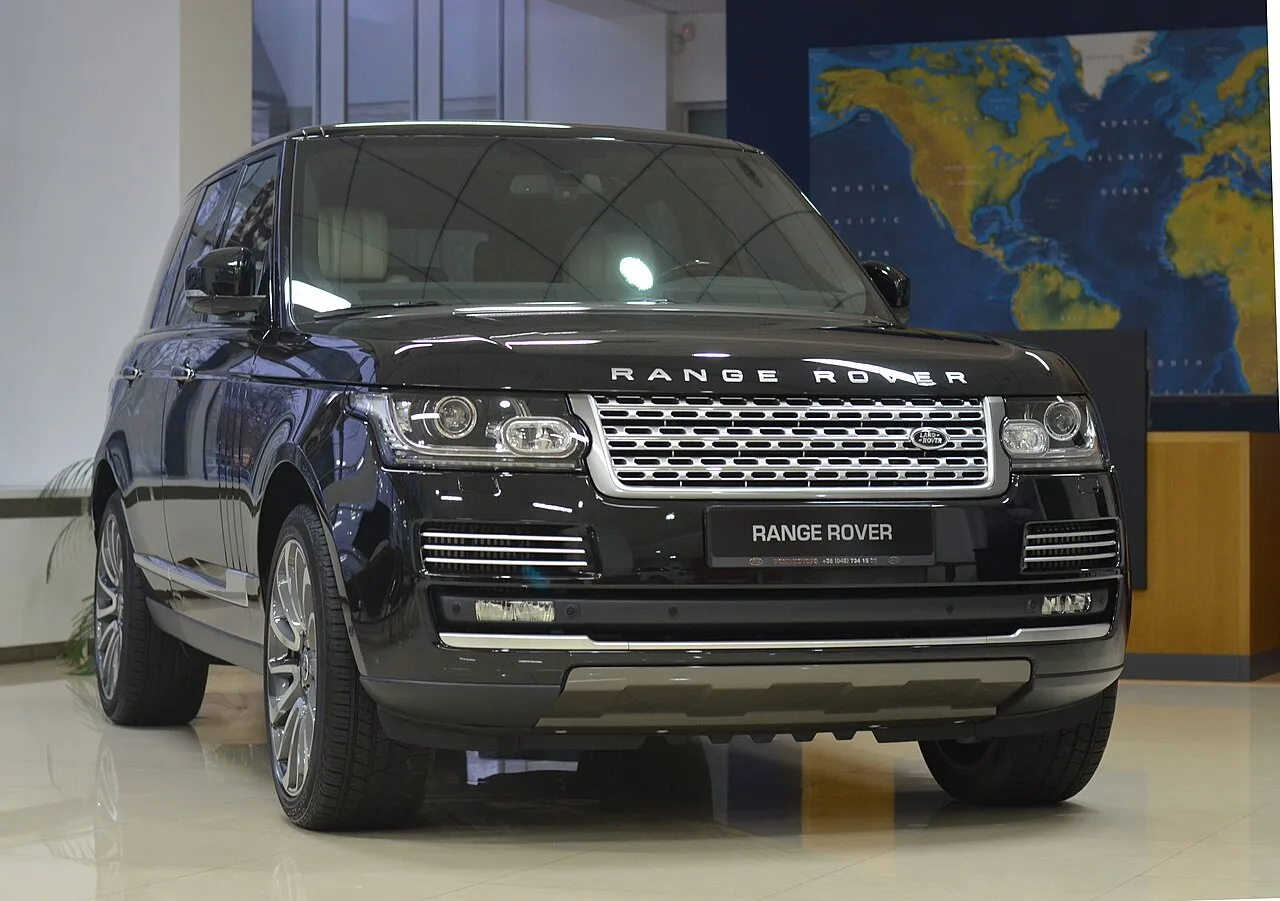
The L405 was the first Range Rover with a fully aluminum monocoque body, cutting up to 420 kg from the outgoing steel-bodied L322.
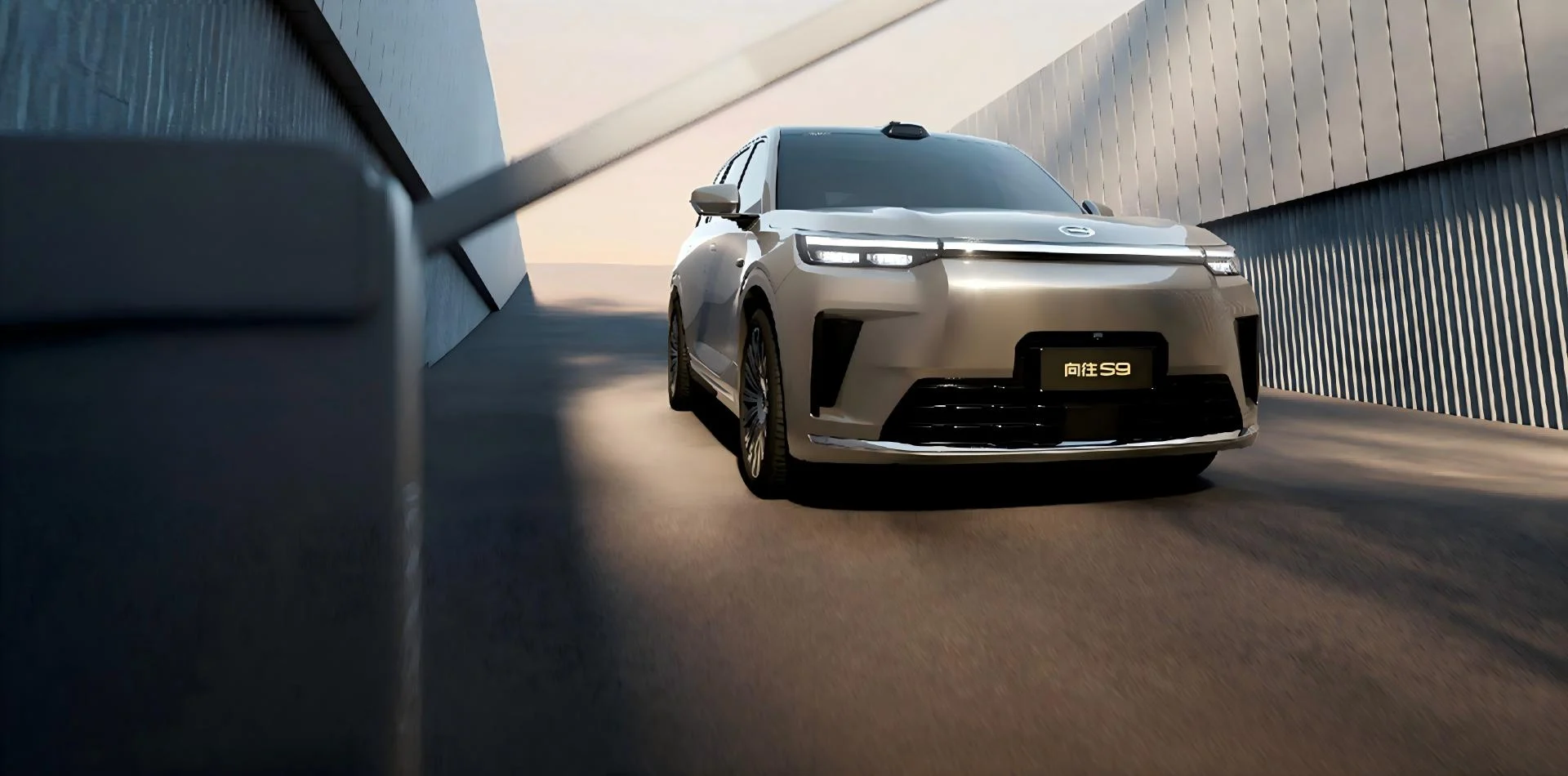
Rear passengers get a 17.3-inch screen that extends from the roof, and a lidar sensor sits in the front of the roof.
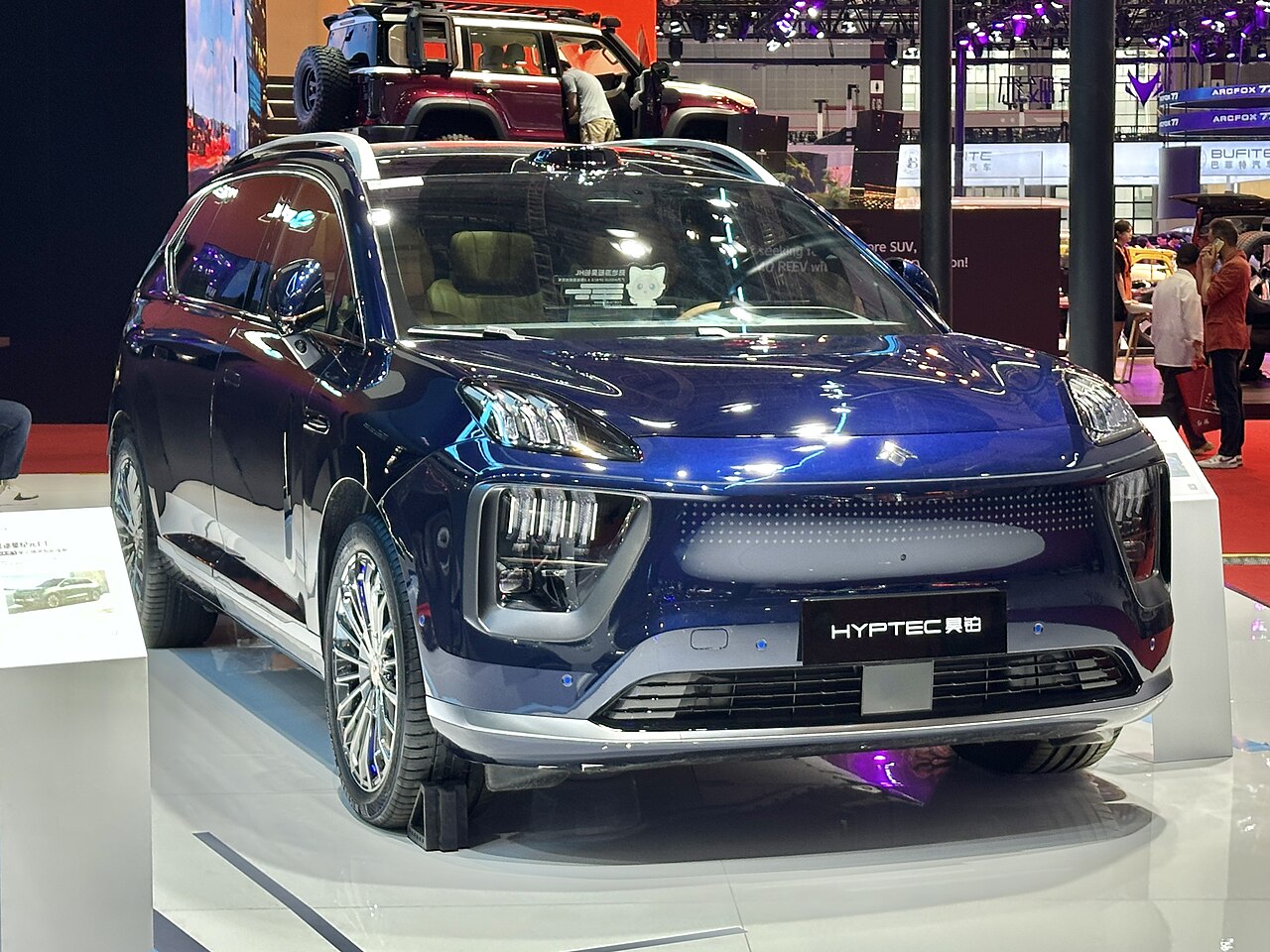
Its range-extender variant is rated for 1,200 km on a tank and charge, over three times the car's electric-only range.