VerifiedFIRST PRINTONLY ONE IN VANCOUVER×3Every Defender before this one was body-on-frame — this generation broke decades of tradition with an aluminium unibody structure instead.

The very last Defender built — a soft-top 90 — rolled off the Solihull line at 9:22am on Friday, January 29, 2016.
Median 215 hp across 303 similar cars
Lead trim: Defender 2.2 ZSD-422 Duratorq turbo diesel (122 hp)
Nobody in Burbles has spotted a Land Rover Defender L316 yet. See one on the street, point the app at it, and the first card is yours — with your @handle permanently credited on this page.
FactThe very last Defender built — a soft-top 90 — rolled off the Solihull line at 9:22am on Friday, January 29, 2016.
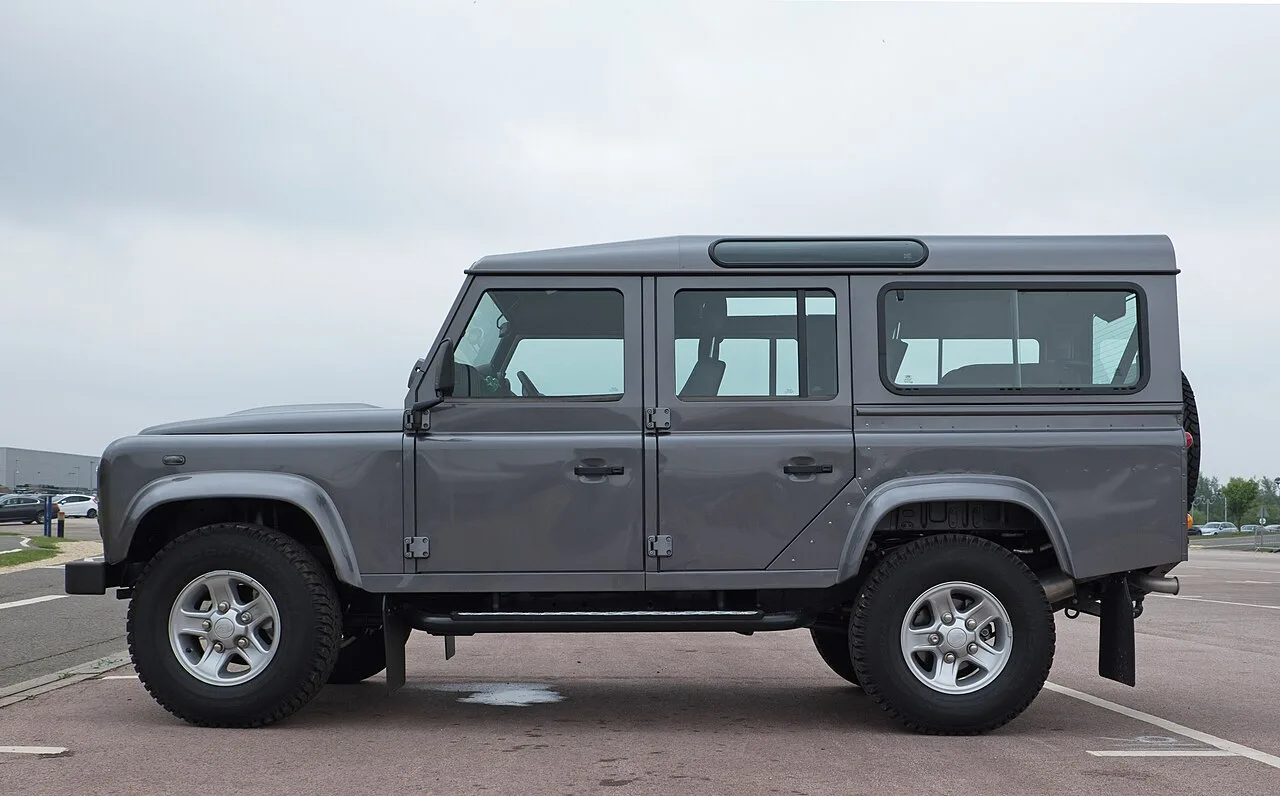
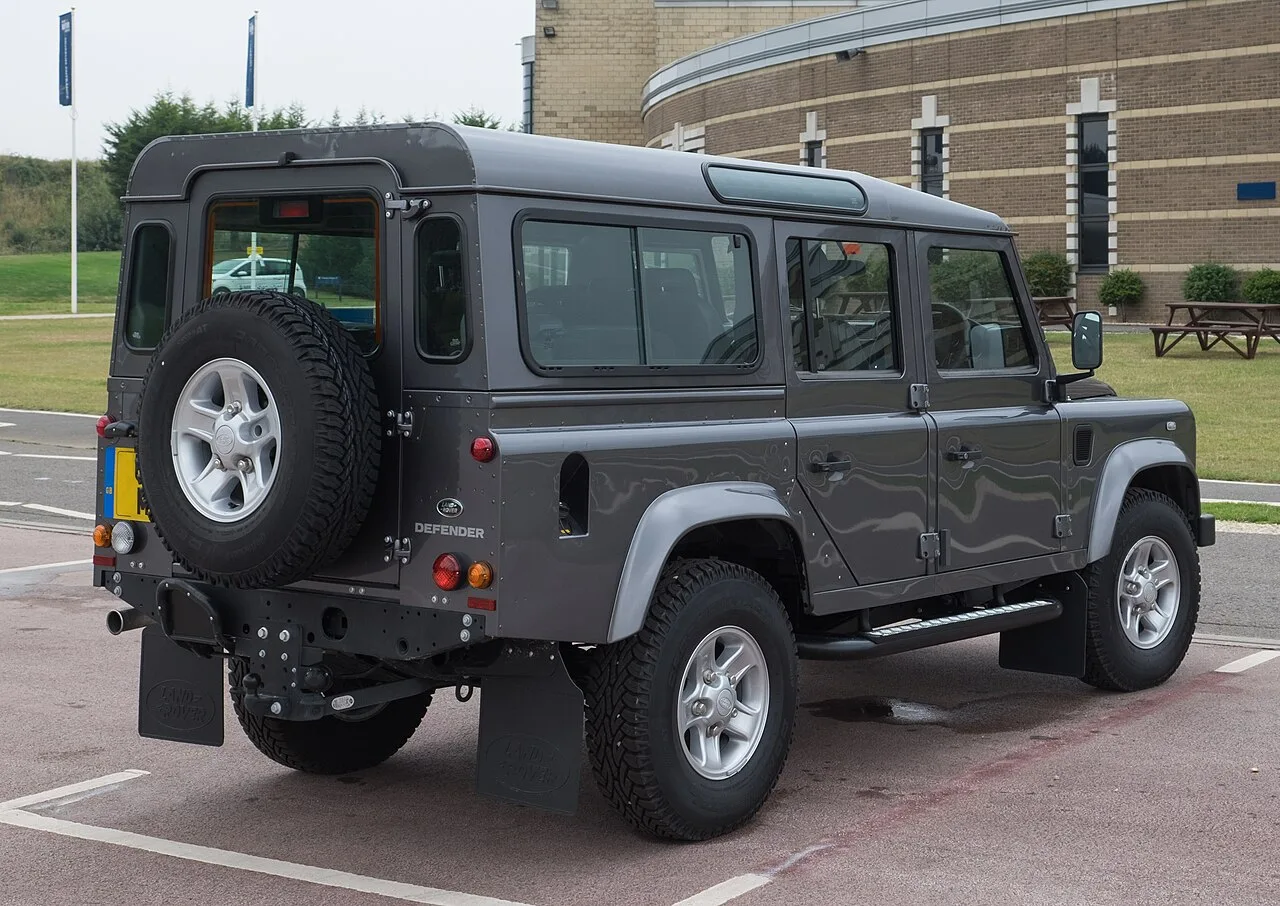
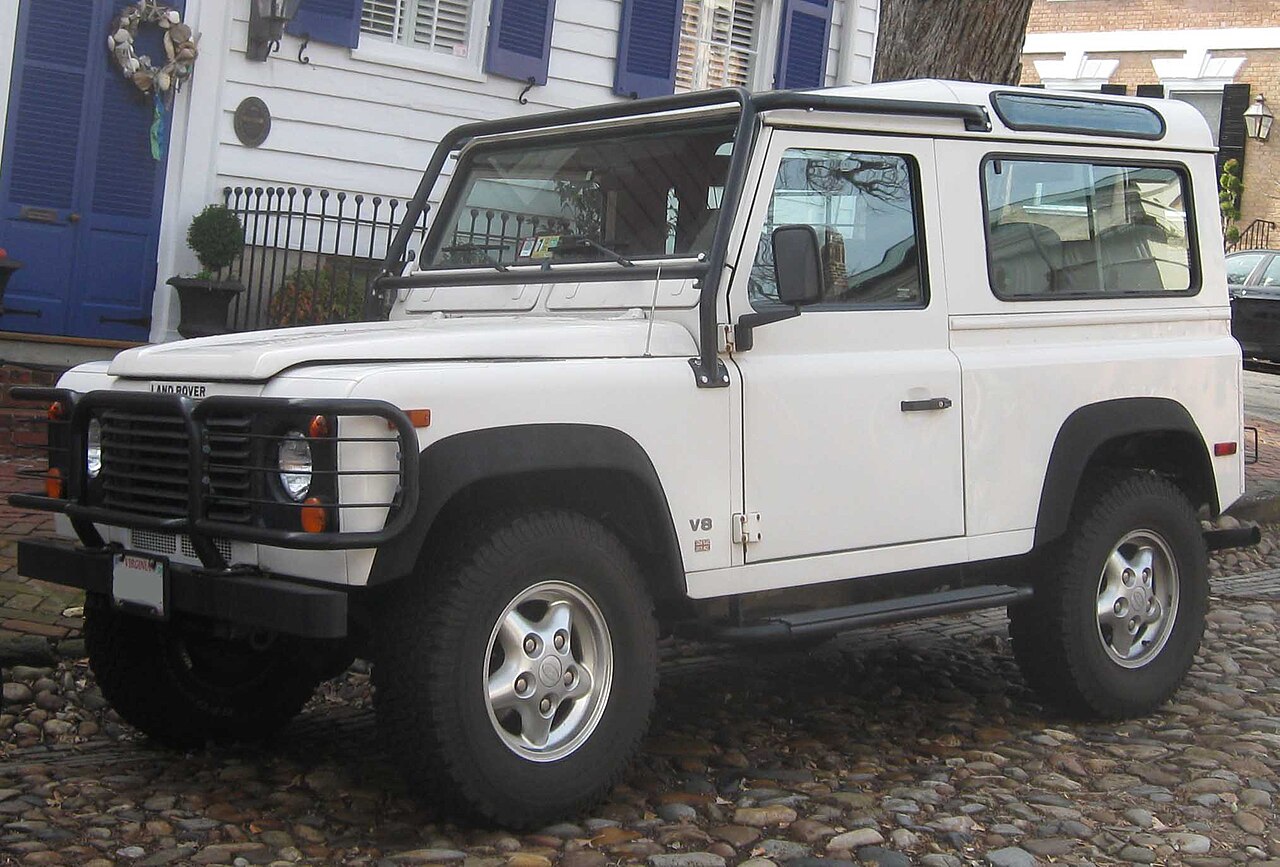
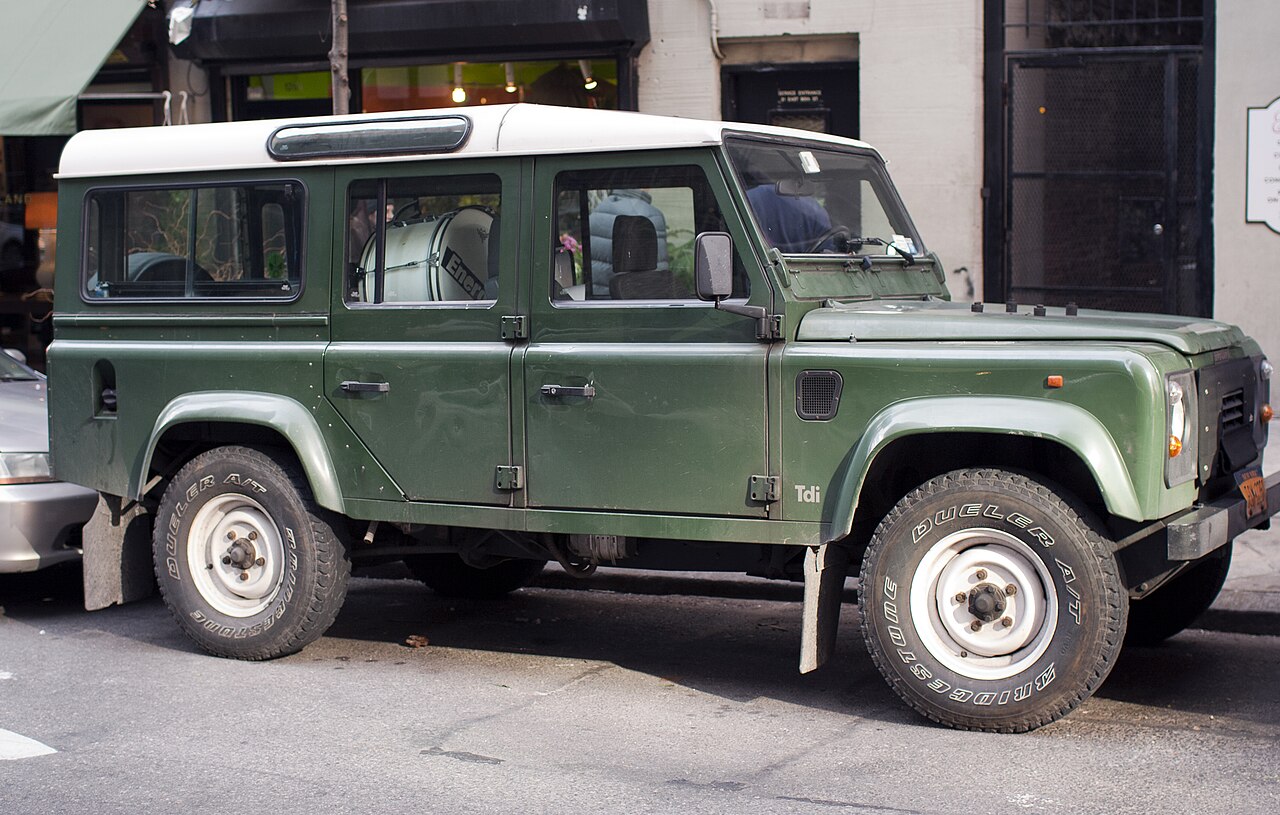
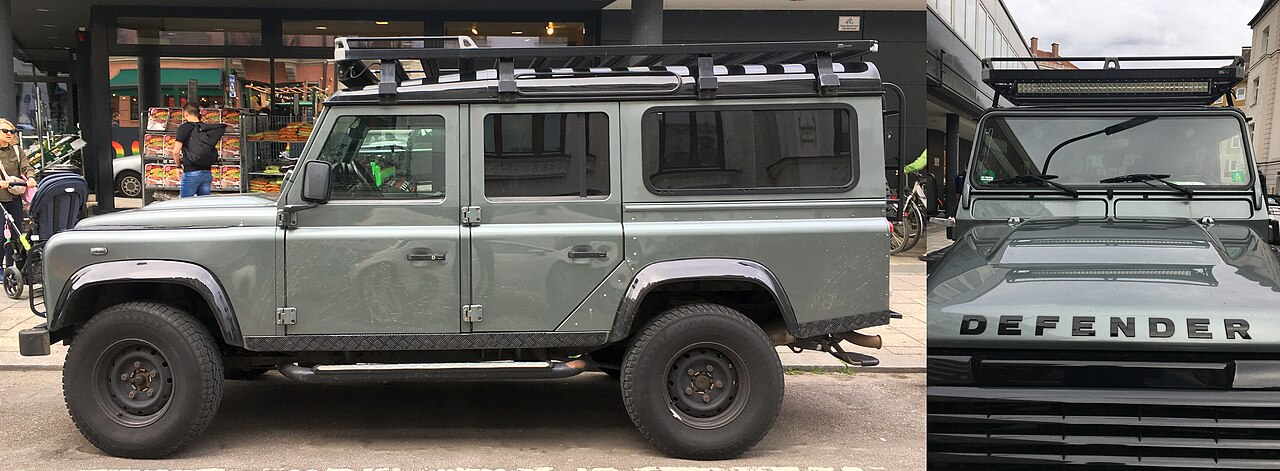
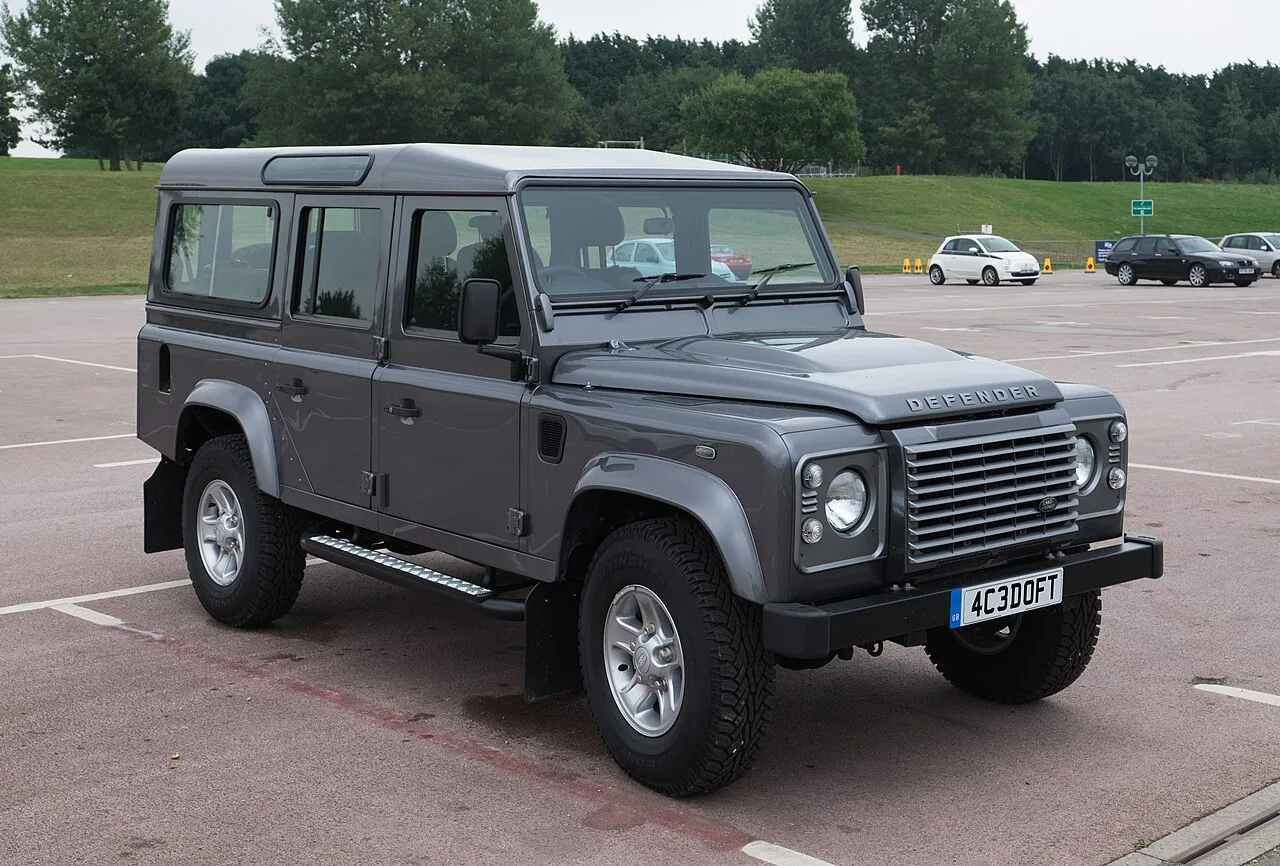
From spring 2007 a series of changes to the Defender, mostly to meet emissions and safety legislation, brought the L316 model. The biggest change was the drivetrain: the Td5 was replaced by an engine from Ford's Duratorq line (the Puma engine, built at Dagenham), a version of the 2.4-litre four-cylinder unit also used in the Ford Transit, adapted for wet, dusty conditions and extreme off-road angles. The power stayed at 122 hp but with a lower power peak speed for towing and better acceleration, and torque rose from 221 lb·ft to 265 lb·ft with a variable-geometry turbo, on a six-speed gearbox. The 2012 models used a ZSD-422 2.2-litre variant of the same engine because Ford would not modify the 2.4 to meet Euro V, with power and torque unchanged, the same six-speed gearbox and a diesel particulate filter for the first time on a Defender, and the soft-top body style was reintroduced to the general market. The model badges were dropped in favour of "Land Rover" in raised letters across the bonnet. Production ended in 2016 after 33 years, ranked in 2020 as the sixteenth longest single-generation car in history, and was succeeded by the L663 Defender. As the catalogue already holds an EPA "L316 Defender 90 (1993–1997)" row, this generation carries no chassis code to avoid the clash rule.
Real Land Rover Defender cards spotted on the street by Burbles collectors. Tap any card to flip it over, inspect the collector’s binder, or follow them.
VerifiedFIRST PRINTONLY ONE IN VANCOUVER×3Every Defender before this one was body-on-frame — this generation broke decades of tradition with an aluminium unibody structure instead.
VerifiedFIRST · WORLDWIDEFIRST PRINTPROEvery Defender before this one was body-on-frame — this generation broke decades of tradition with an aluminium unibody structure instead.
2 published trims in the catalogue. A blank is a figure not recorded, not zero.
| Trim | Years | Engine | Power | Torque | 0–60 | Drive | Gearbox | MSRP |
|---|---|---|---|---|---|---|---|---|
| Defender 2.2 ZSD-422 Duratorq turbo diesel (122 hp) | 2012–2016 | 2.2 L Inline-4 | 122 hp | 265 lb-ft | — | 4WD | — | — |
| Defender 2.4 Duratorq (Puma) turbo diesel (122 hp) | 2007–2011 | 2.4 L Inline-4 | 122 hp | 265 lb-ft | — | 4WD | — | — |
We don’t estimate running costs for a car like this. What it costs depends on its condition, its specialist and how it is driven, and an average would mislead.
Nobody has claimed one yet.

Every Defender before this one was body-on-frame — this generation broke decades of tradition with an aluminium unibody structure instead.

The very last Defender built — a soft-top 90 — rolled off the Solihull line at 9:22am on Friday, January 29, 2016.

The famous marketing photos of this North American Defender 90 show a roll cage without its safety padding — the prototype used for the shoot, not the padded cage every actual customer got.

A rare South African-built Defender 2.8i, powered by a BMW straight-six, hit 0-62 mph in 9.3 seconds — the fastest production Defender Land Rover ever built.

The extra-long One Two Seven wasn't built on its own frame — Land Rover took a standard One Ten chassis, cut it in half, welded in 17 inches of new steel, and reunited the two halves.
Same body, same money, other badges — tap any card to flip.

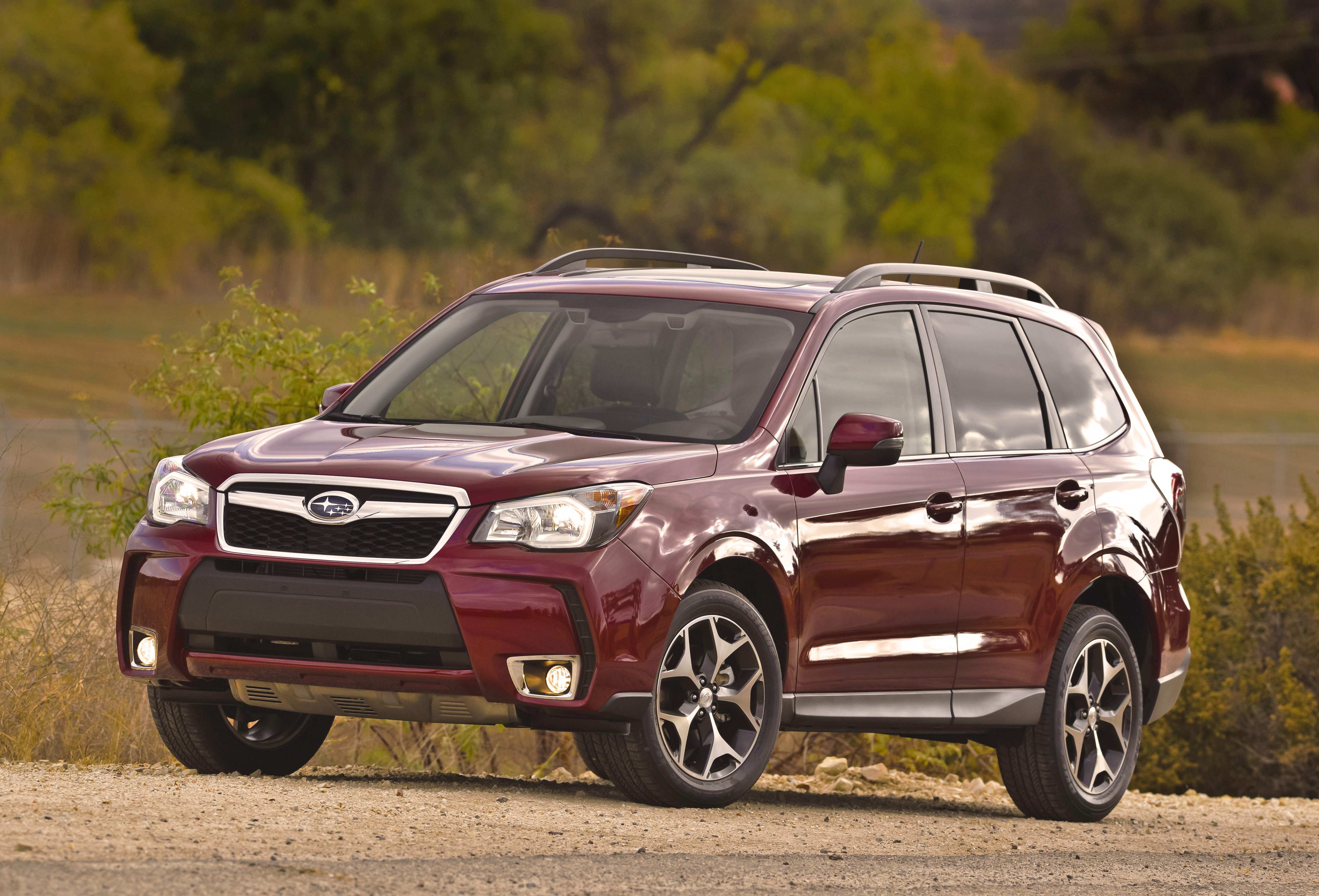
IIHS only crash-tests the driver's corner; tested on the passenger side instead, the CX-5 showed far worse intrusion.

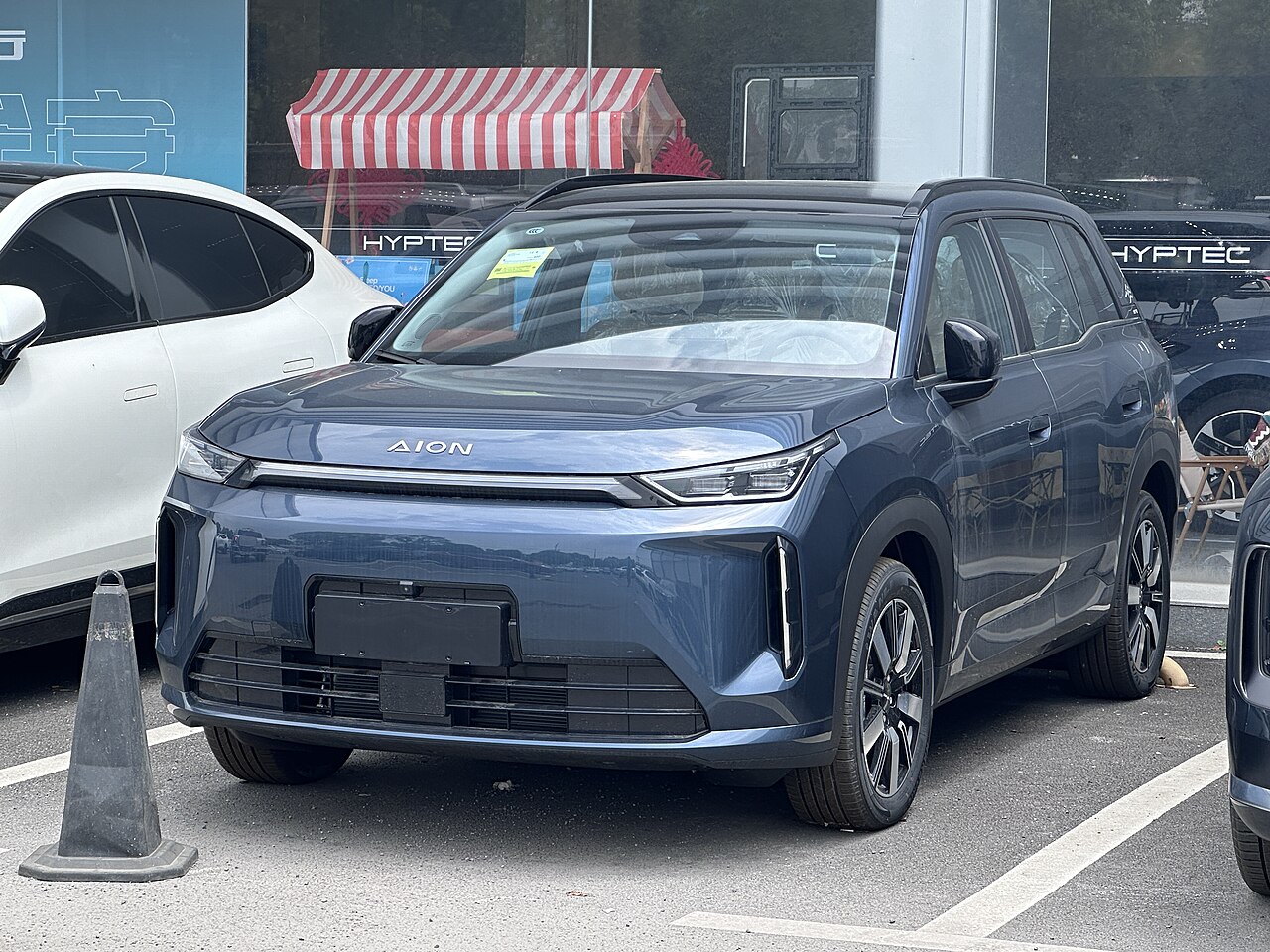
Despite launching from a standing start in late 2025, the i60 topped GAC Aion's own sales chart through January's seasonal slowdown.

Every Defender before this one was body-on-frame — this generation broke decades of tradition with an aluminium unibody structure instead.

Crashed on the passenger side instead of the driver's, the 2014 Forester showed far more intrusion and would have rated Marginal with the IIHS.

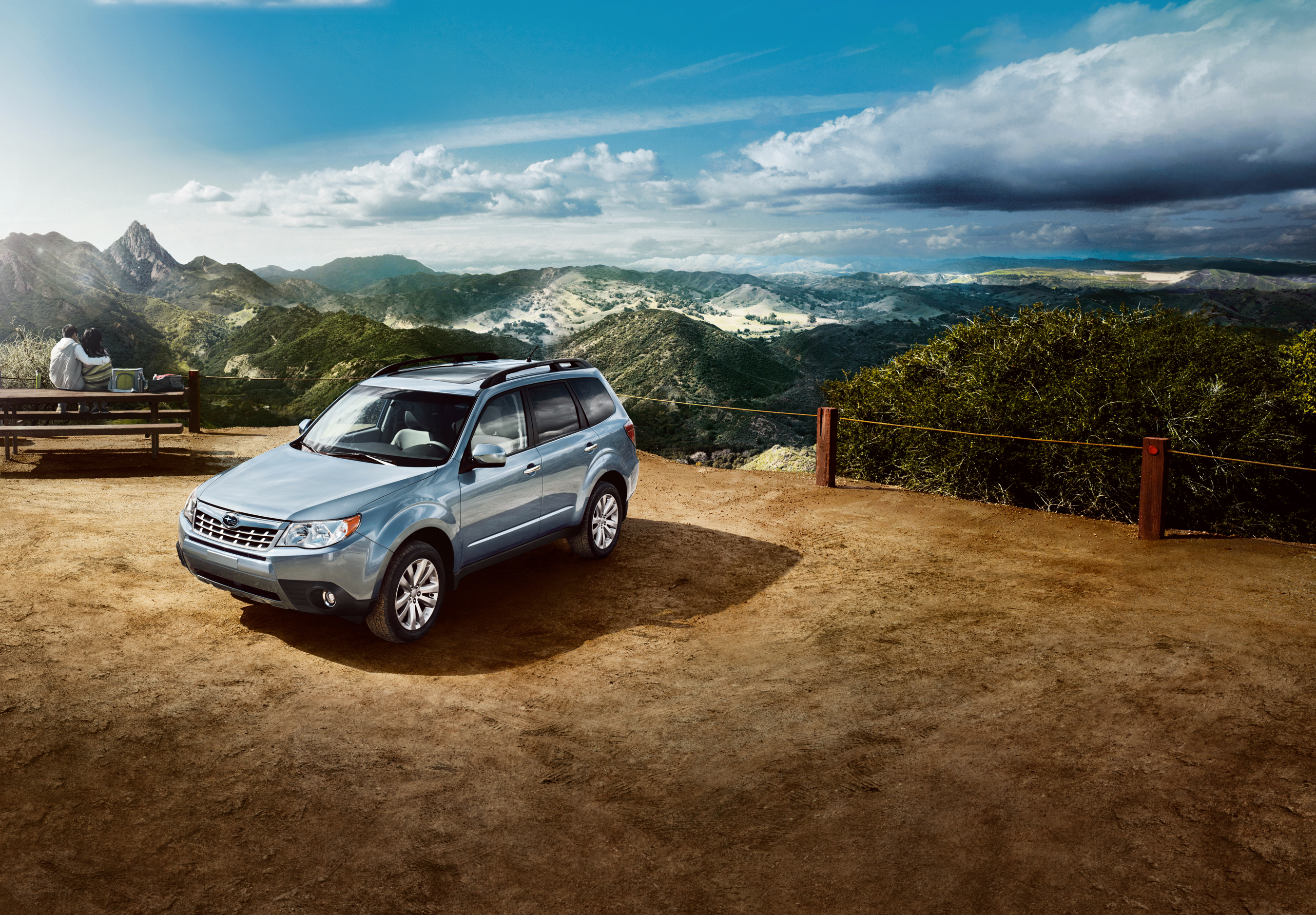
Subaru built a 2.5XT for the National Ski Patrol with a diamond-plate floor, a 9,500-pound winch and a toboggan on the roof.

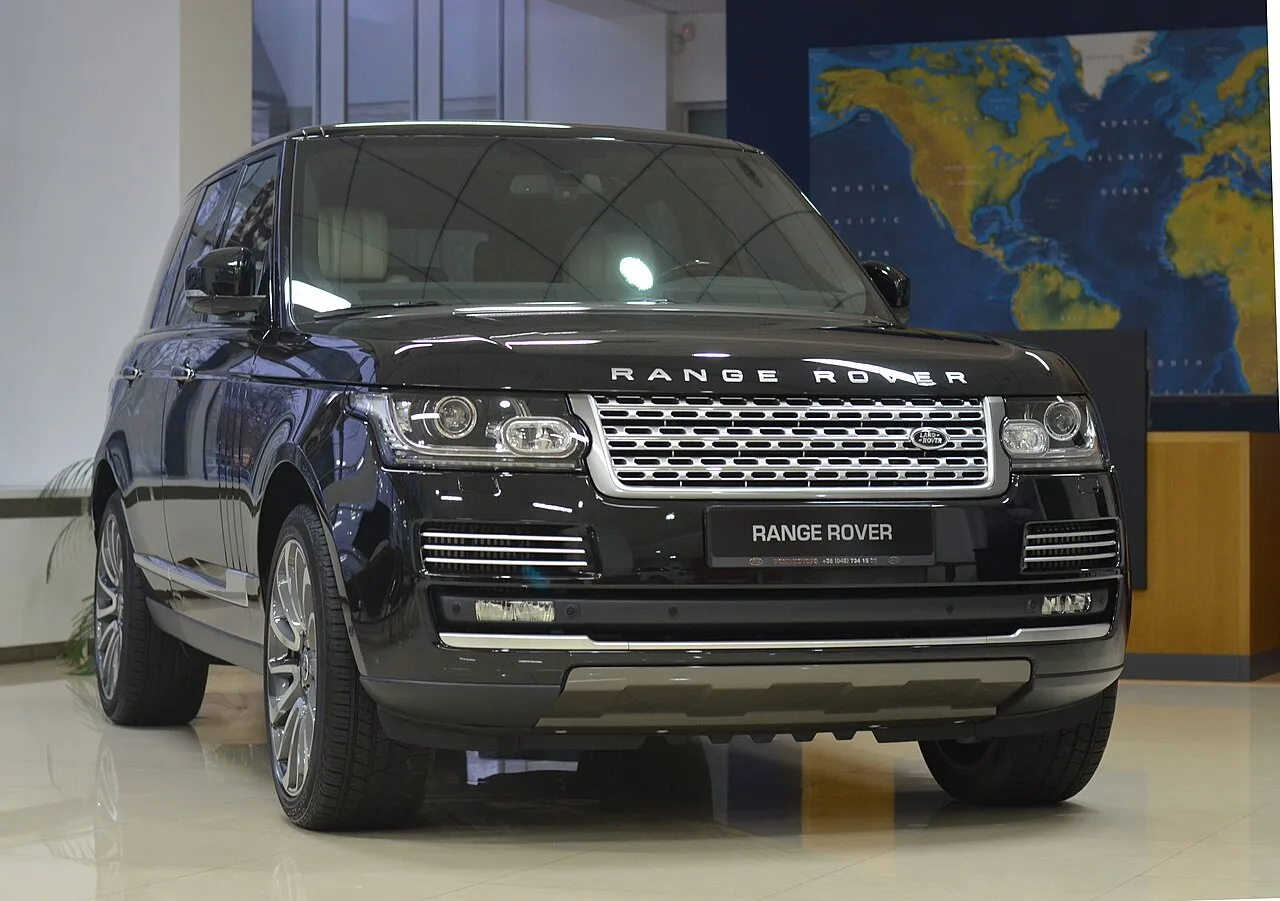
The L405 was the first Range Rover with a fully aluminum monocoque body, cutting up to 420 kg from the outgoing steel-bodied L322.

Rear passengers get a 17.3-inch screen that extends from the roof, and a lidar sensor sits in the front of the roof.

Its range-extender variant is rated for 1,200 km on a tank and charge, over three times the car's electric-only range.