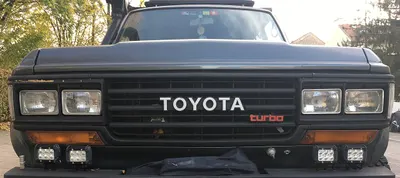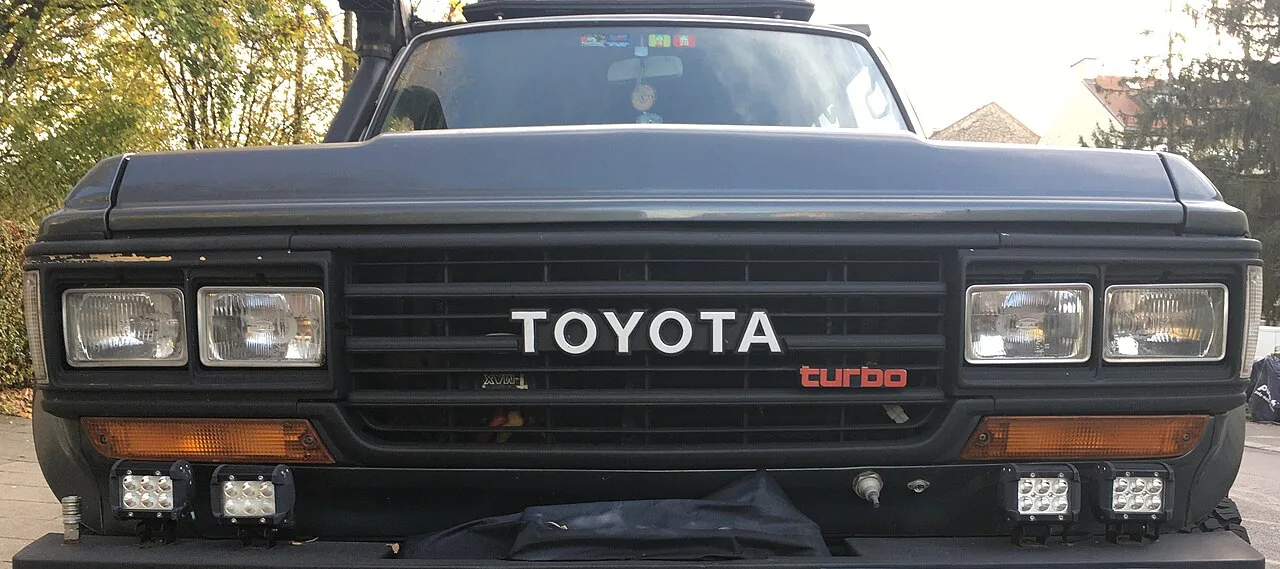
VerifiedFIRST · WORLDWIDEFIRST PRINTONLY ONE IN VANCOUVERToyota launched the 60 Series in South Africa by entering a completely stock, unmodified Land Cruiser in the brutal Toyota 1000 km Desert Race across the wilds of Botswana.

Toyota launched the 60 Series in South Africa by entering a completely stock, unmodified Land Cruiser in the brutal Toyota 1000 km Desert Race across the wilds of Botswana.
Median 105 hp across 61 similar cars
Lead trim: Wagon 4WD · 4-spd manual · 4.2L · 4WD · up to 135 hp
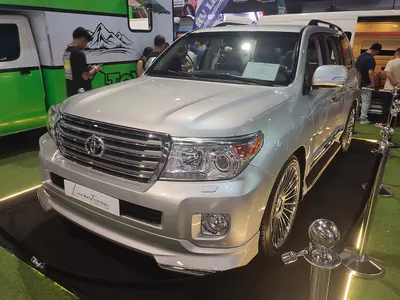
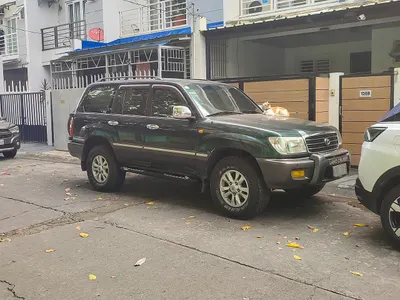
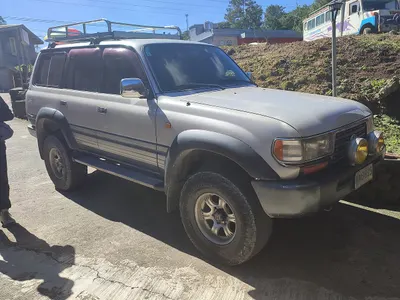
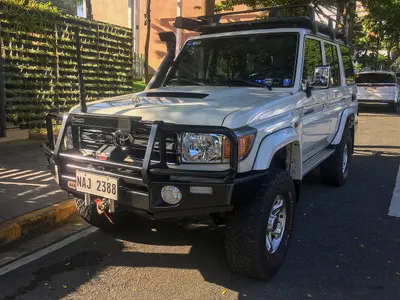
See a Toyota Land Cruiser on the street, point Burbles at it, and the card goes in your binder. Own one? Add it to your garage in the app.
FactToyota launched the 60 Series in South Africa by entering a completely stock, unmodified Land Cruiser in the brutal Toyota 1000 km Desert Race across the wilds of Botswana.
Real Toyota Land Cruiser cards spotted on the street by Burbles collectors. Tap any card to flip it over, inspect the collector’s binder, or follow them.
VerifiedFIRST · WORLDWIDEFIRST PRINTONLY ONE IN VANCOUVERToyota launched the 60 Series in South Africa by entering a completely stock, unmodified Land Cruiser in the brutal Toyota 1000 km Desert Race across the wilds of Botswana.
3 published trims in the catalogue. A blank is a figure not recorded, not zero.
| Trim | Years | Engine | Power | Torque | 0–60 | Drive | Gearbox | MSRP |
|---|---|---|---|---|---|---|---|---|
| Wagon 4WD · 4-spd auto · 4.0L · AWD | 1988–1992 | 4.0 L V6 | 135 hp | 200 lb-ft | — | AWD | Automatic 4-spd | — |
| Wagon 4WD · 4-spd manual · 4.2L · 4WD | 1986–1986 | 4.2 L 6-cyl | 104 hp | 177 lb-ft | — | 4WD | Manual 4-spd | — |
| Wagon 4WD · 4-spd manual · 4.2L · AWD | 1984–1987 | 4.2 L 6-cyl | 104 hp | 177 lb-ft | — | AWD | Manual 4-spd | — |
We don’t estimate running costs for a car like this. What it costs depends on its condition, its specialist and how it is driven, and an average would mislead.
Nobody has claimed one yet.


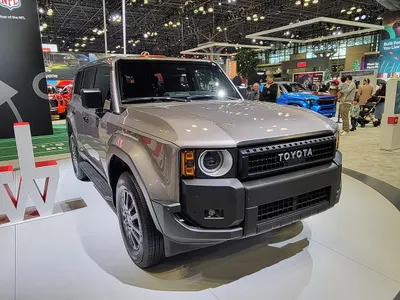
The boxy new 250 Series Land Cruiser isn't a fresh design — Toyota built its retro, slab-sided look as a deliberate callback to the J60 Land Cruiser of the 1980s.

Toyota cut roughly 200 kg from the frame alone, then dropped the V8 for twin-turbo V6s instead.

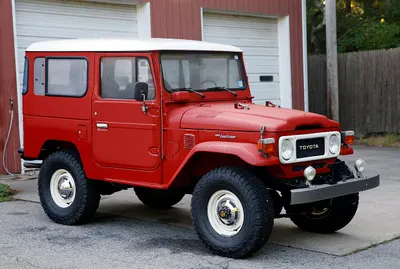
For the FJ40's 60th anniversary, Toyota built a one-off Heritage Edition of this Land Cruiser — just 1,200 units, US-only, and stripped to five seats instead of the usual third row.

The 100 Series was the first Land Cruiser ever offered with a V8 — and Toyota built it specifically to chase North American buyers, who got nothing else.

In Colombia and Venezuela, drivers nicknamed the 80 Series the "Burbuja" — the Bubble — purely because of how round it looked next to the boxy Land Cruisers before it.

The J70 remains in production at Toyota's plants for markets including the Middle East and Africa, having outlived the J80, J100 and J200 wagons it was launched alongside.

Toyota launched the 60 Series in South Africa by entering a completely stock, unmodified Land Cruiser in the brutal Toyota 1000 km Desert Race across the wilds of Botswana.

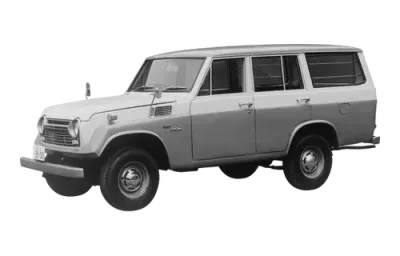
Toyota calls this the first true Land Cruiser station wagon, the car that invented the SUV body style for the line.

The 40 Series Land Cruiser used fold-down jump seats instead of a rear bench — a deliberate choice to out-cargo its rival, the Jeep CJ.

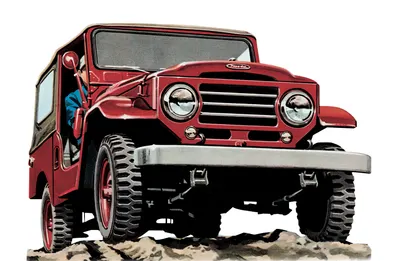
Toyota do Brasil kept building this generation as the Bandeirante clear through 1968, eight years after Japan moved on.
Same body, same money, other badges — tap any card to flip.

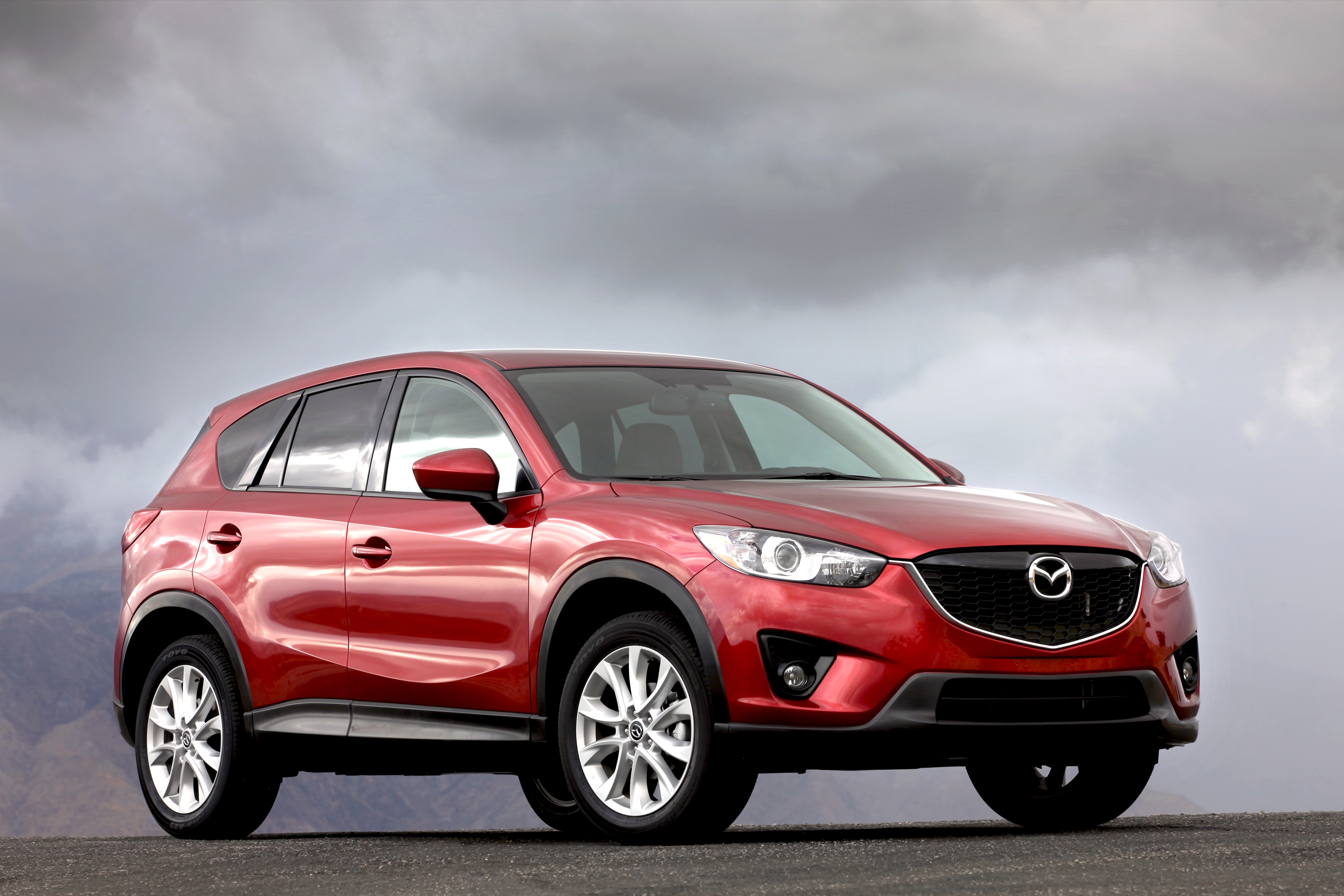
IIHS only crash-tests the driver's corner; tested on the passenger side instead, the CX-5 showed far worse intrusion.

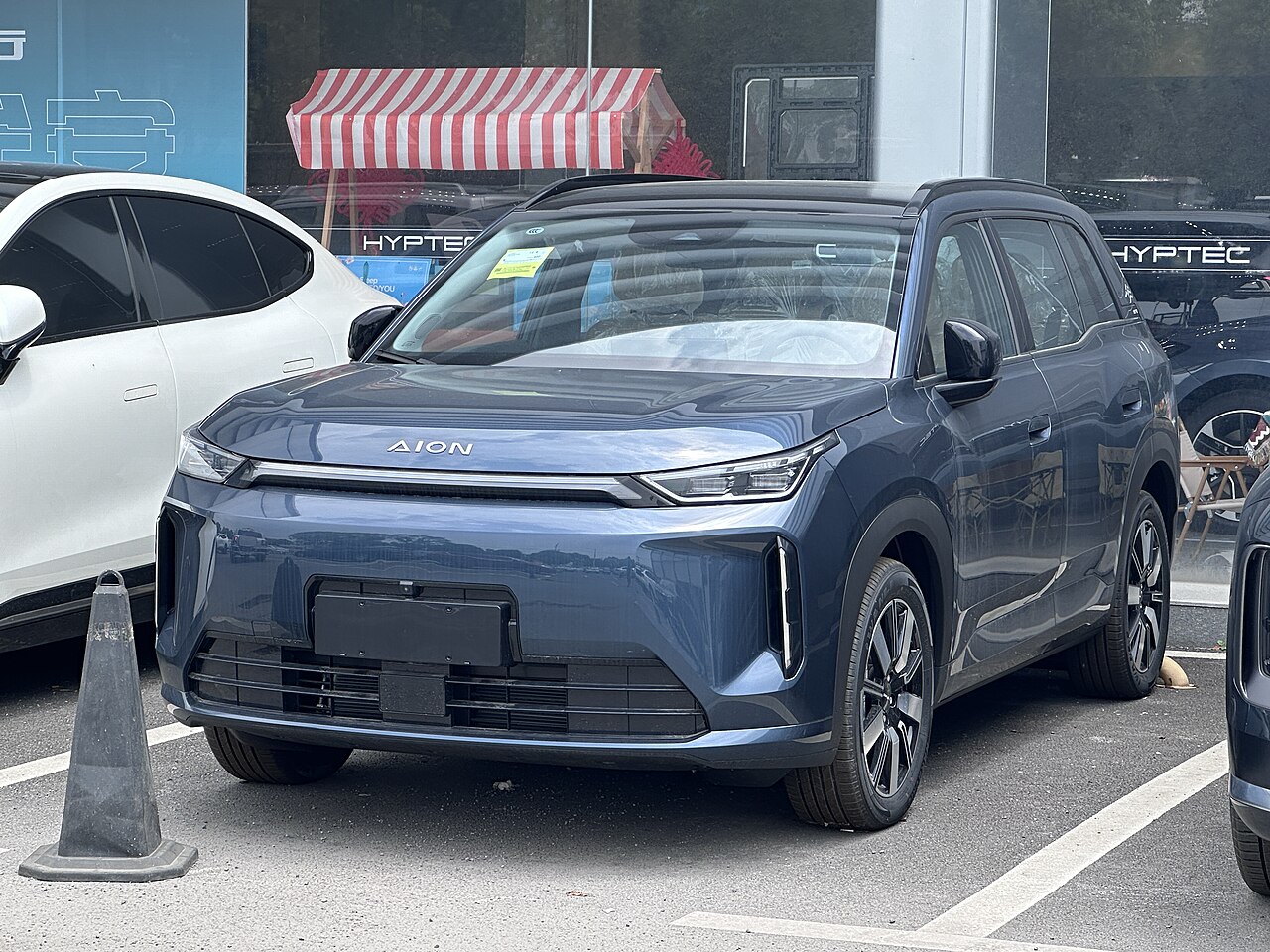
Despite launching from a standing start in late 2025, the i60 topped GAC Aion's own sales chart through January's seasonal slowdown.

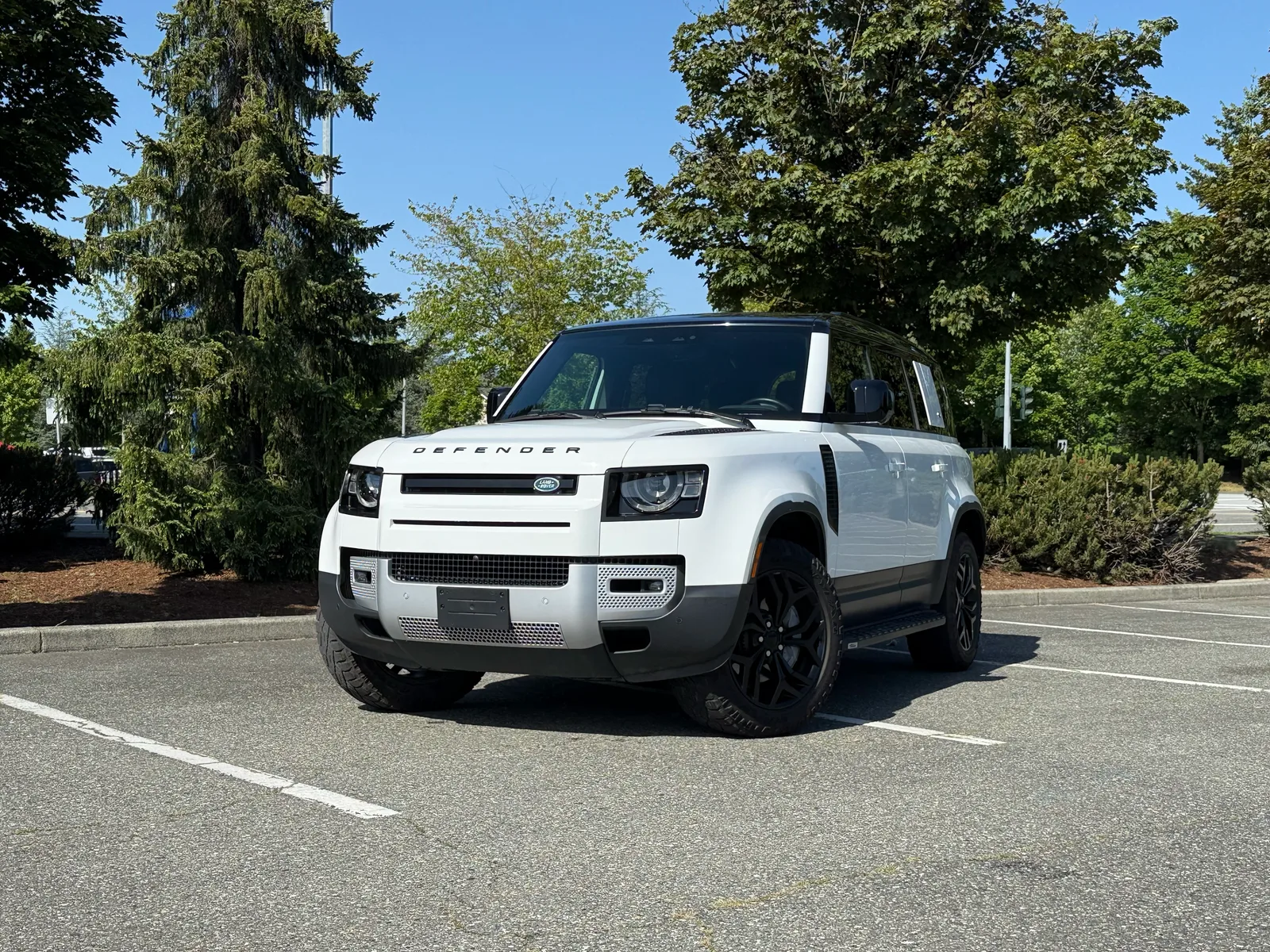
Every Defender before this one was body-on-frame — this generation broke decades of tradition with an aluminium unibody structure instead.

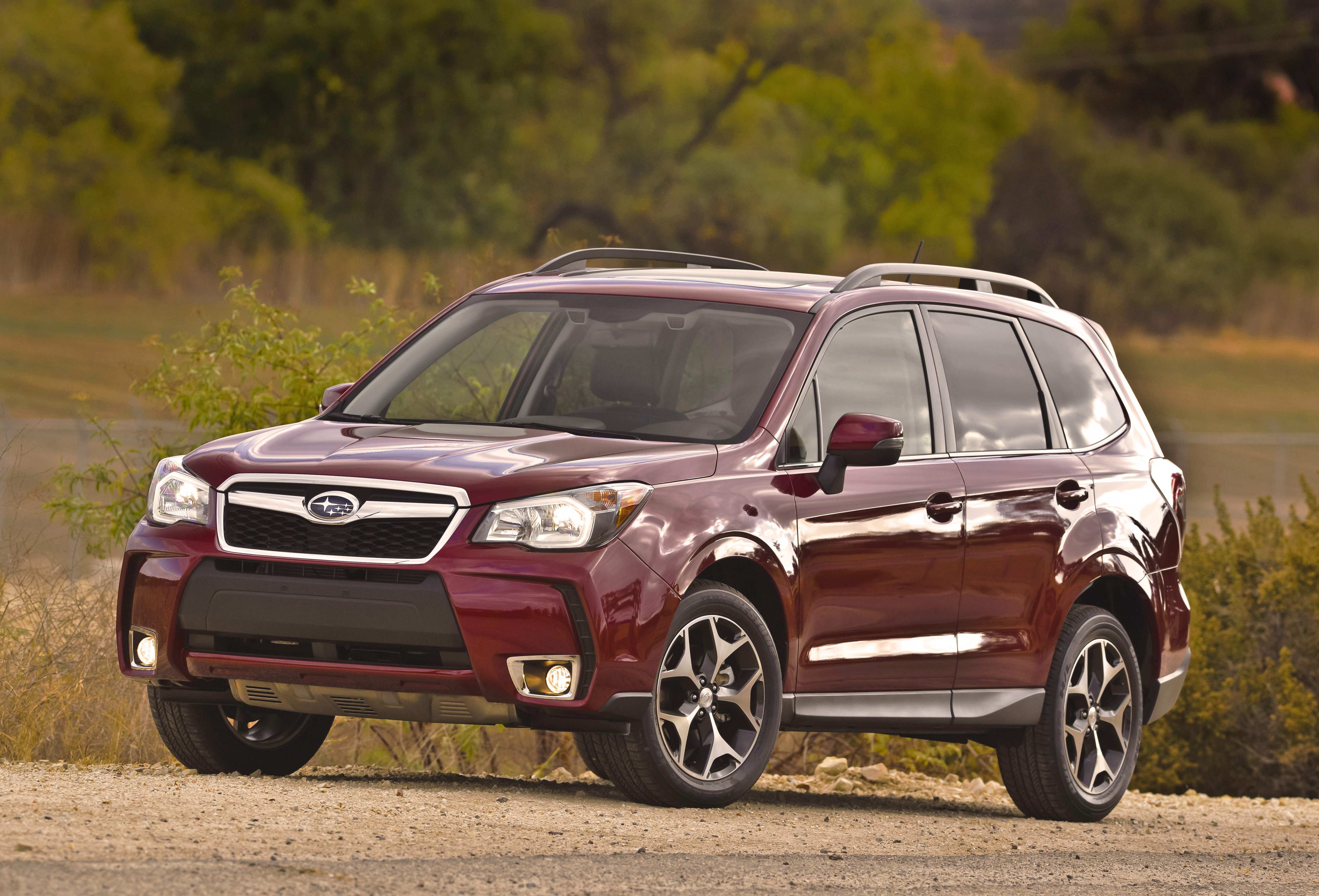
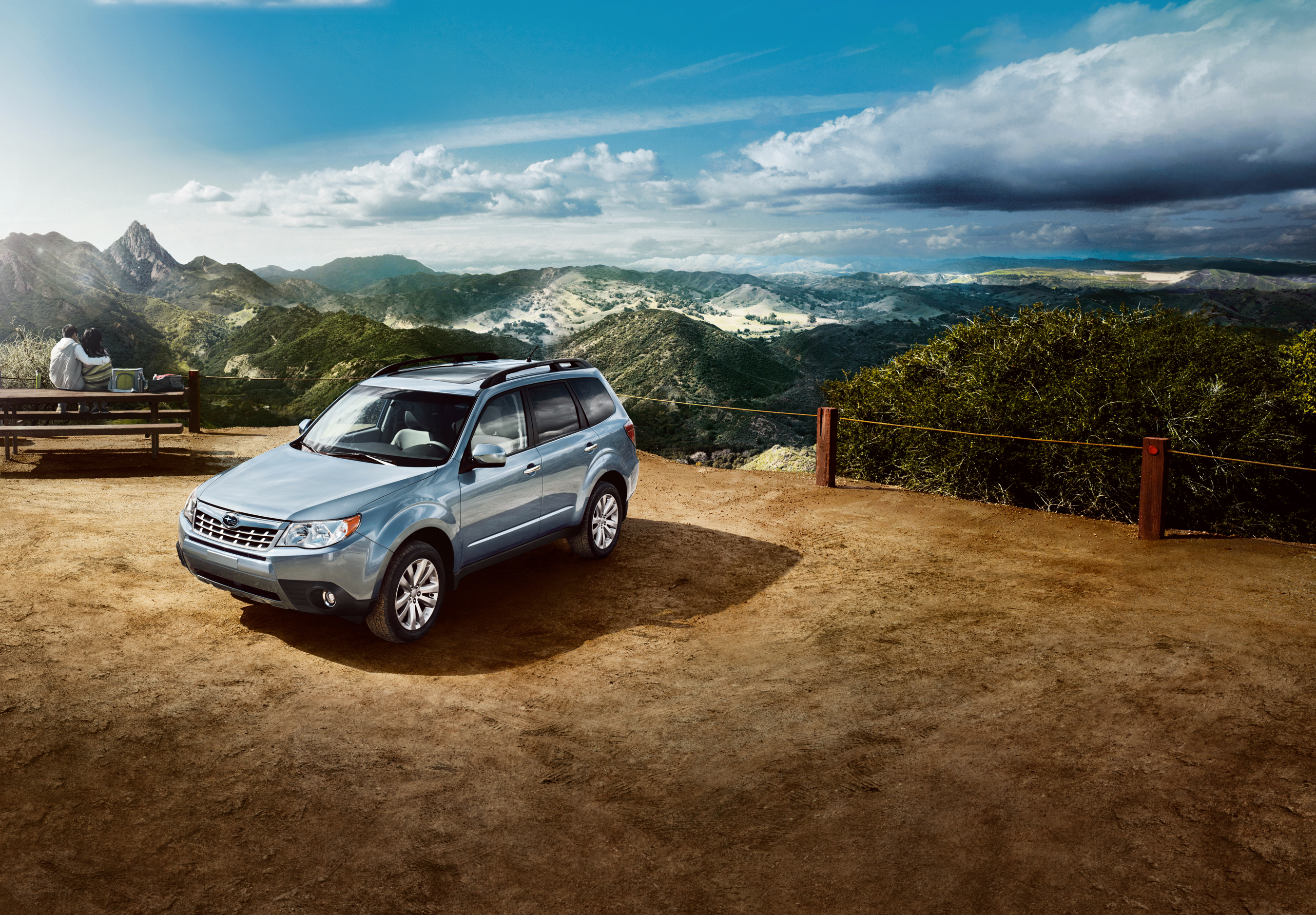
Crashed on the passenger side instead of the driver's, the 2014 Forester showed far more intrusion and would have rated Marginal with the IIHS.

Subaru built a 2.5XT for the National Ski Patrol with a diamond-plate floor, a 9,500-pound winch and a toboggan on the roof.

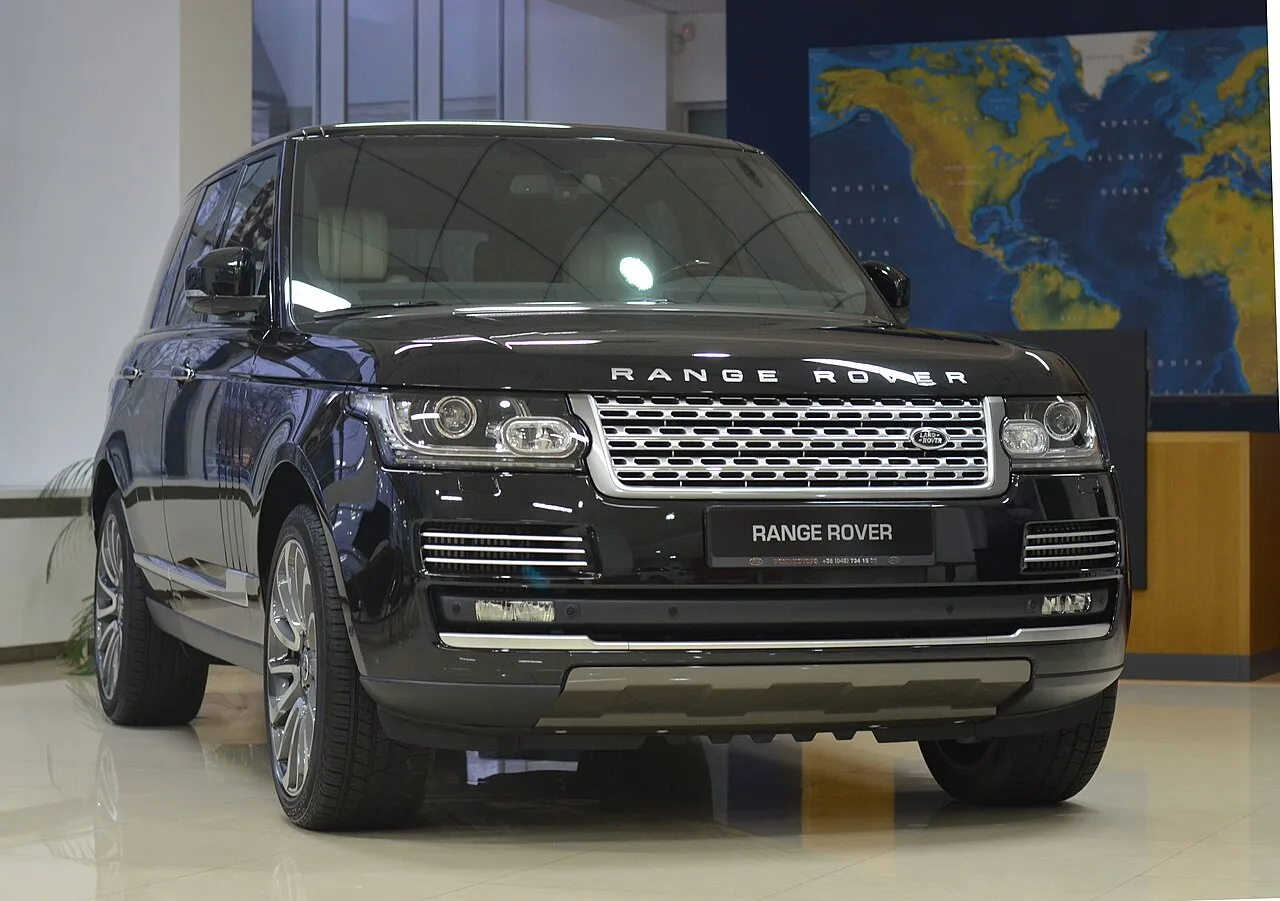
The L405 was the first Range Rover with a fully aluminum monocoque body, cutting up to 420 kg from the outgoing steel-bodied L322.

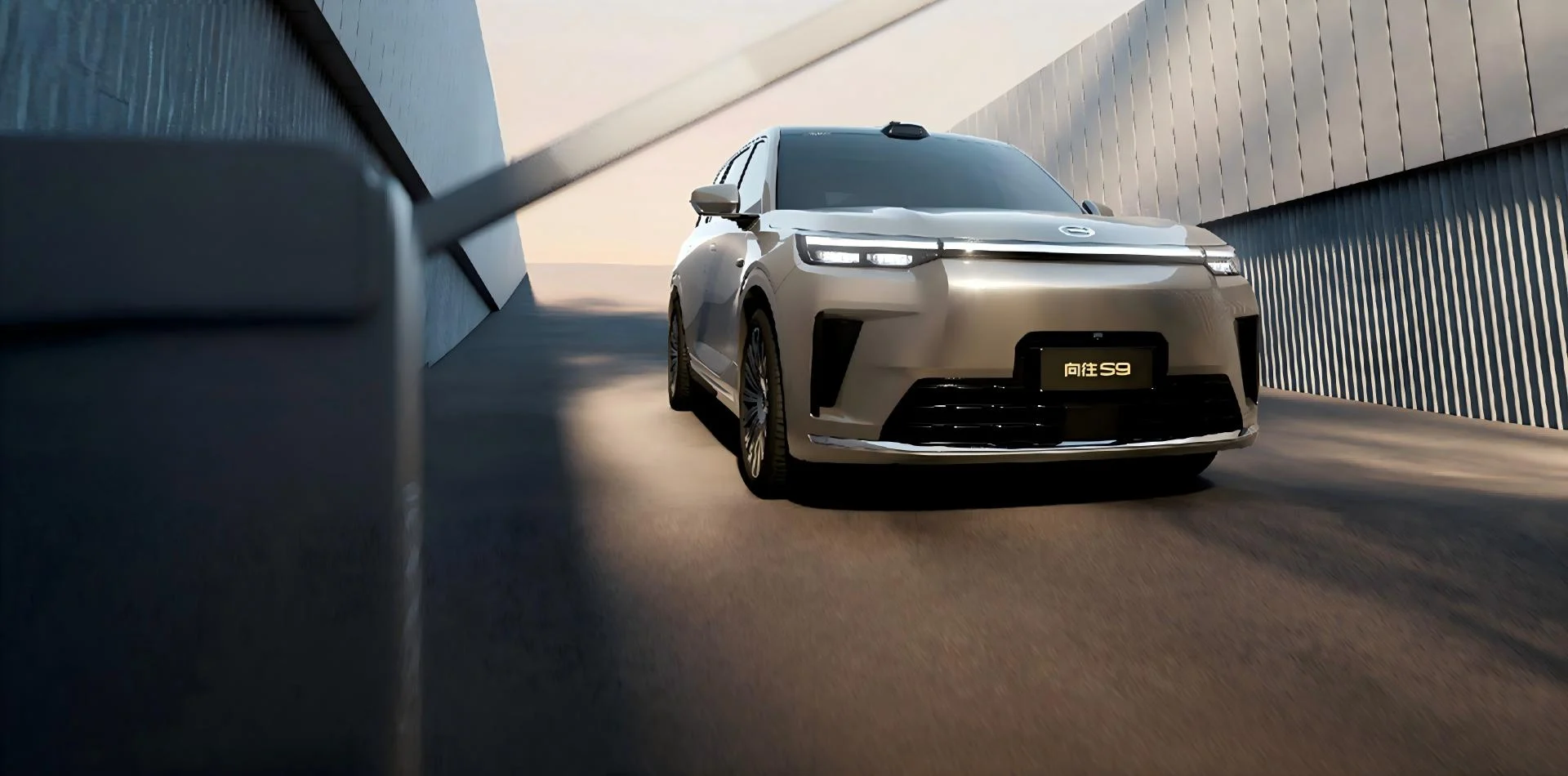
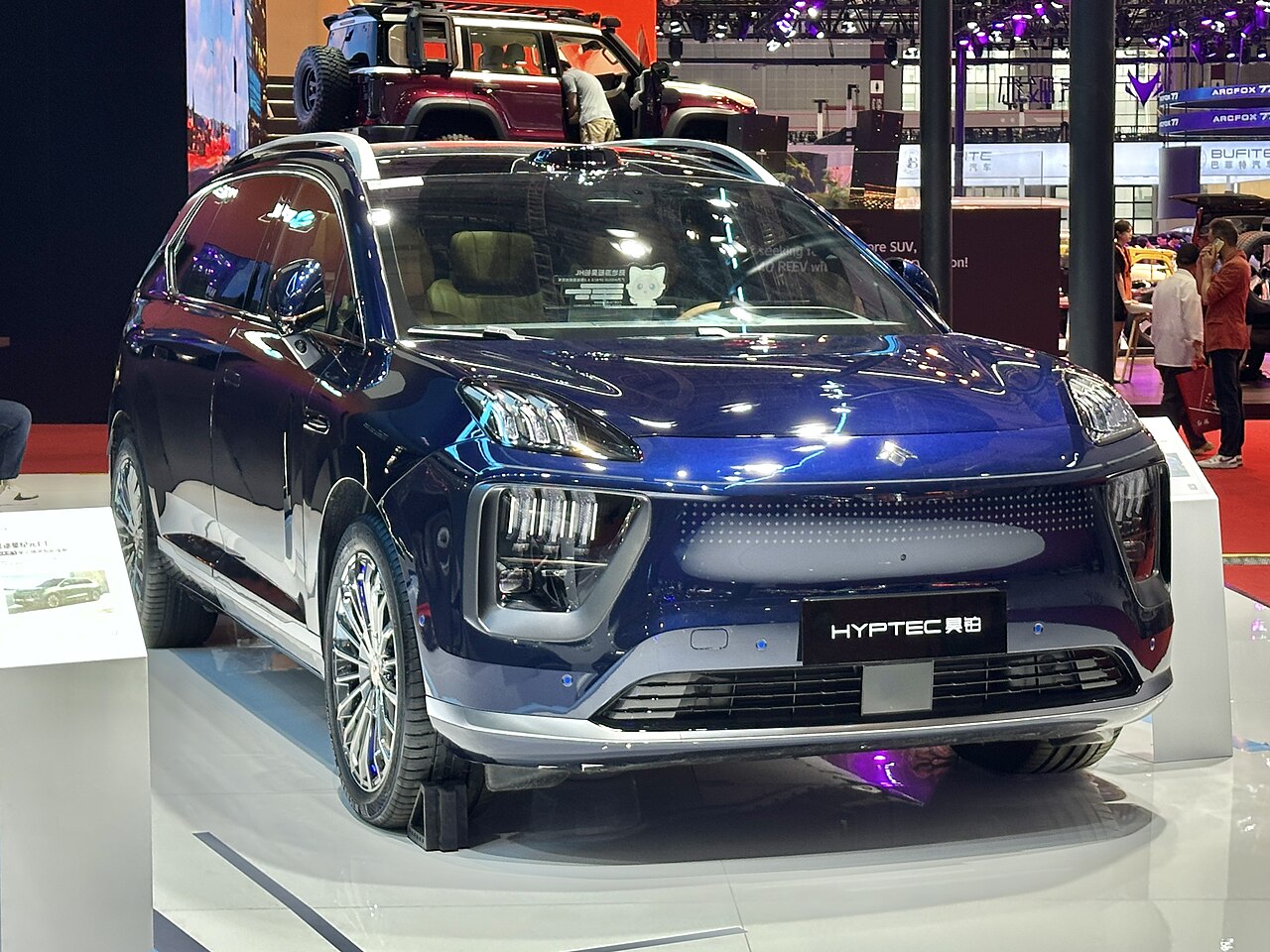
Rear passengers get a 17.3-inch screen that extends from the roof, and a lidar sensor sits in the front of the roof.

Its range-extender variant is rated for 1,200 km on a tank and charge, over three times the car's electric-only range.