SUV, crossover & wagon
Every matched generation dealt as its CollectibleCard · Tap any card to flip.
48 cards · the first forty-eight
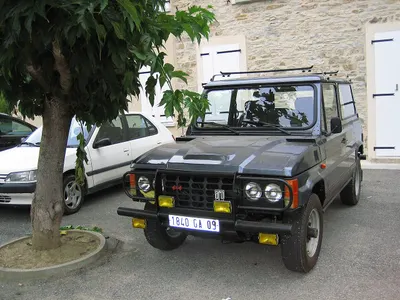
The rugged little ARO 10 borrowed its engine and front axle straight from a Dacia sedan, while its go-anywhere looks drew on the Renault Rodeo and Citroën Méhari.
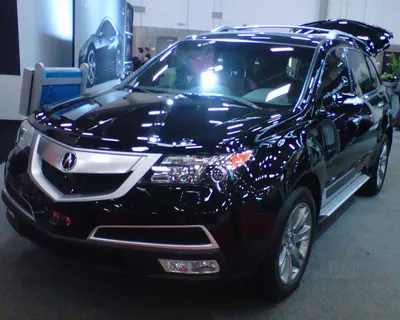
The first-generation MDX was built at Honda's plant in Lincoln, Alabama, making it the first Acura SUV to be manufactured in the United States.
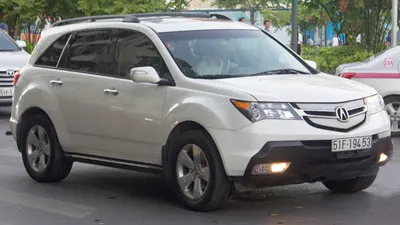
Acura didn't tune this MDX's suspension in a parking lot — it sent the three-row family SUV to the Nürburgring to get it right.
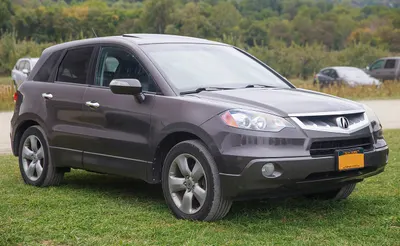
While rivals reached for bigger V6s, the first RDX went the other way — a turbocharged four-cylinder, making it one of the only four-cylinder luxury SUVs of its generation.
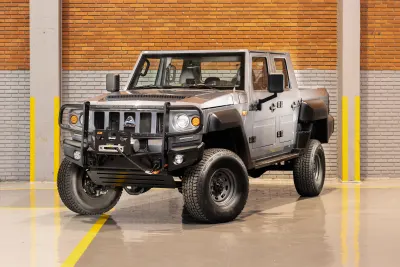
When Brazil's Engesa went bankrupt, its own former employees bought the rights to its military 4x4 and rebuilt it with Agrale — that reborn design became the Marruá.
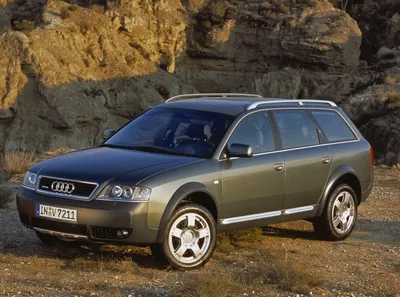
This Allroad's air suspension and low-range mode let it complete an official Land Rover test course — the only car-based SUV ever proven able to do it.
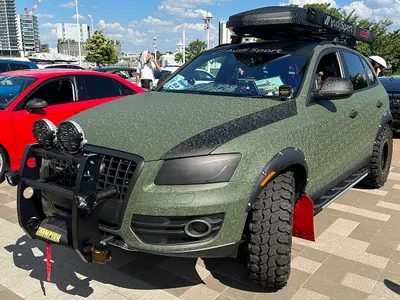
Audi actually planned a hybrid Q5 for launch — then scrapped it because the nickel metal hydride battery pack kept failing crash tests.
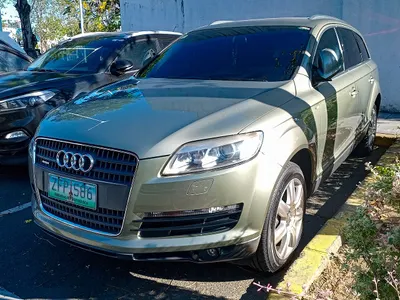
The first Audi Q7 offered an engine no other automaker has matched before or since: the world's only series-production passenger-car V12 TDI diesel.
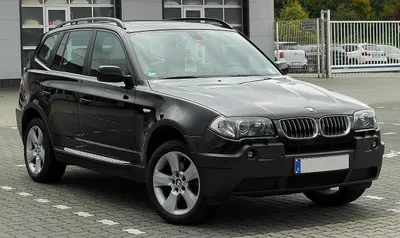
BMW didn't design or build the first X3 alone — Magna Steyr of Graz, Austria co-designed it and built every single first-generation X3 under contract.
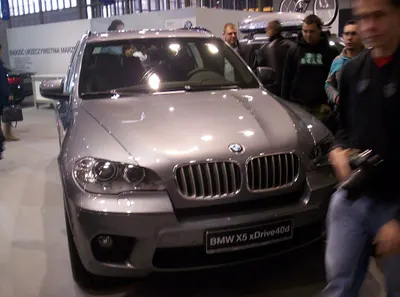
The E70 X5 was the first production car anywhere to use FlexRay, a high-speed electronic bus so fast it was reserved just for talking to the adaptive suspension.
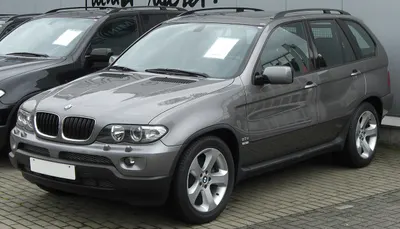
BMW's first X5 was all-wheel drive on paper but tuned to feel like a sedan — 62% of the engine's torque went to the rear wheels on purpose, chasing RWD handling over typical SUV manners.
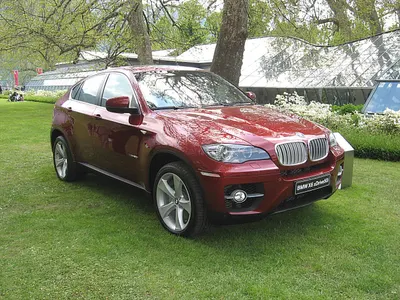
The X6 M (and its X5 M sibling) were the first cars BMW M ever built with an automatic transmission and all-wheel drive — a first for a brand built on manuals and rear-drive.
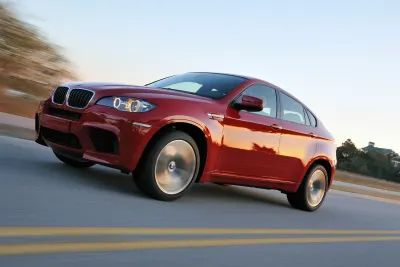
The X6 M's twin-turbo V8 was the first turbocharged engine BMW M ever built.
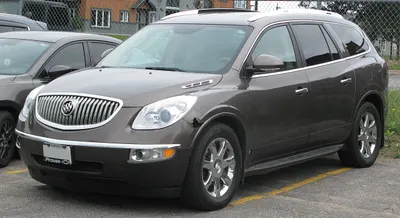
Early Enclaves earned a real knock at launch: reviewers called the 6-speed transmission "hesitant to downshift," and GM had to fix the powertrain for the very next model year.
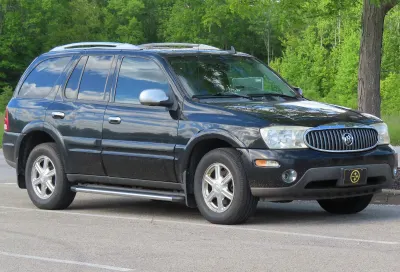
The Rainier was the test bed for Buick's QuietTuning insulation package — and the first vehicle anywhere to use acoustic laminate glass in its side windows.
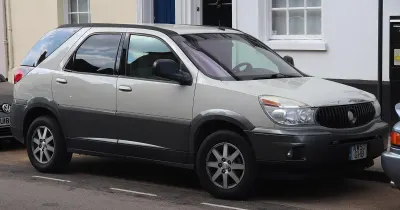
This family crossover's all-wheel-drive hardware came from a surprising pedigree: its Versatrak system was built under license from McLaren's traction-technology arm.
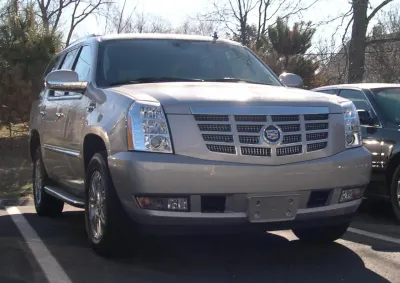
This generation's launch got a Super Bowl spotlight: the 2007 Escalade was the Super Bowl XL official vehicle, and MVP Hines Ward drove home with one of the very first units built.
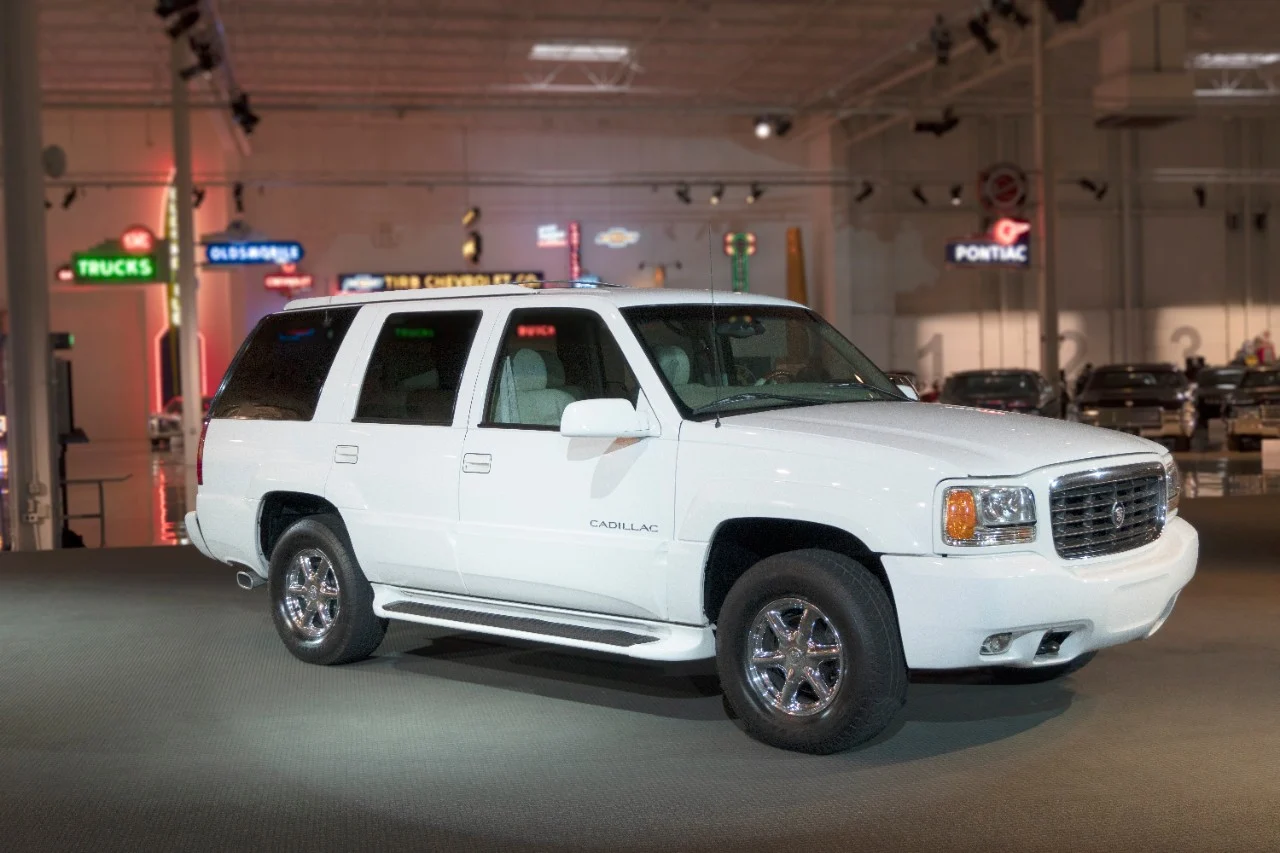
The very first Escalade wasn’t really a Cadillac at all under the skin — rushed out to answer the Lincoln Navigator, it was essentially a badge-engineered GMC Yukon Denali.
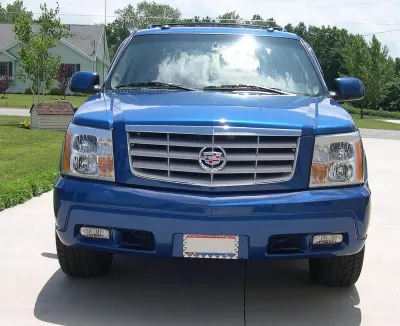
Cadillac was in no hurry to update the Escalade — while its Chevy and GMC siblings moved to the new full-size truck platform for 2000, the Escalade waited over a year, becoming the last of GM's three brands to switch.
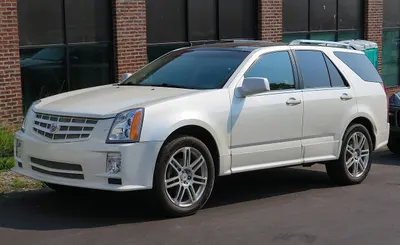
Despite its luxury badge, the first SRX had a troubling safety record: IIHS found it the worst in its class for driver fatalities, at nearly triple the class average.
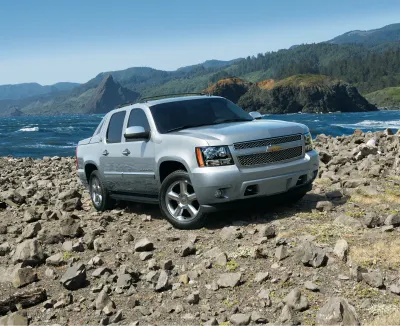
A 2007 Avalanche went to Michael Young, named MVP of the 2006 MLB All-Star Game, as his prize.
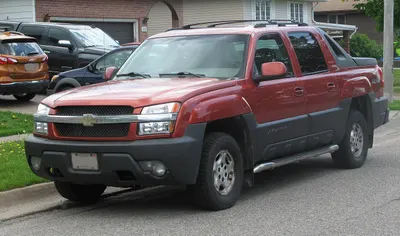
First-year Avalanches wore light grey plastic cladding for the sole purpose of looking less like the Suburban they were built alongside.
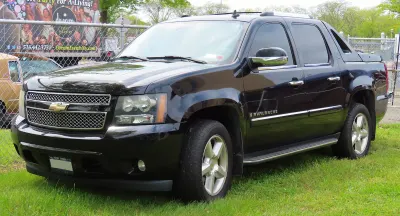
The Avalanche's clever midgate — folding the cab into the bed — was good enough that GM copied it straight onto the GMC Envoy XUV and Hummer H2 SUT.
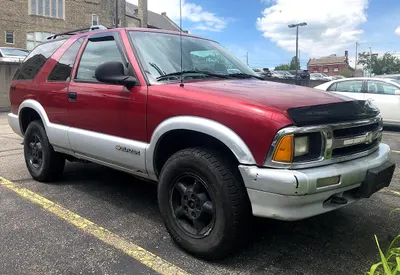
The redesigned 1995 Blazer swept the truck-of-the-year circuit - Motor Trend, the Detroit auto show, and even Playboy magazine all crowned it.
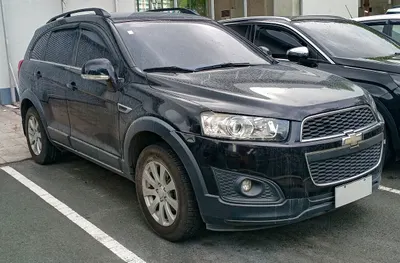
Launched in Japan in July 2011, the first new GM model sold there since the company's 2009 Chapter 11 bankruptcy reorganization.
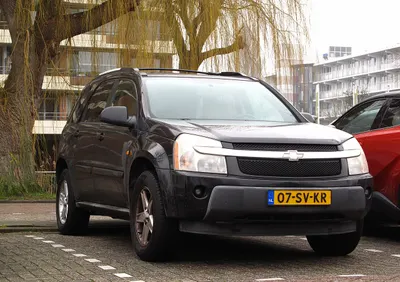
The first Equinox was built in Ontario with a V6 made in China by Shanghai GM and a gearbox made in Japan.
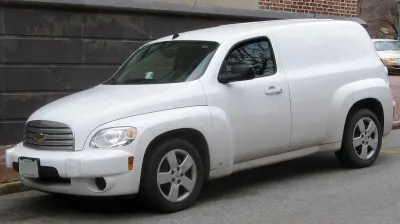
The HHR's retro styling came from Bryan Nesbitt — the same designer who'd just given Chrysler its PT Cruiser, poached by GM to do it again for Chevrolet.
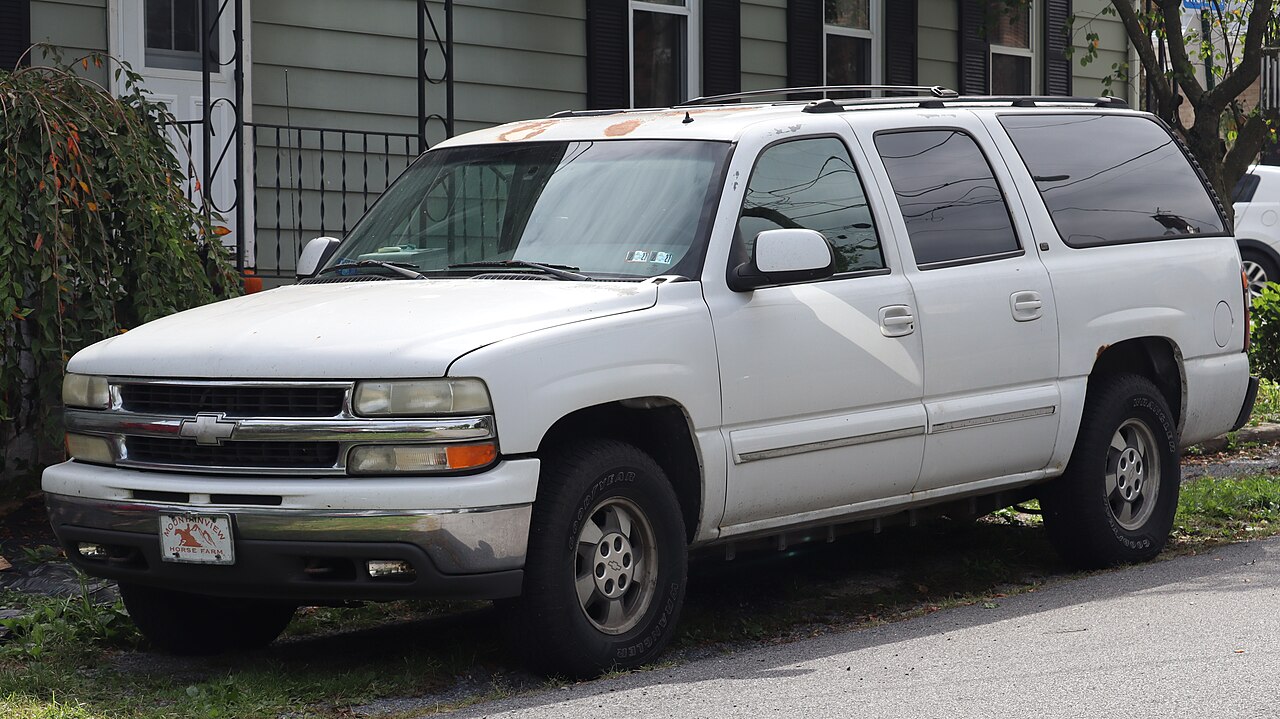
The GMT800 Suburban went on sale in Texas alone in late December 1999, a month before the rest of the country.
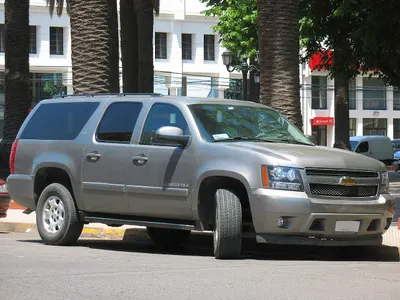
Chevrolet capped the Suburban's 75th anniversary edition at 2,570 cars, because that was all the white diamond paint GM could get.
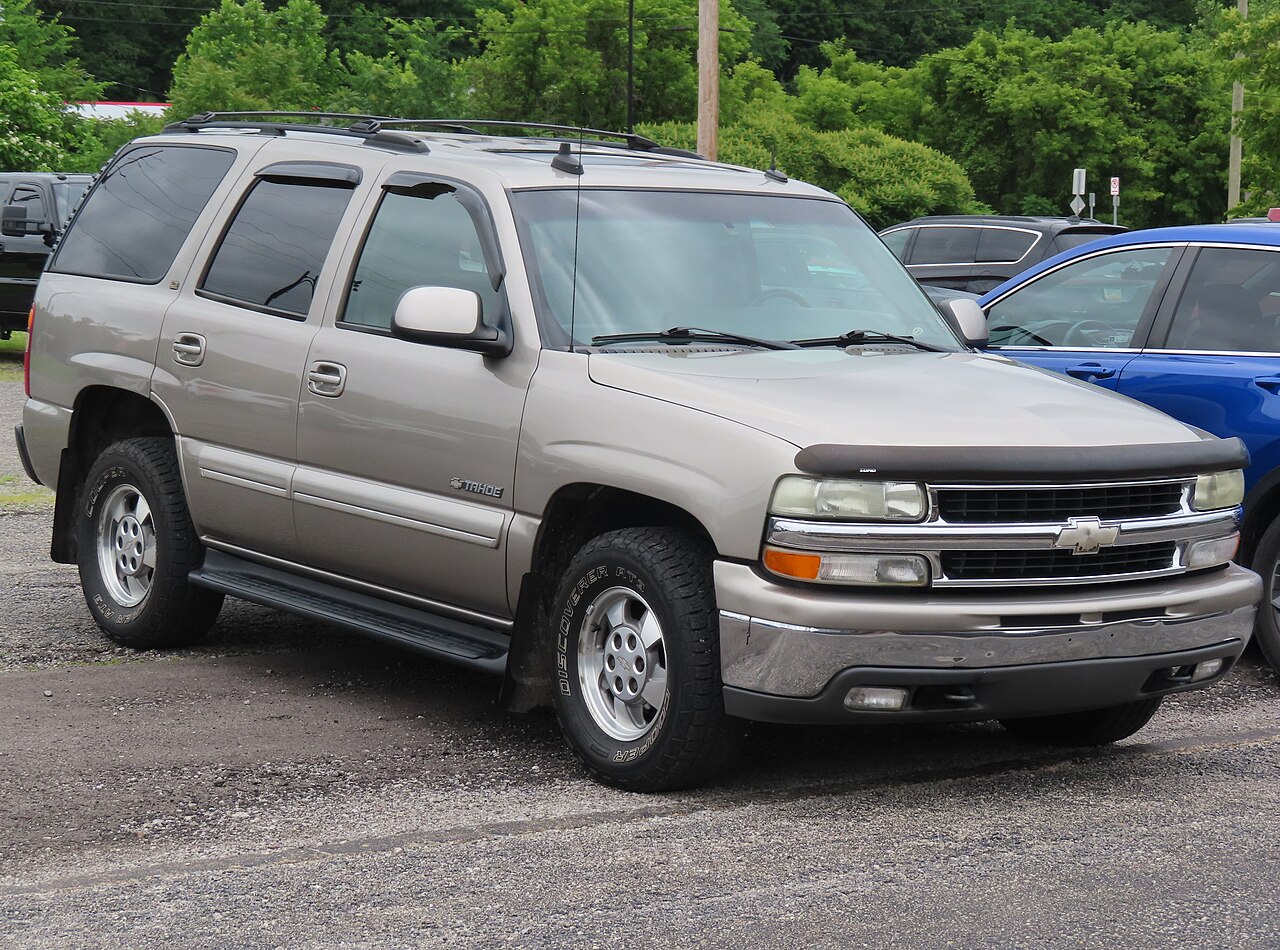
Mexico knew the GMT800 Tahoe as the Chevrolet Sonora, and a two-door version got as far as a prototype.
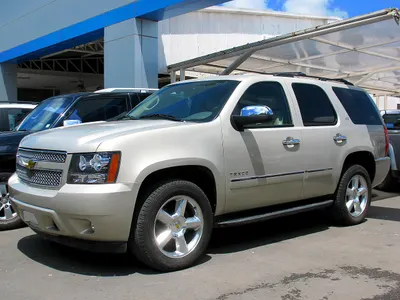
Chevrolet let viewers make their own Tahoe ads through The Apprentice in 2006: over 400 came out negative, against 20,000 positive.
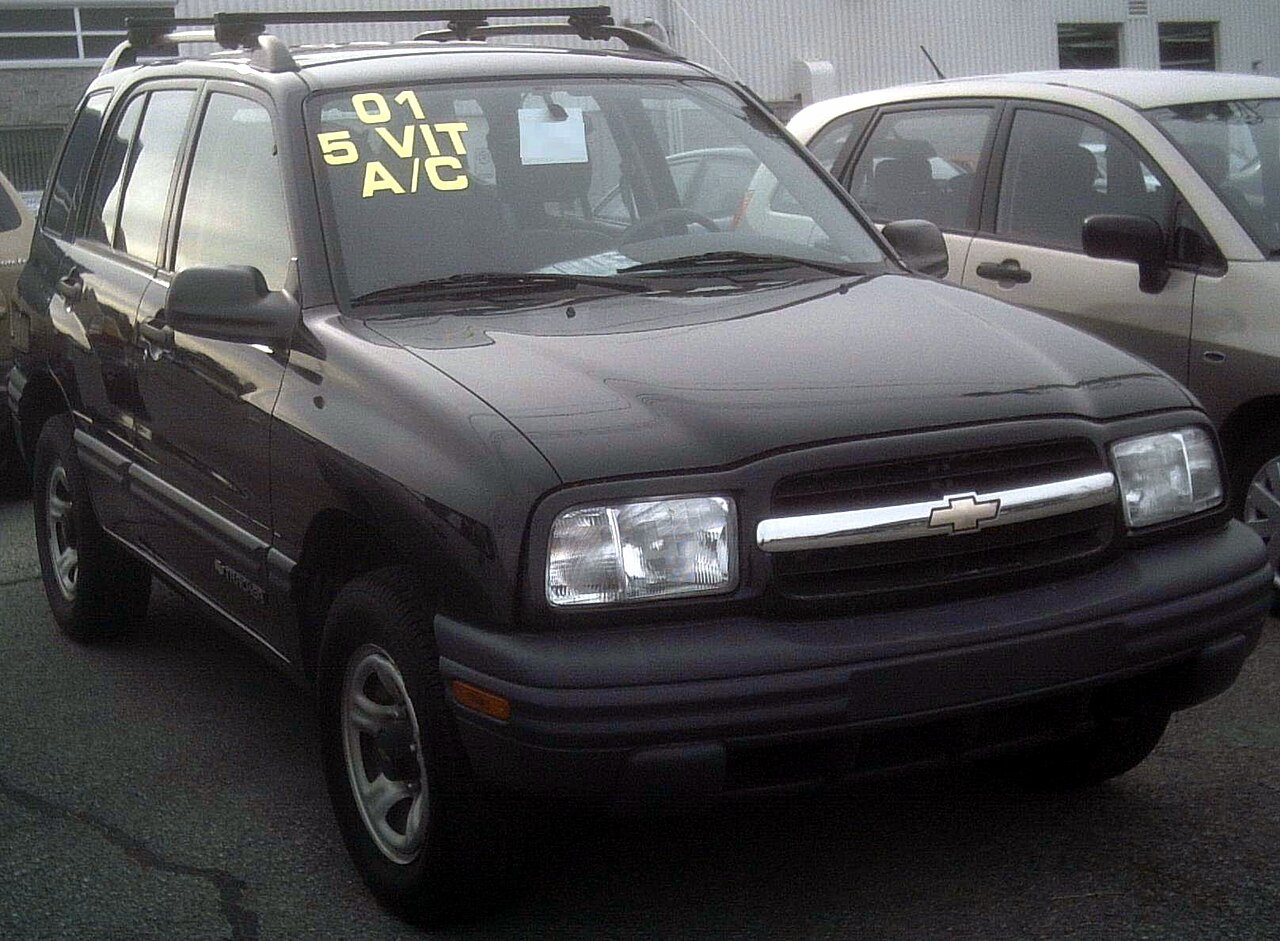
The Tracker was a rebadged Suzuki Vitara/Grand Vitara, built alongside its Suzuki twin at CAMI Automotive, a GM-Suzuki joint venture plant in Ontario.
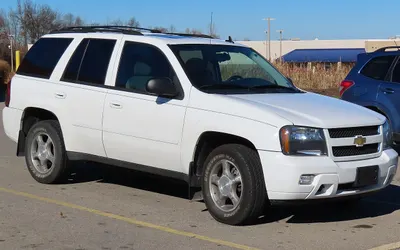
The first TrailBlazer's standard inline-six landed on Ward's 10 Best Engines list four years running, and the truck itself won North American Truck of the Year in 2002.
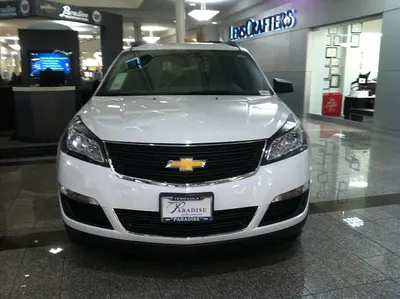
The first Traverse's styling traces back to the Chevy Sequel — a hydrogen fuel-cell concept car, not a crossover.
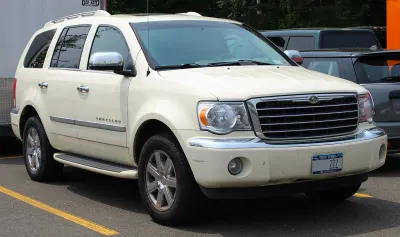
The Aspen was built at DaimlerChrysler's Newark, Delaware assembly plant, which closed in 2009 shortly after the SUV was discontinued.
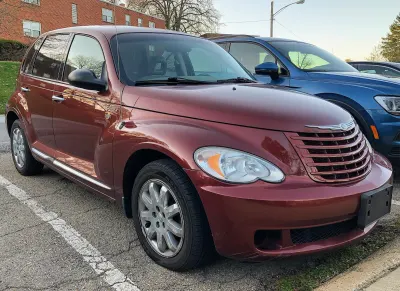
Despite looking and driving like a car, the PT Cruiser was deliberately engineered to satisfy the NHTSA’s definition of a light truck — a classification trick that helped Chrysler’s truck fleet hit CAFE fuel economy rules.
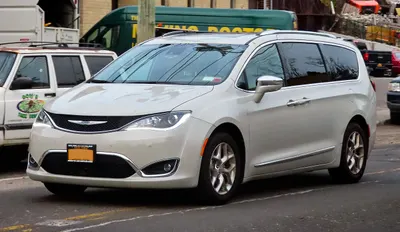
Chrysler lost money on every single original Pacifica it sold — the luxury crossover rode on a modified minivan platform but shared no interior parts with any other Chrysler, Dodge or Jeep.
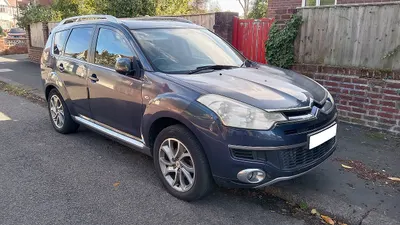
Built by Mitsubishi off the Outlander, it and its Peugeot 4007 twin were the first Japanese-made cars ever sold under a French badge.
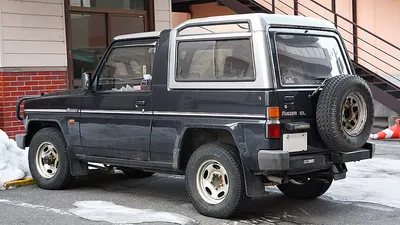
When this Rugger was redesigned, Daihatsu handed the job to Bertone — the Italian house behind Lamborghini and Ferrari styling — who also built their own upscale version for export.
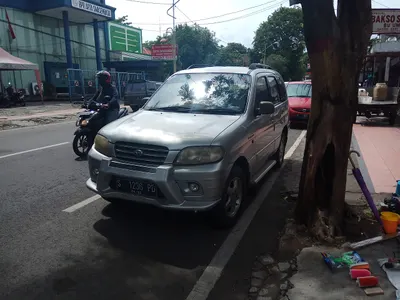
Taruna means young in Balinese, chosen for a Terios built with an extended tail just to fit a third row.
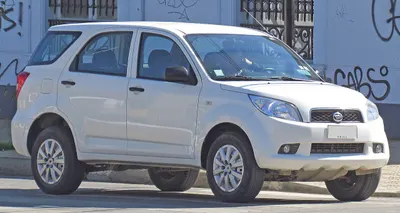
This Terios hedges its bets on construction — a monocoque body built around a 'built-in ladder frame,' chasing ladder-frame toughness without the usual weight penalty.
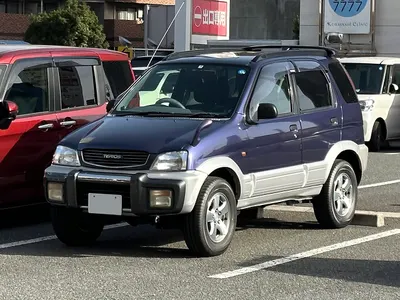
The Terios became Daihatsu's first-ever car assembled in Venezuela, with local production starting in November 2001.
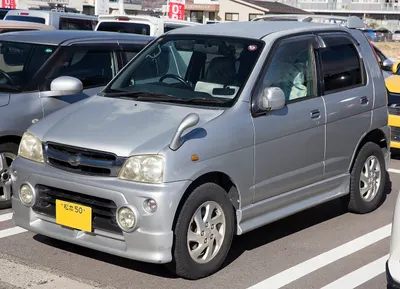
The kei-sized Terios Kid outlived the full-size Terios it was based on by six years, still being built long after its own parent car had been replaced.
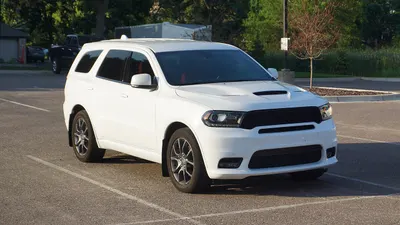
The first Durango almost had a rear-facing third row straight out of a '70s station wagon — Dodge scrapped it late, raising the roof two inches and stretching the doors to fit real forward-facing seats instead.
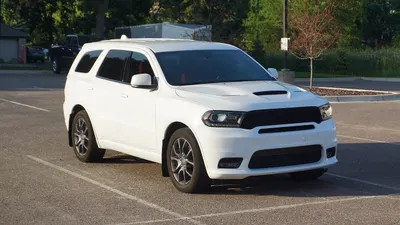
Chrysler built a hybrid version of this Durango for 2009 — then killed it just two months after launch when demand for full-size SUVs collapsed.
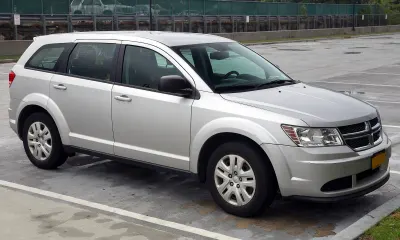
The Journey was Dodge's first crossover built on a car-based unibody platform rather than a truck frame.
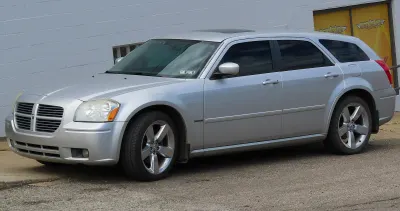
The Magnum wagon was named after Dodge's 1978-1979 personal luxury coupe, reviving the name for a very different body style.
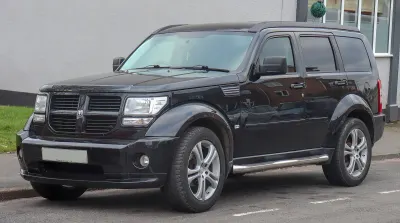
An early European TV ad for the Nitro, tagged 'charged with adrenaline,' showed a dog getting electrocuted after lifting its leg on the SUV's wheel. It backfired badly enough that Dodge pulled the spot.