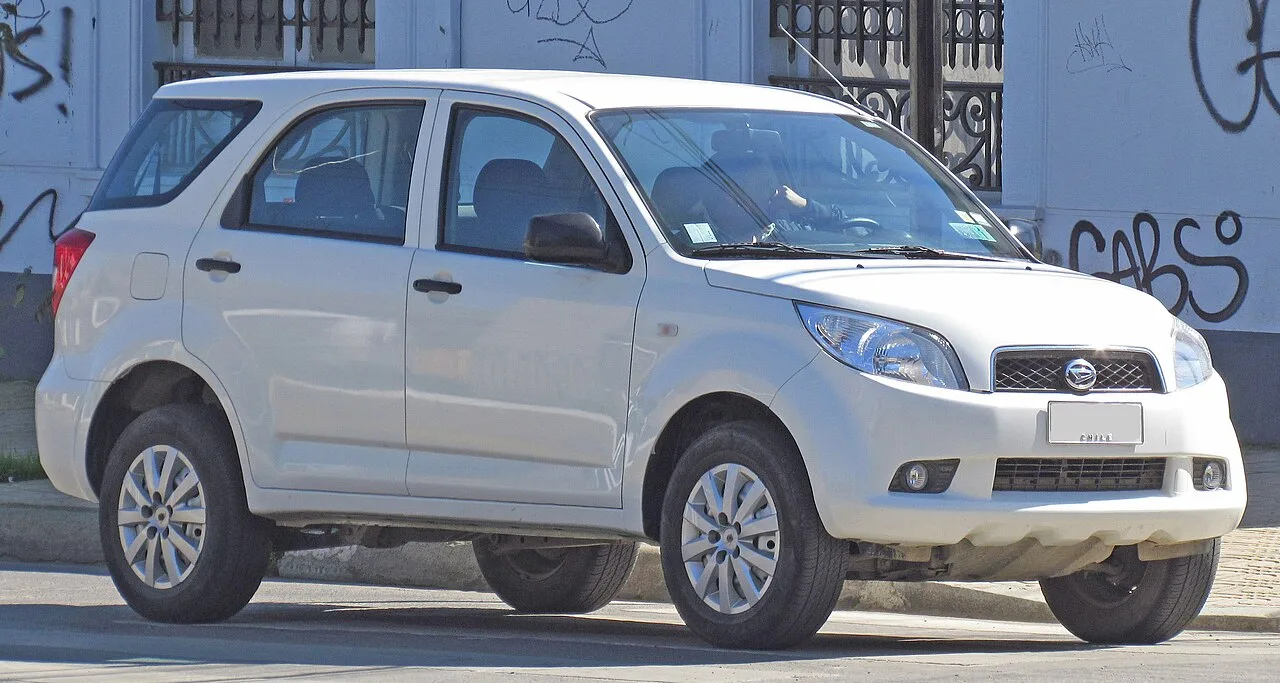
This Terios hedges its bets on construction — a monocoque body built around a 'built-in ladder frame,' chasing ladder-frame toughness without the usual weight penalty.
Median 210 hp across 367 similar cars
Lead trim: Terios 1.3 K3-VE (91 hp) · up to 107 hp
Daihatsu Terios J200 / F700J200/F700 · 2006–2017
- 0spots by members
- Unclaimednobody has spotted one yet
- 0sets it belongs to
Nobody in Burbles has spotted a Daihatsu Terios J200 / F700 yet. See one on the street, point the app at it, and the first card is yours — with your @handle permanently credited on this page.
FactThis Terios hedges its bets on construction — a monocoque body built around a 'built-in ladder frame,' chasing ladder-frame toughness without the usual weight penalty.
The second-generation Terios (Toyota Rush, Daihatsu Be-go in Japan, Perodua Nautica in Malaysia in 2008–2009) followed the D-Compact 4x4 concept shown at the September 2005 Frankfurt and November 2005 Tokyo motor shows, and went into production in January 2006 as the short-wheelbase five-seater J200 (J210/J211) or the long-wheelbase seven-seater F700 (F710), built on a "built-in ladder frame" monocoque body claimed to balance light weight, rigidity and comfort. Daihatsu designs and builds it and supplies Toyota's Rush under an OEM agreement; the F700 is related to the Xenia (F600). In Japan the Be-go and the Rush (exclusive to Toyopet Store dealers) were announced on 17 January 2006 with 1.3 or 1.5-litre engines, the 1.5 alone with two- or four-wheel drive and a permanent 4WD system with a lockable centre differential but no low range; a minor refresh on 13 November 2008 brought a redesigned front bumper and tail lamps and a 5% fuel-economy gain for the 2WD automatic. Production ended in March 2016 in Japan (the Be-go and Rush were succeeded by the A200 Rocky/Raize from November 2019) and in October 2017 in Indonesia.
Collectors Spotted in the Daihatsu Terios Lineage
No member has published a public street spot of the Daihatsu Terios yet — the First · Worldwide stamp is wide open.
Trims & Figures
2 published trims in the catalogue. A blank is a figure not recorded, not zero.
| Trim | Years | Engine | Power | Torque | 0–60 | Drive | Gearbox | MSRP |
|---|---|---|---|---|---|---|---|---|
| Terios 1.3 K3-VE (91 hp) | 2006–2017 | 1.3 L Inline-4 | 91 hp | 88 lb-ft | — | — | — | — |
| Terios 1.5 3SZ-VE (107 hp) | 2006–2017 | 1.5 L Inline-4 | 107 hp | 104 lb-ft | — | — | — | — |
Owning one
We don’t estimate running costs for a car like this. What it costs depends on its condition, its specialist and how it is driven, and an average would mislead.
Owners’ builds
Nobody has claimed one yet.
Photographs
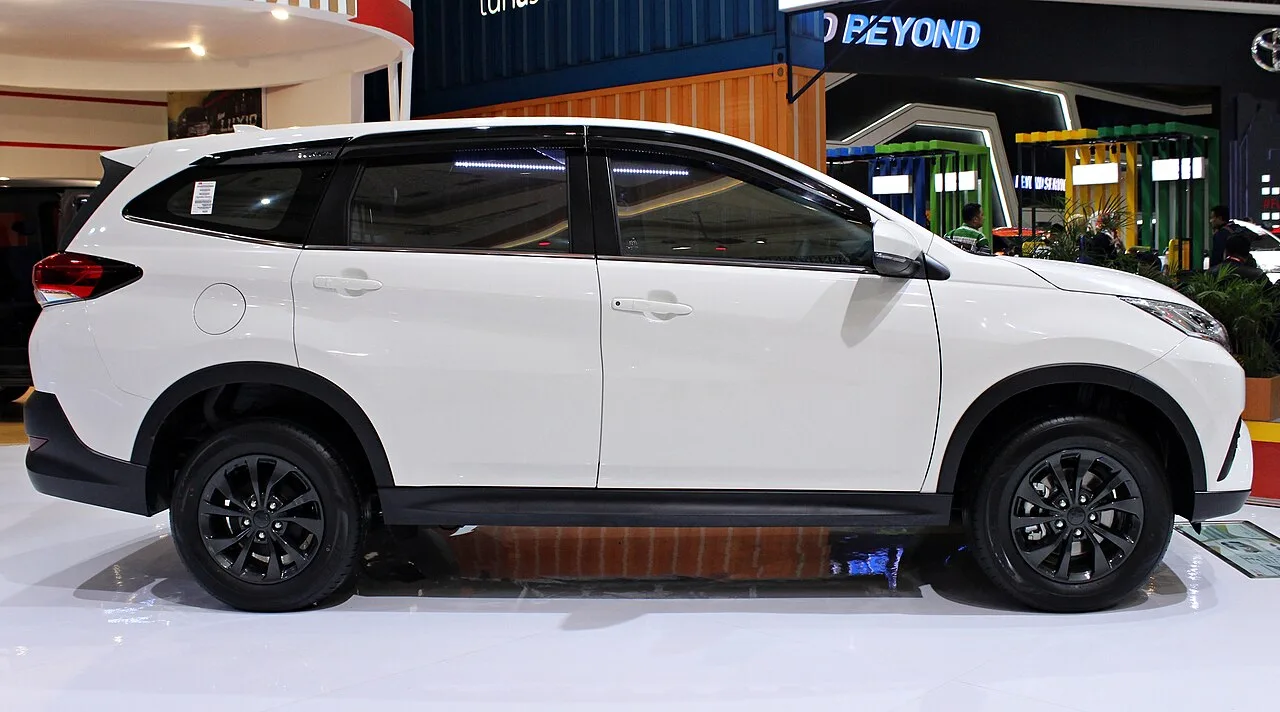
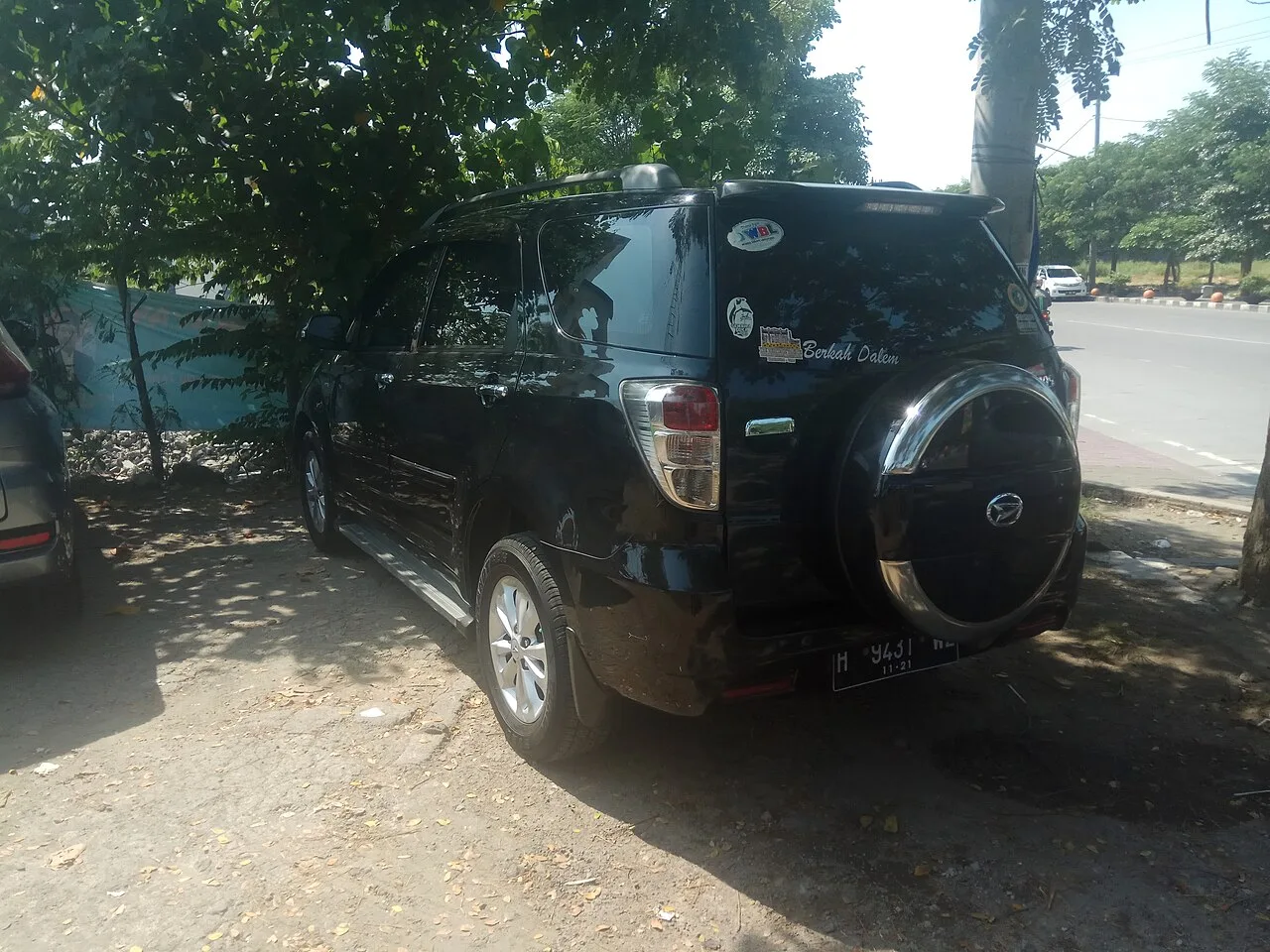
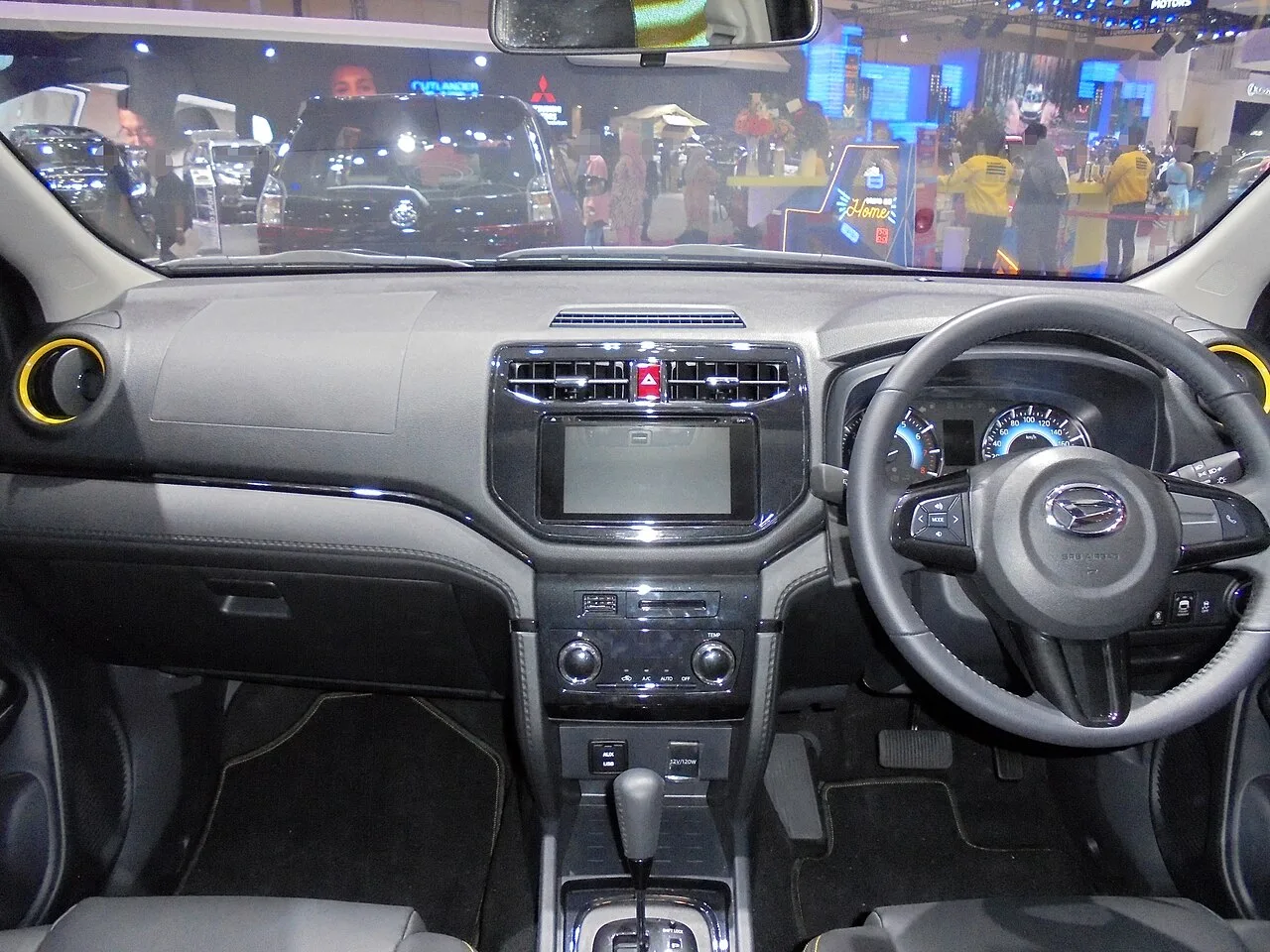
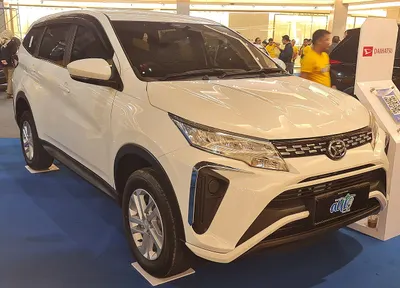
After nearly two decades, the third-generation Terios finally dropped the spare tyre mounted on the rear door, swapping it for a proper liftgate.

This Terios hedges its bets on construction — a monocoque body built around a 'built-in ladder frame,' chasing ladder-frame toughness without the usual weight penalty.
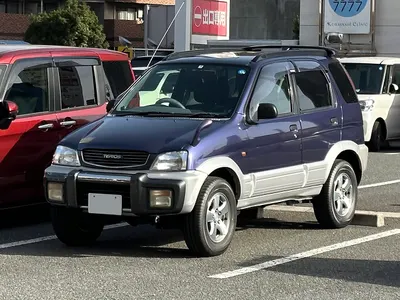
The Terios became Daihatsu's first-ever car assembled in Venezuela, with local production starting in November 2001.
Rivals
Same body, same money, other badges — tap any card to flip.
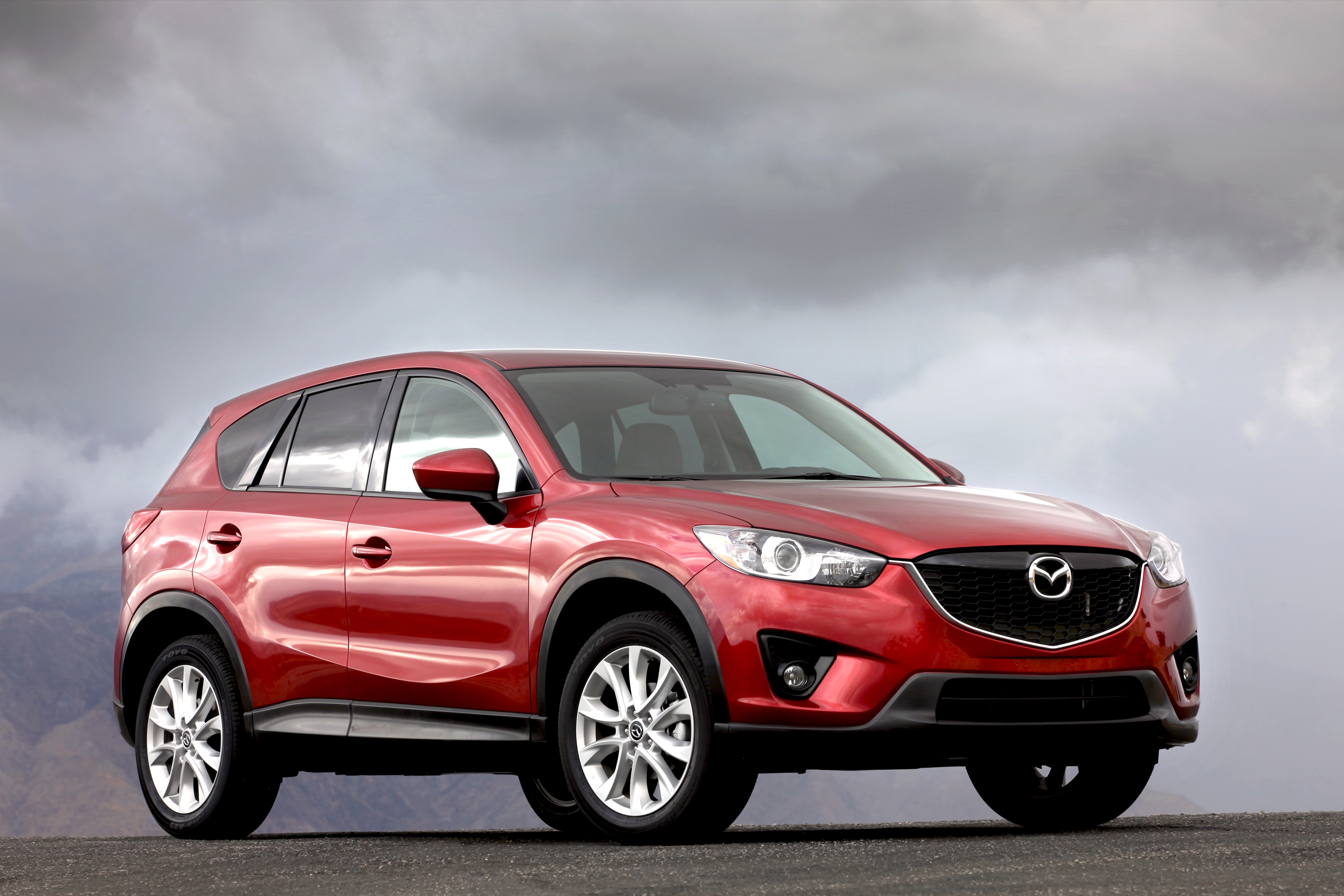
IIHS only crash-tests the driver's corner; tested on the passenger side instead, the CX-5 showed far worse intrusion.
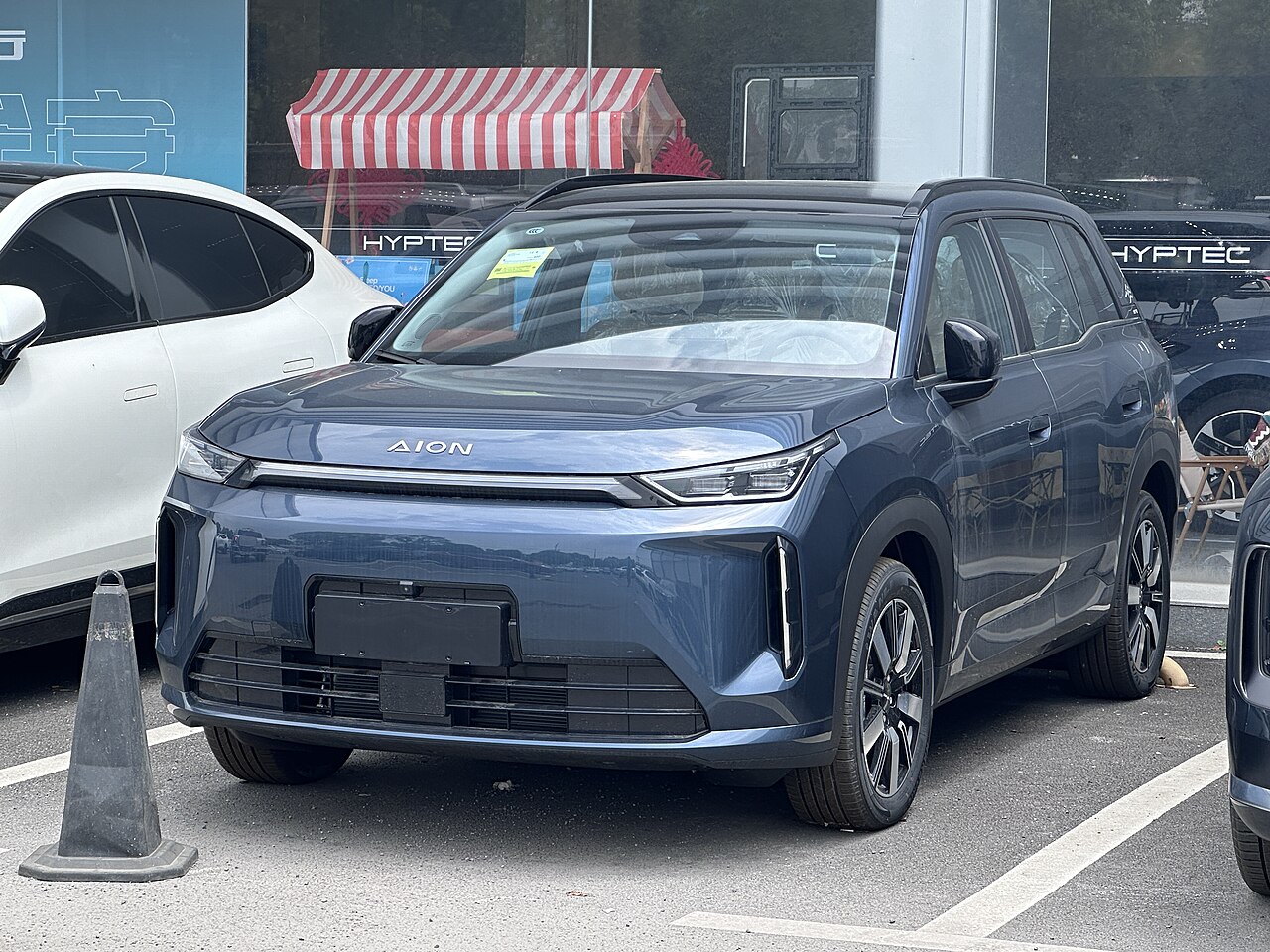
Despite launching from a standing start in late 2025, the i60 topped GAC Aion's own sales chart through January's seasonal slowdown.
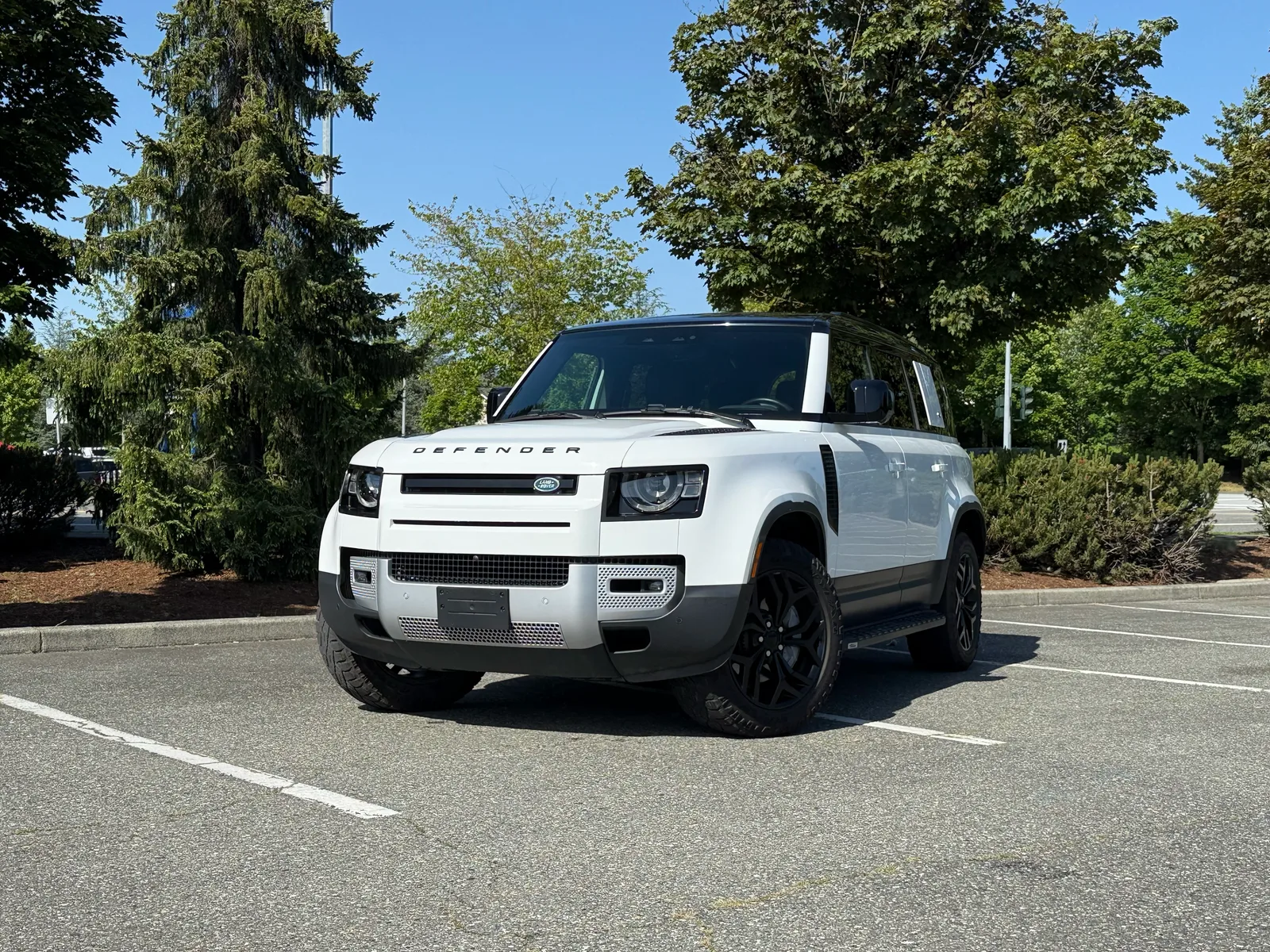
Every Defender before this one was body-on-frame — this generation broke decades of tradition with an aluminium unibody structure instead.
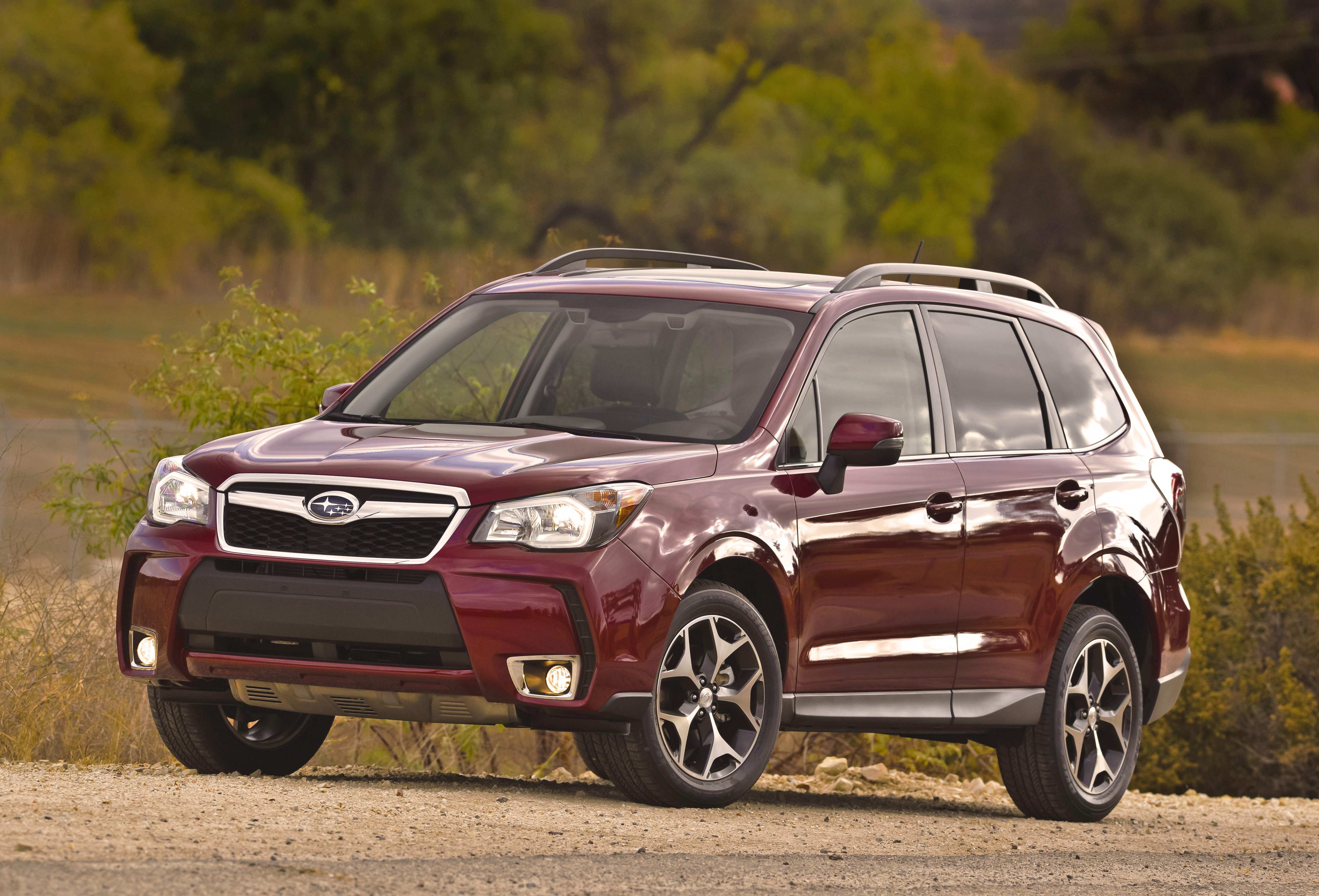
Crashed on the passenger side instead of the driver's, the 2014 Forester showed far more intrusion and would have rated Marginal with the IIHS.
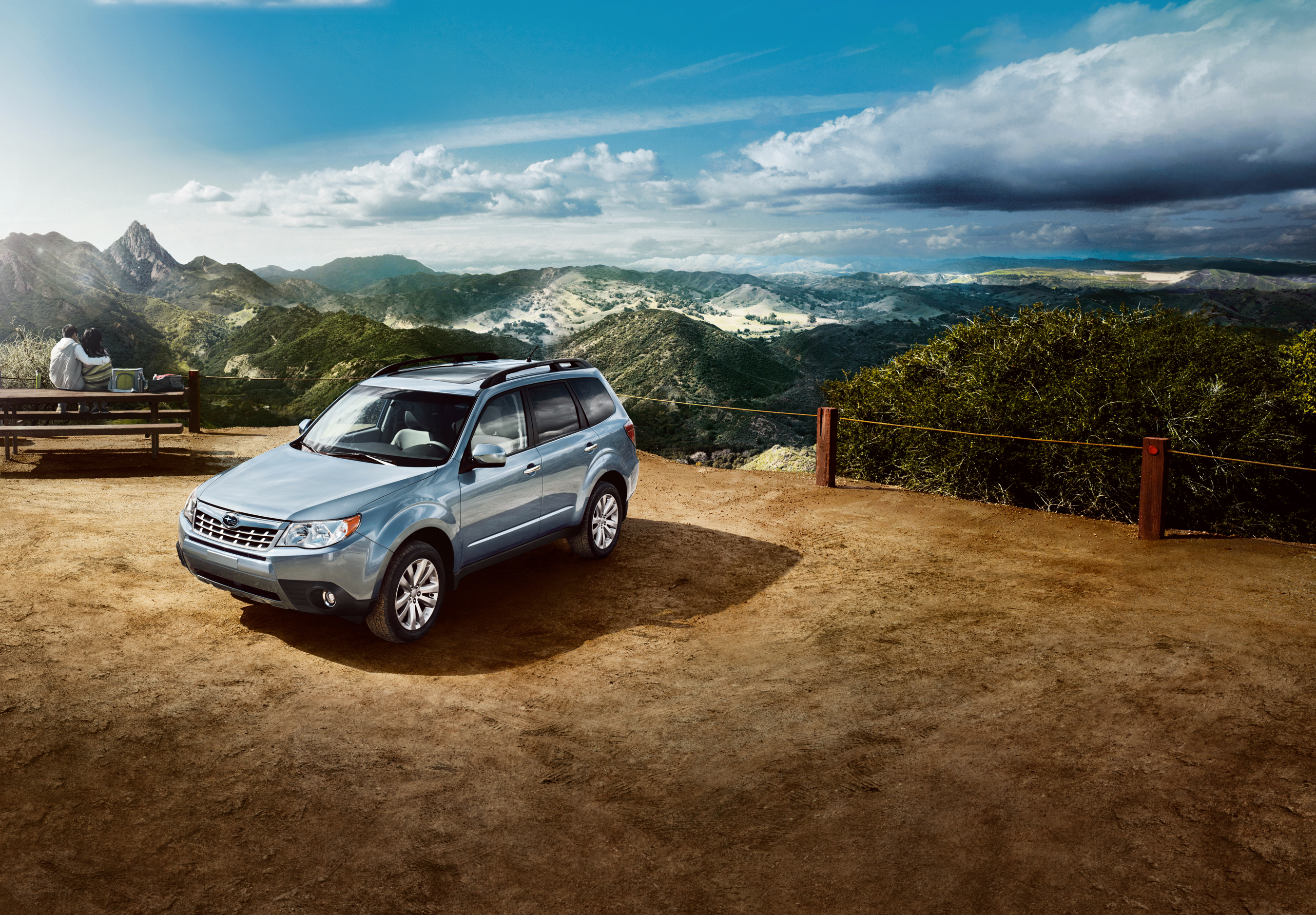
Subaru built a 2.5XT for the National Ski Patrol with a diamond-plate floor, a 9,500-pound winch and a toboggan on the roof.
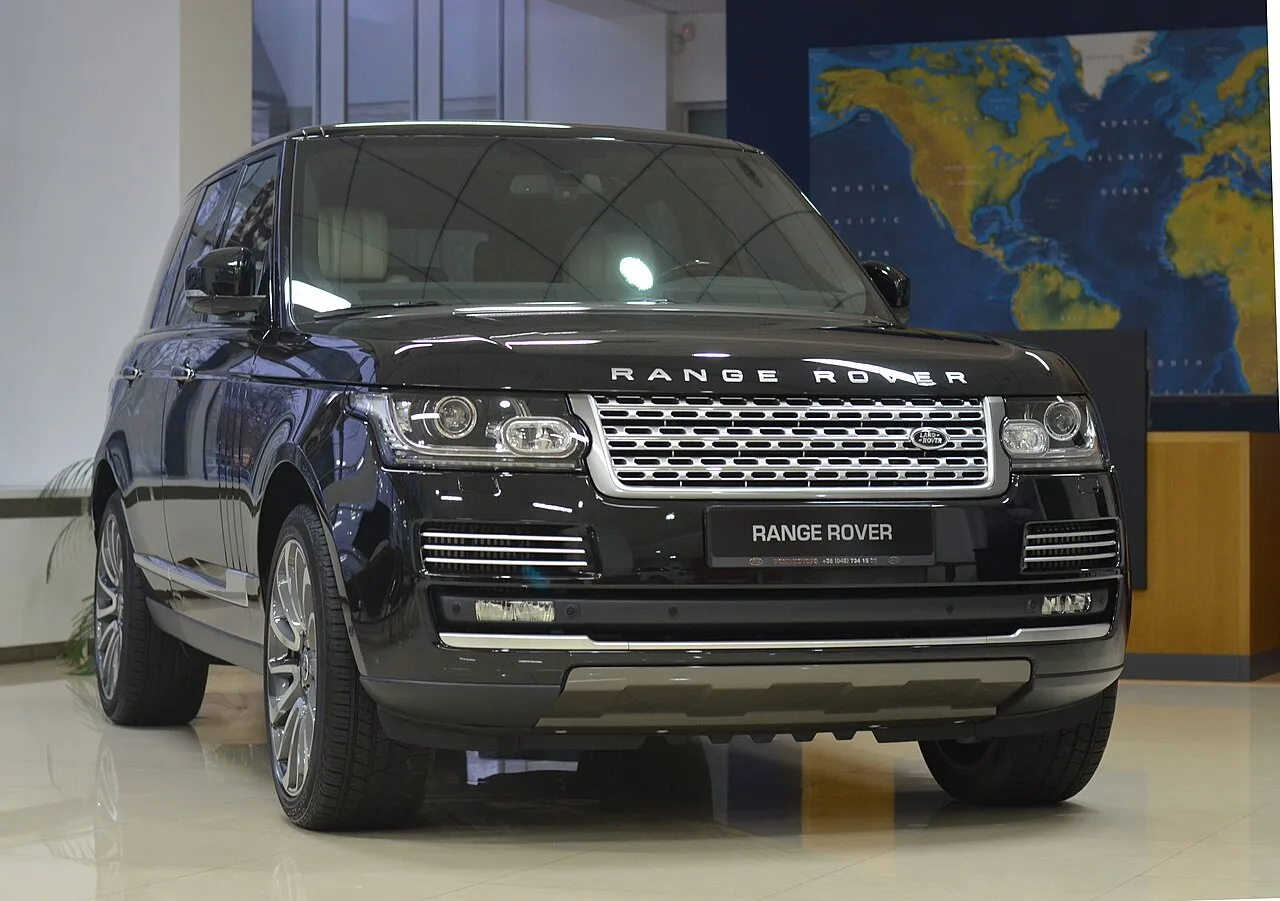
The L405 was the first Range Rover with a fully aluminum monocoque body, cutting up to 420 kg from the outgoing steel-bodied L322.
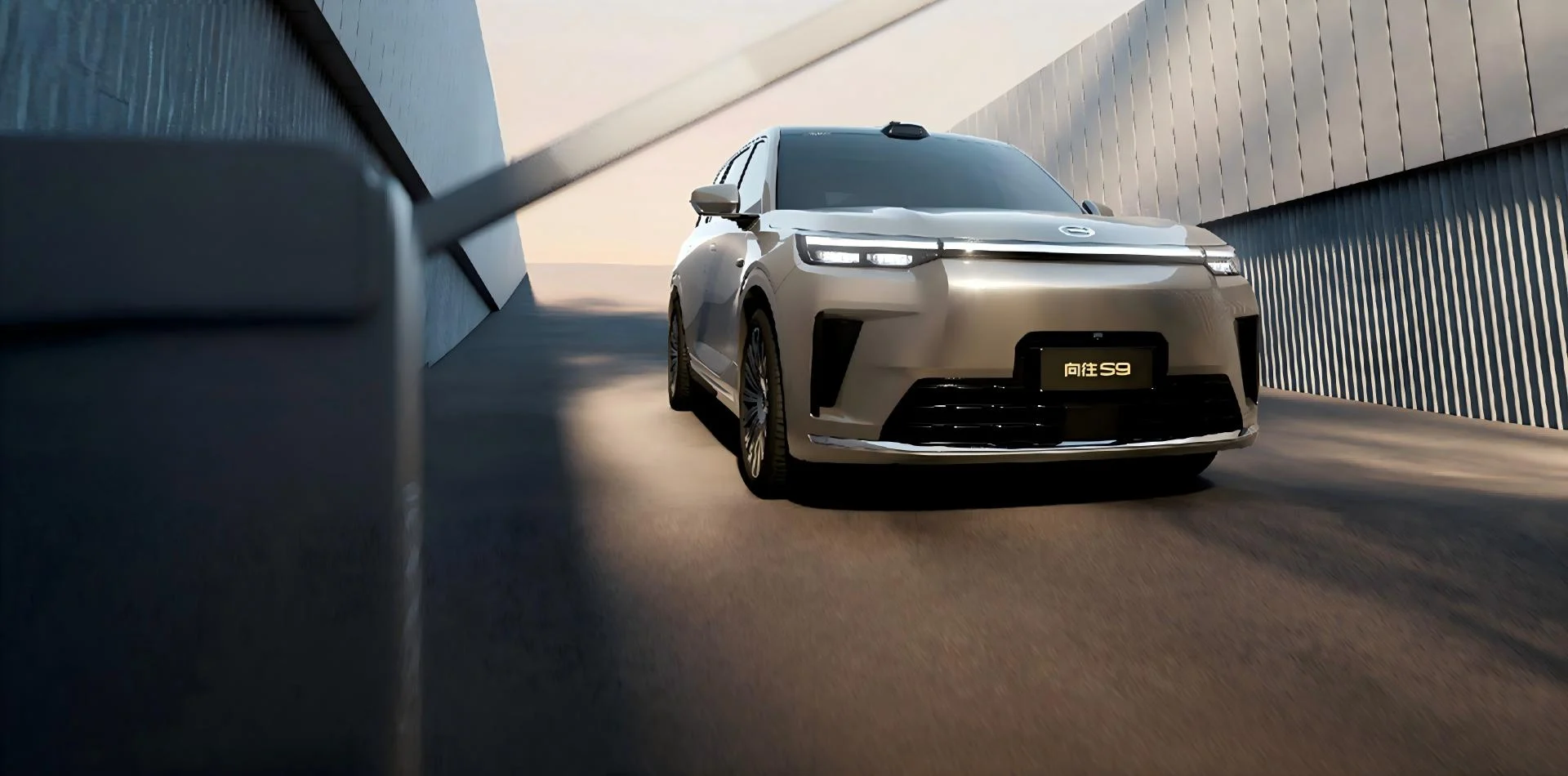
Rear passengers get a 17.3-inch screen that extends from the roof, and a lidar sensor sits in the front of the roof.
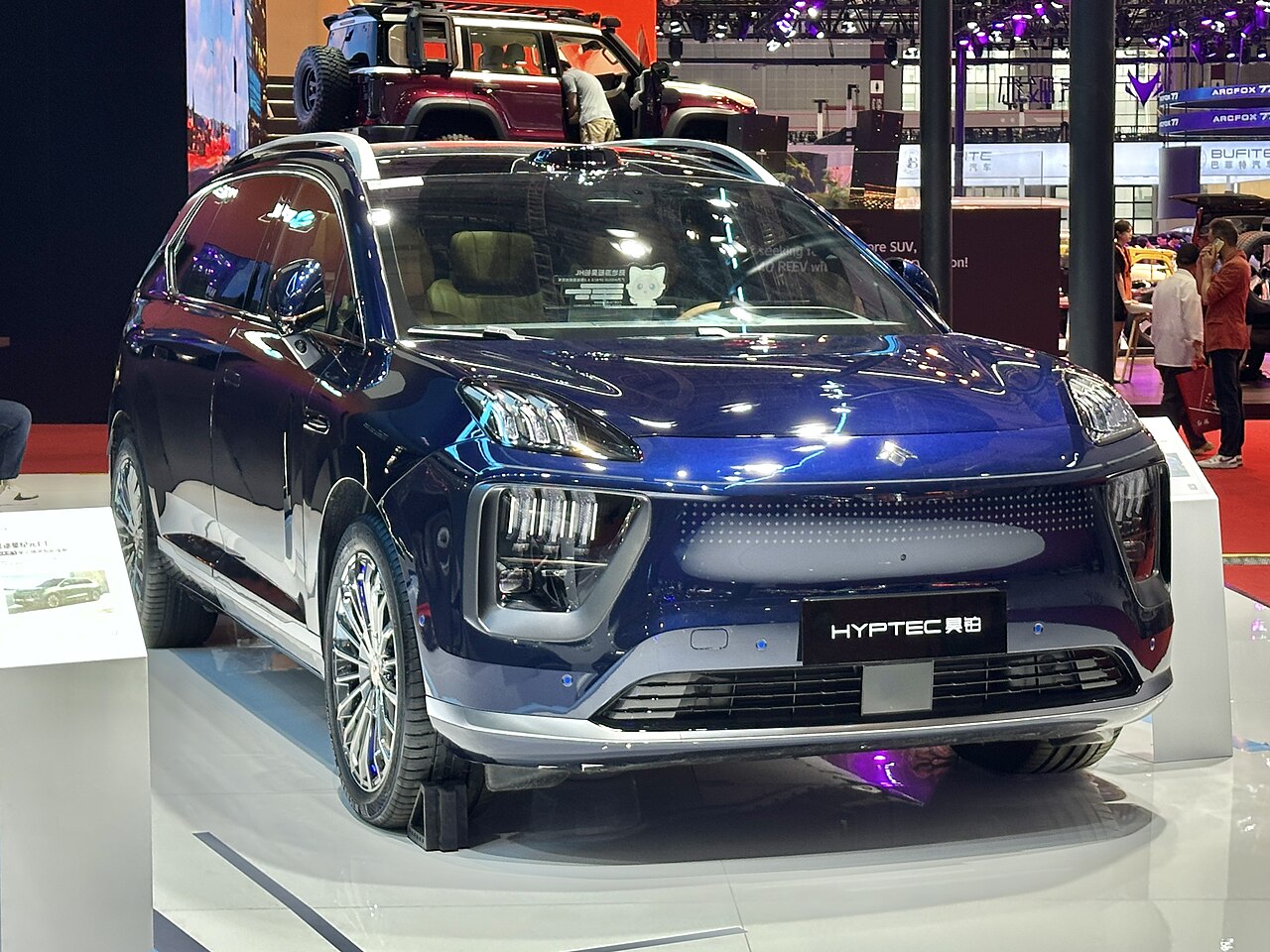
Its range-extender variant is rated for 1,200 km on a tank and charge, over three times the car's electric-only range.