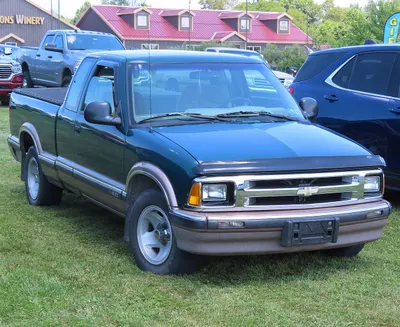
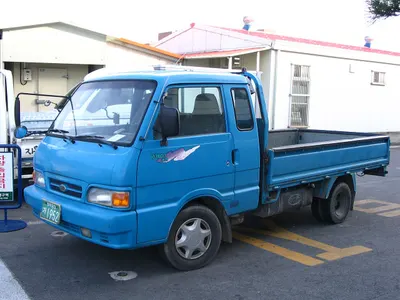
VerifiedFIRST · WORLDWIDEFIRST PRINTONLY ONE IN VANCOUVERGM built an electric S-10 pickup in 1997-98 and gave it front-wheel drive, the same powertrain layout as the EV1 — nothing like the rear-drive gas truck it was based on.
Every matched generation dealt as its CollectibleCard · Tap any card to flip.
48 cards · the first forty-eight

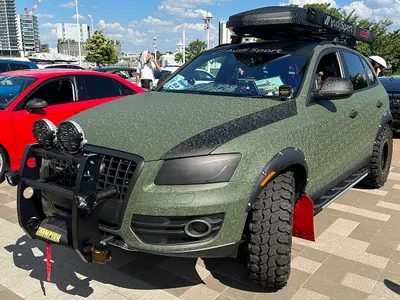
Audi actually planned a hybrid Q5 for launch — then scrapped it because the nickel metal hydride battery pack kept failing crash tests.

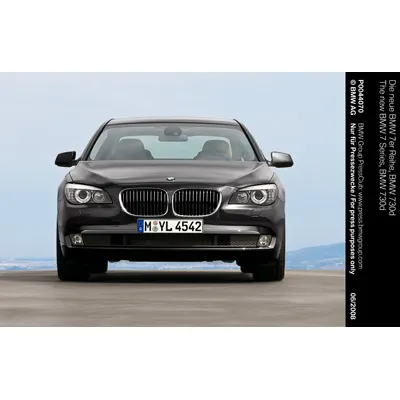
The F01 7 Series offered rear-wheel steering — Integral Active Steering — turning the rear wheels independently to tighten the turning circle of a full-size luxury sedan.

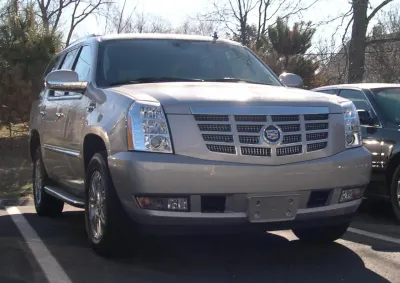
This generation's launch got a Super Bowl spotlight: the 2007 Escalade was the Super Bowl XL official vehicle, and MVP Hines Ward drove home with one of the very first units built.

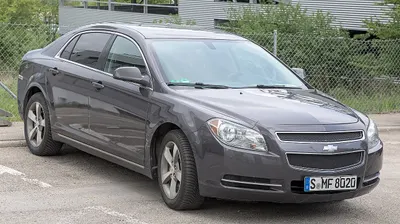
The redesigned 2008 Malibu won North American Car of the Year and then backed it up in the showroom — GM's mid-size market share jumped from 5.7% to 8.4% in a single year, even as rental-fleet sales actually fell.

GM built an electric S-10 pickup in 1997-98 and gave it front-wheel drive, the same powertrain layout as the EV1 — nothing like the rear-drive gas truck it was based on.

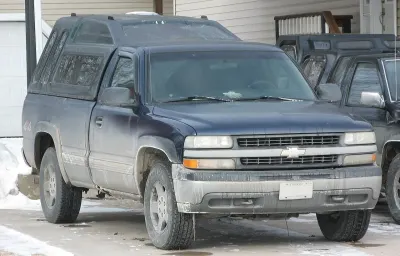
When the all-new Silverado arrived for 1999, GM kept building the old heavy-duty GMT400 trucks alongside it for two more years before the GMT800 HD finally replaced them in 2001.

This Silverado swept both major truck awards in its debut year — North American Truck of the Year and Motor Trend's Truck of the Year, same truck, same year.

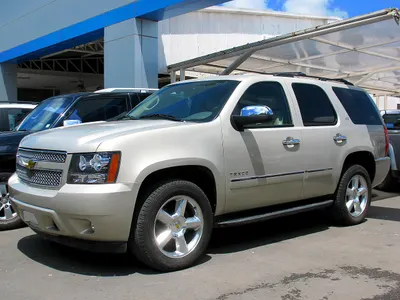
Chevrolet let viewers make their own Tahoe ads through The Apprentice in 2006: over 400 came out negative, against 20,000 positive.

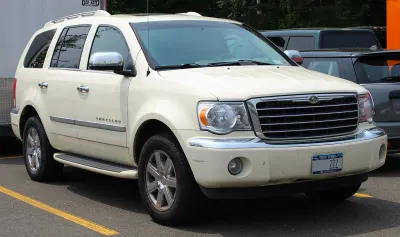
The Aspen was built at DaimlerChrysler's Newark, Delaware assembly plant, which closed in 2009 shortly after the SUV was discontinued.

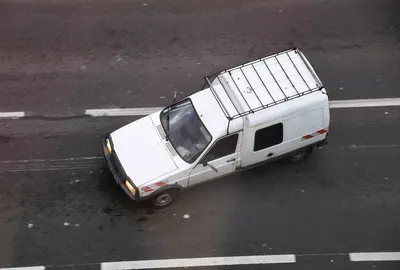
Citroën was quietly testing an electric C15 van back in 1987, two years of real-world trials in La Rochelle and Brussels, decades before an electric commercial van was a normal thing to buy.

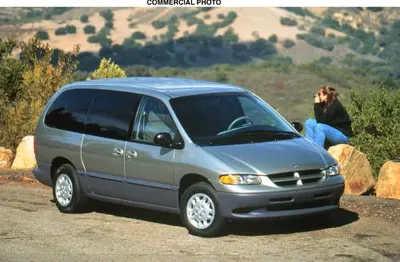
The NS-generation Grand Caravan was the first minivan offered with dual power sliding doors, added for the 1996 model year.

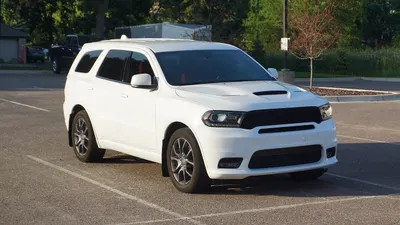
Chrysler built a hybrid version of this Durango for 2009 — then killed it just two months after launch when demand for full-size SUVs collapsed.

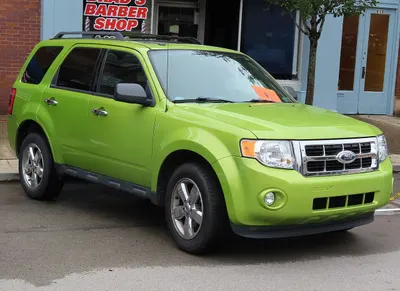
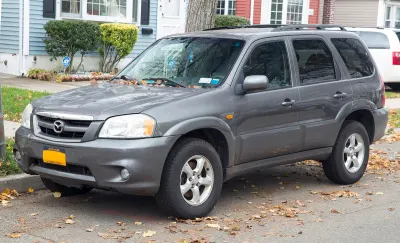
This Escape and its Mercury Mariner twin were the first vehicles anywhere to get Ford's pull-drift steering mode, a software trick layered onto electric power steering to quietly correct for road crown and crosswinds.

This Escape generation quietly made history in 2005: Ford's first hybrid ever, and the first hybrid SUV any automaker sold in the US.

In the 2009 Cash for Clunkers program, the four-wheel-drive version was the most traded-in vehicle of all, and the two-wheel-drive version came fourth.

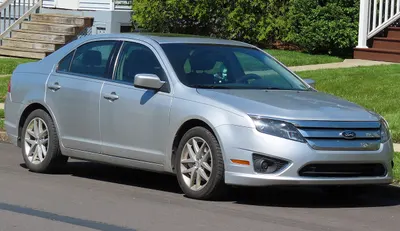
Ford's three-bar grille — now a signature across the whole lineup — actually debuted on the humble first-generation Fusion, not on a flagship.

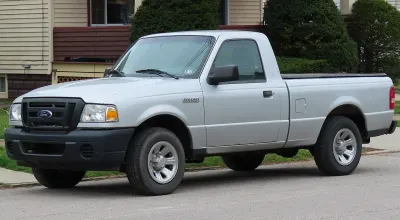
The electric Ranger EV was the only rear-wheel-drive, American-built Ford ever fitted with a de Dion rear suspension — a race-car trick hiding under a work truck.

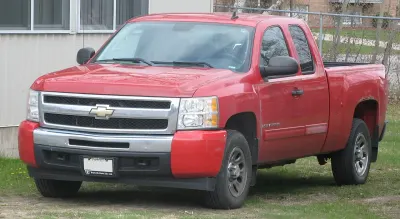
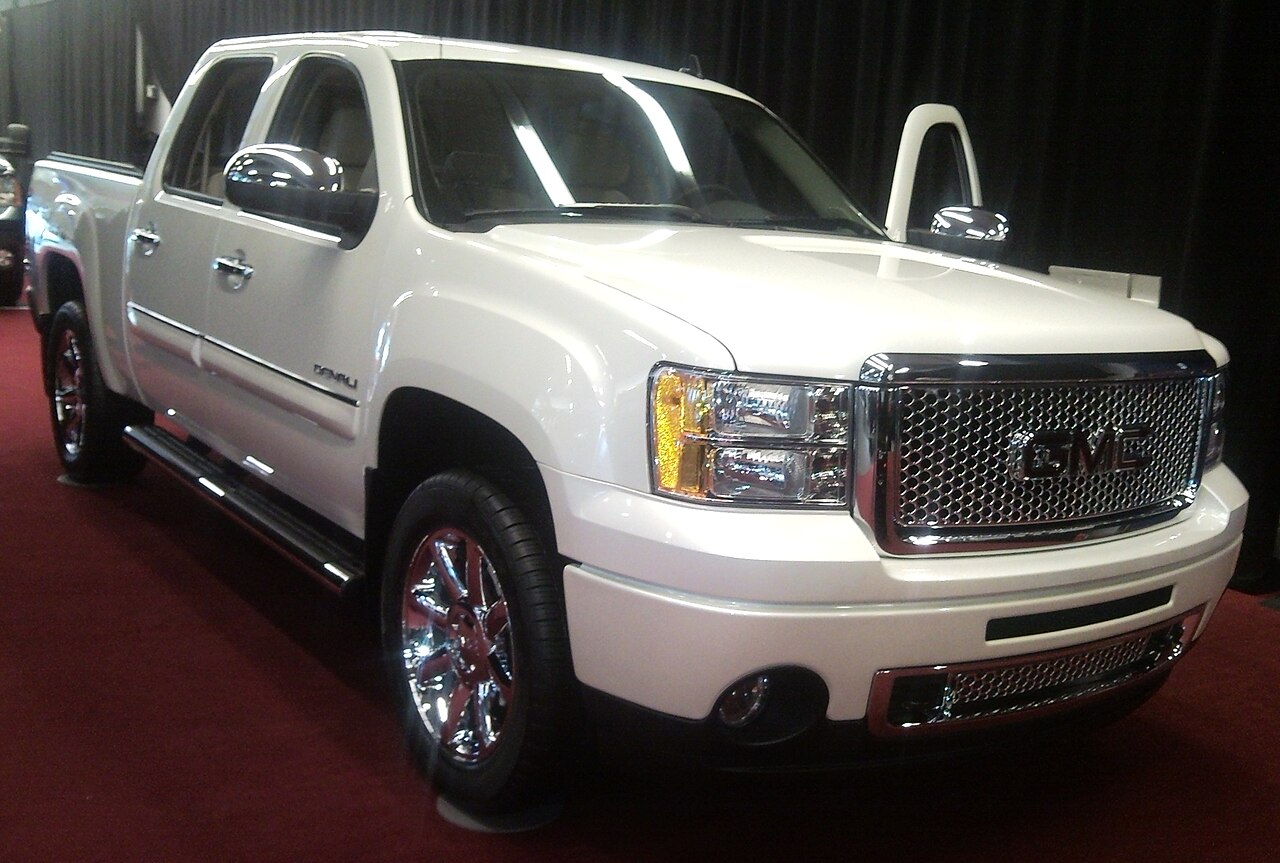
When this GMT900 Sierra launched for 2007, GM kept selling the outgoing truck alongside it, badged "Classic," so buyers could choose old or new side by side on the same lot.

This Sierra kept rolling off the line for a full extra year after its replacement arrived - badged "Classic" in 2007 just to tell the two generations apart on dealer lots.

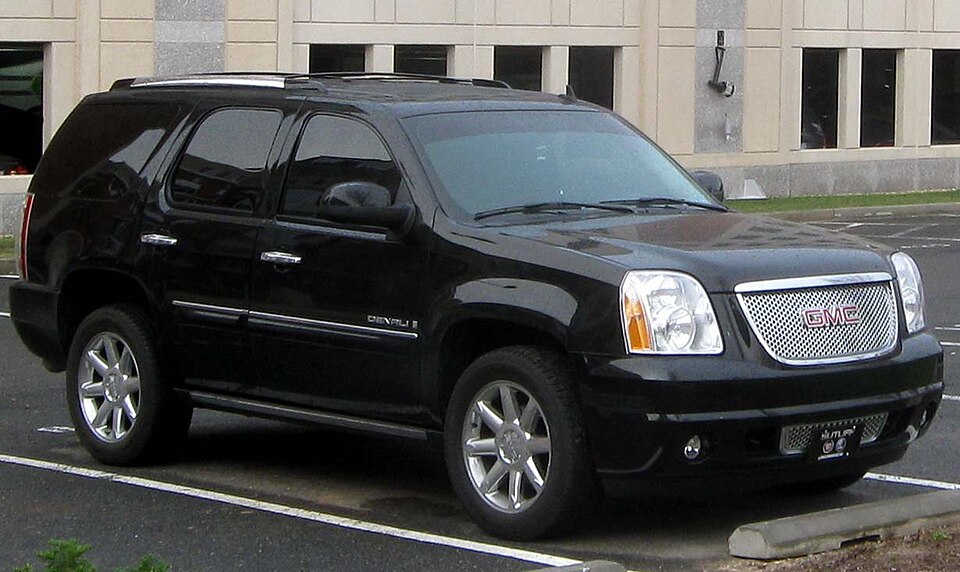
The 2008 two-mode hybrid paired a 6.0 V8 with two electric motors and was named Green Car of the Year, a decision BBC's Top Gear later lampooned.

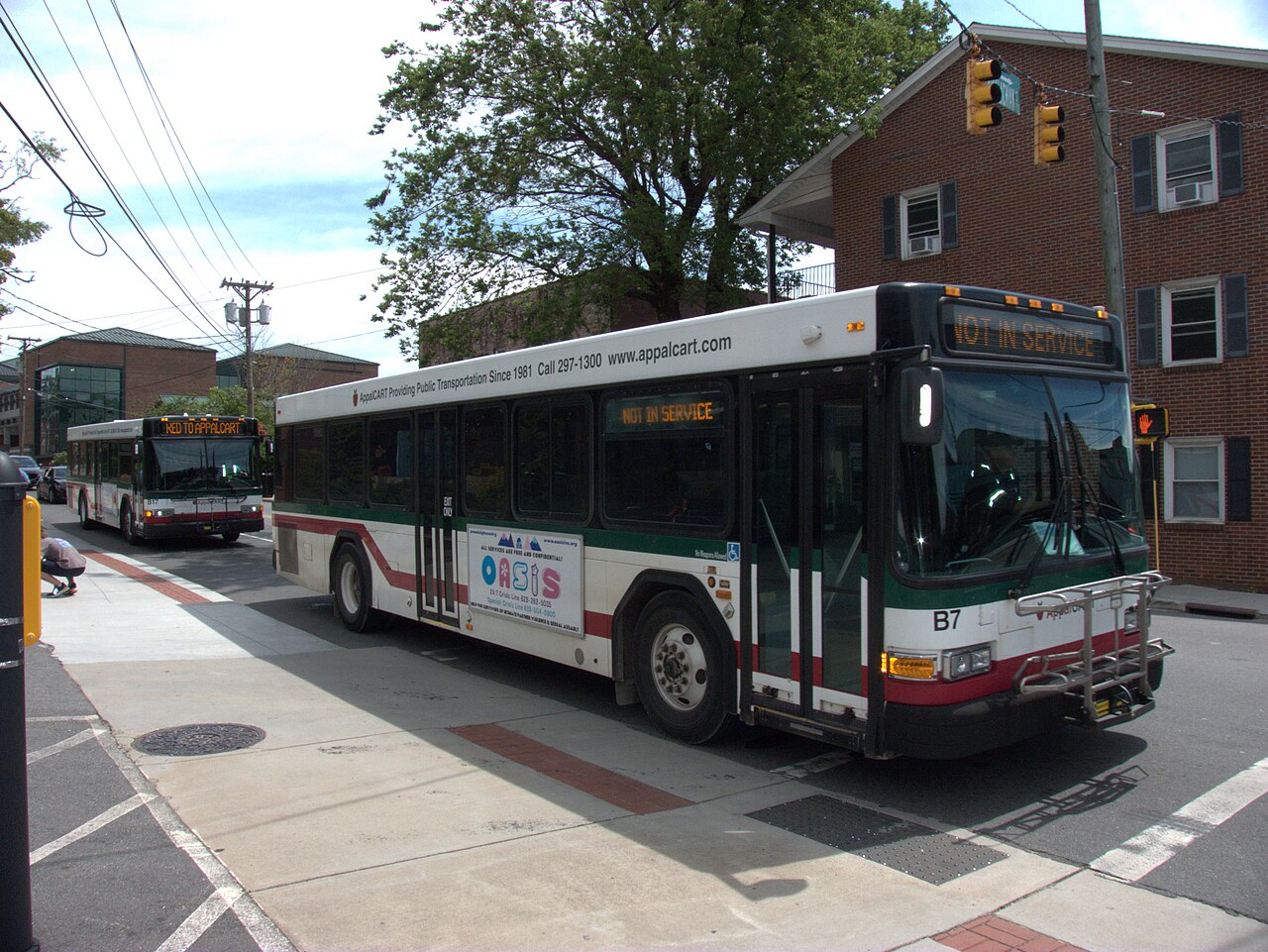
The Gillig Low Floor grew from the H2000LF airport shuttle built for Hertz, whose first buses entered production in 1996.

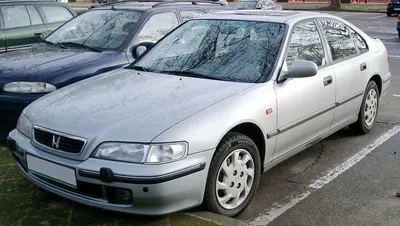
This Accord's Japan/Europe version won the Car of the Year Japan award for a record third time at its 2003 launch.

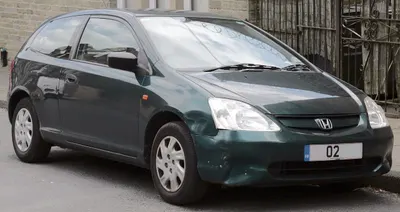
This was the last Civic generation to offer 4WD at all, and on launch it won Car of the Year Japan for a record fourth time.

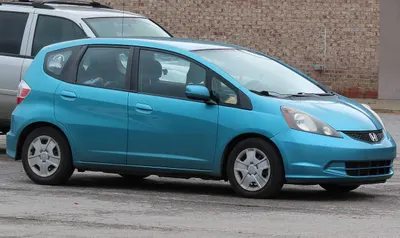
The 2nd-gen Fit spawned a wagon sibling, the Fit Shuttle — but Honda kept it exclusive to Japan.

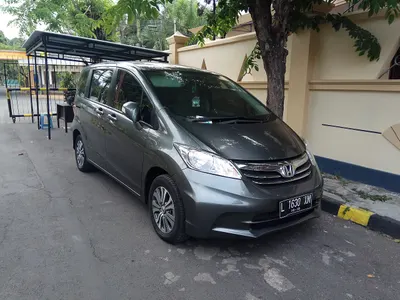
When the facelifted Freed landed in Japan in October 2011, it sold over 20,000 units in two weeks — and 63% of buyers chose the hybrid, a huge share for the time.

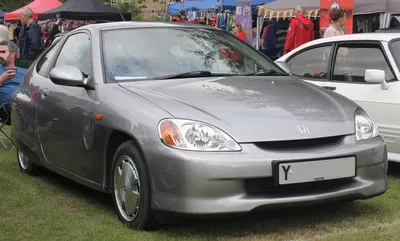
The original Honda Insight got banned from its own rally series: after dominating the first three events of the UK's Formula 1000 Rally Championship in 2011, it was asked to step down — so it went and won an economy-driving challenge instead.

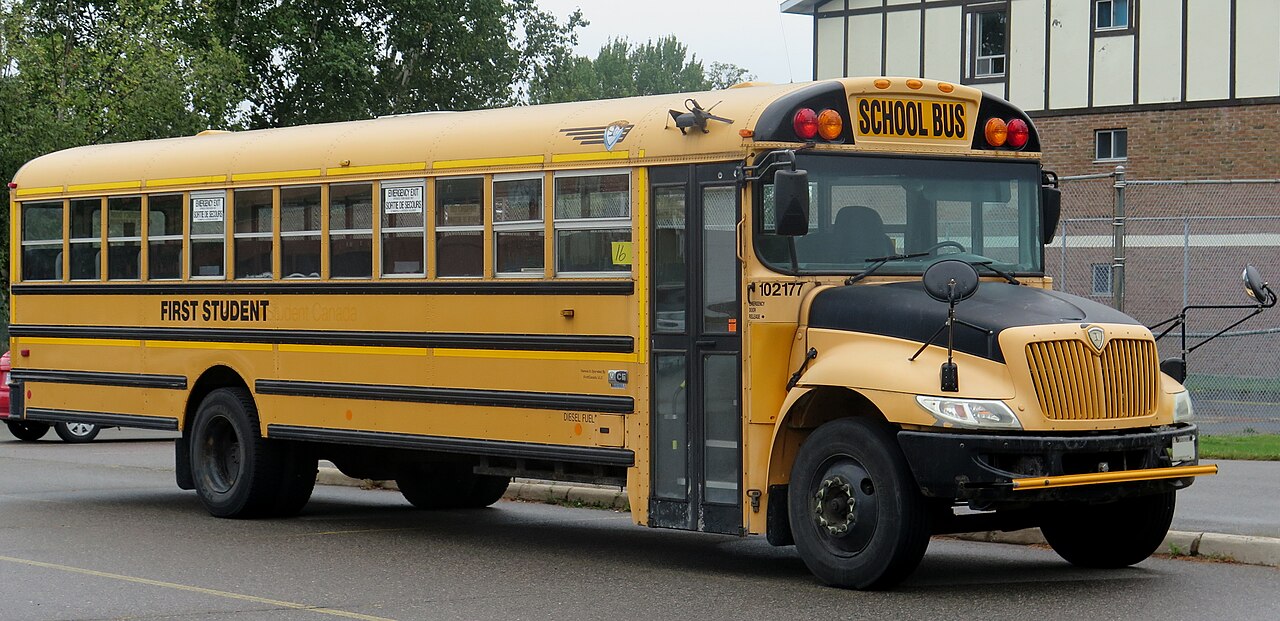
At the end of 2021 IC Bus announced a 35-foot-8-inch CE for up to 83 passengers, the largest-capacity Type C school bus ever produced.

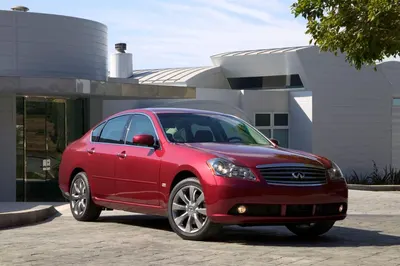
The M35h hybrid set an official Guinness World Record for fastest-accelerating production hybrid, running the quarter mile at Santa Pod Raceway in 13.896 seconds.

The humble Bongo went electric: Kia launched a battery-powered Bongo III in South Korea in 2020, good for up to 211 km (131 miles) per charge.

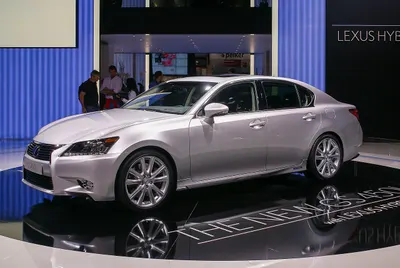
The GS 450h beat every other luxury brand to a genuine milestone: the first mass-production rear-wheel-drive luxury hybrid, years before hybrids were a luxury-segment given.

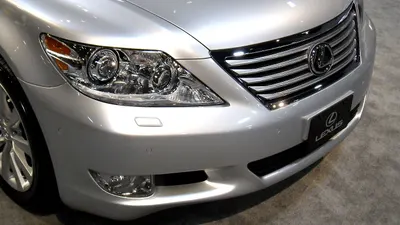
One LS 600h L was cut into a one-off, bubble-roofed landaulet to carry Monaco's royal couple at their 2011 wedding — then retired to a museum.

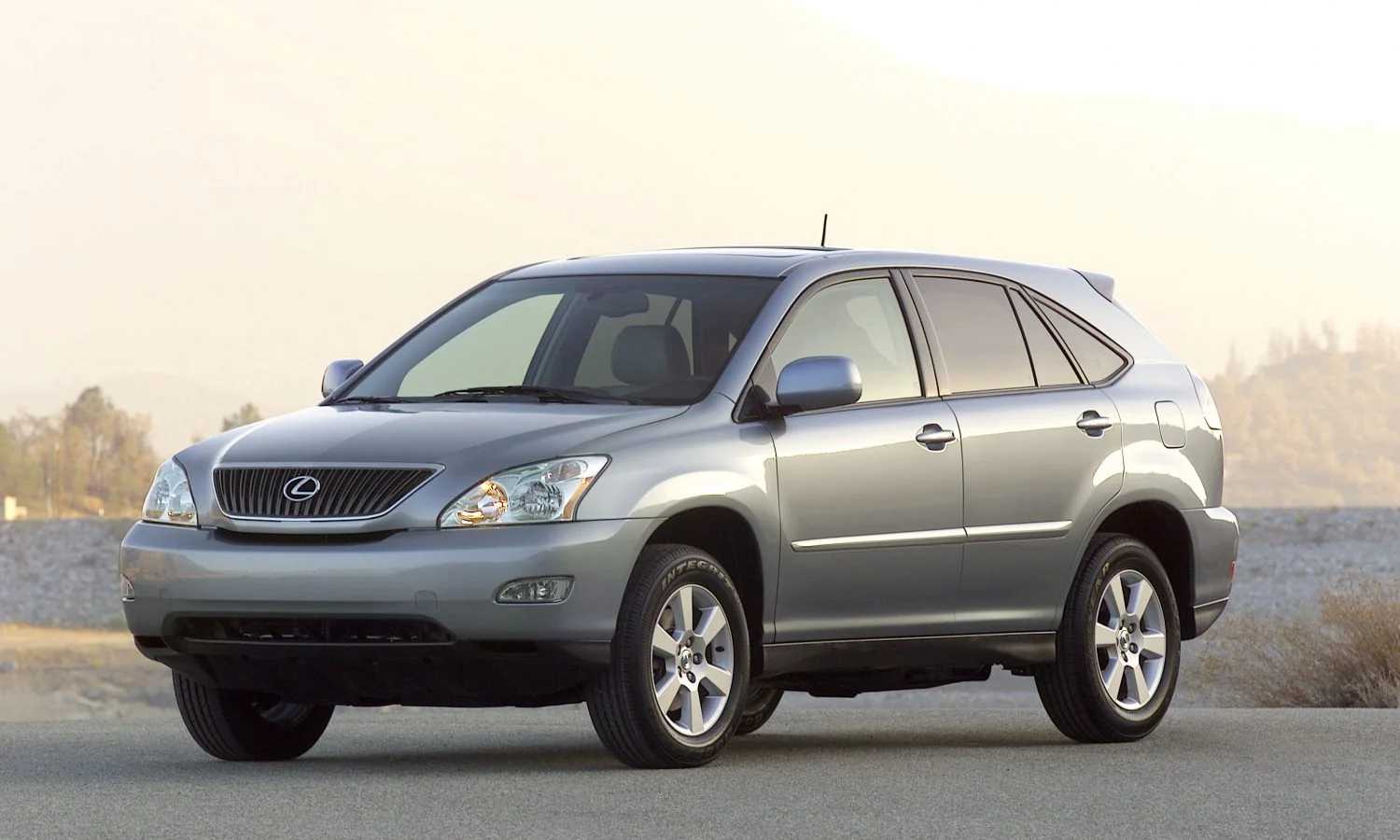
When the RX 400h went on sale in 2005, it beat every other automaker to market with a genuinely new category: the first production premium hybrid.

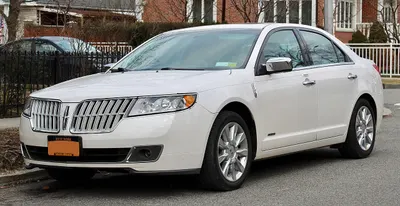
Building the MKZ Hybrid's drivetrain meant Ford's engineers kept bumping into Toyota's hybrid patents — so instead of lawyering up, the two rivals just agreed to let each other infringe.

This electric MINI trial car proved EVs could really hustle: in April 2010 a MINI E lapped the brutal Nürburgring Nordschleife in under 10 minutes, a first for any electric car.

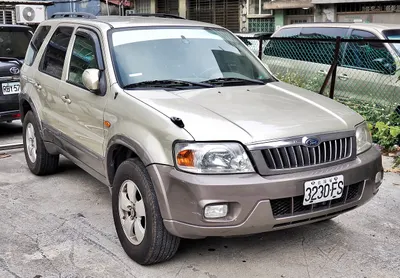
Nearly everywhere else the Ford twin won, but in Australia the Mazda Tribute outsold it by almost 2 to 1.

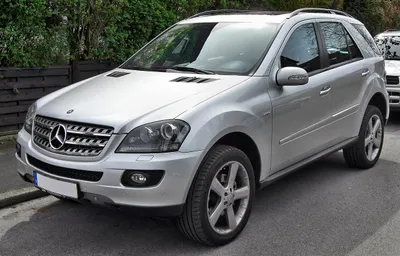
The 2009 ML 450 Hybrid burned almost half the fuel of the V8 ML 550 — while still making over 90% of its power.

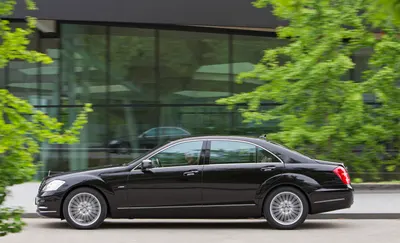
The W221 was the first S-Class offered with Mercedes' Active Body Control-based Magic Body Control successor tech groundwork and the first to include a night-vision assist system as an option in the US.

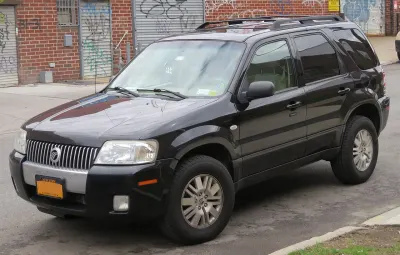
Mercury dressed up its version of the Escape with a borrowed trick: turn signal repeaters lifted straight from the European-market Ford Maverick.

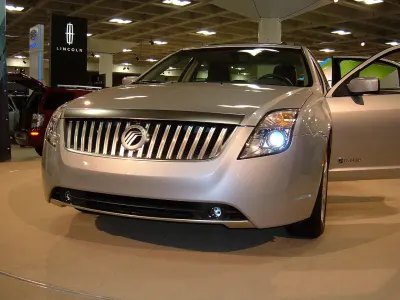
The Milan's name wasn't a throwaway choice - Ford's chief designer said it was picked to evoke a fashionable European city, fitting the car "like a fine Italian suit."

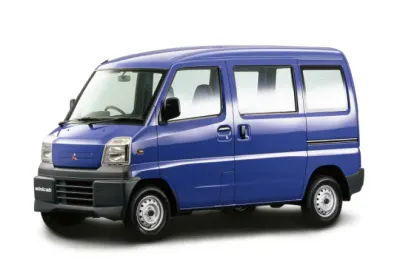
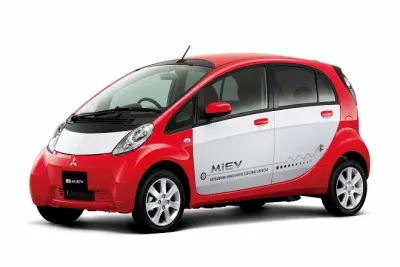
Its electric MiEV version outlived the i-MiEV whose drivetrain it borrowed, and Japan Post ordered 1,200 of them in 2019.

Mitsubishi sold this same car in Europe as both a Peugeot and a Citroen, badge-engineering an electric kei car into two French showrooms.

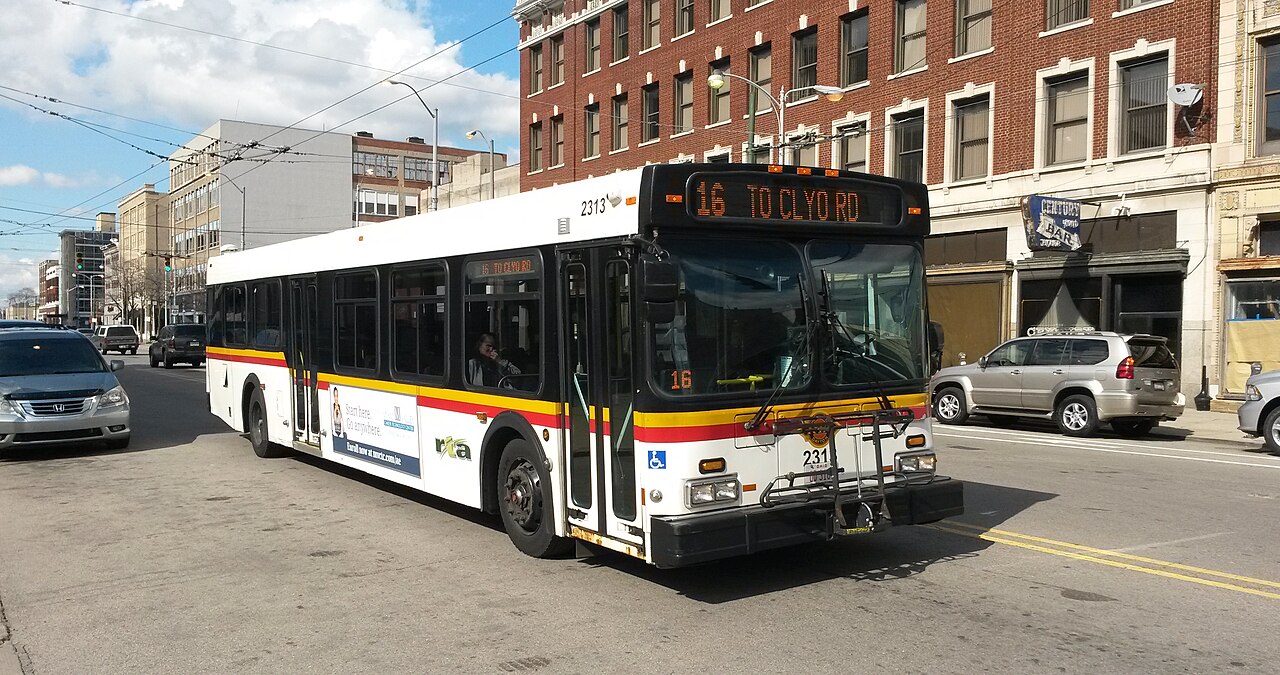
The New Flyer D40LF was the first low-floor bus sold in the U.S. and Canadian markets.

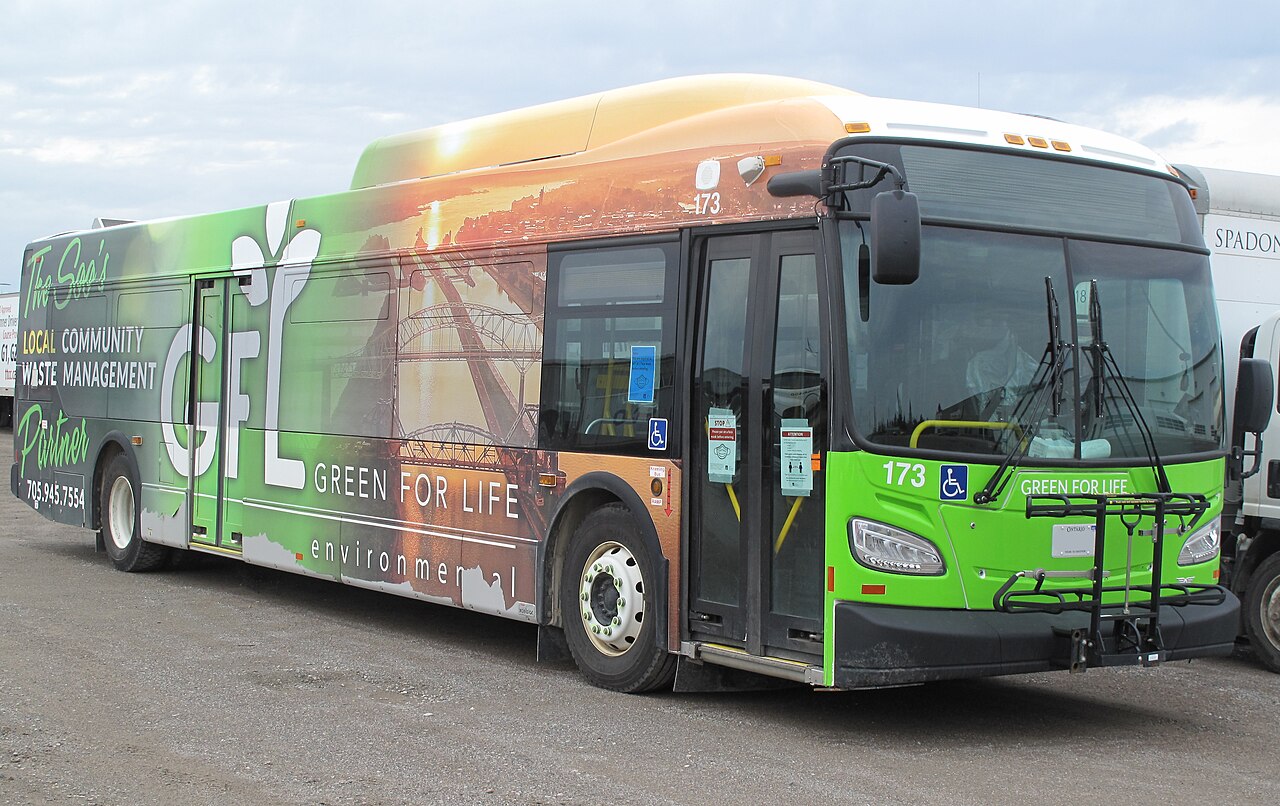
In November 2018 New Flyer delivered the 10,000th Xcelsior, an XDE60 for King County Metro.

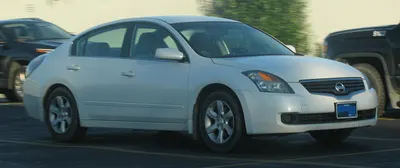
The L32 Altima was the first Nissan sold in America on the smaller Nissan D platform — the same underpinnings that would later carry the Maxima and Murano too.

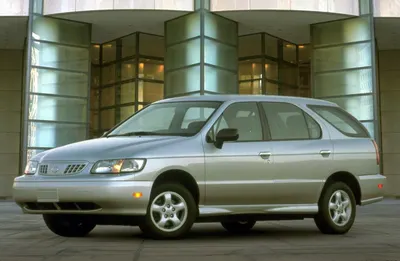
Before lithium-ion was standard in every EV, this Altra got there first — it ran on Sony-made lithium-ion cells, making it the first production electric car to use the battery chemistry that now powers nearly everything.

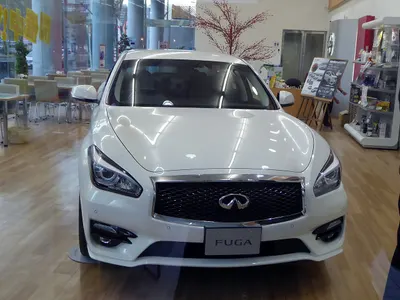
The Fuga's two trim levels exist because Nissan couldn't decide whether to badge it a Cedric or a Gloria.

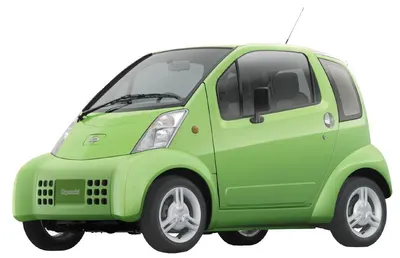
The Hyper-Mini charged wirelessly back in 2001 — no plug, just a paddle with a coil that beamed power across an air gap into the battery.

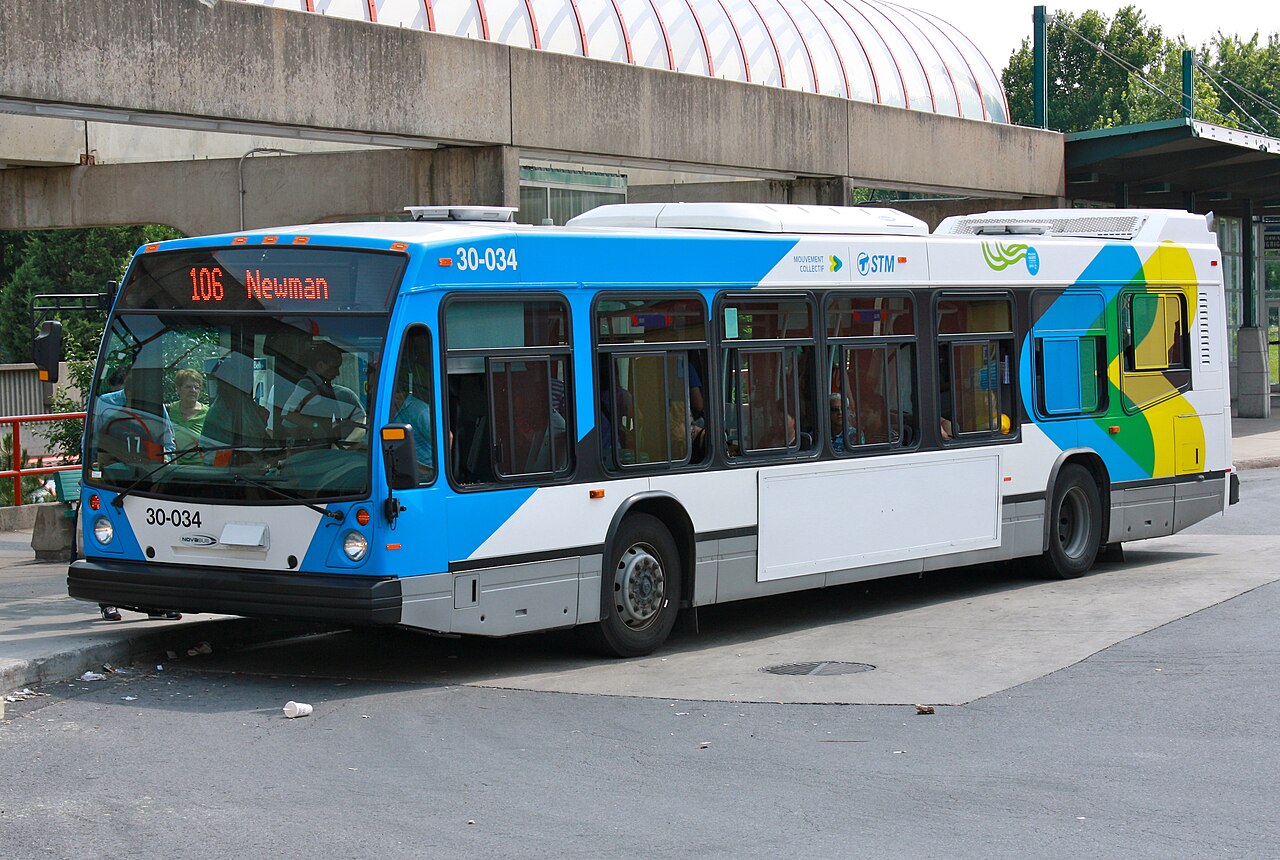
Nova Bus re-entered the US market in 2009 with a new plant in Plattsburgh, New York, after withdrawing in 2002 to concentrate on the Canadian market.
Real Electric & hybrid cards spotted on the street by Burbles collectors. Tap any card to flip it over, inspect the collector’s binder, or follow them.
VerifiedFIRST · WORLDWIDEFIRST PRINTONLY ONE IN VANCOUVERGM built an electric S-10 pickup in 1997-98 and gave it front-wheel drive, the same powertrain layout as the EV1 — nothing like the rear-drive gas truck it was based on.