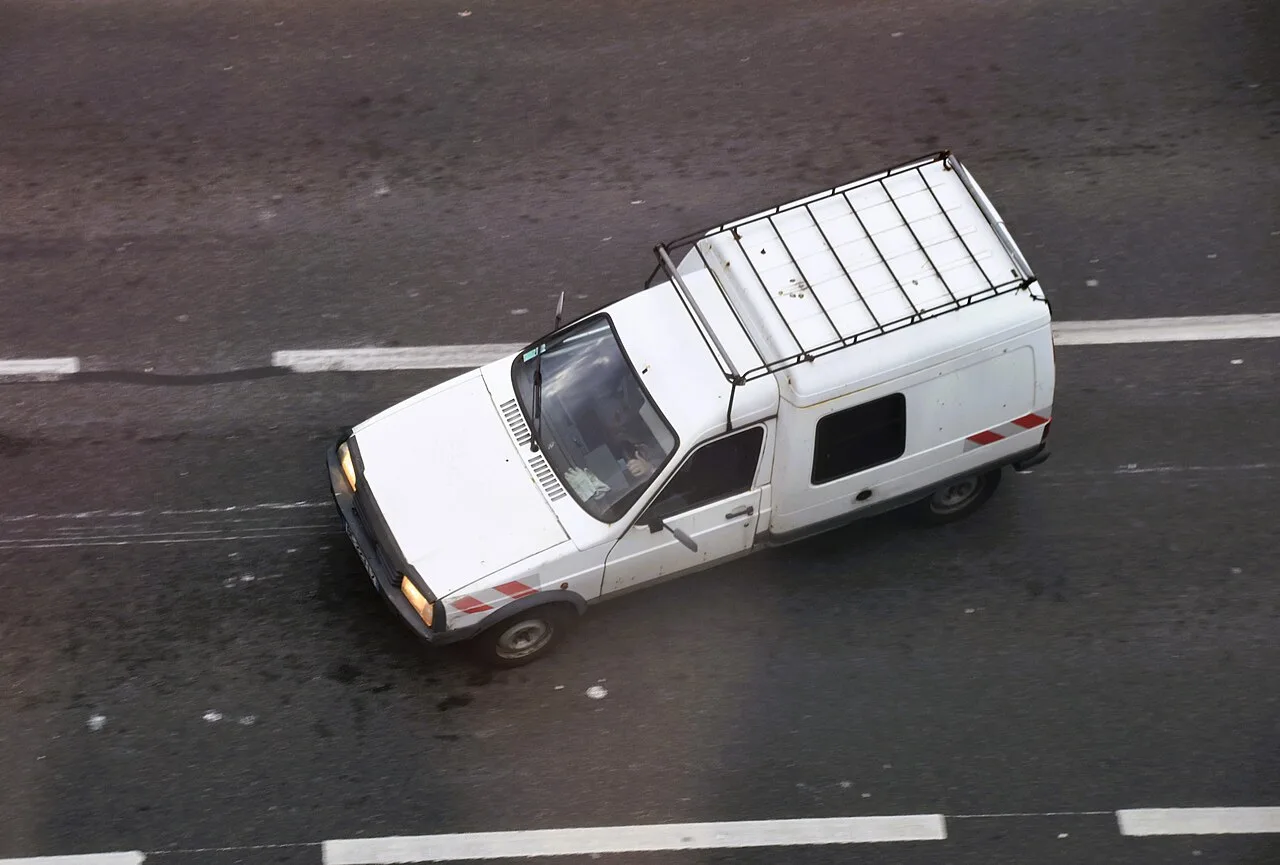
Citroën was quietly testing an electric C15 van back in 1987, two years of real-world trials in La Rochelle and Brussels, decades before an electric commercial van was a normal thing to buy.
Lead trim: C15 Electrique (10 kW nominal, 18 kW maximum) · up to 68 hp
Citroën C15C15 · 1984–2006
- 0spots by members
- Unclaimednobody has spotted one yet
- 0sets it belongs to
Nobody in Burbles has spotted a Citroën C15 yet. See one on the street, point the app at it, and the first card is yours — with your @handle permanently credited on this page.
FactCitroën was quietly testing an electric C15 van back in 1987, two years of real-world trials in La Rochelle and Brussels, decades before an electric commercial van was a normal thing to buy.
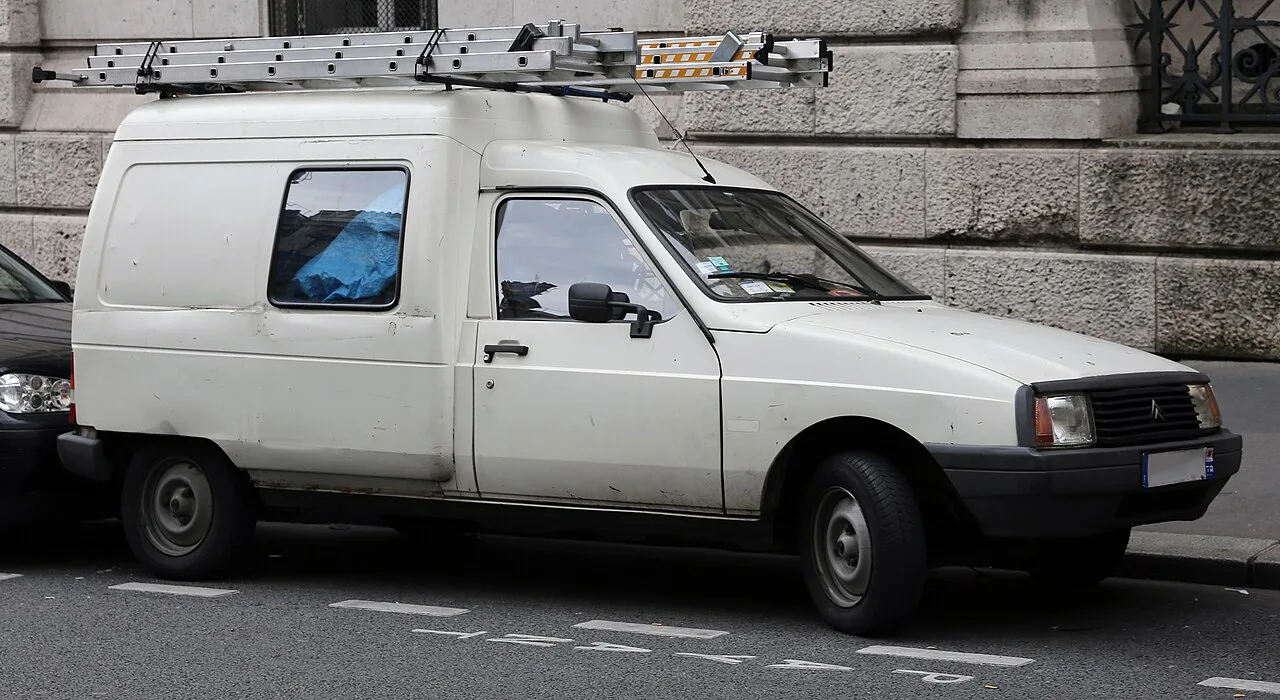
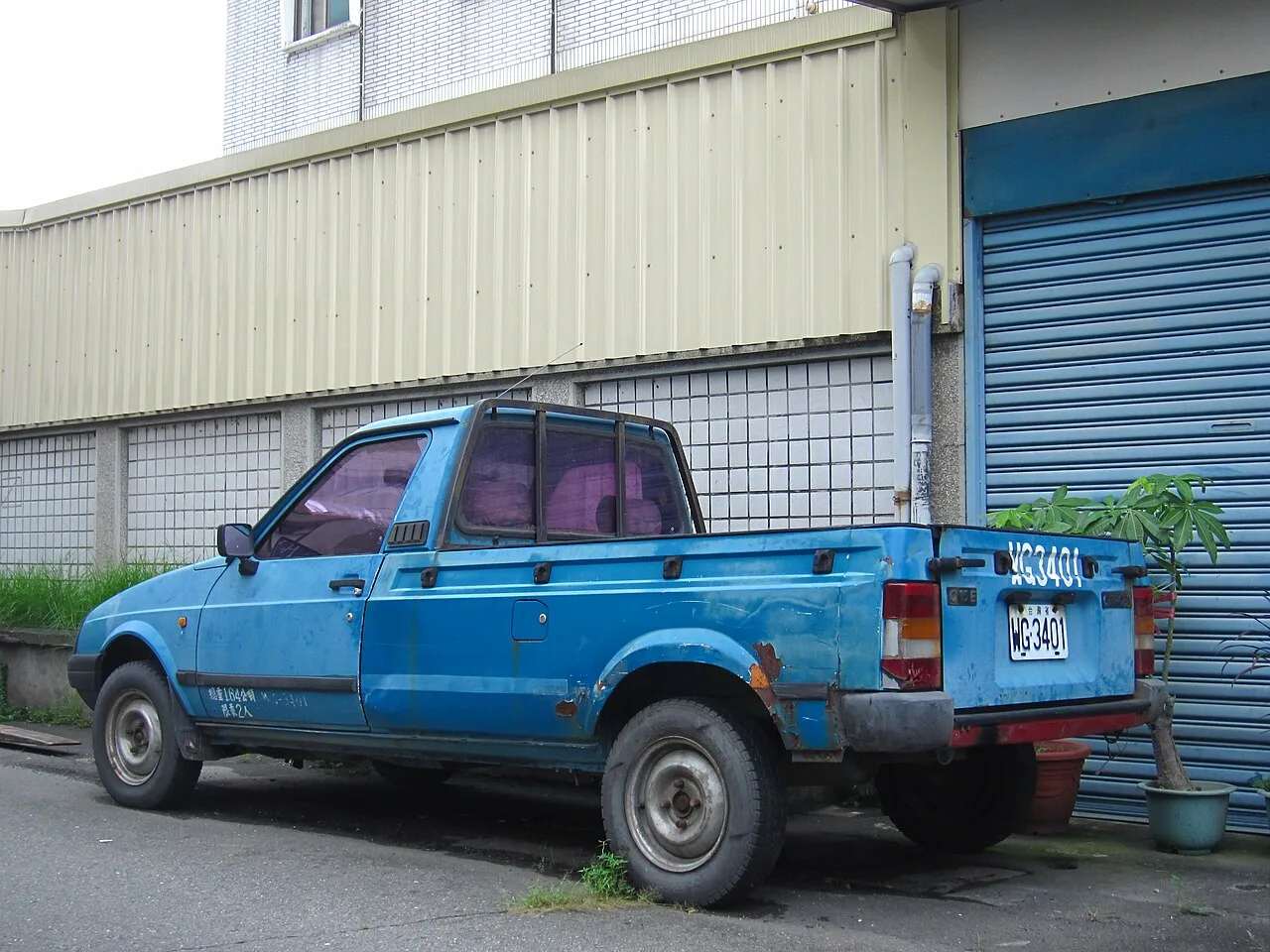
The Citroën C15 is a panel van produced by Citroën from late 1984 until 2006, designed by Jean-Claude Bouvier and the successor to the Acadiane, which had replaced the 2CV vans that pioneered the box-van format, though the Acadiane continued in production alongside the C15 initially. The name refers to the van's 1,500 kg French gross vehicle weight rating and its position beneath the C25 and C35 in Citroën's commercial vehicle range. It was based on the Citroën Visa (discontinued in 1988, related to the Peugeot 104, Talbot Samba and Citroën LNA), mostly using a naturally aspirated 1769 cc XUD or 1868 cc (DW8 on late models) diesel, and until the early 1990s also a petrol PSA TU engine; at introduction the engines were the 60 PS XUD (C15D) or the 47 PS 1124 cc petrol TU1 (C15E), with both Bosch and Lucas/CAV/Roto diesel injection. The C15 had a lengthened wheelbase and a sturdier rear axle shared with the Peugeot 305 Break and Citroën BX, while ahead of the B-pillar it was mostly a Visa; it later became available with rear side windows and a rear seat (a Weekend combi in continental Europe, a layout pioneered in the 2CV and a forerunner of today's compact utility vans), as a chassis-only model for conversions such as the RomaHome camper, as rare pickups, and in 1995 as the six-wheeled C15.6 by Chausson; Dangel made a four-wheel-drive version in 1992, and the catalysed diesel arrived in February 1997. Production reached 1,181,471 by December 2005, a twenty-one-year run against about ten years for the Visa, with 600 kg and 800 kg load-capacity models added to the original 500 kg. In 1987 a prototype electric version was road-tested for two years in La Rochelle and Brussels; the C15 Electrique, with a brushed DC motor (Leroy Somer, 10 kW nominal, 18 kW maximum, 140 N·m) and a five-speed manual, was sold mainly to fleets from 1990 to 1994 (402 units, mostly to Austria) and succeeded by the Berlingo Electrique in 1998. The C15 was officially replaced by the Citroën Nemo during 2007.
Collectors Spotted in the Citroën C15 Lineage
No member has published a public street spot of the Citroën C15 yet — the First · Worldwide stamp is wide open.
Trims & Figures
4 published trims in the catalogue. A blank is a figure not recorded, not zero.
| Trim | Years | Engine | Power | Torque | 0–60 | Drive | Gearbox | MSRP |
|---|---|---|---|---|---|---|---|---|
| C15 DW8 diesel (1868 cc) | 1995–2006 | 1.9 L Inline-4 | 68 hp | 94 lb-ft | — | FWD | — | — |
| C15 Electrique (10 kW nominal, 18 kW maximum) | 1990–1994 | Electric | 24 hp | 103 lb-ft | — | FWD | — | — |
| C15D XUD diesel (1769 cc, 60 PS) | 1984–2006 | 1.8 L Inline-4 | 59 hp | 83 lb-ft | — | FWD | — | — |
| C15E TU1 petrol (1124 cc, 47 PS) | 1984–1992 | 1.1 L Inline-4 | 46 hp | — | — | FWD | — | — |
Owning one
We don’t estimate running costs for a car like this. What it costs depends on its condition, its specialist and how it is driven, and an average would mislead.
Owners’ builds
Nobody has claimed one yet.
Photographs
Rivals
Same body, same money, other badges — tap any card to flip.
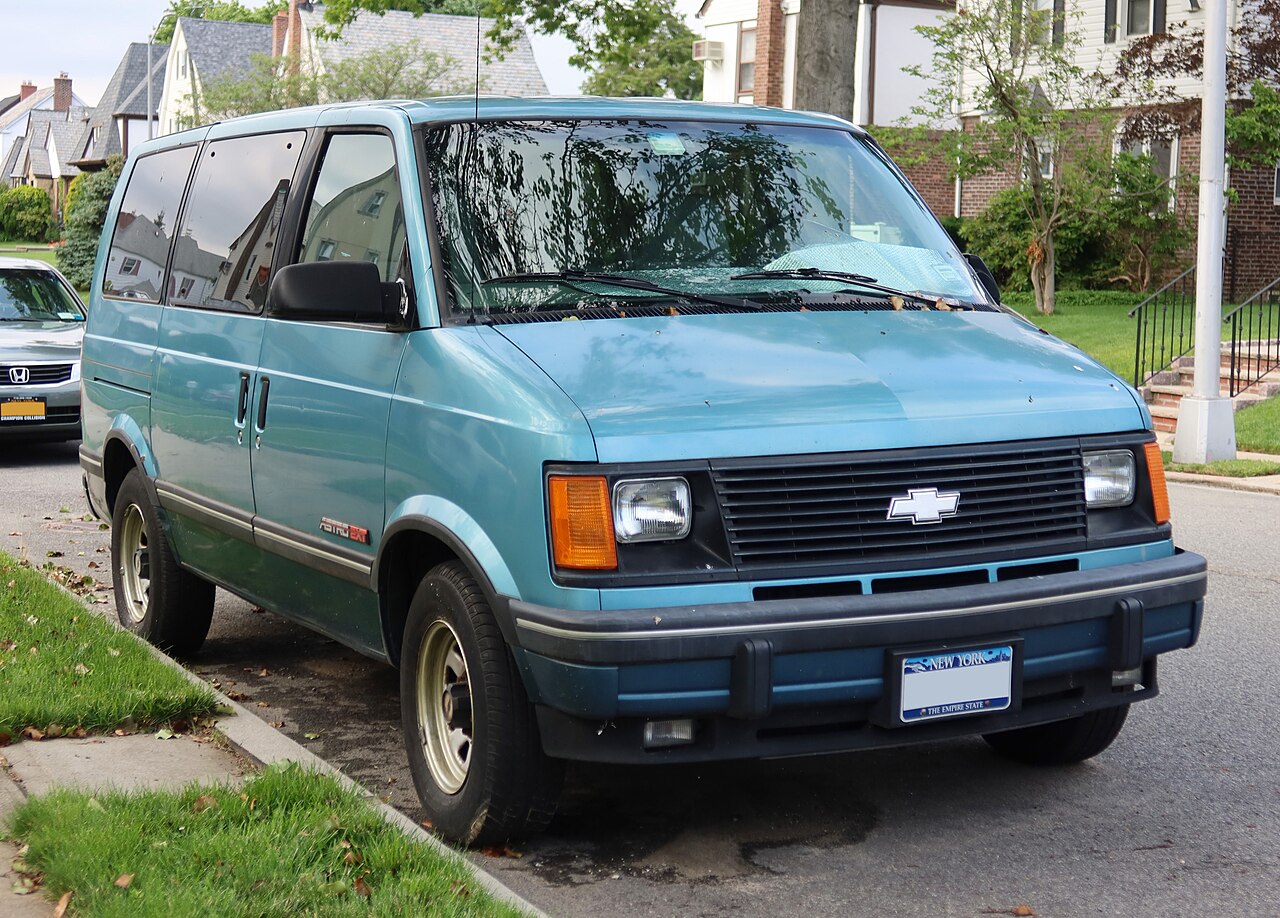
Chevy pitched the Astro as the anti-minivan, telling buyers life was too big for one, while it rode on a rear-wheel-drive truck frame.
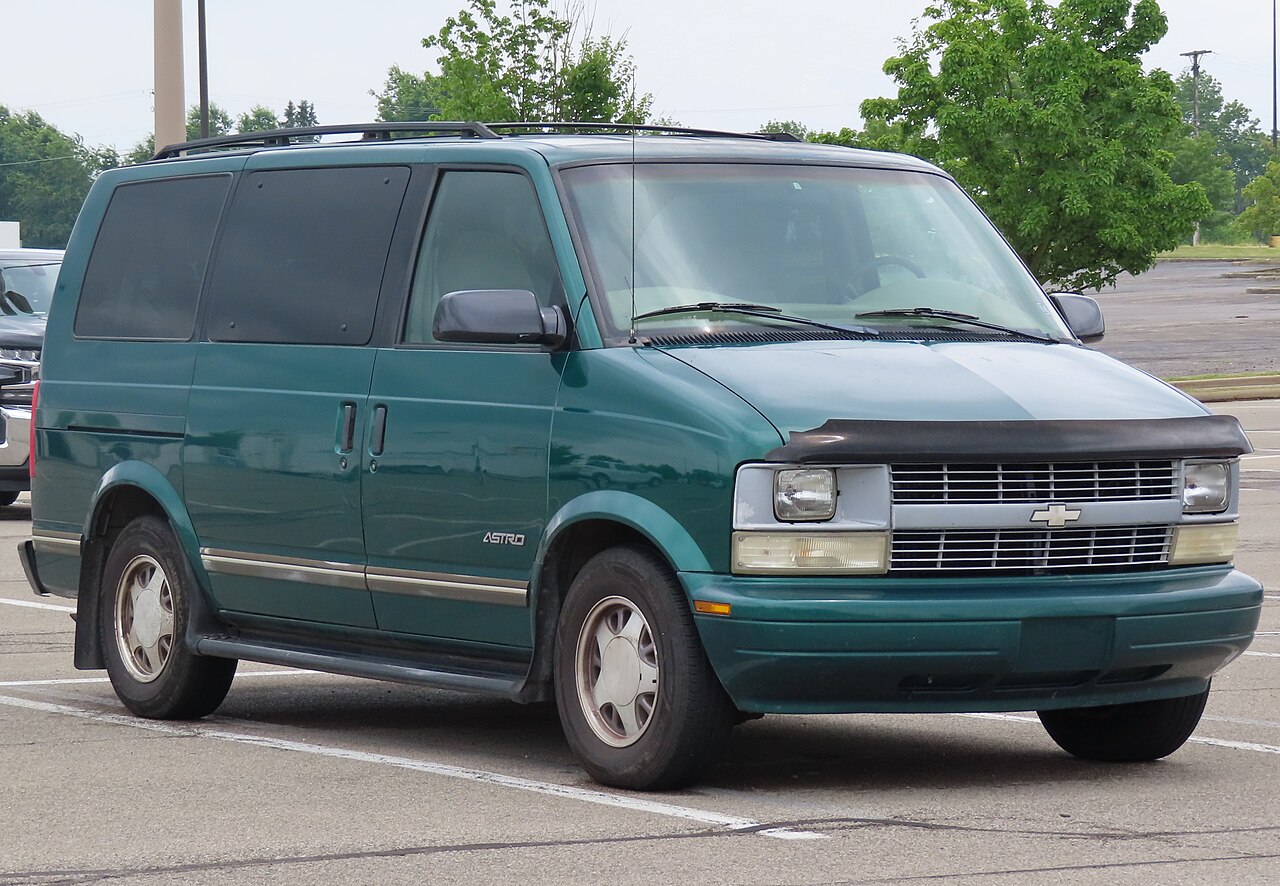
The IIHS rated the Astro Poor in a 1996 crash test, yet 2001–2004 Astros later had the lowest driver death rate of any US passenger vehicle.
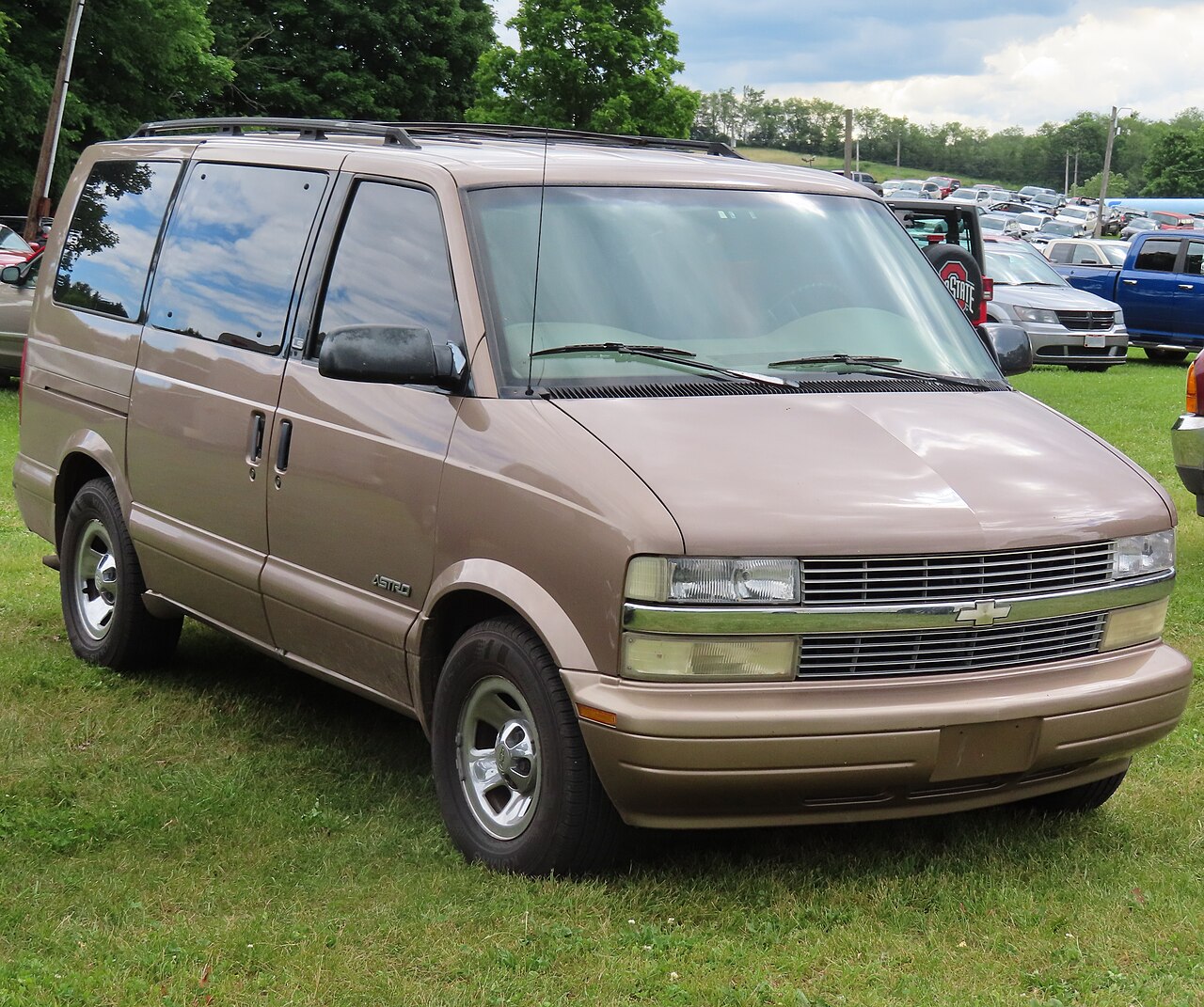
The boxy, unglamorous Astro quietly posted one of the best real-world safety records in America: IIHS found 2001-2004 models had the fewest driver deaths per million vehicles of any passenger vehicle on US roads.
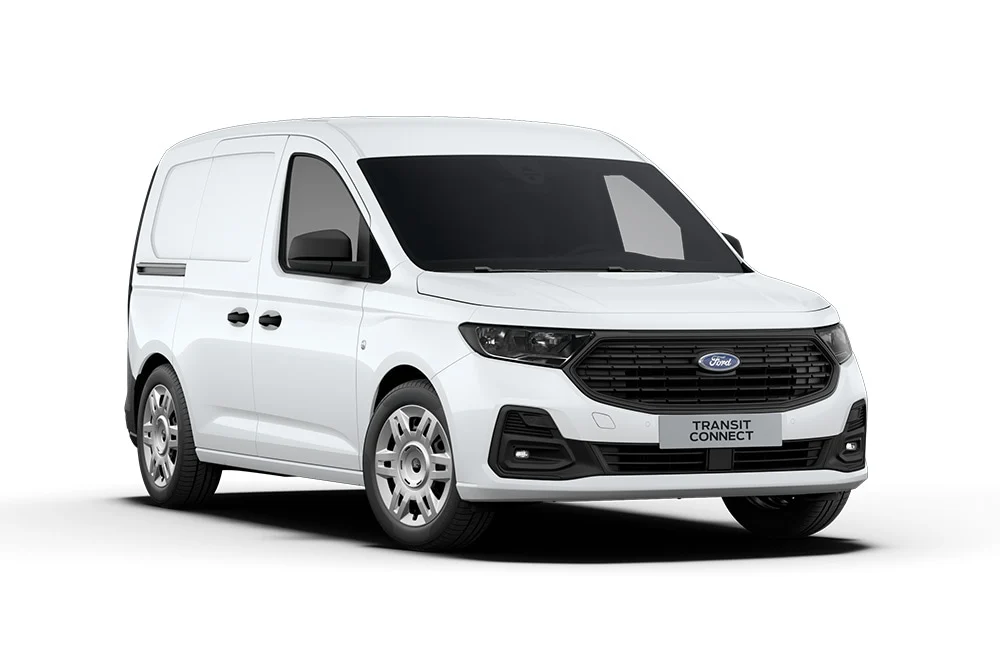
The third-generation Tourneo Connect, released in Europe in October 2021, is a rebadged fourth-generation Volkswagen Caddy, assembled by Volkswagen in Poland.
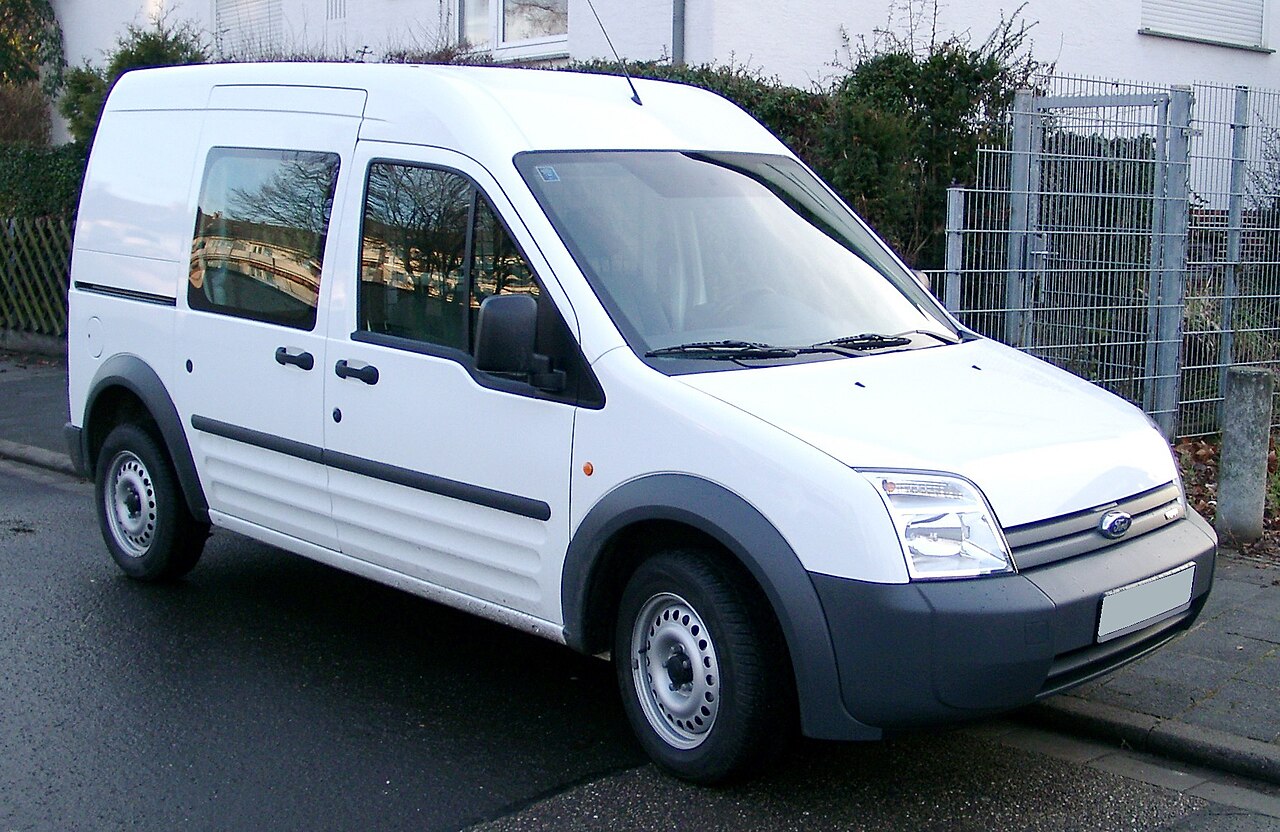
Ford beat the 25% "chicken tax" by importing the Transit Connect as a passenger van — rear windows and seats included, then stripped out and recycled once it landed in the US.
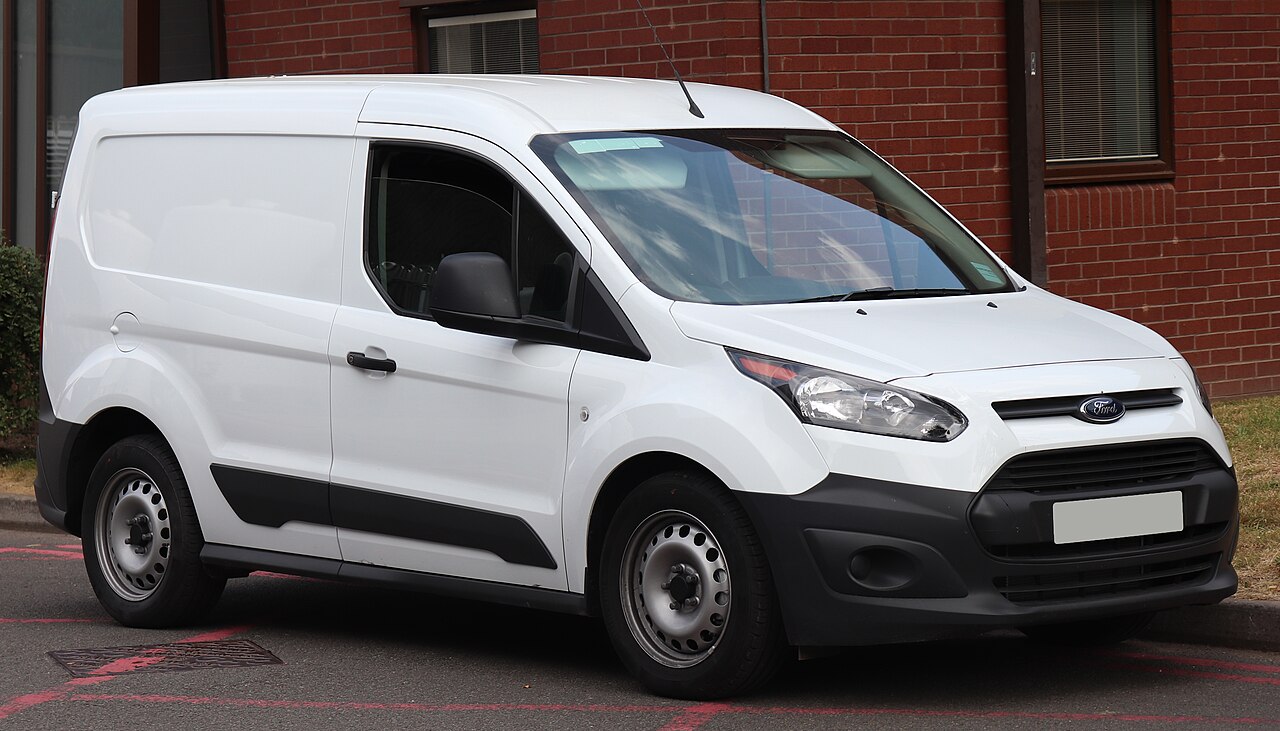
Ford spent years in federal court over the second-gen Transit Connect: in June 2019 the US won its appeal, and judges ruled the van was cargo-only — ending Ford's workaround for the 'chicken tax.'
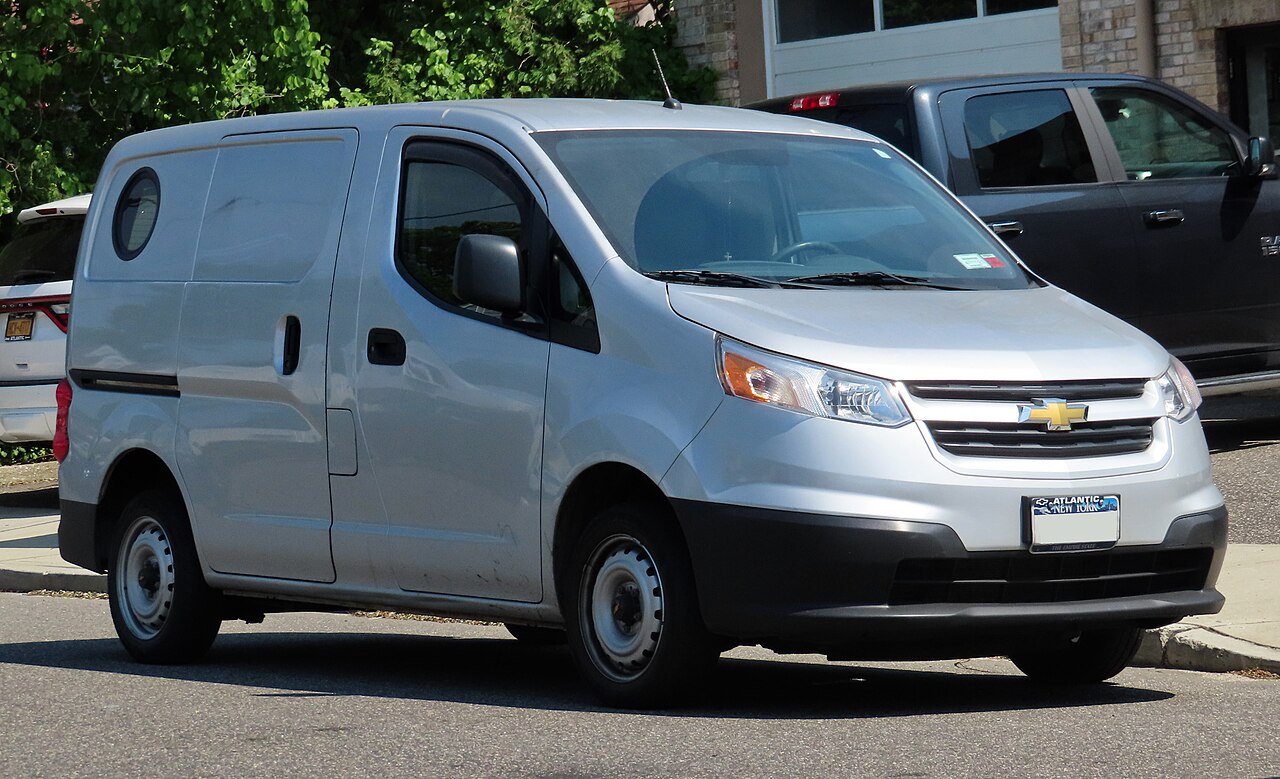
GM sold a rebadged Nissan NV200 as the Chevy City Express for four years, then killed it in 2018, citing weak sales and the fact that its parts weren't even compatible with GM's own parts catalog.
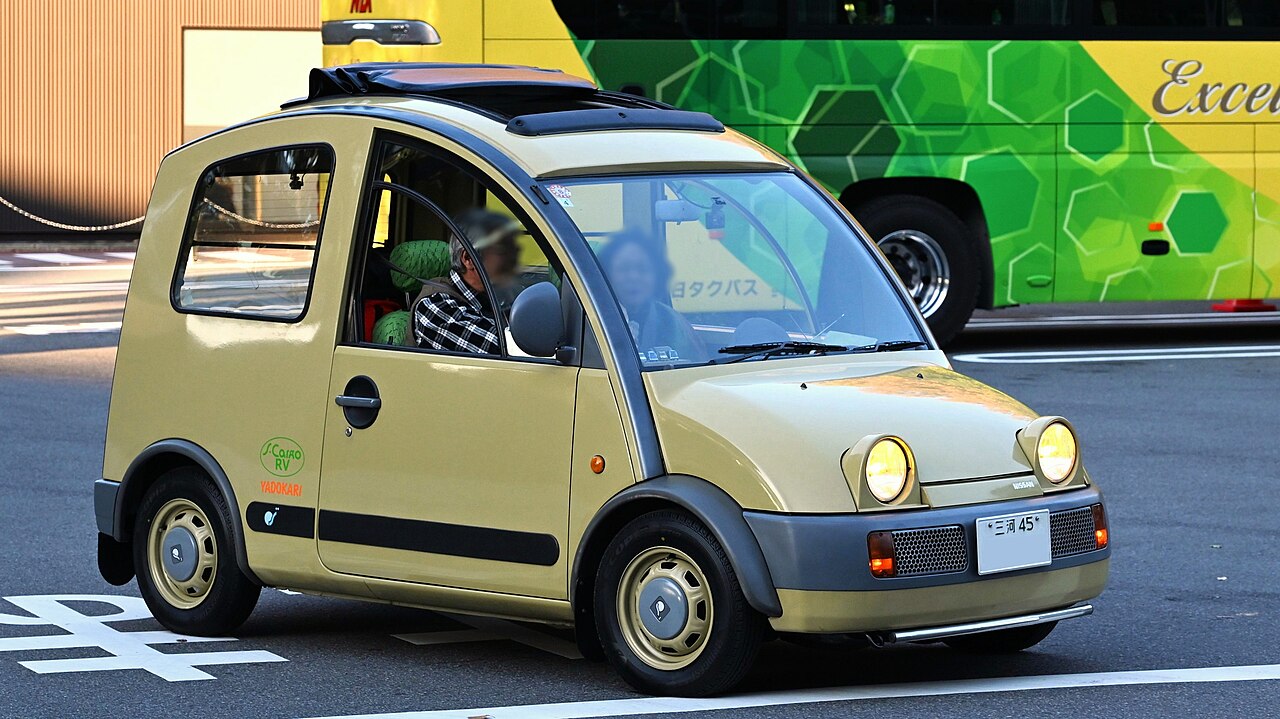
Its name is a pun: "S-Cargo" means "Small Cargo" but sounds just like escargot — French for snail, the shape the whole van was built to resemble.