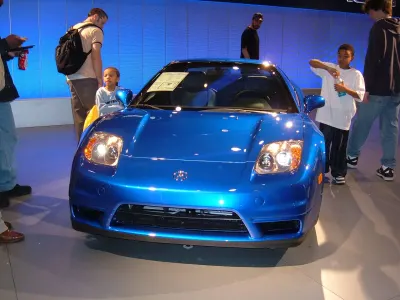
VerifiedFIRST · WORLDWIDEFIRST PRINTPROHonda's engineers chased an unlikely muse for the original NSX's cockpit: the view from an F-16 fighter jet shaped the car's low beltline and all-round visibility.
Every matched generation dealt as its CollectibleCard · Tap any card to flip.
48 cards · the first forty-eight

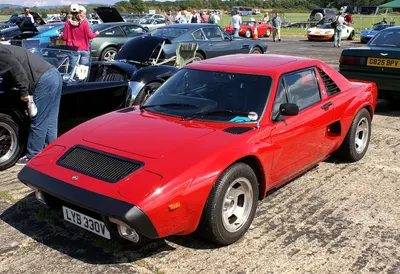
Britain refused this car's own engine: British Leyland kept its E-series units, so AC fitted a Ford V6 instead.

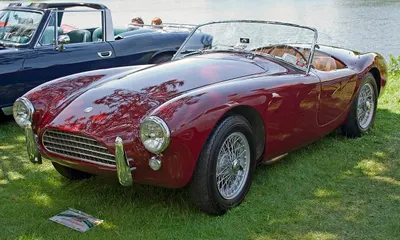
Carroll Shelby's pitch to drop a Ford V8 into this chassis became the AC Cobra; Ace production stopped a year later.

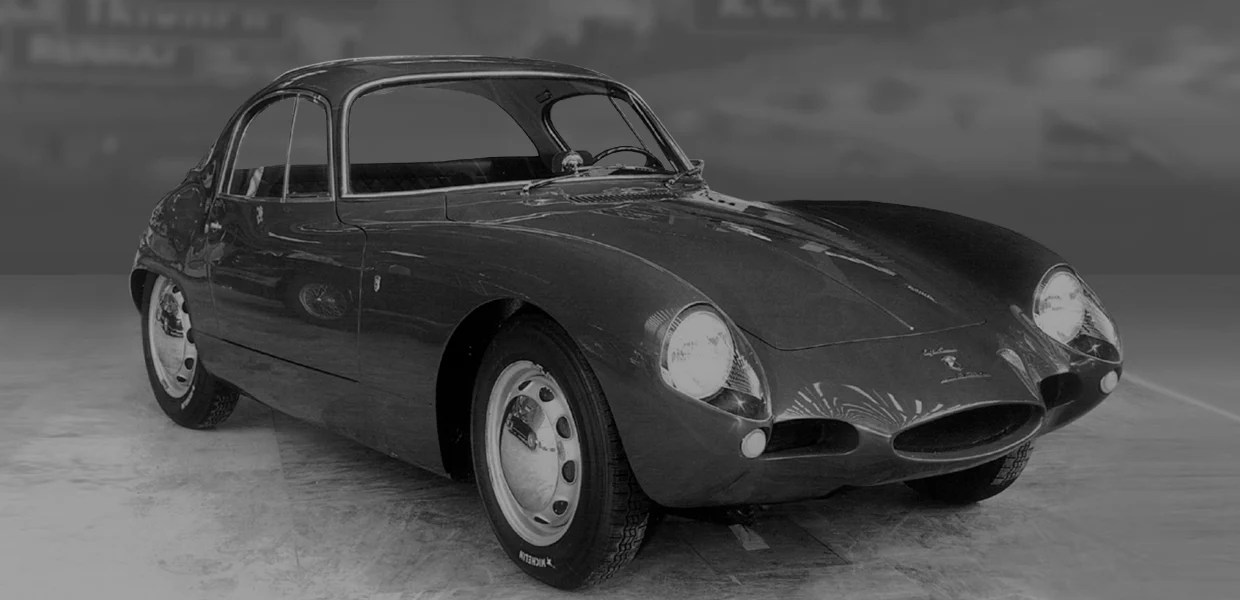
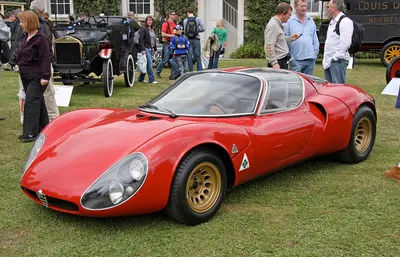
Only three of these Abarth-Alfa prototypes were ever built, and after at least two were wrecked testing at Germany's AVUS track, the whole project was abandoned.

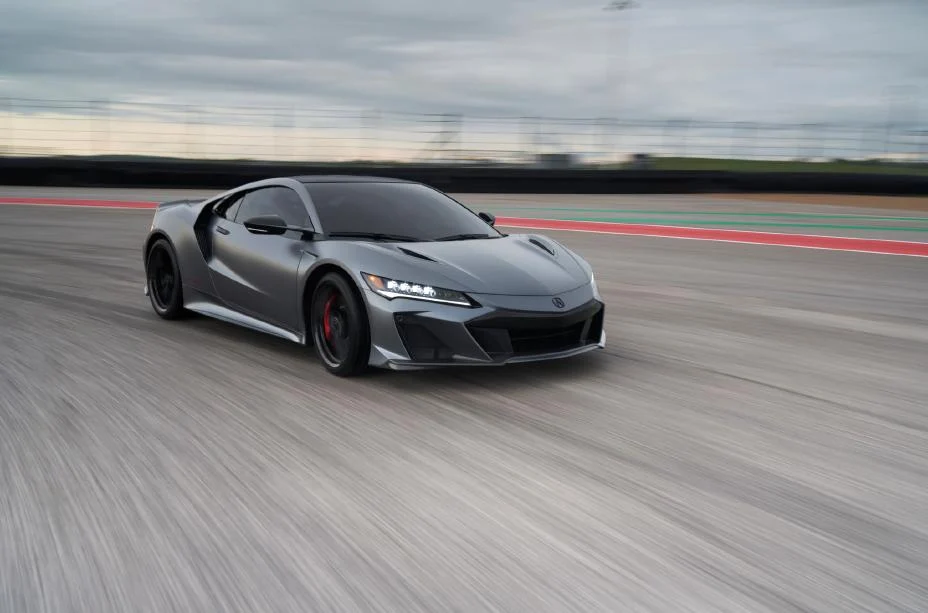
Every NSX Type S was hand-built in Marysville, Ohio, one of 350 out of 2,908 total NSXs.

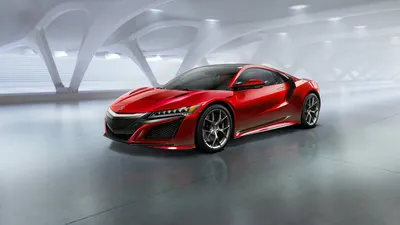
The very first second-generation NSX built, VIN #001, was never sold in the usual sense — it was auctioned for $1.2 million, with every dollar going to charity, and NASCAR owner Rick Hendrick drove it off the line.

Honda's engineers chased an unlikely muse for the original NSX's cockpit: the view from an F-16 fighter jet shaped the car's low beltline and all-round visibility.

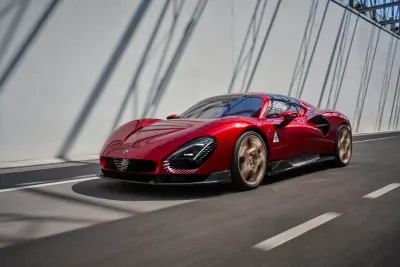
Alfa cut up a Maserati MC20 to make this: its monocoque started life under MC20 bodywork before Touring reskinned it.

Alfa's race-bred road car is considered the first production vehicle ever to use forward-and-upward-opening butterfly doors.

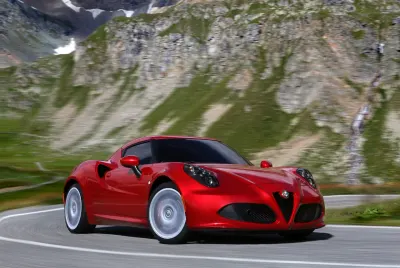
The 4C was built by Maserati in Modena, not by Alfa Romeo, and brought Alfa back to America for the first time since 1995.

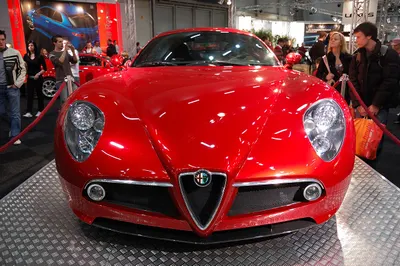
Production of the 8C Competizione was limited to 500 coupes, and Alfa Romeo allocated them by reviewing applications from prospective buyers rather than by order of deposit.

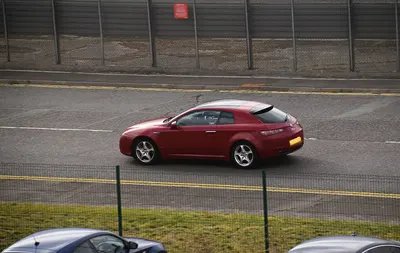
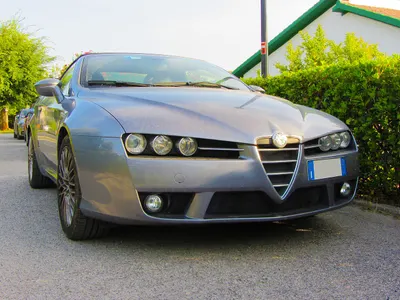
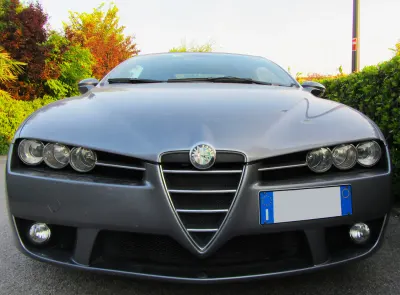
The Brera won a top Italian design prize before it was even a real car — Giugiaro took home the Compasso d’Oro for the concept that became this generation.

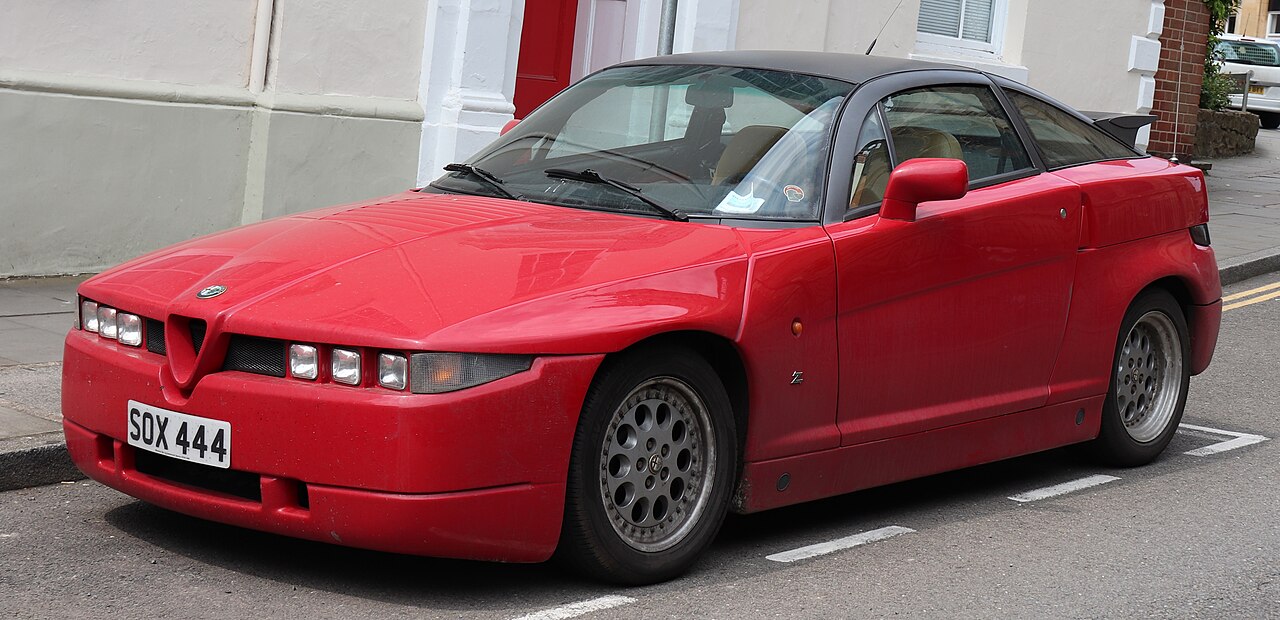
Everyone assumes Zagato designed the SZ — its badge is right there on the nose. It didn't: the shape came from Centro Stile Fiat, and only the 'Z' logo is actually Zagato's.

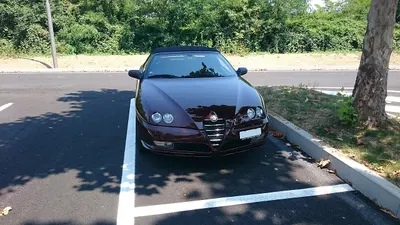
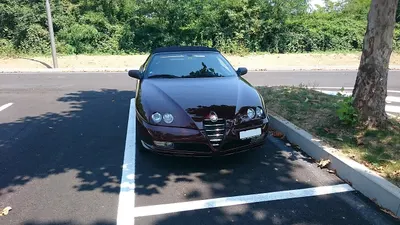
The 916 Spider's strongest naturally aspirated engine, the 192 PS 3.0 12V Busso V6, was never offered in its GTV coupe twin.

This Spider was built not by Alfa but by Pininfarina itself, on a platform shared with General Motors.

Over 100,000 people voted to name this car "Duetto" — but a chocolate-snack maker had already trademarked the word, and a Milan court ruling forced Alfa to sell it as the Spider 1600 instead.

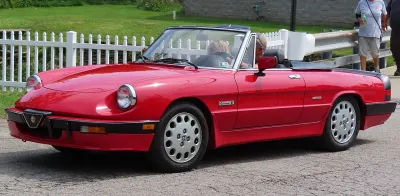
After nearly 25 years of manual-only Spiders, the final Series 4 cars quietly added something Alfa purists never expected: an optional automatic transmission.

The mid-80s Spider's Quadrifoglio Verde trim went all-in on a single look: blood-red carpets and grey leather with red stitching, and it only ever came in three exterior colors.

In 1974 Alfa built a one-off on this Spider: a Porsche-style solid rear window and lift-out roof panels, fewer than 2,000 made, the only Spider ever with a part-solid roof.

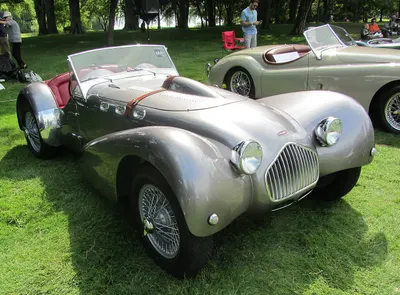
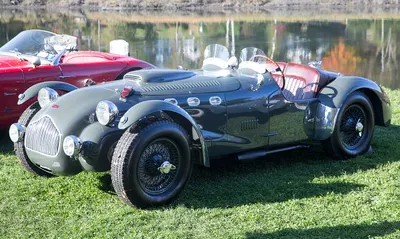
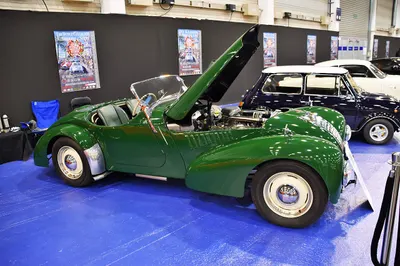
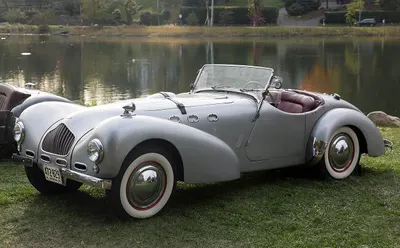
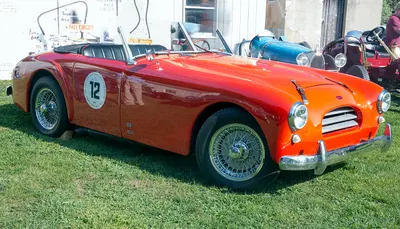
Allard shipped J2s to America with no engine at all, expecting Cadillac or Chrysler V8s to be fitted stateside, then took third at Le Mans anyway.

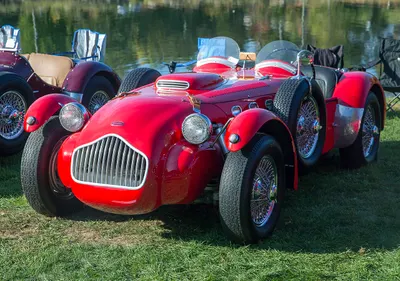
Allard pushed the J2X's engine 18cm further forward than the J2's for better weight distribution — which happened to free up driver legroom as a bonus, and gave the X its name.

Nobody is even sure how many of these exist: built for the 1952 Le Mans rule change requiring enclosed wheels, somewhere between nine and fourteen J2X Le Mans cars were made before both 1952 entries retired in the fifteenth hour.

Only 151 of these K1 tourers were ever built, each riding on a chassis stamped up specially for Allard by Thomsons of Wolverton.

Home market K2s ran Ford and Mercury V8s while American-bound cars got Chrysler or Cadillac power instead, of 119 built total.

American Dodge dealers wanted a 'Corvette slayer' — Allard answered with the K3, stuffed with a 331ci Chrysler Hemi and twin four-barrel carbs.

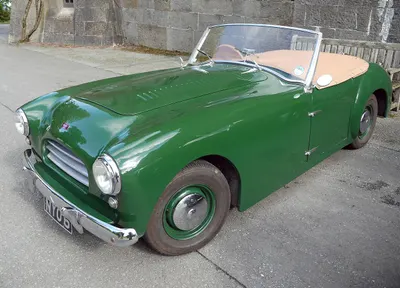
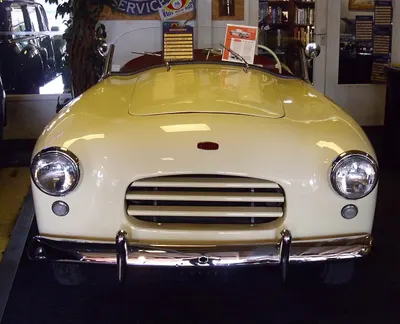
The Mark II dropped its four-cylinder engine entirely and offered a Jaguar 3.4-litre six instead, in a run of just 80 cars.

One Palm Beach was built to special order for an Argentinian customer with a 4.0-litre Dodge Red Ram V8, the only V8 car of the run.

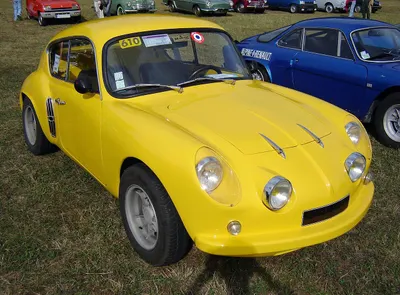
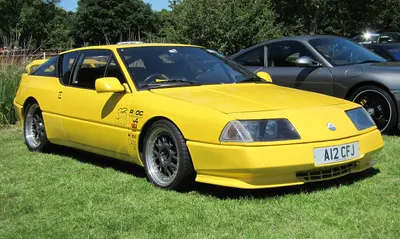
Alpine's tiny A106 offered an almost unheard-of five-speed manual as an option in the 1950s — one so expensive that the gearbox alone cost as much as 35% of an entire Renault 4CV.

By its own maker's logic it should have been called the 109, but it kept the A106's parts and name instead.

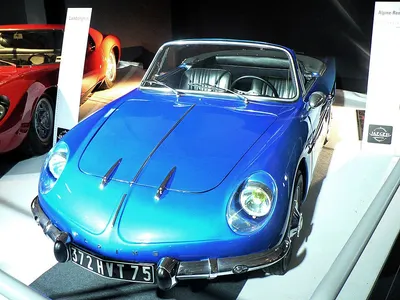
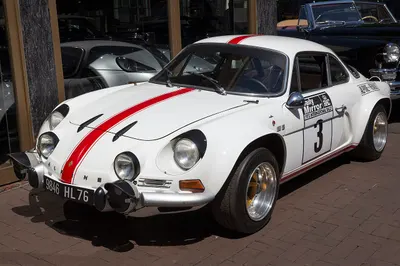
First rally win by a turbocharged car: Jean-Luc Thérier's A110 at the 1972 Critérium des Cévennes, eight years before Audi's Quattro.

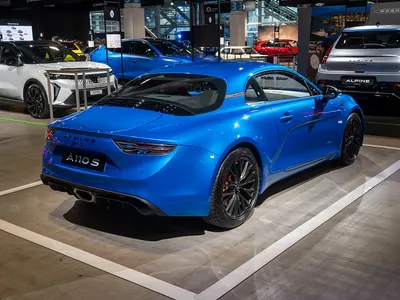
The Premiere launch edition was capped at exactly 1,955 units, a nod to the year Alpine itself was founded.

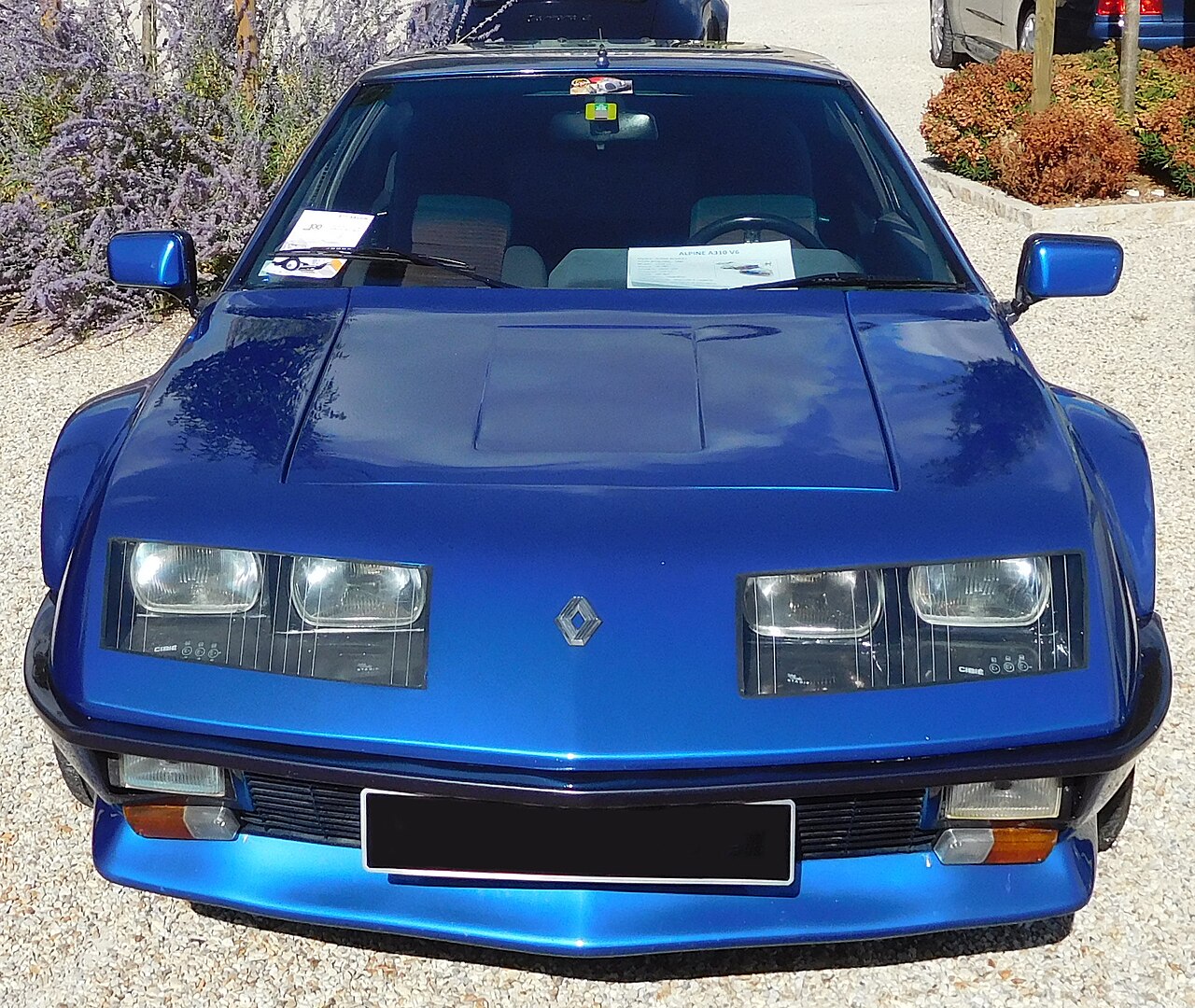
An A310 took 130 hours to build, and its steering rack came from a Peugeot 504, its indicators from a Simca 1301.

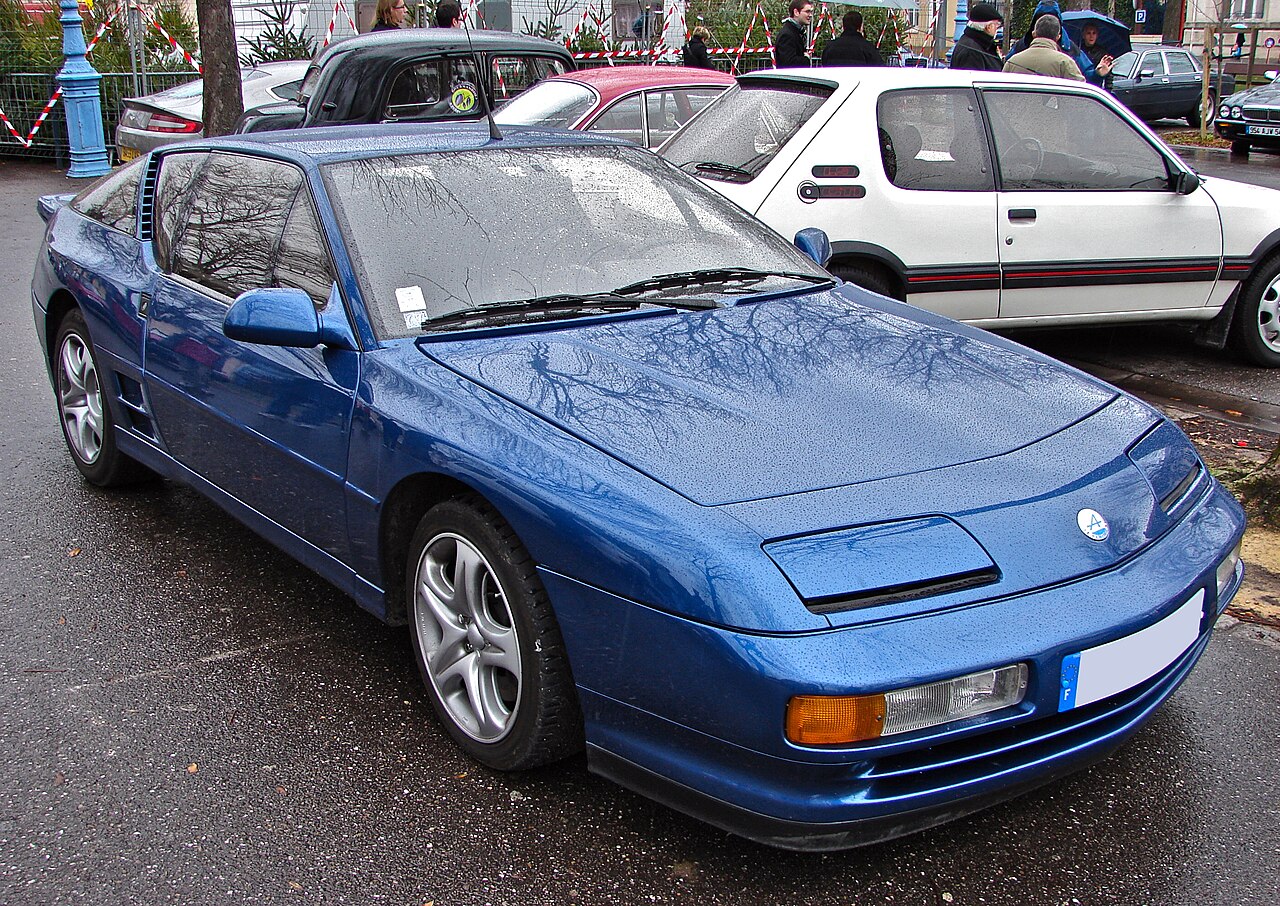
After 1993 Alpine built only 80 more A610s total, the last of a run that never beat the GTA it replaced.

Its driveline sits on a removable subframe that a mechanic can unbolt from the car in as little as two hours.

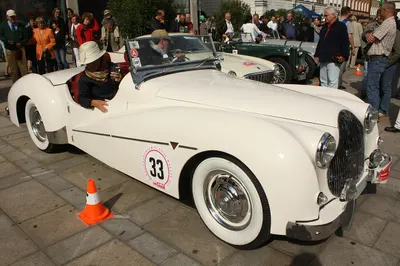
Only 100 Alvis TB 14s were ever built, and their aluminium bodies had one quirky upside: the paint would flake off, but the metal underneath never rusted.

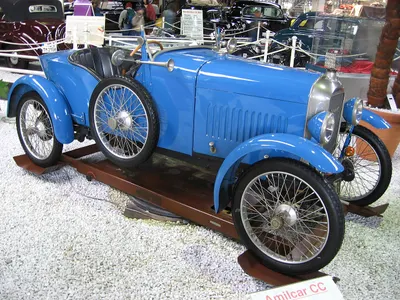
Amilcar's first production model, the 1922 CC, had a wheelbase of just 91 inches — shorter than a modern Mini — on a genuine 4-cylinder car.

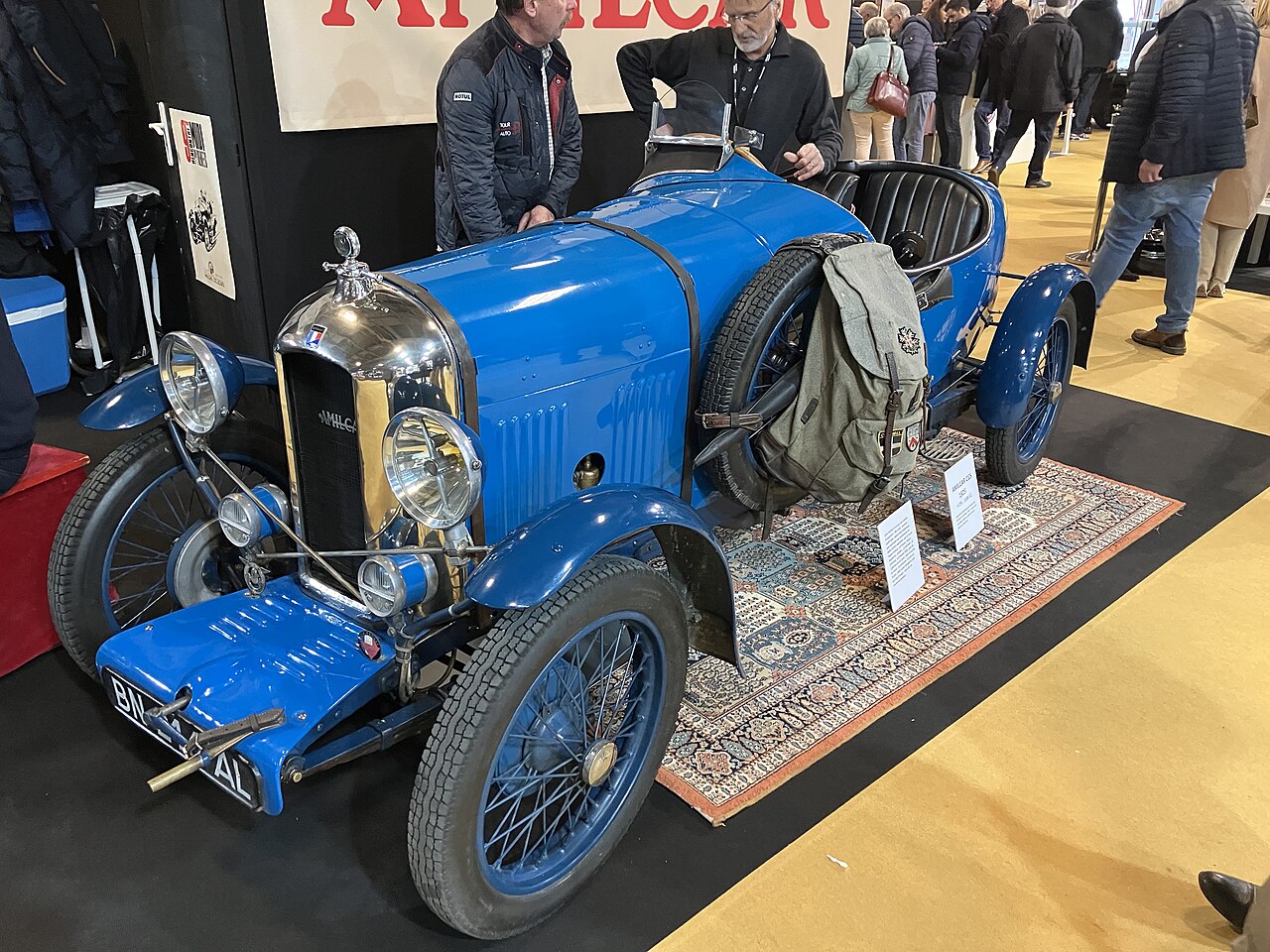
Amilcar's most celebrated car, the 1924 CGS "Grand Sport", punched above its tiny 1074cc engine by fitting four-wheel brakes — rare on an affordable sports car of that era.

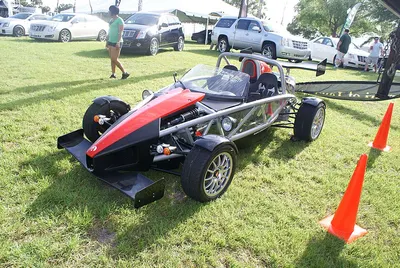
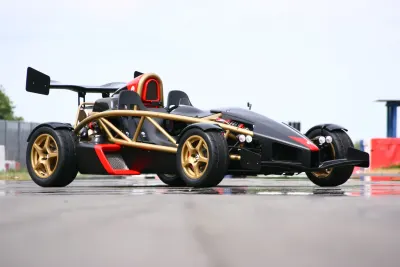
The Atom began life as a Coventry University student project, not a factory brief.

Ariel capped the Atom 500 at 25 cars and still watched it set the Top Gear test track's road-legal lap record.

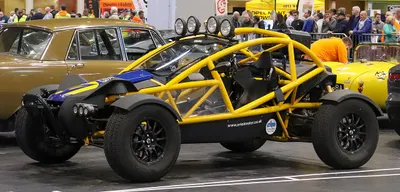
Ariel built its off-road buggy from the same bare tube exoskeleton as the roofless Atom, just pointed at gravel.

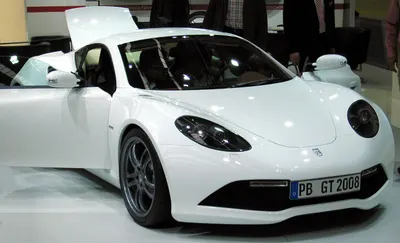
The obscure, short-lived Artega GT — only around 153 ever built before the company went bankrupt — was shaped in part by Henrik Fisker, the designer behind the Aston Martin V8 Vantage.

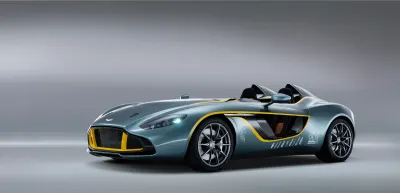
Aston built two CC100s: one owner planned to keep his in a private collection, the other to get it approved for public roads.

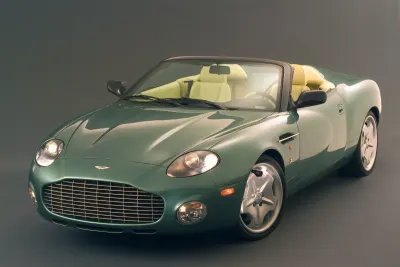
The DB AR1 was built only for the American market, sold roofless because Aston Martin bet sunbelt buyers would not miss one.

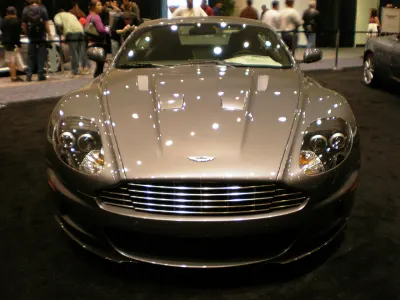
Aston Martin closed out the DBS with a China-only Dragon 88 edition: 24-carat gold-plated wing badges, a leather presentation box with a gold-detailed owner’s guide, and a run capped at exactly 88 cars.

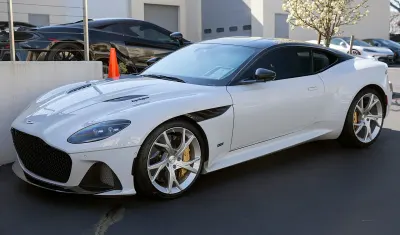
The first special-edition DBS Superleggera built just 24 examples — one for every hour of the 1959 24 Hours of Le Mans, the race where Aston Martin famously finished first and second.

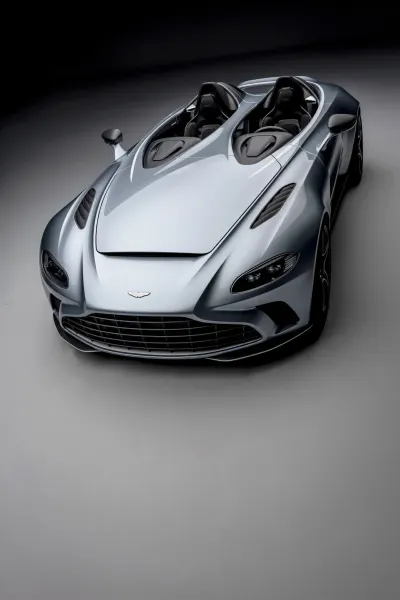
Due to debut a day earlier at Geneva, it never got the chance: the 2020 show was cancelled for COVID-19 first.

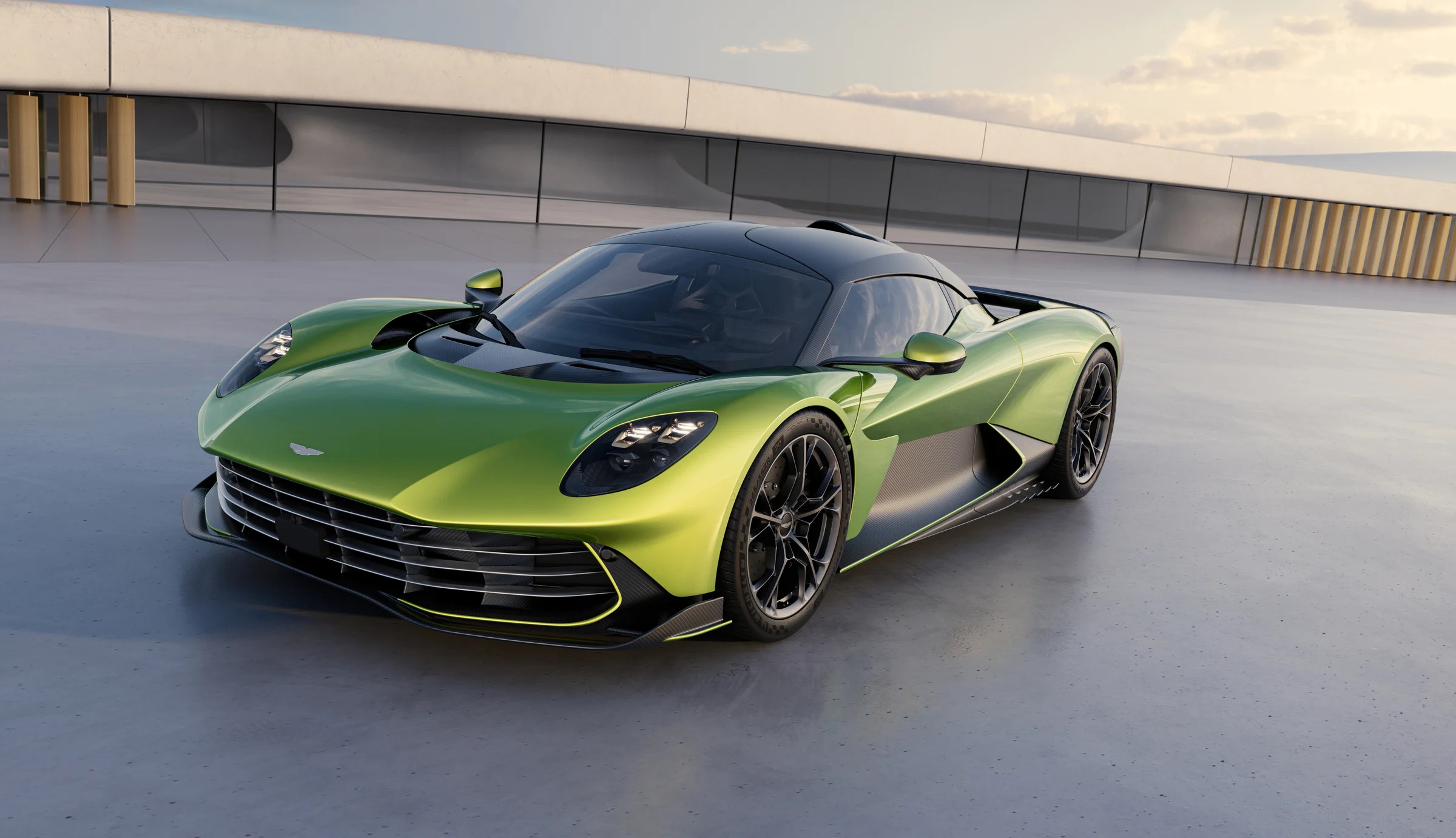
The Valhalla began life engineered with Red Bull Racing's F1 team, under the prototype name AM-RB 003.

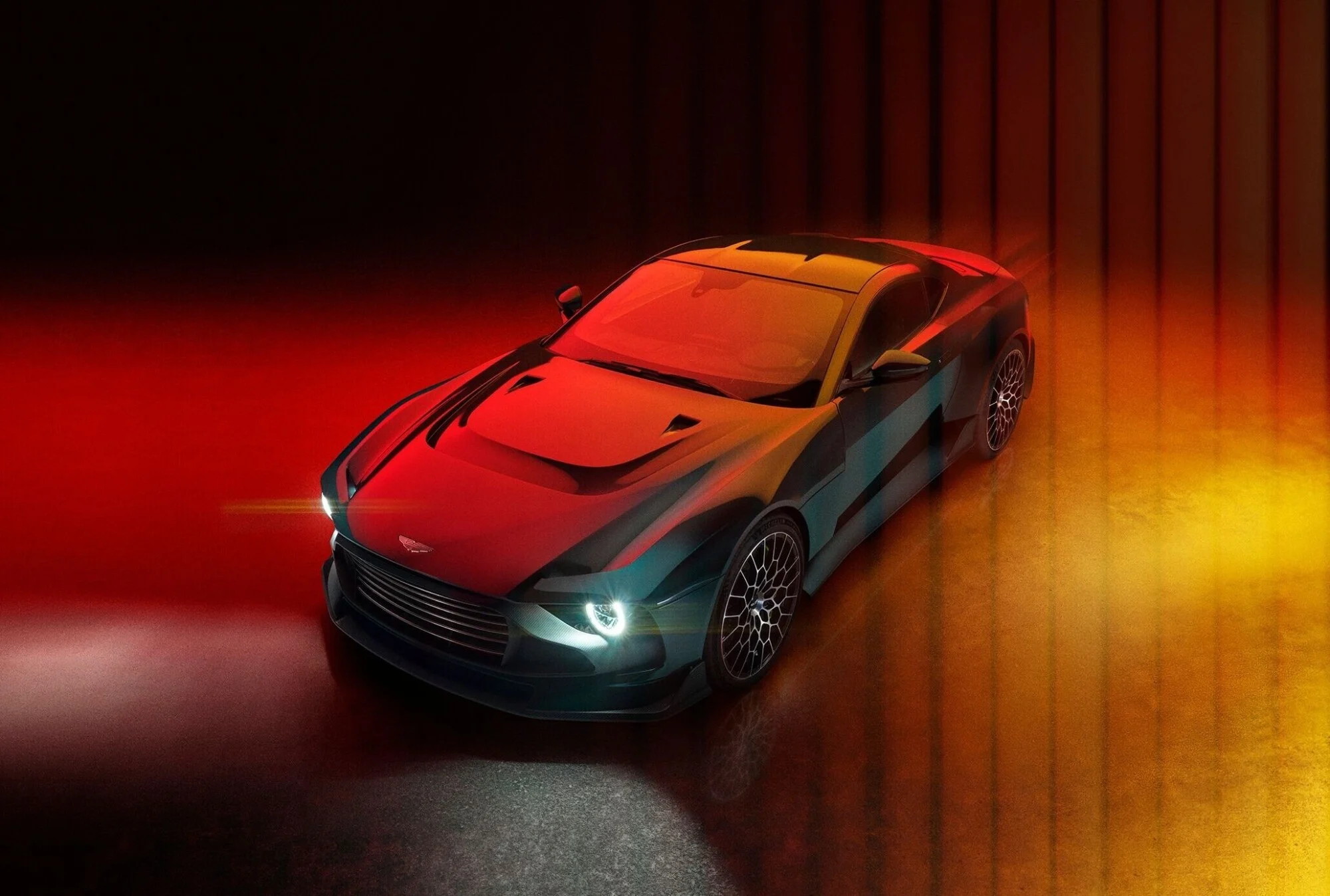
Fernando Alonso ordered one Valiant for himself; Aston Martin liked it enough to build 38.

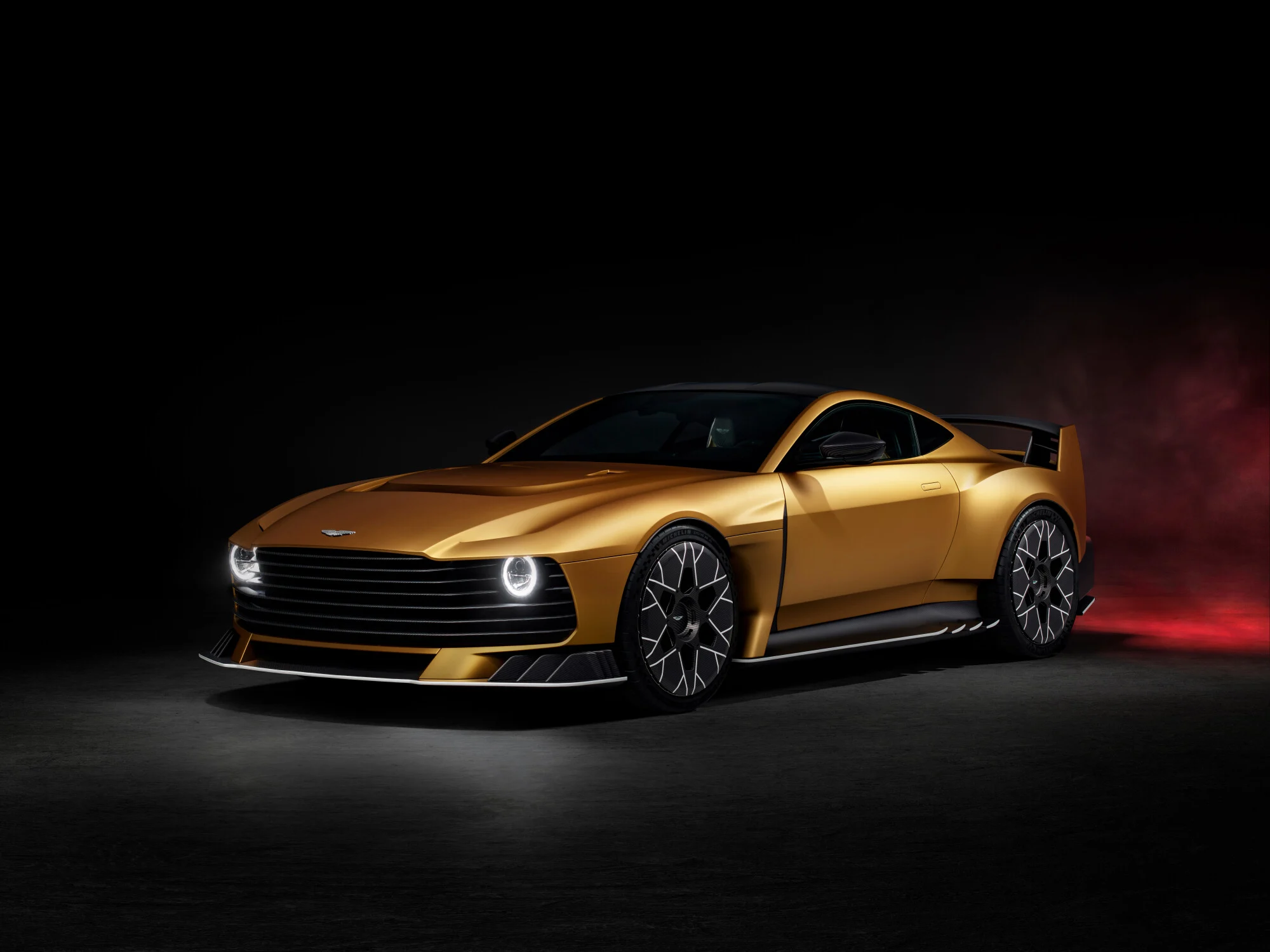
Aston Martin built exactly 110 Valours to mark its 110th birthday, pairing a DBS V12 with a manual gearbox.
Real Sports & performance cards spotted on the street by Burbles collectors. Tap any card to flip it over, inspect the collector’s binder, or follow them.
VerifiedFIRST · WORLDWIDEFIRST PRINTPROHonda's engineers chased an unlikely muse for the original NSX's cockpit: the view from an F-16 fighter jet shaped the car's low beltline and all-round visibility.