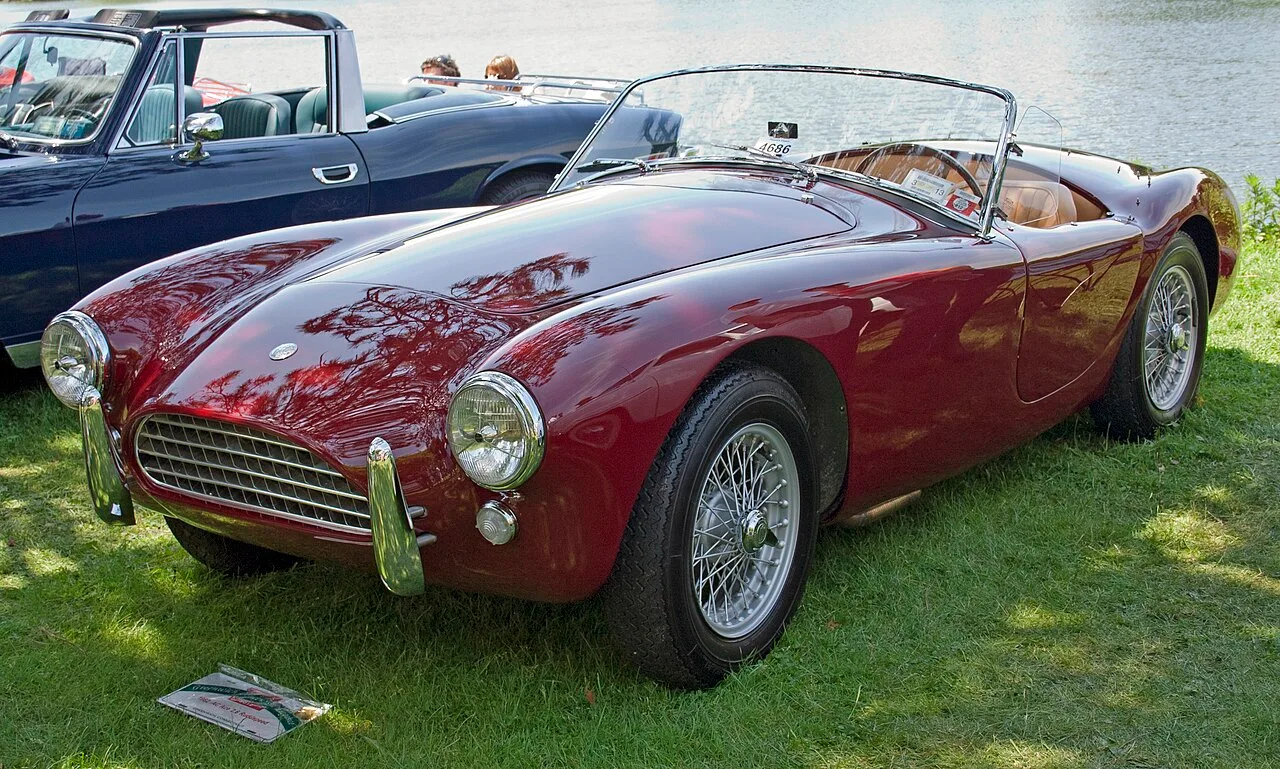
Carroll Shelby's pitch to drop a Ford V8 into this chassis became the AC Cobra; Ace production stopped a year later.
Lead trim: Ace 2.6 Ford Zephyr six (Ruddspeed), 2,553 cc
AC AceAE/BE/RS · 1953–1963
- 0spots by members
- Unclaimednobody has spotted one yet
- 0sets it belongs to
Nobody in Burbles has spotted a AC Ace yet. See one on the street, point the app at it, and the first card is yours — with your @handle permanently credited on this page.
FactCarroll Shelby's pitch to drop a Ford V8 into this chassis became the AC Cobra; Ace production stopped a year later.
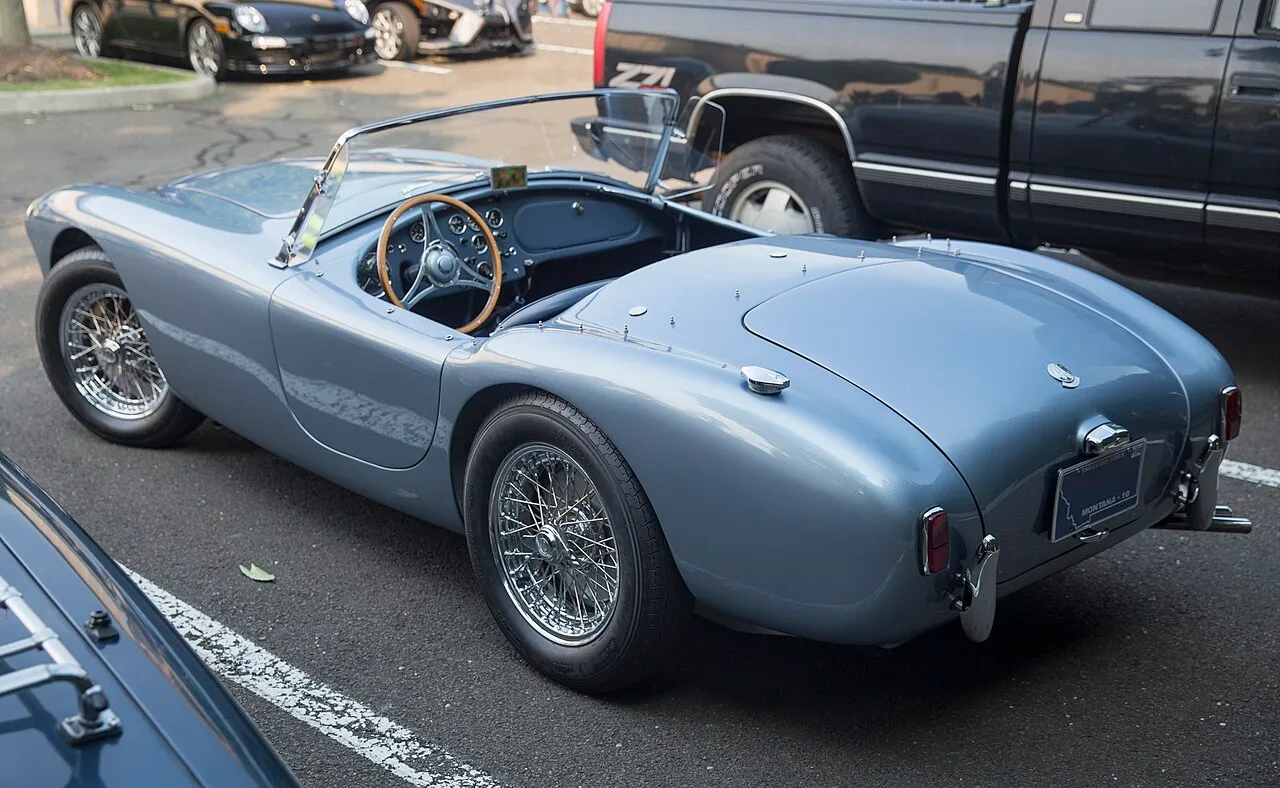
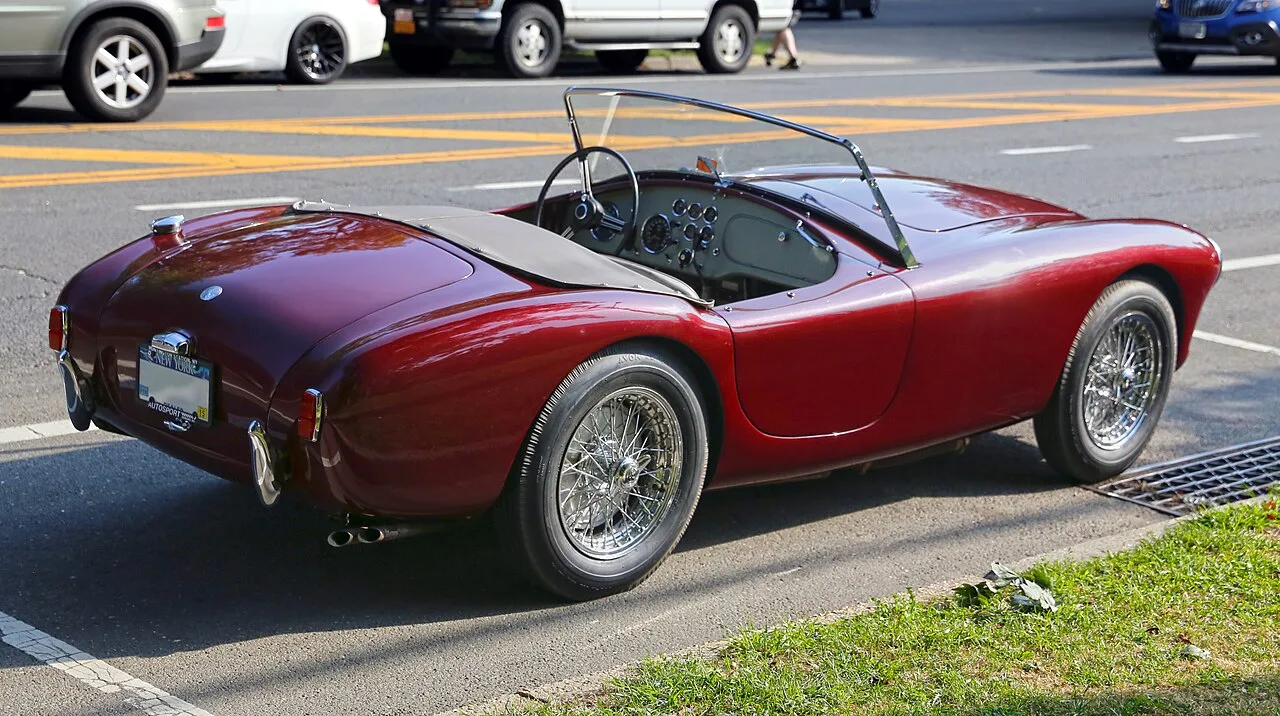
The AC Ace is a sports car produced by AC Cars of Thames Ditton, England, from 1953 until 1963 (the page's technical-data table heads it 1953–1964), in three main versions differentiated by engine: the original AC Ace, the Ace Bristol and the Ace 2.6. About 220 AC Aces and 466 Ace-Bristol cars were produced during its ten-year run, and only 37 of the 2.6 models. AC took up a design by John Tojeiro that used a light ladder-type tubular frame, all-independent transverse-leaf-spring suspension and an open two-seater alloy body possibly inspired by the Ferrari 166 MM barchetta; chassis numbers begin AE for AC-engined cars, BE for Bristol-engined and RS for Ford-engined, with an X marking an export model. Early cars used AC's own two-litre overhead-cam straight-six, first seen soon after the end of the First World War, which a 1954 Motor road test found good for 103 mph and 0-60 mph in 11.4 seconds; the text calls it a 100 bhp engine but the technical table lists 85, 90 and 102 bhp for the AC engine, so no horsepower is entered. From 1956 there was the option of Bristol's 2-litre straight-six with three downdraught carburettors and the Bristol four-speed gearbox (overdrive from 1956, front disc brakes optional from 1957 and standard from 1958); the text gives 120 bhp and 116 mph while the table lists 105 bhp (Type 100B) and 128 bhp (Type 100D) and 117-118 mph, so neither power nor top speed is entered for the Bristol. In 1961 a 2.6 L (2,553 cc) Ford Zephyr 6 'Ruddspeed' option tuned by Ken Rudd became available, some versions reaching 170 bhp; the text gives 130 mph and 0-60 in 8.1 seconds for that version but the table gives 135 mph and 6.0 seconds for Stage 4, so those are left blank too. In 1961 Carroll Shelby approached AC's owner Charles Hurlock with a proposal to put a Ford V8 in the Ace chassis, chassis CSX2000 is considered the very first AC Cobra, and Ace production ended one year after the Cobra's debut. Wheelbase 90 in, length 152 in, width 59.5 in, height 49 in (infobox); the infobox's 1,920 lb curb weight sits outside the table's per-engine unladen ranges (1,680-1,720 lb AC, 1,680-1,971 lb Bristol, 1,746-1,792 lb 2.6), so curb weight is not entered.
Collectors Spotted in the AC Ace Lineage
No member has published a public street spot of the AC Ace yet — the First · Worldwide stamp is wide open.
Trims & Figures
3 published trims in the catalogue. A blank is a figure not recorded, not zero.
| Trim | Years | Engine | Power | Torque | 0–60 | Drive | Gearbox | MSRP |
|---|---|---|---|---|---|---|---|---|
| Ace 2.6 Ford Zephyr six (Ruddspeed), 2,553 cc | 1961–1963 | 2.6 L Inline-6 | — | — | — | — | — | — |
| Ace AC Light Six, 1,991 cc | 1953–1963 | 2.0 L Inline-6 | — | — | 11.4 s | — | — | — |
| Ace-Bristol 2.0 L six, 1,971 cc | 1956–1963 | 2.0 L Inline-6 | — | — | — | — | — | — |
Owning one
We don’t estimate running costs for a car like this. What it costs depends on its condition, its specialist and how it is driven, and an average would mislead.
Owners’ builds
Nobody has claimed one yet.
Photographs
Rivals
Same body, same money, other badges — tap any card to flip.
In 1974 Alfa built a one-off on this Spider: a Porsche-style solid rear window and lift-out roof panels, fewer than 2,000 made, the only Spider ever with a part-solid roof.
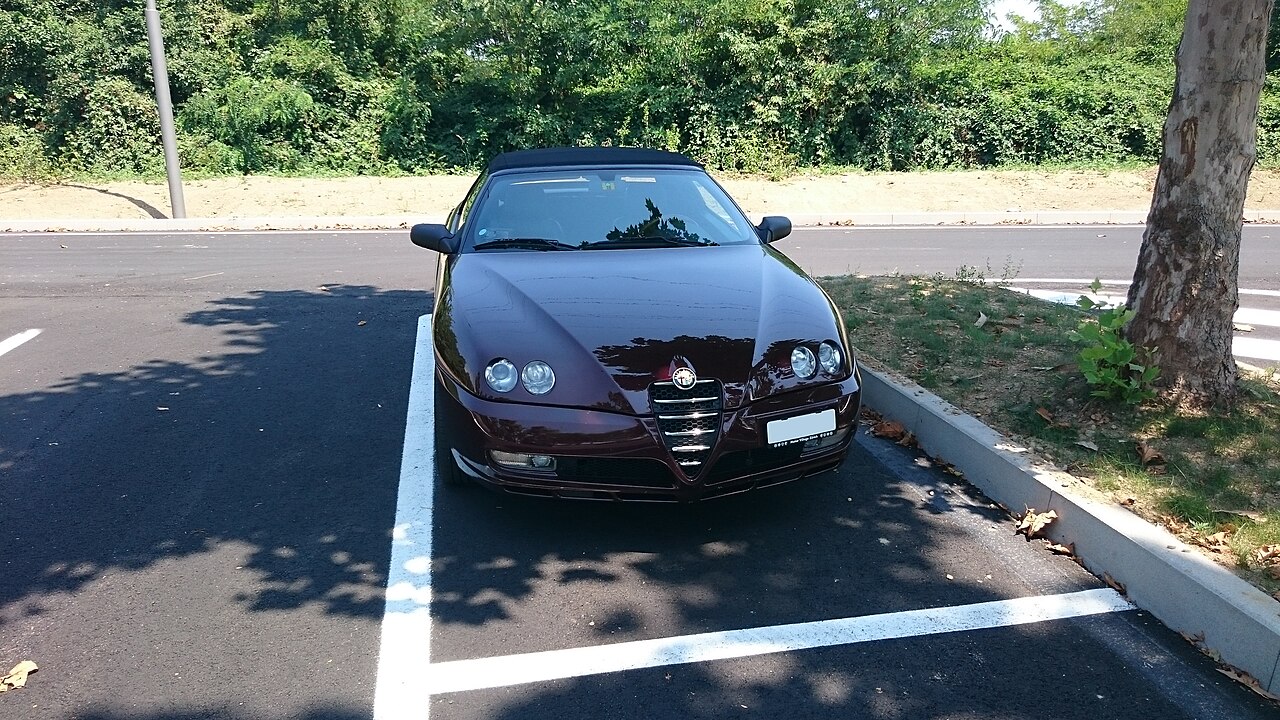
Over 100,000 people voted to name this car "Duetto" — but a chocolate-snack maker had already trademarked the word, and a Milan court ruling forced Alfa to sell it as the Spider 1600 instead.
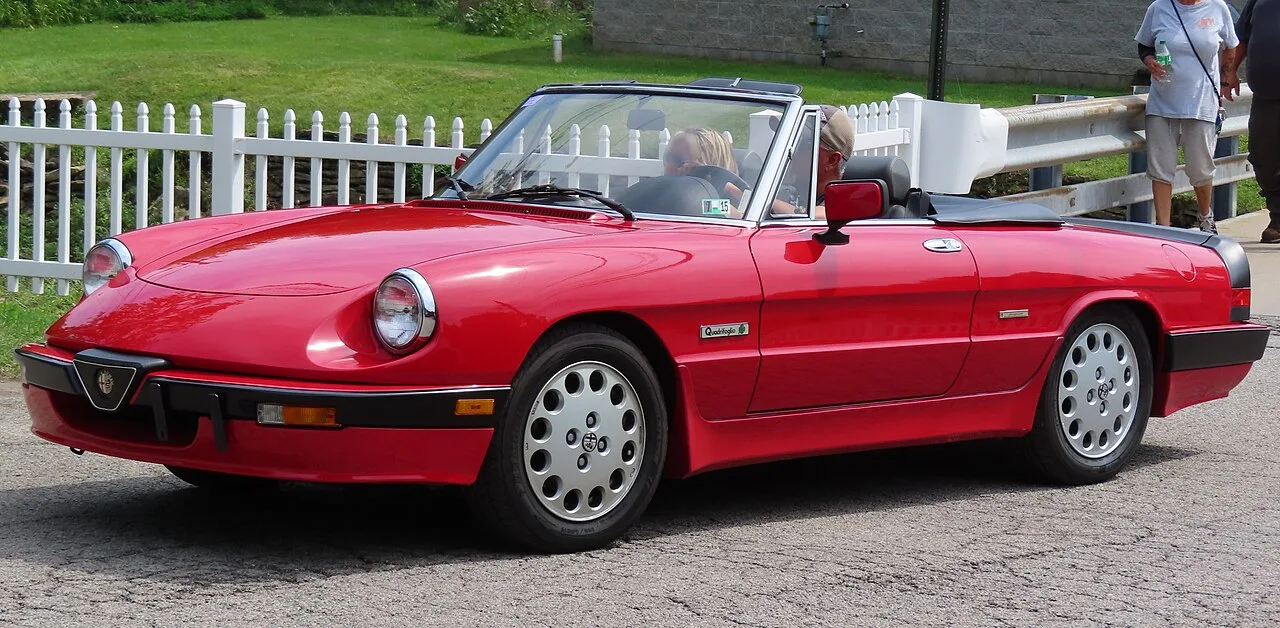
After nearly 25 years of manual-only Spiders, the final Series 4 cars quietly added something Alfa purists never expected: an optional automatic transmission.
The mid-80s Spider's Quadrifoglio Verde trim went all-in on a single look: blood-red carpets and grey leather with red stitching, and it only ever came in three exterior colors.
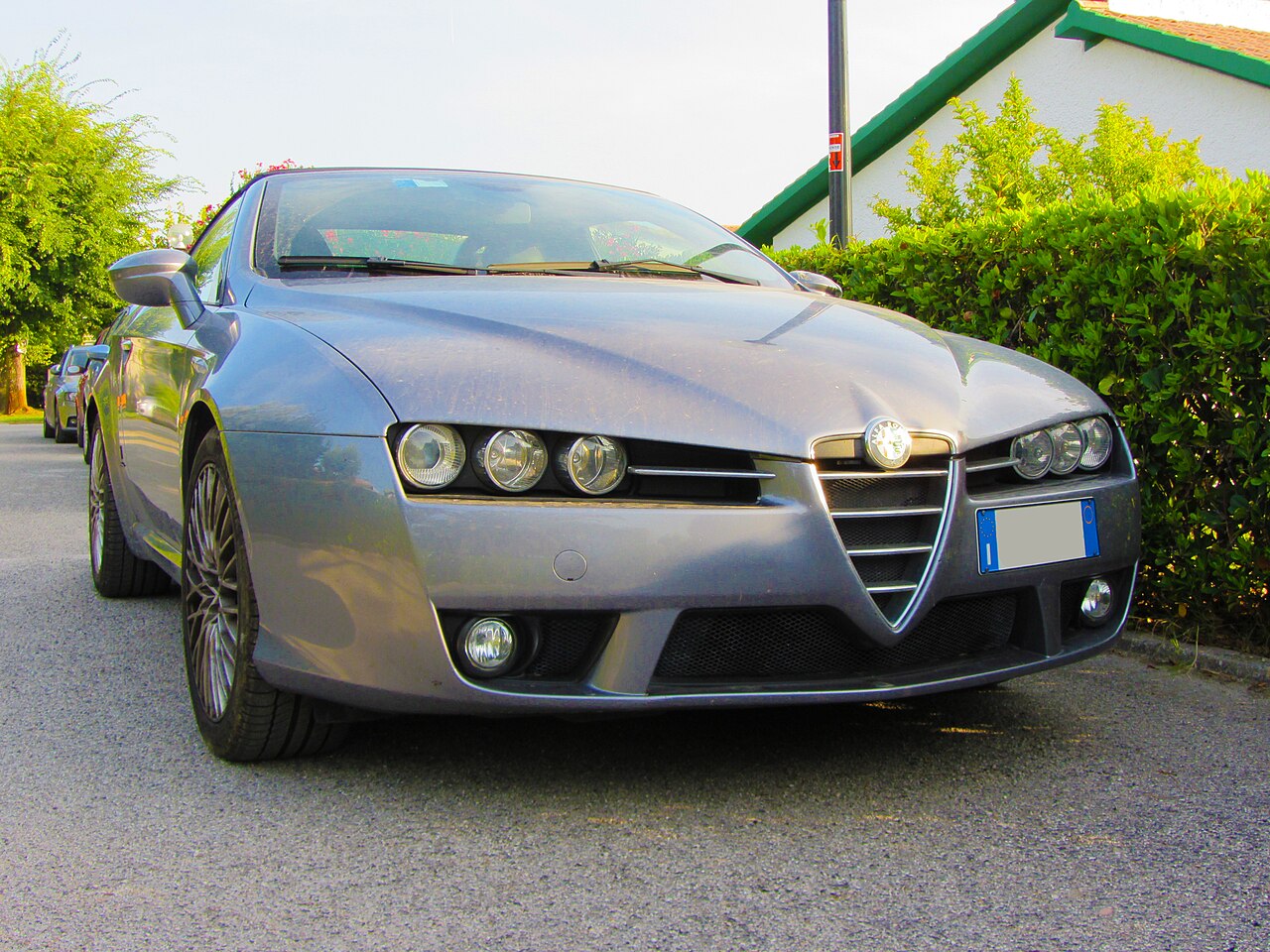
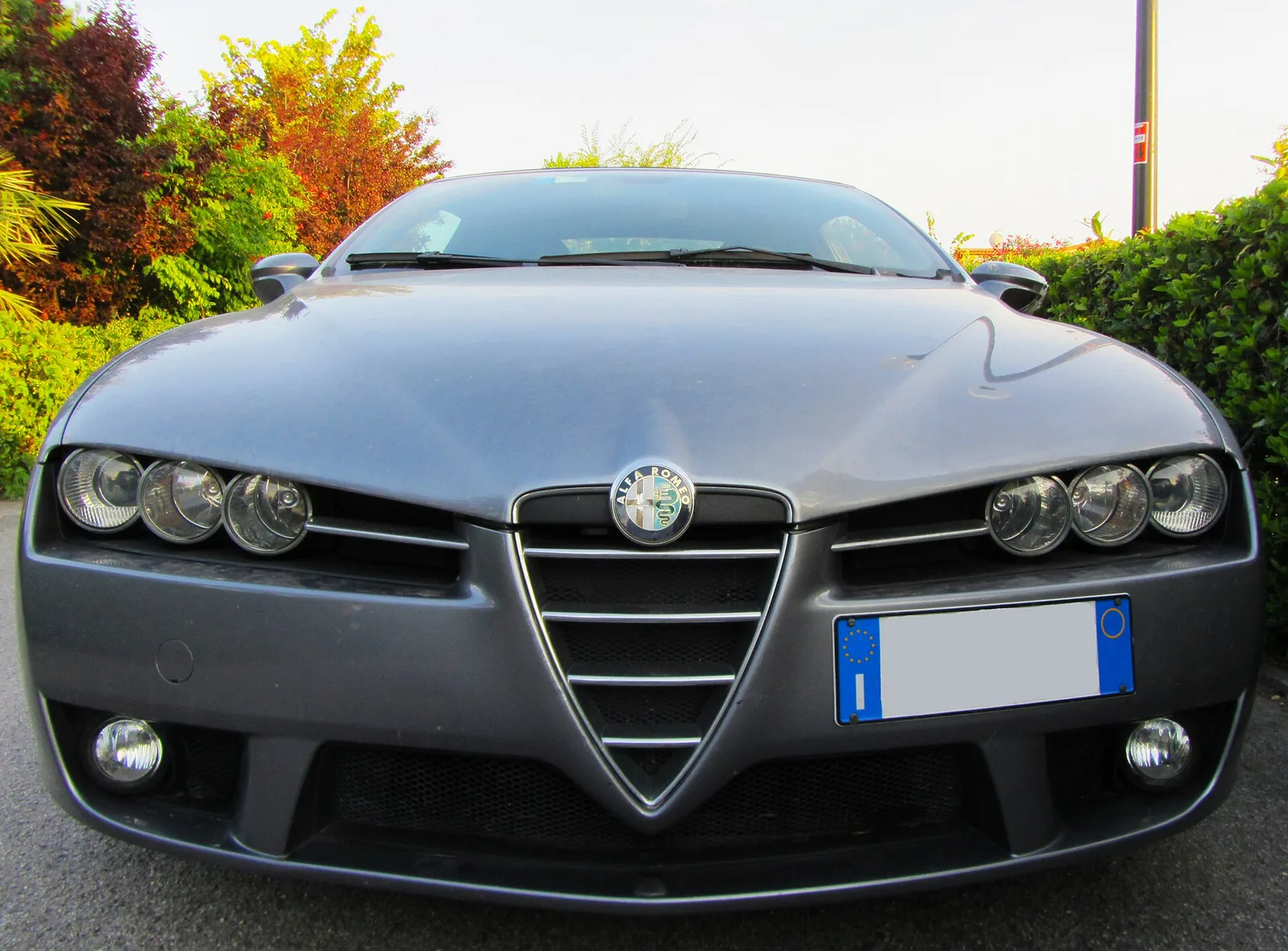
This Spider was built not by Alfa but by Pininfarina itself, on a platform shared with General Motors.
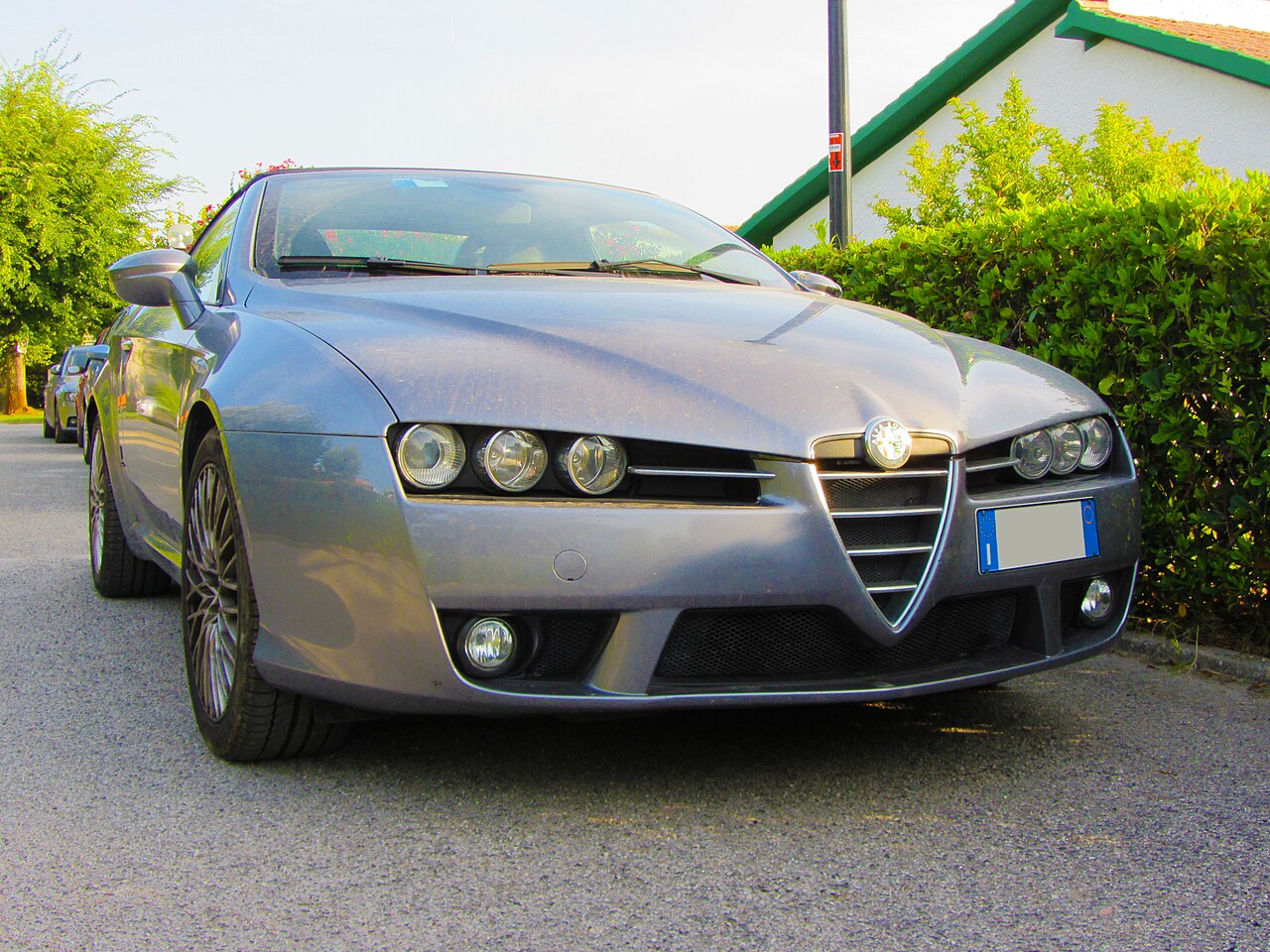
The 916 Spider's strongest naturally aspirated engine, the 192 PS 3.0 12V Busso V6, was never offered in its GTV coupe twin.
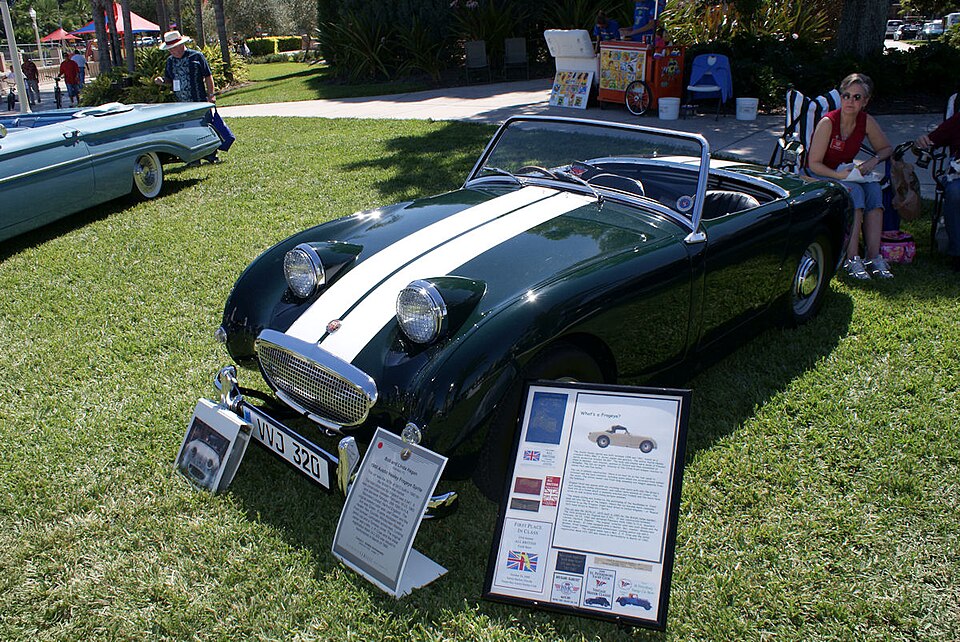
The Frogeye had no boot lid at all — owners reached the spare wheel by tilting the seats forward into the dark cavity behind, a ritual they likened to potholing.
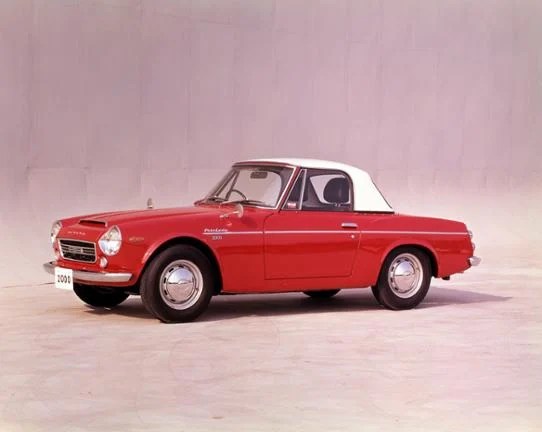
The Fairlady 2000's SR311 update came with a five-speed manual gearbox in 1967 — a genuinely unusual spec for any production car of that era.