BMW M4425HP
 VerifiedFIRST · WORLDWIDEFIRST PRINTONLY ONE IN VANCOUVER
6 CYL · 3.0 L · RWD
FACT
The M4 GTS used water injection to hit 500 PS — the first production car to use the trick in almost twenty years.
SPOTTED BY @CROWN · 10/2026№ 0001
Every matched generation dealt as its CollectibleCard · Tap any card to flip.
48 cards · the first forty-eight
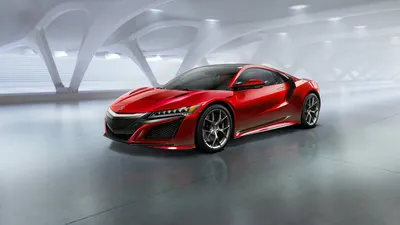
The very first second-generation NSX built, VIN #001, was never sold in the usual sense — it was auctioned for $1.2 million, with every dollar going to charity, and NASCAR owner Rick Hendrick drove it off the line.
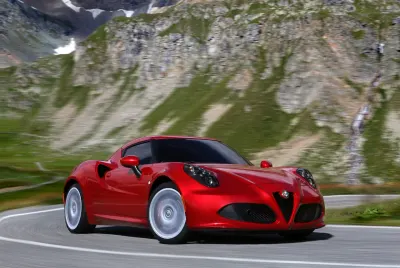
The 4C was built by Maserati in Modena, not by Alfa Romeo, and brought Alfa back to America for the first time since 1995.
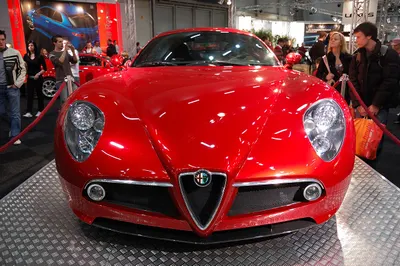
Production of the 8C Competizione was limited to 500 coupes, and Alfa Romeo allocated them by reviewing applications from prospective buyers rather than by order of deposit.
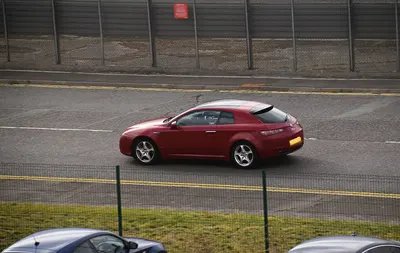
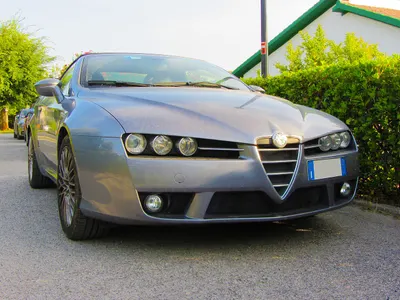
The Brera won a top Italian design prize before it was even a real car — Giugiaro took home the Compasso d’Oro for the concept that became this generation.
This Spider was built not by Alfa but by Pininfarina itself, on a platform shared with General Motors.
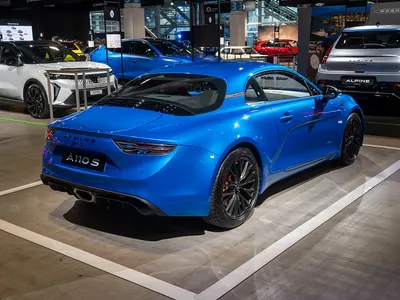
The Premiere launch edition was capped at exactly 1,955 units, a nod to the year Alpine itself was founded.
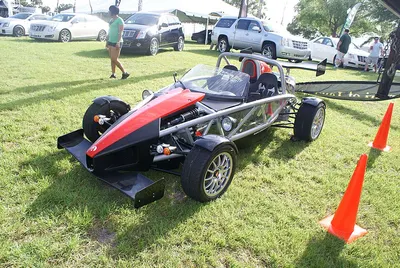
The Atom began life as a Coventry University student project, not a factory brief.
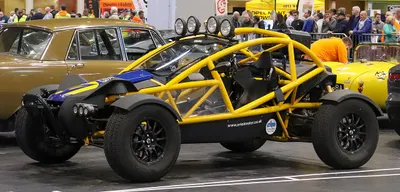
Ariel built its off-road buggy from the same bare tube exoskeleton as the roofless Atom, just pointed at gravel.
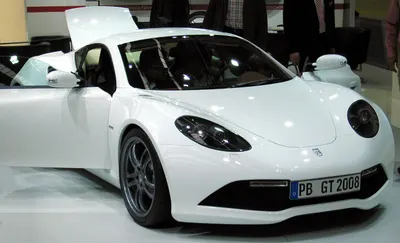
The obscure, short-lived Artega GT — only around 153 ever built before the company went bankrupt — was shaped in part by Henrik Fisker, the designer behind the Aston Martin V8 Vantage.
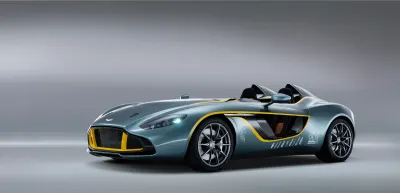
Aston built two CC100s: one owner planned to keep his in a private collection, the other to get it approved for public roads.
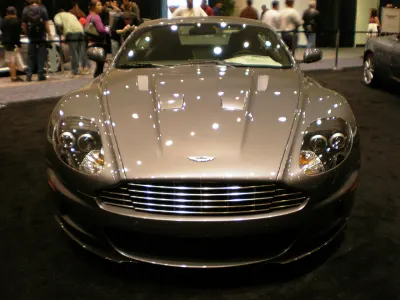
Aston Martin closed out the DBS with a China-only Dragon 88 edition: 24-carat gold-plated wing badges, a leather presentation box with a gold-detailed owner’s guide, and a run capped at exactly 88 cars.
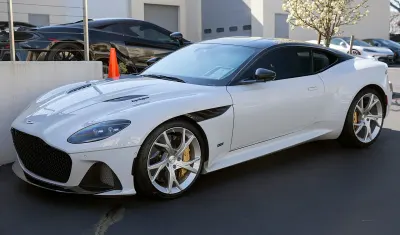
The first special-edition DBS Superleggera built just 24 examples — one for every hour of the 1959 24 Hours of Le Mans, the race where Aston Martin famously finished first and second.
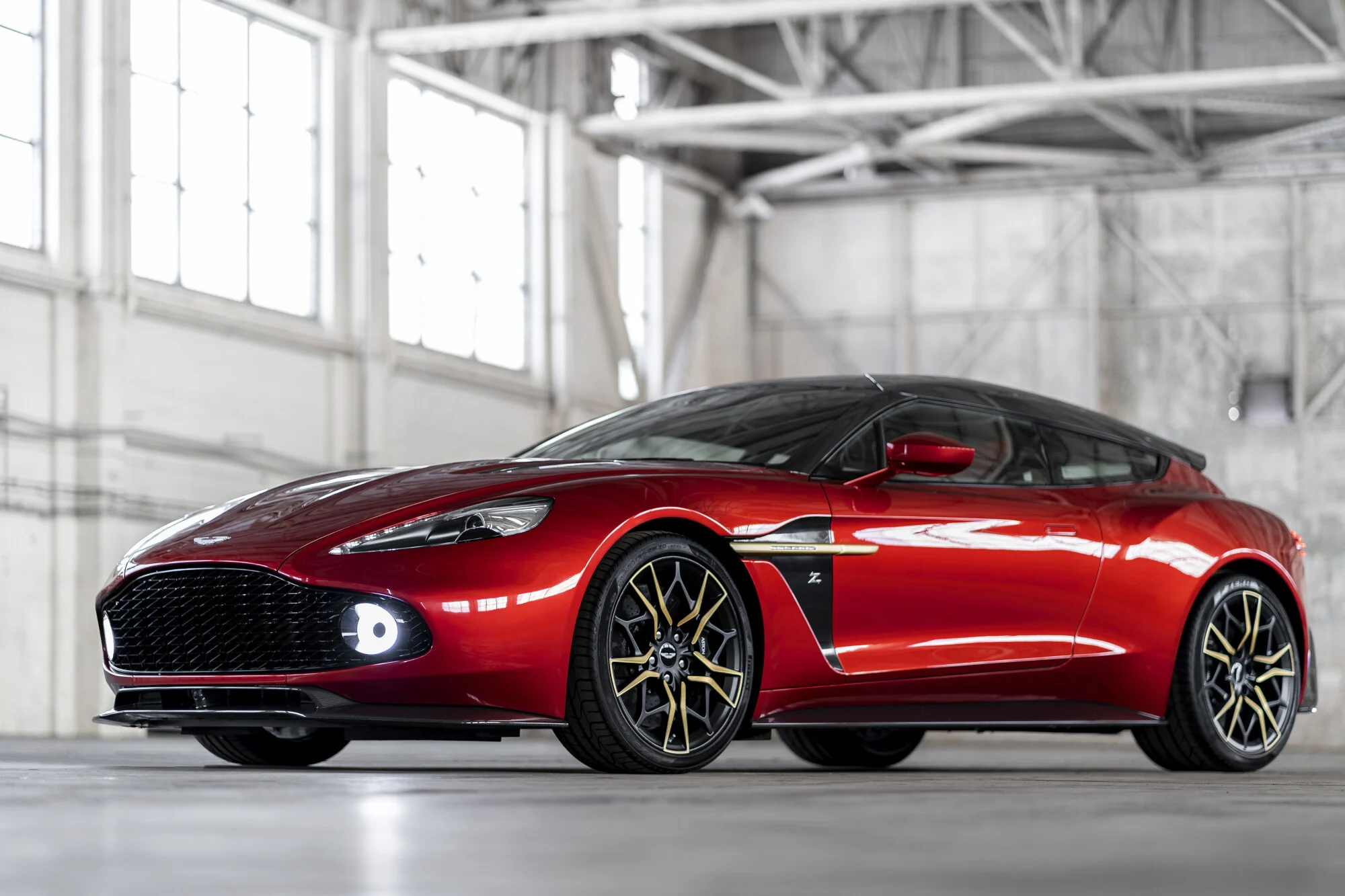
325 built across four bodies (99 coupe, 99 Volante, 28 Speedster, 99 Shooting Brake); maybe a quarter in North America, all kept. About 85 on North American roads today (estimate).
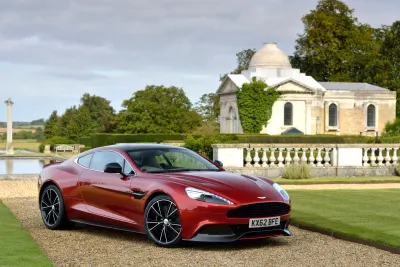
For a 295km/h grand tourer, practicality mattered: this Vanquish's boot is more than 60% bigger than the DBS it was based on.
Every V8 Vantage engine was hand-built at Aston Martin's Cologne, Germany facility -- the same shop that assembled the V12s for the DB9 and Vanquish.
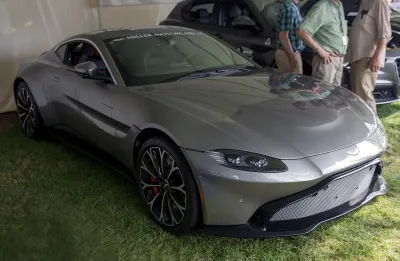
The AMR version of this Vantage is the only car ever built that pairs a Mercedes-AMG V8 with a manual gearbox.
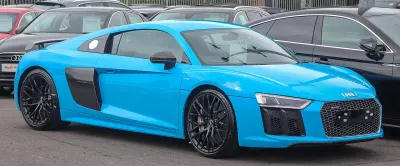
Audi's R8 RWS proved just how much their signature Quattro all-wheel-drive system weighed — ditching it for rear-wheel-drive only cut 50kg straight off the car.
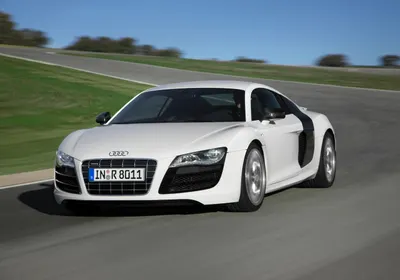
In 2007 the R8 made Audi the first carmaker to mass-produce headlights lit entirely by LEDs — years before it became the industry standard.
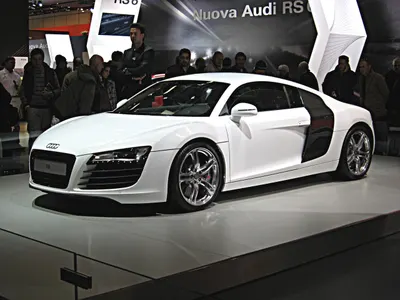
Audi badged the R8 GT with the kind of winglets borrowed straight off its Le Mans prototypes, for 333 road cars.
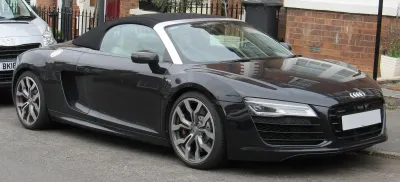
The R8 Spyder's existence leaked to the world by accident: in 2008, paparazzi shooting Iron Man 2 caught spy shots of its soft top a year before Audi officially revealed the car.
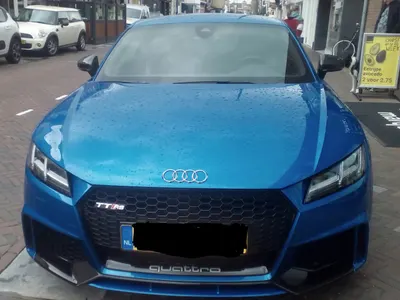
The final Audi TT hid its climate controls in plain sight — temperature and airflow dials are built right into the air vents themselves.
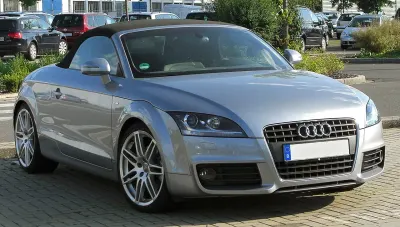
This TT Roadster's rear spoiler has a mind of its own: it pops up automatically at 78mph for extra downforce and tucks itself away again below 50mph.
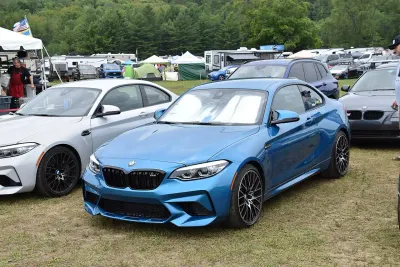
BMW's little M2 pulled safety-car duty somewhere unexpected: not Formula 1, but the 2016 MotoGP season.
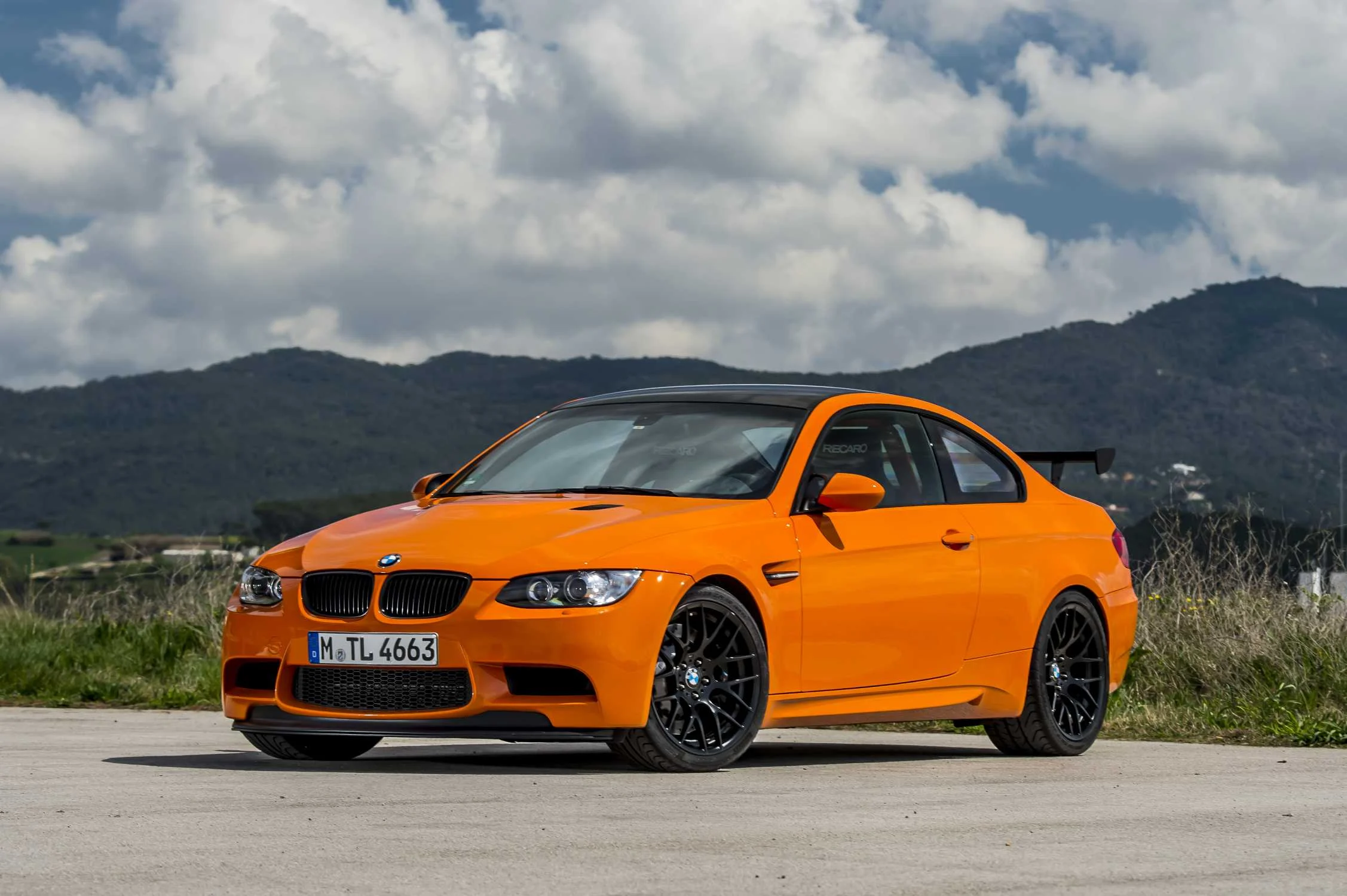
BMW cut the rear seats and window glass from the GTS, then sold all 135 almost immediately.
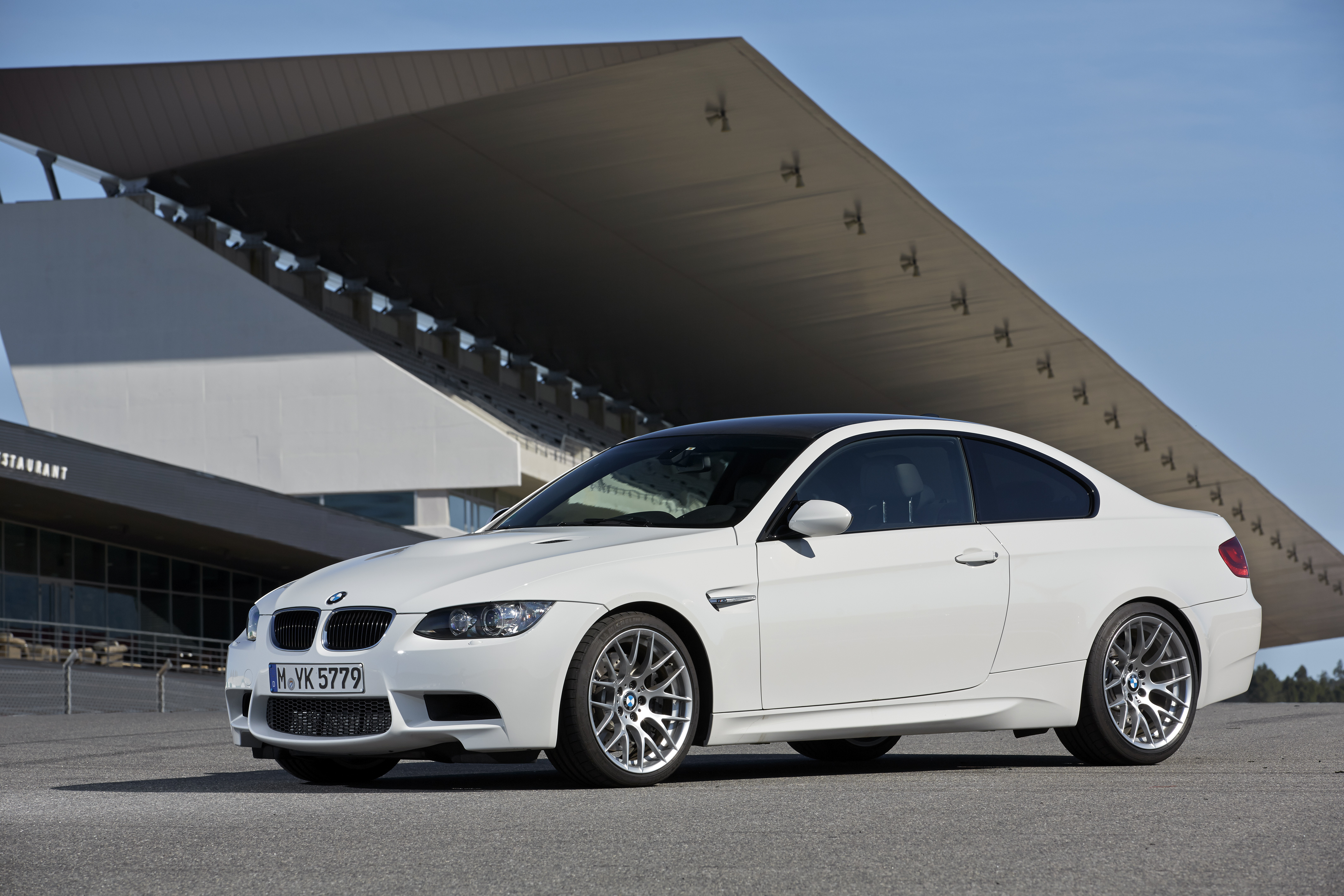
The E90/E92/E93 M3 is the only standard-production M3 BMW has ever built with a V8 — every generation before and after used a straight six.
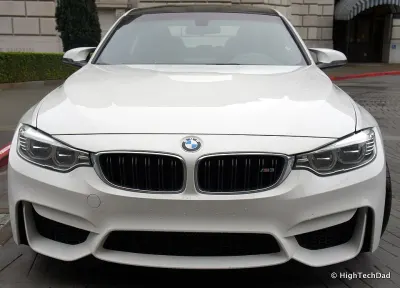
The F80 broke decades of M3 tradition in one stroke: its twin-turbo straight-six made it the very first turbocharged M3 ever built.
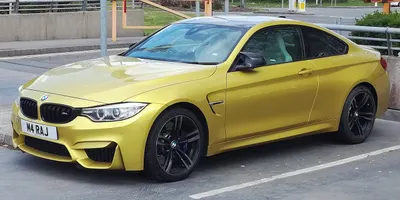
The M4 GTS used water injection to hit 500 PS — the first production car to use the trick in almost twenty years.
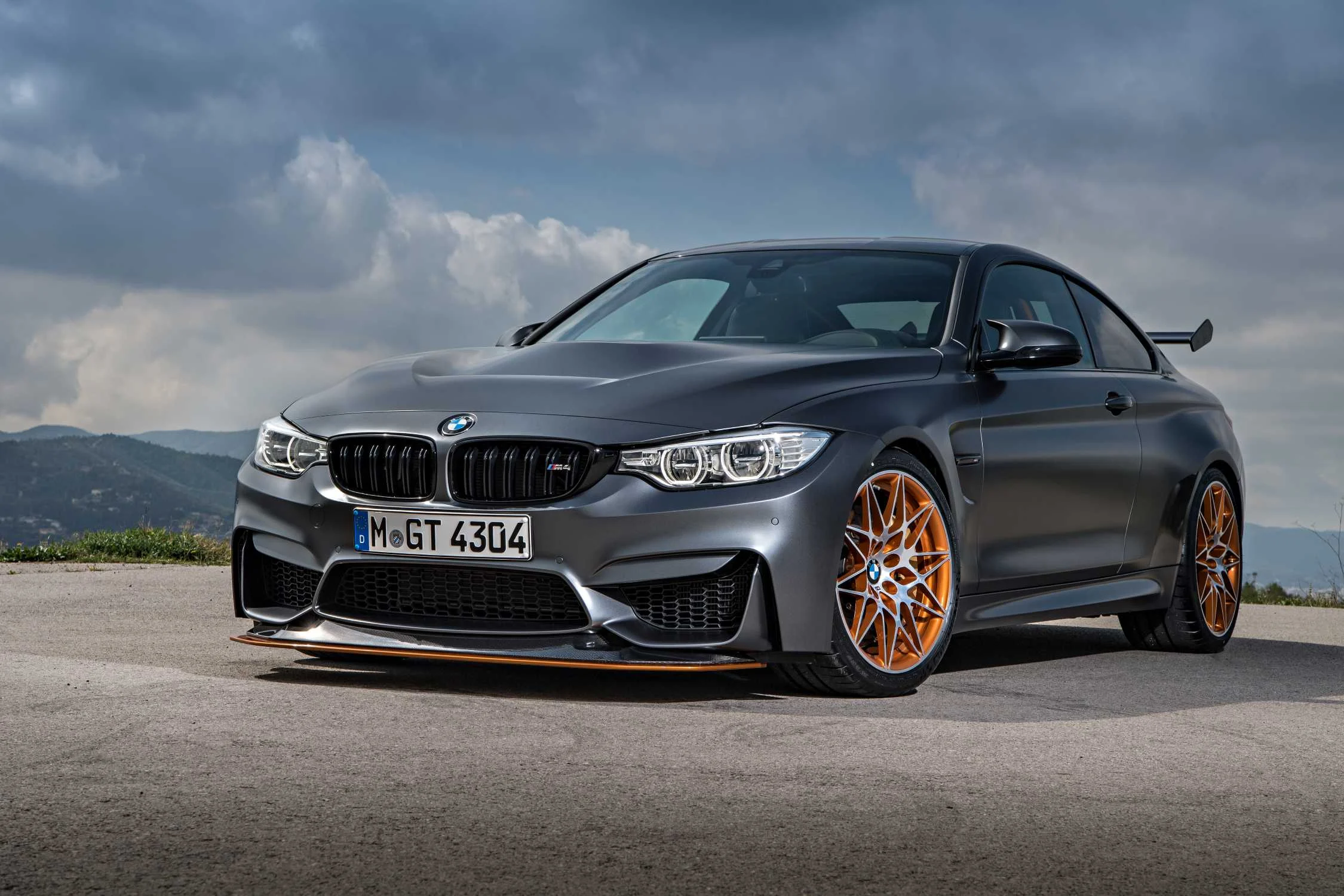
BMW brought water injection back to a showroom car for the first time in two decades, just to beat the Nürburgring clock.
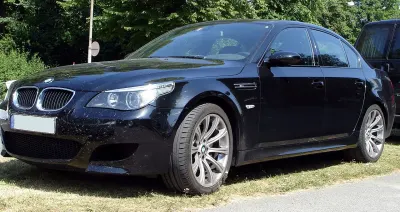
The E60 M5 beat every rival sedan to a milestone nobody else has matched since: it was the world's first production saloon to use a V10 petrol engine.
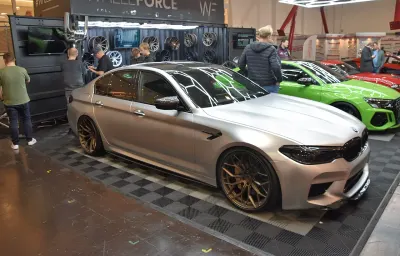
The F90 M5 holds a genuine Guinness World Record: longest continuous vehicle drift, 232 miles on a wet skidpad.
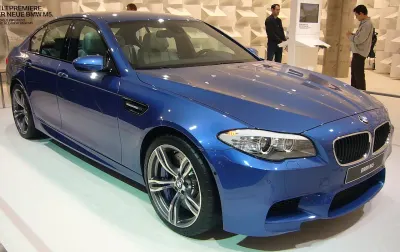
This M5 broke two BMW traditions at once: the first ever with a turbocharged engine, and the first ever with a dual-clutch automatic gearbox.
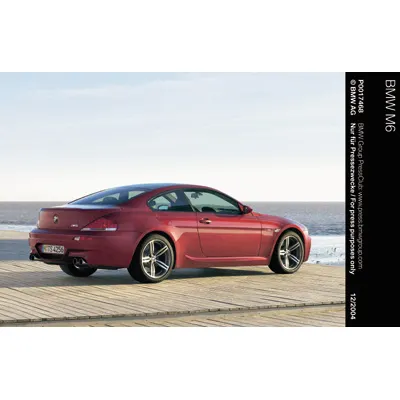
The E63 M6 coupe wore a carbon-fibre roof — a first for any regular-production BMW, a trick last seen on the limited-run E46 M3 CSL.
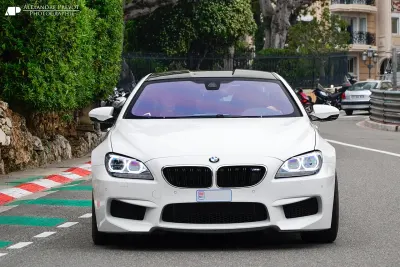
This generation's engine went straight into a race car, the M6 GT3 — and it won outright at the 24 Hours of Spa in its very first season.
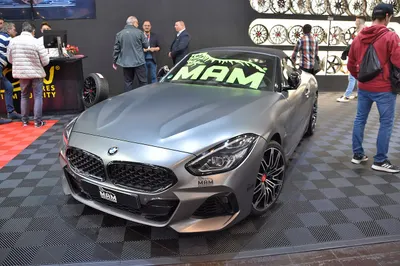
This Z4 has a secret twin wearing a Toyota badge: BMW and Toyota co-developed the platform, and the G29 is built on the very same Austrian line as the Supra.
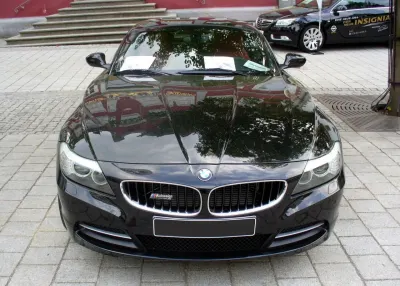
The E89 Z4 was the first Z-series car with a folding hardtop — which meant BMW no longer needed separate roadster and coupe body styles at all.
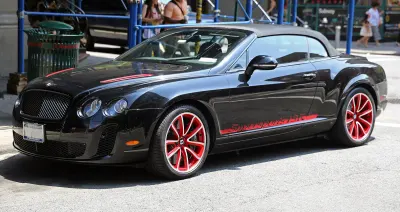
Bentley saved its wildest version for last call: this Continental GT generation sold for seven years before Supersports — its most powerful trim — arrived only in 2017, the final year of production, with just 710 built.
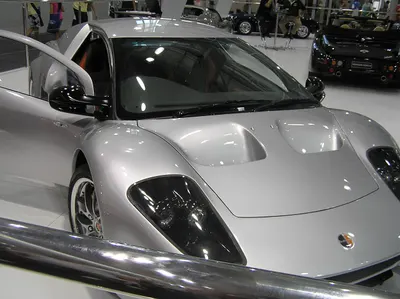
This Australian hand-built supercar borrows an unlikely part bin item: its tail-lights are lifted straight from a 2000s Honda Integra DC5.
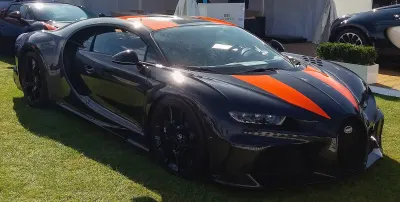
Bugatti's quality control runs so deep that in 2022 it issued a factory recall for exactly one Chiron — over a single loose frame screw on that specific car.
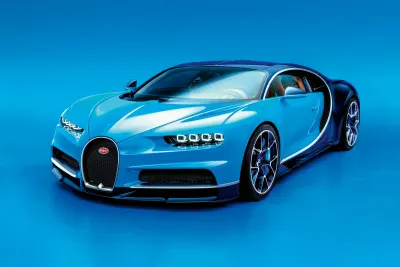
Bugatti capped the Chiron at 420 km/h because it concluded no tyre then made could survive its real top speed.
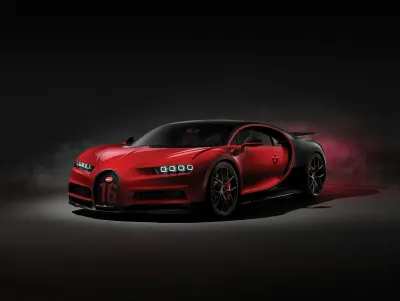
Bugatti's 110th-birthday Chiron Sport carries the French tricolour on its mirrors, fuel cap and the underside of its rear wing.
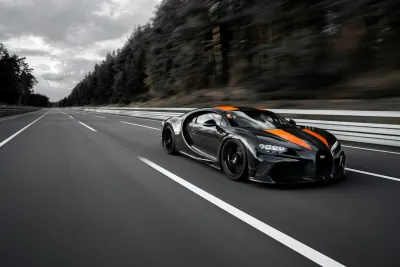
A pre-production Chiron hit 304.773 mph at Ehra-Lessien, then Bugatti sold the production version electronically capped at 273 mph.
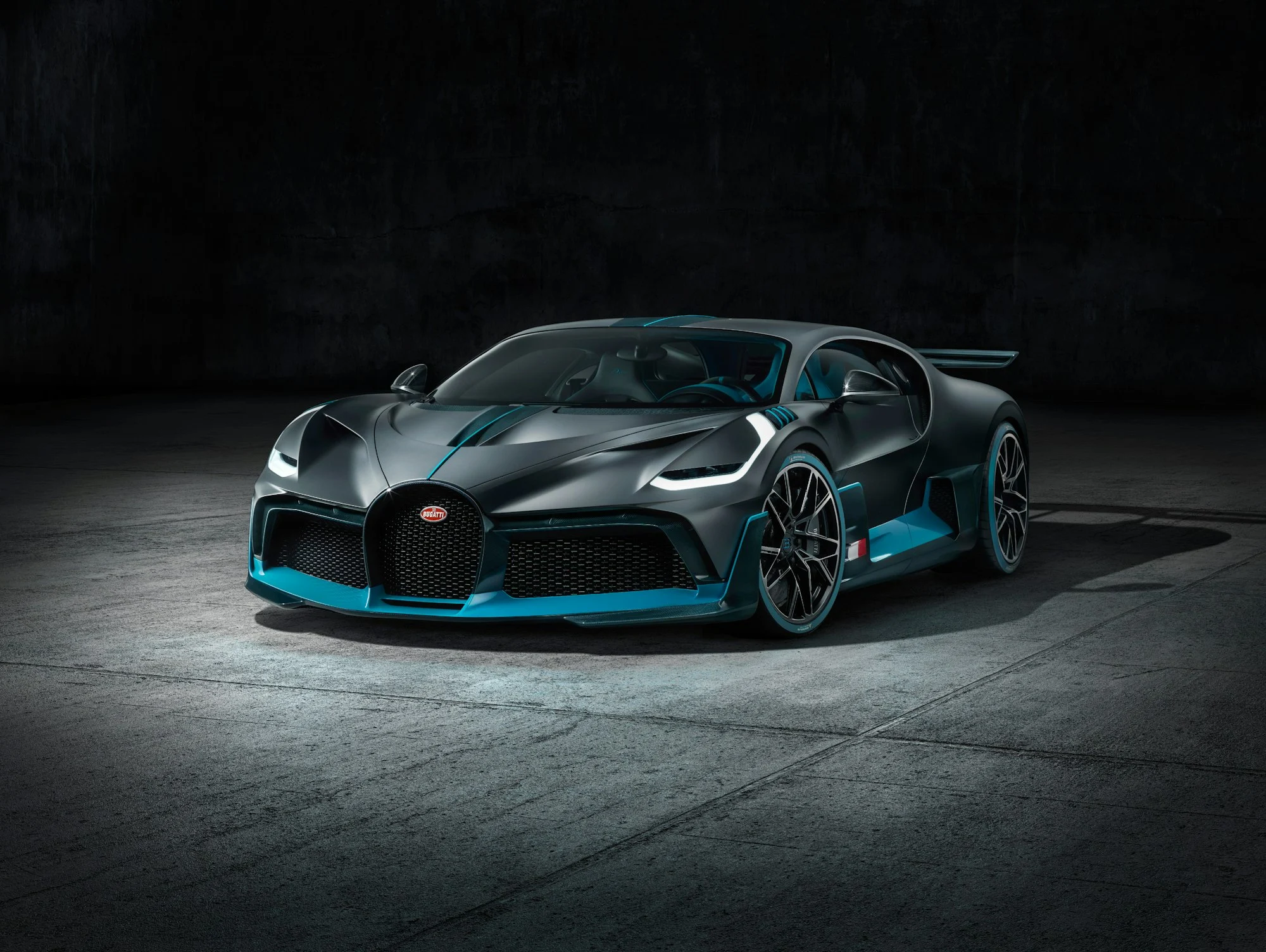
Every Divo was sold before it existed, pre-bought by Chiron owners who already had a faster car in the garage.
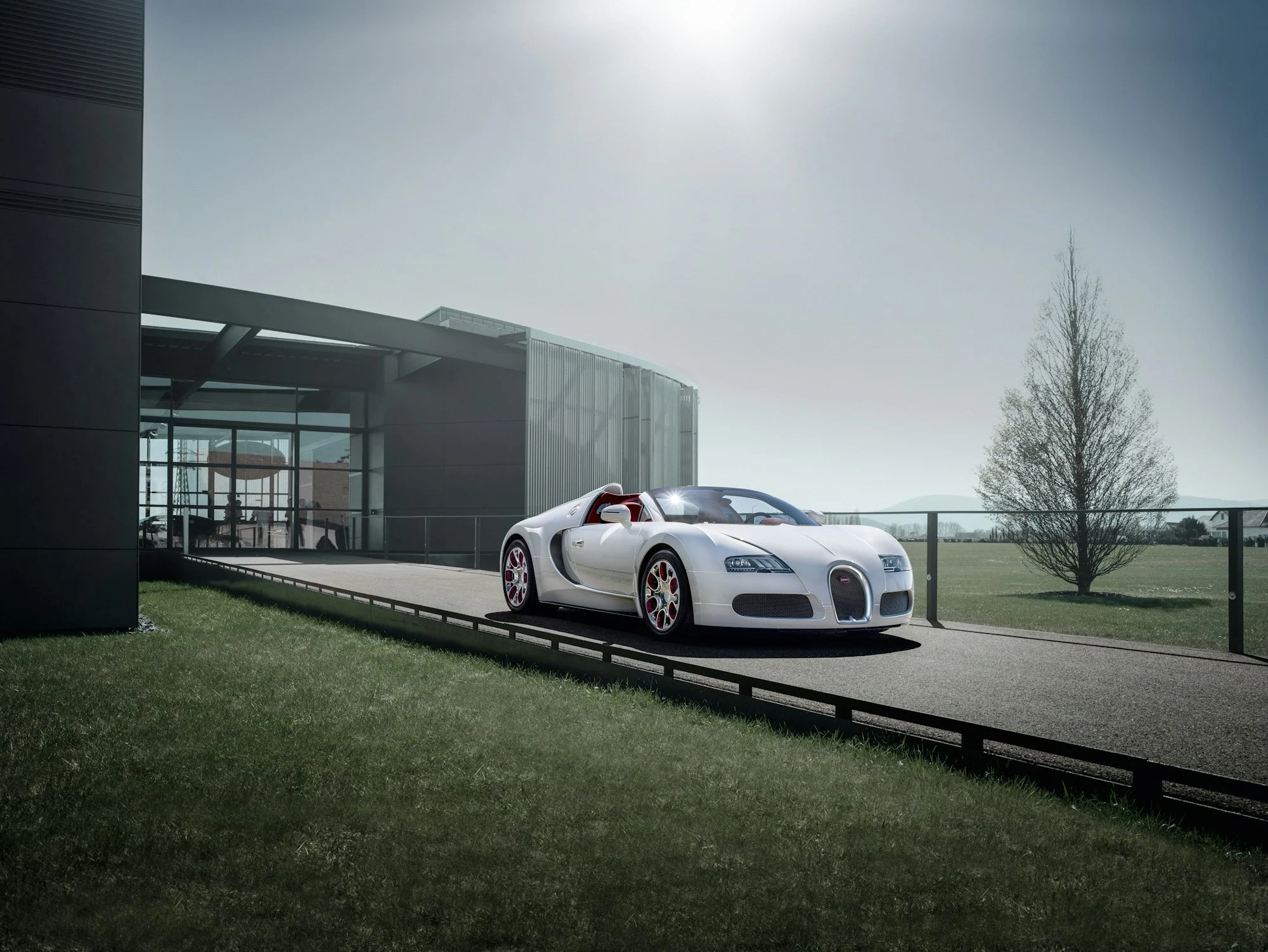
Bugatti shipped the Grand Sport with a spare umbrella as its emergency roof if the main top was left behind.
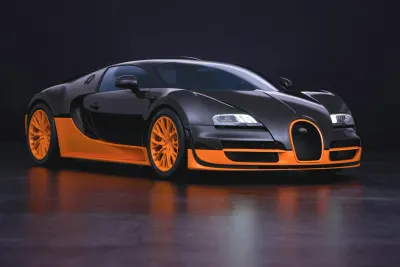
Bugatti built five Super Sports with the speed limiter switched off entirely, the only Veyrons sold without one.
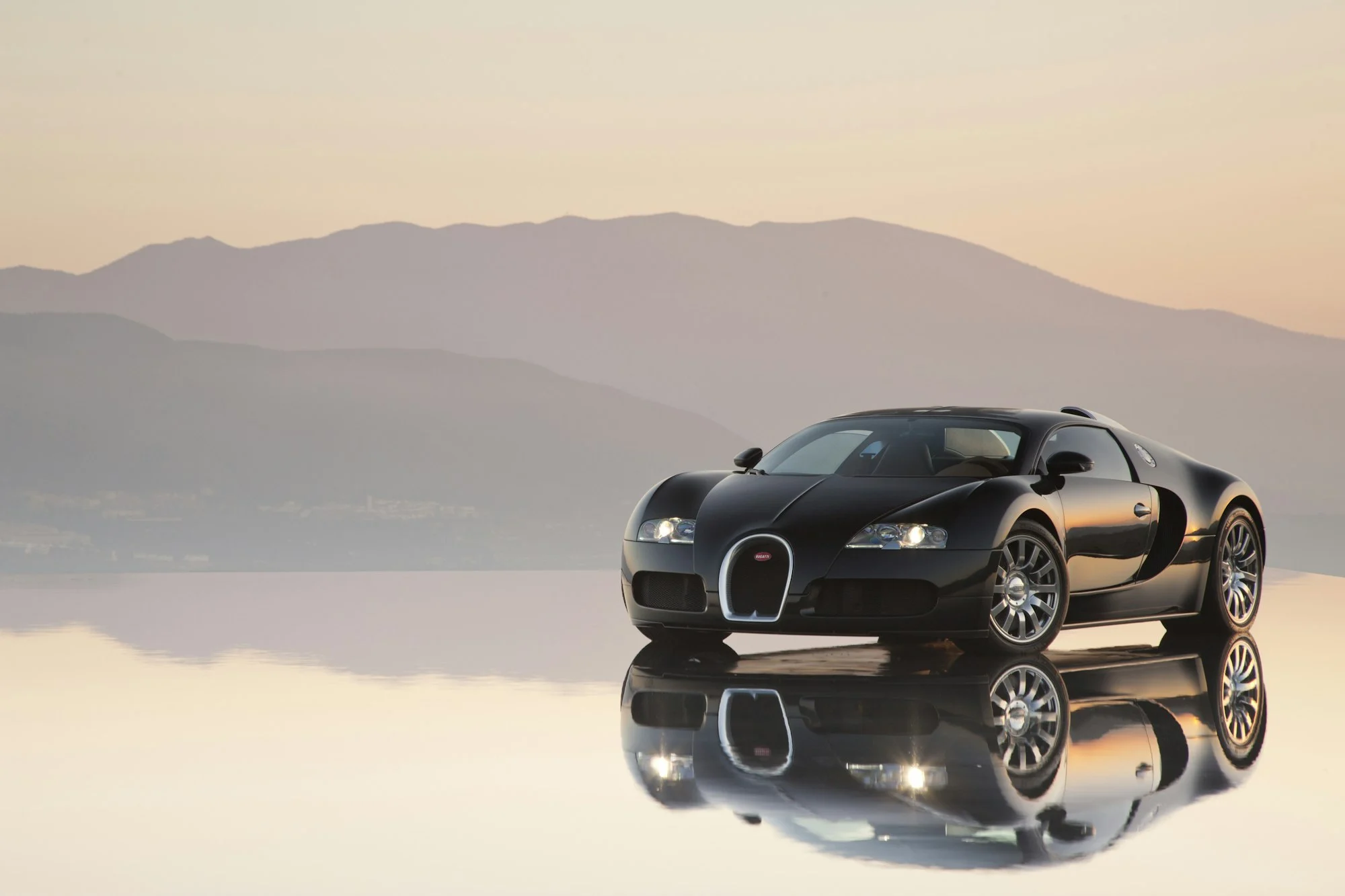
The Veyron's top speed of 253 mph was locked behind a separate key, so the car itself decided when you were allowed to see it.
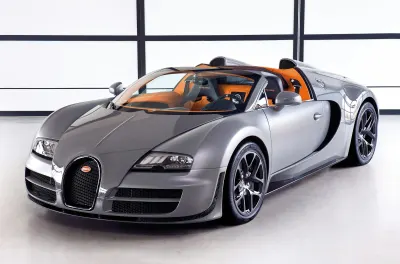
Bugatti cut the roof off its fastest car, then proved the open-top Veyron could still top 254 mph.
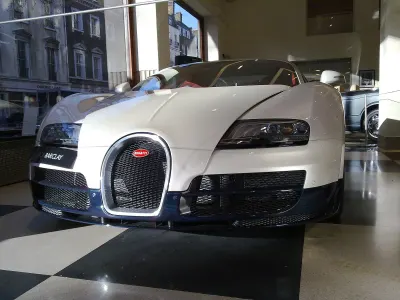
Even tire service is exotic: Veyron wheels can only be fitted with their special Michelins in France, and the job alone costs $70,000.
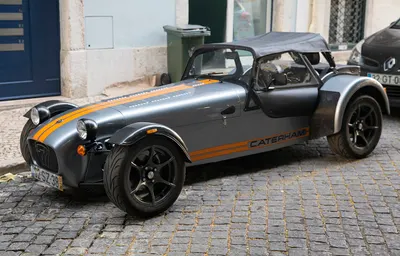
The 620R tops the Seven range with 310 hp from a supercharged 2.0 — enough to hit 60 mph in 2.79 seconds in a car you can still buy as a kit.
Real Sports & performance cards spotted on the street by Burbles collectors. Tap any card to flip it over, inspect the collector’s binder, or follow them.
VerifiedFIRST · WORLDWIDEFIRST PRINTONLY ONE IN VANCOUVERThe M4 GTS used water injection to hit 500 PS — the first production car to use the trick in almost twenty years.
