VerifiedFIRST · WORLDWIDEFIRST PRINTONLY ONE IN VANCOUVERHonda expected about 3 in 10 Prelude buyers to spring for four-wheel steering. In Japan, 8 in 10 did — an option Honda badly underestimated.
Japanese performance, 1985 to 2002.
37 cards

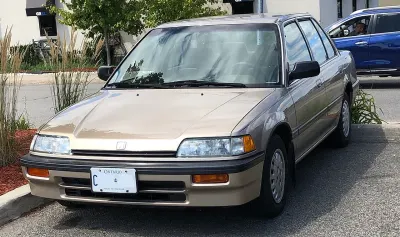
Emperor Akihito's personal car inside the grounds of the Tokyo Imperial Palace was a gray 1.6L Integra sedan — he kept driving it there into his mid-80s.

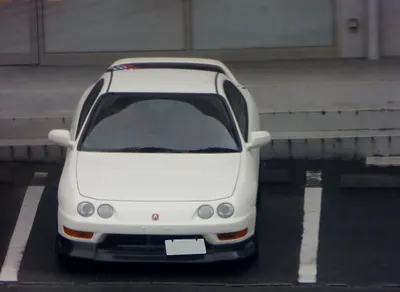
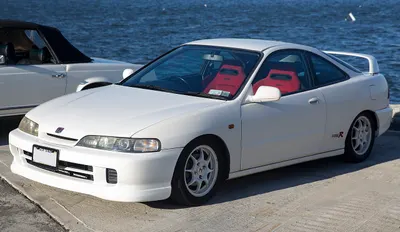
This Integra wasn't just beloved by tuners — it was the most-stolen car in America for years, with a theft-claim rate more than double the second-place Jeep Wrangler.

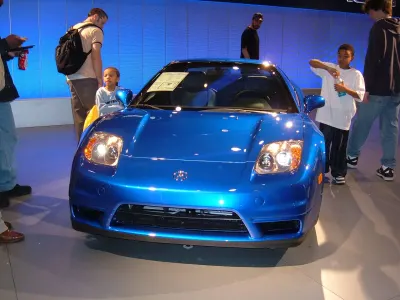
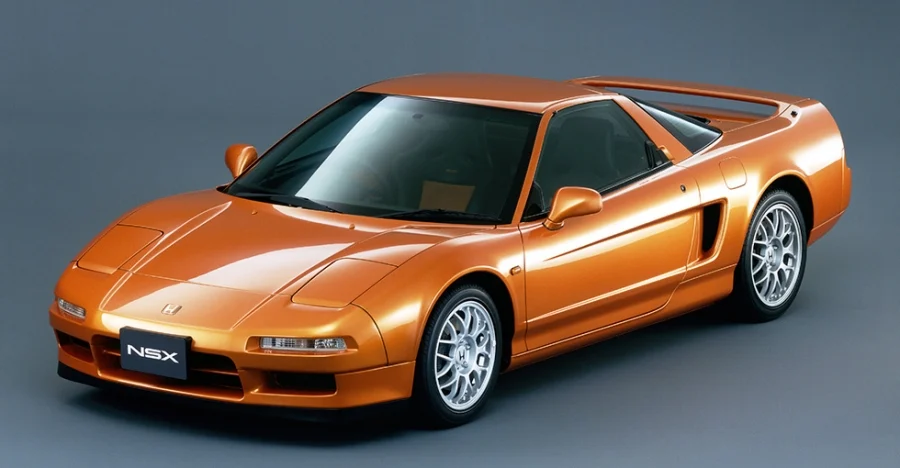
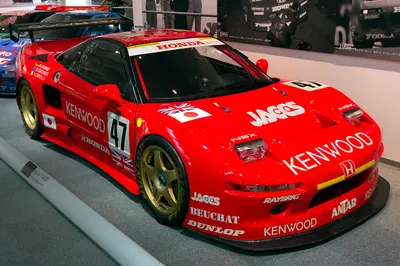
Honda's engineers chased an unlikely muse for the original NSX's cockpit: the view from an F-16 fighter jet shaped the car's low beltline and all-round visibility.

The fuel-sipping Civic VX used an oxygen sensor so sensitive it had two separate measurement cells instead of the usual one — a design good enough that racing teams later adopted the same sensor, one per cylinder, to tune race engines.

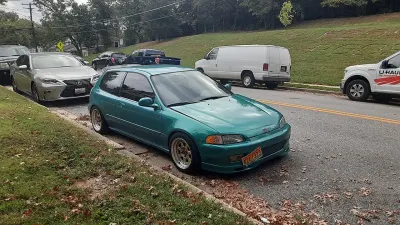
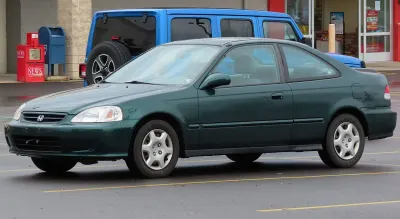
The sixth-gen Civic was the last ever built with front double-wishbone suspension — Honda switched to a simpler MacPherson strut for the next generation and never looked back.

Honda's first VTEC Civic almost didn't handle: the B16A was shoehorned into a chassis engineered for a different engine, shifting weight forward and leaving the SiR with a persistent understeer problem.

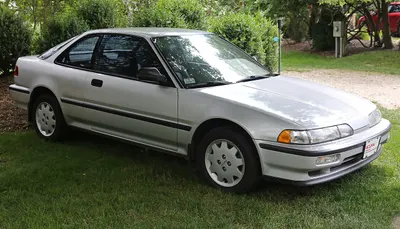
This Integra generation had a reputation problem money couldn't fix: a 2002 study found it racked up 21.7 theft claims per 1,000 cars — more than double the Jeep Wrangler, the next most-stolen vehicle of the era.

The Type S-Zero lapped Suzuka 1.5 seconds quicker than the NSX-R, and Honda built only 30 of them.

Honda stripped the NSX-R down so aggressively — ditching A/C, sound deadening and more — that it shed about 120 kg versus a standard NSX, landing at just 1,230 kg.

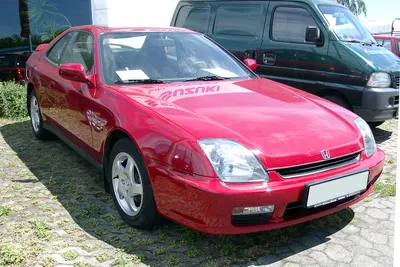
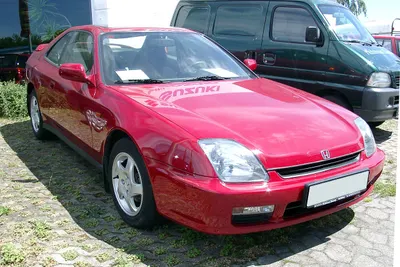
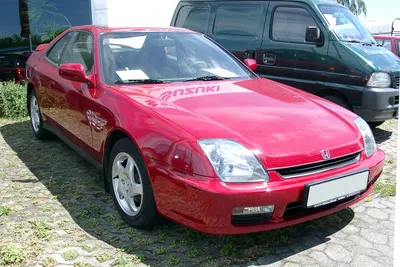
The fourth-gen Prelude got a real motorsport turn: it paced the 1994 Japanese Grand Prix as Formula One's official safety car.

The Type SH's torque-vectoring system could send up to 80% of the engine's power to a single front wheel, spinning it 15% faster than the other to fight understeer.

Honda expected about 3 in 10 Prelude buyers to spring for four-wheel steering. In Japan, 8 in 10 did — an option Honda badly underestimated.

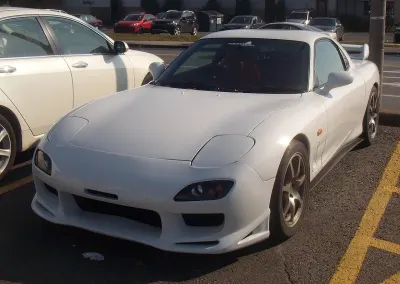
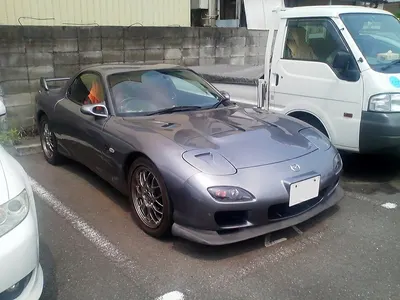
The FD's 13B-REW rotary used sequential twin-turbos -- the first mass-produced car with that setup ever exported from Japan.

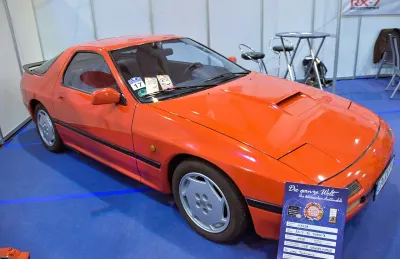
The FC RX-7 convertible introduced the first-ever integral windblocker — a rigid panel that rose behind the seats to cut drafts, letting owners drive top-down far longer into the year.

Mazda built only 1,500 Spirit R units across its three trims, making it the rarest regular-production variant of the FD RX-7.

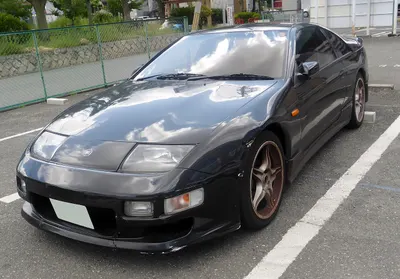
Nissan design chief Toshio Yamashita reportedly kept the Z32's final clay model under wraps from executives until it was nearly finished to prevent committee interference.

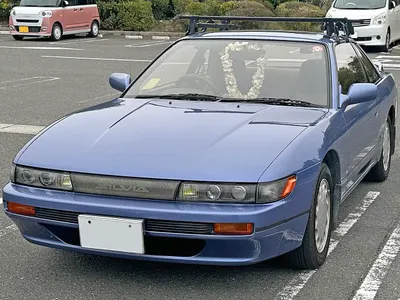
The S13 Silvia packed a head-up display projected onto the windshield — fighter-jet tech on an affordable Japanese coupe back in 1988.

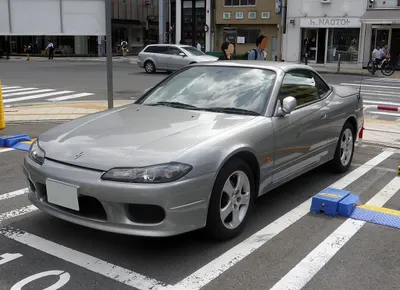
The S15 was deliberately shrunk from its predecessor just to duck Japan's compact-car tax bracket, after the wider S14 had pushed buyers into a higher tax band.

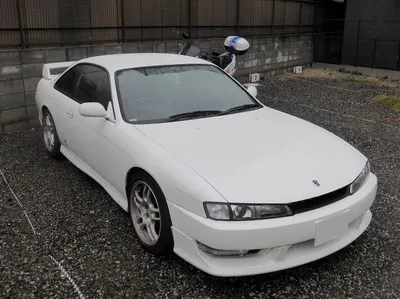
The S14 Silvia grew just wide enough to cross Japan's compact-tax threshold — a few extra millimeters that cost every buyer a bigger road tax bill.

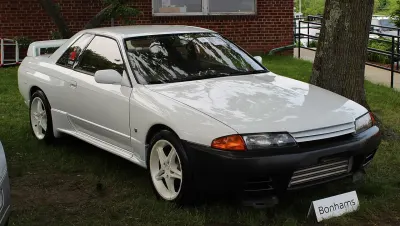
The R32's legendary 'Godzilla' nickname traces to one specific magazine issue — Australia's Wheels, July 1989 — riffing on its monster track dominance.

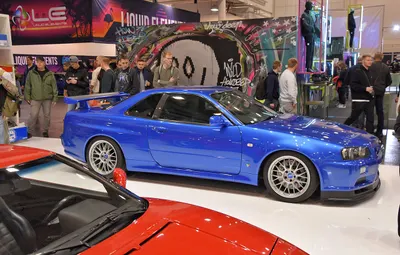
Nissan's official 280 PS figure for the R34 GT-R was a polite fiction — a gentlemen's agreement capped Japanese sports car ratings, and the car actually left the factory with over 330 hp.

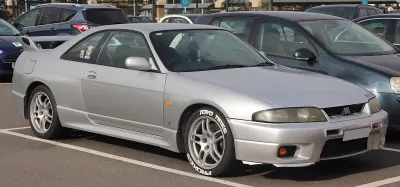
Nissan pulled the R33 GT-R from the 1995 Le Mans-style Nürburgring lap record run, setting a 7:59 time that was later disputed over course differences.

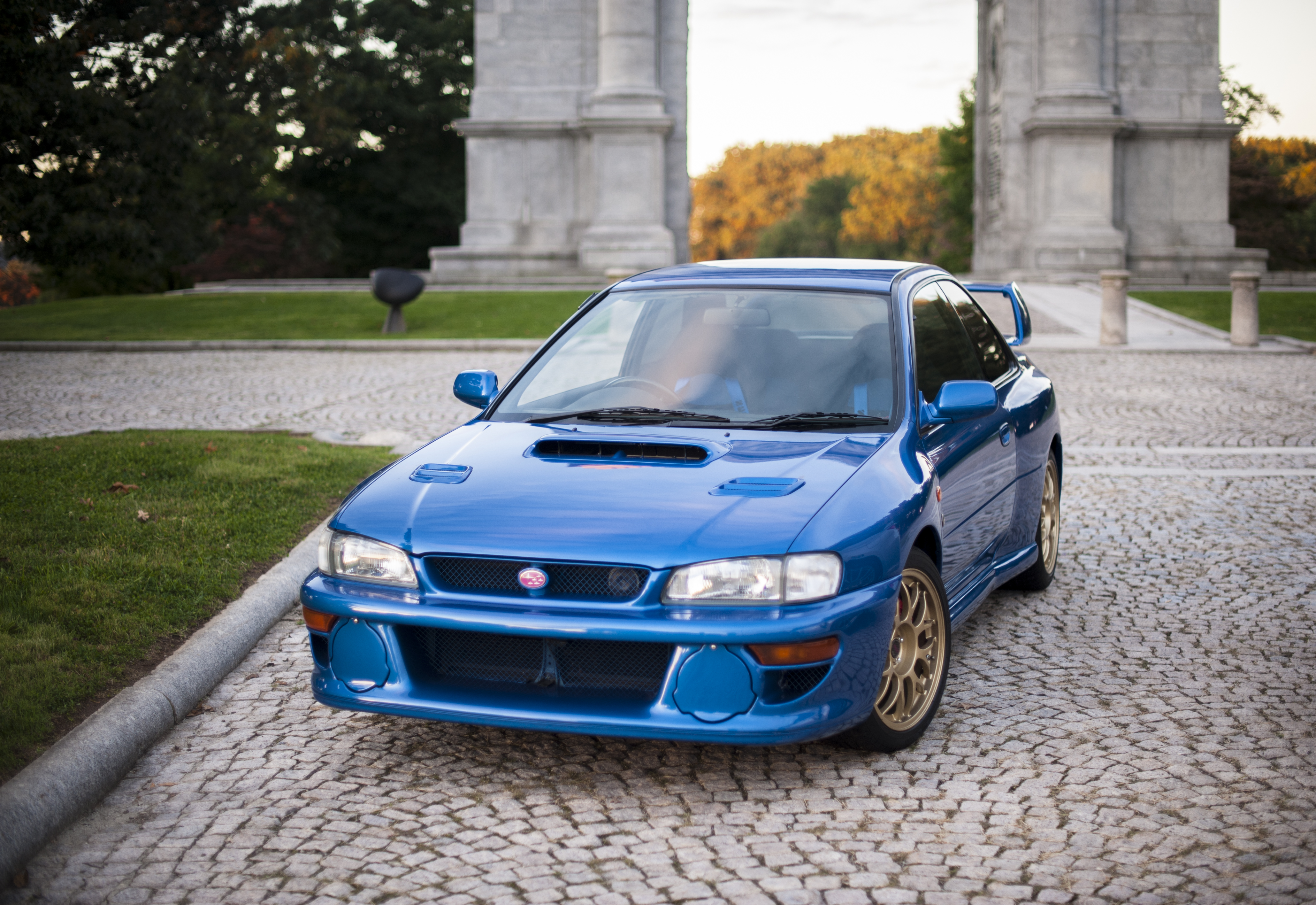
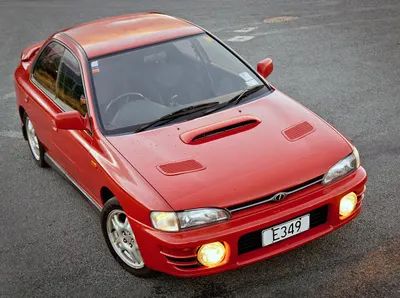
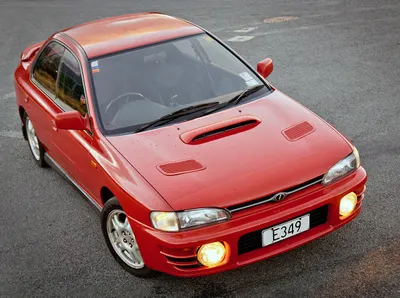
Subaru built just 400 widebody 22B STIs in 1998 to mark its 40th anniversary and third straight WRC title — every one sold out in somewhere between 30 minutes and 48 hours.

Subaru Impreza · Impreza 22B-STi · 1998–1998.

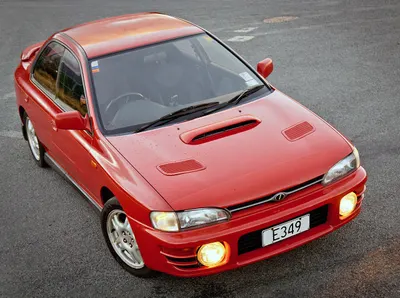
Japan's first-generation WRX never came to North America, kept a gentlemen's-agreement rating of 280 PS on paper while actually making about 300.

All 400 units of the widebody 22B STI, built to mark Subaru's 40th anniversary, sold out within 30 minutes to 48 hours of going on sale in Japan.

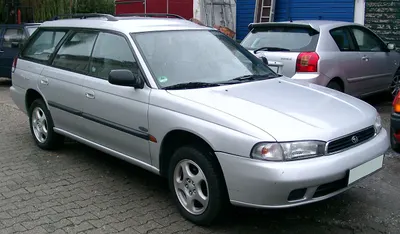
An STi-built Legacy set a 138.78 mph world speed endurance record over 100,000 km at Arizona in January 1989, before the RS Type R even launched.

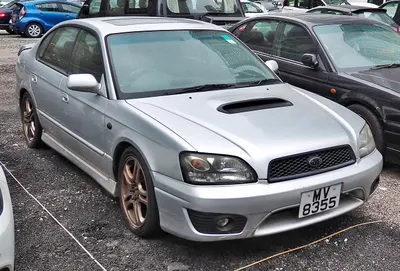
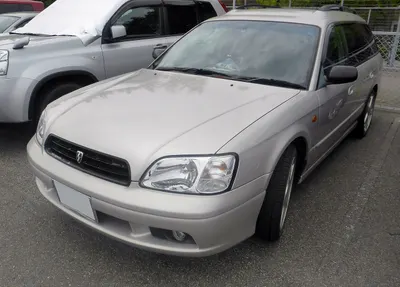
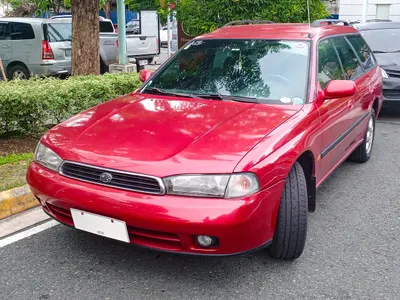
This Legacy generation gave Japan a 276 bhp twin-turbo B4 sedan, taxed lighter at home while Australia detuned it to 98 RON fuel.

Japan-spec twin-turbo Legacy GT wagons offered SportShift — push the auto selector left and it let you shift the automatic gearbox yourself, years before paddle shifters became common.

The GT's sequential twin-turbo only worked right-hand-drive, because the left-side turbo clashed with the brake master cylinder.

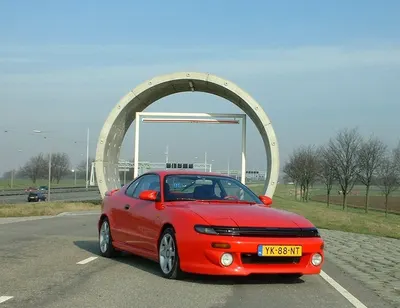
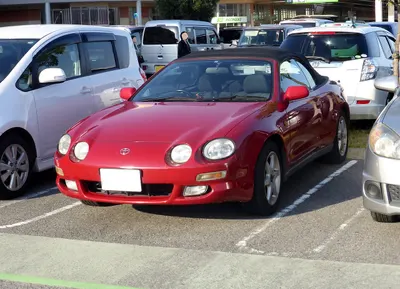
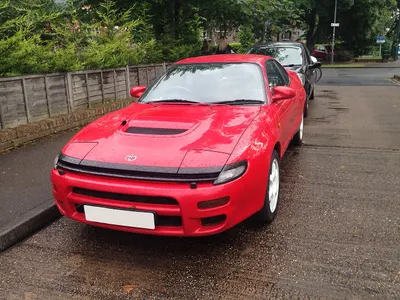
The 1993 All-Trac Turbo wasn't just quick for its era — with its turbocharged 3S-GTE four, it was the most powerful Celica Toyota ever sold in America.

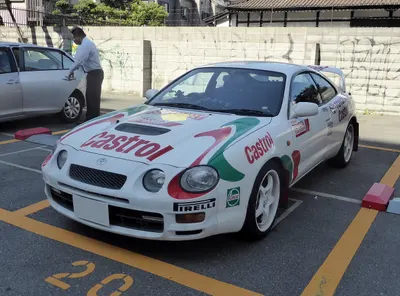
The T200 Celica GT-Four was built to homologate Toyota's World Rally Championship car, and a version of it won the 1995 Rally Australia with driver Didier Auriol.

The ST205 GT-Four's single WRC win in 1995 got Toyota's works team banned from the championship for 12 months after officials found an illegal turbo air restrictor rigged to spring back into place when inspectors checked it.

This Celica GT-Four delivered Toyota's first WRC Drivers' Title — Carlos Sainz took it in 1992, the car's signature rally-winning season.

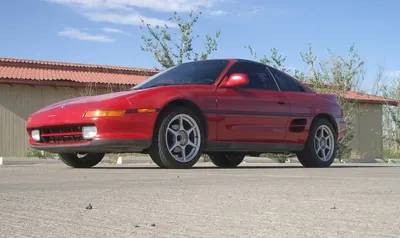
Toyota reworked the W20 MR2's suspension, tires and power steering mid-production after journalists kept reporting the mid-engined car was prone to vicious "snap-oversteer."

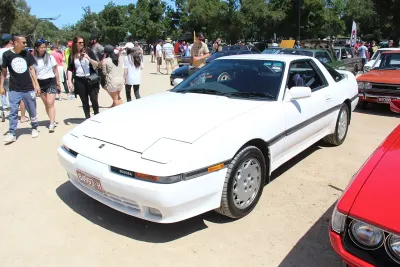
The A70's turbo 7M-GTE ditched the distributor entirely — Toyota's first US-market engine to fire with coil packs sitting right on the cam covers.

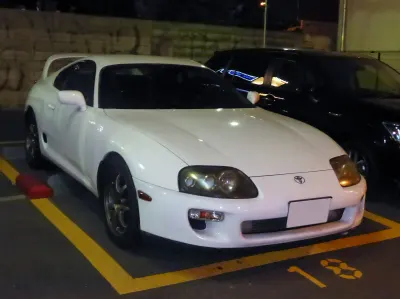
The A80 Supra Turbo held Car and Driver's production-car braking record for seven straight years — a Formula One-inspired ABS system that wasn't beaten until the Porsche Carrera GT arrived in 2004.
Real Golden Era Classics cards spotted on the street by Burbles collectors. Tap any card to flip it over, inspect the collector’s binder, or follow them.
VerifiedFIRST · WORLDWIDEFIRST PRINTONLY ONE IN VANCOUVERHonda expected about 3 in 10 Prelude buyers to spring for four-wheel steering. In Japan, 8 in 10 did — an option Honda badly underestimated.
VerifiedFIRST · WORLDWIDEFIRST PRINTPROHonda's engineers chased an unlikely muse for the original NSX's cockpit: the view from an F-16 fighter jet shaped the car's low beltline and all-round visibility.
VerifiedFIRST PRINTThe fuel-sipping Civic VX used an oxygen sensor so sensitive it had two separate measurement cells instead of the usual one — a design good enough that racing teams later adopted the same sensor, one per cylinder, to tune race engines.
VerifiedFIRST · WORLDWIDEFIRST PRINTPROThe fuel-sipping Civic VX used an oxygen sensor so sensitive it had two separate measurement cells instead of the usual one — a design good enough that racing teams later adopted the same sensor, one per cylinder, to tune race engines.
VerifiedFIRST PRINTNIGHTPROThe Type SH's torque-vectoring system could send up to 80% of the engine's power to a single front wheel, spinning it 15% faster than the other to fight understeer.
VerifiedFIRST · WORLDWIDEFIRST PRINTNIGHTThe Type SH's torque-vectoring system could send up to 80% of the engine's power to a single front wheel, spinning it 15% faster than the other to fight understeer.