An STi-built Legacy set a 138.78 mph world speed endurance record over 100,000 km at Arizona in January 1989, before the RS Type R even launched.
Median 133 hp across 369 similar cars
Lead trim: 1.8 L SOHC (Japan, 102 PS) · up to 217 hp
Subaru Legacy BC/BJ/BF first generationBC/BJ/BF · 1989–1994
- 0spots by members
- Unclaimednobody has spotted one yet
- 0sets it belongs to
Nobody in Burbles has spotted a Subaru Legacy BC/BJ/BF first generation yet. See one on the street, point the app at it, and the first card is yours — with your @handle permanently credited on this page.
FactAn STi-built Legacy set a 138.78 mph world speed endurance record over 100,000 km at Arizona in January 1989, before the RS Type R even launched.
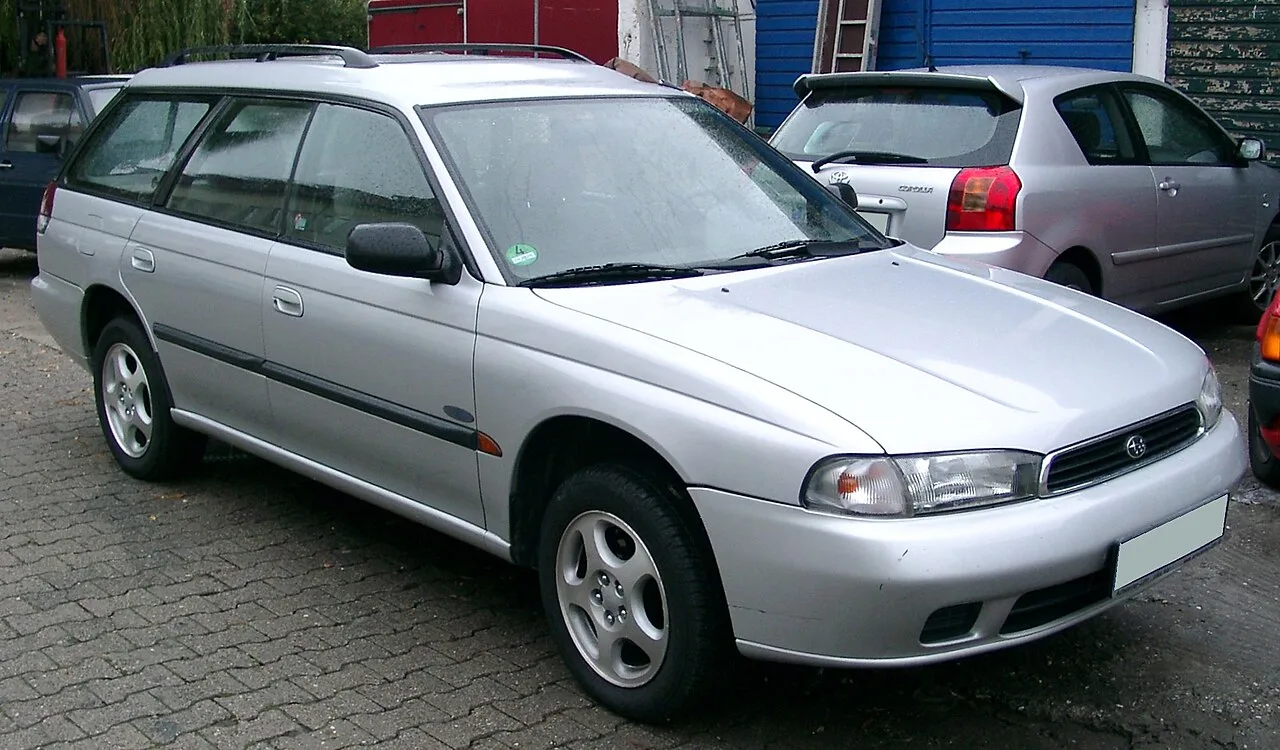
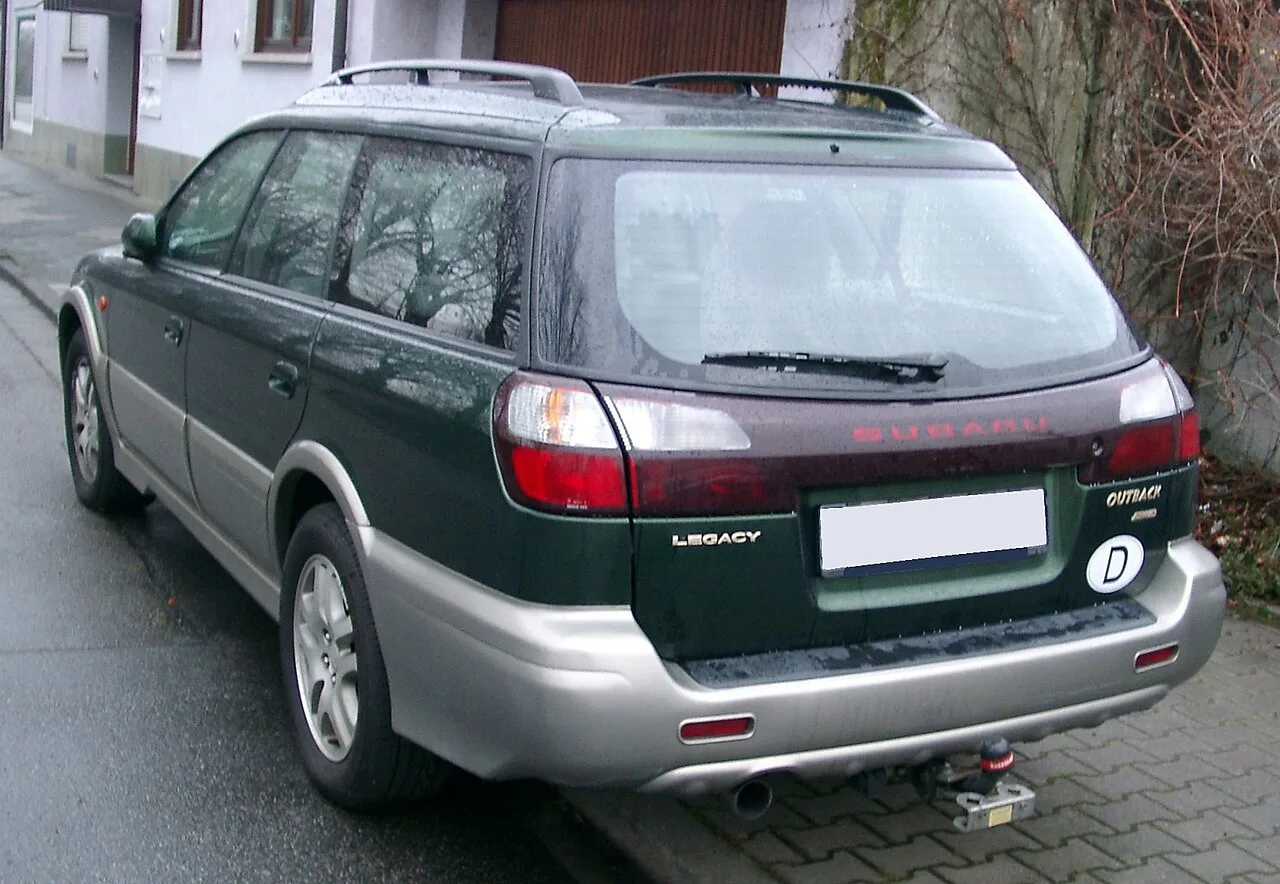
An all-new mid-size sedan and wagon (Liberty in Australia) designed by Kiyoshi Sugimoto (1987), introduced worldwide in 1989 and a notable break from Subaru's quirky past: the EJ flat-four (developed for the car) with five main bearings, four-wheel independent suspension with MacPherson struts and all-wheel disc brakes, and no spare tyre in the engine bay, a Subaru tradition since the 1966 Subaru 1000. It came as a four-door pillarless hardtop sedan and five-door wagon, front-drive with optional full-time AWD, and in Japan the "Touring Wagon" had an extended roof. The RS turbo used the EJ20G, later shared with the Impreza WRX; the RS Type R and the STi-built Type RA (about 700 made) followed a January 1989 STi world speed endurance record at Arizona (138.78 mph over 100,000 km in 18 days). Japan-only extended-roof GT wagons and the US 1991 Sport Sedan and 1992 LE Touring Wagon turbo were built on the same platform.
Collectors Spotted in the Subaru Legacy Lineage
No member has published a public street spot of the Subaru Legacy yet — the First · Worldwide stamp is wide open.
Trims & Figures
6 published trims in the catalogue. A blank is a figure not recorded, not zero.
| Trim | Years | Engine | Power | Torque | 0–60 | Drive | Gearbox | MSRP |
|---|---|---|---|---|---|---|---|---|
| 1.8 L SOHC (Japan, 102 PS) | 1989–1994 | 1.8 L Flat-4 | 101 hp | — | — | — | — | — |
| 2.0 L DOHC (Japan VZ/TZ, 150 PS) | 1989–1994 | 2.0 L Flat-4 | 148 hp | 127 lb-ft | — | — | — | — |
| EJ22 2.2 L SOHC (US/Europe, 135 bhp) | 1989–1994 | 2.2 L Flat-4 | 135 hp | 137 lb-ft | — | — | — | — |
| EJ22T 2.2 L SOHC turbo (US/Canada, 163 bhp, from 1991) | 1991–1994 | 2.2 L Flat-4 | 163 hp | 181 lb-ft | — | — | — | — |
| GT 2.0 L DOHC turbo (Japan, 200 PS, from 1990) | 1990–1994 | 2.0 L Flat-4 | 197 hp | 192 lb-ft | — | — | — | — |
| RS EJ20G 2.0 L DOHC turbo (Japan, 220 PS) | 1989–1994 | 2.0 L Flat-4 | 217 hp | 199 lb-ft | — | — | manual | — |
Owning one
An estimate, for the 1.8 L SOHC (Japan, 102 PS) trim: fuel on its EPA figure and a dated national price, upkeep on a per-mile average for the kind of car it is.
Owners’ builds
Nobody has claimed one yet.
Photographs
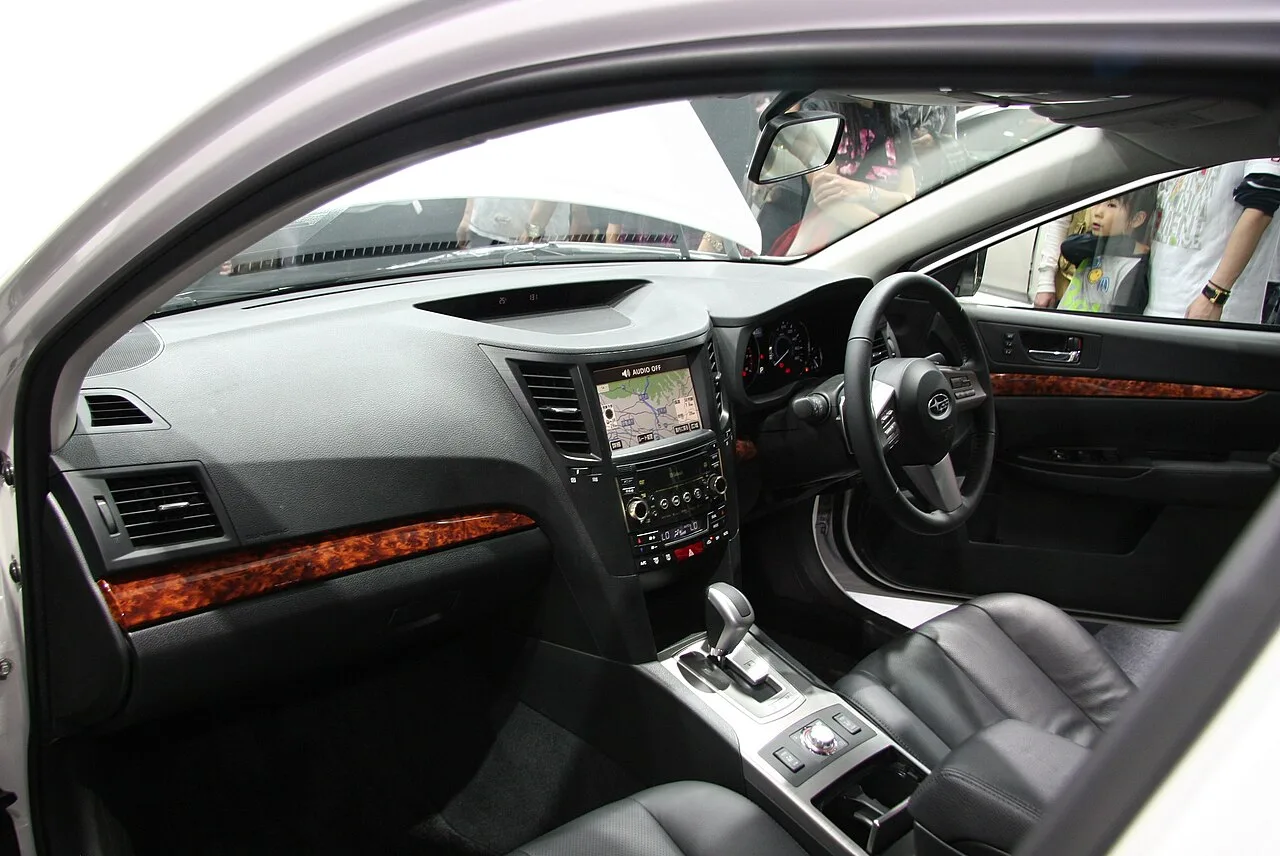
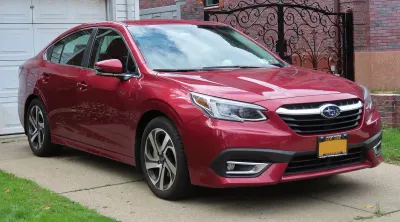
This Legacy can tell when you're nodding off: an optional facial-recognition camera system watches the driver and warns them if it detects distraction or fatigue.
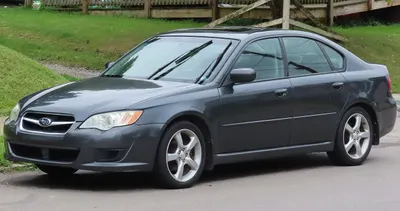
This Legacy STI's number IS the car: Subaru's S402 special edition, built only for Japan, was limited to exactly 402 units — and that count is where its name came from.
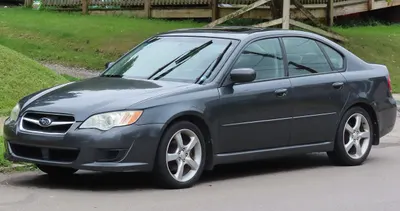
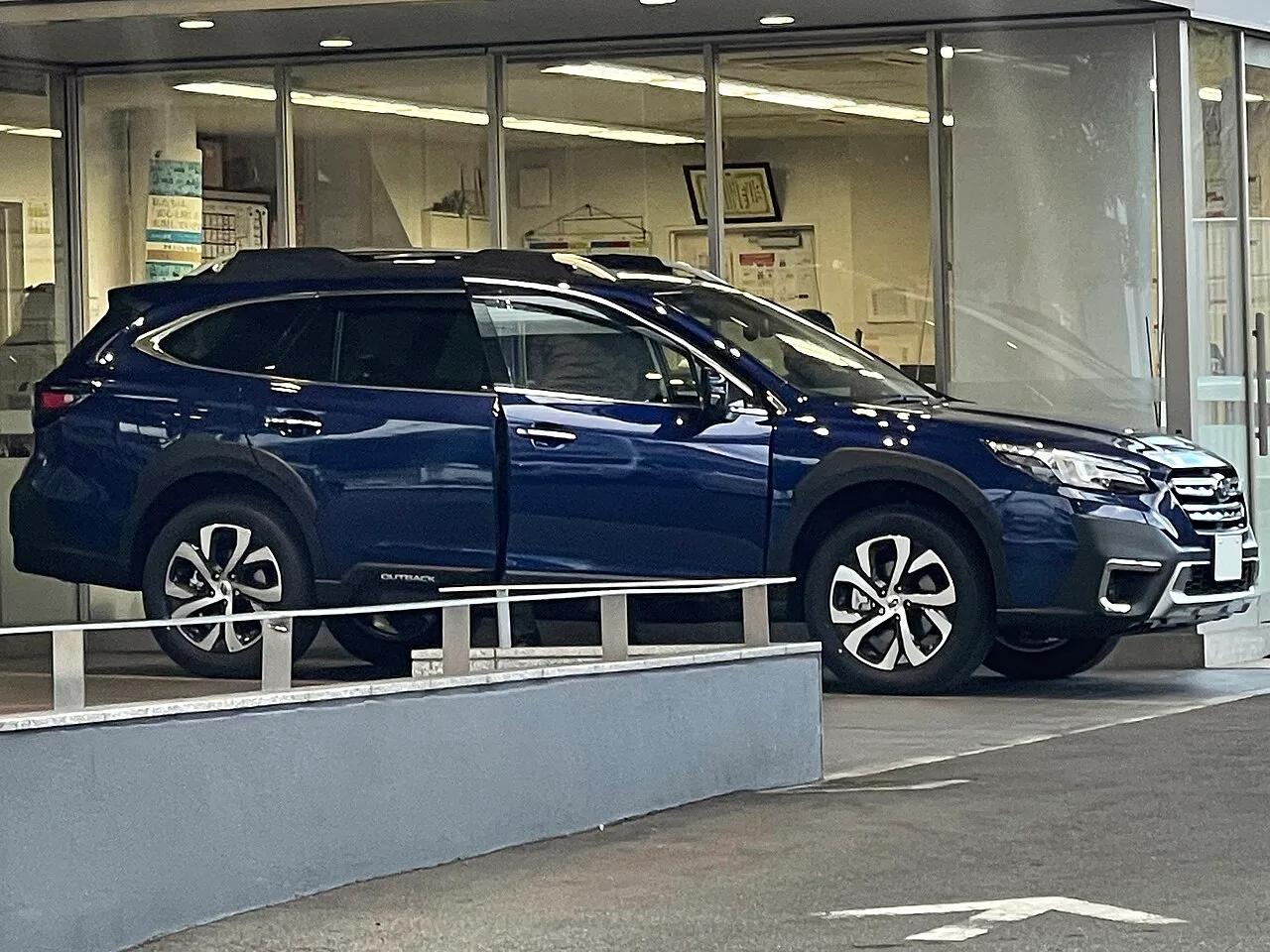
This Legacy beat out the Toyota Prius and Mazda RX-8 to win Japan Car of the Year — Subaru's first-ever win of that award, against two of the era's most celebrated cars.
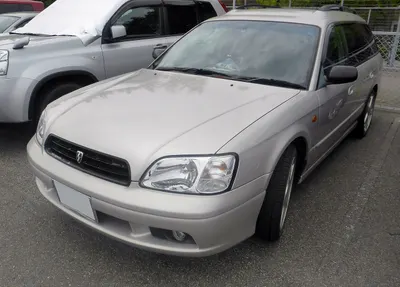
Japan-spec twin-turbo Legacy GT wagons offered SportShift — push the auto selector left and it let you shift the automatic gearbox yourself, years before paddle shifters became common.
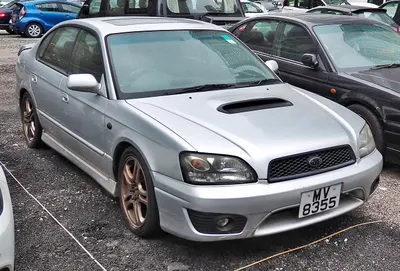
This Legacy generation gave Japan a 276 bhp twin-turbo B4 sedan, taxed lighter at home while Australia detuned it to 98 RON fuel.
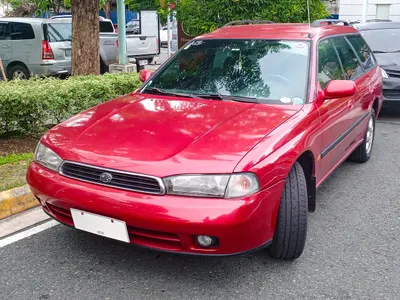
The GT's sequential twin-turbo only worked right-hand-drive, because the left-side turbo clashed with the brake master cylinder.
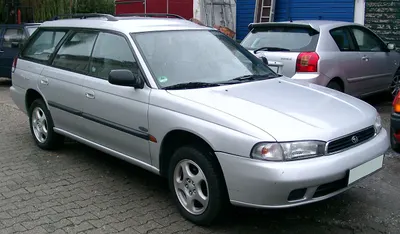
An STi-built Legacy set a 138.78 mph world speed endurance record over 100,000 km at Arizona in January 1989, before the RS Type R even launched.
Rivals
Same body, same money, other badges — tap any card to flip.

It briefly served as senior sibling to Marquette, a GM companion brand cancelled after just one year.

Nissan hired former BMW engineers to help develop the 510's suspension, which is why period reviewers frequently compared its handling to the BMW 1600/2002.

A Trabant 601 won its class at the 1970 Monte Carlo Rally, with a second 601 right behind it in second.

The 600 was a stopgap: the P50's body over the 601's mechanicals, and for a while its estate was built alongside the new 601 saloon.

The G80 Sport brought a 370 PS twin-turbo 3.3 V6, a mesh grille and copper-tinted chrome with copper stitching to match.

The Vigor was sold only with a five-cylinder engine, an unusual configuration Honda used to fit a longer engine transversely under a short hood.

The GS/E coupe earned the nickname "German Charger" for its long hood, short deck stance borrowed from Detroit muscle cars.

This DeVille/Fleetwood was the first production car anywhere to mount its V8 sideways, Cadillac's front-drive gamble on the new C-body.