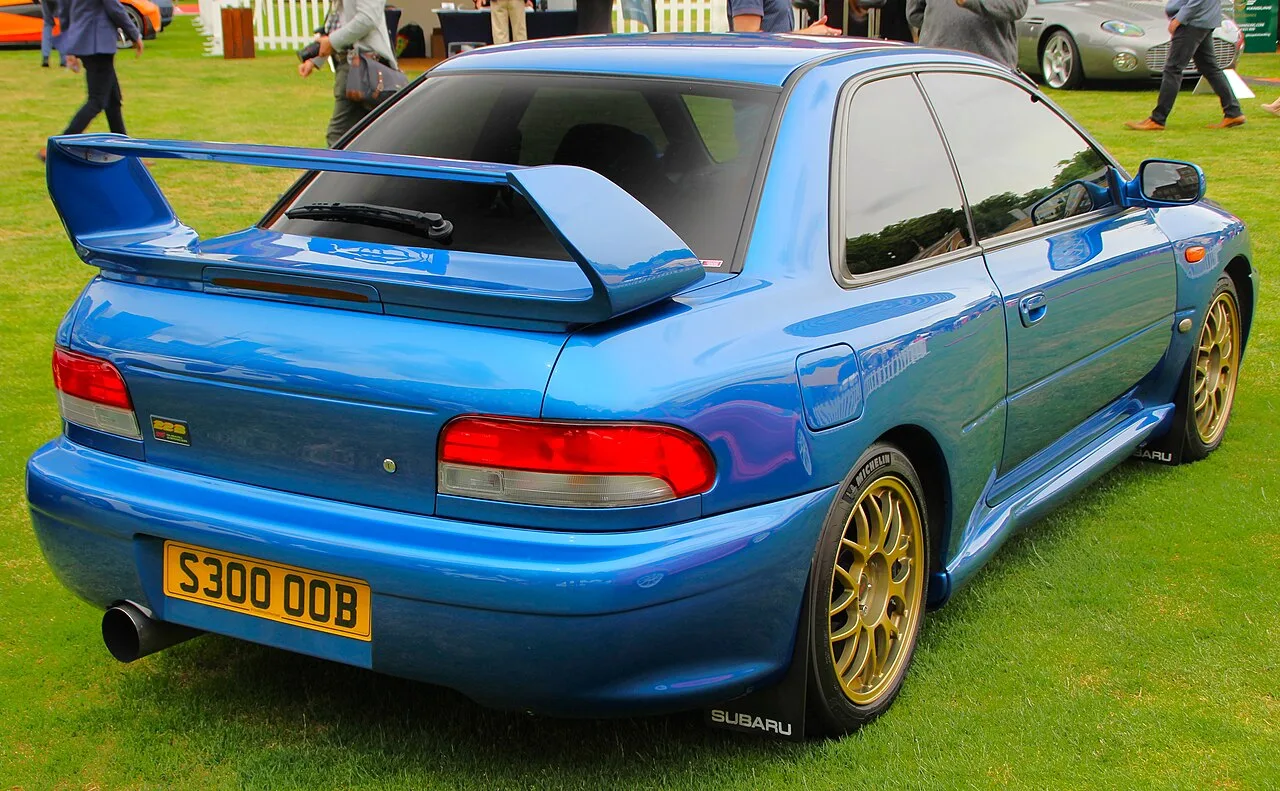
All 400 units of the widebody 22B STI, built to mark Subaru's 40th anniversary, sold out within 30 minutes to 48 hours of going on sale in Japan.
Median 158 hp across 508 similar cars
Lead trim: Impreza GT / Turbo 2000 (Europe, 208 hp, 1992–93) · up to 300 hp
Subaru Impreza WRX / WRX STI GC8GC8A-G · 1992–2000
- 0spots by members
- Unclaimednobody has spotted one yet
- 0sets it belongs to
Nobody in Burbles has spotted a Subaru Impreza WRX / WRX STI GC8 yet. See one on the street, point the app at it, and the first card is yours — with your @handle permanently credited on this page.
FactAll 400 units of the widebody 22B STI, built to mark Subaru's 40th anniversary, sold out within 30 minutes to 48 hours of going on sale in Japan.
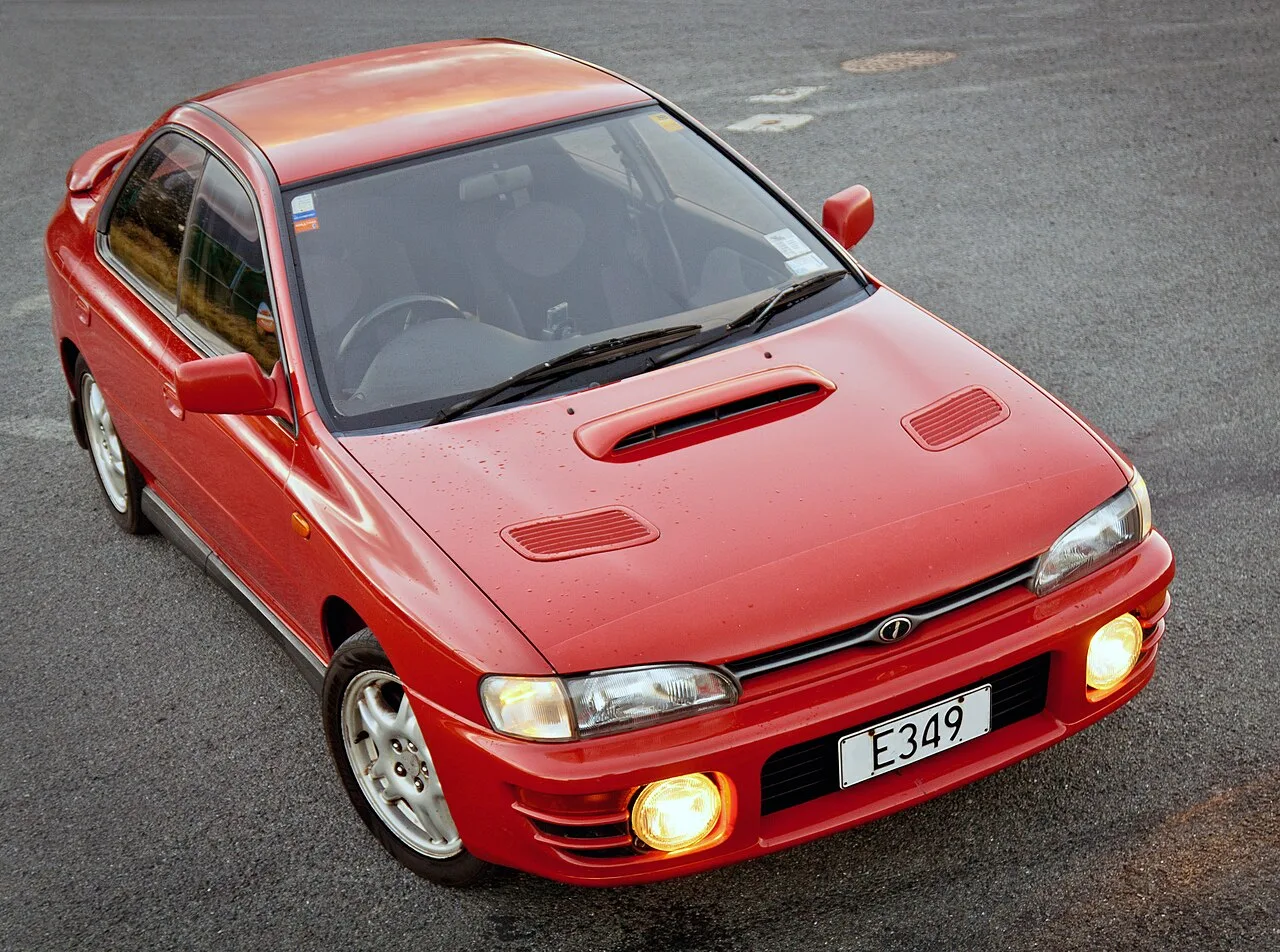
The turbocharged, all-wheel-drive WRX ("World Rally eXperimental") of the first-generation Impreza, debuting in Japan in November 1992 with 240 PS and built through six versions to September 2000: GC8A (1992–93), B (1993–94, when the wagon and the first STi-badged Impreza, "Version I", arrived), C (1994–96), D (September 1996, with the coupé Type R), E, F (the "Boxer Phase 2" engine) and G. Subaru Tecnica International versions were sold only in Japan and, with the WRX Type RA stripped for competition (DCCD centre differential, close-ratio gearbox, intercooler water spray), were homologated for rallying. The output was under-reported at the gentlemen's agreement limit of 280 PS from Version III, though the page says it actually developed about 300 hp. In Europe the WRX was the Impreza GT, and in the UK the Turbo 2000, with limited runs by Prodrive such as the Series McRae (200), Catalunya (200), Terzo (333), RB5 (444) and P1 (1,000). Special editions include the 22B STI (a separate entry in this catalogue) and the 2000 S201 (300 built).
Collectors Spotted in the Subaru Impreza Lineage
No member has published a public street spot of the Subaru Impreza yet — the First · Worldwide stamp is wide open.
Trims & Figures
11 published trims in the catalogue. A blank is a figure not recorded, not zero.
| Trim | Years | Engine | Power | Torque | 0–60 | Drive | Gearbox | MSRP |
|---|---|---|---|---|---|---|---|---|
| GT Phase 2 (Europe, 215 bhp, Version VI) | 1999–2000 | 2.0 L Flat-4 | 215 hp | 214 lb-ft | — | AWD | — | — |
| Impreza GT / Turbo 2000 (Europe, 208 hp, 1992–93) | 1992–1993 | 2.0 L Flat-4 | 208 hp | 214 lb-ft | — | AWD | — | — |
| P1 (UK, 276 bhp, 1,000 built) | 2000–2000 | 2.0 L Flat-4 | 276 hp | 253 lb-ft | — | AWD | — | — |
| WRX / WRX STi GC8D–G (280 PS, 1996–2000) | 1996–2000 | 2.0 L Flat-4 | 276 hp | 260 lb-ft | — | AWD | — | — |
| WRX GC8A EJ20G turbo (Japan, 240 PS, 1992–93) | 1992–1993 | 2.0 L Flat-4 | 237 hp | 224 lb-ft | — | AWD | — | — |
| WRX GC8C (260 PS, 1994–96) | 1994–1996 | 2.0 L Flat-4 | 256 hp | 228 lb-ft | — | AWD | — | — |
| WRX STI S201 (305 PS, 2000, 300 built) | 2000–2000 | 2.0 L Flat-4 | 300 hp | 260 lb-ft | — | AWD | — | — |
| WRX STi Type RA Version I (275 PS, 1994) | 1994–1994 | 2.0 L Flat-4 | 271 hp | 235 lb-ft | — | AWD | — | — |
| WRX STi Version I (250 PS, 1994) | 1994–1994 | 2.0 L Flat-4 | 247 hp | 228 lb-ft | — | AWD | — | — |
| WRX STi Version II (275 PS, 1994–96) | 1994–1996 | 2.0 L Flat-4 | 271 hp | 235 lb-ft | — | AWD | — | — |
| WRX Wagon GC8B (220 PS, from October 1993) | 1993–1994 | 2.0 L Flat-4 | 217 hp | 207 lb-ft | — | AWD | — | — |
Owning one
We don’t estimate running costs for a car like this. What it costs depends on its condition, its specialist and how it is driven, and an average would mislead.
Owners’ builds
Nobody has claimed one yet.
Photographs
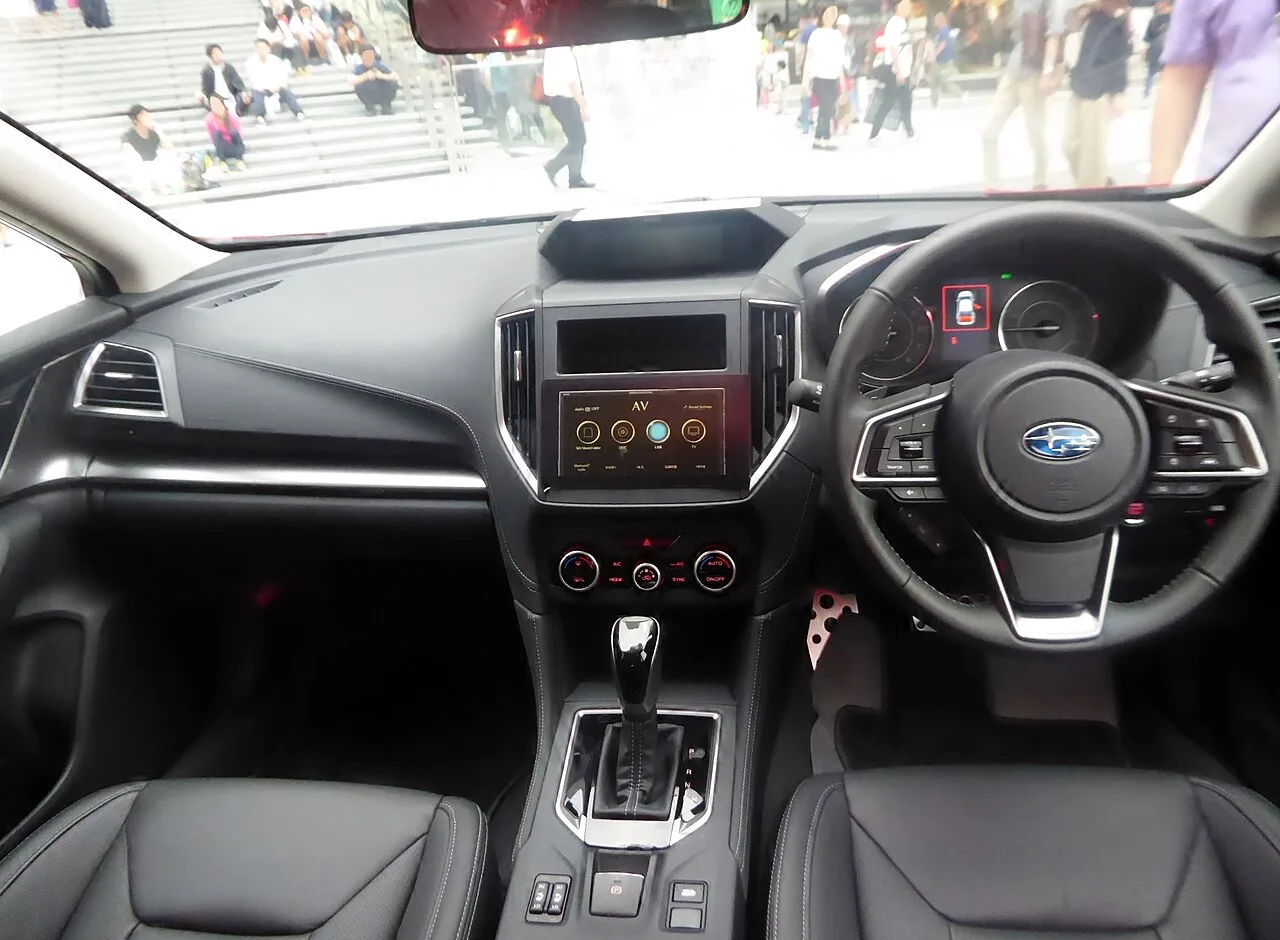
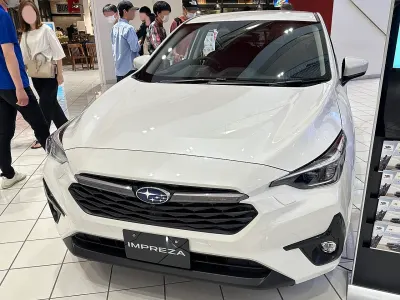
This Impreza generation dropped two things enthusiasts took for granted at once: the sedan body style is gone, and so is the manual transmission — hatchback and CVT only now.
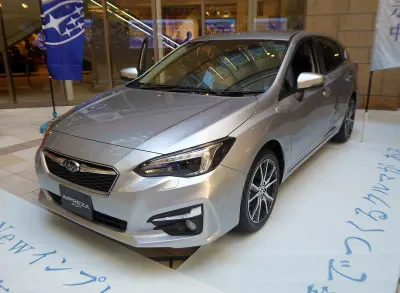
The fifth-gen Impreza quietly made history: it was the first car from any Japanese automaker to put a pedestrian-protection airbag on the standard equipment list.
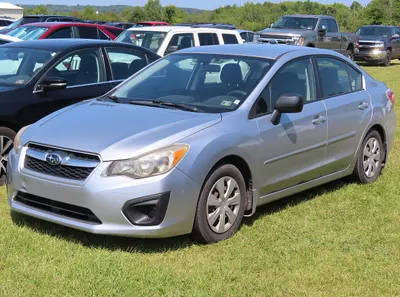
Japan gets a smaller 1.6 liter engine here purely to slot under a road tax threshold, not for performance.
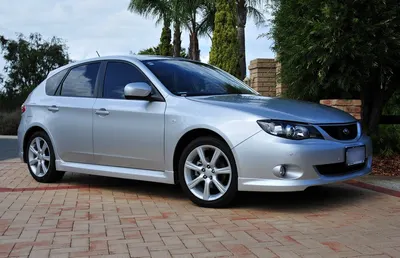
This Impreza broke Japanese exterior-dimension rules for the first time, the wide-body GR/GV needing 55 mm more girth.
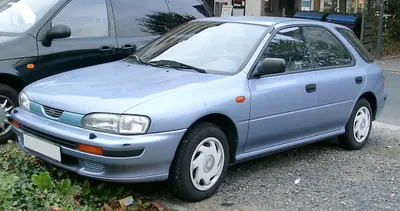
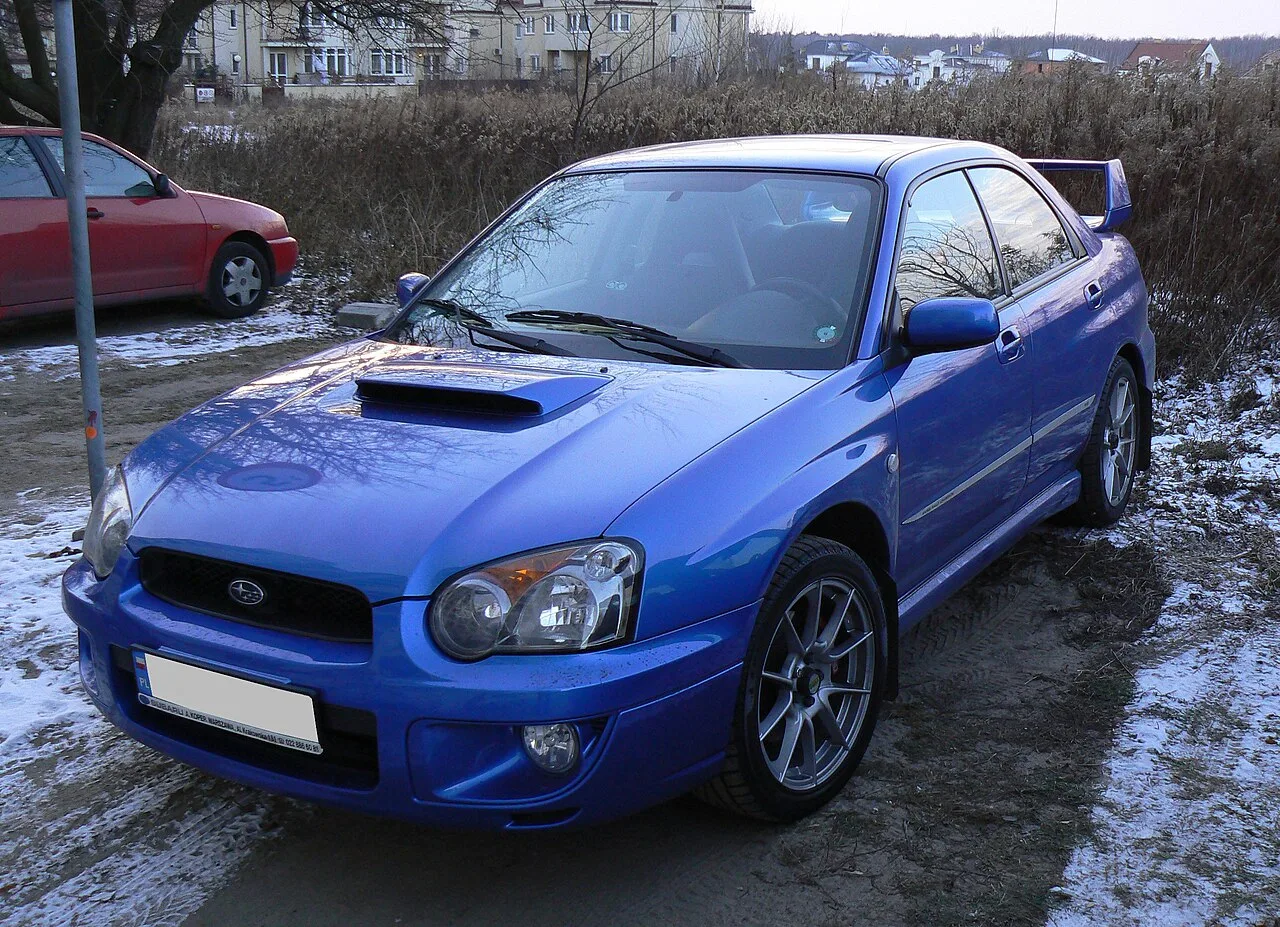
This WRX STI had a badge-engineered twin sold at Saab dealerships: under a GM/Fuji Heavy Industries deal, Saab rebadged it as the 9-2X starting in the 2005 model year.
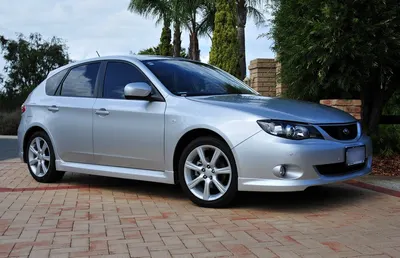
Subaru badged this Impreza generation as the Saab 9-2X for 2004–06, a WRX wagon wearing Swedish griffins.
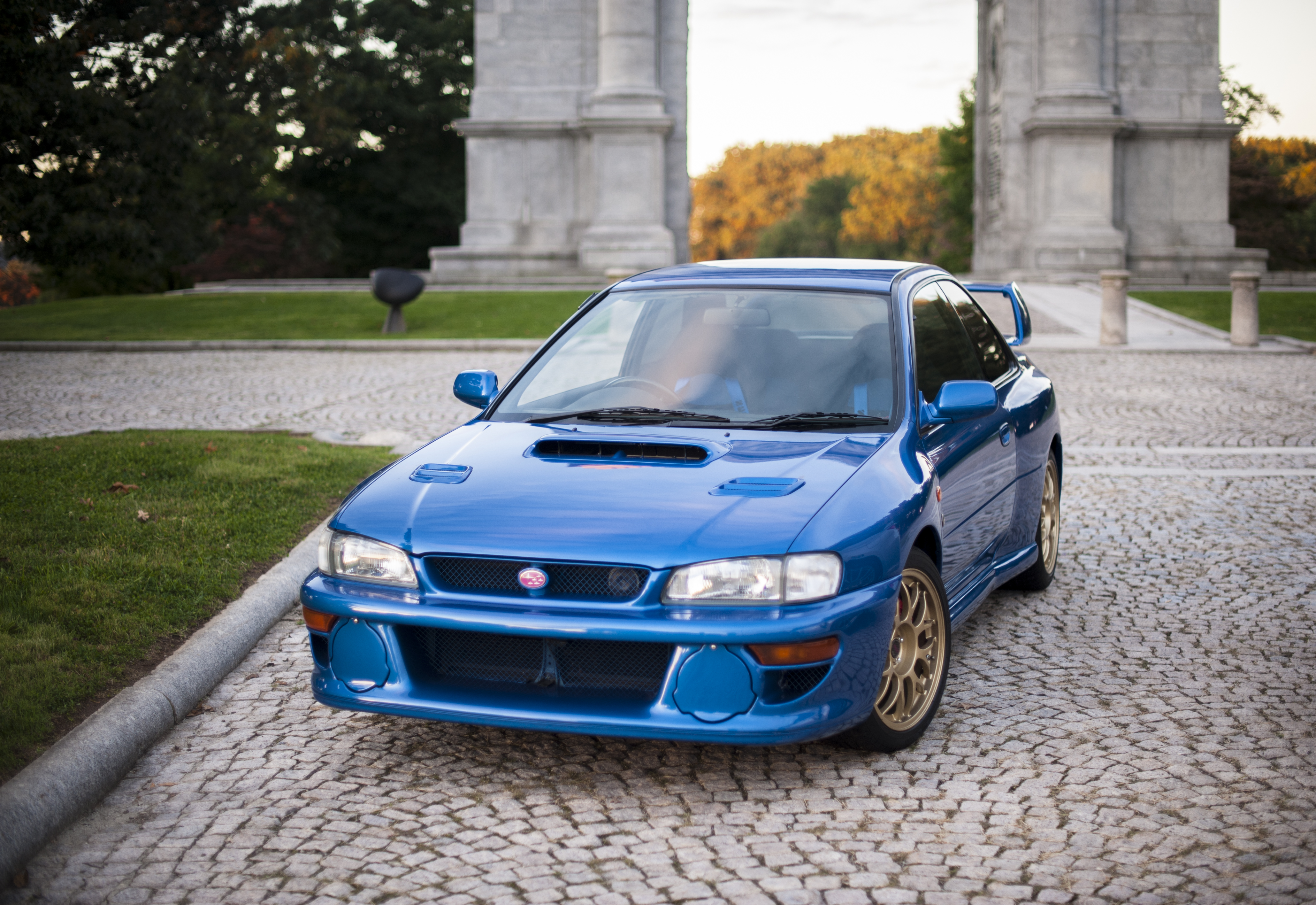
Subaru Impreza · Impreza 22B-STi · 1998–1998.
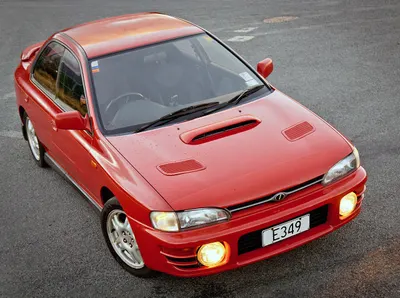
Subaru built just 400 widebody 22B STIs in 1998 to mark its 40th anniversary and third straight WRC title — every one sold out in somewhere between 30 minutes and 48 hours.
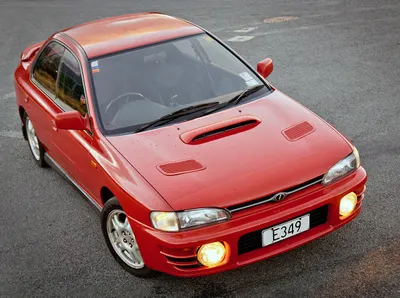
All 400 units of the widebody 22B STI, built to mark Subaru's 40th anniversary, sold out within 30 minutes to 48 hours of going on sale in Japan.
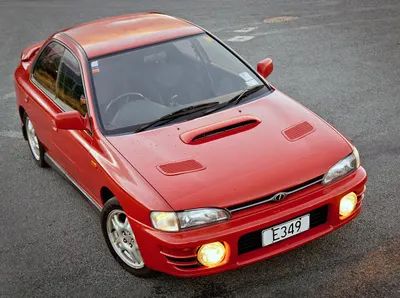
Japan's first-generation WRX never came to North America, kept a gentlemen's-agreement rating of 280 PS on paper while actually making about 300.
Rivals
Same body, same money, other badges — tap any card to flip.

It briefly served as senior sibling to Marquette, a GM companion brand cancelled after just one year.

Nissan hired former BMW engineers to help develop the 510's suspension, which is why period reviewers frequently compared its handling to the BMW 1600/2002.

A Trabant 601 won its class at the 1970 Monte Carlo Rally, with a second 601 right behind it in second.

The 600 was a stopgap: the P50's body over the 601's mechanicals, and for a while its estate was built alongside the new 601 saloon.

The G80 Sport brought a 370 PS twin-turbo 3.3 V6, a mesh grille and copper-tinted chrome with copper stitching to match.

The Vigor was sold only with a five-cylinder engine, an unusual configuration Honda used to fit a longer engine transversely under a short hood.

The GS/E coupe earned the nickname "German Charger" for its long hood, short deck stance borrowed from Detroit muscle cars.

This DeVille/Fleetwood was the first production car anywhere to mount its V8 sideways, Cadillac's front-drive gamble on the new C-body.