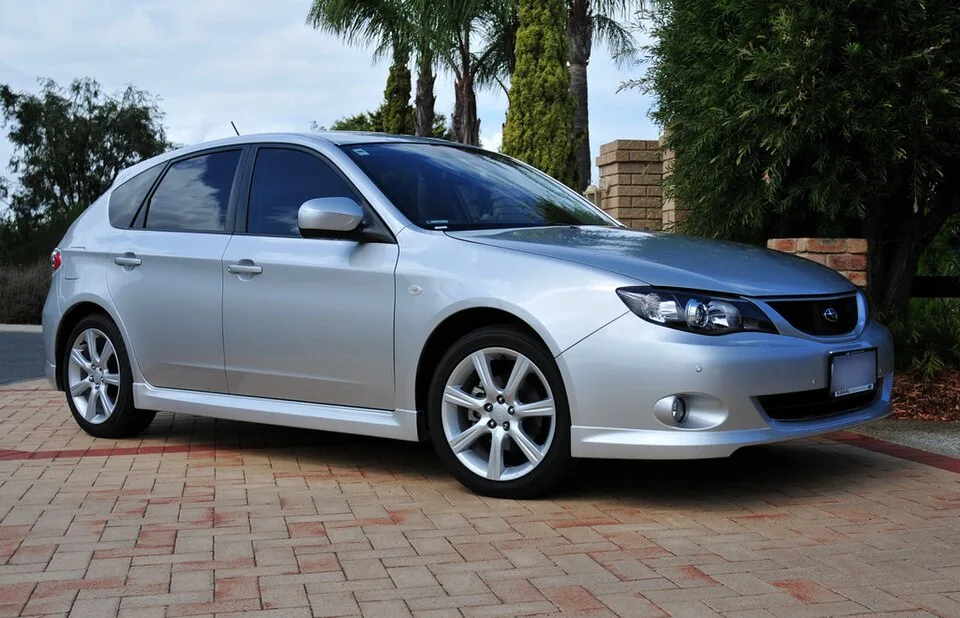
This Impreza broke Japanese exterior-dimension rules for the first time, the wide-body GR/GV needing 55 mm more girth.
Median 201 hp across 376 similar cars
Lead trim: 1.5 EL15 (107 hp) · up to 304 hp
Subaru Impreza GE / GH / GR / GVGE/GH/GR/GV · 2007–2014
- 0spots by members
- Unclaimednobody has spotted one yet
- 0sets it belongs to
Nobody in Burbles has spotted a Subaru Impreza GE / GH / GR / GV yet. See one on the street, point the app at it, and the first card is yours — with your @handle permanently credited on this page.
FactThis Impreza broke Japanese exterior-dimension rules for the first time, the wide-body GR/GV needing 55 mm more girth.
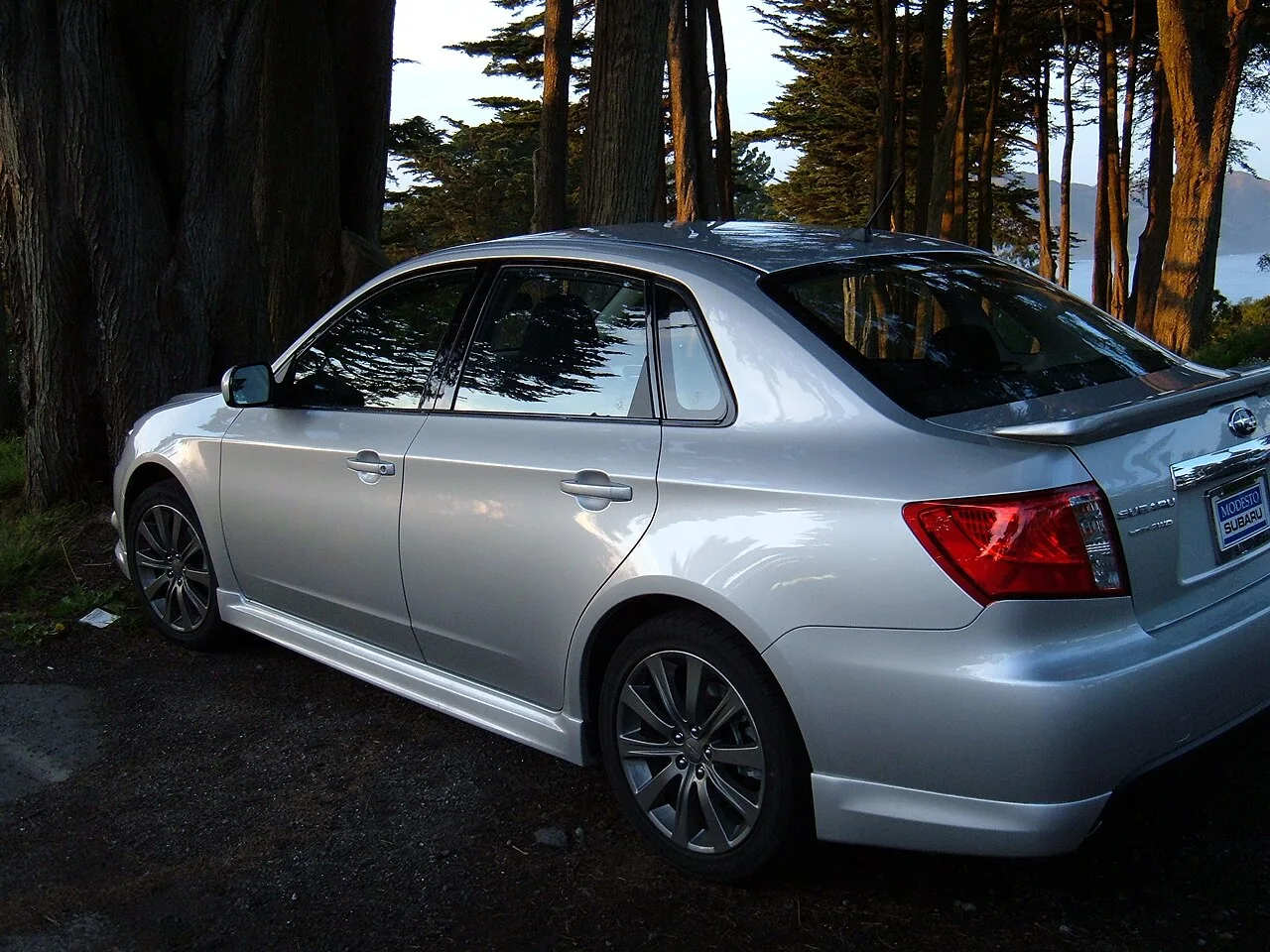
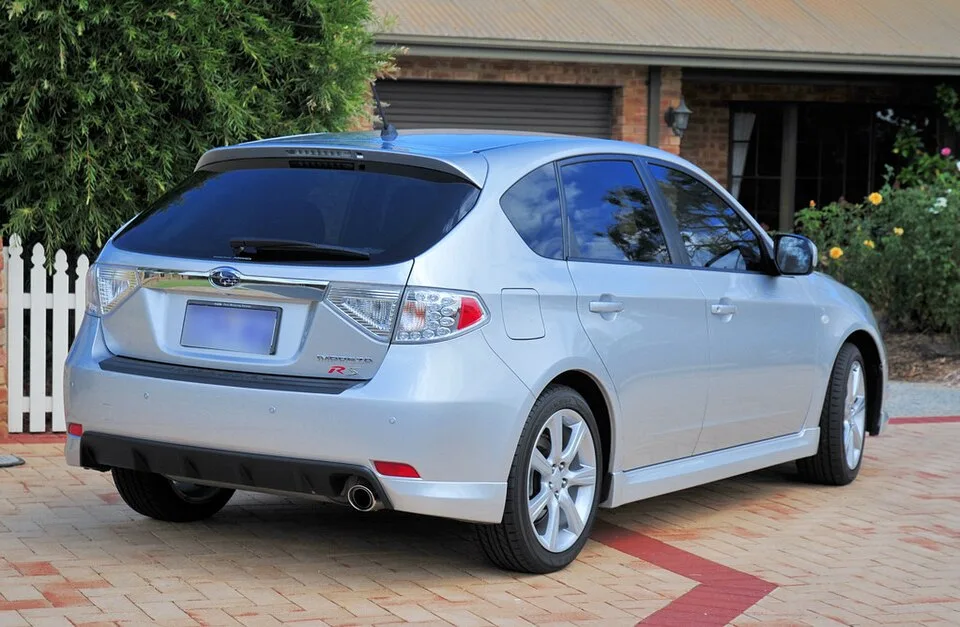
Revealed at the New York show on 2 April 2007 with the naturally aspirated Impreza and the turbo WRX, and the third-generation WRX STI at Tokyo in October 2007. The wagon was replaced by a five-door hatchback; the wide-body hatchback and sedan are labelled GR and GV (55 mm wider, first used by the STI, later by the WRX). The Impreza itself ran 2007–2011 and the WRX to 2014. Front MacPherson struts and a new double-wishbone rear. A flat-four EE20 turbodiesel joined Europe from 2009. It was the first Impreza outside Japanese size regulations. In Japan: 15S, 20S and turbo S-GT; the sedan arrived late 2008 as the Anesis. Power figures below are those on the cited page.
Collectors Spotted in the Subaru Impreza Lineage
No member has published a public street spot of the Subaru Impreza yet — the First · Worldwide stamp is wide open.
Trims & Figures
17 published trims in the catalogue. A blank is a figure not recorded, not zero.
| Trim | Years | Engine | Power | Torque | 0–60 | Drive | Gearbox | MSRP |
|---|---|---|---|---|---|---|---|---|
| 1.5 EL15 (107 hp) | 2007–2011 | 1.5 L Flat-4 | 107 hp | 106 lb-ft | — | — | — | — |
| 2.0 EE20 turbodiesel (150 hp) | 2009–2011 | 2.0 L Flat-4 | 150 hp | 258 lb-ft | — | — | — | — |
| 2.0 EJ20 (148 hp) | 2007–2011 | 2.0 L Flat-4 | 148 hp | 145 lb-ft | — | — | — | — |
| 2.5 EJ25 (170 hp) | 2007–2011 | 2.5 L Flat-4 | 170 hp | 170 lb-ft | — | — | — | — |
| Impreza AWD · 4-spd auto · 2.5L · AWD | 2008–2010 | 2.5 L 4-cyl | 173 hp | 166 lb-ft | — | AWD | Automatic (S4) | — |
| Impreza Wagon/Outback SPT AWD · 4-spd auto · 2.5L | 2008–2009 | 2.5 L 4-cyl | 173 hp | 166 lb-ft | — | AWD | Automatic (S4) | — |
| Impreza Wagon/Outback SPT AWD · 6-spd manual · 2.5L | 2008–2009 | 2.5 L 4-cyl | 173 hp | 166 lb-ft | — | AWD | Manual 6-spd | — |
| Impreza Wagon/Outback Sport AWD · 4-spd auto · 2.5L | 2011–2011 | 2.5 L 4-cyl | 173 hp | 166 lb-ft | — | AWD | Automatic (S4) | — |
| Impreza Wagon/Outback Sport AWD · 5-spd manual · 2.5L | 2011–2011 | 2.5 L 4-cyl | 173 hp | 166 lb-ft | — | AWD | Manual 5-spd | — |
| Impreza Wagon/Outback Sport AWD · 6-spd manual · 2.5L | 2011–2012 | 2.5 L 4-cyl | 173 hp | 166 lb-ft | — | AWD | Manual 6-spd | — |
| Impreza Wagon/Outback Sport · 4-spd auto | 2010–2010 | 2.5 L 4-cyl | 173 hp | 166 lb-ft | — | AWD | Automatic (S4) | — |
| Impreza Wagon/Outback Sport · 5-spd manual | 2010–2010 | 2.5 L 4-cyl | 173 hp | 166 lb-ft | — | AWD | Manual 5-spd | — |
| Impreza Wagon/Outback Sport · 6-spd manual | 2010–2010 | 2.5 L 4-cyl | 173 hp | 166 lb-ft | — | AWD | Manual 6-spd | — |
| WRX 2.5 EJ255 turbo (227 hp) | 2007–2008 | 2.5 L Flat-4 | 227 hp | 236 lb-ft | — | — | — | — |
| WRX 2.5 EJ255 turbo, IHI VF52 (265 hp) | 2008–2011 | 2.5 L Flat-4 | 265 hp | 244 lb-ft | 4.7 s | — | — | — |
| WRX STI Japan EJ207 2.0 twin-scroll (308 PS) | 2007–2011 | 2.0 L Flat-4 | 304 hp | 311 lb-ft | — | — | — | — |
| WRX STI export EJ257 2.5 (300 PS) | 2007–2011 | 2.5 L Flat-4 | 296 hp | 300 lb-ft | — | — | — | — |
Owning one
An estimate, for the Impreza Wagon/Outback Sport · 4-spd auto trim: fuel on its EPA figure and a dated national price, upkeep on a per-mile average for the kind of car it is.
Owners’ builds
Nobody has claimed one yet.
Photographs
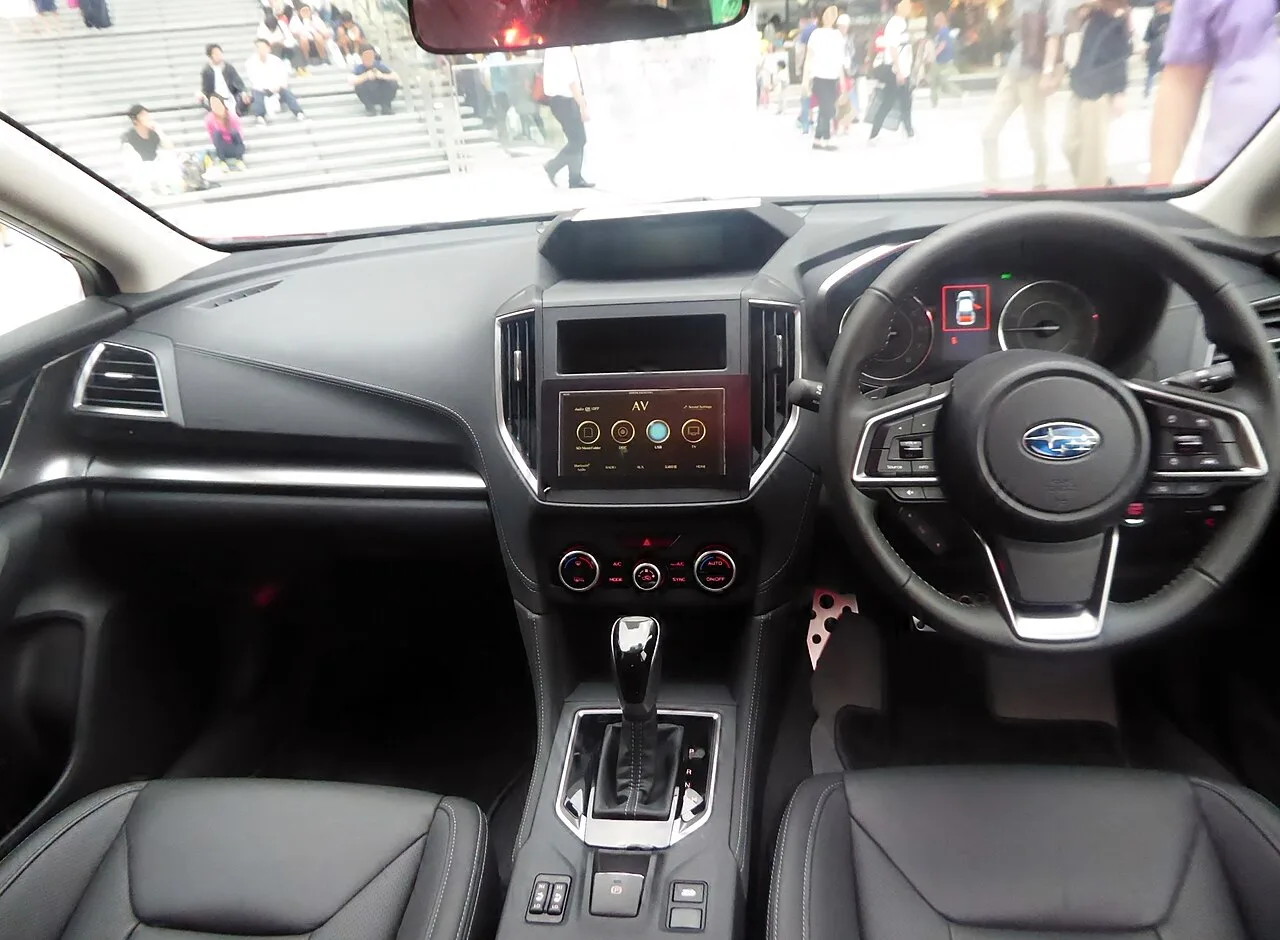
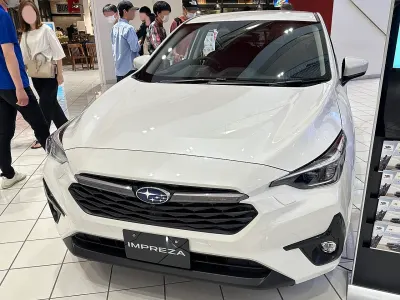
This Impreza generation dropped two things enthusiasts took for granted at once: the sedan body style is gone, and so is the manual transmission — hatchback and CVT only now.
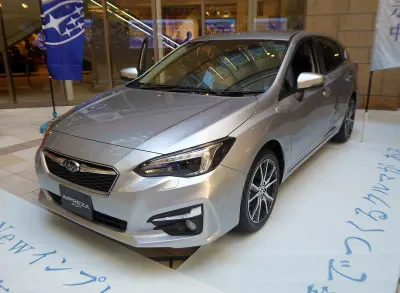
The fifth-gen Impreza quietly made history: it was the first car from any Japanese automaker to put a pedestrian-protection airbag on the standard equipment list.
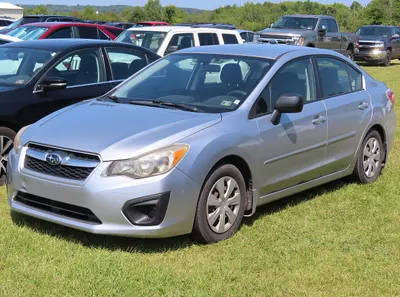
Japan gets a smaller 1.6 liter engine here purely to slot under a road tax threshold, not for performance.
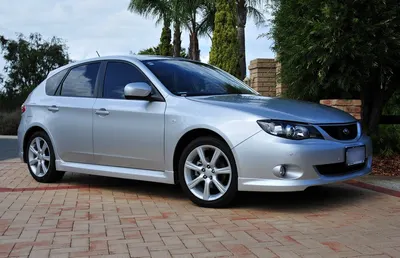
This Impreza broke Japanese exterior-dimension rules for the first time, the wide-body GR/GV needing 55 mm more girth.
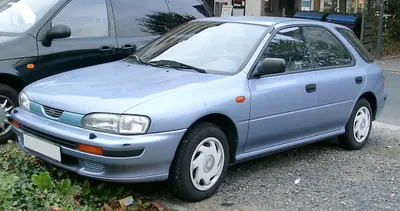
This WRX STI had a badge-engineered twin sold at Saab dealerships: under a GM/Fuji Heavy Industries deal, Saab rebadged it as the 9-2X starting in the 2005 model year.
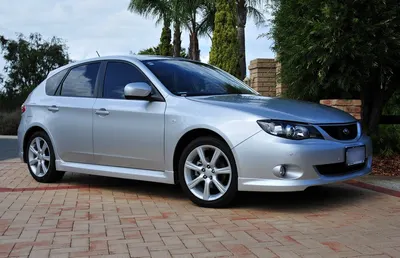
Subaru badged this Impreza generation as the Saab 9-2X for 2004–06, a WRX wagon wearing Swedish griffins.
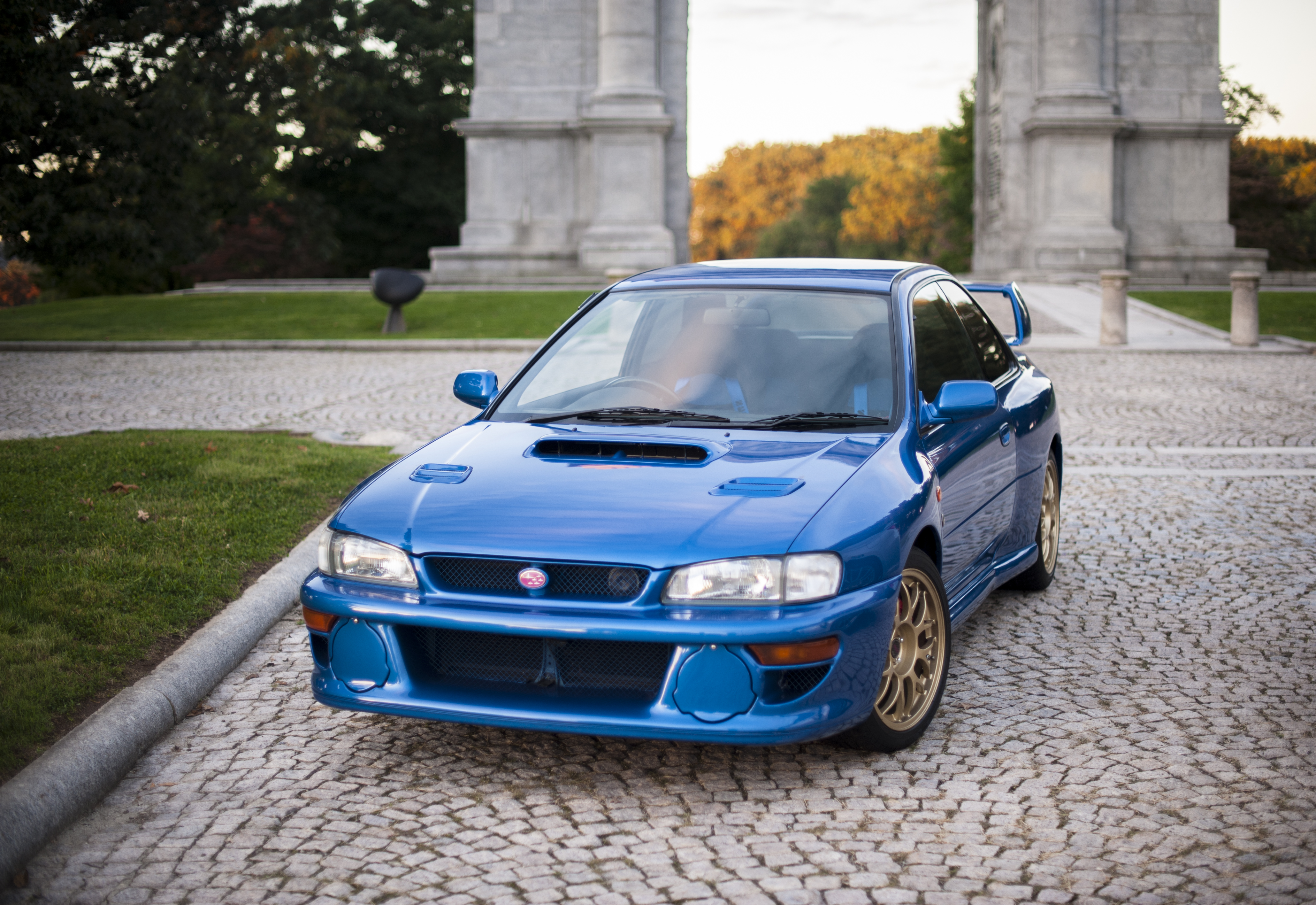
Subaru Impreza · Impreza 22B-STi · 1998–1998.
Subaru built just 400 widebody 22B STIs in 1998 to mark its 40th anniversary and third straight WRC title — every one sold out in somewhere between 30 minutes and 48 hours.
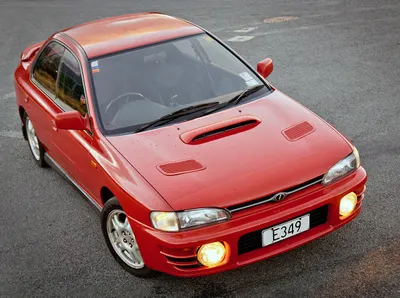
All 400 units of the widebody 22B STI, built to mark Subaru's 40th anniversary, sold out within 30 minutes to 48 hours of going on sale in Japan.
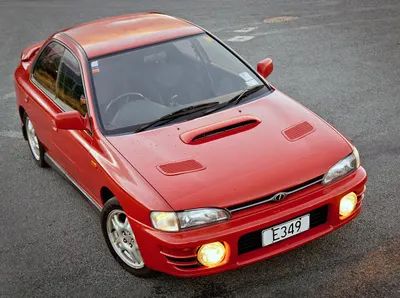
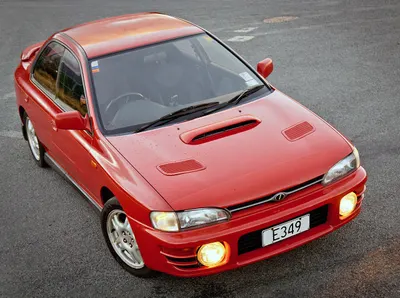
Japan's first-generation WRX never came to North America, kept a gentlemen's-agreement rating of 280 PS on paper while actually making about 300.
Rivals
Same body, same money, other badges — tap any card to flip.

It briefly served as senior sibling to Marquette, a GM companion brand cancelled after just one year.

Nissan hired former BMW engineers to help develop the 510's suspension, which is why period reviewers frequently compared its handling to the BMW 1600/2002.

A Trabant 601 won its class at the 1970 Monte Carlo Rally, with a second 601 right behind it in second.

The 600 was a stopgap: the P50's body over the 601's mechanicals, and for a while its estate was built alongside the new 601 saloon.

The G80 Sport brought a 370 PS twin-turbo 3.3 V6, a mesh grille and copper-tinted chrome with copper stitching to match.

The Vigor was sold only with a five-cylinder engine, an unusual configuration Honda used to fit a longer engine transversely under a short hood.

The GS/E coupe earned the nickname "German Charger" for its long hood, short deck stance borrowed from Detroit muscle cars.

This DeVille/Fleetwood was the first production car anywhere to mount its V8 sideways, Cadillac's front-drive gamble on the new C-body.