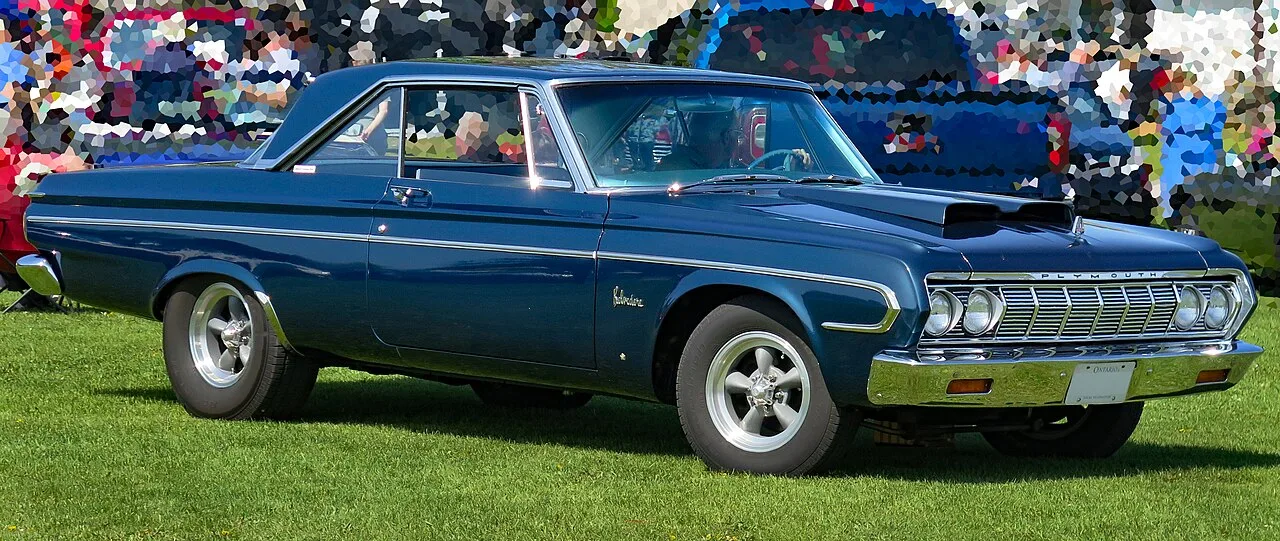
This Belvedere introduced the 426 Hemi and swept the top three spots at the 1964 Daytona 500, Richard Petty among the winners.
Median 90 hp across 208 similar cars
Lead trim: Belvedere Slant Six 225 OHV I6 · up to 425 hp
Plymouth BelvedereBELVEDERE-1962 · 1962–1964
- 0spots by members
- Unclaimednobody has spotted one yet
- 0sets it belongs to
Nobody in Burbles has spotted a Plymouth Belvedere yet. See one on the street, point the app at it, and the first card is yours — with your @handle permanently credited on this page.
FactThis Belvedere introduced the 426 Hemi and swept the top three spots at the 1964 Daytona 500, Richard Petty among the winners.
The 1962 model year full-size Plymouths were "downsized" with more compact outside dimensions; sales suffered because buyers then thought "bigger is better", though owners liked the smaller car (a six-cylinder automatic Belvedere was compared with the Ford Fairlane and Chevrolet Chevy II in a Popular Mechanics economy test, which called it "a very pleasant transportation package"), and the smaller, lighter body helped in drag racing. The 1963 and 1964 models used the same unibody platform (B-body), restyled to look longer and wider; the 1964 Belvedere (and the Fury hardtop coupes) had a new "slant-back" roofline that proved popular, and it was the car used to introduce the 426 Chrysler Hemi, with which Hemi-equipped Belvederes won first, second and third at NASCAR's 1964 Daytona race (one of the winning drivers was Richard Petty). Engines: the 225 cu in Slant Six, 383 cu in (6.3 L), 413 cu in (6.8 L) and, for 1964 only, 426 cu in (7.0 L) V8s. The page gives no power figures for this generation.
Collectors Spotted in the Plymouth Belvedere Lineage
No member has published a public street spot of the Plymouth Belvedere yet — the First · Worldwide stamp is wide open.
Trims & Figures
4 published trims in the catalogue. A blank is a figure not recorded, not zero.
| Trim | Years | Engine | Power | Torque | 0–60 | Drive | Gearbox | MSRP |
|---|---|---|---|---|---|---|---|---|
| Belvedere 383 V8 | 1962–1964 | 6.3 L V8 | — | — | — | RWD | — | — |
| Belvedere 413 V8 | 1962–1964 | 6.8 L V8 | — | — | — | RWD | — | — |
| Belvedere 426 V8 (1964, Hemi introduced) | 1964–1964 | 7.0 L V8 | 425 hp | 490 lb-ft | — | RWD | — | — |
| Belvedere Slant Six 225 OHV I6 | 1962–1964 | 3.7 L Inline-6 | 145 hp | 215 lb-ft | — | RWD | — | — |
Owning one
We don’t estimate running costs for a car like this. What it costs depends on its condition, its specialist and how it is driven, and an average would mislead.
Owners’ builds
Nobody has claimed one yet.
Photographs
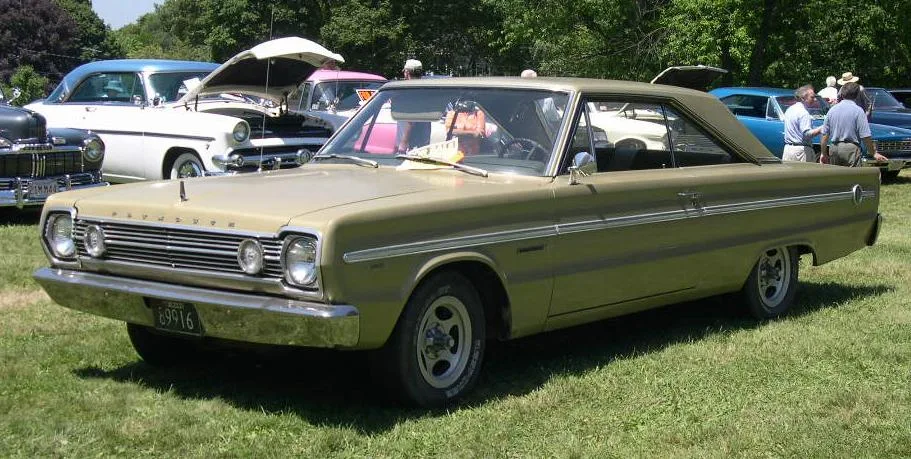
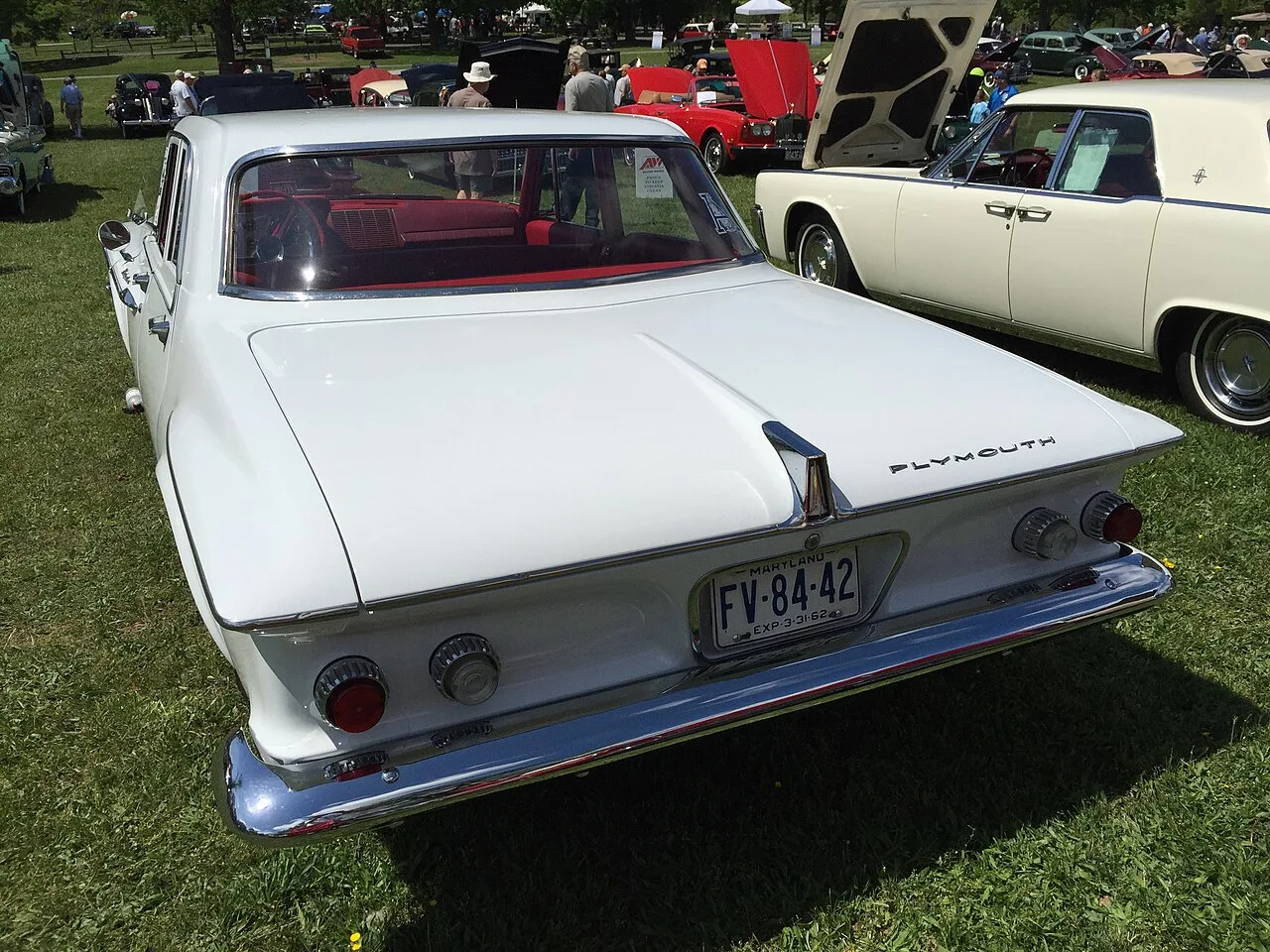
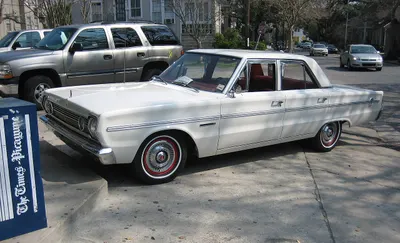
Richard Petty won the NASCAR Grand National title in this Belvedere generation, the last before the nameplate was dropped for Satellite.
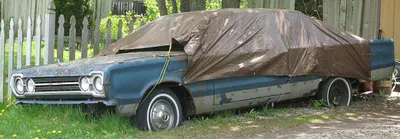
A 1967 Belvedere played the LAPD's standard cruiser in the pilot episode of Adam-12.
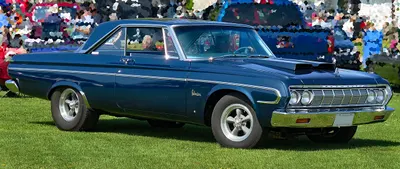
This Belvedere introduced the 426 Hemi and swept the top three spots at the 1964 Daytona 500, Richard Petty among the winners.
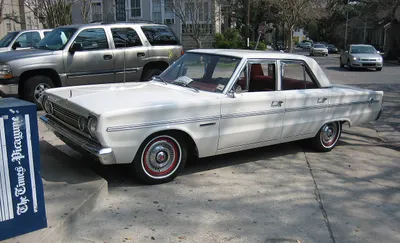
Chrysler shrank the Belvedere for 1960 and buyers punished it for being smaller, even though a magazine test called the six-cylinder version pleasant transportation.
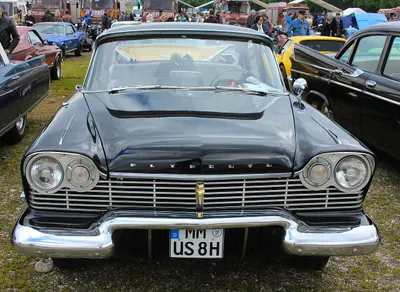
This 1957-58 Belvedere hardtop is the car Stephen King made the villain in Christine.
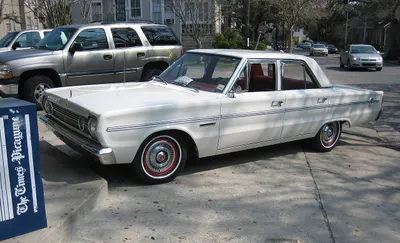
Chrysler's PR chief drove a Belvedere with a turbine jet engine bolted in across the country to prove the idea worked.
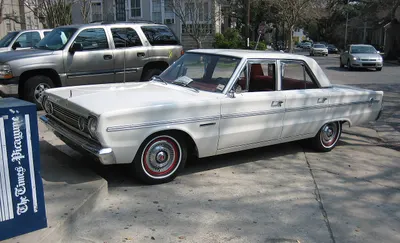
Plymouth buyers waited until March 1954 for their first real automatic — the two-speed PowerFlite, arriving right in the middle of the Belvedere's debut model year.
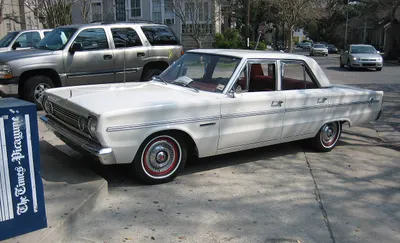
The 1953 restyle moved this car's gas cap under the trunk lid — and promptly caused a full tank to spill gasoline straight into the trunk until Plymouth added baffles mid-year to fix it.
Rivals
Same body, same money, other badges — tap any card to flip.

It briefly served as senior sibling to Marquette, a GM companion brand cancelled after just one year.

Nissan hired former BMW engineers to help develop the 510's suspension, which is why period reviewers frequently compared its handling to the BMW 1600/2002.

A Trabant 601 won its class at the 1970 Monte Carlo Rally, with a second 601 right behind it in second.

The 600 was a stopgap: the P50's body over the 601's mechanicals, and for a while its estate was built alongside the new 601 saloon.

The G80 Sport brought a 370 PS twin-turbo 3.3 V6, a mesh grille and copper-tinted chrome with copper stitching to match.

The Vigor was sold only with a five-cylinder engine, an unusual configuration Honda used to fit a longer engine transversely under a short hood.

The GS/E coupe earned the nickname "German Charger" for its long hood, short deck stance borrowed from Detroit muscle cars.

This DeVille/Fleetwood was the first production car anywhere to mount its V8 sideways, Cadillac's front-drive gamble on the new C-body.