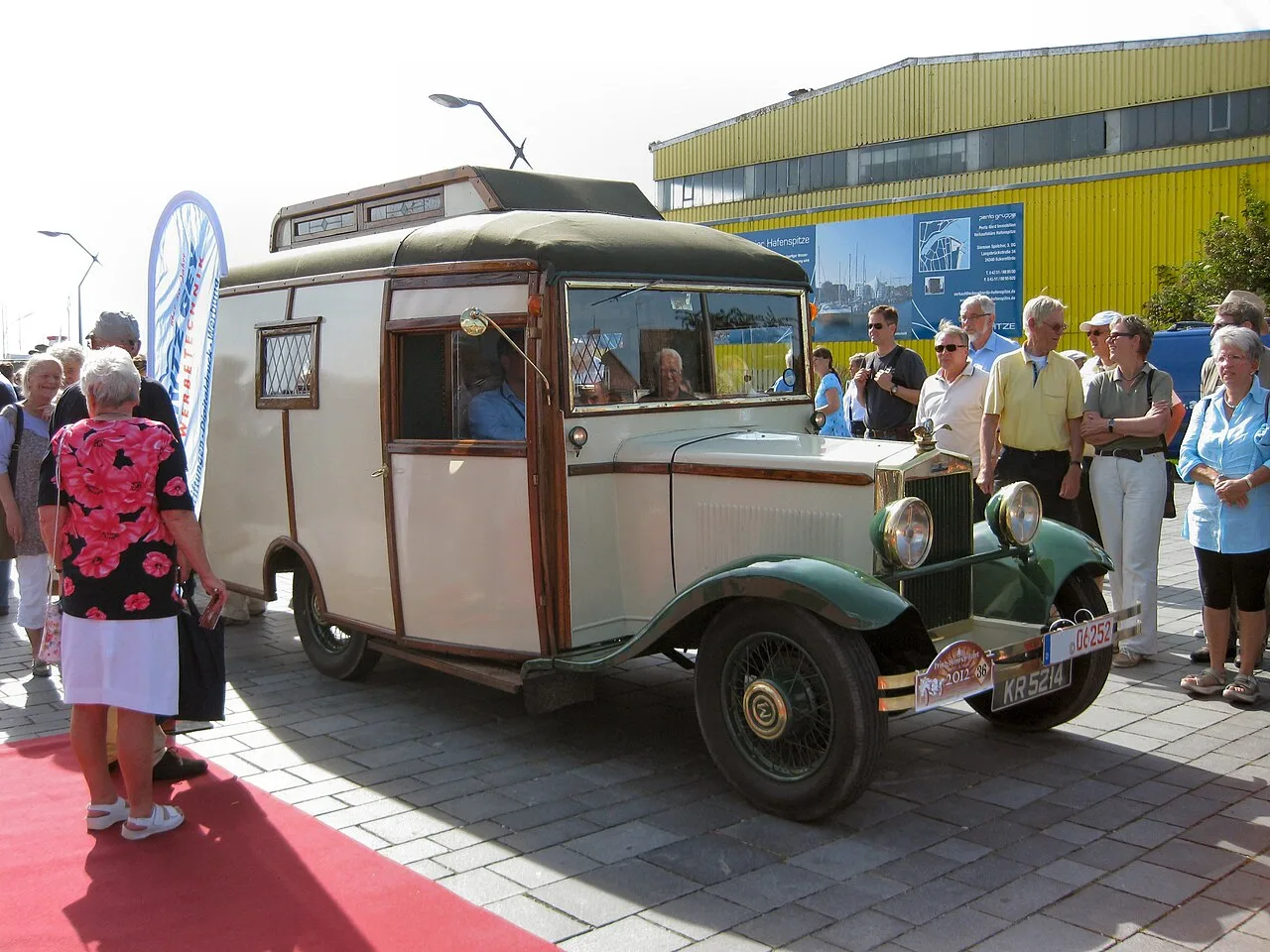
Its nickname is literally in the sheet metal: a 60% bigger radiator and a new flat-fronted shape are what earned this Oxford the "flatnose" name.
Lead trim: Oxford Flatnose 1.8 side-valve four (1802 cc)
Morris Oxford Flatnose1926–1930
- 0spots by members
- Unclaimednobody has spotted one yet
- 0sets it belongs to
Nobody in Burbles has spotted a Morris Oxford Flatnose yet. See one on the street, point the app at it, and the first card is yours — with your @handle permanently credited on this page.
FactIts nickname is literally in the sheet metal: a 60% bigger radiator and a new flat-fronted shape are what earned this Oxford the "flatnose" name.
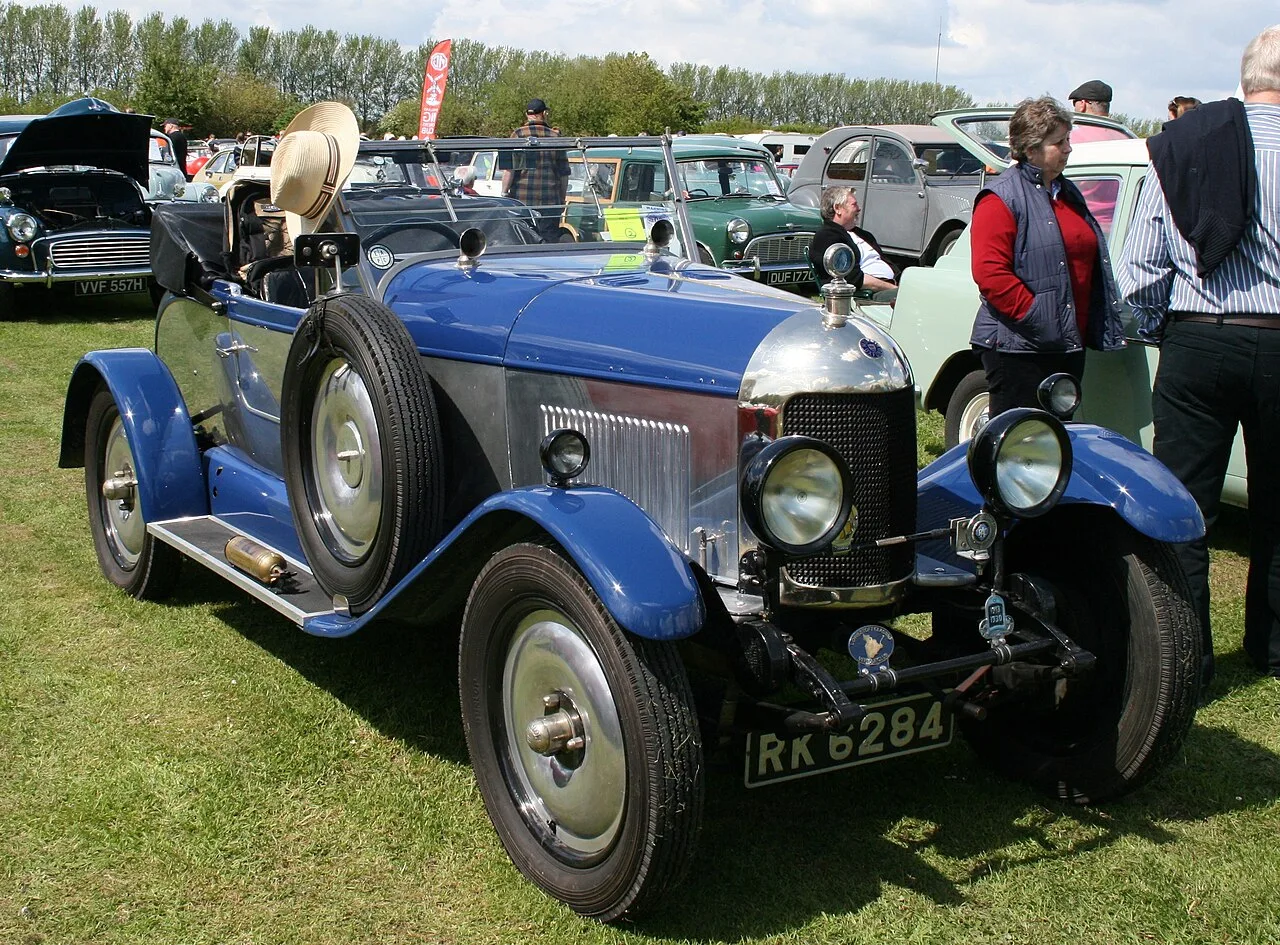
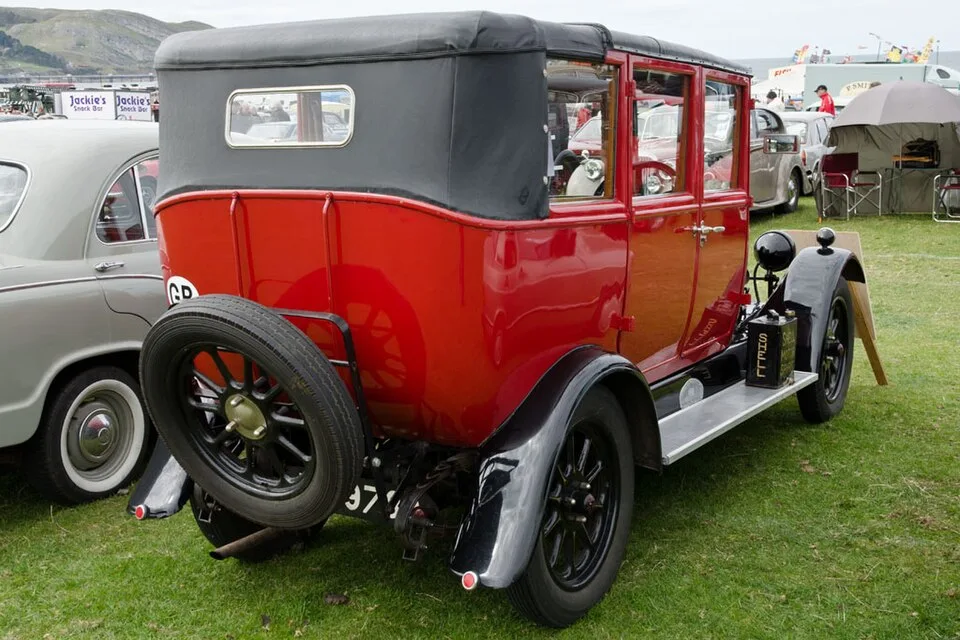
The distinctive bullnose radiator was dropped in 1926 in an updated version of the Oxford (32,282 four-cylinder cars made, 1926–1930). The 1802 cc side-valve four-cylinder engines remained the same, but a new range of bodies was offered including all-steel saloons, with substantial changes to the chassis frame, which was now firmly fixed to the bulkhead or scuttle, and a radiator cooling surface increased sixty per cent. The related 2½-litre Oxford 15.9 Empire model (2513 cc side-valve four, 1926–1929) was displayed as "a Colonial Chassis" at the Olympia Motor Show of October 1926, with standard four- or five-seater coachwork, able to be driven safely through 20 inches of water with ground clearance of 10¼ inches; it was replaced by another four-cylinder Oxford, the 16/40.
Collectors Spotted in the Morris Oxford Lineage
No member has published a public street spot of the Morris Oxford yet — the First · Worldwide stamp is wide open.
Trims & Figures
2 published trims in the catalogue. A blank is a figure not recorded, not zero.
| Trim | Years | Engine | Power | Torque | 0–60 | Drive | Gearbox | MSRP |
|---|---|---|---|---|---|---|---|---|
| Oxford 15.9 Empire 2.5 side-valve four (2513 cc) | 1926–1929 | 2.5 L Inline-4 | — | — | — | — | — | — |
| Oxford Flatnose 1.8 side-valve four (1802 cc) | 1926–1930 | 1.8 L Inline-4 | — | — | — | — | — | — |
Owning one
We don’t estimate running costs for a car like this. What it costs depends on its condition, its specialist and how it is driven, and an average would mislead.
Owners’ builds
Nobody has claimed one yet.
Photographs
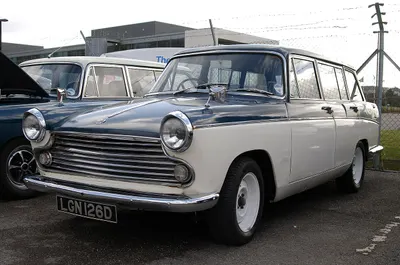
This Oxford was meant to die with the 1967 Morris 1800, but that car grew too big to replace it.
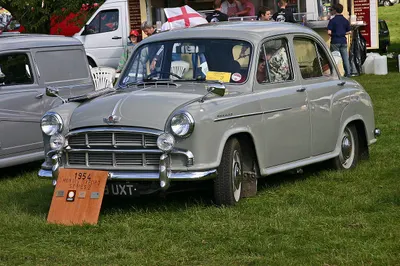
This Oxford was one of six near-identical BMC badges styled by Pininfarina at once.
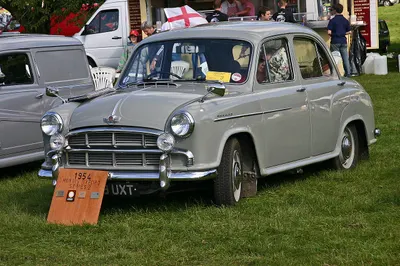
This estate got stuck with a Series IV badge though no Series IV saloon ever existed.
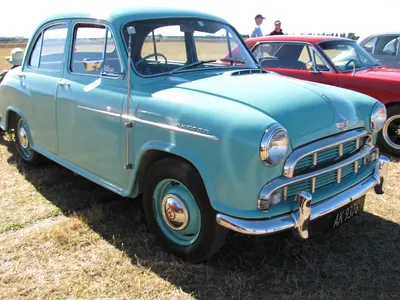
This Oxford offered a two-pedal Manumatic clutch worked by engine vacuum, not a driver's foot.
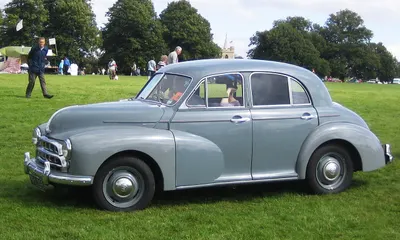
The 1954 Series II Oxford's new shape was a preview of the future — it directly foreshadowed the BMC ADO17 (the Austin 1800), a decade before that car existed.
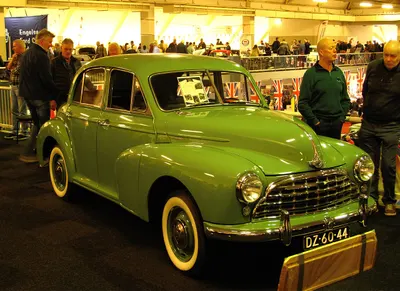
Alec Issigonis penned this Oxford, the car that taught Morris unibody construction.
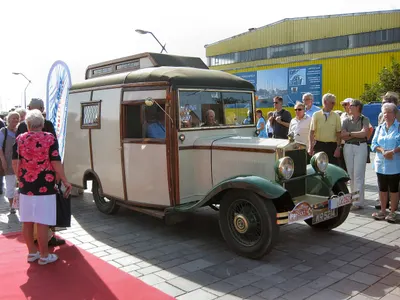
Its nickname is literally in the sheet metal: a 60% bigger radiator and a new flat-fronted shape are what earned this Oxford the "flatnose" name.
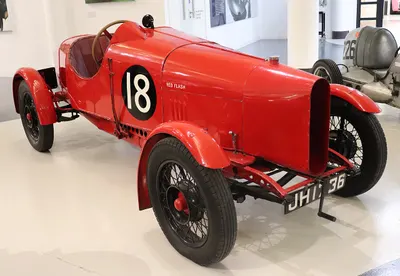
This Oxford's chassis became the first MG ever built, the 14/28 Super Sports.
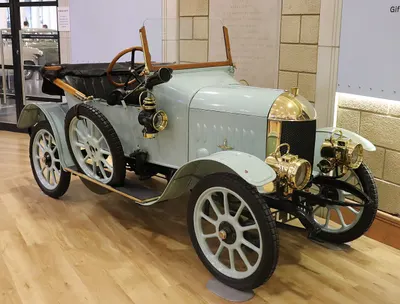
Morris named his first car for his home city, and its output turned that city into an industrial one.
Rivals
Same body, same money, other badges — tap any card to flip.

It briefly served as senior sibling to Marquette, a GM companion brand cancelled after just one year.

Nissan hired former BMW engineers to help develop the 510's suspension, which is why period reviewers frequently compared its handling to the BMW 1600/2002.

A Trabant 601 won its class at the 1970 Monte Carlo Rally, with a second 601 right behind it in second.

The 600 was a stopgap: the P50's body over the 601's mechanicals, and for a while its estate was built alongside the new 601 saloon.

The G80 Sport brought a 370 PS twin-turbo 3.3 V6, a mesh grille and copper-tinted chrome with copper stitching to match.

The Vigor was sold only with a five-cylinder engine, an unusual configuration Honda used to fit a longer engine transversely under a short hood.

The GS/E coupe earned the nickname "German Charger" for its long hood, short deck stance borrowed from Detroit muscle cars.

This DeVille/Fleetwood was the first production car anywhere to mount its V8 sideways, Cadillac's front-drive gamble on the new C-body.