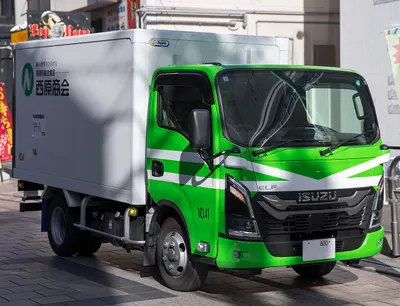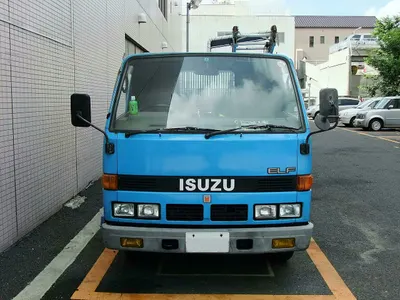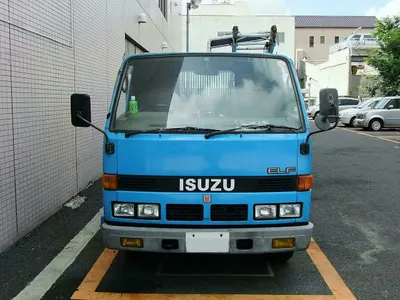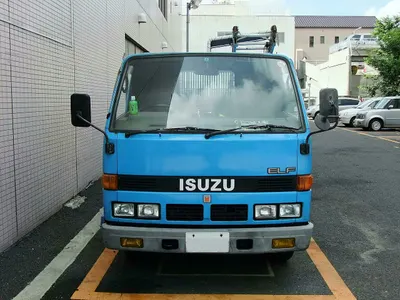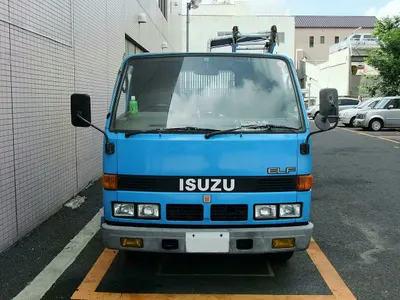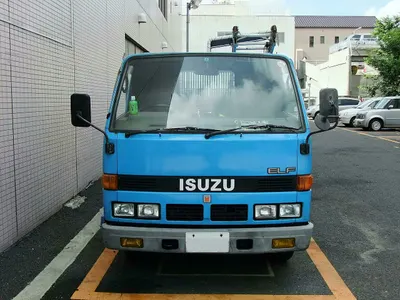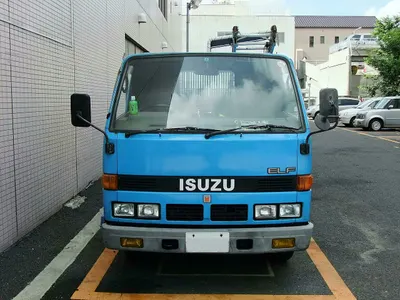
VerifiedFIRST · WORLDWIDEFIRST PRINTONLY ONE IN VANCOUVERThe sixth-gen Elf's headlight-and-turnsignal cluster is shaped to echo Isuzu's old 'twin bar' logo — a company emblem the brand had already retired back in 1991.

The sixth-gen Elf's headlight-and-turnsignal cluster is shaped to echo Isuzu's old 'twin bar' logo — a company emblem the brand had already retired back in 1991.
Median 109 hp across 34 similar cars
Lead trim: Elf NQR 4HK1 5.2 turbo-diesel · up to 148 hp
See a Isuzu Elf sixth generation on the street, point Burbles at it, and the card goes in your binder. Own one? Add it to your garage in the app.
FactThe sixth-gen Elf's headlight-and-turnsignal cluster is shaped to echo Isuzu's old 'twin bar' logo — a company emblem the brand had already retired back in 1991.
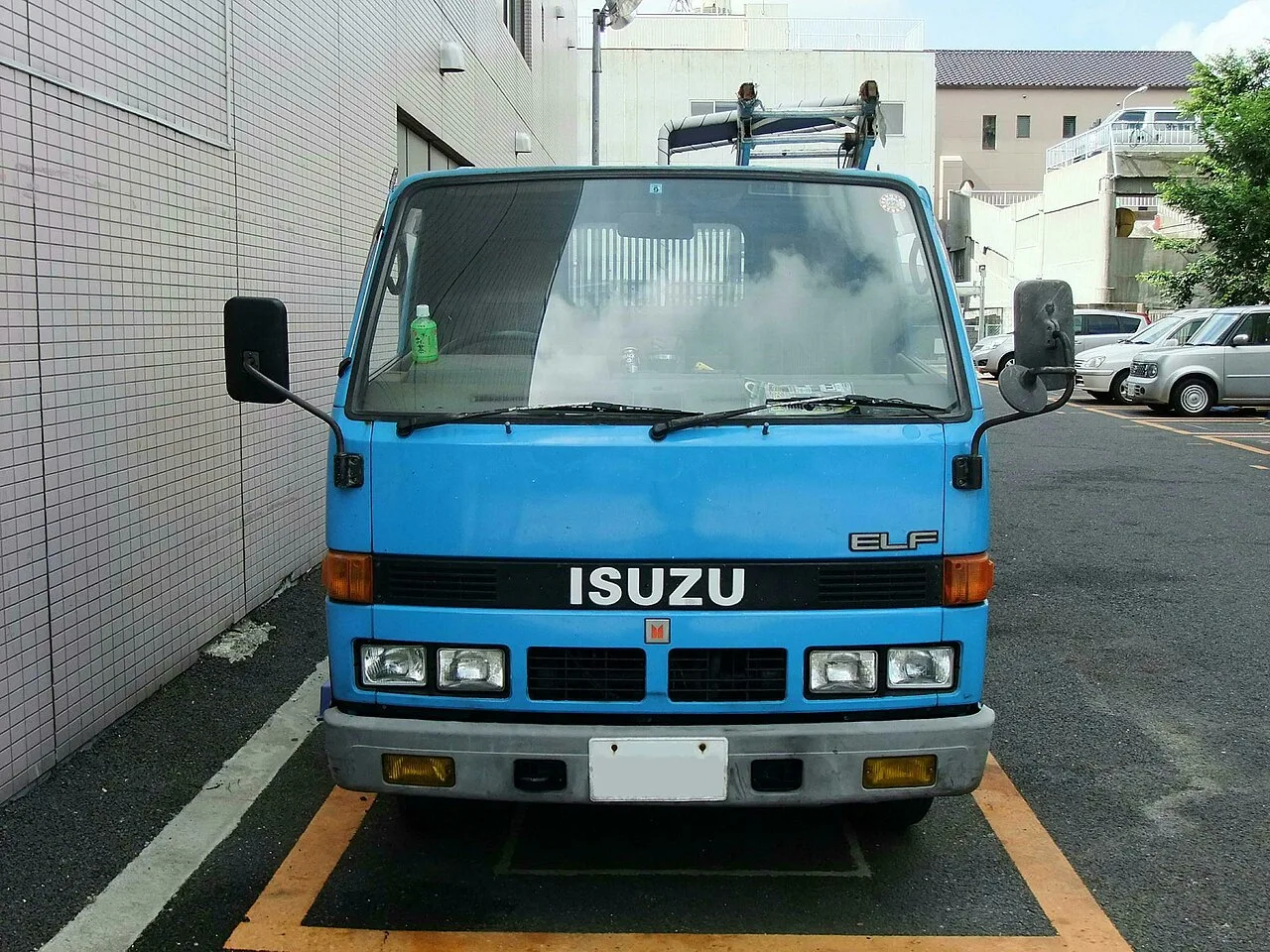
The sixth generation Elf/N series was introduced in December 2006 (High Cab and Wide Cab) and February 2007 (Regular Cab), by which time the fifth generation was retired. The all-new 3-litre 4JJ1 makes 150 PS (110 kW) in the NJR and NPR models, while the NQR uses the 5.2-litre 4HK1. The headlight-turnsignal cluster takes the shape of the Isuzu "twin bar" logo used from 1974 to 1991. It was assembled in Colombia (alongside the heavier F series) as the Chevrolet NKR, NPR or NQR, rebadged as the Nissan Atlas H43 in Japan, and sold as the Isuzu Grafter in the United Kingdom and some other European markets; in North America GM sold it as the Chevrolet and GMC W-Series until 2009, and in 2016 reintroduced it as the Low Cab Forward (LCF) series, named simply the Chevrolet 3500, 4500 or 5500, with the same gasoline or diesel engines. It reached Malaysia in 2014 and was also rebadged UD Kuzer (Hino S-Series in North America).
Real Isuzu Elf cards spotted on the street by Burbles collectors. Tap any card to flip it over, inspect the collector’s binder, or follow them.
VerifiedFIRST · WORLDWIDEFIRST PRINTONLY ONE IN VANCOUVERThe sixth-gen Elf's headlight-and-turnsignal cluster is shaped to echo Isuzu's old 'twin bar' logo — a company emblem the brand had already retired back in 1991.
2 published trims in the catalogue. A blank is a figure not recorded, not zero.
| Trim | Years | Engine | Power | Torque | 0–60 | Drive | Gearbox | MSRP |
|---|---|---|---|---|---|---|---|---|
| Elf NJR / NPR 4JJ1 3.0 turbo-diesel (150 PS) | 2006–2023 | 3.0 L Inline-4 | 148 hp | — | — | RWD | — | — |
| Elf NQR 4HK1 5.2 turbo-diesel | 2006–2023 | 5.2 L Inline-4 | 146 hp | 297 lb-ft | — | RWD | — | — |
We don’t estimate running costs for a car like this. What it costs depends on its condition, its specialist and how it is driven, and an average would mislead.
Nobody has claimed one yet.

The 2024 Elf Mio is sized so small it legally counts as a compact car in Japan -- meaning you can drive this truck on an ordinary license, no commercial endorsement required.

The sixth-gen Elf's headlight-and-turnsignal cluster is shaped to echo Isuzu's old 'twin bar' logo — a company emblem the brand had already retired back in 1991.

This generation of Elf lived a double life: an OEM deal had Nissan selling the identical truck as the Atlas and Diesel Condor.

This Elf generation launched a name still used today: it's the truck that first wore the Isuzu N-Series badge.

Three years into this generation, Isuzu sold its millionth Elf — proof the little truck had become a workhorse staple well beyond Japan.

The second-gen Elf's 'Hi-Roof' walk-through van let drivers move through the cargo box without stepping outside — a first for Japan's commercial trucks.

The Elf's 1960 diesel option was a first for its truck class in Japan, arriving just seven months after the gasoline-only launch.
Same body, same money, other badges — tap any card to flip.

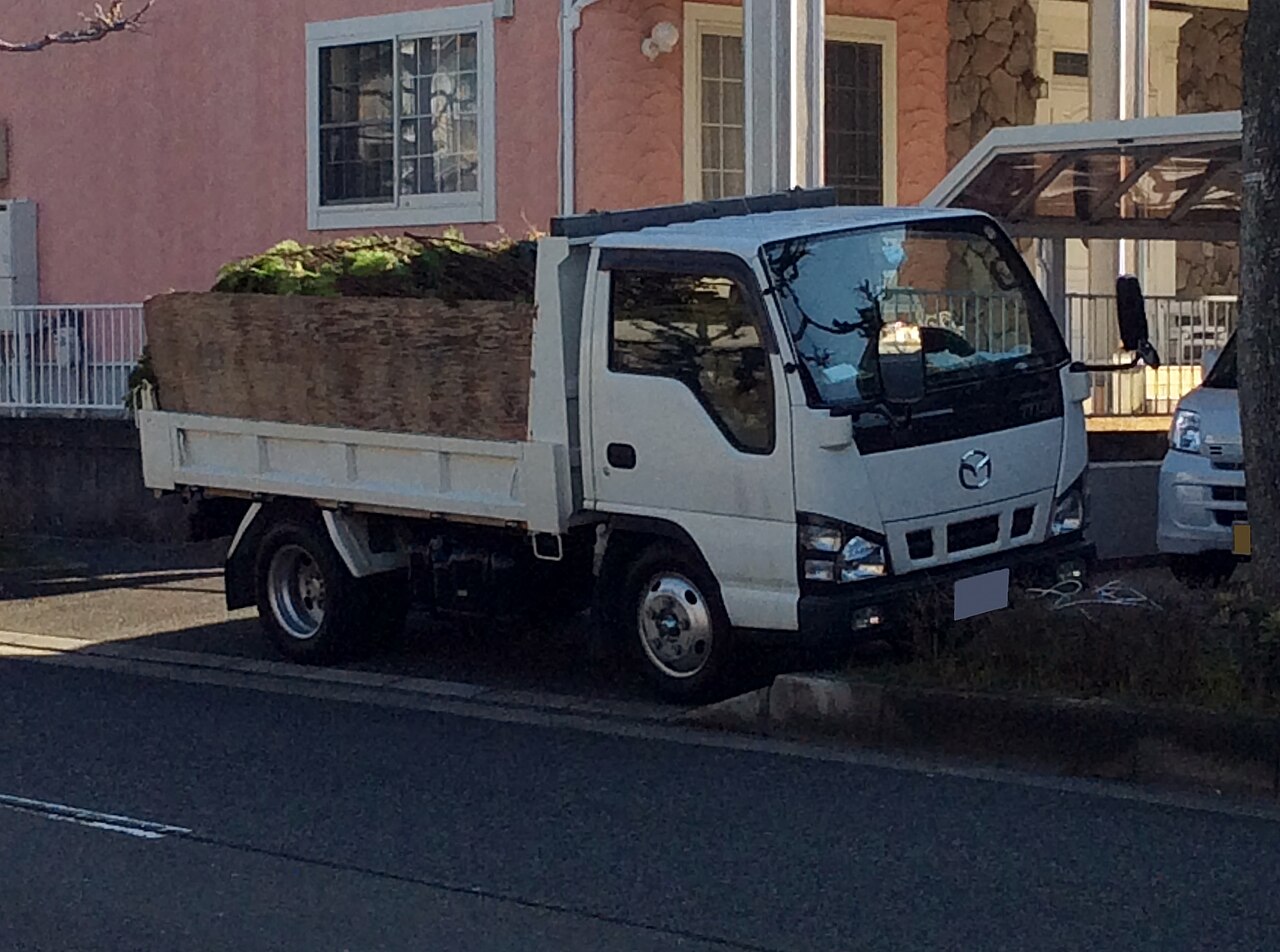
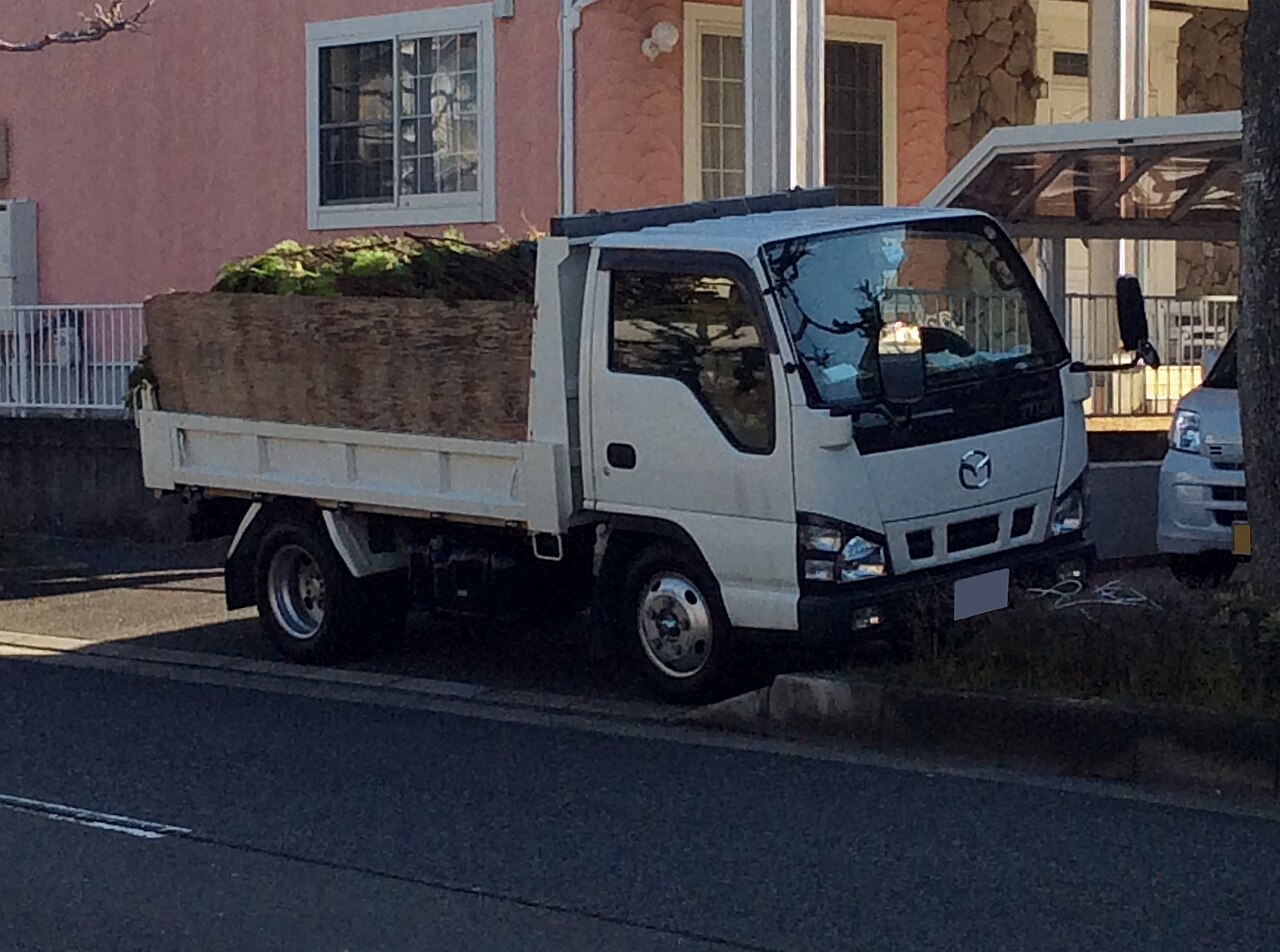
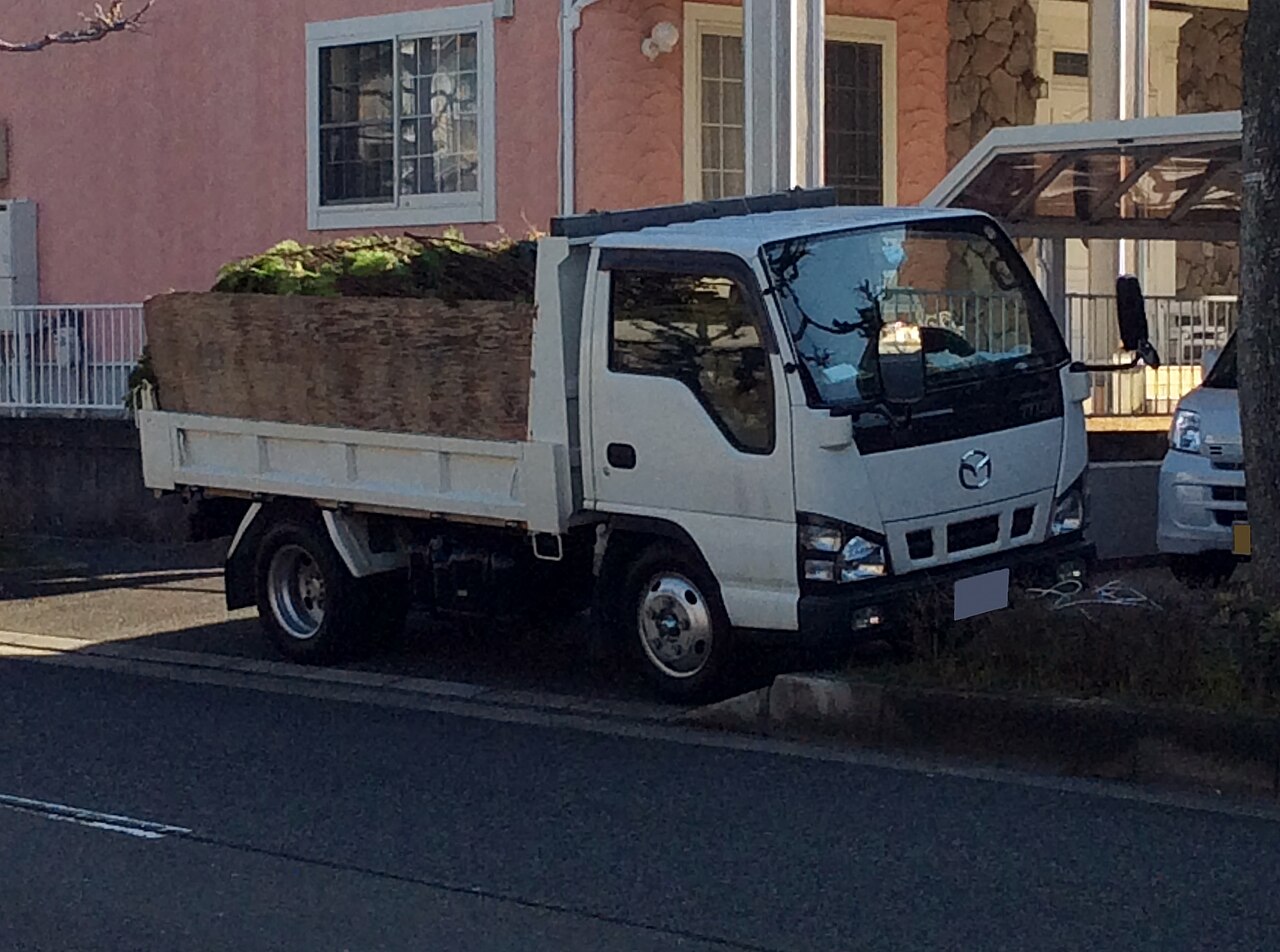
When Mazda's E2000 — the truck that became the Titan — launched in January 1964, the factory was tasked with building 1,900 of them a month.

Swaraj Mazda built this truck under license in India from 1985, and the plant survived name changes all the way to SML Isuzu.

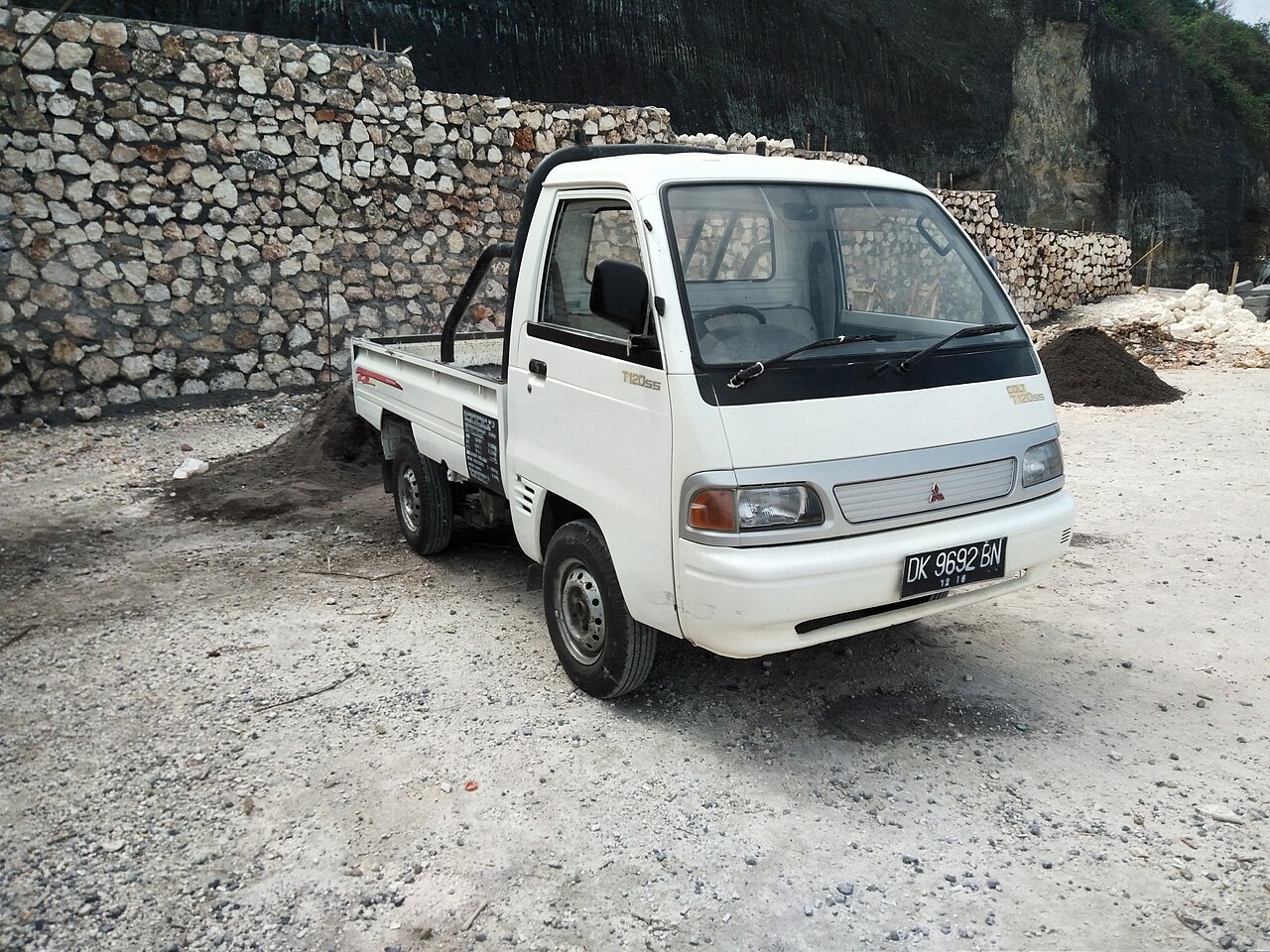
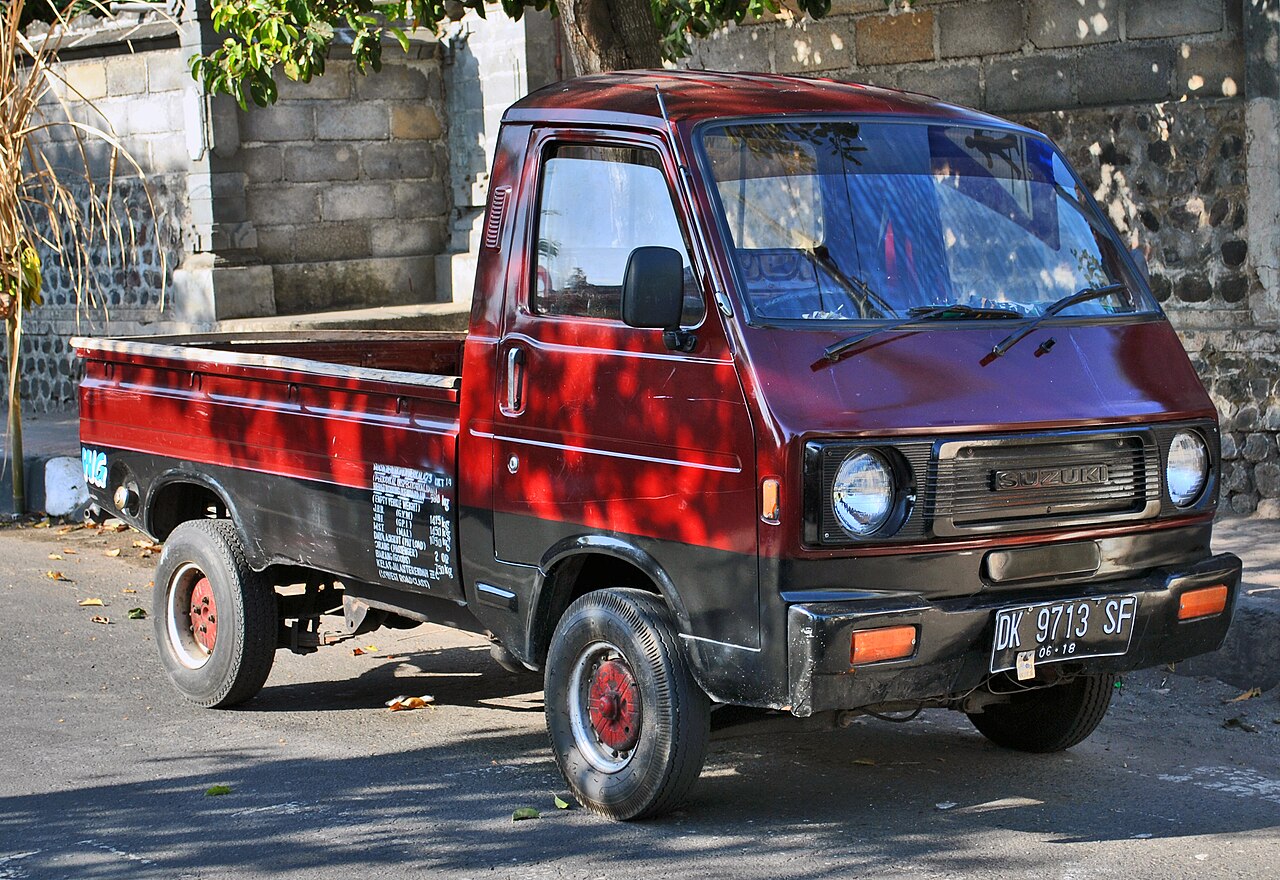
Indonesia built this pickup for 28 years with no successor, the last one leaving the Jakarta line in January 2019 after 324,960 units.

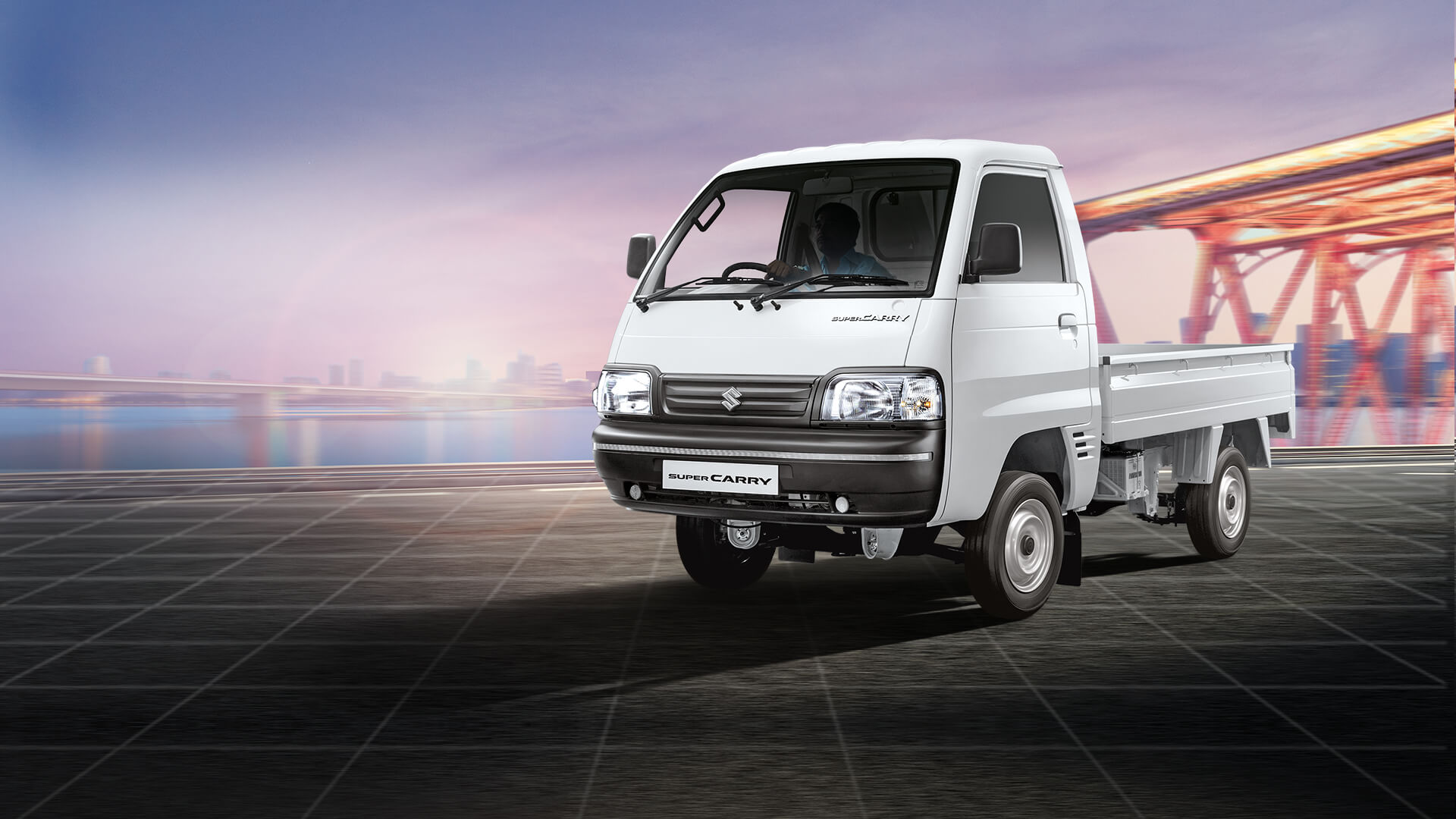
Suzuki's first-ever diesel engine, fitted to the Super Carry, is so small that it isn't able to power an air-conditioning system at all.

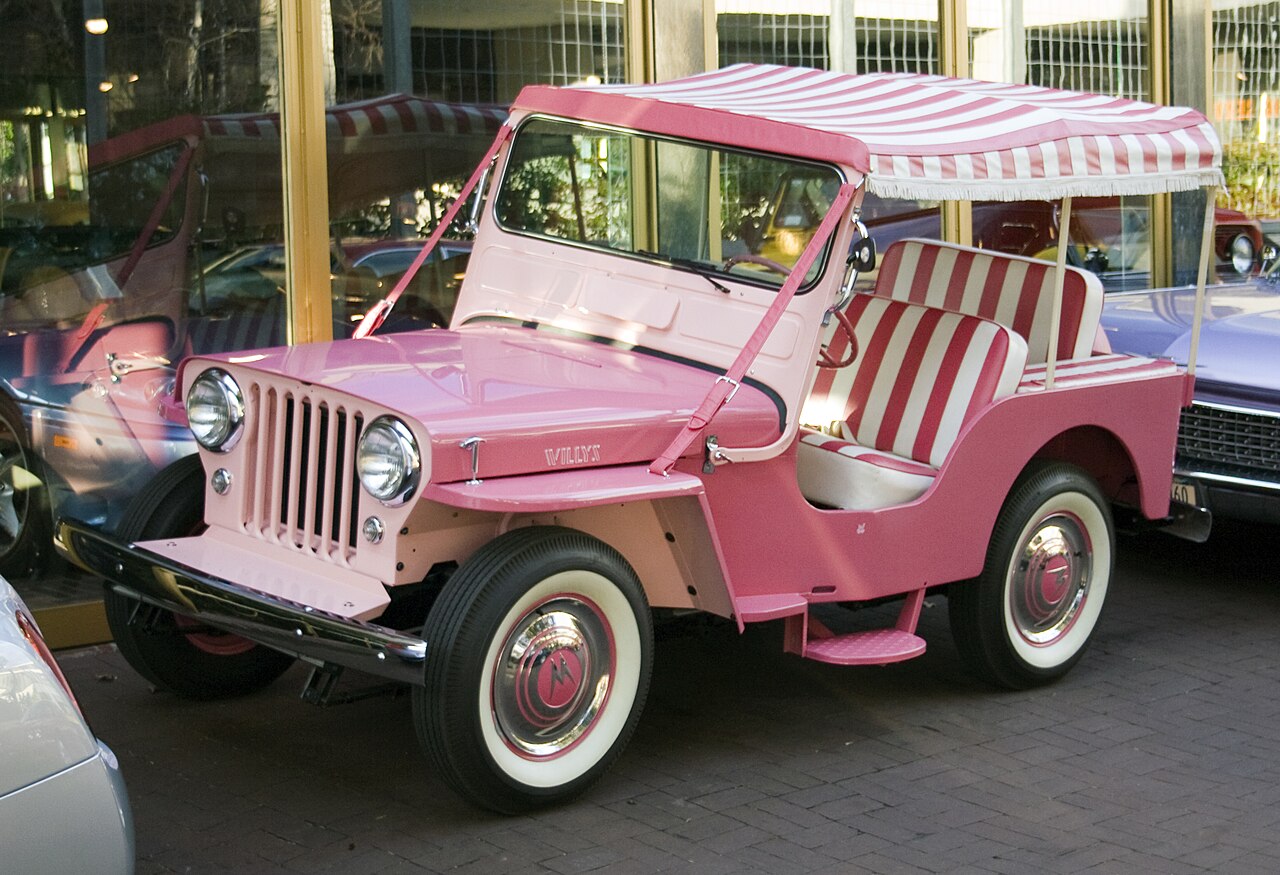
A right-hand-drive DJ-3A was built so postal drivers could reach roadside mailboxes without leaving the seat.

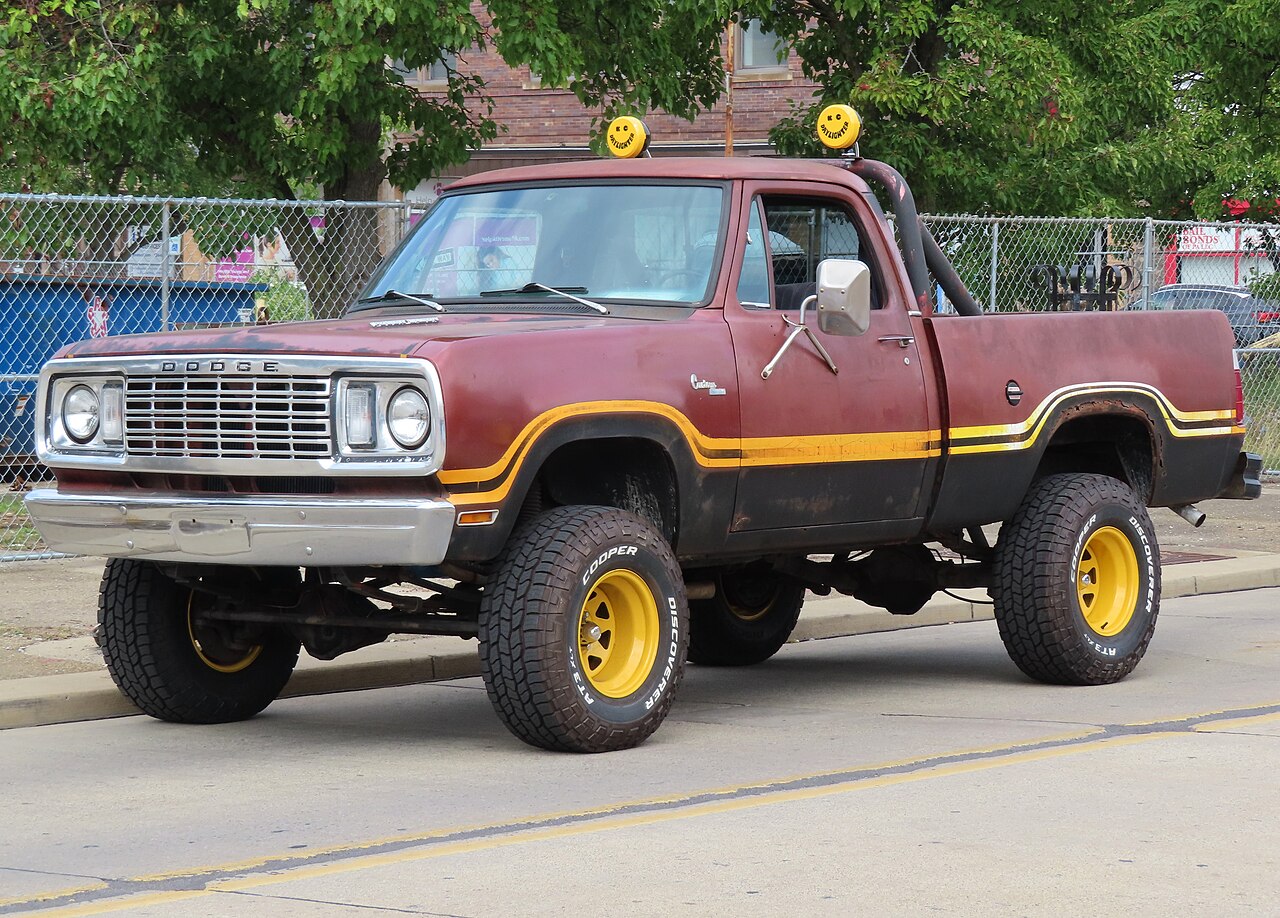
The Power Wagon name and civilian pickup design were derived directly from the WC-series military trucks Dodge built for World War II.

Suzuki kept the L20 Carry at the exact same 21 hp as its predecessor but still called it progress — the gain was a patented Cylinder Crank Injection lubrication system, not more power.

This generation of Titan quietly became the ancestor of two other trucks entirely: it was license-built by Kia as the Kia Titan in South Korea, and formed the basis of the Australian Ford Trader.