VerifiedFIRST · WORLDWIDEFIRST PRINTPROHonda's engineers chased an unlikely muse for the original NSX's cockpit: the view from an F-16 fighter jet shaped the car's low beltline and all-round visibility.
Every matched generation dealt as its CollectibleCard · Tap any card to flip.
48 cards · the first forty-eight

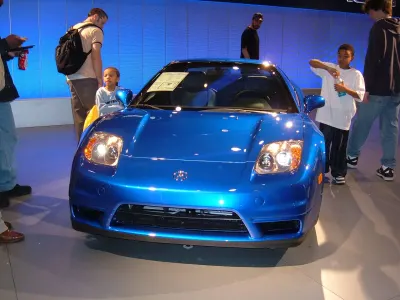
Honda's engineers chased an unlikely muse for the original NSX's cockpit: the view from an F-16 fighter jet shaped the car's low beltline and all-round visibility.

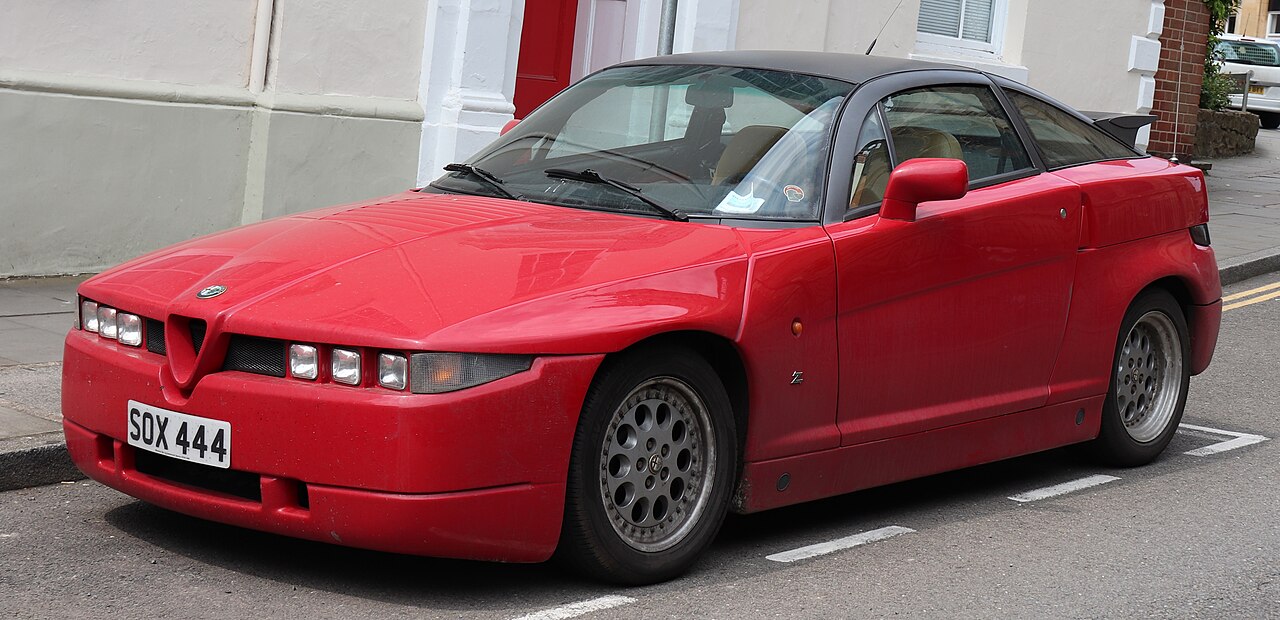
Everyone assumes Zagato designed the SZ — its badge is right there on the nose. It didn't: the shape came from Centro Stile Fiat, and only the 'Z' logo is actually Zagato's.

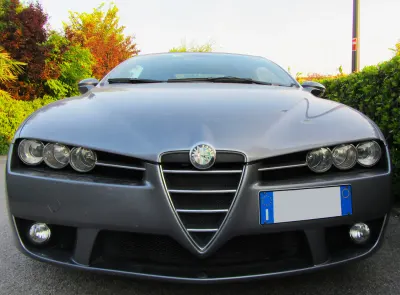
The 916 Spider's strongest naturally aspirated engine, the 192 PS 3.0 12V Busso V6, was never offered in its GTV coupe twin.

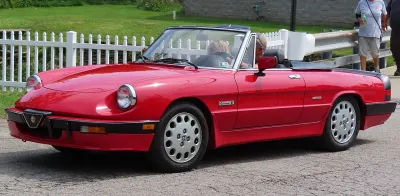
After nearly 25 years of manual-only Spiders, the final Series 4 cars quietly added something Alfa purists never expected: an optional automatic transmission.

The mid-80s Spider's Quadrifoglio Verde trim went all-in on a single look: blood-red carpets and grey leather with red stitching, and it only ever came in three exterior colors.

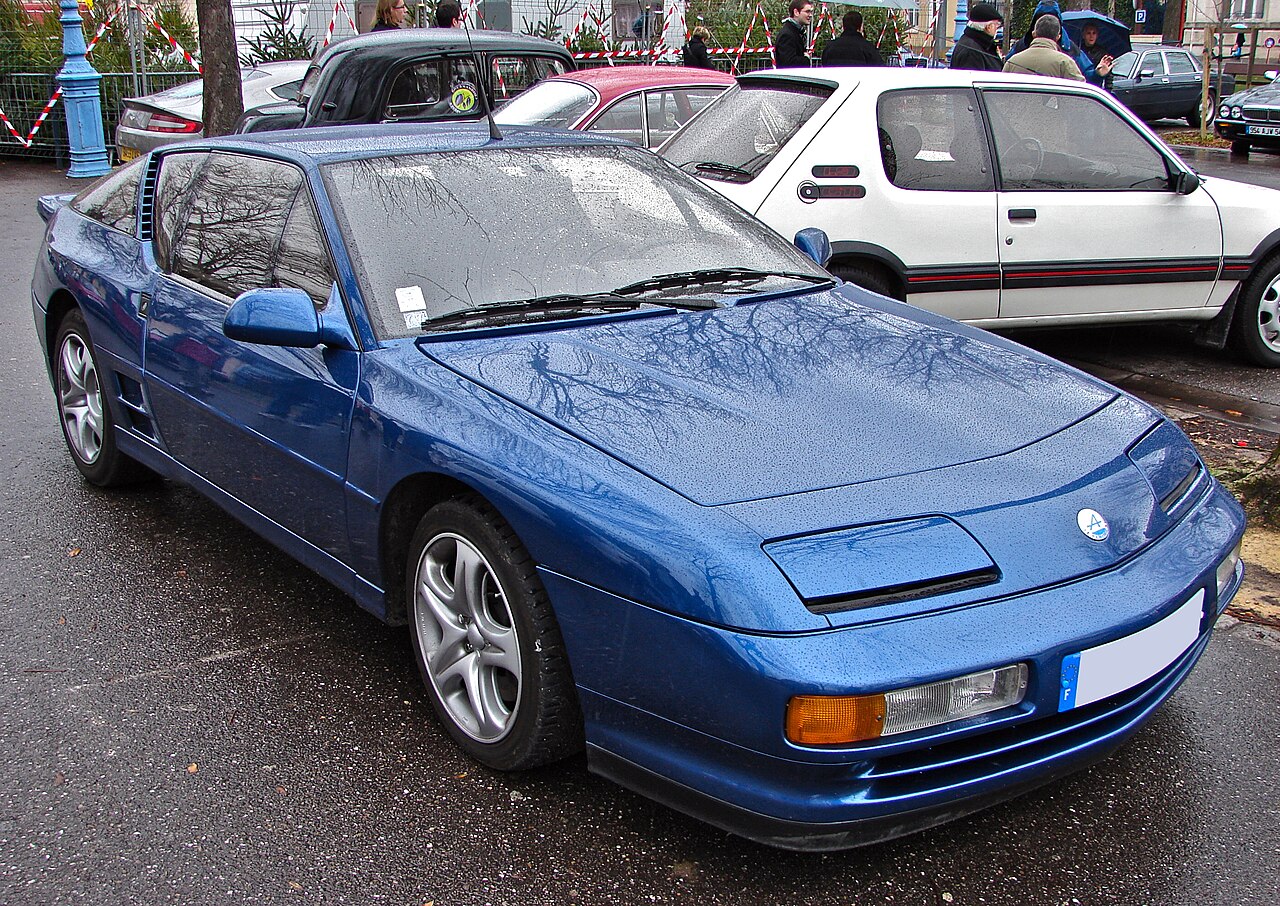
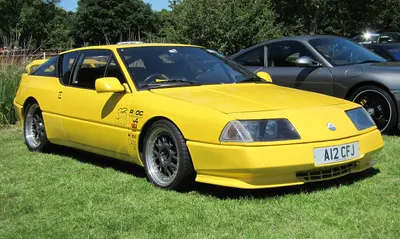
After 1993 Alpine built only 80 more A610s total, the last of a run that never beat the GTA it replaced.

Its driveline sits on a removable subframe that a mechanic can unbolt from the car in as little as two hours.

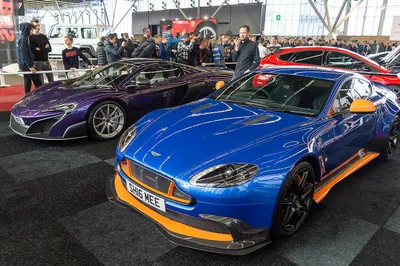
From 1998, Aston Martin would take your Vantage back into Works Service and convert it to V600 spec — bumping the twin-supercharged V8 from 550 to 600 hp.

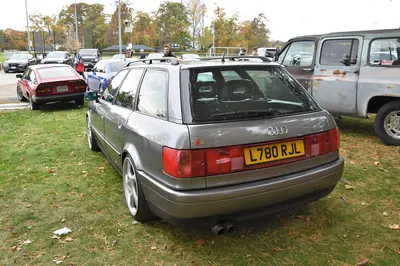
Audi only ever built 306 four-door S2 sedans, a rounding error next to the 7,370 Coupés, making the sedan by far the rarest body style of the whole S2 run.

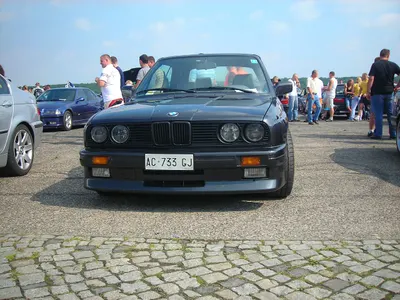
BMW built a one-off E30 M3 pickup truck in 1986 — and actually used it as a genuine workshop hauler for the M division for the next 26 years.

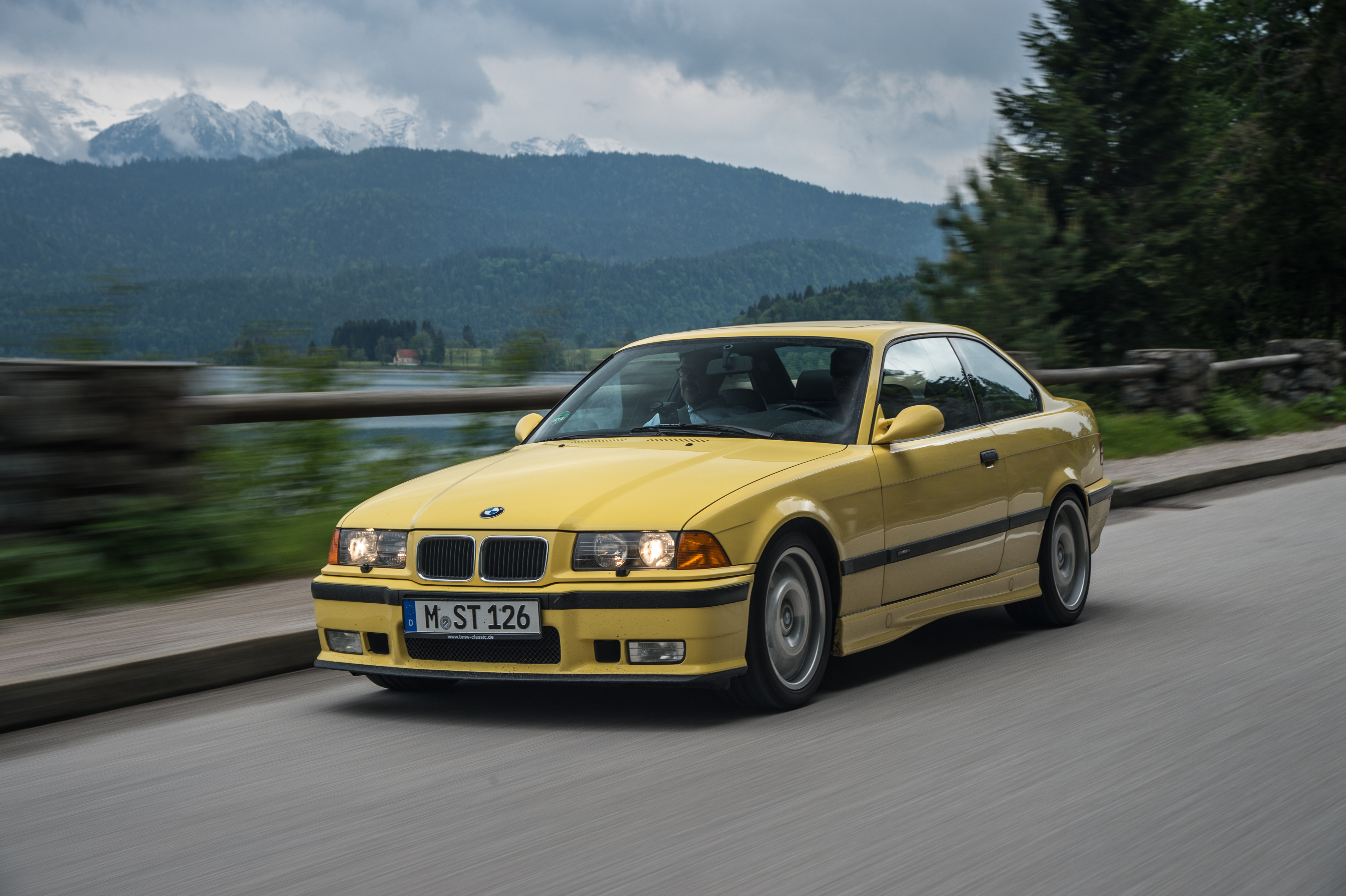
BMW M actually hand-built an M3 Compact in 1996, stuffing the full 3.2L S50 engine into the stubby 'ti' hatchback body — a hot-hatch M3 that got reviewed in the press and then simply never reached showrooms.

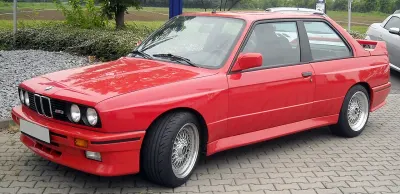
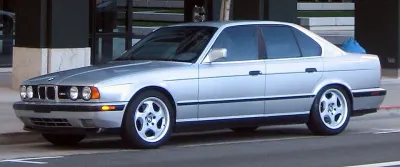
Only 600 were built. The E30 M3's final act, the 1990 Sport Evolution (aka 'EVO3'), squeezed 238 PS from the same 2.5-litre four that started the whole M3 story.

The E34 M5 Touring wasn’t just BMW M’s first estate car — at only 891 units, it was also the last M car ever hand-built.

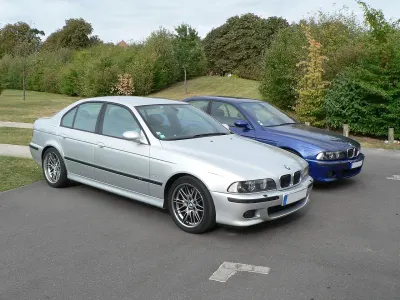
BMW actually built an E39 M5 Touring wagon prototype — Titanium Silver with black leather — before killing it over cost, not performance.

The E34 M5 Touring holds a quiet distinction: at only 891 built, it was both BMW M's first-ever estate car and the last M car ever assembled entirely by hand.

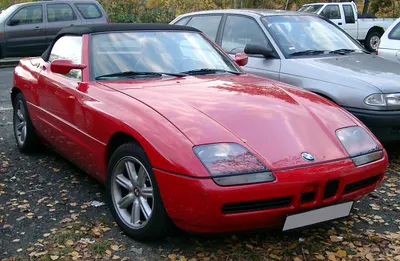
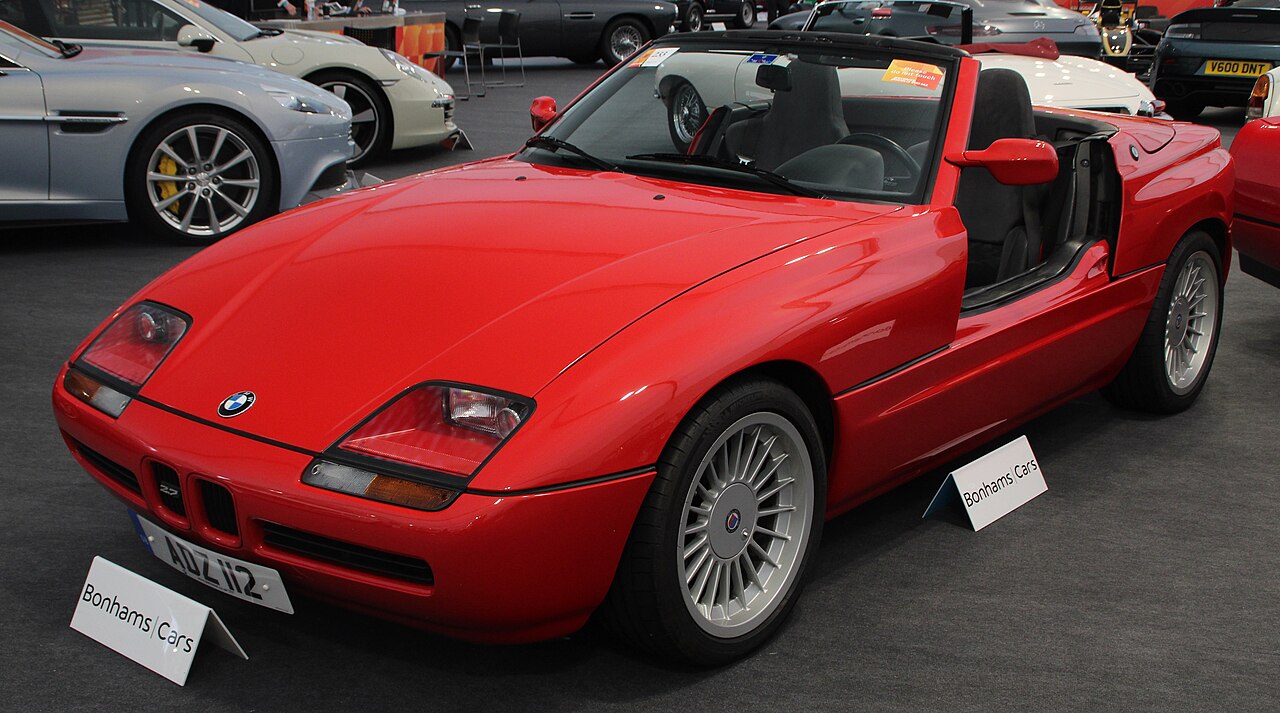
The Z1's doors don't open — they vanish, sliding down into the sills. The body is strong enough that you can drive it with them fully retracted.

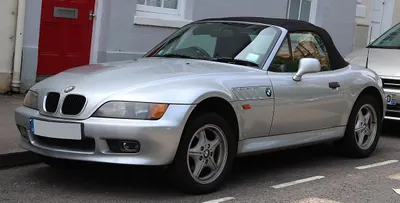
The Z3 Coupe wasn't a boardroom-approved project — a group of BMW engineers designed it in their own spare time before the company officially picked it up.

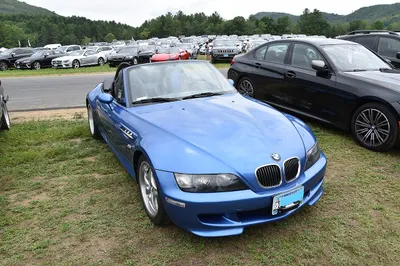
When BMW gave the whole Z3 range a cosmetic refresh in 2000, the M Roadster and M Coupe were left completely untouched — the performance models didn't need the facelift.

Alpina converted 66 Z1s into its Roadster Limited Edition, with 0.2 litres more displacement and 30 more horsepower.

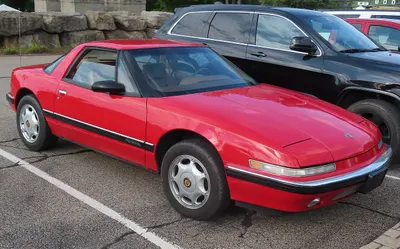
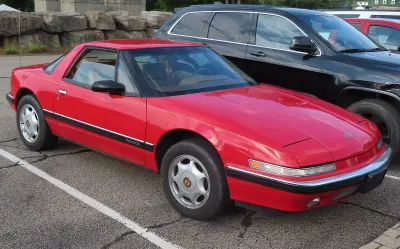
This was the second car ever with a touchscreen interface, after the 1986 Riviera, and Buick's only model with true pop-up headlamps.

The Reatta's dash had a full touchscreen controlling the radio, climate and trip computer back in 1988 — only the second production car ever to get one, after Buick's own Riviera two years earlier.

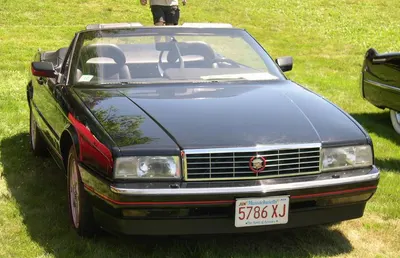
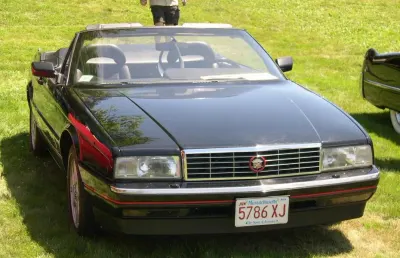
Cadillac shipped unfinished Allante bodies from Pininfarina in Italy to Detroit by cargo plane for final assembly.

The Allanté's body was built in Italy and flown to Detroit on specially fitted Boeing 747s, 56 bodies per flight — Cadillac called it the 'Allanté Air Bridge,' the world's longest assembly line.

Cadillac and Peerless both patented the same cross-plane crankshaft fix for the V-63 and agreed to just share it.

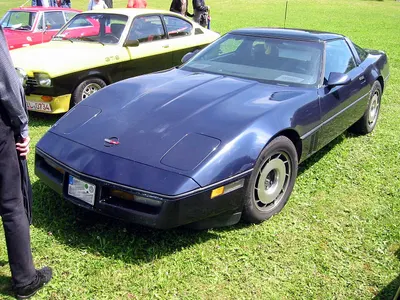
GM ordered every 1983 Corvette prototype destroyed. One white pre-production car escaped the crusher, sat forgotten for years — and even survived the museum sinkhole in 2014.

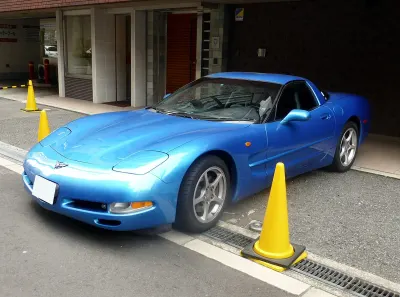
The C5 ended production on July 2, 2004 — making it, alongside the Lotus Esprit, the last car ever built with pop-up headlights.

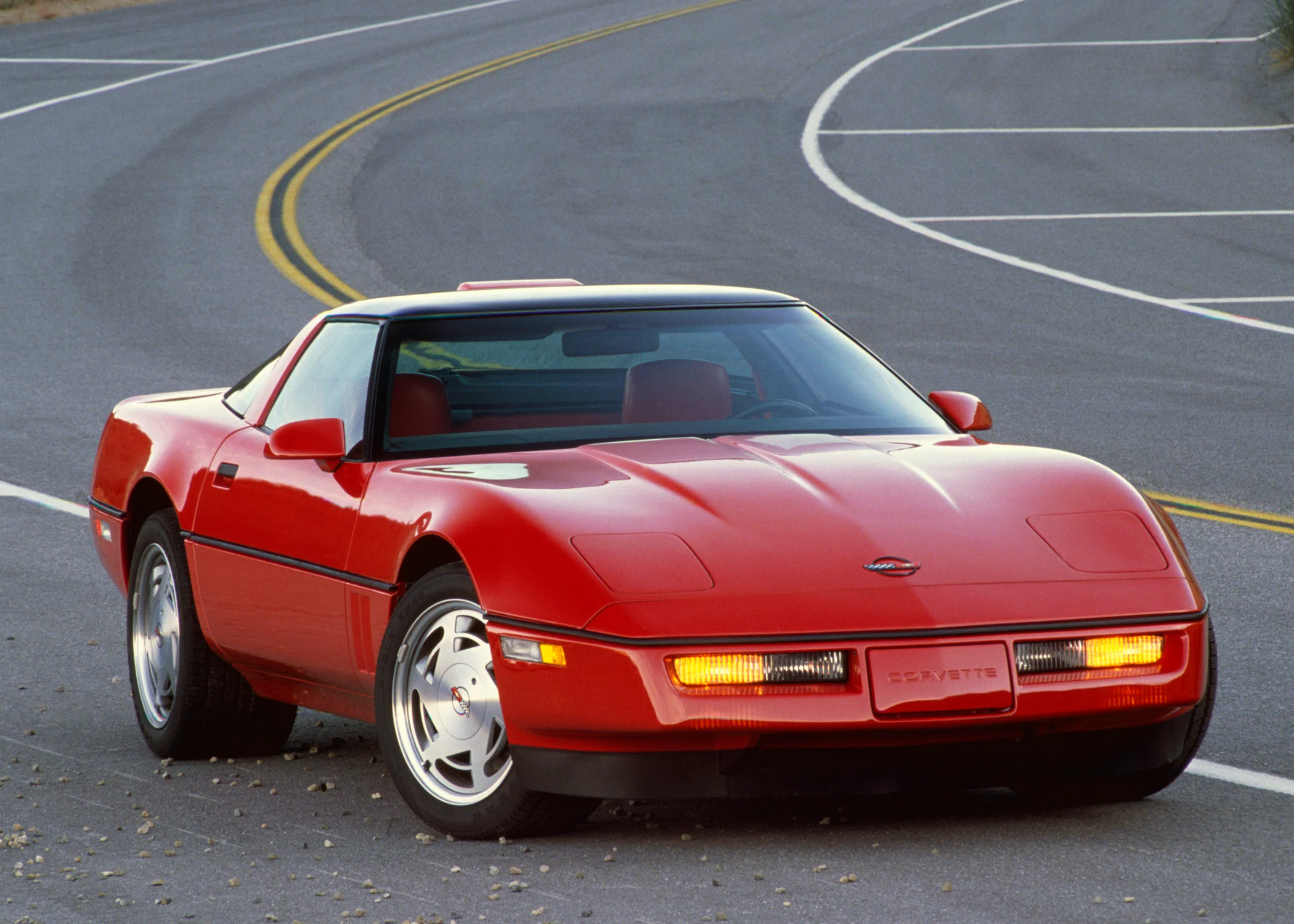
GM bought Lotus in 1986 partly to build this Corvette, and a stock ZR1 then set seven FIA world records in Texas.

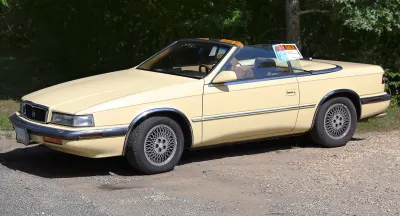
A Chrysler exec called it straight: the Maserati partnership produced just one car, the TC, and the whole "misadventure" cost Chrysler close to $600 million.

The V16T is the only production car ever built with four separate pop-up headlights, stacked two per side.

BMW's V8 was so much smaller than Ford's replacement that once Ford's engine arrived, the Guarà spyder could no longer be built.

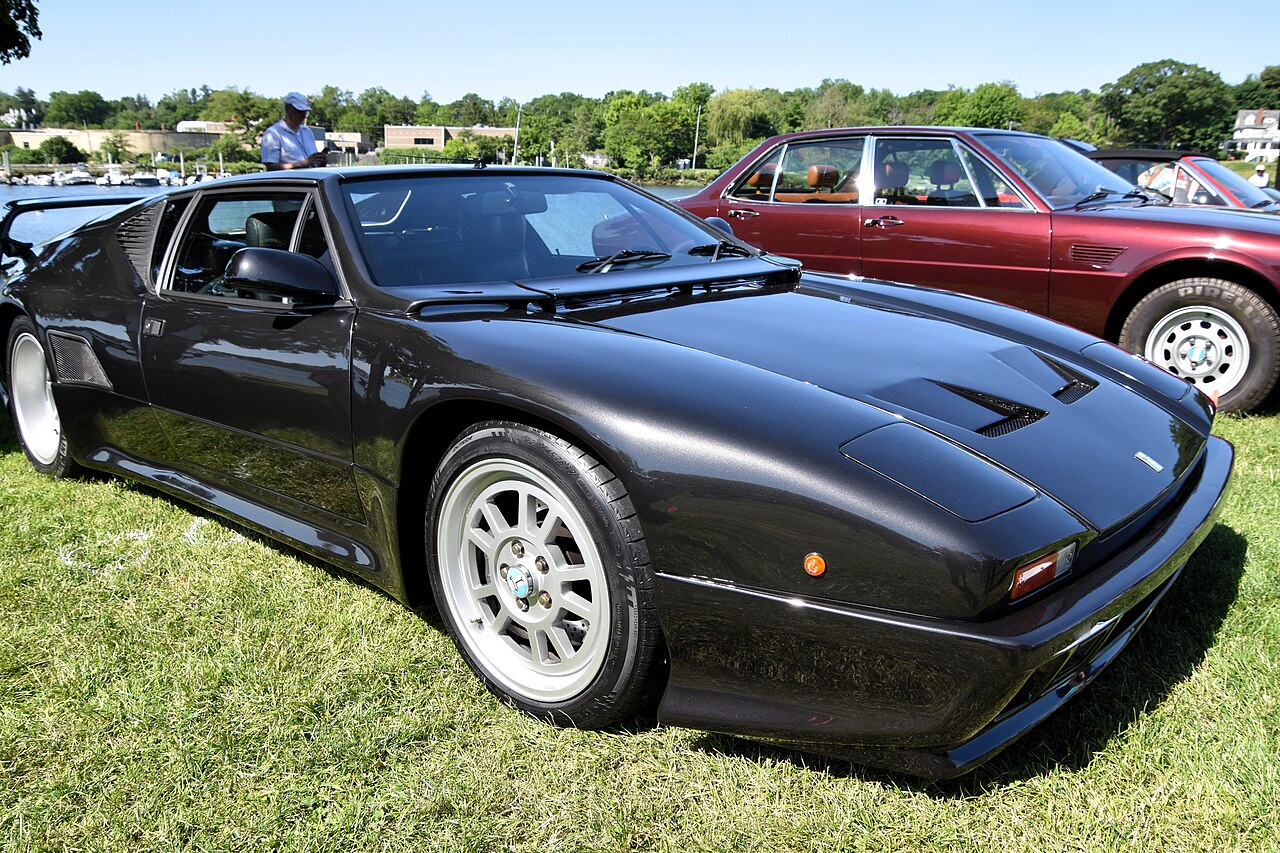
Two of the last 41 Panteras built were crash-tested into oblivion before a single one reached a customer.

The GTS coupe's "double bubble" roof wasn't styling flourish — the raised bubbles existed to clear drivers' helmets, borrowed straight from Pete Brock's Shelby Daytona.

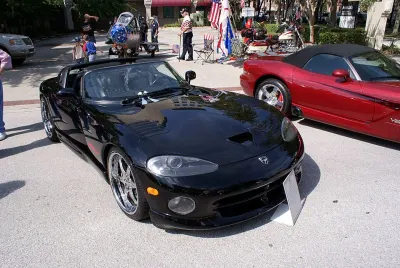
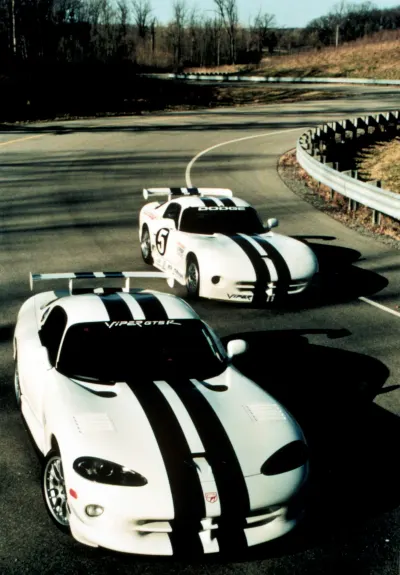
This Viper broke Chrysler's own numbering habit, the first ever built with VINs running in exact sequence, 001 to 100.

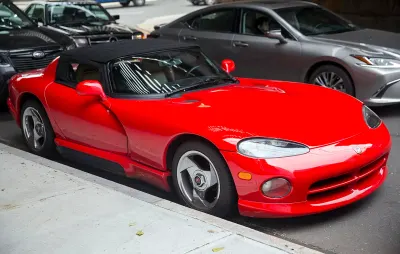
The original Viper was so stripped for speed it shipped with no door handles, no key cylinders, and no air conditioning — a race car Dodge let you drive to the shops.

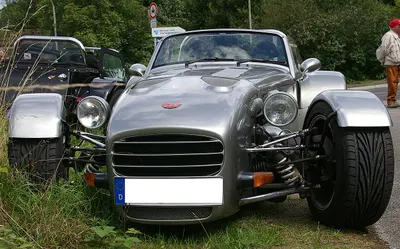
When Donkervoort introduced the hardtop D8 GT in 2007, it gave the featherweight track car butterfly doors — a supercar flourish on a car that still weighs barely more than half a small hatchback.

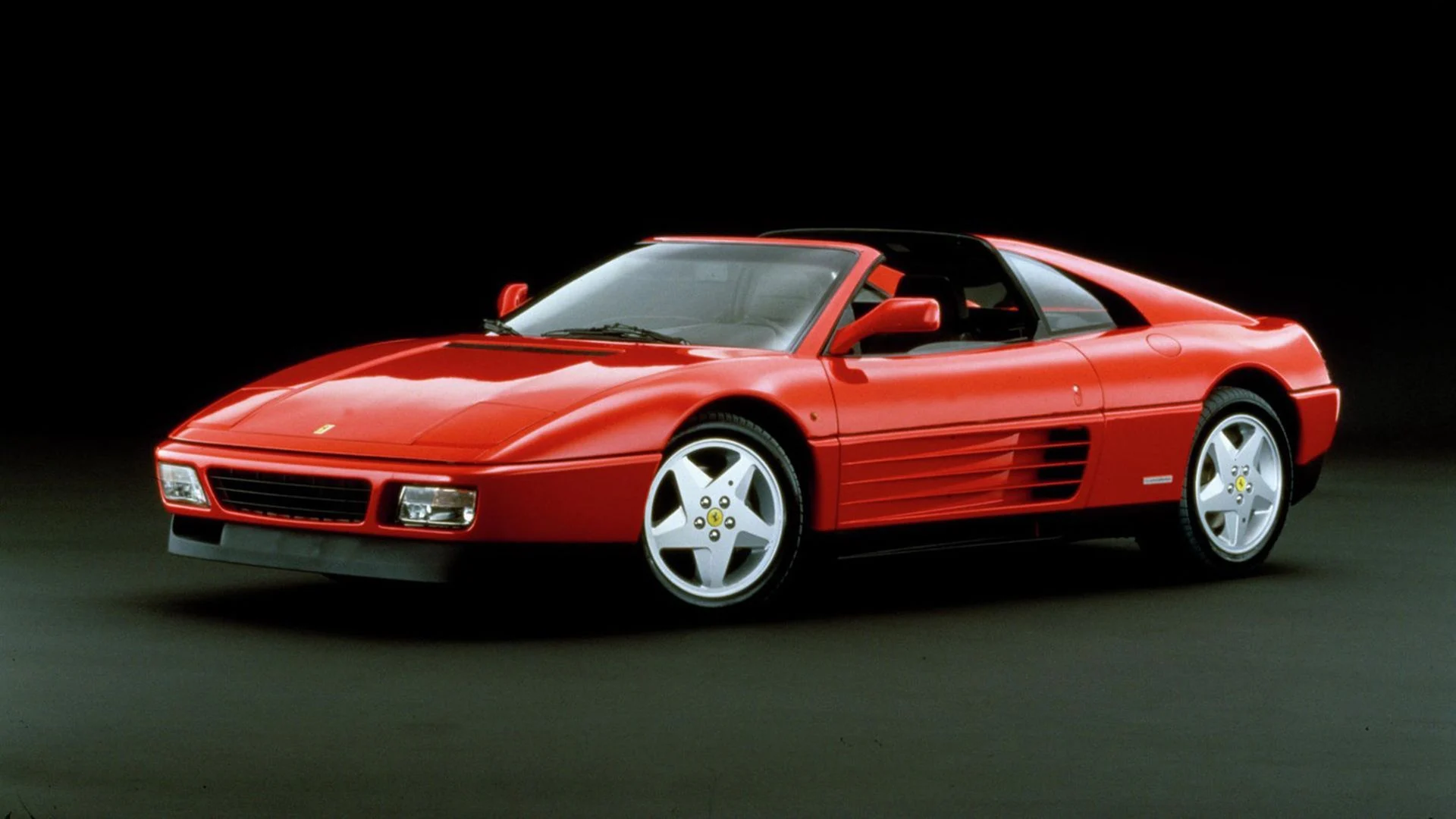
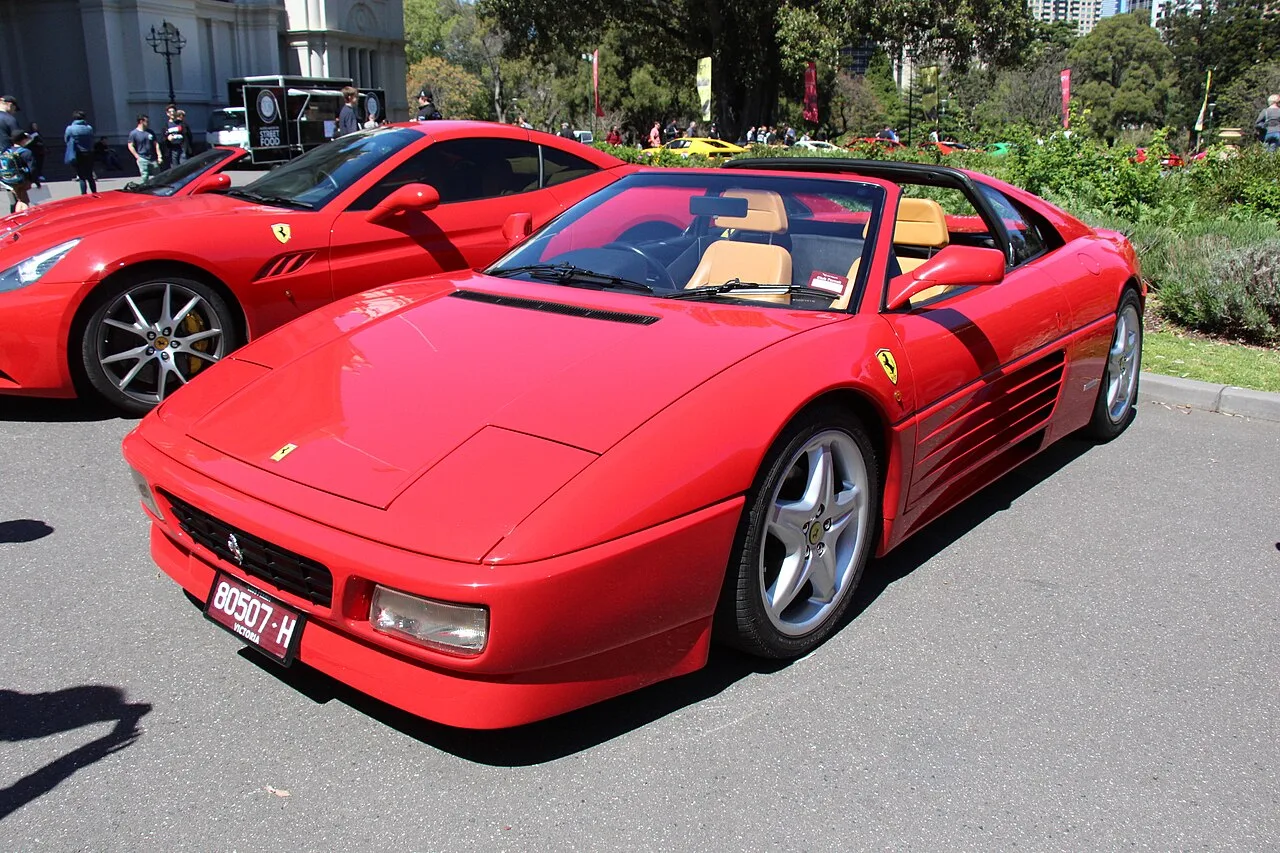
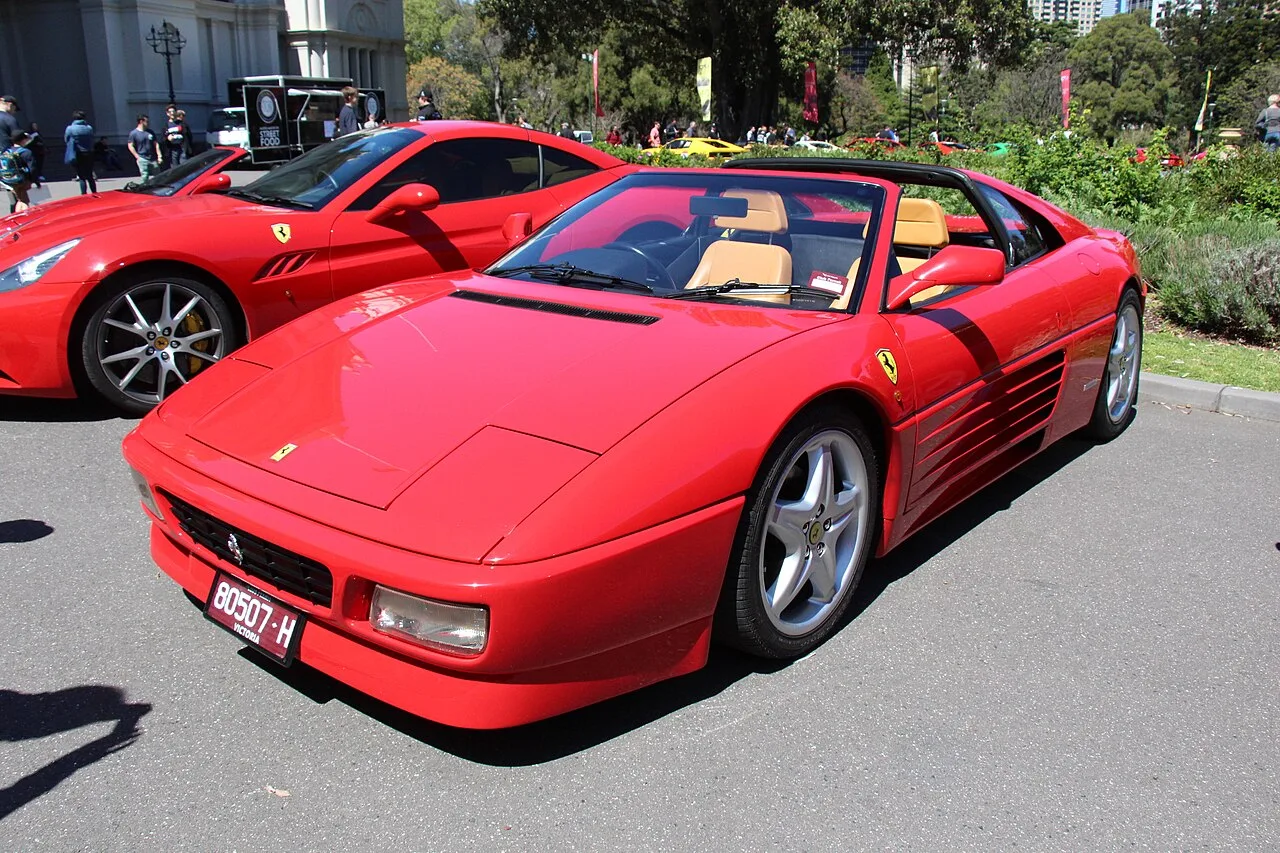
In 1991 Ferrari's own president, Luca di Montezemolo, was out-accelerated from a Rome traffic light in his 348 by a Golf GTI, and told his engineers it "doesn't move".

Ferrari built just 100 numbered Serie Speciale editions of the 348 tb/ts, sold only in the US, each with F40-style Connolly leather seats and its own plaque.

The 348 was the first road-going Ferrari to use a transverse gearbox, a layout designed originally for the 312T Formula 1 car.

The 348 brought Formula 1 to the road: its transverse gearbox layout was adapted straight from Ferrari's 312T Grand Prix car.

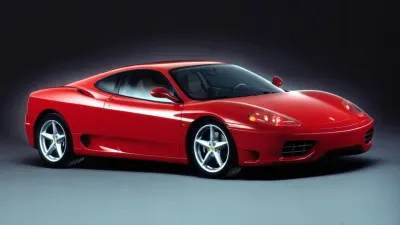
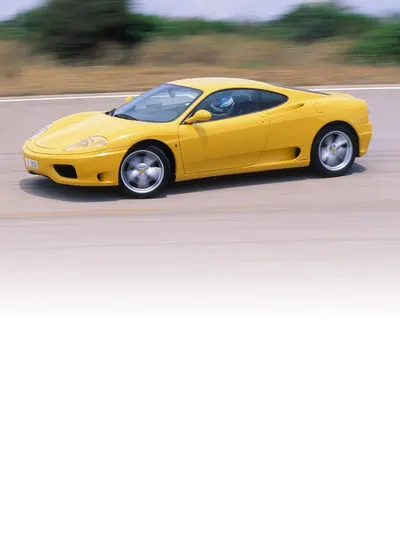
Ferrari and Alcoa built the 360's aluminium frame 40 percent stiffer and 28 percent lighter than the F355's steel one.

The 360 Modena was the first mid-engined V8 Ferrari in decades without pop-up headlights, a deliberate clean break meant to mark the brand's arrival into a new millennium.

One 512 TR Spider got a push-button manual/automatic transmission decades before paddle-shift cars -- built for Fiat chairman Gianni Agnelli, who had a chronic leg injury.

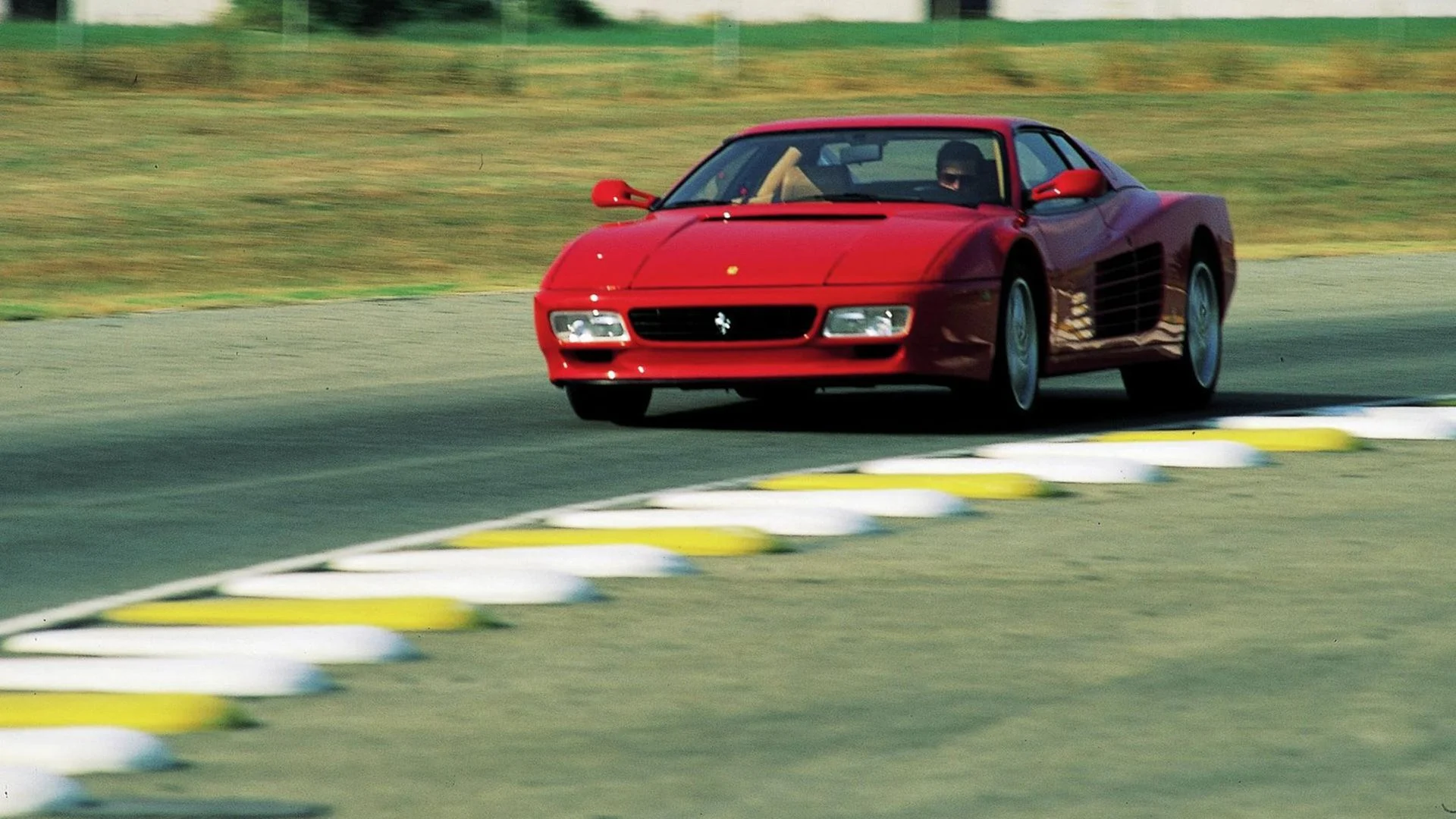
Ferrari rebuilt the Testarossa's weight distribution so thoroughly that the 512 TR counted as an entirely new car.

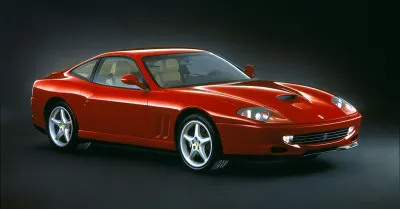
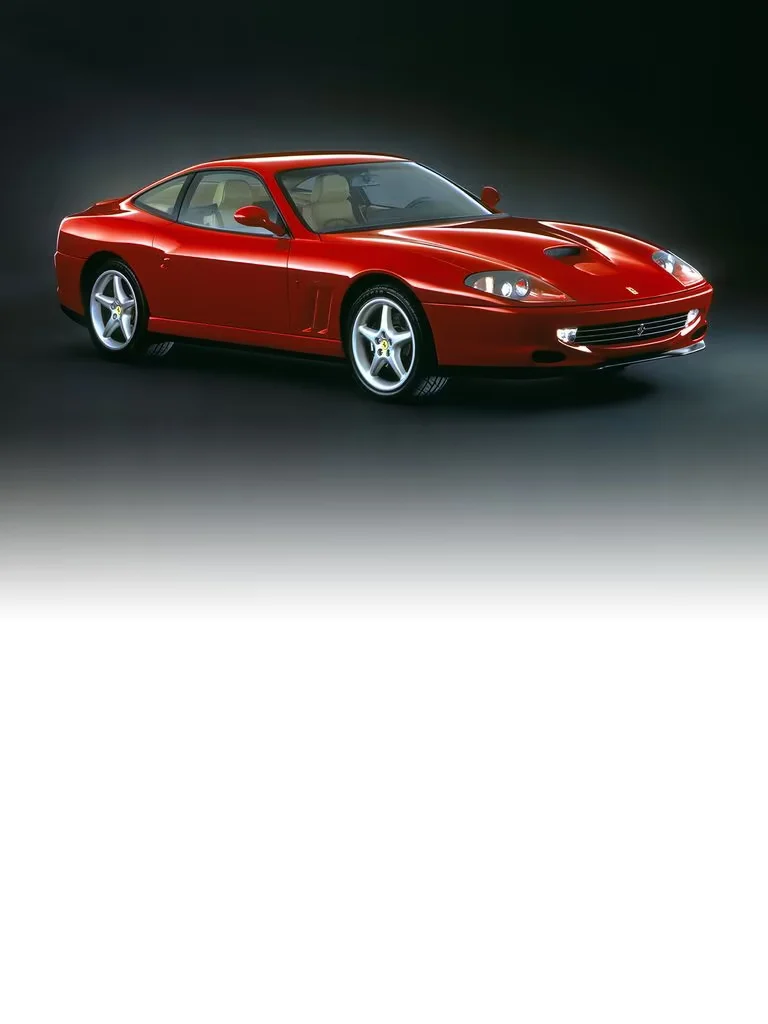
Ferrari put the engine back up front for its flagship V12 for the first time since 1973, ending 23 years of mid-engine 12-cylinder orthodoxy.

The 550 Maranello broke two decades of tradition: Ferrari's first front-engined V12 two-seater since the Daytona, 23 years after the mid-engined Boxer took over.

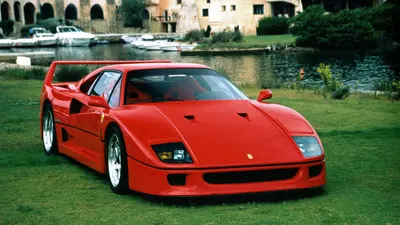
Every F40 left the factory left-hand drive — except at least seven built right-hand drive specially for the Sultan of Brunei.

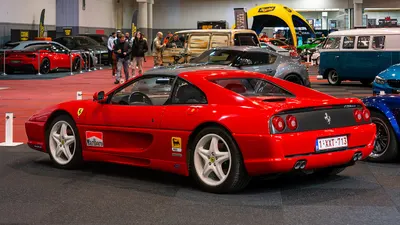
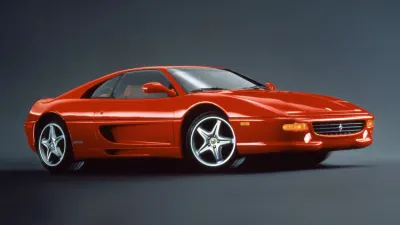
1997 made history under the hood: that year's F355 Berlinetta became the first road car on earth to offer an F1-style paddle-shift gearbox, pulled straight out of Formula 1.

Ferrari built 11,273 F355s, more of this car than any Ferrari before it.
Real Sports & performance cards spotted on the street by Burbles collectors. Tap any card to flip it over, inspect the collector’s binder, or follow them.
VerifiedFIRST · WORLDWIDEFIRST PRINTPROHonda's engineers chased an unlikely muse for the original NSX's cockpit: the view from an F-16 fighter jet shaped the car's low beltline and all-round visibility.
VerifiedFIRST · WORLDWIDEFIRST PRINTPROBMW built a one-off E30 M3 pickup truck in 1986 — and actually used it as a genuine workshop hauler for the M division for the next 26 years.