This Dyna generation's heaviest-duty 300 model came with an exhaust brake standard — a feature more associated with much bigger commercial trucks of later decades.
Median 74 hp across 34 similar cars
Lead trim: Dyna U60–U90 2.0 3Y petrol · up to 120 hp
Toyota Dyna U60–U90 / Y50–Y60U60-U90/Y50-Y60 · 1984–1995
- 0spots by members
- Unclaimednobody has spotted one yet
- 0sets it belongs to
Nobody in Burbles has spotted a Toyota Dyna U60–U90 / Y50–Y60 yet. See one on the street, point the app at it, and the first card is yours — with your @handle permanently credited on this page.
FactThis Dyna generation's heaviest-duty 300 model came with an exhaust brake standard — a feature more associated with much bigger commercial trucks of later decades.
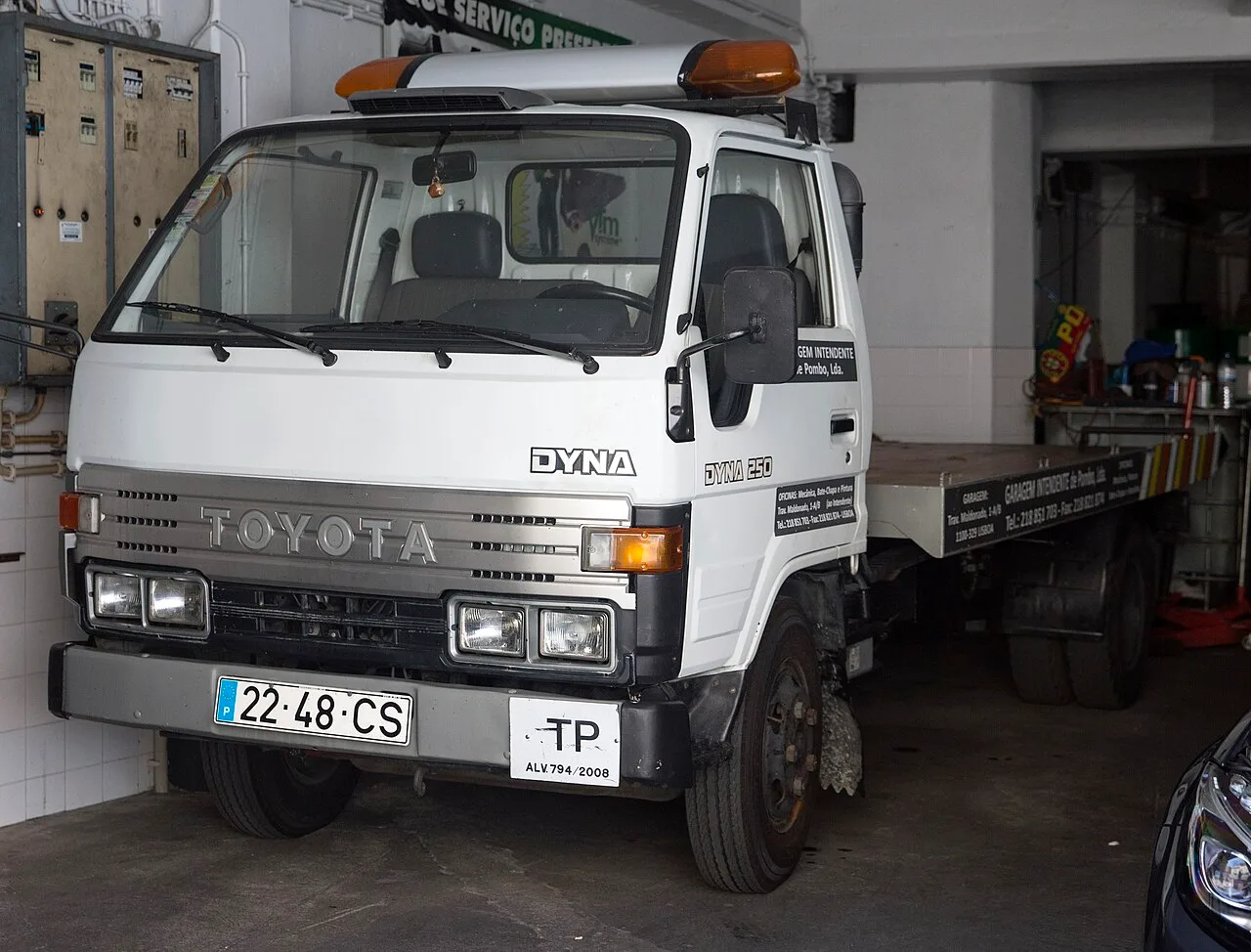
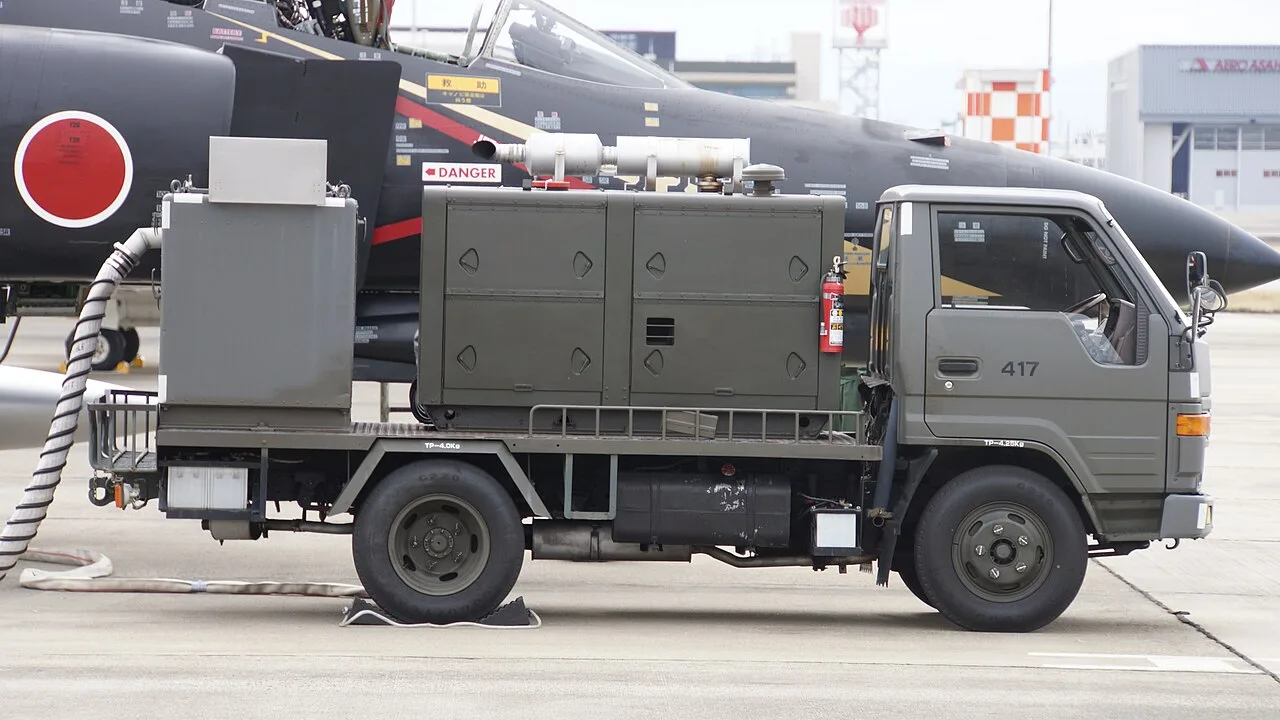
The U60–U90 Dyna (2–3.5 tonne) was released in Japan in September 1984 with new features including the "full just-low" flat deck for easier, lower loading, a passenger-car-like floor shift and, on the 1W diesel, the "one-touch super-shift" from economy to power drive. Engines were the 3.0-litre B, the 3.4-litre 3B and direct-injection 13B (turbocharged 13B-T), the 3.7-litre 14B and the 4.0-litre 1W diesels, the 2.0-litre 3Y gasoline and the LPG 3Y-P; a 5-speed gearbox was standard with a 4-speed automatic (2-way overdrive) optional, the Dyna 300 had an exhaust brake and the first BU-series (Dyna 200/300/400, 1984–88) had quad round headlights, replaced from 1989 by rectangular ones with one-piece door glass. In Portugal the 3B-engined Dyna 250 (BU84) was assembled locally, and there Salvador Caetano built the lighter Y50–Y60 (introduced May 1985) as the LY60 Dyna 150 with Toyota's 2.4-litre (2,446 cc) 2L diesel four.
Collectors Spotted in the Toyota Dyna Lineage
No member has published a public street spot of the Toyota Dyna yet — the First · Worldwide stamp is wide open.
Trims & Figures
5 published trims in the catalogue. A blank is a figure not recorded, not zero.
| Trim | Years | Engine | Power | Torque | 0–60 | Drive | Gearbox | MSRP |
|---|---|---|---|---|---|---|---|---|
| Dyna 150 (LY60) 2.4 2L diesel inline-four (Portugal) | 1985–1995 | 2.4 L Inline-4 | 82 hp | 123 lb-ft | — | — | — | — |
| Dyna U60–U90 2.0 3Y petrol | 1984–1994 | 2.0 L | 87 hp | 114 lb-ft | — | — | — | — |
| Dyna U60–U90 3.0 B diesel | 1984–1994 | 3.0 L | 80 hp | 141 lb-ft | — | — | — | — |
| Dyna U60–U90 3.4 13B turbodiesel (13B-T) | 1984–1994 | 3.4 L | 120 hp | 160 lb-ft | — | — | — | — |
| Dyna U60–U90 4.0 1W diesel | 1984–1994 | 4.0 L | 115 hp | 203 lb-ft | — | — | — | — |
Owning one
We don’t estimate running costs for a car like this. What it costs depends on its condition, its specialist and how it is driven, and an average would mislead.
Owners’ builds
Nobody has claimed one yet.
Photographs
The hybrid Dyna's electric motor pulls double duty — it also serves as the truck's starter motor, one less part under the cab.
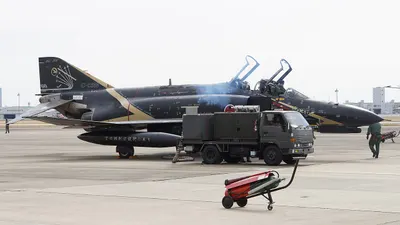
Toyota didn't build this Dyna generation alone — it was co-developed with Hino, whose own Dutro truck is simply a rebadge of the same 1999 design wearing a different grille.
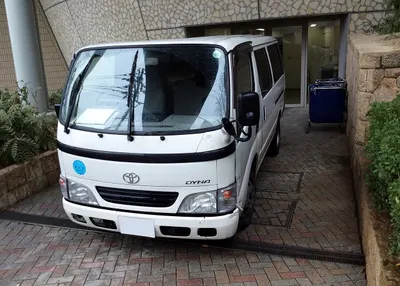
In 1997 Toyota pushed the Dyna's cab forward 690mm and dropped the floor 81mm for its Super Low Cab variant — squeezing more load space out of the same truck without lengthening it.
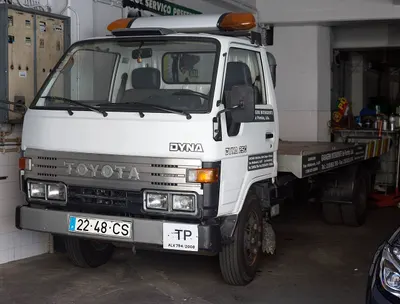
This generation of Dyna truck stayed in production in Indonesia all the way to 2002 — nearly two decades after it first went on sale.
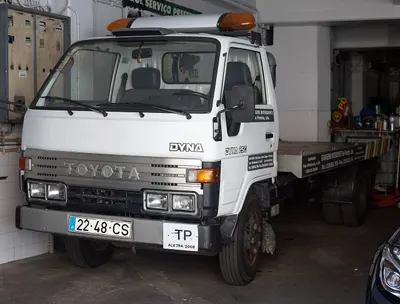
This Dyna generation's heaviest-duty 300 model came with an exhaust brake standard — a feature more associated with much bigger commercial trucks of later decades.
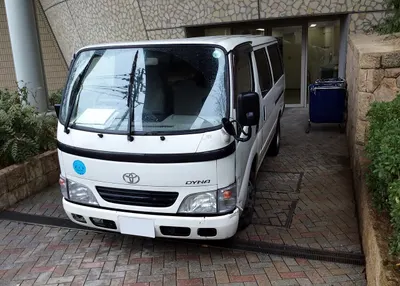
This generation of Dyna led a triple life: badged as a Toyota, sold as a Daihatsu Delta, and — for the first time — as a Hino Ranger too.
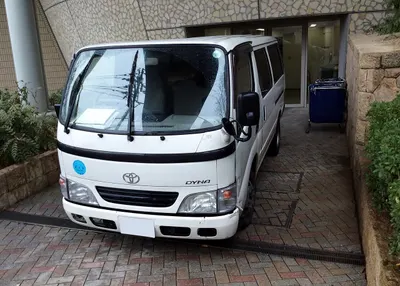
This Dyna truck and the Toyota Coaster minibus aren't just cousins — they share the exact same U10-series chassis.
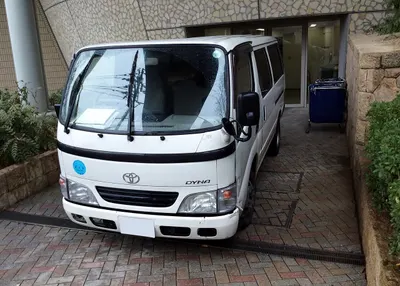
The redesigned K170 Dyna shared its chassis and 1.9-litre engine with the lighter-duty Toyota Stout pickup, and even lent its own underpinnings to Toyota's light bus.
Rivals
Same body, same money, other badges — tap any card to flip.
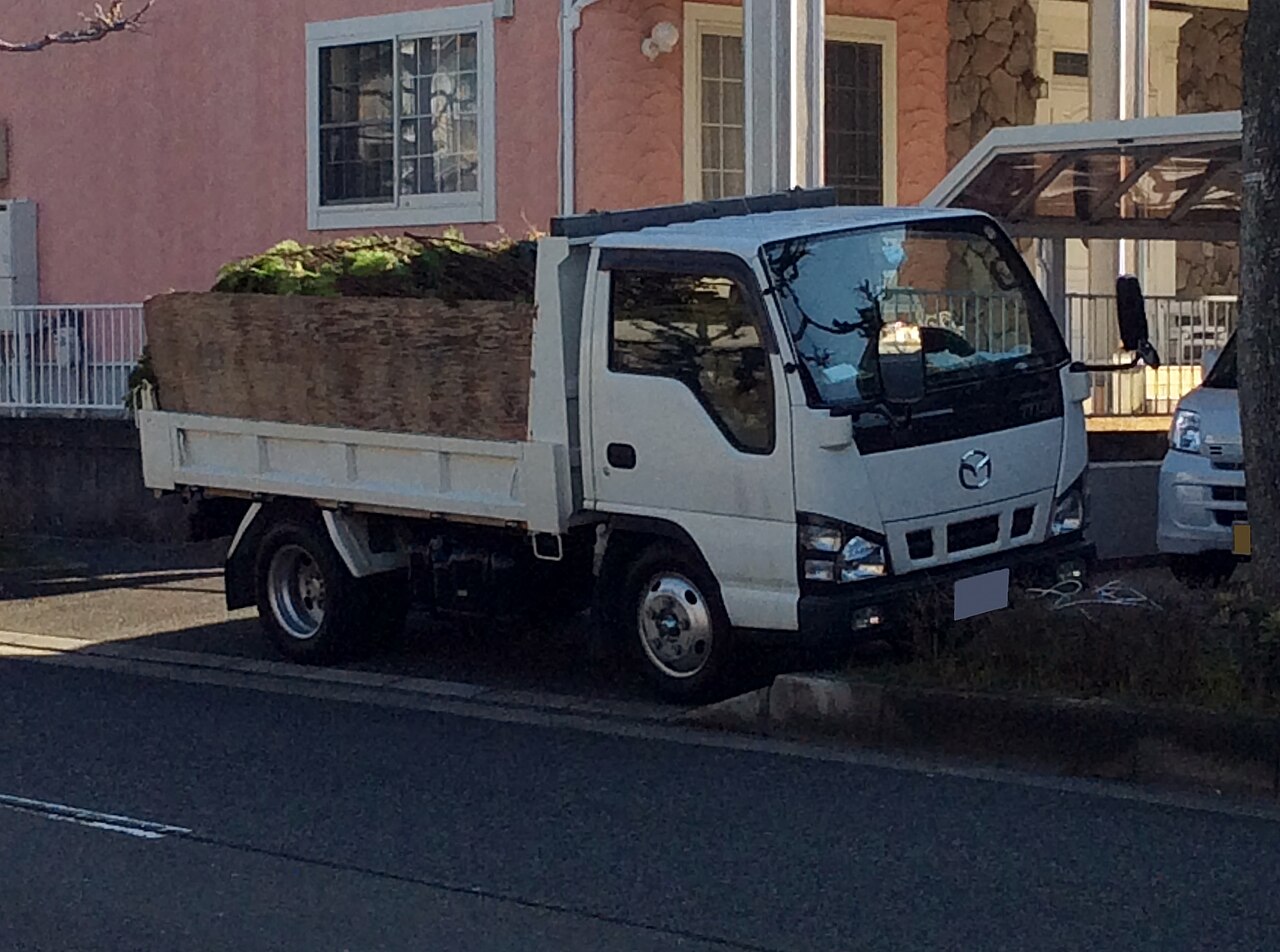
When Mazda's E2000 — the truck that became the Titan — launched in January 1964, the factory was tasked with building 1,900 of them a month.
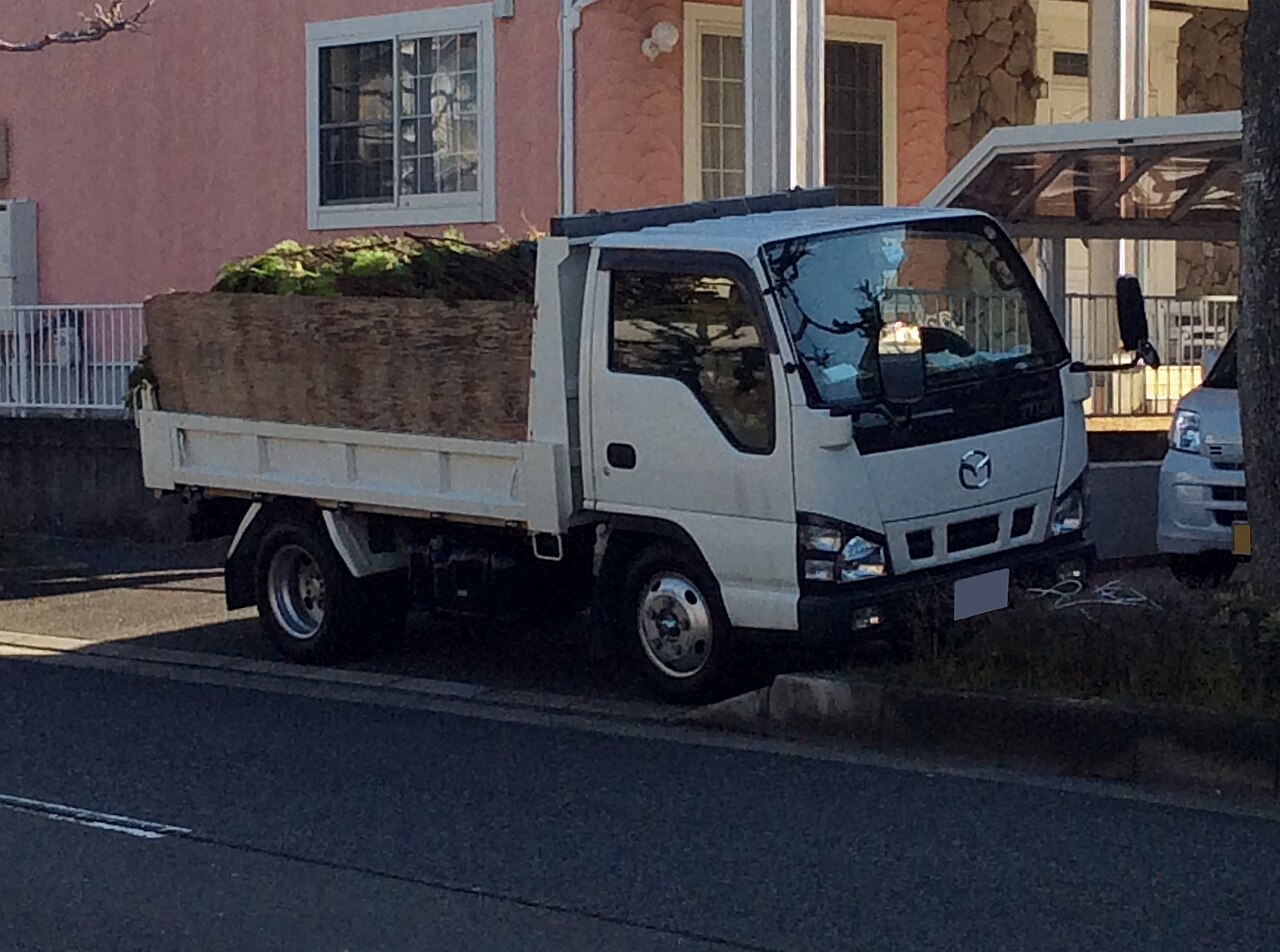
Swaraj Mazda built this truck under license in India from 1985, and the plant survived name changes all the way to SML Isuzu.
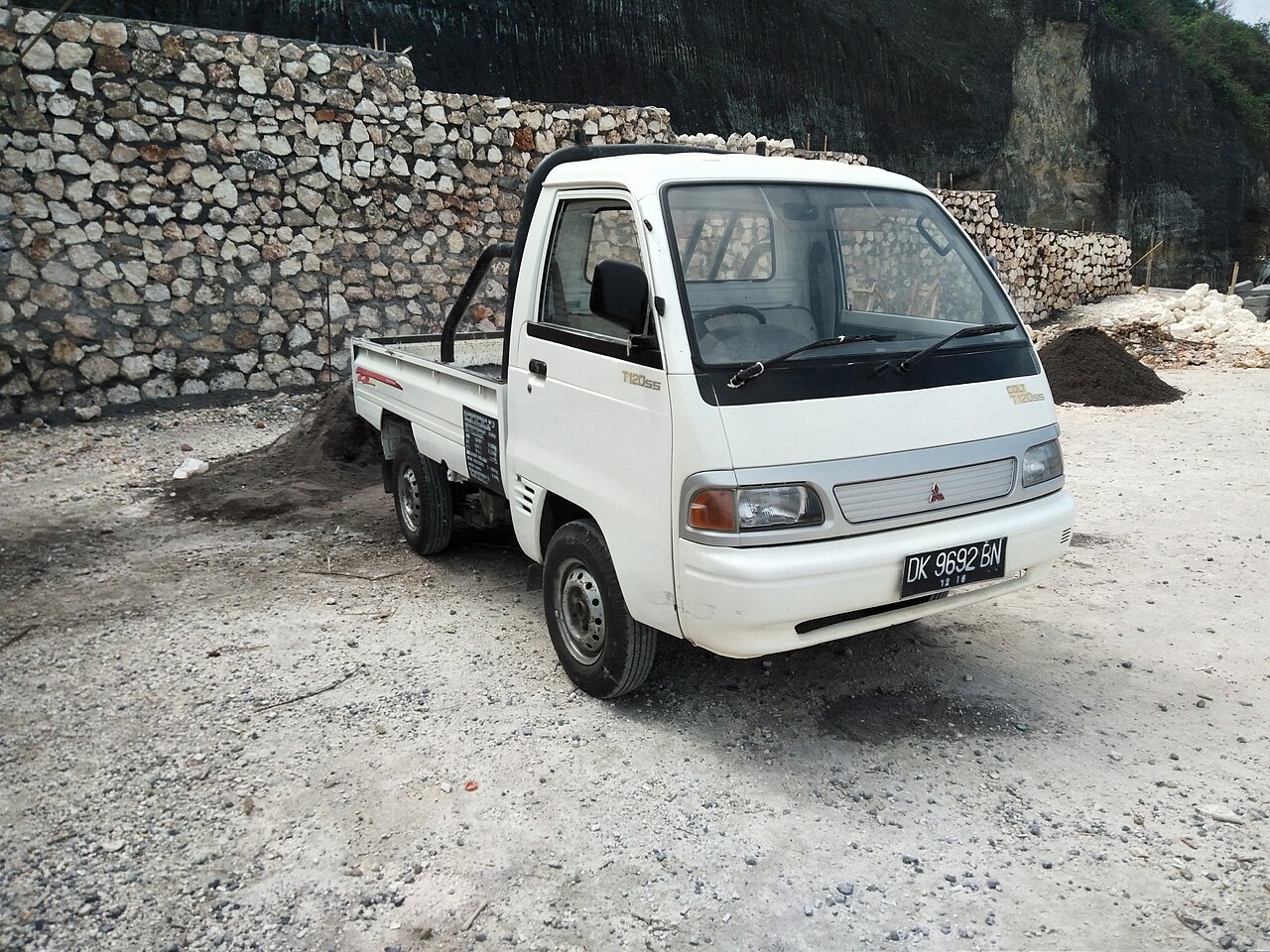
Indonesia built this pickup for 28 years with no successor, the last one leaving the Jakarta line in January 2019 after 324,960 units.
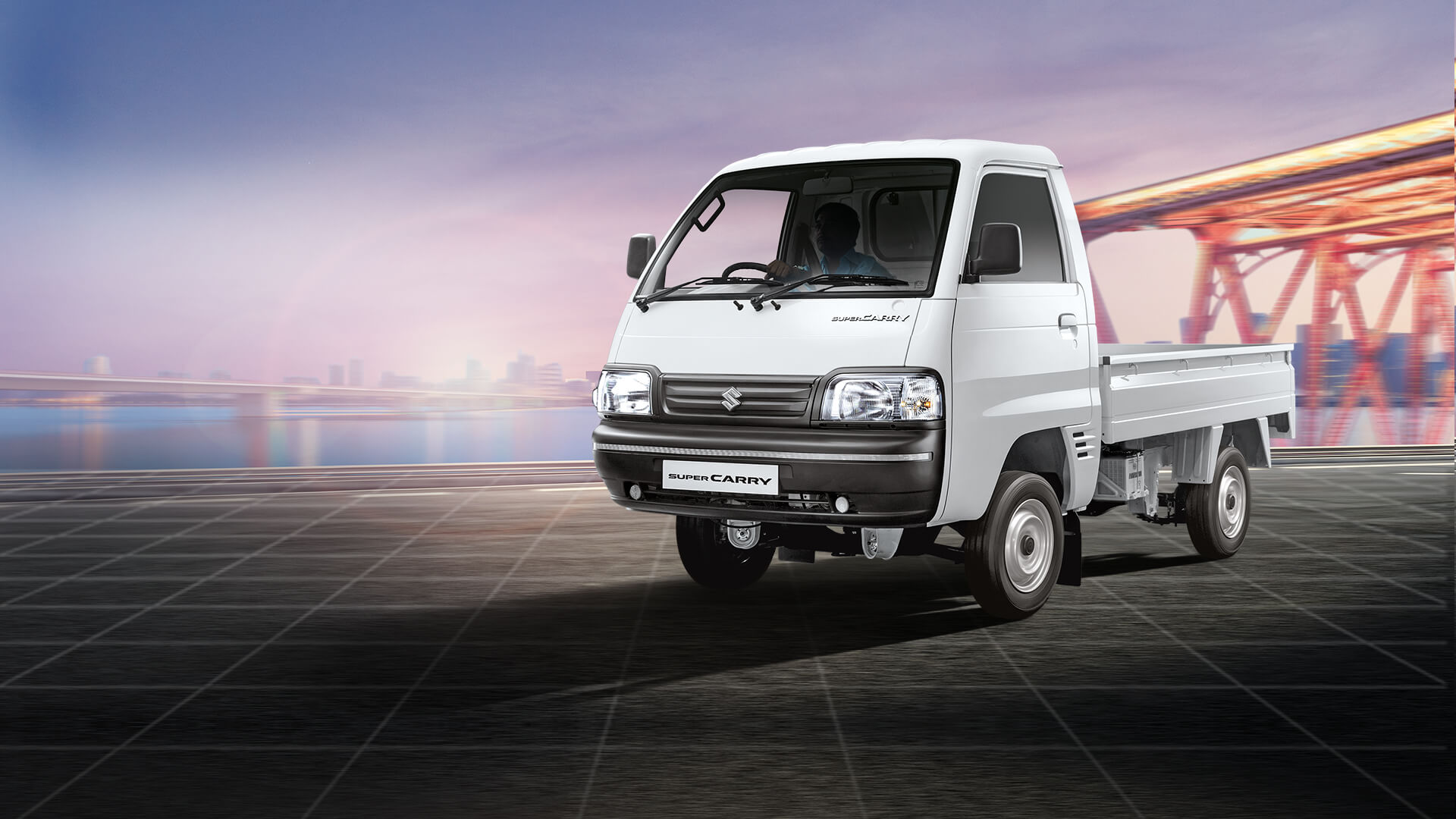
Suzuki's first-ever diesel engine, fitted to the Super Carry, is so small that it isn't able to power an air-conditioning system at all.
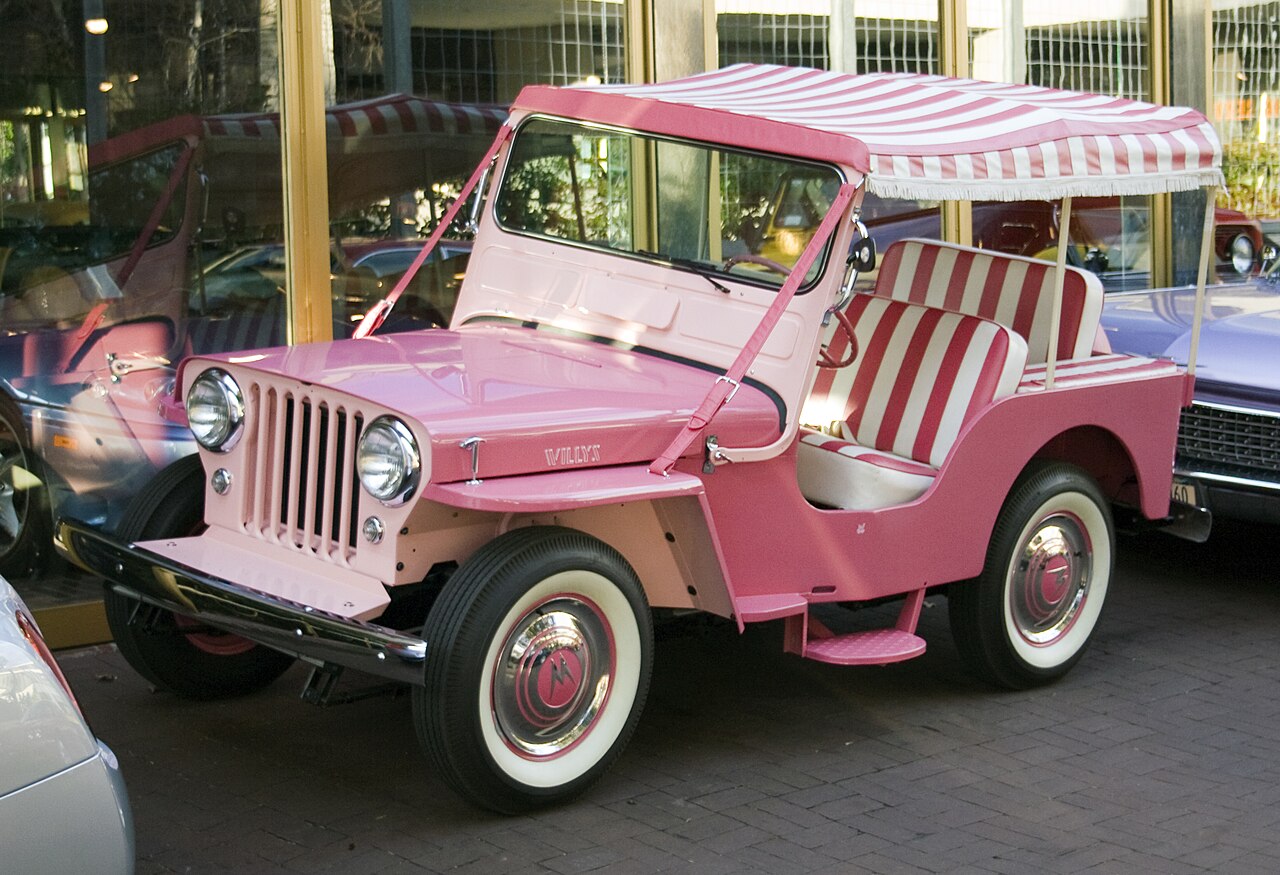
A right-hand-drive DJ-3A was built so postal drivers could reach roadside mailboxes without leaving the seat.
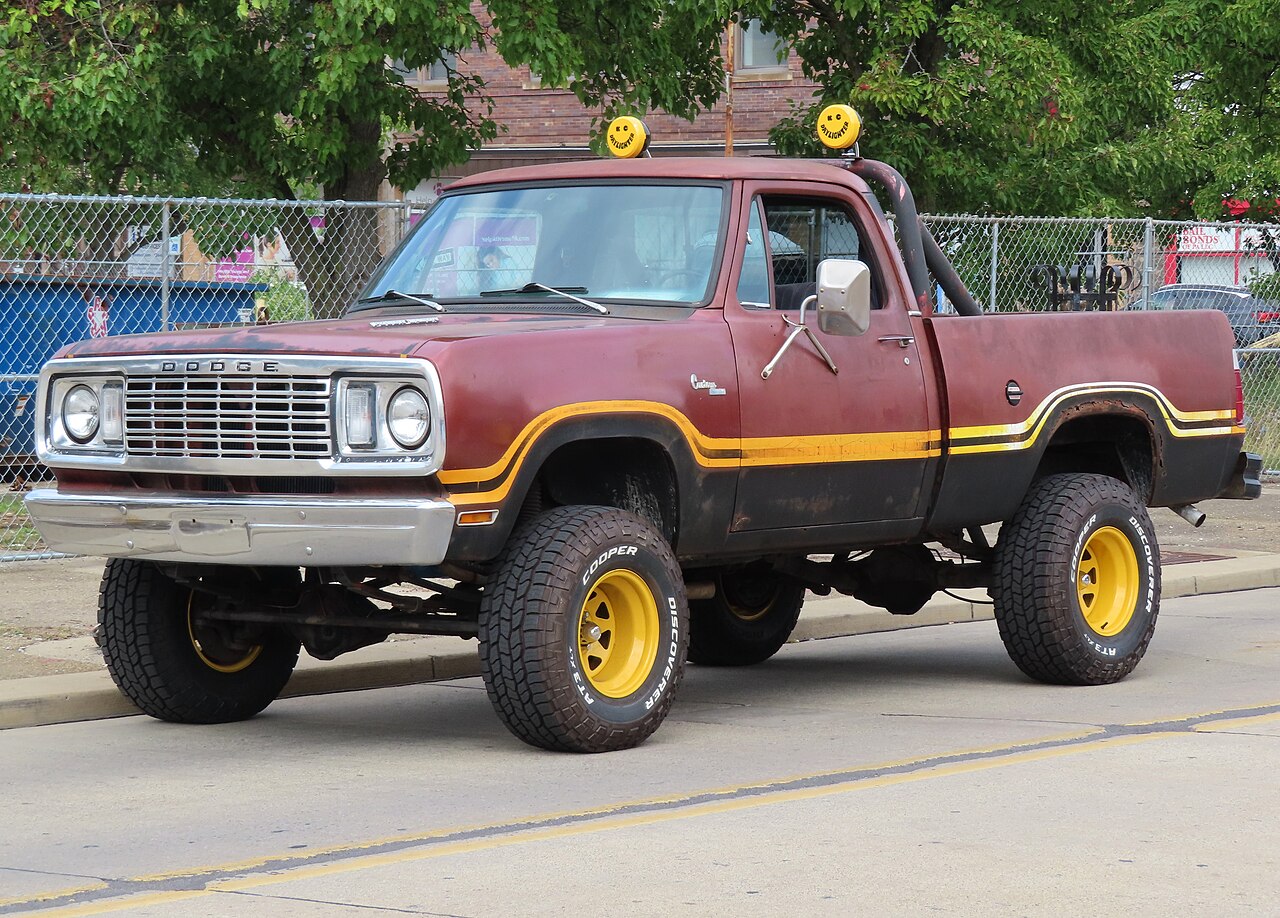
The Power Wagon name and civilian pickup design were derived directly from the WC-series military trucks Dodge built for World War II.
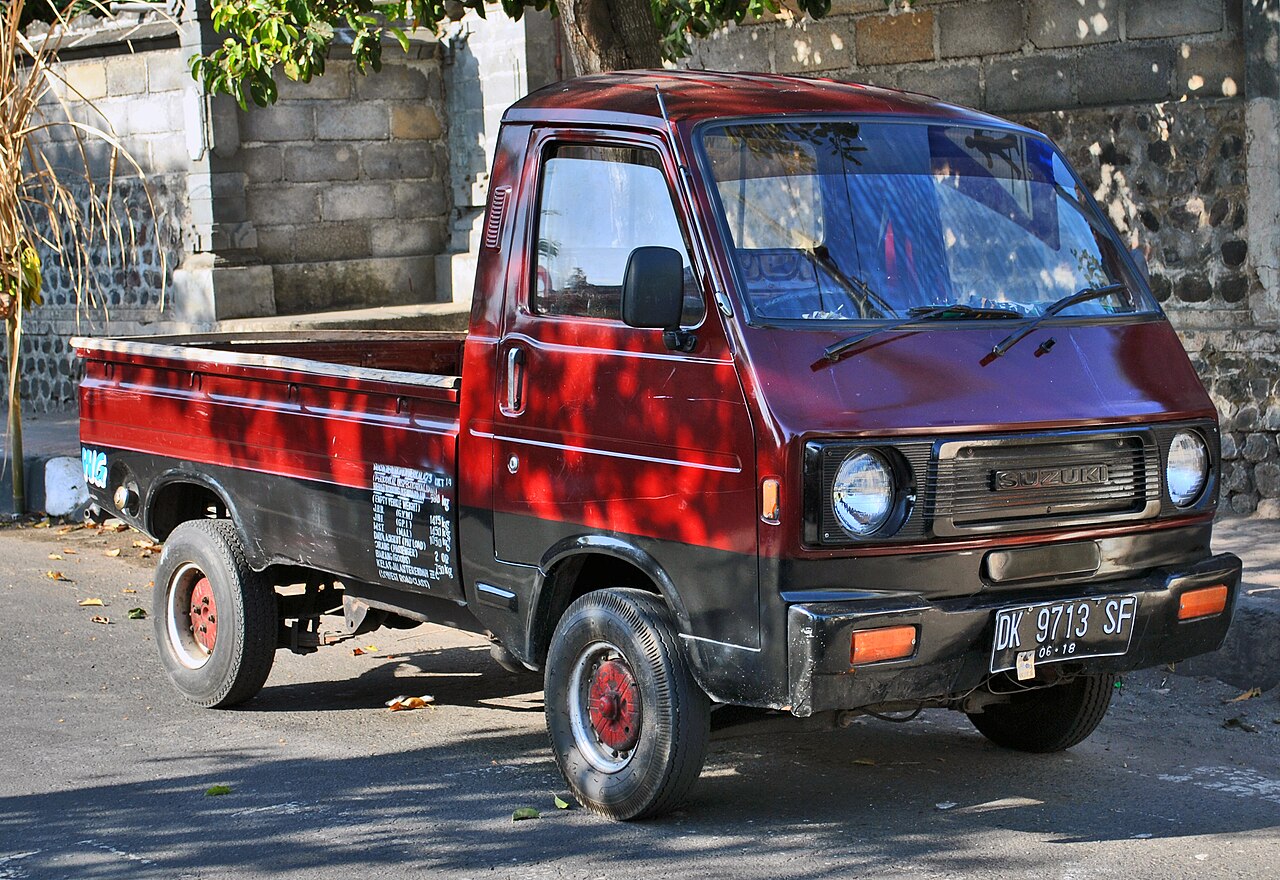
Suzuki kept the L20 Carry at the exact same 21 hp as its predecessor but still called it progress — the gain was a patented Cylinder Crank Injection lubrication system, not more power.
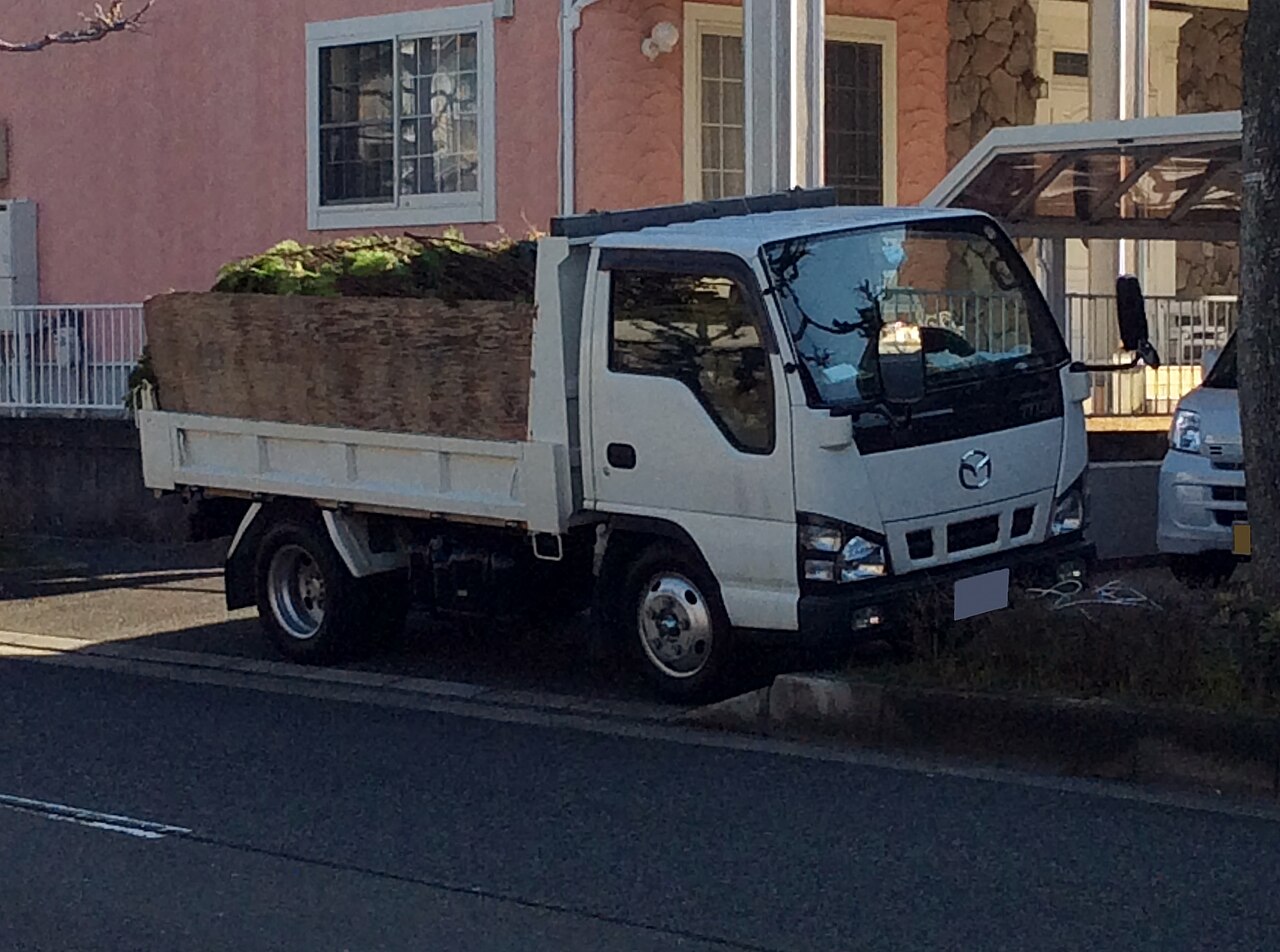
This generation of Titan quietly became the ancestor of two other trucks entirely: it was license-built by Kia as the Kia Titan in South Korea, and formed the basis of the Australian Ford Trader.