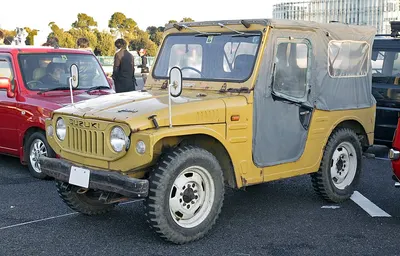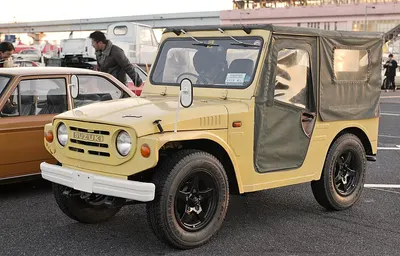
VerifiedFIRST · WORLDWIDEFIRST PRINTONLY ONE IN VANCOUVERThis Jimny generation had a soft-top built in exactly one place: the Canvas Top, debuted at the 1999 Barcelona Motor Show, came only from Santana in Spain through 2009.

This Jimny generation had a soft-top built in exactly one place: the Canvas Top, debuted at the 1999 Barcelona Motor Show, came only from Santana in Spain through 2009.
Median 202 hp across 473 similar cars
Lead trim: JB23 658 cc K6A turbo · up to 84 hp
See a Suzuki Jimny JB23 / JB33 / JB43 on the street, point Burbles at it, and the card goes in your binder. Own one? Add it to your garage in the app.
FactThis Jimny generation had a soft-top built in exactly one place: the Canvas Top, debuted at the 1999 Barcelona Motor Show, came only from Santana in Spain through 2009.
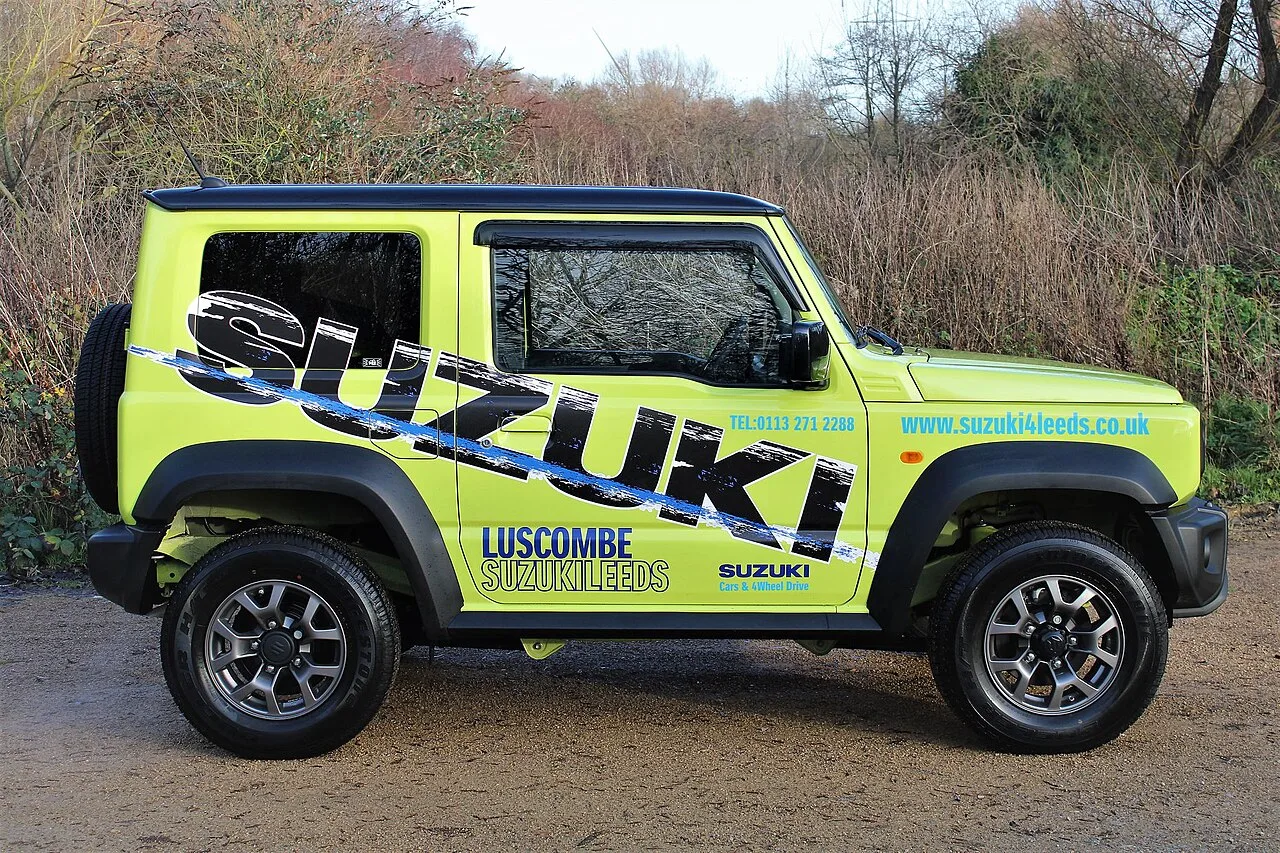
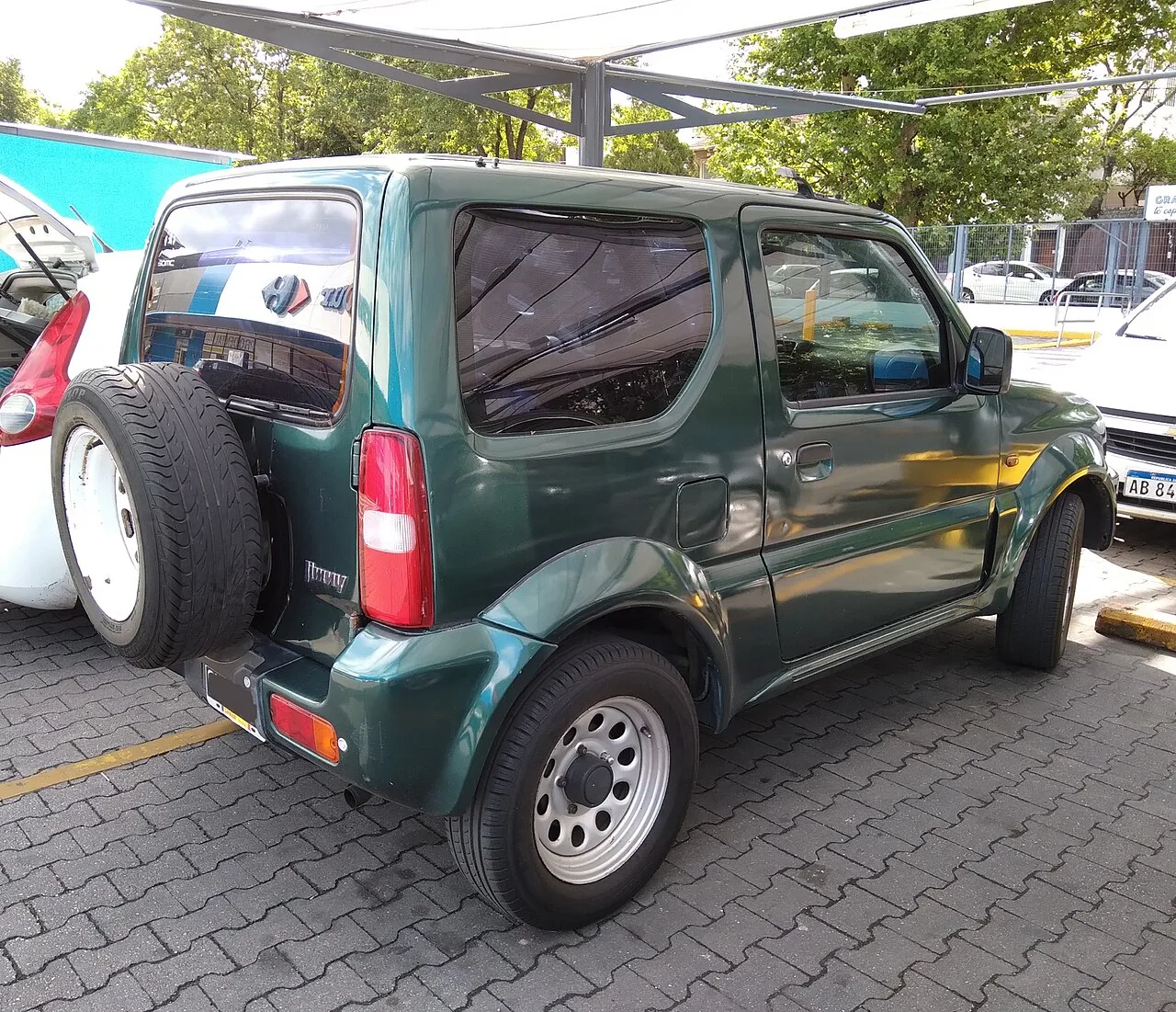
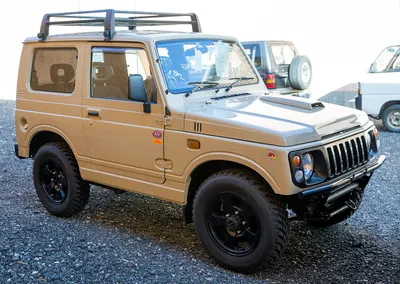
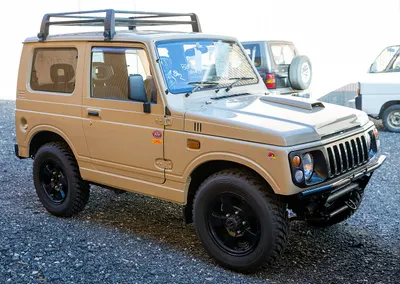
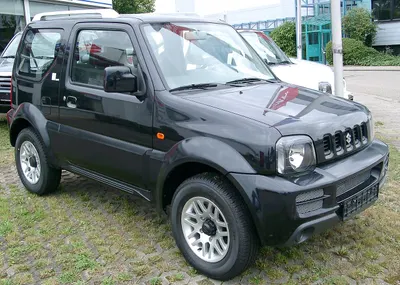
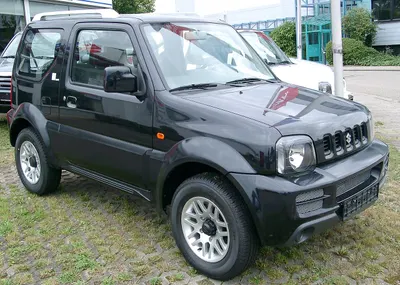
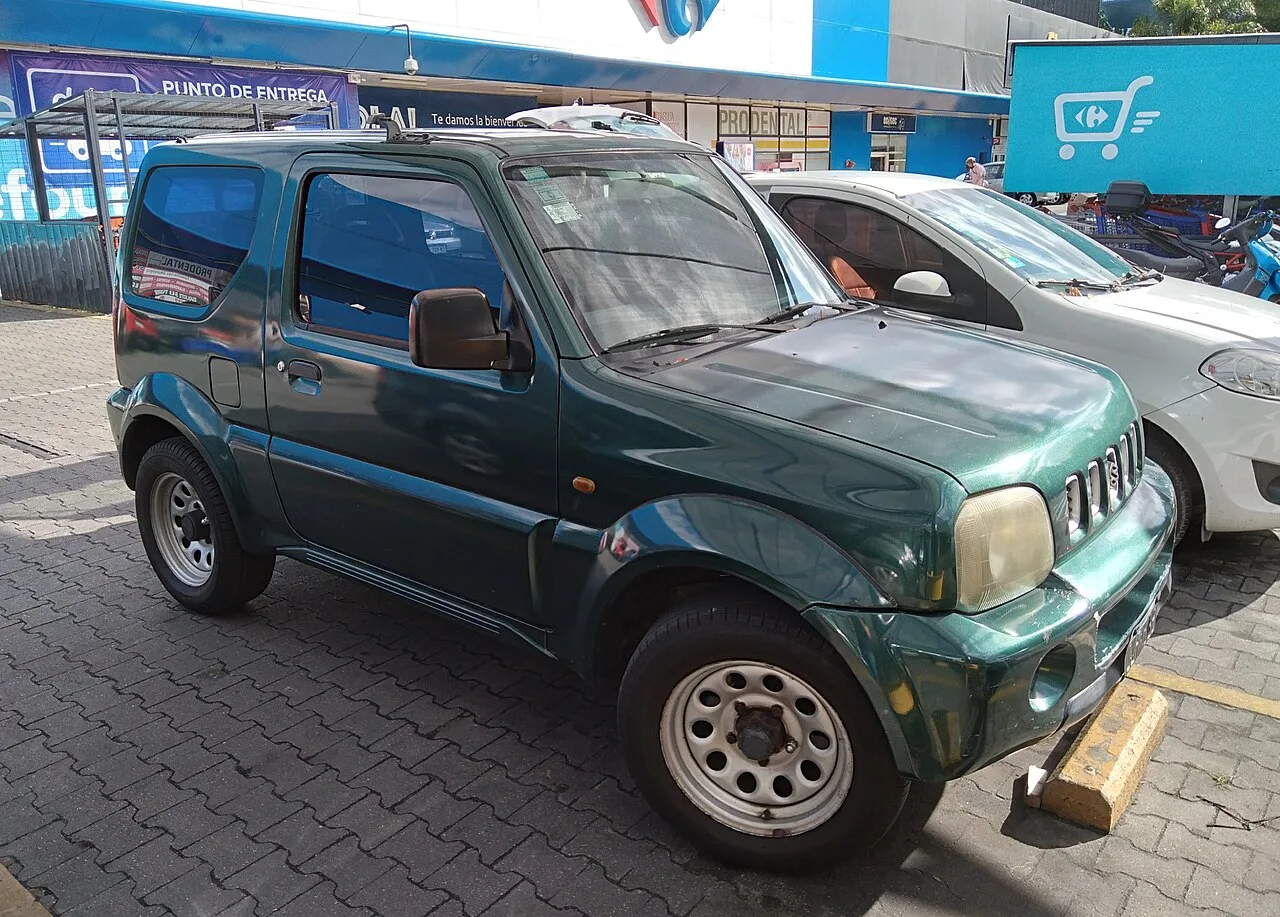
The all-new third-generation Jimny shown at the 1997 Tokyo Motor Show, retaining a ladder-type chassis and a dual-ratio transfer case. The kei JB23 kept to Japan's dimension limits, while the wider JB33 and JB43 "Jimny Wide" / "Jimny Sierra" added fender flares and larger engines.
Real Suzuki Jimny cards spotted on the street by Burbles collectors. Tap any card to flip it over, inspect the collector’s binder, or follow them.
VerifiedFIRST · WORLDWIDEFIRST PRINTONLY ONE IN VANCOUVERThis Jimny generation had a soft-top built in exactly one place: the Canvas Top, debuted at the 1999 Barcelona Motor Show, came only from Santana in Spain through 2009.
3 published trims in the catalogue. A blank is a figure not recorded, not zero.
| Trim | Years | Engine | Power | Torque | 0–60 | Drive | Gearbox | MSRP |
|---|---|---|---|---|---|---|---|---|
| JB23 658 cc K6A turbo | 1998–2018 | 0.7 L Inline-3 | 63 hp | 76 lb-ft | — | — | — | — |
| JB33 1.3 G13BB (Jimny Wide) | 1998–2005 | 1.3 L Inline-4 | 79 hp | 82 lb-ft | — | — | — | — |
| JB43 1.3 M13A (Jimny Sierra) | 1998–2018 | 1.3 L Inline-4 | 84 hp | 81 lb-ft | — | — | — | — |
We don’t estimate running costs for a car like this. What it costs depends on its condition, its specialist and how it is driven, and an average would mislead.
Nobody has claimed one yet.


Decades into the Jimny’s life, this JB64 generation hit a milestone the nameplate had never reached before: over 100 PS, thanks to a bump to 1.5 litres.

This Jimny generation had a soft-top built in exactly one place: the Canvas Top, debuted at the 1999 Barcelona Motor Show, came only from Santana in Spain through 2009.

The JA71, introduced in January 1986, packed a turbocharged, fuel-injected three-cylinder engine into a kei-class 4x4 — a surprisingly high-tech setup for something this small.

In 1987, this little Samurai actually outsold the Jeep Wrangler two to one in North America — serious 4WD buyers trusted its off-road chops over the bigger Jeep.

This Jimny almost launched in Germany as the 'Eljot' — until Disney's Pete's Dragon got there first and copyright trouble killed the name.

Suzuki detuned its own Jimny for the home market: Japan's 1976 Jimny 55 made less power than the LJ50 it had already been exporting since 1975, cut to fit new kei-car rules and emissions standards.

A special version of the original Jimny put the spare tire behind the passenger seat, which freed up room for two tiny rear seats that faced each other.

The LJ10's body panels were designed to fit within Japan's kei-car tax dimension limits so precisely that Suzuki had to reshape the original HopeStar body rather than simply carry it over.
Same body, same money, other badges — tap any card to flip.

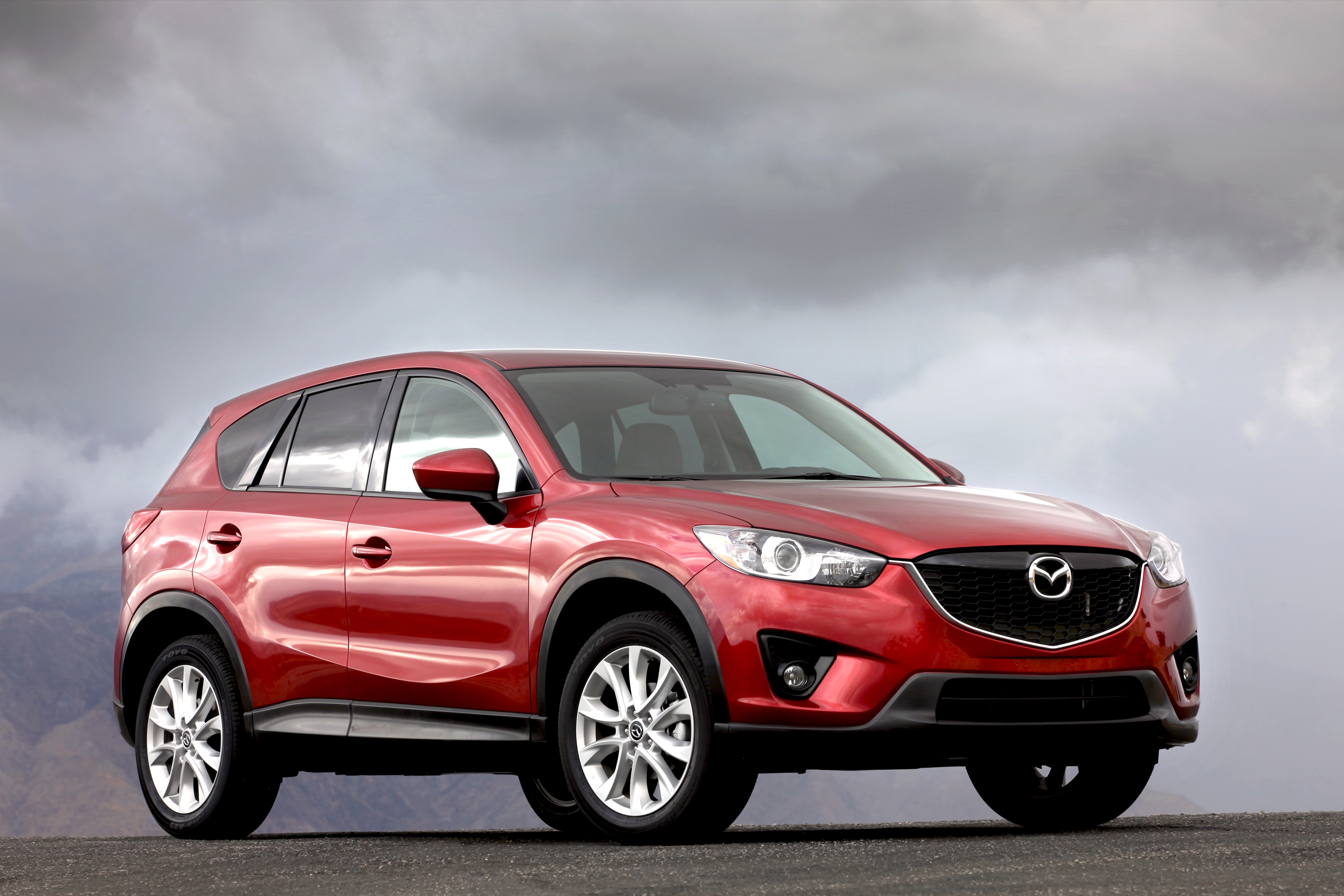
IIHS only crash-tests the driver's corner; tested on the passenger side instead, the CX-5 showed far worse intrusion.

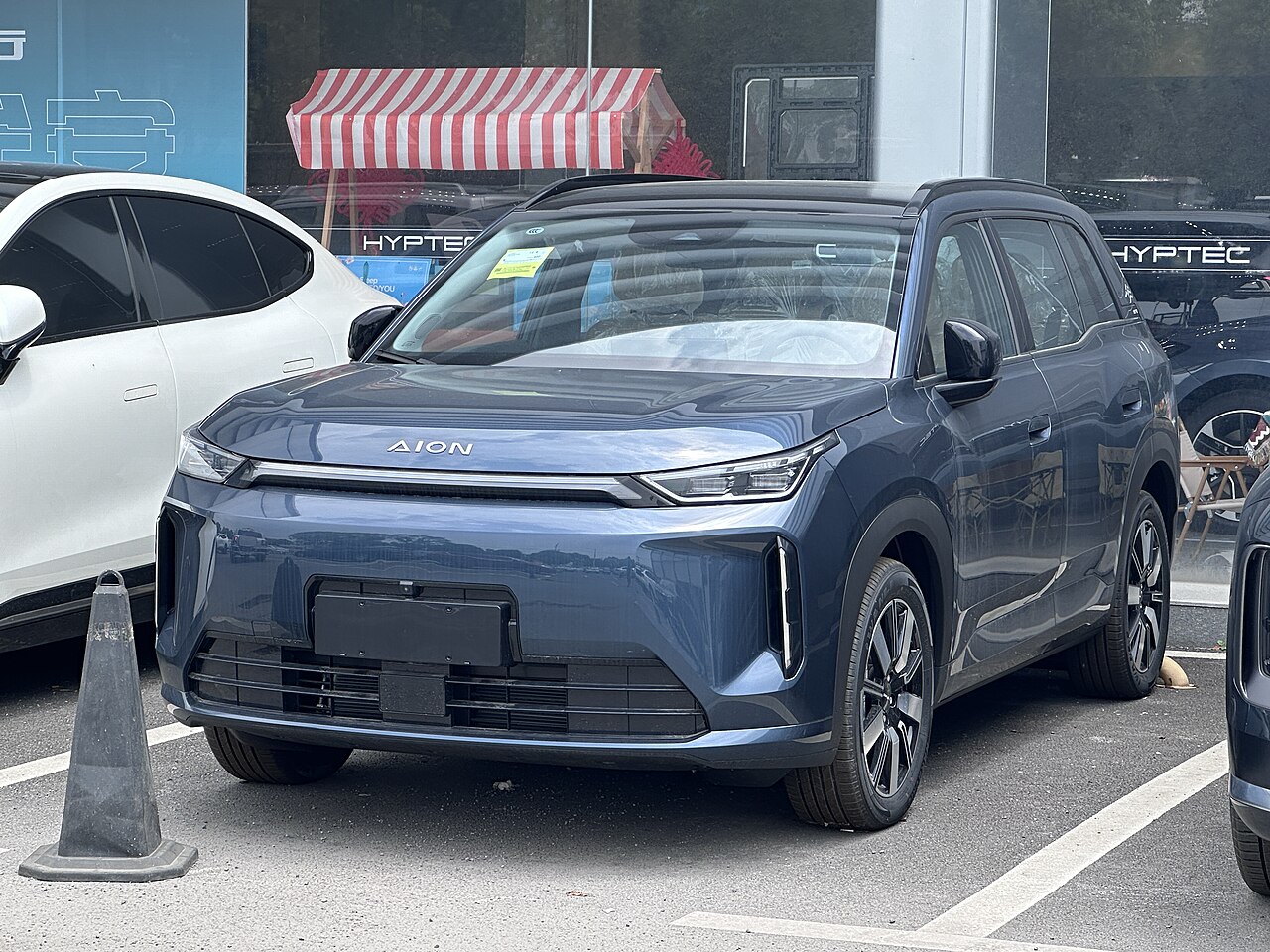
Despite launching from a standing start in late 2025, the i60 topped GAC Aion's own sales chart through January's seasonal slowdown.

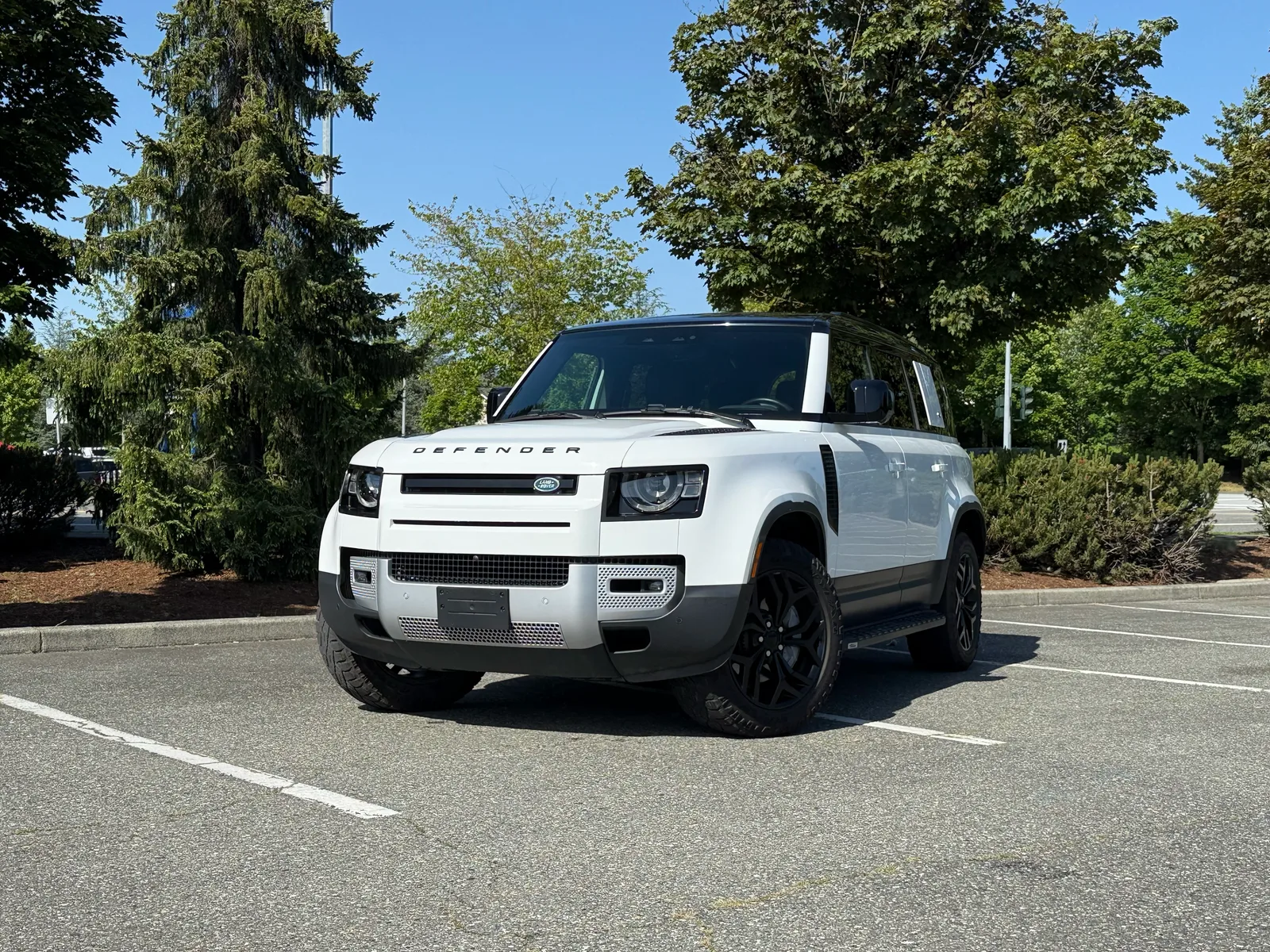
Every Defender before this one was body-on-frame — this generation broke decades of tradition with an aluminium unibody structure instead.

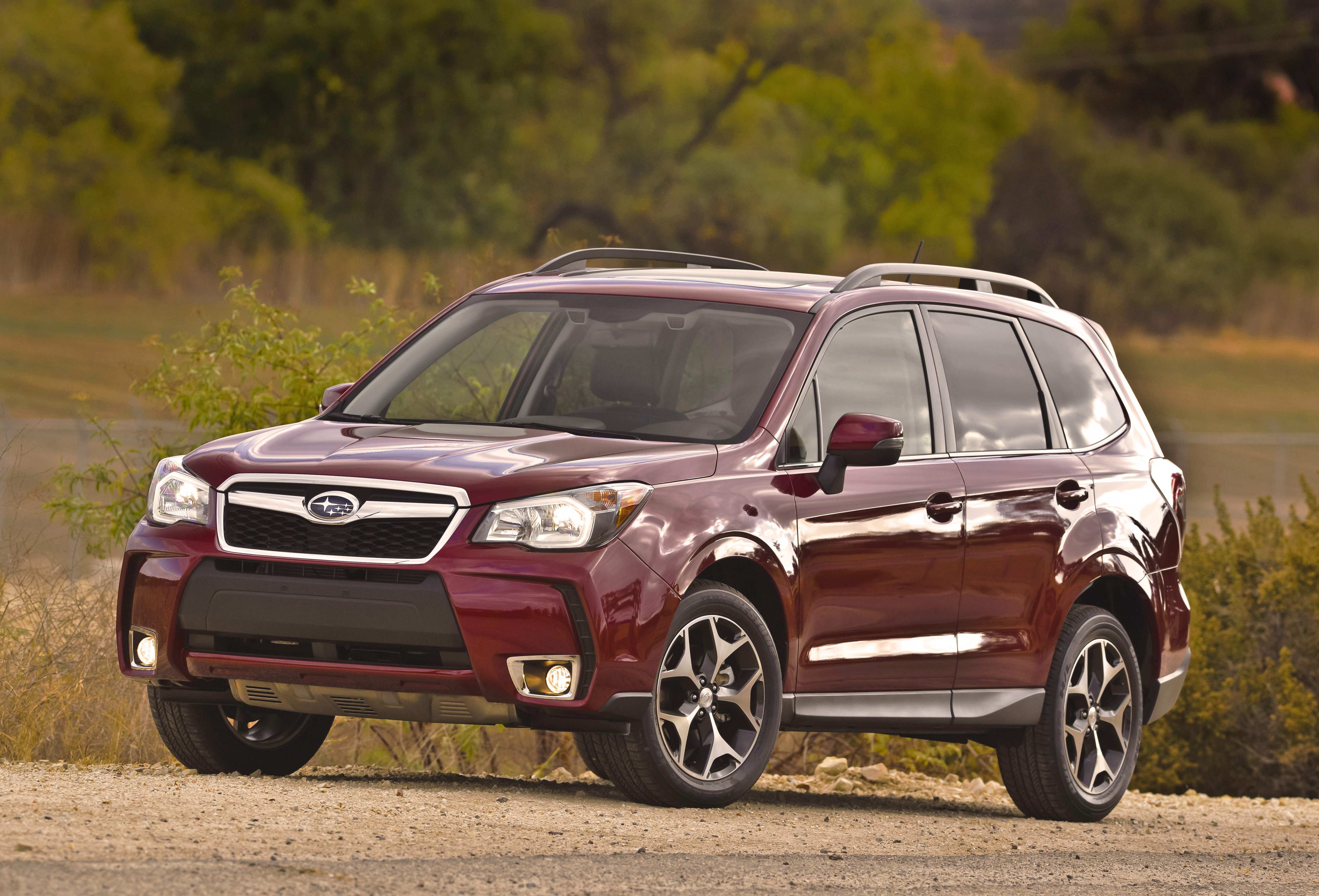
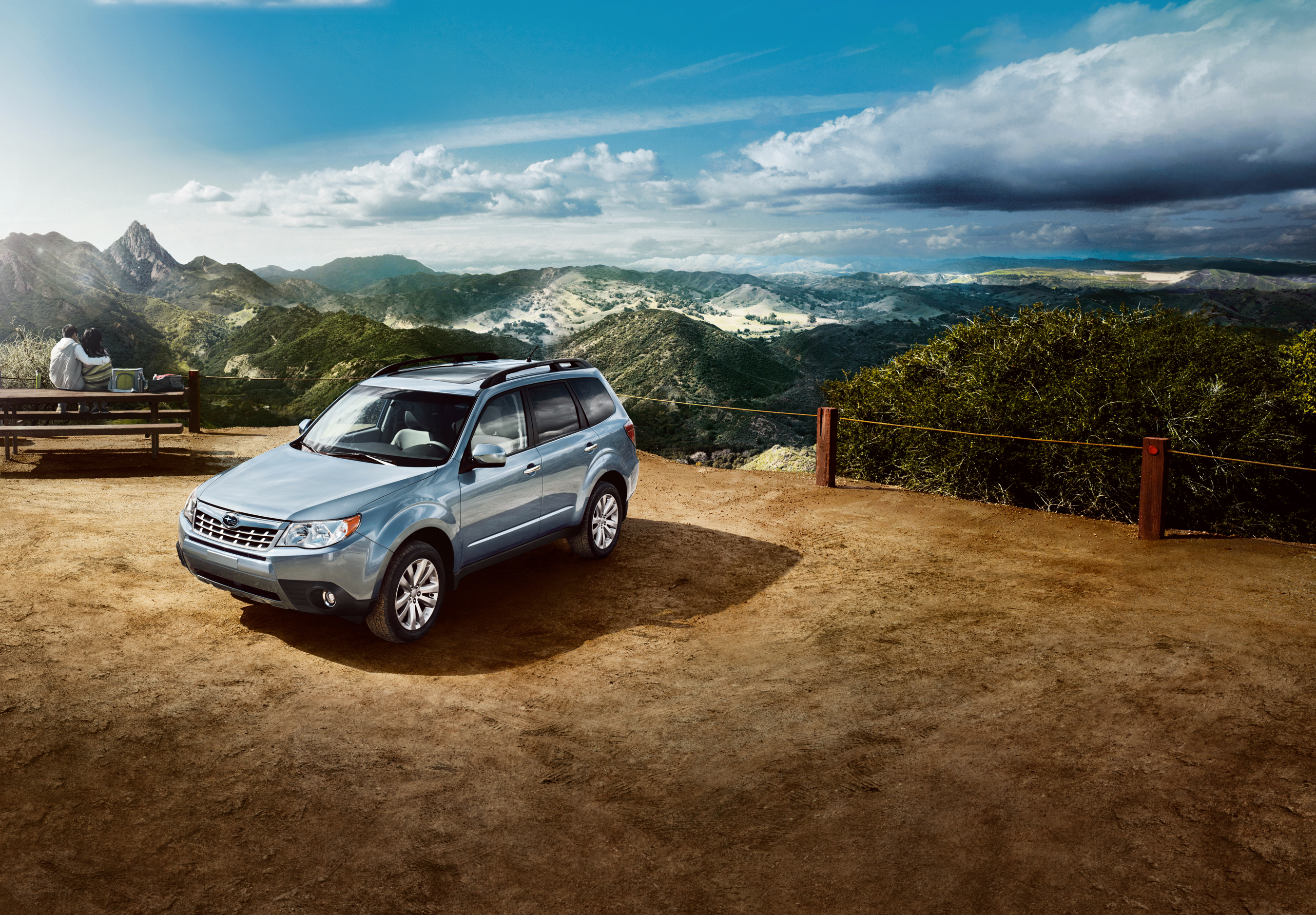
Crashed on the passenger side instead of the driver's, the 2014 Forester showed far more intrusion and would have rated Marginal with the IIHS.

Subaru built a 2.5XT for the National Ski Patrol with a diamond-plate floor, a 9,500-pound winch and a toboggan on the roof.

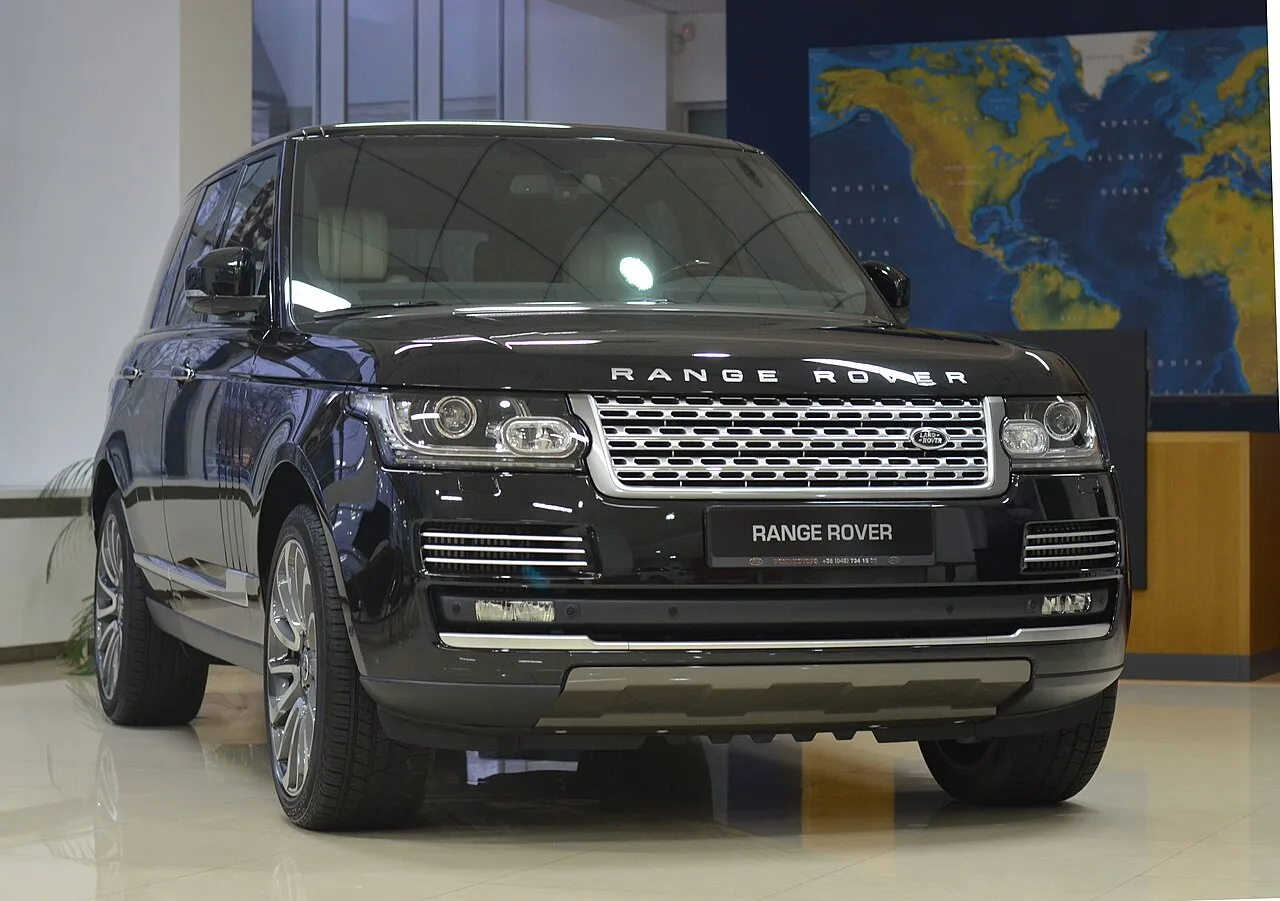
The L405 was the first Range Rover with a fully aluminum monocoque body, cutting up to 420 kg from the outgoing steel-bodied L322.

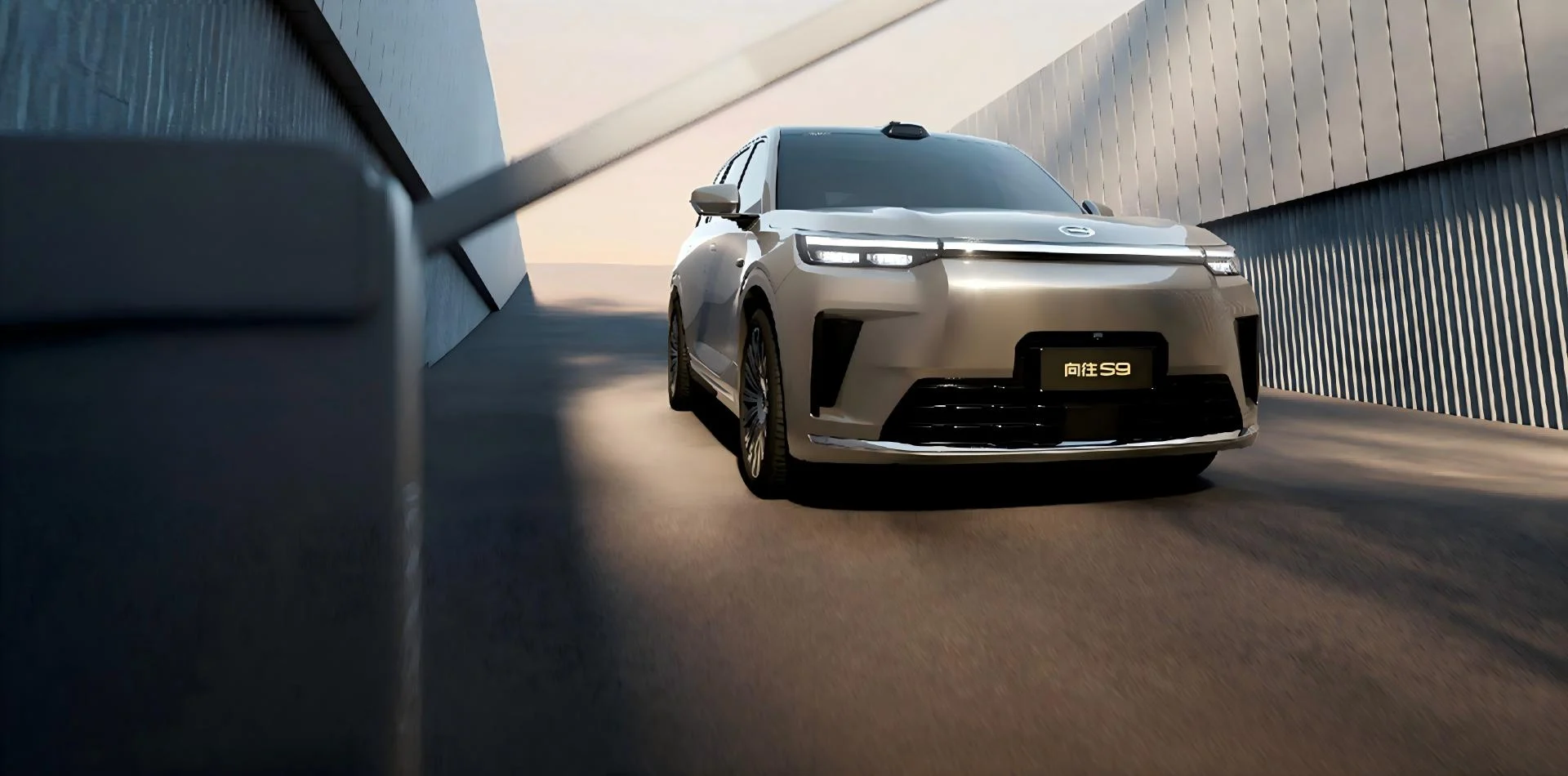
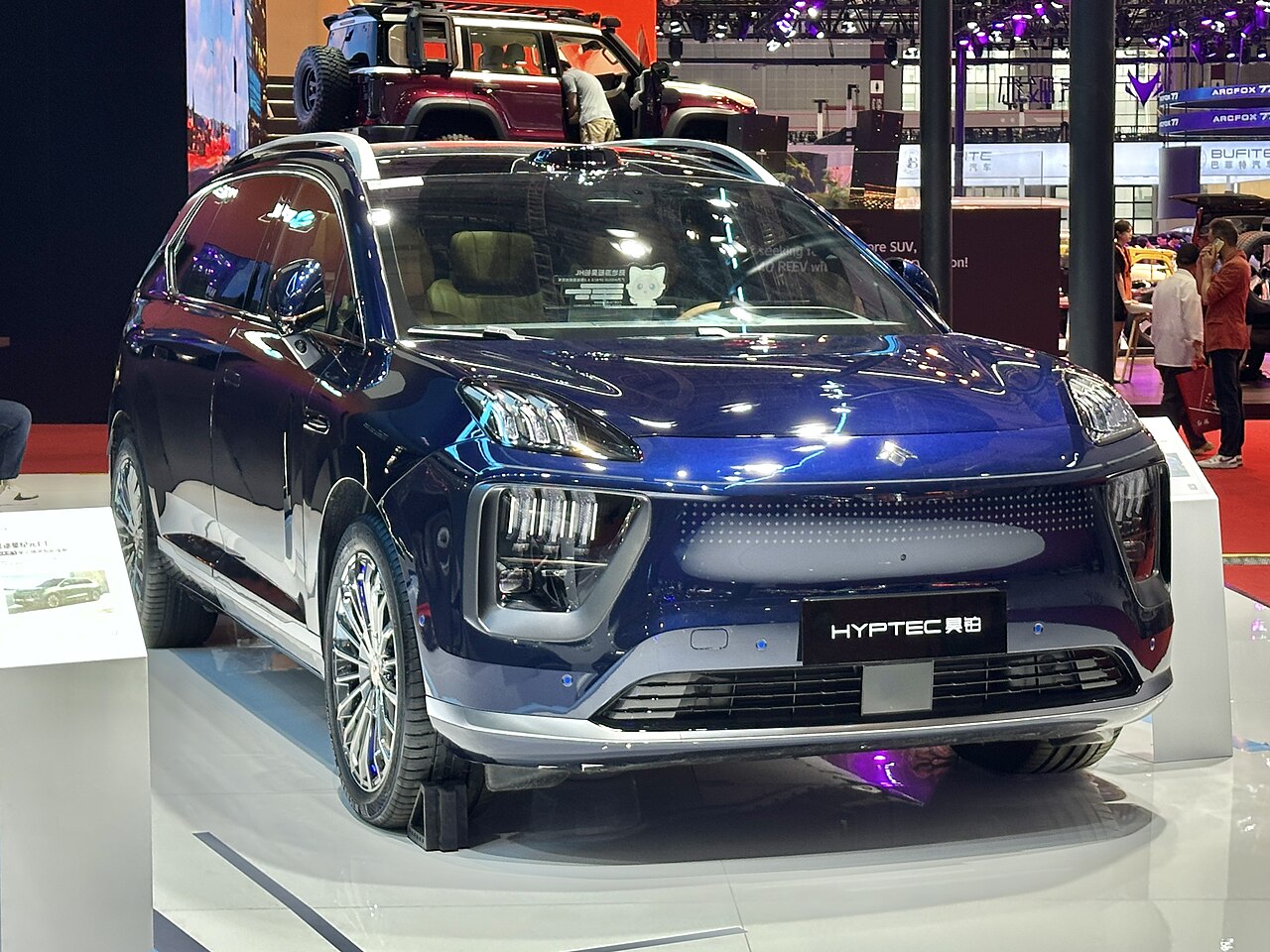
Rear passengers get a 17.3-inch screen that extends from the roof, and a lidar sensor sits in the front of the roof.

Its range-extender variant is rated for 1,200 km on a tank and charge, over three times the car's electric-only range.