Subaru Sambar39HP
 VerifiedFIRST · WORLDWIDEFIRST PRINTONLY ONE IN VANCOUVER
4 CYL · 0.7 L
FACT
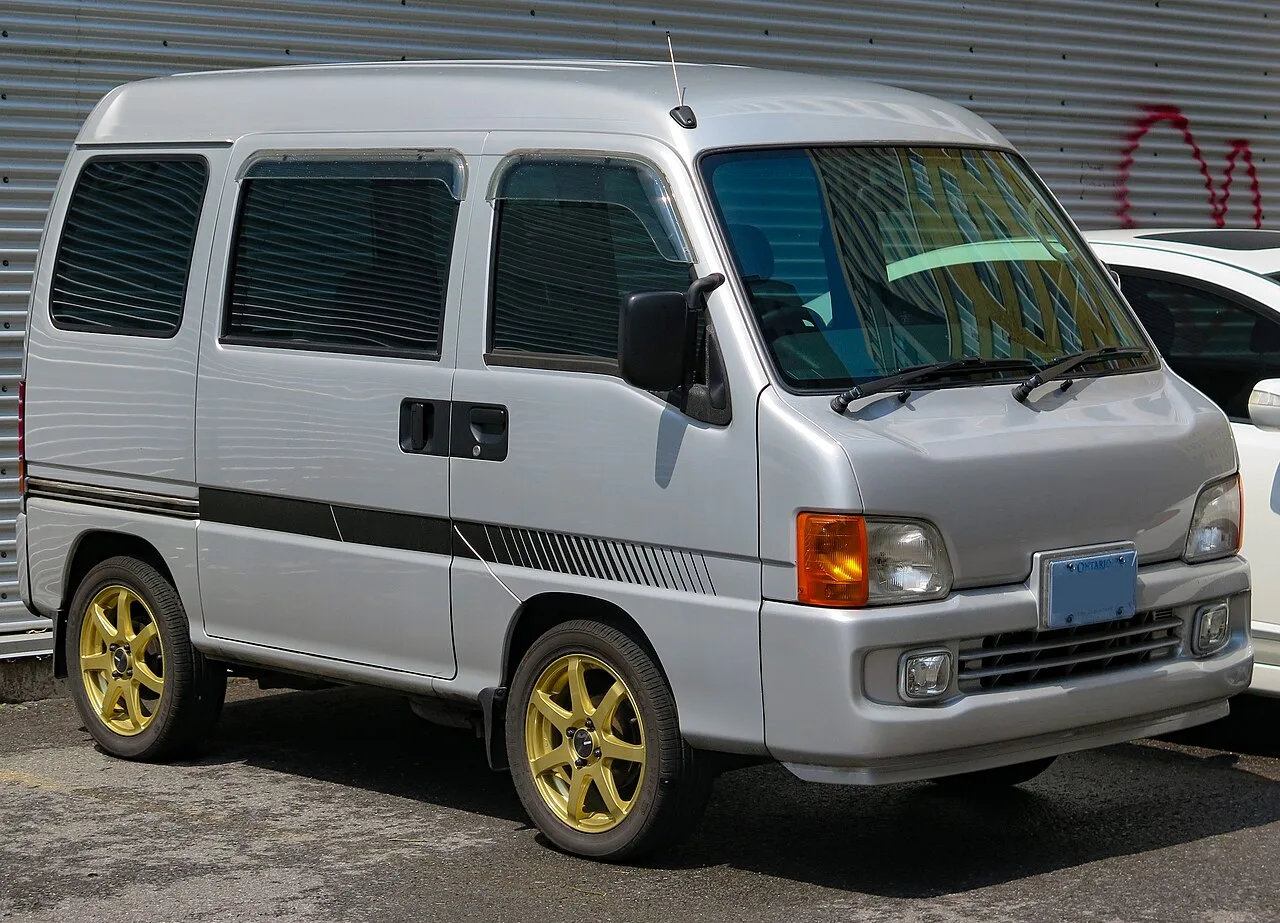
This retro-styled Dias Classic kei van has its own anime cameo — it's the van driven by Seta in Love Hina.
SPOTTED BY @TROY · 10/2026№ 0001
Japan widened kei-car width rules in 1998 to improve side-impact safety — and the sixth-gen Sambar was widened specifically to meet the new standard, mid-production.
Lead trim: Naturally aspirated EGi · up to 57 hp
Nobody in Burbles has spotted a Subaru Sambar yet. See one on the street, point the app at it, and the first card is yours — with your @handle permanently credited on this page.
FactJapan widened kei-car width rules in 1998 to improve side-impact safety — and the sixth-gen Sambar was widened specifically to meet the new standard, mid-production.
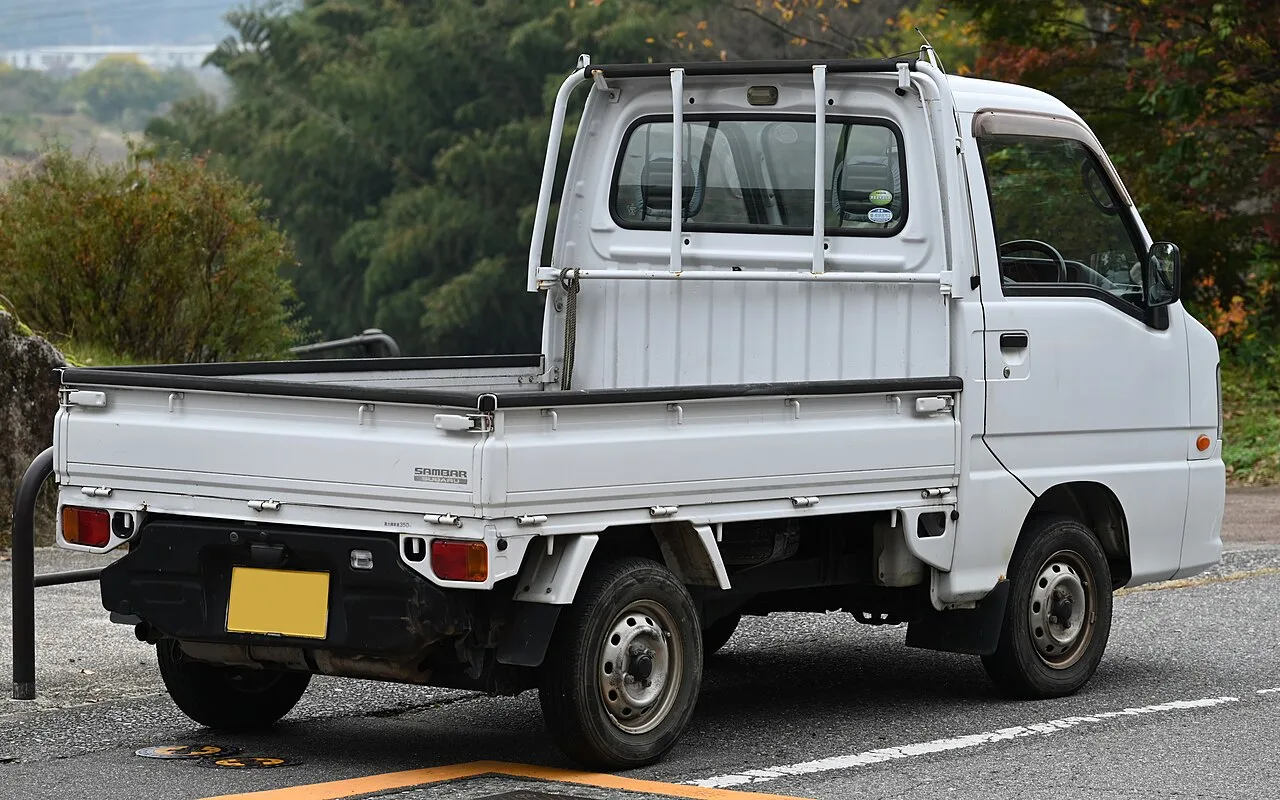
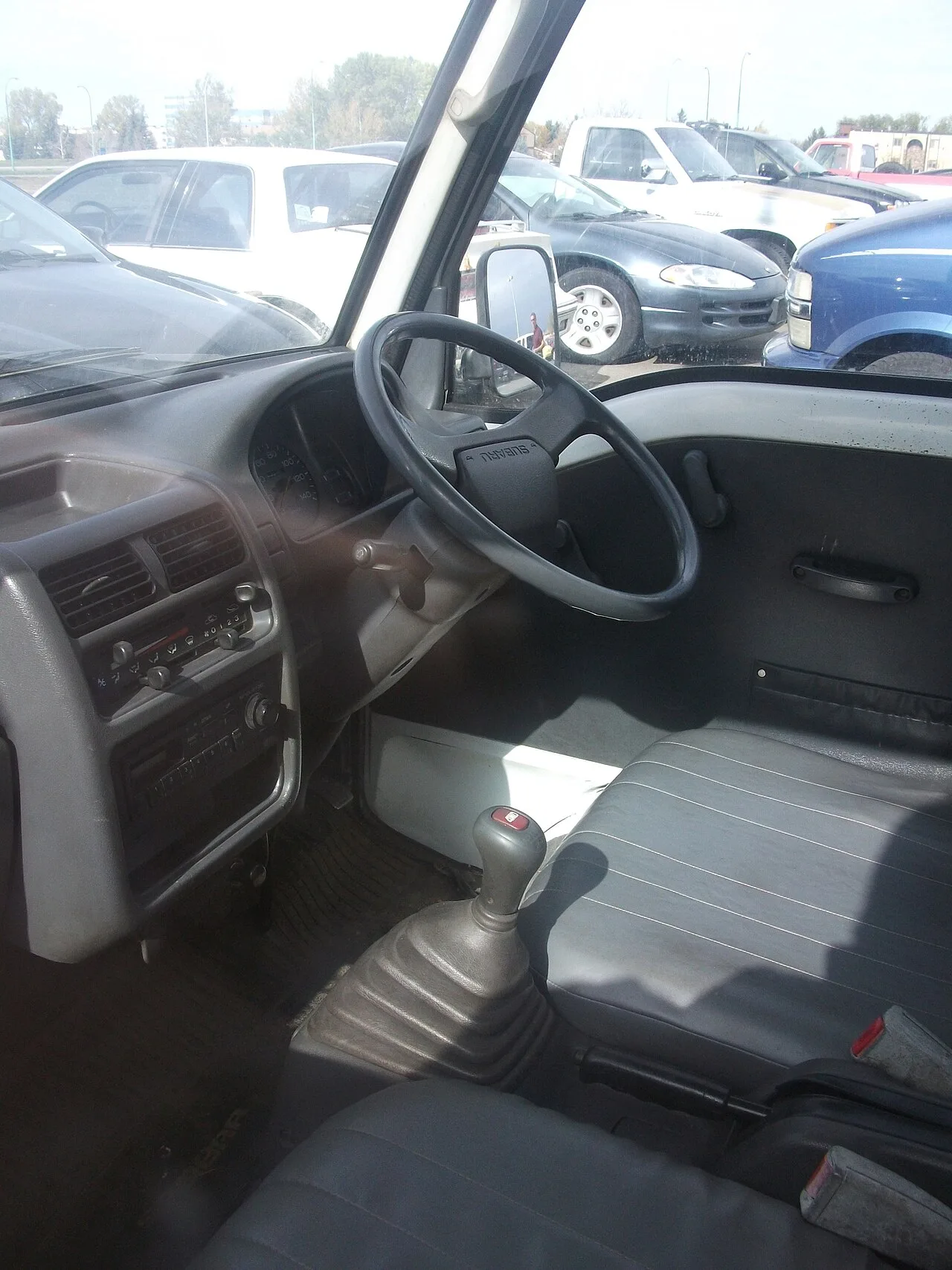
Released in February 1999 and widened when the kei width restriction rose to 1,480 mm on 1 October 1998. The last Sambar built by Subaru, with a passenger version called the Dias Wagon. Carburettors were dropped from the EN engine line-up.
Real Subaru Sambar cards spotted on the street by Burbles collectors. Tap any card to flip it over, inspect the collector’s binder, or follow them.
VerifiedFIRST · WORLDWIDEFIRST PRINTONLY ONE IN VANCOUVERThis retro-styled Dias Classic kei van has its own anime cameo — it's the van driven by Seta in Love Hina.
2 published trims in the catalogue. A blank is a figure not recorded, not zero.
| Trim | Years | Engine | Power | Torque | 0–60 | Drive | Gearbox | MSRP |
|---|---|---|---|---|---|---|---|---|
| Naturally aspirated EGi | 1999–2012 | — | 47 hp | 42 lb-ft | — | — | — | — |
| Supercharged 4WD Dias | 1999–2012 | — | 57 hp | 54 lb-ft | — | 4WD | — | — |
We don’t estimate running costs for a car like this. What it costs depends on its condition, its specialist and how it is driven, and an average would mislead.
Nobody has claimed one yet.
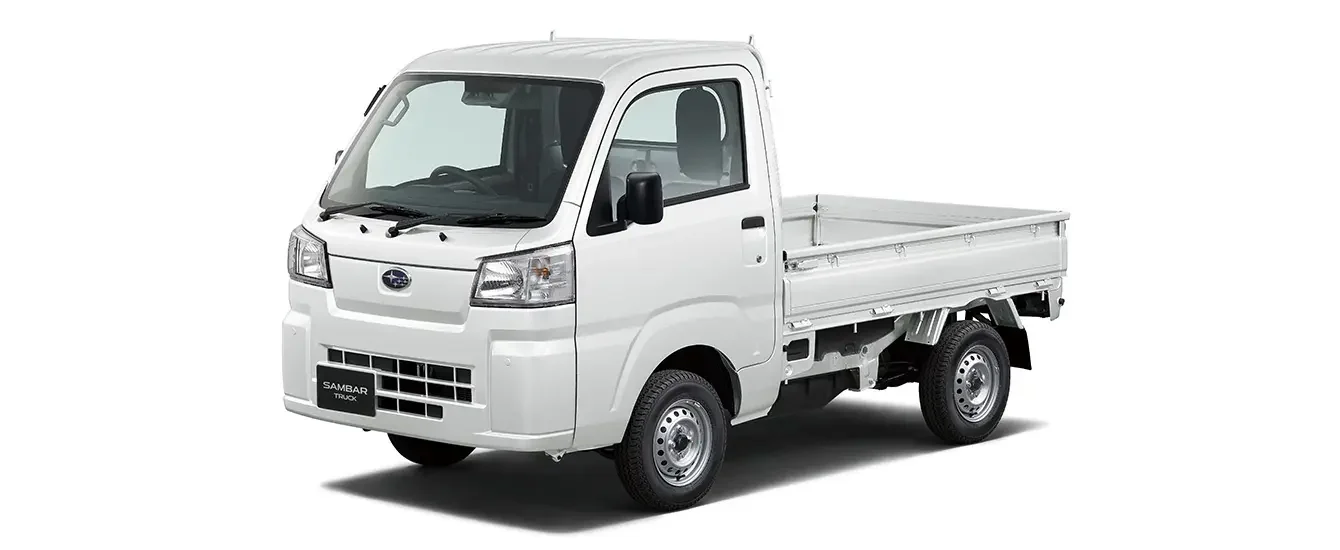
Subaru's own Sambar is now just a Daihatsu Hijet wearing a Subaru badge.
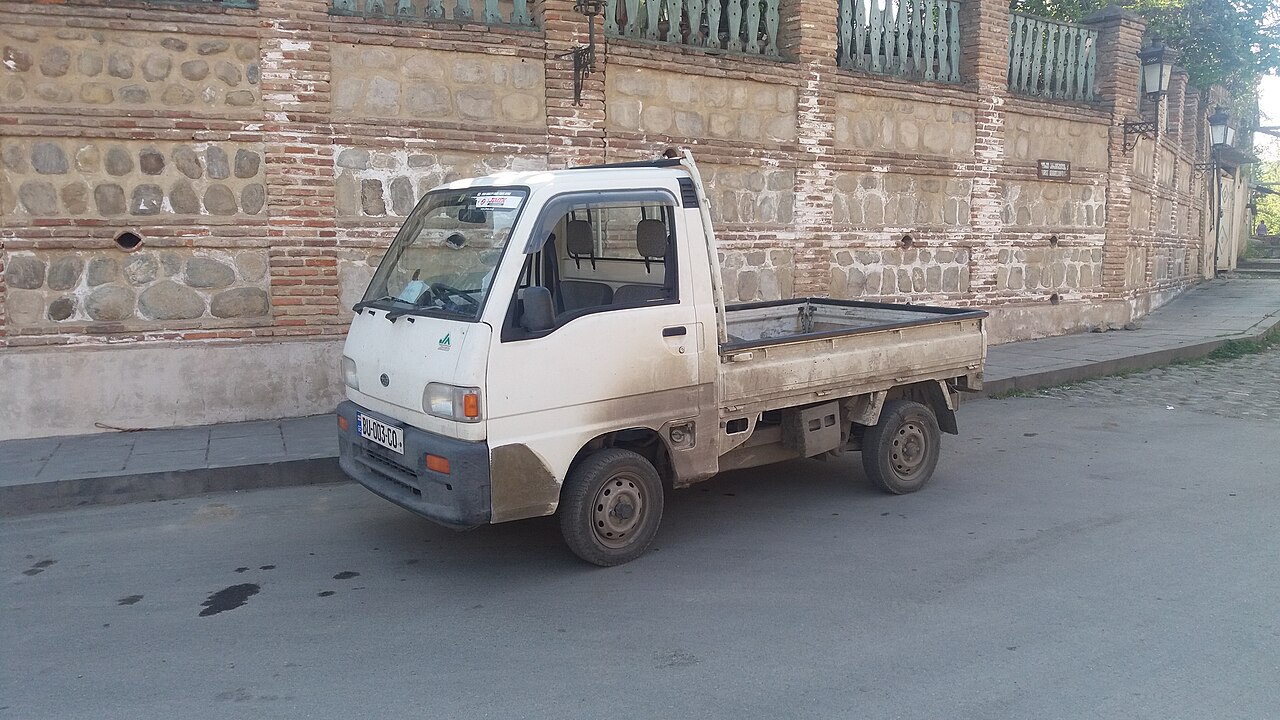
This Sambar is a rebadged Daihatsu Hijet because Subaru gave its own Sambar line over to building the Toyota 86, the BRZ's twin.
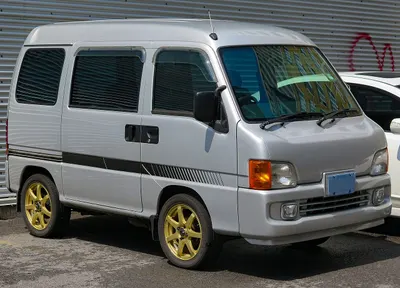
Japan widened kei-car width rules in 1998 to improve side-impact safety — and the sixth-gen Sambar was widened specifically to meet the new standard, mid-production.
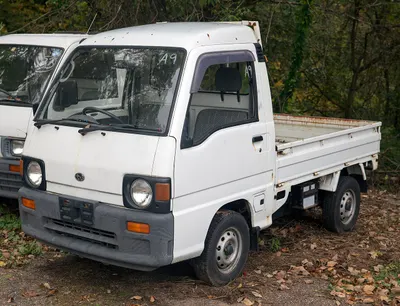
This retro-styled Dias Classic kei van has its own anime cameo — it's the van driven by Seta in Love Hina.
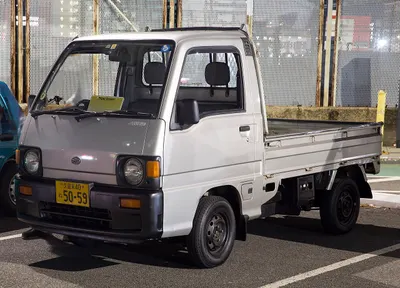
The 1982 Sambar Try offered something unusual for a kei truck of its era: select FL and FX models came with an automatic clutch, sparing drivers from juggling a clutch pedal in Japan's tiniest commercial trucks.
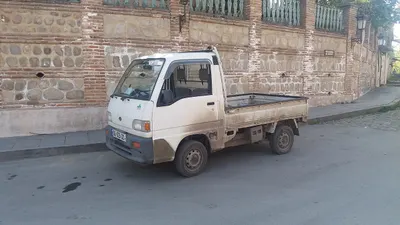
The third-generation Sambar, nicknamed the 'Gōriki' (Herculean strength), was sold abroad as the Subaru 600 — even though its engine only displaced 550cc.
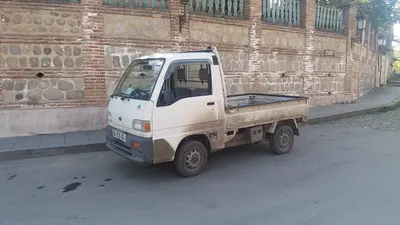
Early second-gen Sambars made you reach the engine from inside the cab -- it took until the 1970 facelift for Subaru to give it normal doors and outside engine access.
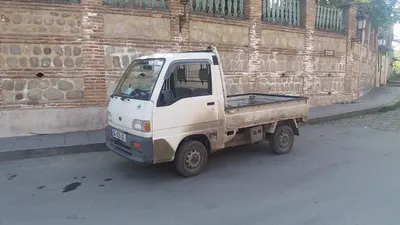
The first Sambar's reverse gear sat in a left-pattern position instead of the usual right — and its engine was reached through a hatch inside the cabin.
Same body, same money, other badges — tap any card to flip.
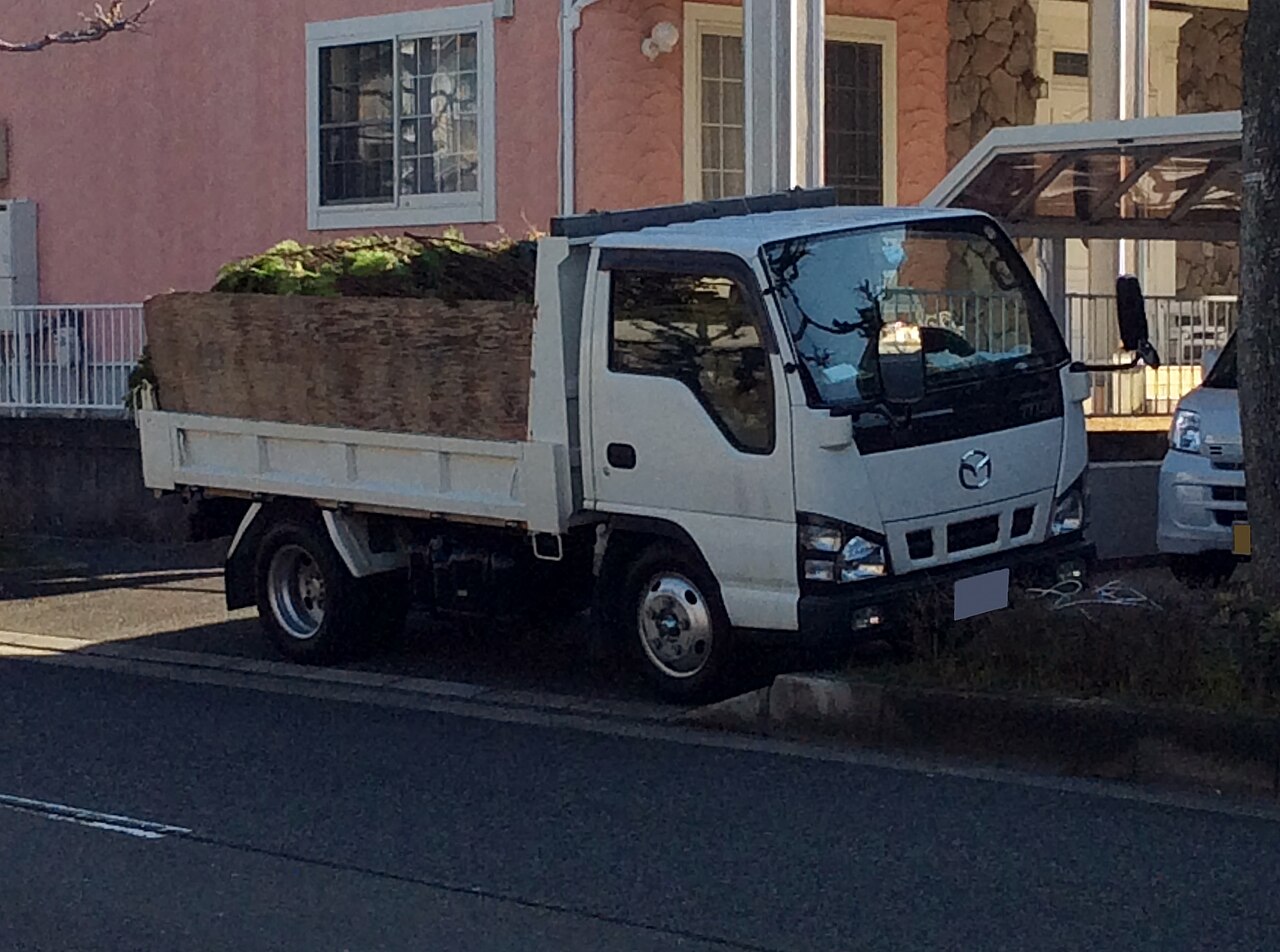
When Mazda's E2000 — the truck that became the Titan — launched in January 1964, the factory was tasked with building 1,900 of them a month.
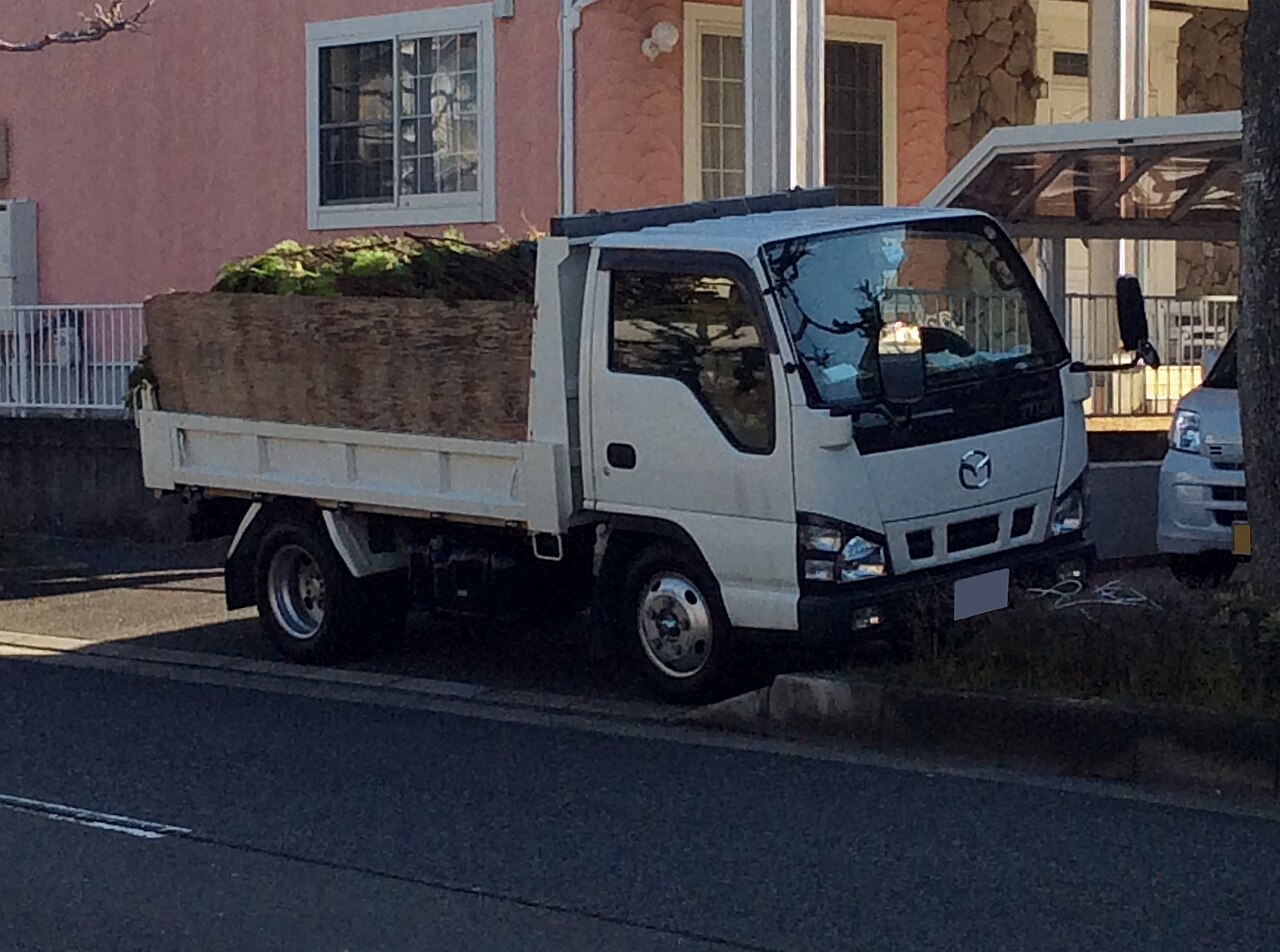
Swaraj Mazda built this truck under license in India from 1985, and the plant survived name changes all the way to SML Isuzu.
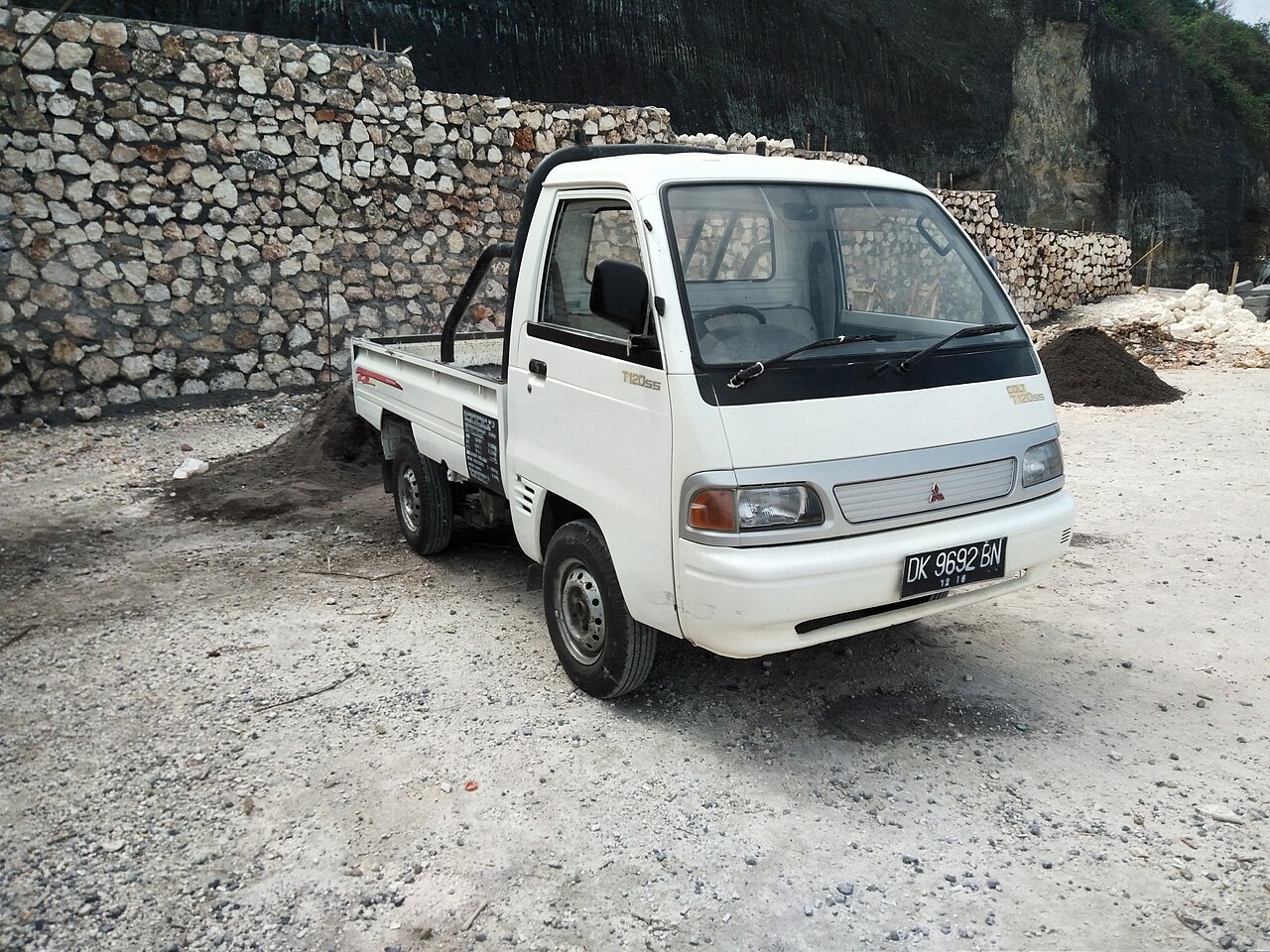
Indonesia built this pickup for 28 years with no successor, the last one leaving the Jakarta line in January 2019 after 324,960 units.
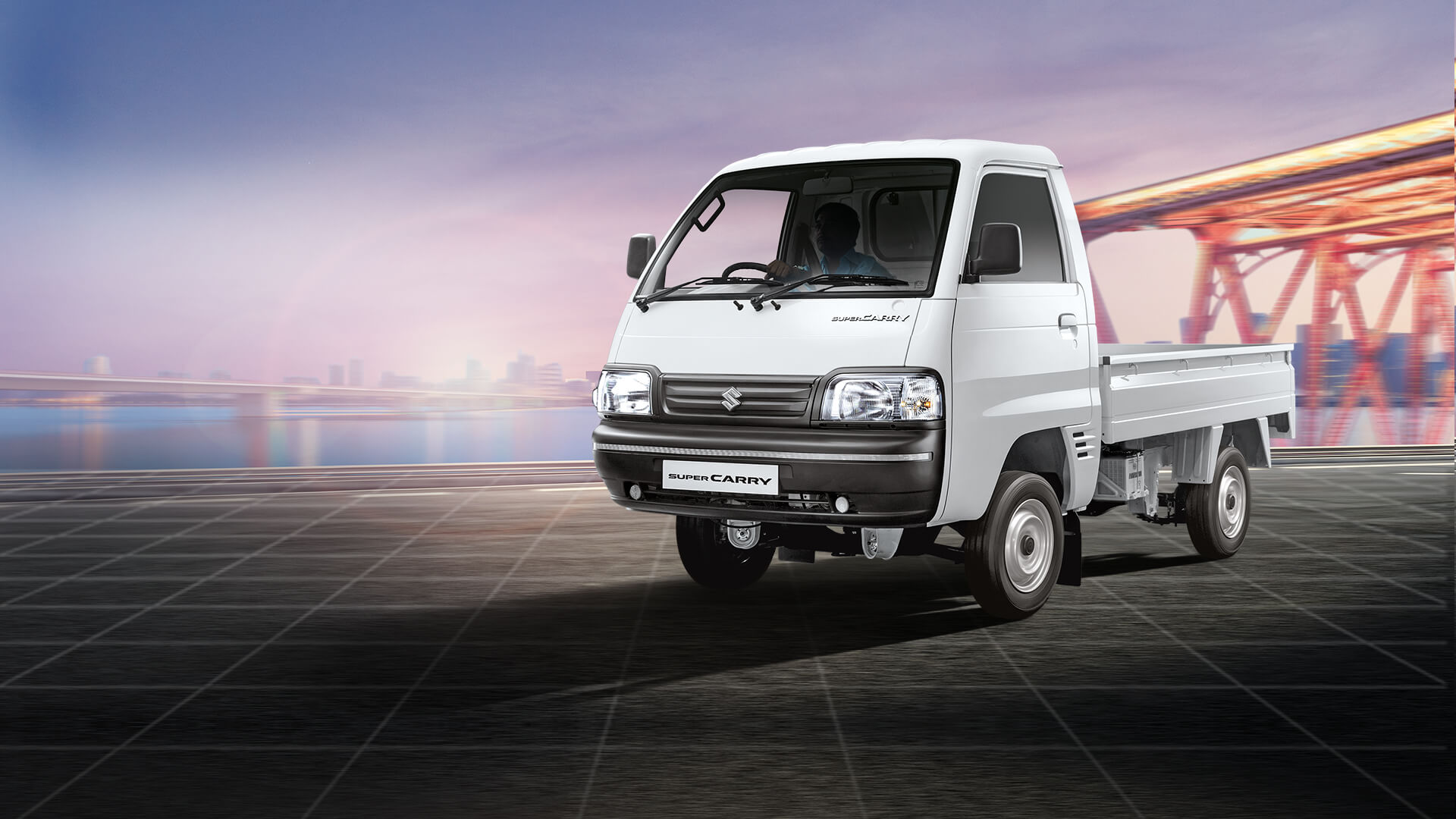
Suzuki's first-ever diesel engine, fitted to the Super Carry, is so small that it isn't able to power an air-conditioning system at all.
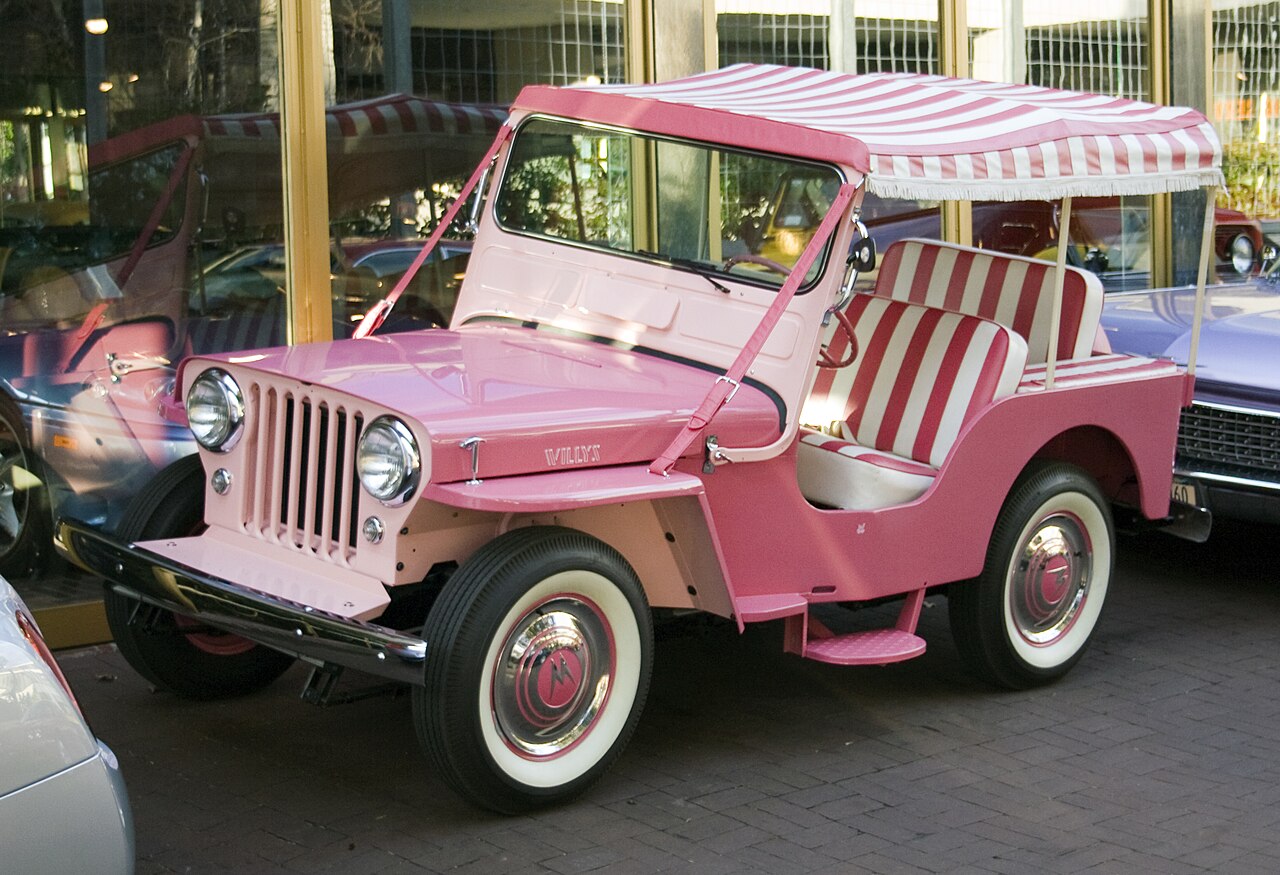
A right-hand-drive DJ-3A was built so postal drivers could reach roadside mailboxes without leaving the seat.
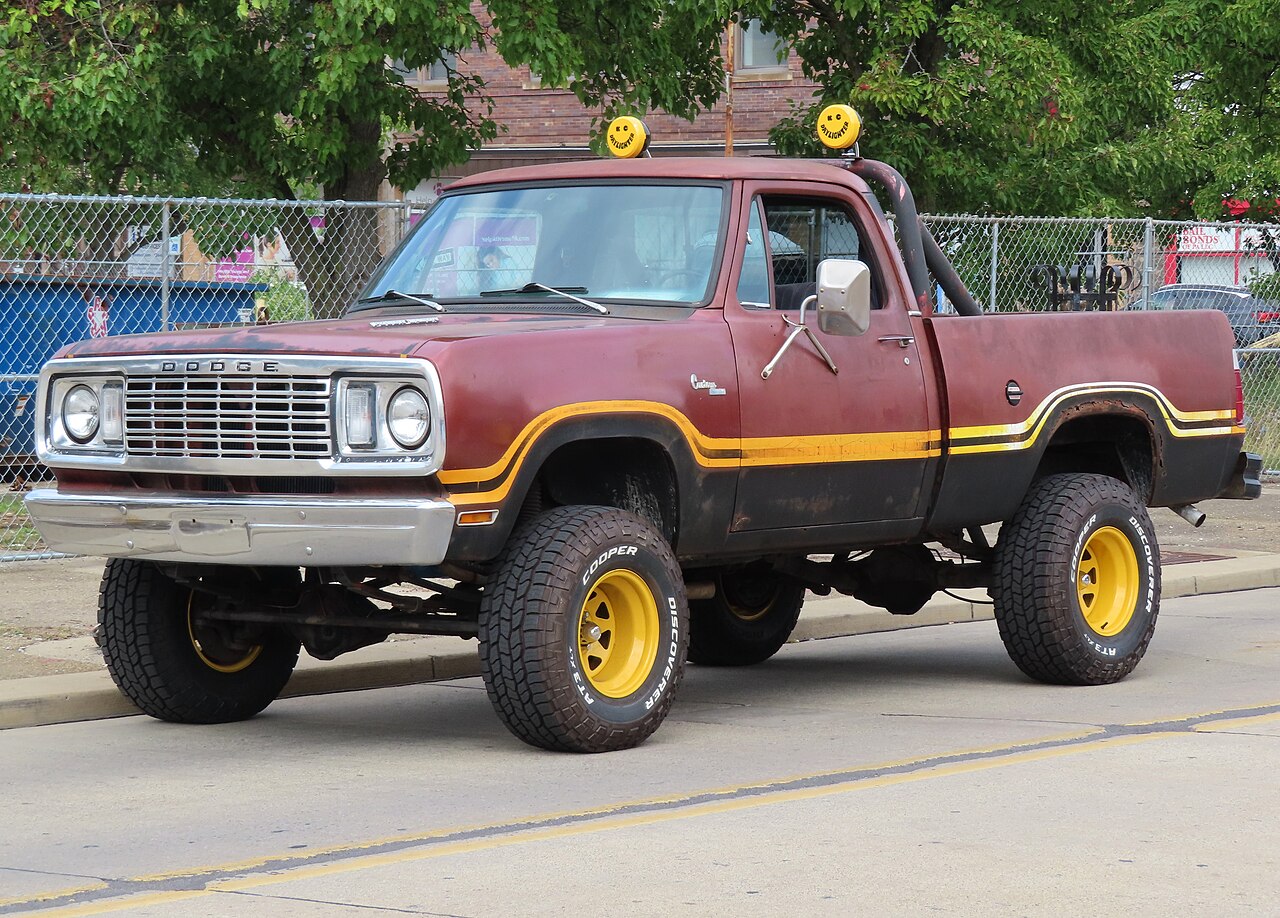
The Power Wagon name and civilian pickup design were derived directly from the WC-series military trucks Dodge built for World War II.
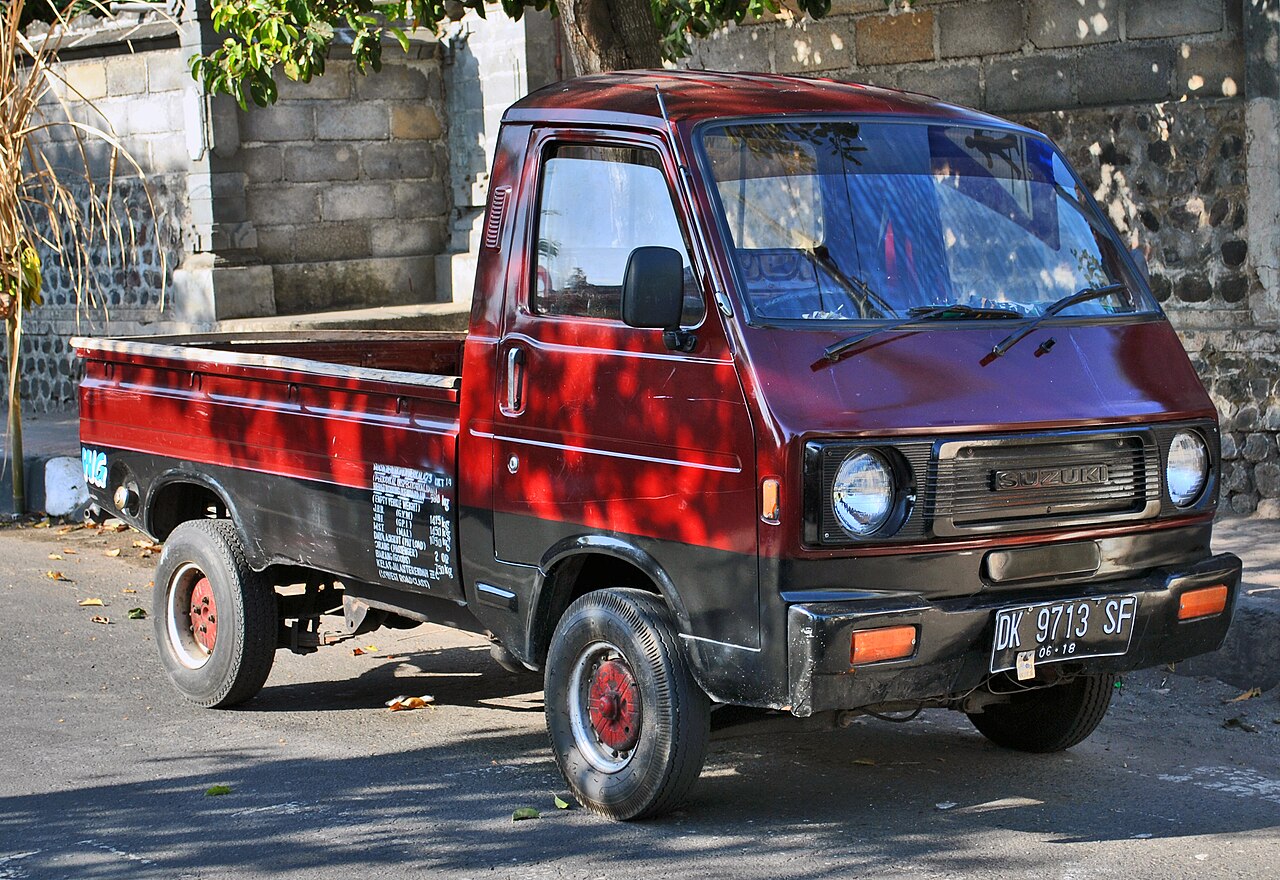
Suzuki kept the L20 Carry at the exact same 21 hp as its predecessor but still called it progress — the gain was a patented Cylinder Crank Injection lubrication system, not more power.
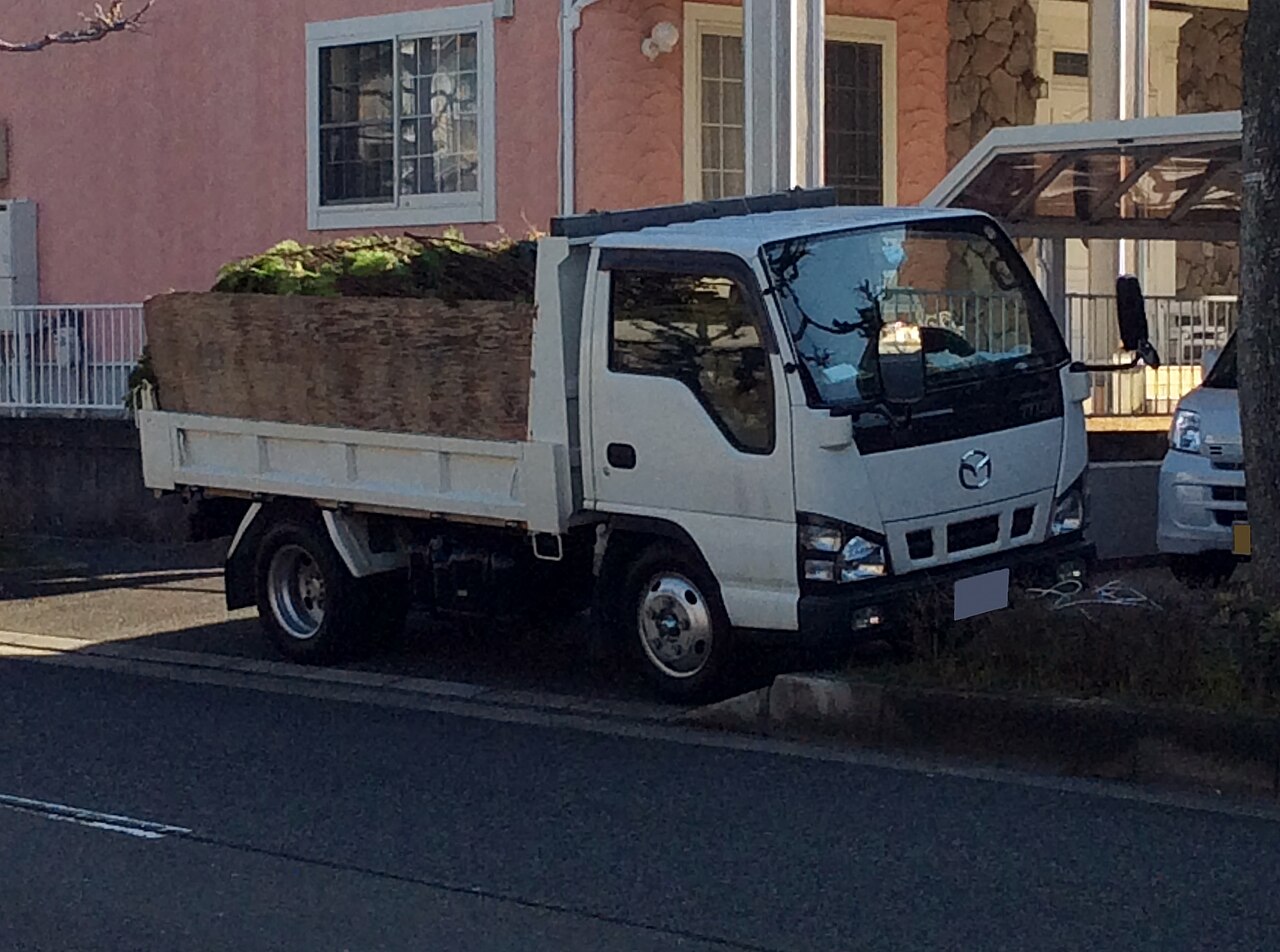
This generation of Titan quietly became the ancestor of two other trucks entirely: it was license-built by Kia as the Kia Titan in South Korea, and formed the basis of the Australian Ford Trader.