Subaru Sambar39HP
 VerifiedFIRST · WORLDWIDEFIRST PRINTONLY ONE IN VANCOUVER
4 CYL · 0.7 L
FACT
This retro-styled Dias Classic kei van has its own anime cameo — it's the van driven by Seta in Love Hina.
SPOTTED BY @TROY · 10/2026№ 0001
Every Subaru Sambar generation in the Burbles catalogue — complete specs, rarity tiers, interactive 3D cards, and the collectors who have spotted them on the street.
Each generation deals in its rarity tier’s alloy with its engine disc, lead specs, and first spotter record. Click into any generation for full trims and market figures.
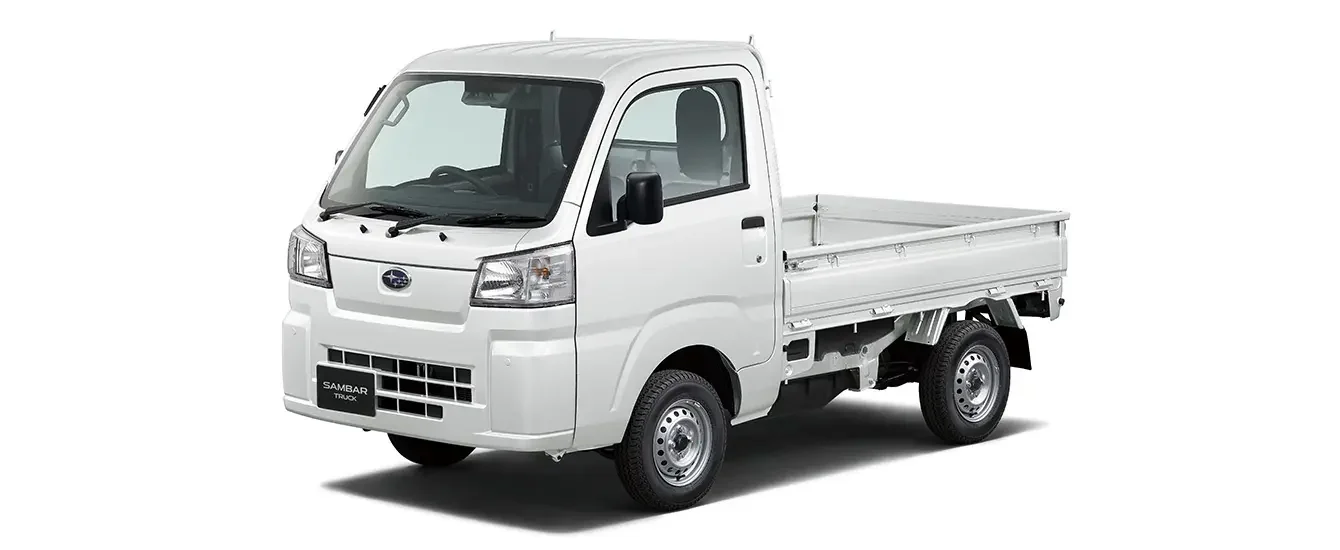
Subaru's own Sambar is now just a Daihatsu Hijet wearing a Subaru badge.
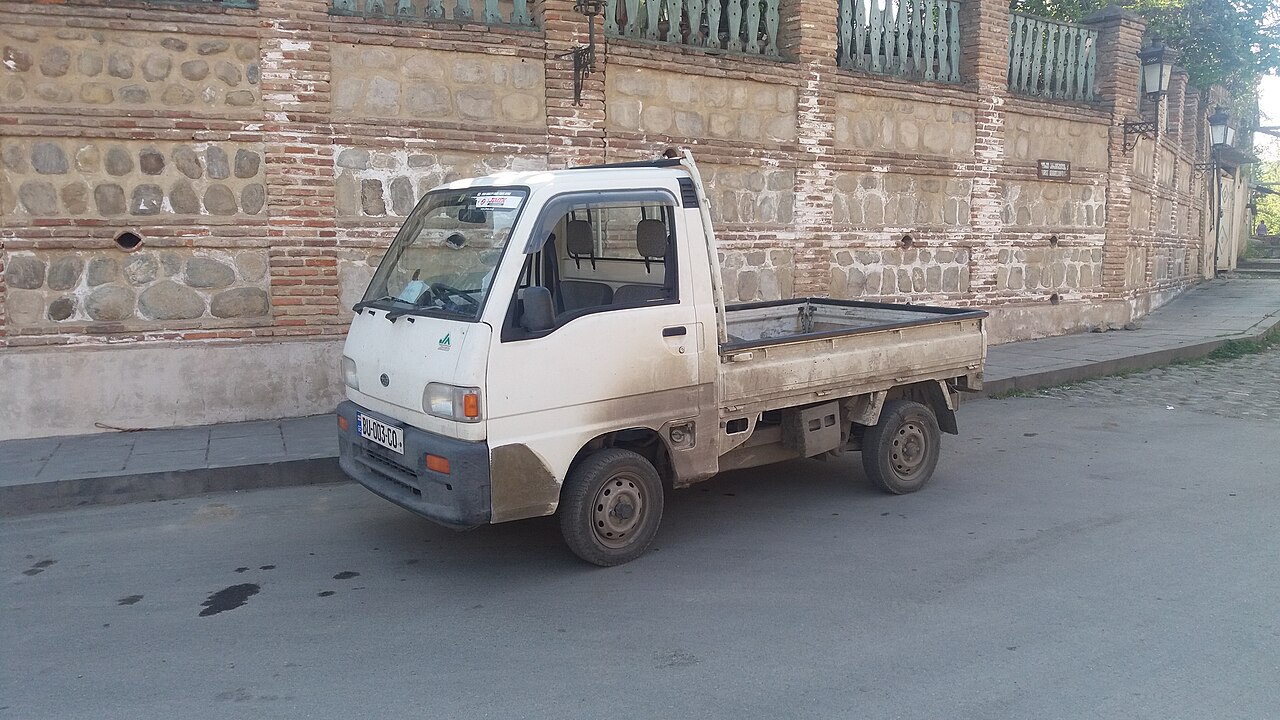
This Sambar is a rebadged Daihatsu Hijet because Subaru gave its own Sambar line over to building the Toyota 86, the BRZ's twin.
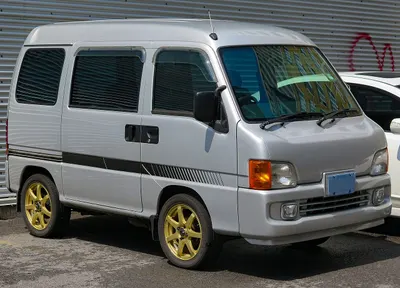
Japan widened kei-car width rules in 1998 to improve side-impact safety — and the sixth-gen Sambar was widened specifically to meet the new standard, mid-production.
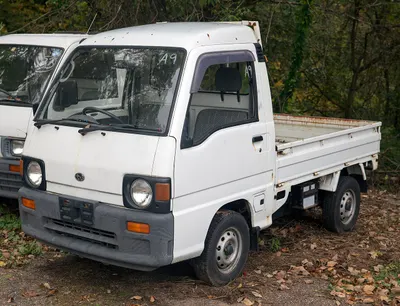
This retro-styled Dias Classic kei van has its own anime cameo — it's the van driven by Seta in Love Hina.
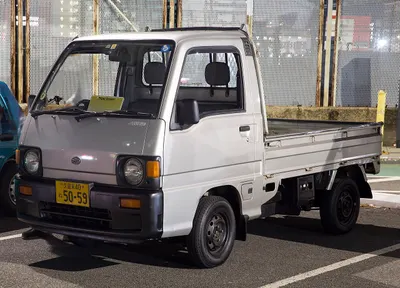
The 1982 Sambar Try offered something unusual for a kei truck of its era: select FL and FX models came with an automatic clutch, sparing drivers from juggling a clutch pedal in Japan's tiniest commercial trucks.
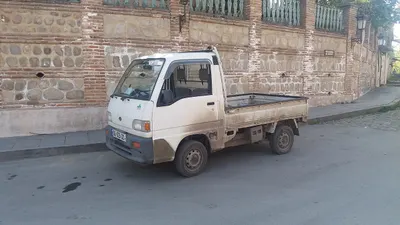
The third-generation Sambar, nicknamed the 'Gōriki' (Herculean strength), was sold abroad as the Subaru 600 — even though its engine only displaced 550cc.
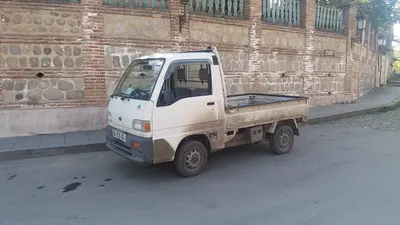
Early second-gen Sambars made you reach the engine from inside the cab -- it took until the 1970 facelift for Subaru to give it normal doors and outside engine access.
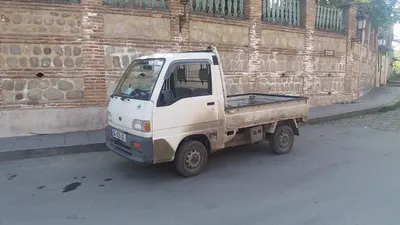
The first Sambar's reverse gear sat in a left-pattern position instead of the usual right — and its engine was reached through a hatch inside the cabin.
Real Subaru Sambar cards spotted on the street by Burbles collectors. Tap any card to flip it over, inspect the collector’s binder, or follow them.
VerifiedFIRST · WORLDWIDEFIRST PRINTONLY ONE IN VANCOUVERThis retro-styled Dias Classic kei van has its own anime cameo — it's the van driven by Seta in Love Hina.
Lead figures across every published generation, newest to oldest. Select any generation to inspect all trims and engine options.
| Generation | Years | Tier & Rarity | Engine | Power & Torque | 0–60 mph | Weight | Trims | First Spotter |
|---|---|---|---|---|---|---|---|---|
| Eighth-generation Sambar (Hijet S500/S700; 2014–present)S500/S700 | 2014–present | Rare | 0.7L I3 | — | — | — | 5 trims → | Unclaimed |
| Seventh-generation Sambar (Hijet S201/S321; 2012–2022)S201/S321 | 2012–2022 | Epic | 0.7L I3 | — | — | 2,006 lb | 4 trims → | Unclaimed |
| Sixth-generation Sambar (TT/TV/TW)TT/TV/TW | 1999–2012 | Epic | — | 47 hp · 42 lb-ft | — | — | 2 trims → | Unclaimed |
| Fifth-generation Sambar | 1990–1999 | Epic | 0.7L I4 | 39 hp · 40 lb-ft | — | — | 2 trims → | @troy |
| Fourth-generation Sambar (KR)KR | 1982–1990 | Legendary | 0.5L I2 | 28 hp | — | — | 2 trims → | Unclaimed |
| Sambar third generation (1973–1982) | 1973–1982 | Legendary | 0.4L I2 | 28 hp | — | — | 4 trims → | Unclaimed |
| Sambar second generation (1966–1973) | 1966–1973 | Legendary | 0.4L I2 | 20 hp | — | 1,179 lb | 2 trims → | Unclaimed |
| Sambar first generation (1961–1966) | 1961–1966 | Legendary | 0.4L I2 | 18 hp | — | 1,040 lb | 1 trim → | Unclaimed |
See a Subaru Sambar on the street, point Burbles at it, and that generation’s card goes in your binder with your own photo and serial number. Own one? Add it to your garage in the app.

