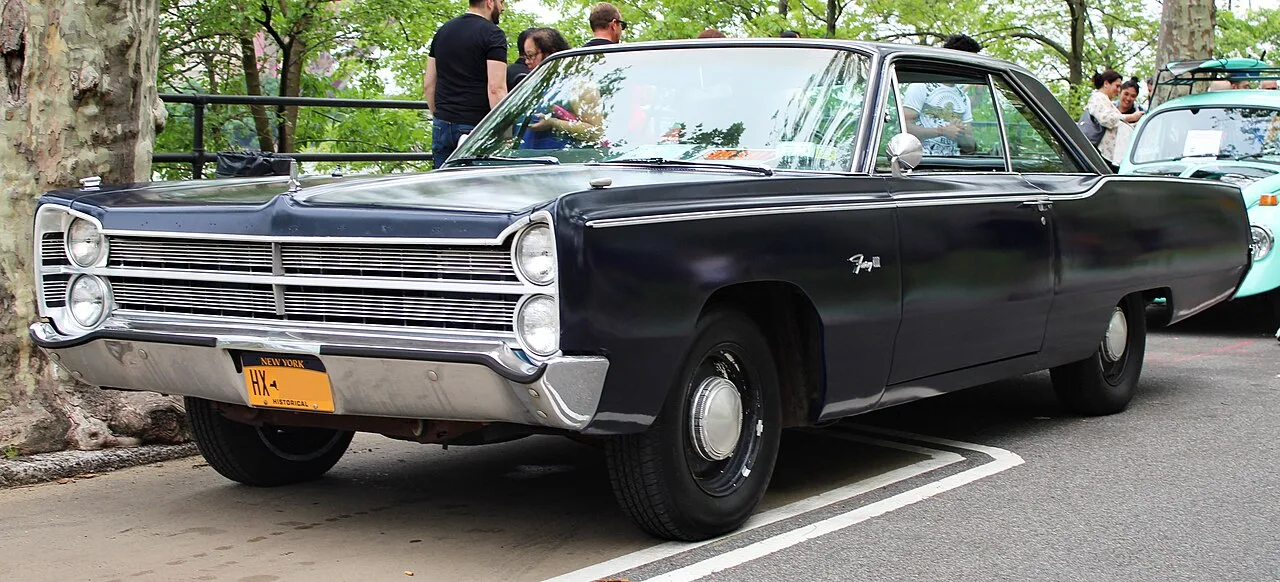
Plymouth marketed this trim's own name as an acronym, calling it the very important Plymouth when it launched in 1966.
Lead trim: VIP 318 LA V8
Plymouth FuryVIP · 1966–1969
- 0spots by members
- Unclaimednobody has spotted one yet
- 0sets it belongs to
Nobody in Burbles has spotted a Plymouth Fury yet. See one on the street, point the app at it, and the first card is yours — with your @handle permanently credited on this page.
FactPlymouth marketed this trim's own name as an acronym, calling it the very important Plymouth when it launched in 1966.
To compete with the new luxury-focused models such as the Ford Galaxie 500 LTD, Chevrolet Impala Caprice and AMC Ambassador DPL, Plymouth introduced a plush, luxurious edition of the Fury called the VIP (marketed as the "very important Plymouth" in 1966), available initially as a four-door hardtop in the fall of 1965 and joined in early 1966 by a two-door hardtop; from 1966 until 1969 it came with full wheel covers, vinyl tops, luxuriously upholstered interiors with walnut dashboards and door-panel trim, thicker carpeting, more sound insulation and full courtesy lighting, with "VIP" emblems and fender skirts standard. Essentially an upgraded Fury III, it was marketed as a separate model and included Chrysler's 318 cu in (5.2 L) V8 mated to a three-speed manual transmission, though the vast majority were ordered with the TorqueFlite automatic. The 1967 body was restyled with a "fast top" two-door hardtop in the VIP and Sport Fury series, and the VIP was discontinued for 1970.
Collectors Spotted in the Plymouth Fury Lineage
No member has published a public street spot of the Plymouth Fury yet — the First · Worldwide stamp is wide open.
Trims & Figures
One published trim in the catalogue. A blank is a figure not recorded, not zero.
| Trim | Years | Engine | Power | Torque | 0–60 | Drive | Gearbox | MSRP |
|---|---|---|---|---|---|---|---|---|
| VIP 318 LA V8 | 1966–1969 | 5.2 L V8 | 230 hp | 340 lb-ft | — | RWD | — | — |
Owning one
We don’t estimate running costs for a car like this. What it costs depends on its condition, its specialist and how it is driven, and an average would mislead.
Owners’ builds
Nobody has claimed one yet.
Photographs
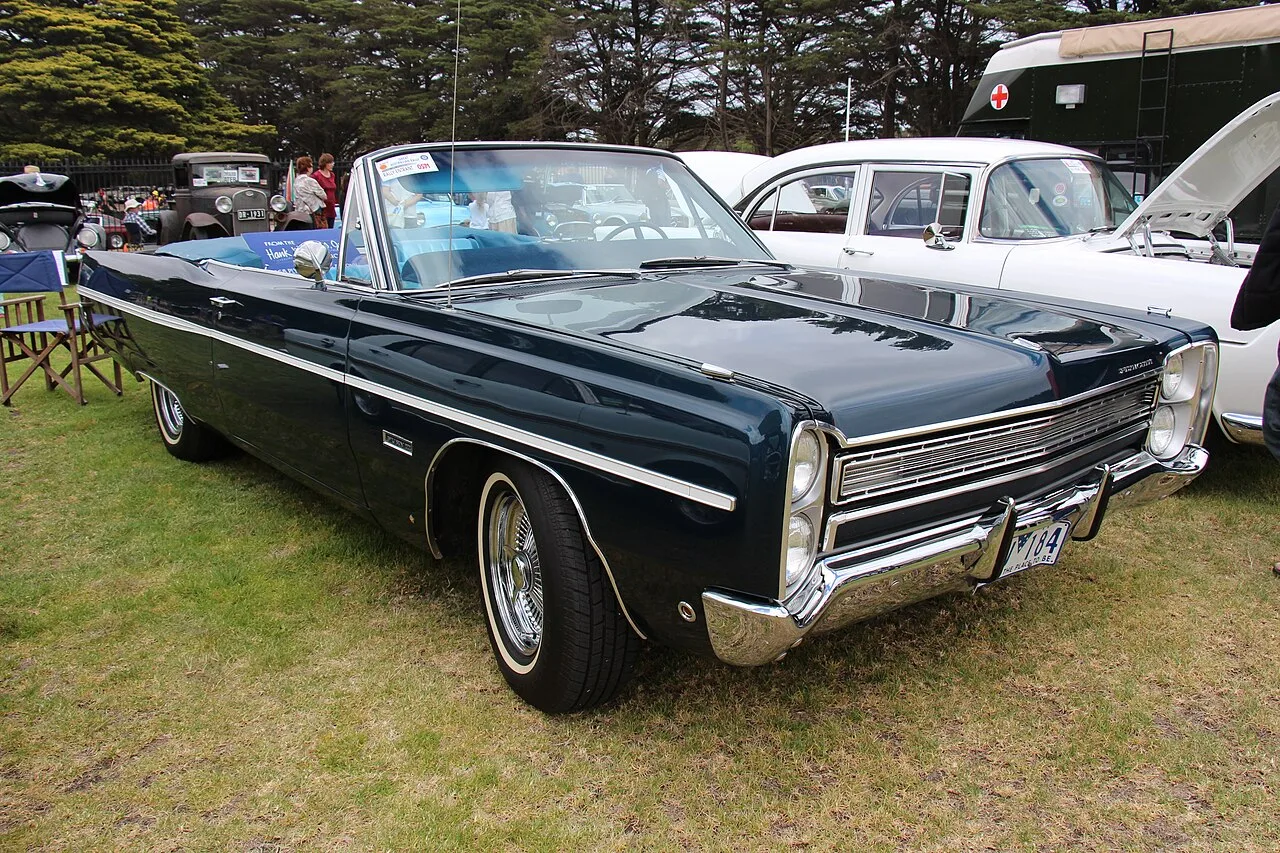
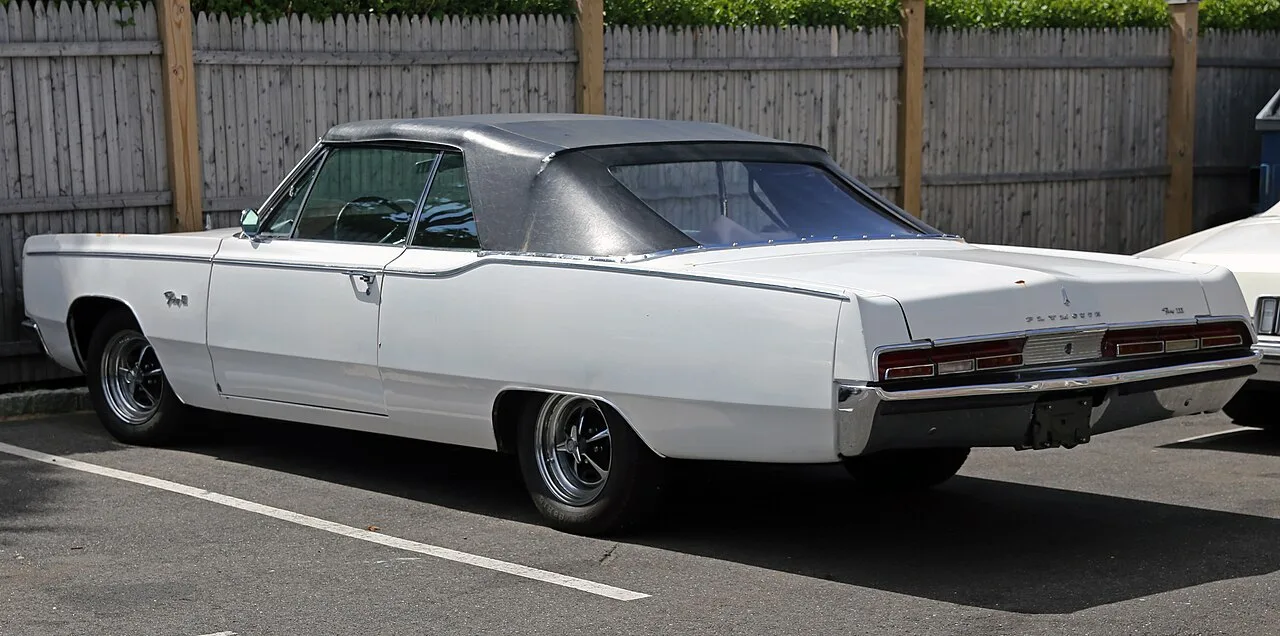
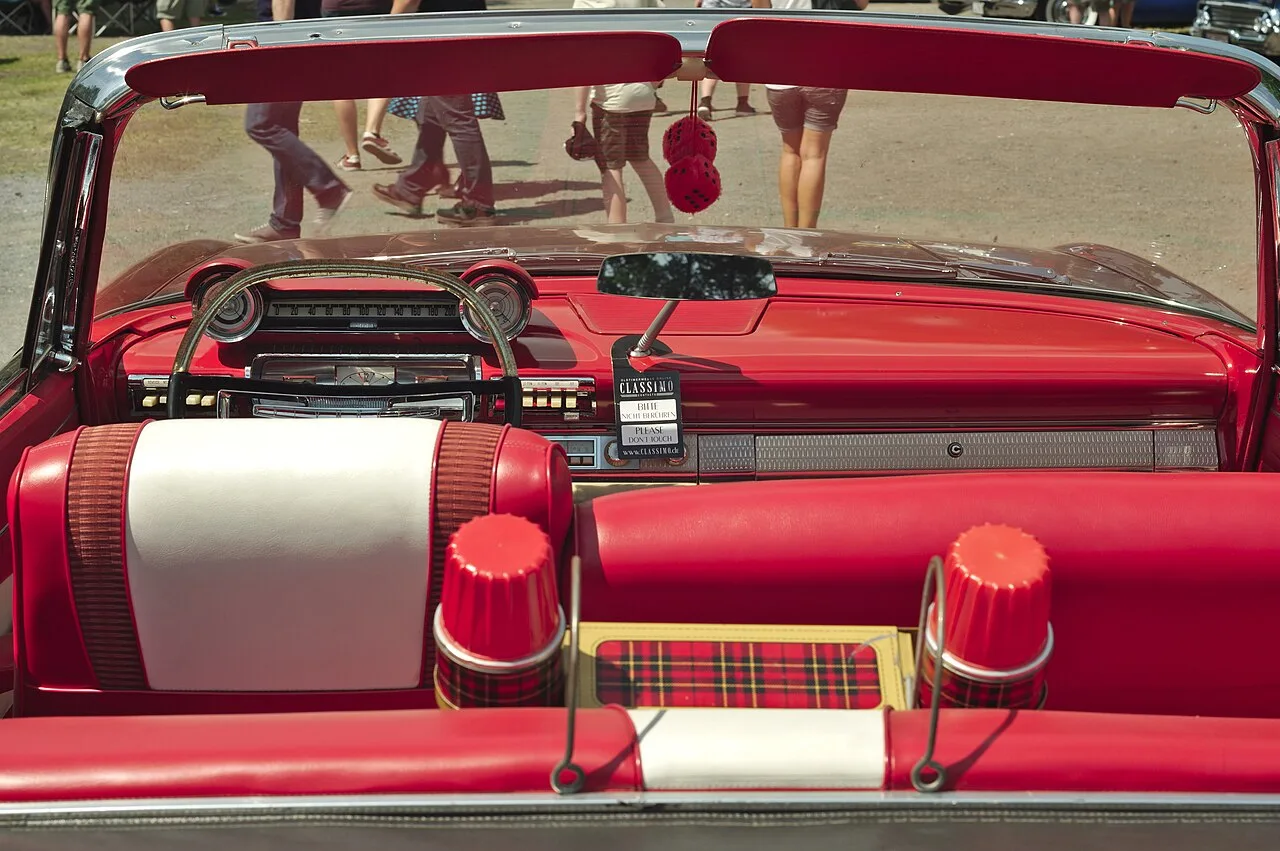
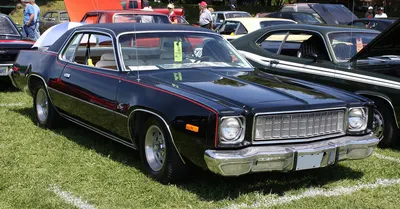
This Fury wasn't Plymouth's flagship anymore — in 1975 Chrysler demoted the nameplate off its full-size C-body car and stuck it on the mid-size B-body line that used to be called Satellite.
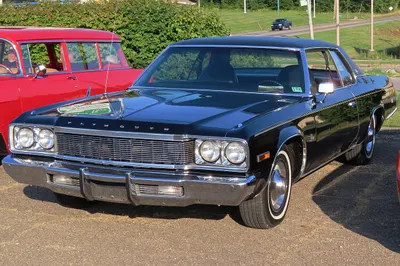
For one year, the humble Fury rode on the same all-new C-body platform as Chrysler's flagship Imperial, a mid-market Plymouth sharing its bones with the brand's most expensive car.
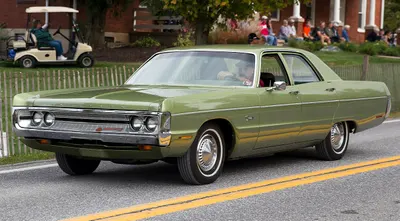
Order the right box in 1970 and your Sport Fury GT came with three two-barrel carbs stacked on a 440 — the fabled "6-Barrel," good for 390 hp and 490 lb-ft.
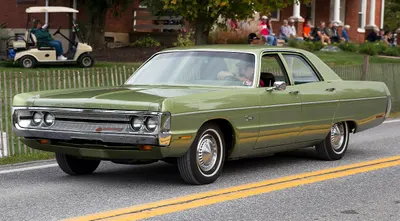
The 1970 Sport Fury GT could be ordered with three two-barrel carburetors on its 440 — a setup Plymouth called the '6-Barrel' — for 390 hp and 490 lb-ft.
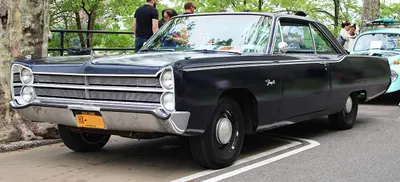
Plymouth marketed this trim's own name as an acronym, calling it the very important Plymouth when it launched in 1966.
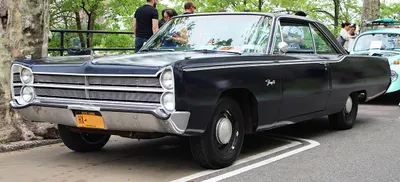
Australia sold this Fury generation as the right-hand-drive Dodge Phoenix, a full-size American body reborn under a different badge.
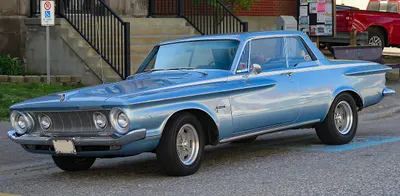
This Fury was downsized in 1962 amid Chrysler corporate scandals, and buyers stayed away until the 1963-64 restyle fixed it.
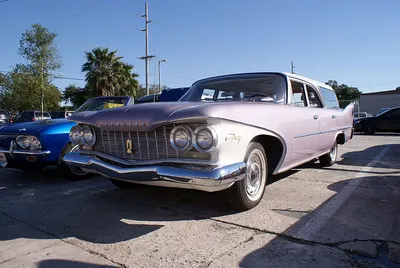
Styling locked in back in 1957 aged so fast that Chevrolet and Ford grew sales in 1960 while Plymouth barely held its own.
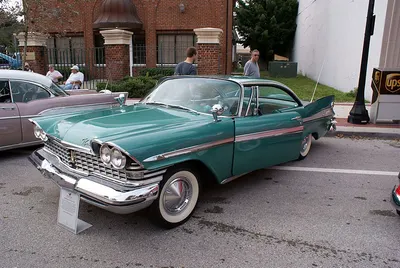
Chrysler Canada built a one-year-only Dodge Viscount by grafting a 1959 Dodge front end onto this Fury's body.
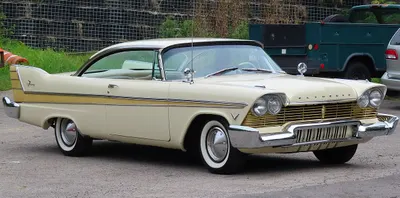
A 1958 Fury inspired Stephen King's Christine, but the movie used Belvederes instead because Plymouth never built a red '58 Fury.
Rivals
Same body, same money, other badges — tap any card to flip.

It briefly served as senior sibling to Marquette, a GM companion brand cancelled after just one year.

Nissan hired former BMW engineers to help develop the 510's suspension, which is why period reviewers frequently compared its handling to the BMW 1600/2002.

A Trabant 601 won its class at the 1970 Monte Carlo Rally, with a second 601 right behind it in second.

The 600 was a stopgap: the P50's body over the 601's mechanicals, and for a while its estate was built alongside the new 601 saloon.

The G80 Sport brought a 370 PS twin-turbo 3.3 V6, a mesh grille and copper-tinted chrome with copper stitching to match.

The Vigor was sold only with a five-cylinder engine, an unusual configuration Honda used to fit a longer engine transversely under a short hood.

The GS/E coupe earned the nickname "German Charger" for its long hood, short deck stance borrowed from Detroit muscle cars.

This DeVille/Fleetwood was the first production car anywhere to mount its V8 sideways, Cadillac's front-drive gamble on the new C-body.