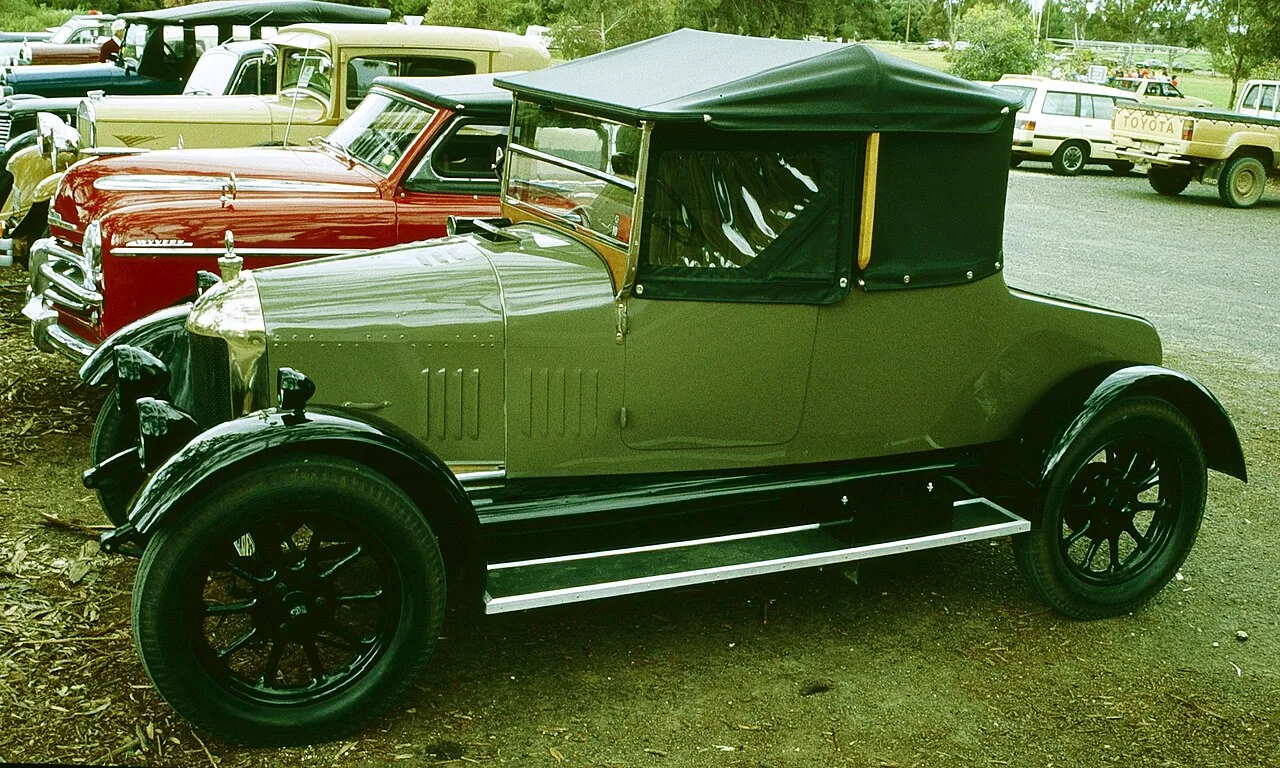
Despite replacing the Morris Major as an all-new model in 1934, the Cowley Six kept its predecessor's exact 1938cc six-cylinder side-valve engine unchanged — only the chassis underneath was new.
Lead trim: Cowley Six 1938 cc side-valve six (36 bhp)
Morris Cowley Six1934–1935
- 0spots by members
- Unclaimednobody has spotted one yet
- 0sets it belongs to
Nobody in Burbles has spotted a Morris Cowley Six yet. See one on the street, point the app at it, and the first card is yours — with your @handle permanently credited on this page.
FactDespite replacing the Morris Major as an all-new model in 1934, the Cowley Six kept its predecessor's exact 1938cc six-cylinder side-valve engine unchanged — only the chassis underneath was new.
Announced 28 August 1933, the 1934 Cowley Six replaced the Morris Major, keeping the same 1938 cc six-cylinder side-valve engine (63.5 × 102 mm, 15 hp RAC, 36 bhp at 3,400 rpm) with a new lower chassis; like all other Morris cars it now had a synchromesh four-speed gearbox, dipping headlights, hydraulic shock absorbers, leather upholstery, hydraulic brakes, a rear petrol tank, direction indicators, safety glass, battery master switches and automatic ignition. Body styles were a 4-door saloon (£215, or £220 with fixed or sliding head) and a 2-door coupé (£265 special coupé), related to the Morris Oxford Six, with a matching smaller 12 hp 1378 cc Ten Six; 15,470 were made. Wheelbase 106 inches (2,692 mm), width 65.5 inches (1,664 mm). It became the Fifteen-Six in 1935.
Collectors Spotted in the Morris Cowley Lineage
No member has published a public street spot of the Morris Cowley yet — the First · Worldwide stamp is wide open.
Trims & Figures
One published trim in the catalogue. A blank is a figure not recorded, not zero.
| Trim | Years | Engine | Power | Torque | 0–60 | Drive | Gearbox | MSRP |
|---|---|---|---|---|---|---|---|---|
| Cowley Six 1938 cc side-valve six (36 bhp) | 1934–1935 | 1.9 L Inline-6 | 36 hp | — | — | RWD | — | — |
Owning one
We don’t estimate running costs for a car like this. What it costs depends on its condition, its specialist and how it is driven, and an average would mislead.
Owners’ builds
Nobody has claimed one yet.
Photographs
Morris cut costs on the budget Cowley by swapping in plastic-covered felt where the posher Oxford had actual carpet.
Despite replacing the Morris Major as an all-new model in 1934, the Cowley Six kept its predecessor's exact 1938cc six-cylinder side-valve engine unchanged — only the chassis underneath was new.
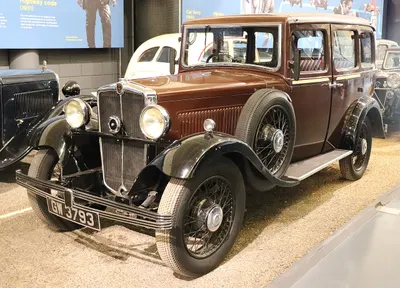
The 1931 Cowley revamp used aircraft-grade Duralumin alloy for its connecting rods, an unusually exotic material to find inside an affordable family saloon.
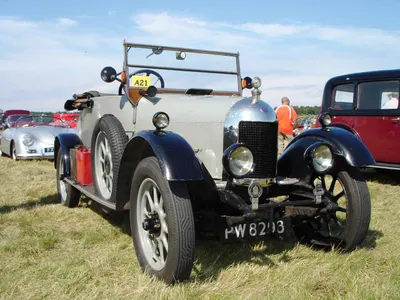
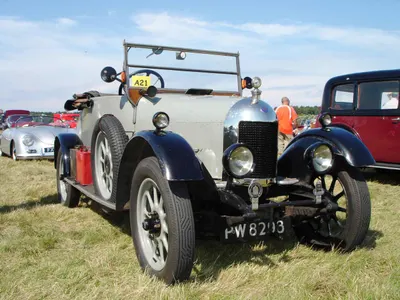
The 1926-31 Flatnose Cowley shipped with brakes on the rear wheels only as standard — four-wheel brakes were already common elsewhere, but Morris charged extra for the front pair.
The Bullnose Cowley's centrally-mounted handbrake and gear lever gave away its American-sourced gearbox — and as a side effect, let the driver climb in without dragging a leg past cold exposed steel.
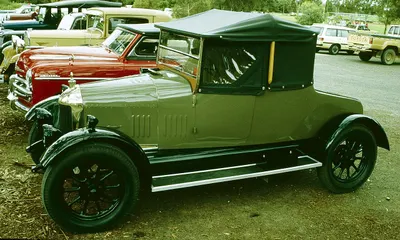
On the Continental-engined Cowley, just the electric lighting components cost 59% of the price of the imported engine itself — electric lights were a genuine luxury in 1915.
Rivals
Same body, same money, other badges — tap any card to flip.

It briefly served as senior sibling to Marquette, a GM companion brand cancelled after just one year.

Nissan hired former BMW engineers to help develop the 510's suspension, which is why period reviewers frequently compared its handling to the BMW 1600/2002.

A Trabant 601 won its class at the 1970 Monte Carlo Rally, with a second 601 right behind it in second.

The 600 was a stopgap: the P50's body over the 601's mechanicals, and for a while its estate was built alongside the new 601 saloon.

The G80 Sport brought a 370 PS twin-turbo 3.3 V6, a mesh grille and copper-tinted chrome with copper stitching to match.

The Vigor was sold only with a five-cylinder engine, an unusual configuration Honda used to fit a longer engine transversely under a short hood.

The GS/E coupe earned the nickname "German Charger" for its long hood, short deck stance borrowed from Detroit muscle cars.

This DeVille/Fleetwood was the first production car anywhere to mount its V8 sideways, Cadillac's front-drive gamble on the new C-body.