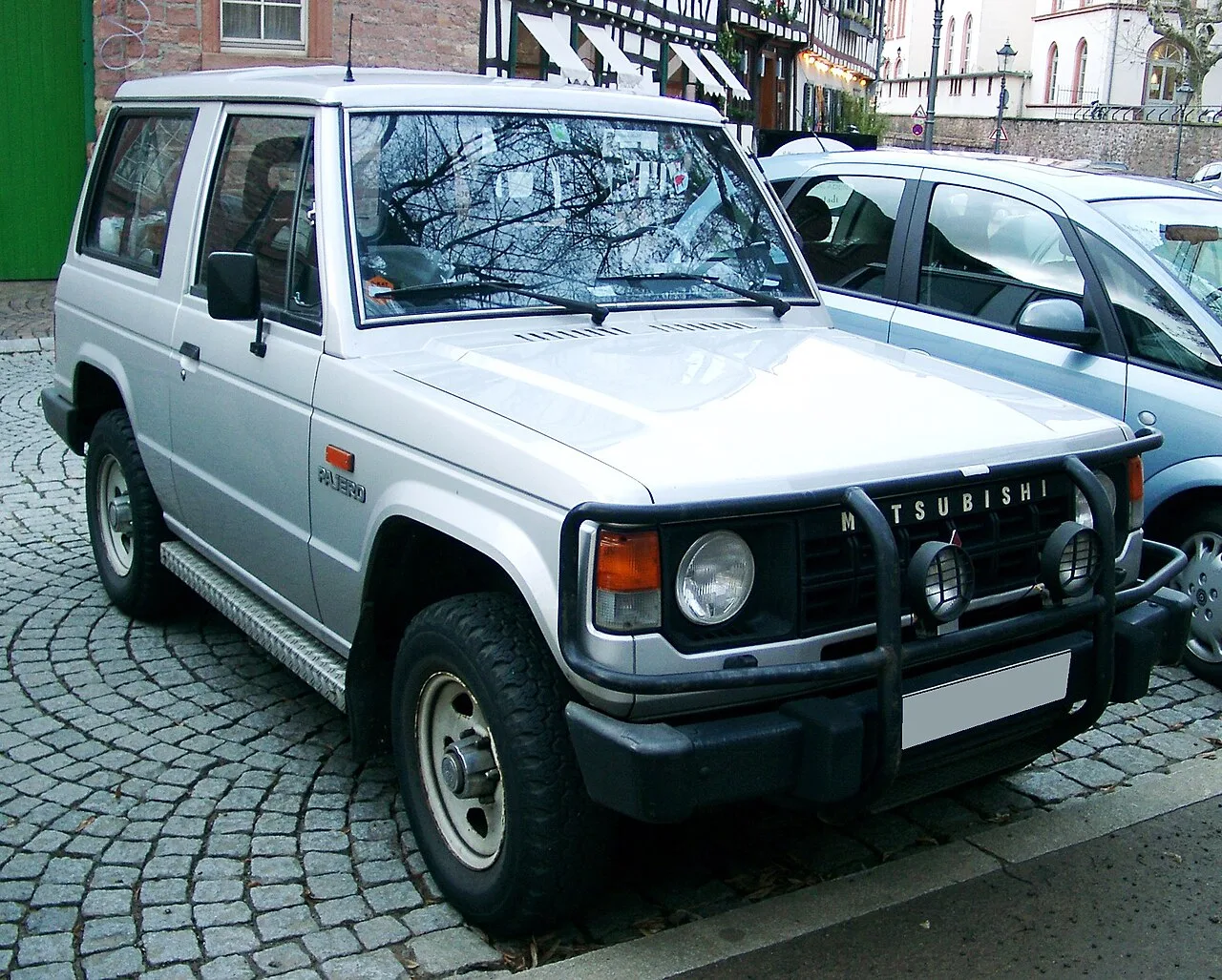
This first-gen Pajero's chassis didn't retire in 1991 — Hyundai kept building it under license as the Galloper for another 12 years, even exporting it to Europe.
Median 107 hp across 63 similar cars
Lead trim: 2.6 4G54 petrol (110 hp) · up to 141 hp
Mitsubishi Pajero first generation1982–1991
- 0spots by members
- Unclaimednobody has spotted one yet
- 0sets it belongs to
Nobody in Burbles has spotted a Mitsubishi Pajero first generation yet. See one on the street, point the app at it, and the first card is yours — with your @handle permanently credited on this page.
FactThis first-gen Pajero's chassis didn't retire in 1991 — Hyundai kept building it under license as the Galloper for another 12 years, even exporting it to Europe.
Debuted at the Tokyo Motor Show in October 1981 from the 1979 Pajero II design study (an open FRP body on a Forte 4WD pickup chassis), and launched in May 1982 as a three-door short-wheelbase SUV. A long-wheelbase five-door followed in February 1983 with a 2.0-litre turbo petrol or 2.3-litre turbo diesel, seating up to seven; a 4-speed automatic arrived in April 1985, the Exceed flagship in September 1987, and in 1988 a 3.0 SOHC V6 and an intercooled 2.5 turbodiesel (the first intercooler on a 4x4) with coil-link rear suspension. Part-time 4WD was standard. Also sold as the Montero (North America), Shogun (UK) and, rebadged by Dodge, the Raider (1987–89); built under licence by Hyundai as the Galloper. Won the Paris–Dakar in 1985 at its third attempt.
Collectors Spotted in the Mitsubishi Pajero Lineage
No member has published a public street spot of the Mitsubishi Pajero yet — the First · Worldwide stamp is wide open.
Trims & Figures
7 published trims in the catalogue. A blank is a figure not recorded, not zero.
| Trim | Years | Engine | Power | Torque | 0–60 | Drive | Gearbox | MSRP |
|---|---|---|---|---|---|---|---|---|
| 2.0 4G63 turbo petrol | 1983–1991 | 2.0 L Inline-4 | — | — | — | 4WD | — | — |
| 2.3 4D55T turbodiesel | 1983–1991 | 2.3 L Inline-4 | 94 hp | — | — | 4WD | — | — |
| 2.5 4D56T intercooled turbodiesel (94 hp) | 1988–1991 | 2.5 L Inline-4 | 94 hp | — | — | 4WD | — | — |
| 2.5 4D56T turbodiesel (83 hp) | 1988–1991 | 2.5 L Inline-4 | 83 hp | 148 lb-ft | — | 4WD | — | — |
| 2.6 4G54 petrol (110 hp) | 1988–1991 | 2.6 L Inline-4 | 110 hp | — | — | 4WD | — | — |
| 3.0 6G72 SOHC V6 EFI (139 hp) | 1988–1991 | 3.0 L V6 | 139 hp | 168 lb-ft | — | 4WD | — | — |
| Superwagon 3.0 V6 (141 hp, September 1988) | 1988–1991 | 3.0 L V6 | 141 hp | 168 lb-ft | — | 4WD | manual | — |
Owning one
We don’t estimate running costs for a car like this. What it costs depends on its condition, its specialist and how it is driven, and an average would mislead.
Owners’ builds
Nobody has claimed one yet.
Photographs
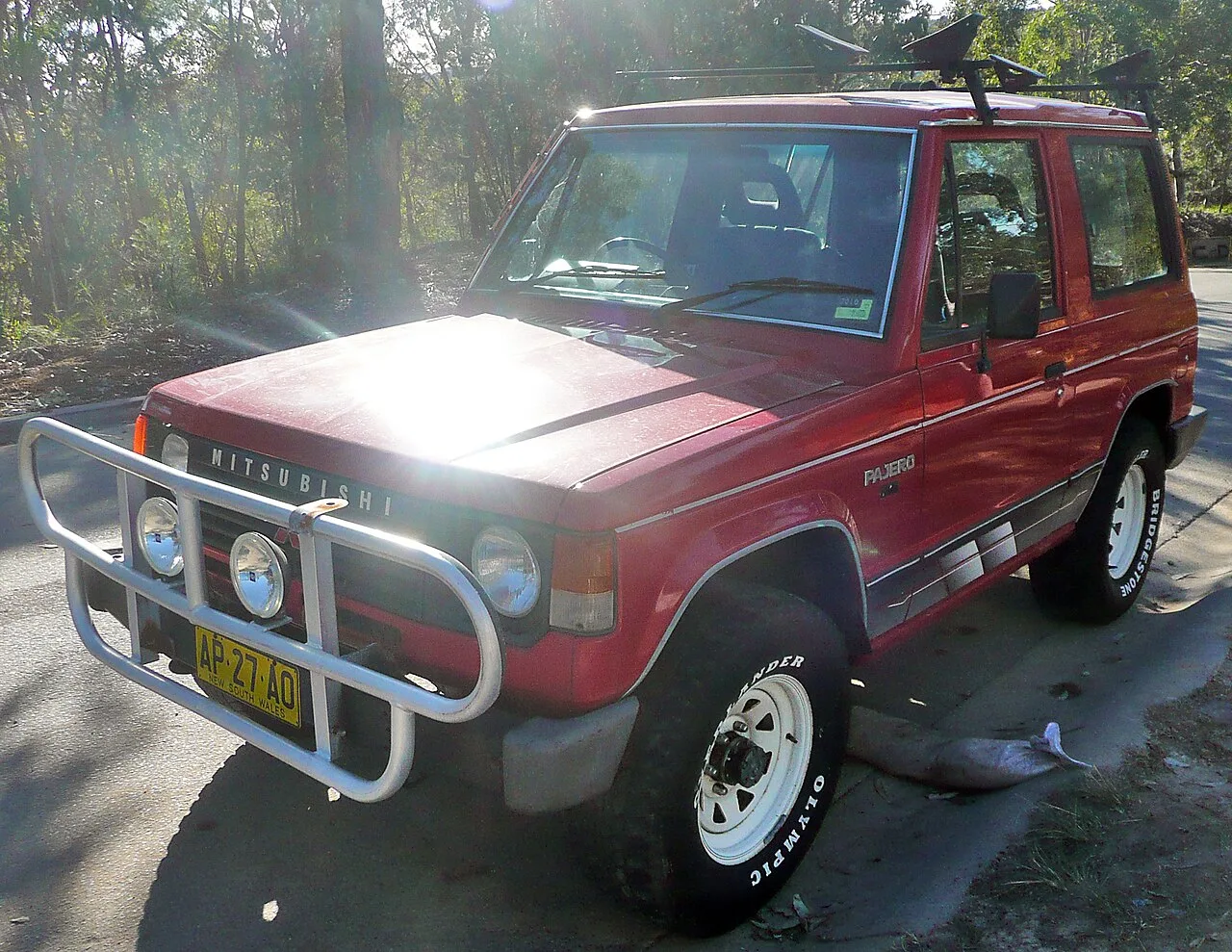
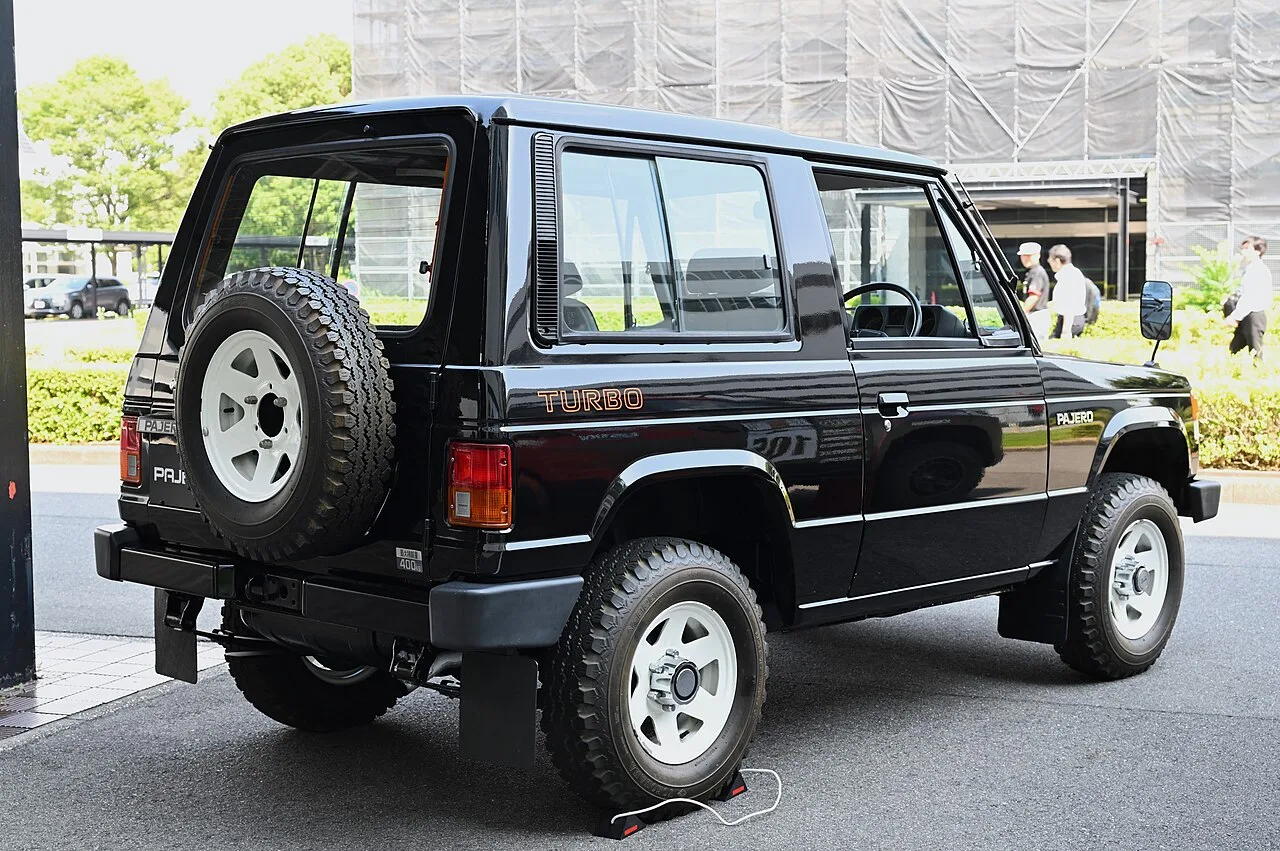
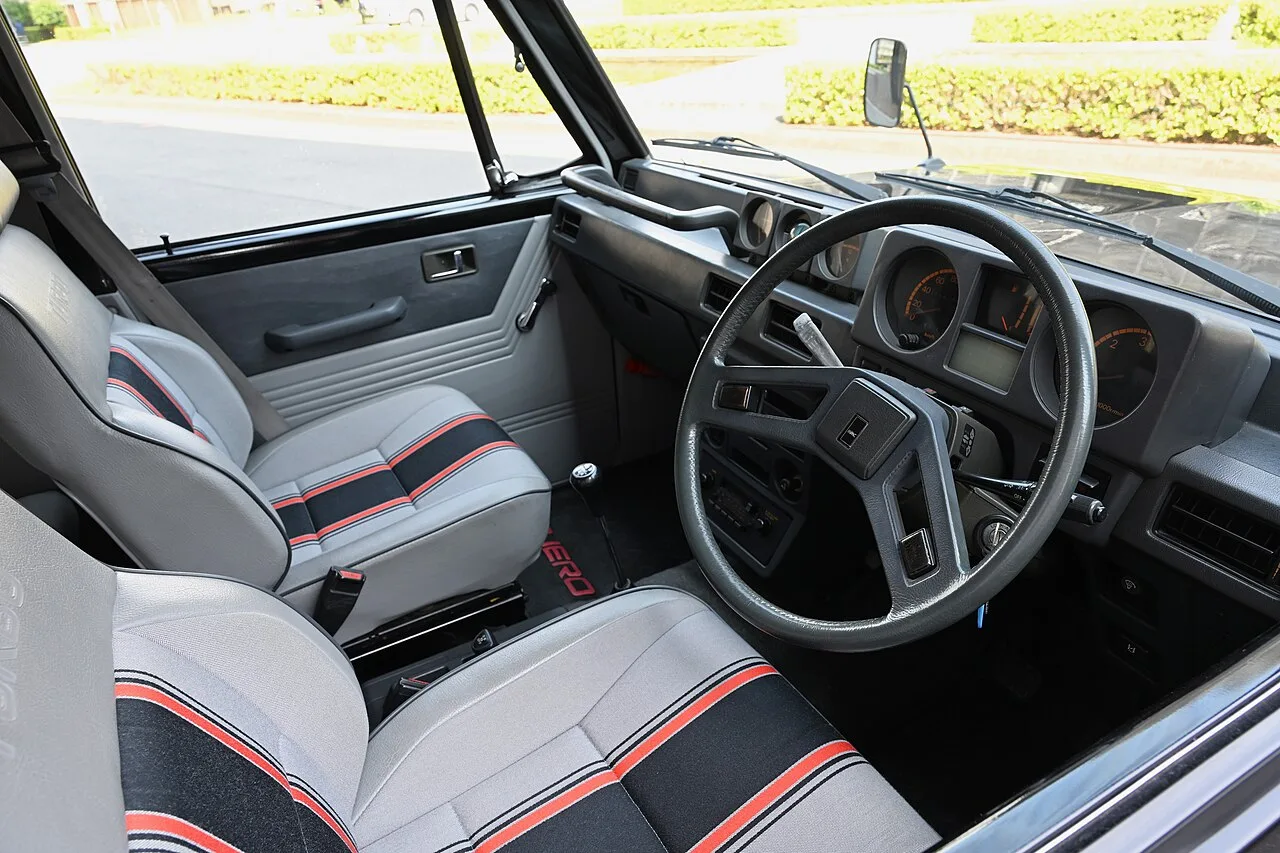
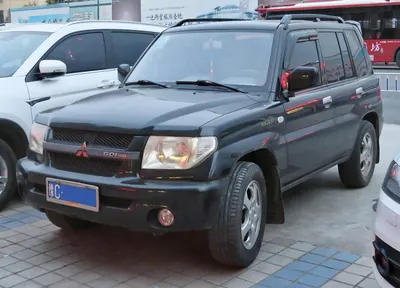
Every fourth-gen Pajero left the factory with a pre-built mounting point for a second battery, ready for owners to bolt on a winch or cold-weather gear without touching the main electrical system.
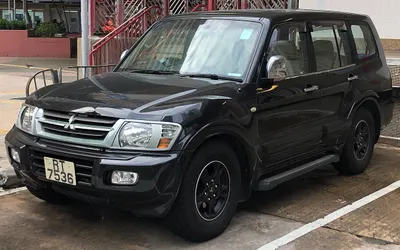
Mitsubishi moved the fuel tank on this Pajero generation to sit between the front and rear axles, a repositioning aimed squarely at better weight balance and more ground clearance off-road.
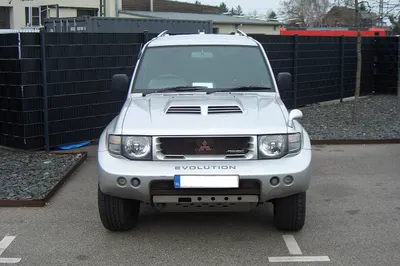
Built purely to homologate Mitsubishi's Dakar rally weapon for road-legal racing, only 2,693 Pajero Evolutions ever existed — genuine rally royalty, now a bona fide collector's item.

This Pajero's diesel intercooler breathed through two hidden scoops feeding a totally sealed, scoop-free bonnet — tougher against rocks and debris, but it actually ran less efficiently than a plain top-mounted scoop.
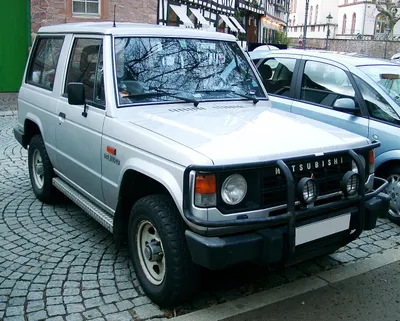
This first-gen Pajero's chassis didn't retire in 1991 — Hyundai kept building it under license as the Galloper for another 12 years, even exporting it to Europe.
Rivals
Same body, same money, other badges — tap any card to flip.
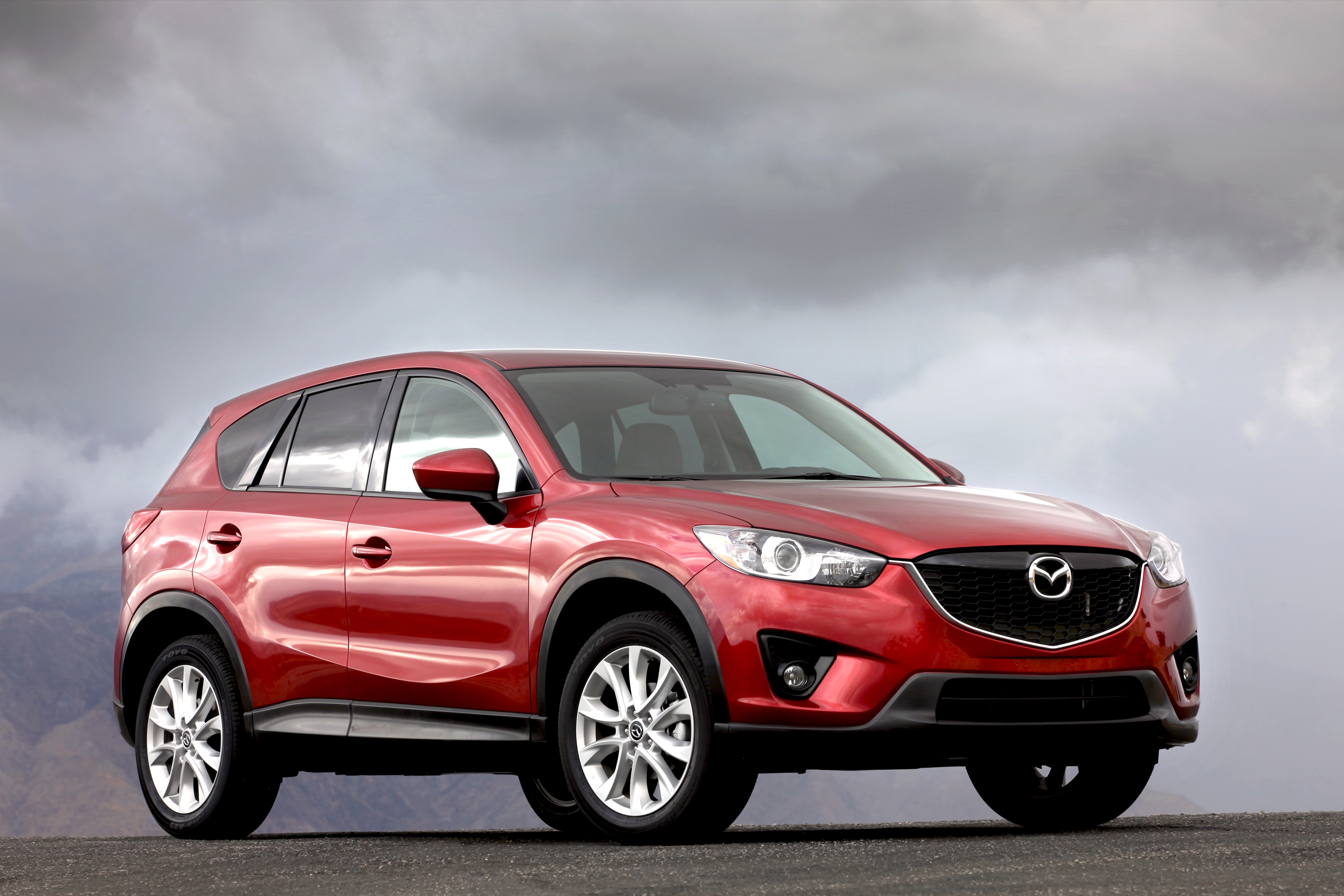
IIHS only crash-tests the driver's corner; tested on the passenger side instead, the CX-5 showed far worse intrusion.
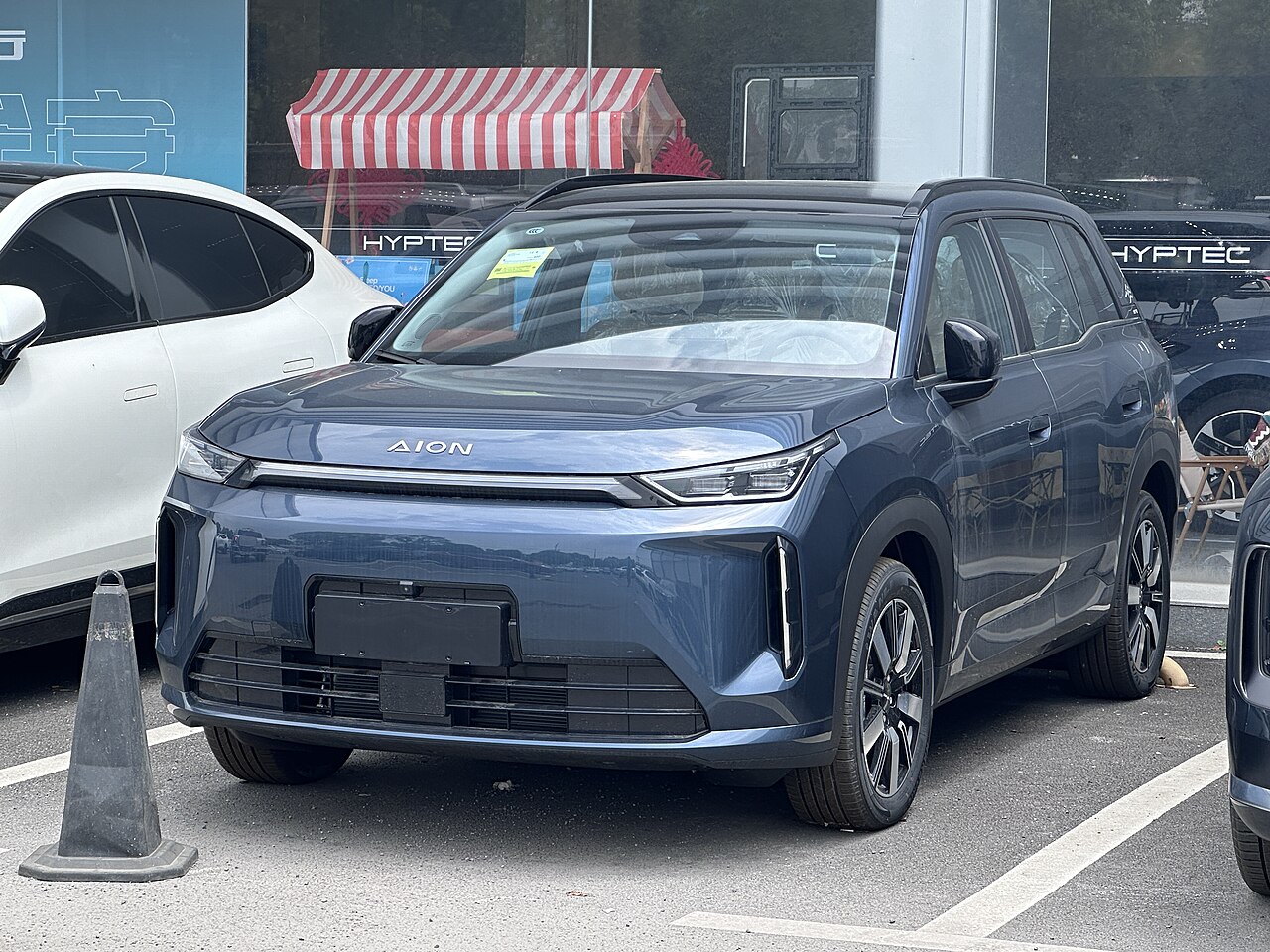
Despite launching from a standing start in late 2025, the i60 topped GAC Aion's own sales chart through January's seasonal slowdown.
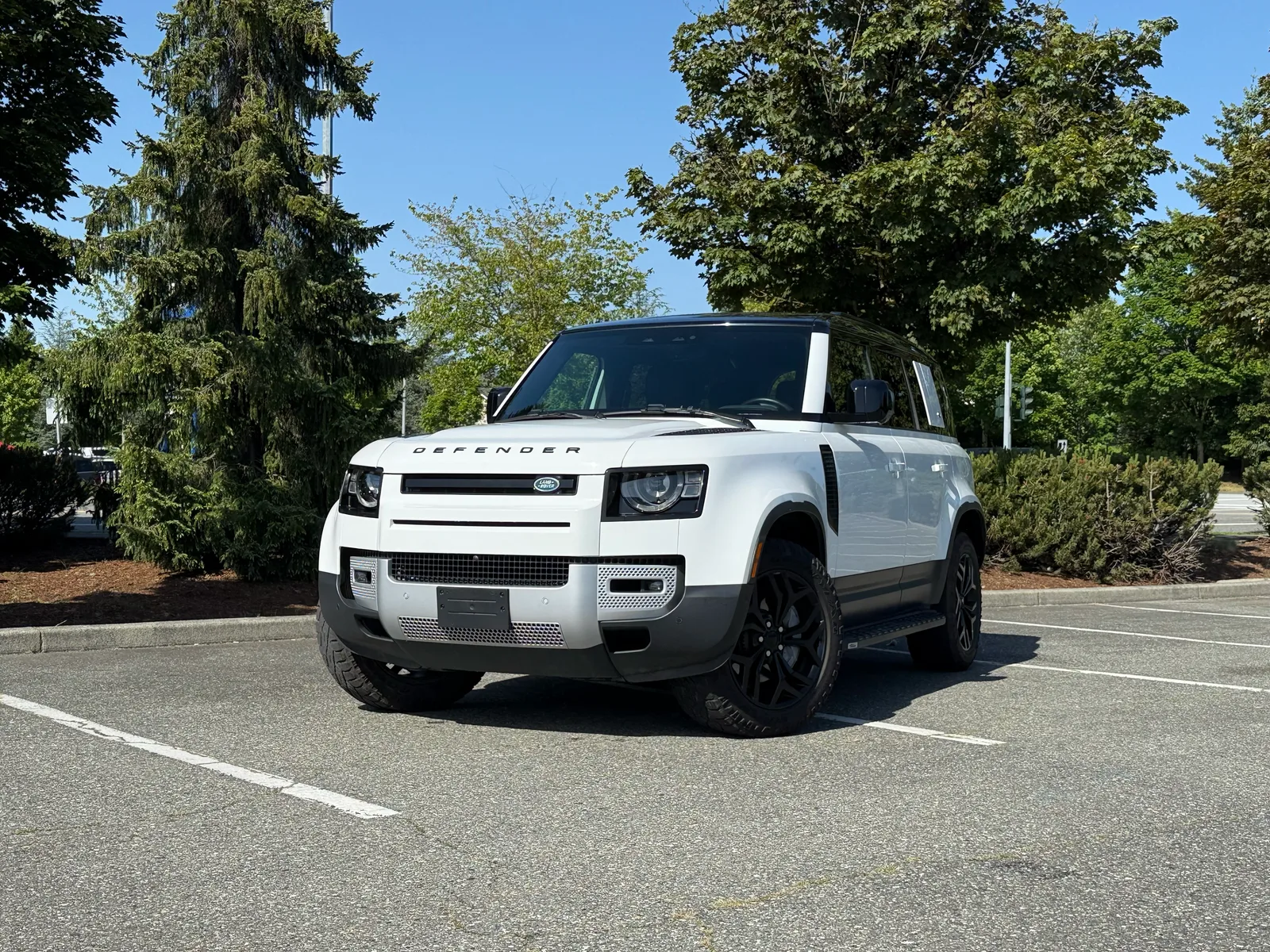
Every Defender before this one was body-on-frame — this generation broke decades of tradition with an aluminium unibody structure instead.
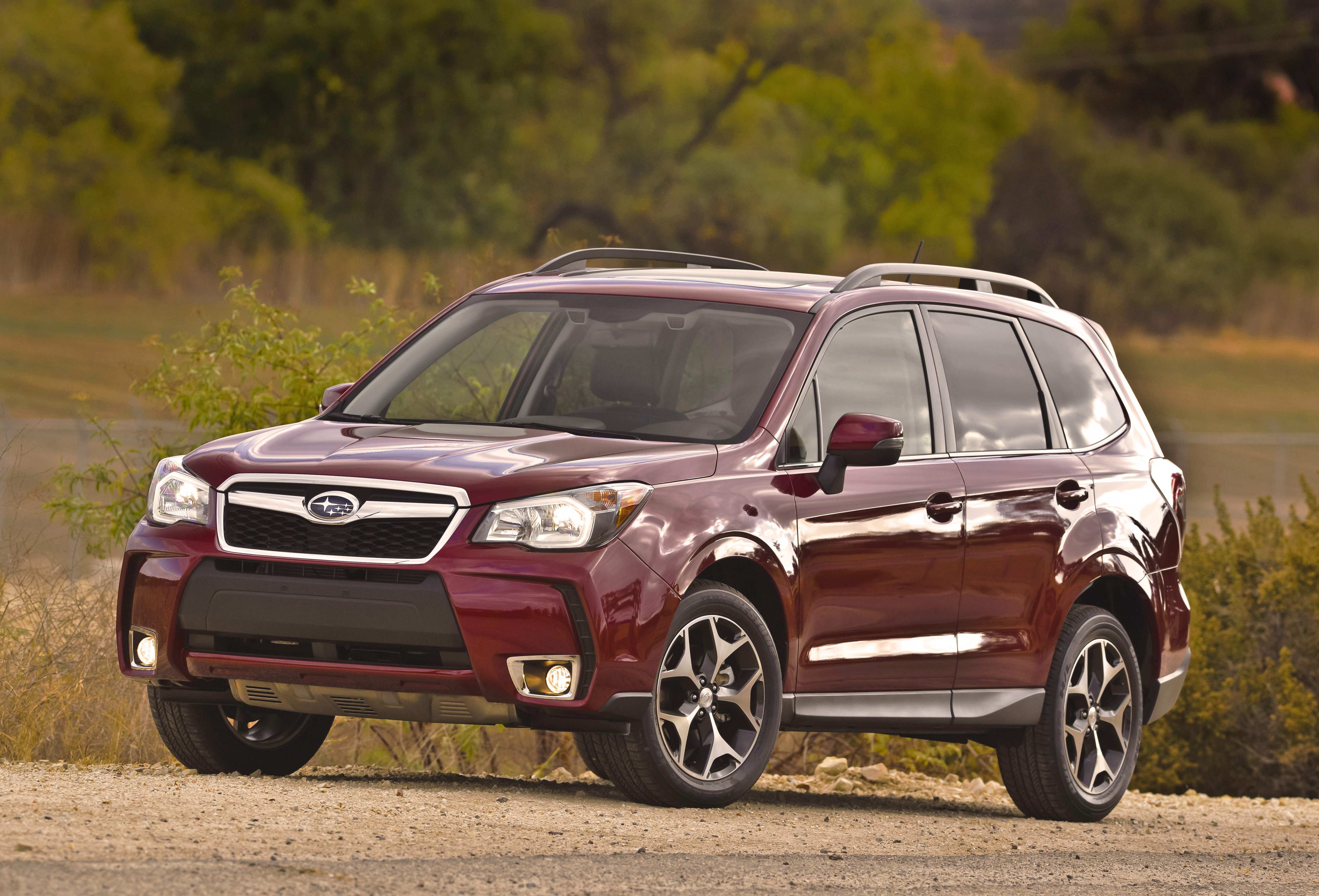
Crashed on the passenger side instead of the driver's, the 2014 Forester showed far more intrusion and would have rated Marginal with the IIHS.
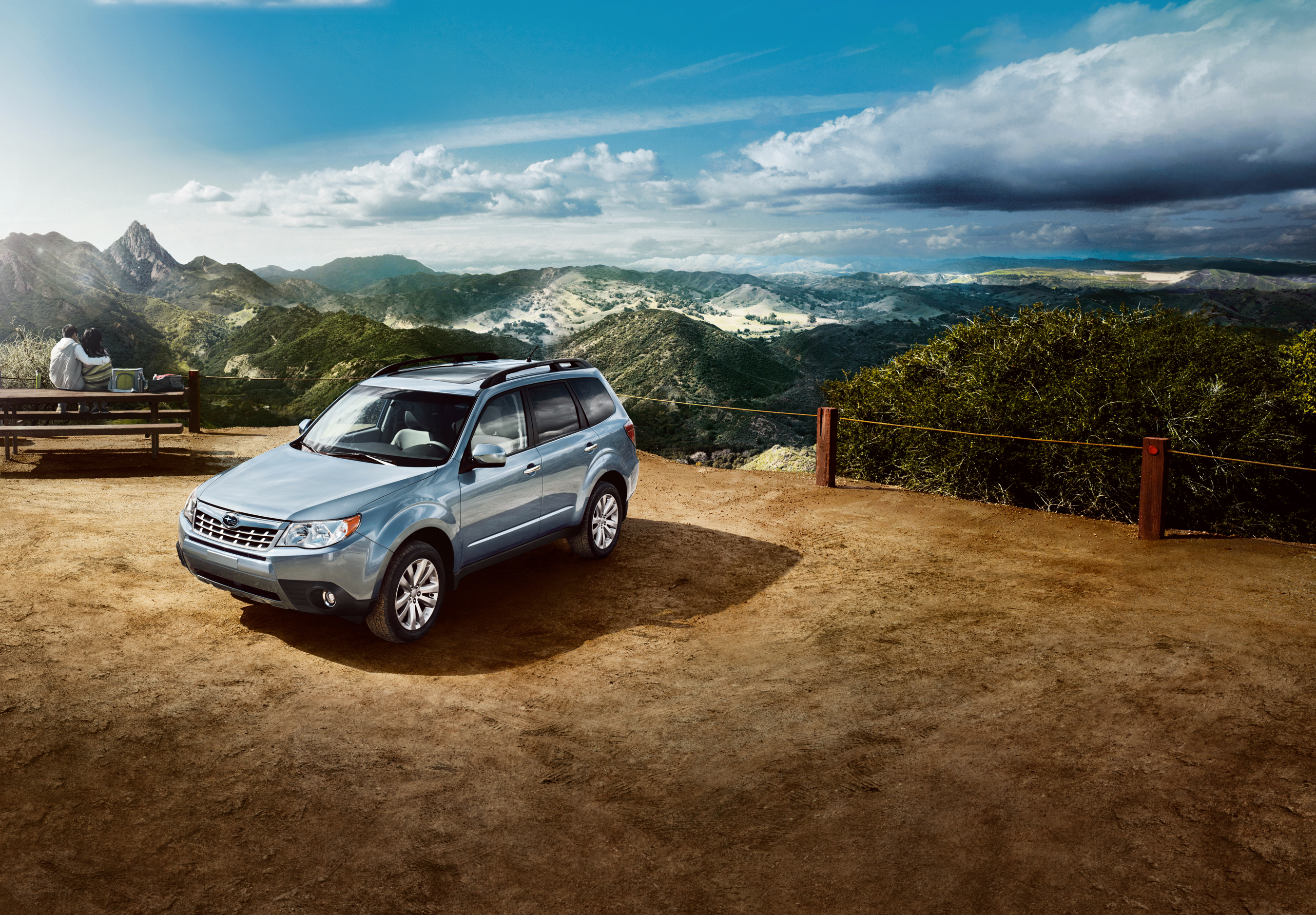
Subaru built a 2.5XT for the National Ski Patrol with a diamond-plate floor, a 9,500-pound winch and a toboggan on the roof.
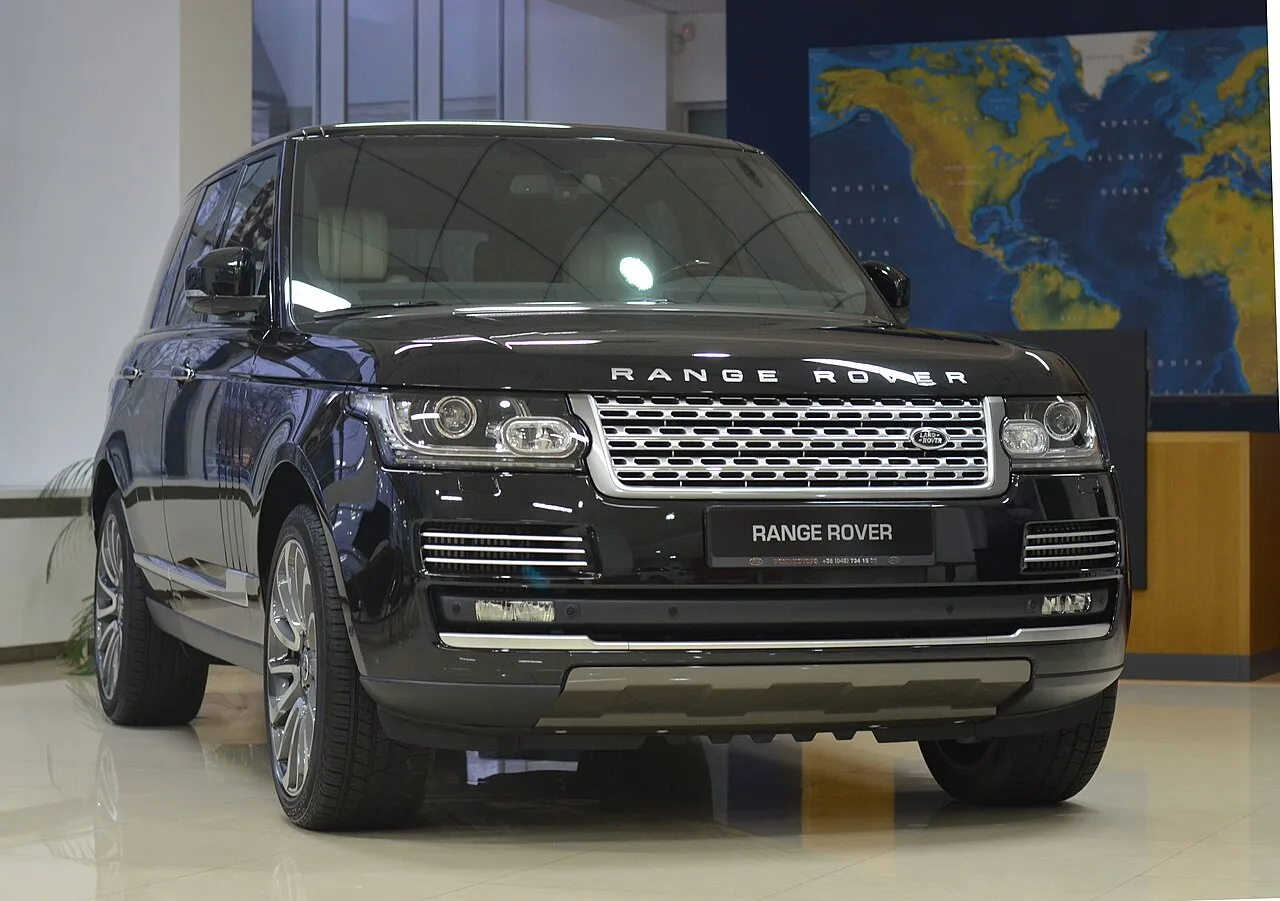
The L405 was the first Range Rover with a fully aluminum monocoque body, cutting up to 420 kg from the outgoing steel-bodied L322.
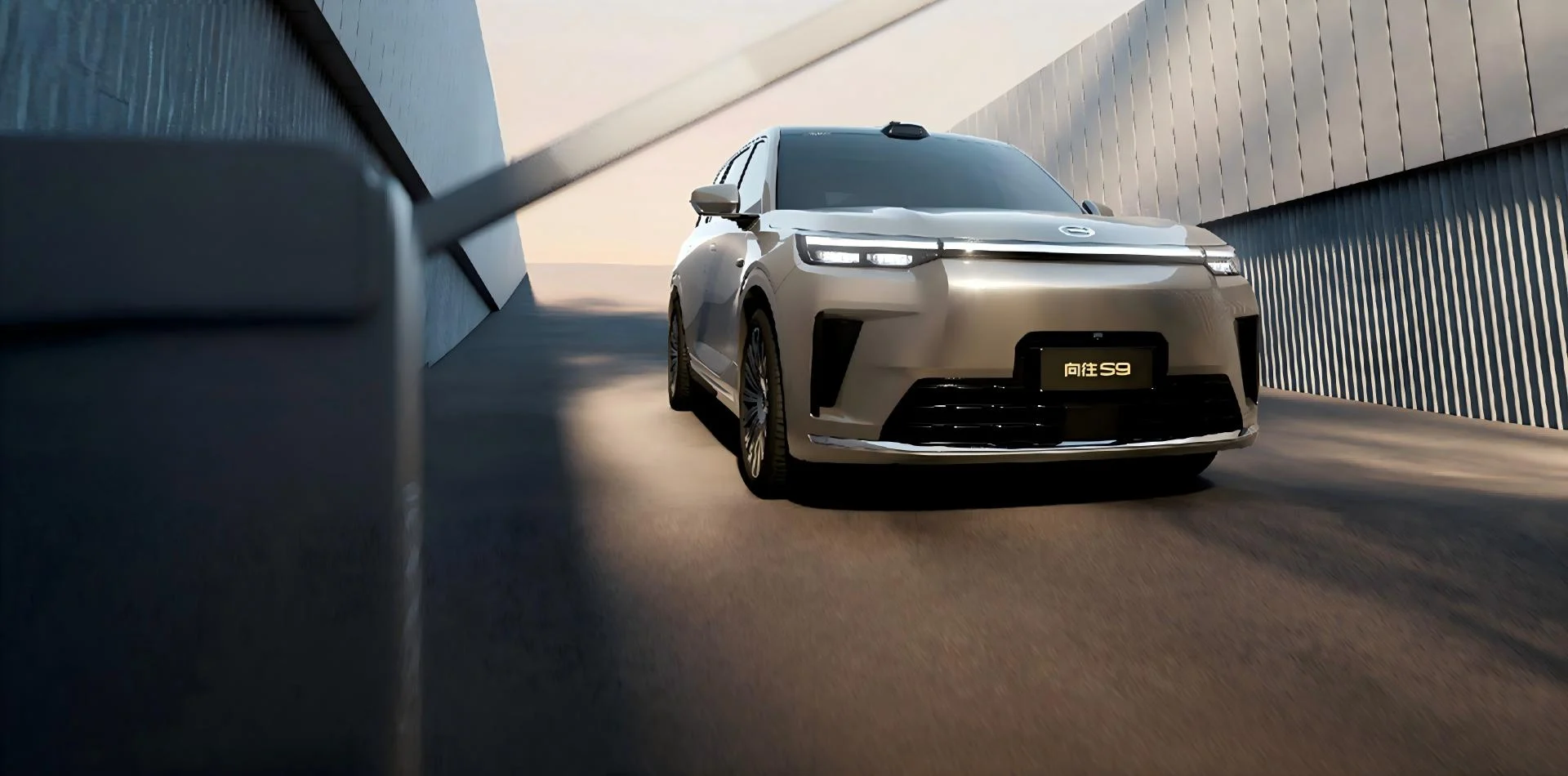
Rear passengers get a 17.3-inch screen that extends from the roof, and a lidar sensor sits in the front of the roof.
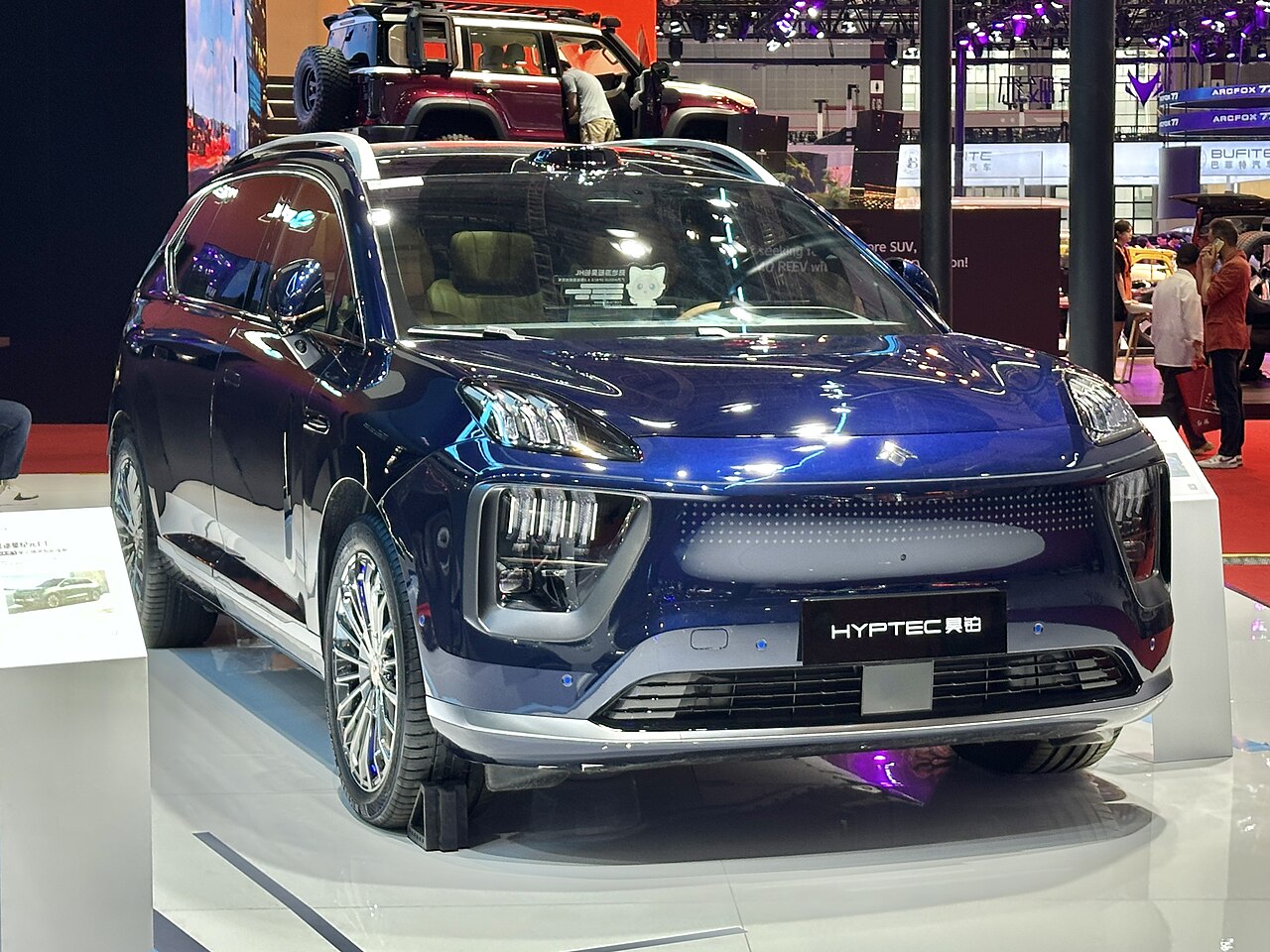
Its range-extender variant is rated for 1,200 km on a tank and charge, over three times the car's electric-only range.