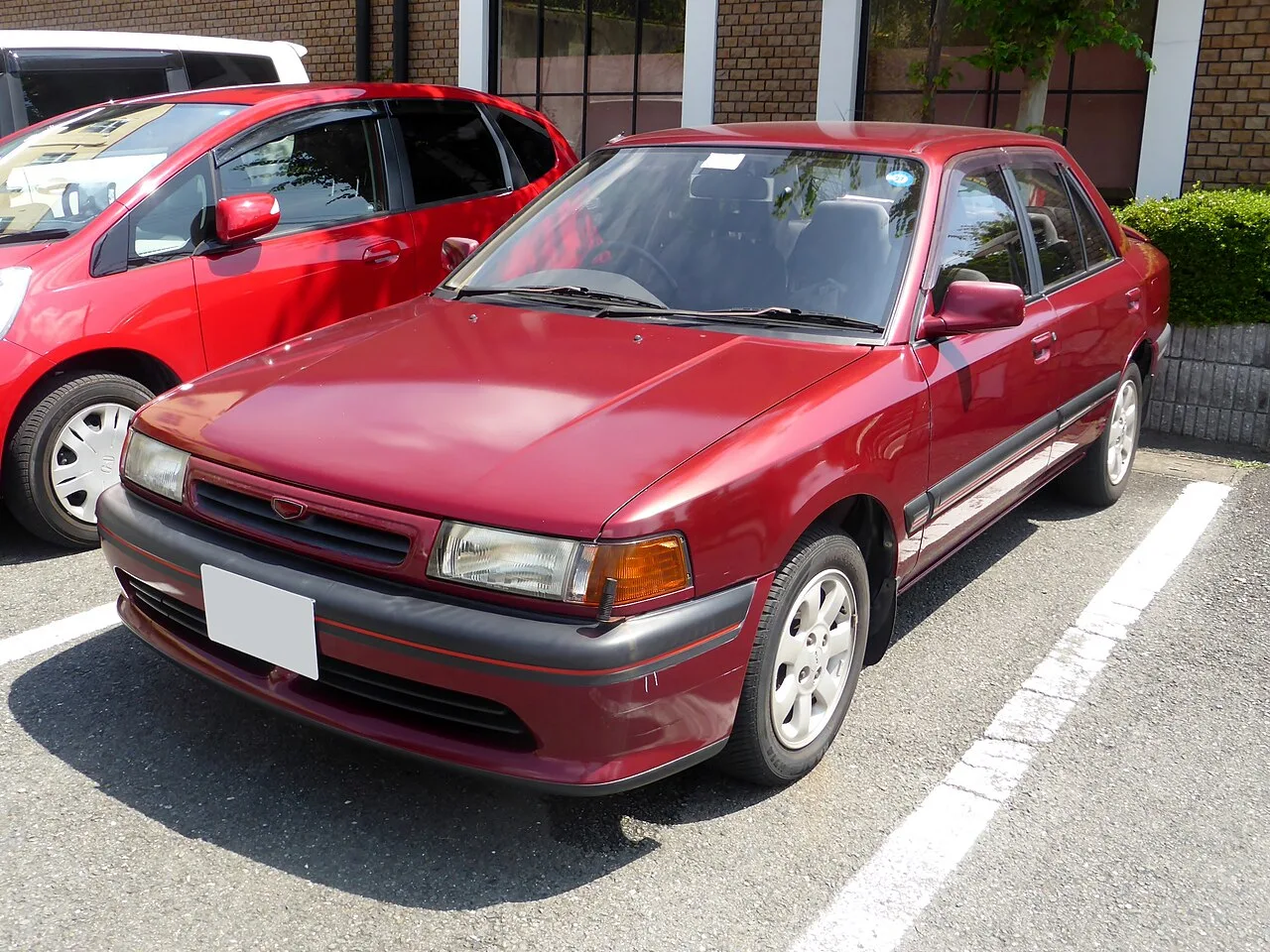
The rare North American Protege ES hid a Mazda Miata engine under its hood -- the same 1.8-litre twin-cam, paired with all-wheel disc brakes and dual stabilizer bars.
Median 63 hp across 162 similar cars
Lead trim: 1.5 Z5-DEL lean-burn (94 PS) · up to 129 hp
Mazda Familia BH / 323 / Protegé / Neo eighth generationBH/BA · 1994–1998
- 0spots by members
- Unclaimednobody has spotted one yet
- 0sets it belongs to
Nobody in Burbles has spotted a Mazda Familia BH / 323 / Protegé / Neo eighth generation yet. See one on the street, point the app at it, and the first card is yours — with your @handle permanently credited on this page.
FactThe rare North American Protege ES hid a Mazda Miata engine under its hood -- the same 1.8-litre twin-cam, paired with all-wheel disc brakes and dual stabilizer bars.
Released in Japan in June 1994 with front-wheel drive, sold as the Protegé in North America, 323S in Europe, Artis in Chile, Étude in South Africa and Allegro in Colombia. It grew considerably (the saloon's wheelbase within 5 mm of the mid-size 626). The three-door coupé hatchback, the Familia Neo (323C in Europe, 323 in Canada, Ford Laser Lynx), sold sluggishly and was axed in 1996; a hatchback (323P) followed in October 1996. There was no 1.3 in Japan at first, so the BG hatchback stayed on to October 1996. The "Familia Van" from September 1994 was a rebadged Nissan AD/Wingroad. A lean-burn GS-L (Z5-DEL, 94 PS) arrived that month, an Isuzu 1.7 intercooled turbodiesel from October 1994 (with a bonnet scoop), and an all-wheel-drive model with a 1.6 petrol or the Isuzu diesel; the rare North American ES had the Miata's 1.8 twin-cam. A Mazdaspeed-accessory version was sold in Japan and the Philippines. A facelift in October 1996 calmed the styling; it ended in 1998 in most markets (the hatchback to October 2000 in Europe).
Collectors Spotted in the Mazda Familia Lineage
No member has published a public street spot of the Mazda Familia yet — the First · Worldwide stamp is wide open.
Trims & Figures
5 published trims in the catalogue. A blank is a figure not recorded, not zero.
| Trim | Years | Engine | Power | Torque | 0–60 | Drive | Gearbox | MSRP |
|---|---|---|---|---|---|---|---|---|
| 1.5 B5-ZE DOHC (125 PS) | 1994–1996 | 1.5 L Inline-4 | 123 hp | 95 lb-ft | — | FWD | — | — |
| 1.5 Z5-DEL lean-burn (94 PS) | 1996–1998 | 1.5 L Inline-4 | 93 hp | 97 lb-ft | — | FWD | — | — |
| 1.6 B6D DOHC (115 PS) | 1996–1998 | 1.6 L Inline-4 | 113 hp | 103 lb-ft | — | FWD | — | — |
| 1.8 BP-ZE DOHC | 1995–1998 | 1.8 L Inline-4 | 129 hp | 122 lb-ft | — | FWD | — | — |
| 2.0 RF diesel (71 PS) | 1996–1998 | 2.0 L Inline-4 | 70 hp | 94 lb-ft | — | FWD | — | — |
Owning one
An estimate, for the 1.5 B5-ZE DOHC (125 PS) trim: fuel on its EPA figure and a dated national price, upkeep on a per-mile average for the kind of car it is.
Owners’ builds
Nobody has claimed one yet.
In the Community
Open CommunityNo notes tagged with the Mazda Familia BH / 323 / Protegé / Neo eighth generation yet.
Photographs
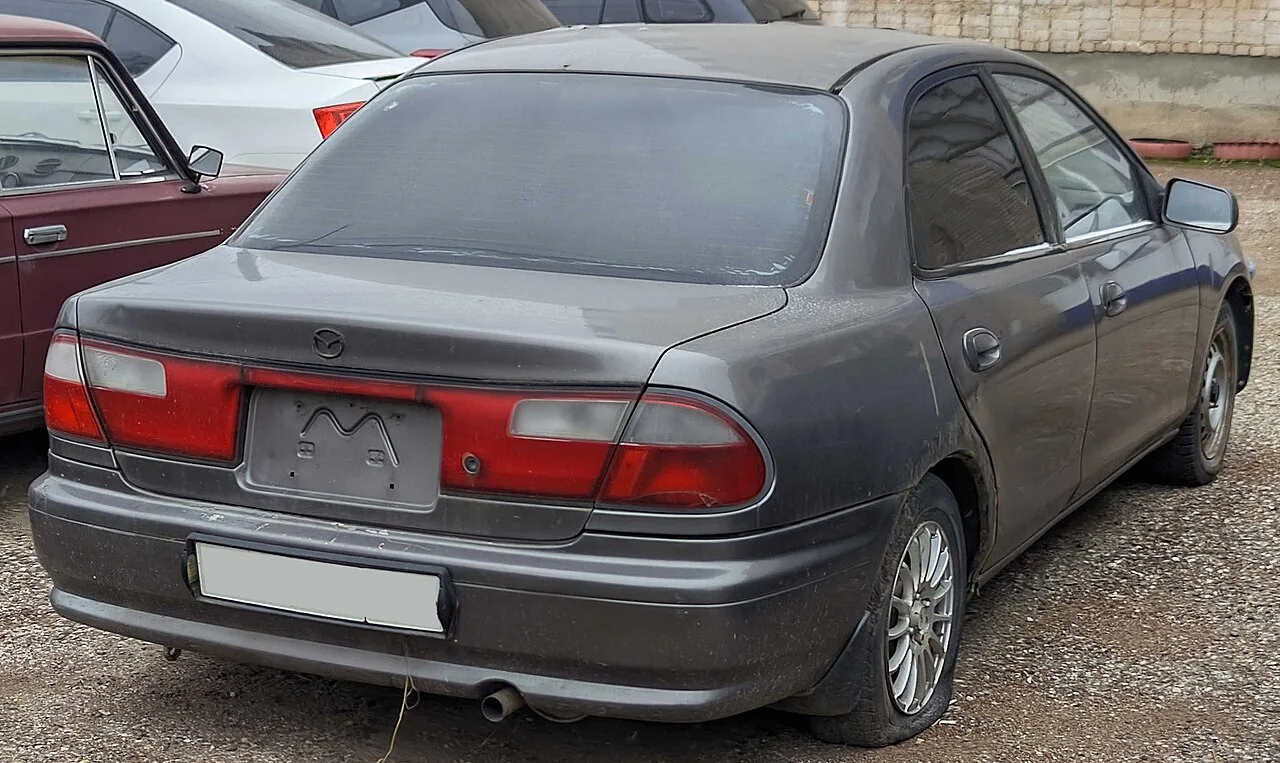
Mazda only planned 100 Mazdaspeed Familia sedans — but demand was so high it built 200, every one finished in Starry Blue Mica.
The rare North American Protege ES hid a Mazda Miata engine under its hood -- the same 1.8-litre twin-cam, paired with all-wheel disc brakes and dual stabilizer bars.
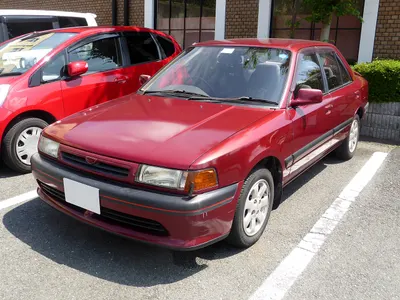
Mazda built a 1,000-unit special edition of this generation, the Familia Infini, just to mark the company's 70th anniversary in 1990.
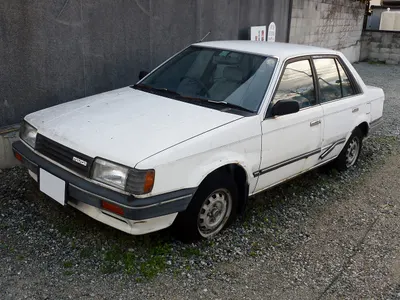
By late 1986, Mazda had built five million Familia/323s total, cranking out roughly 40,000 of them every single month.
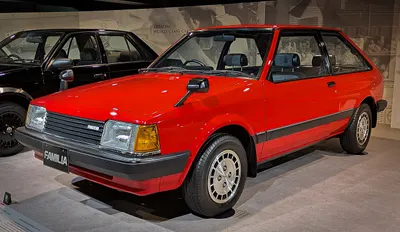
The 1983 Familia XG Turbo quietly carried Mazda's first-ever turbocharged piston engine — years before turbos became the brand's signature.
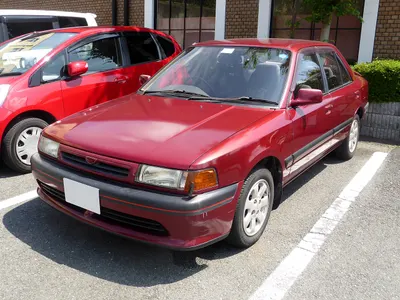
This Familia/GLC was the first car ever sold under Mazda's "323" name — a badge that stuck around in export markets for decades after.
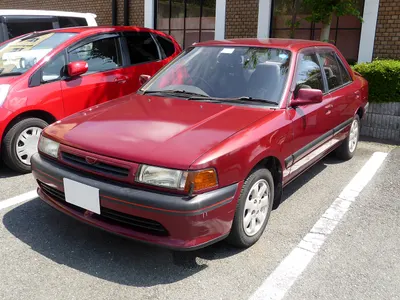
Mazda's timing could not have been more dramatic: this redesigned Familia Presto launched just weeks before the 1973 oil crisis reshaped what buyers the world over wanted from a car.
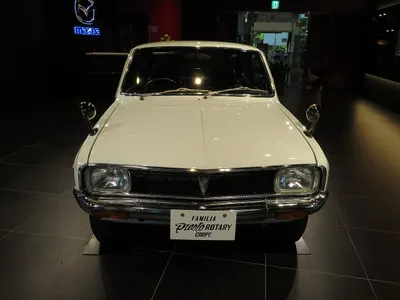
The rotary-engined Familia R100 wasn't about speed alone in Japan — its rotary dodged the tax bracket a comparable inline engine would have fallen into, and when an engine upgrade threatened that loophole, Mazda killed the rotary model rather than lose it.
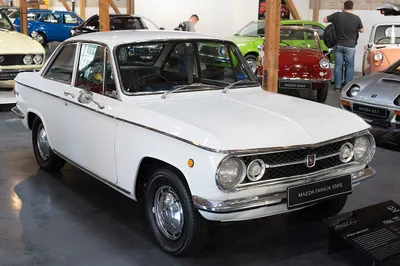
Mazda's first-ever Familia was styled in 1963 by a young Giorgetto Giugiaro, moonlighting at Bertone years before he became one of the most famous car designers alive.
Rivals
Same body, same money, other badges — tap any card to flip.
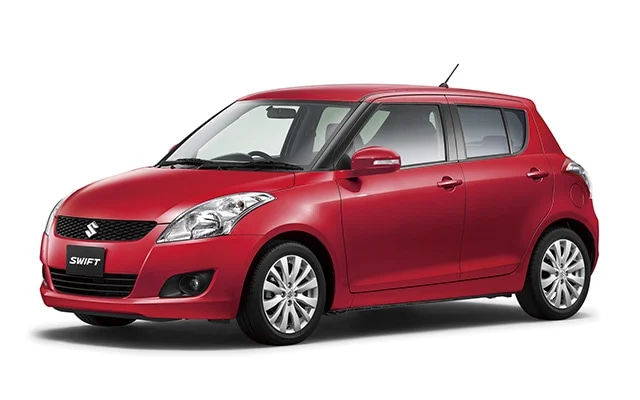
Japan was a minor market for the Swift: when it passed 2 million sales in 2011, about 39% were in India and 27% in Europe, against roughly 15% at home.
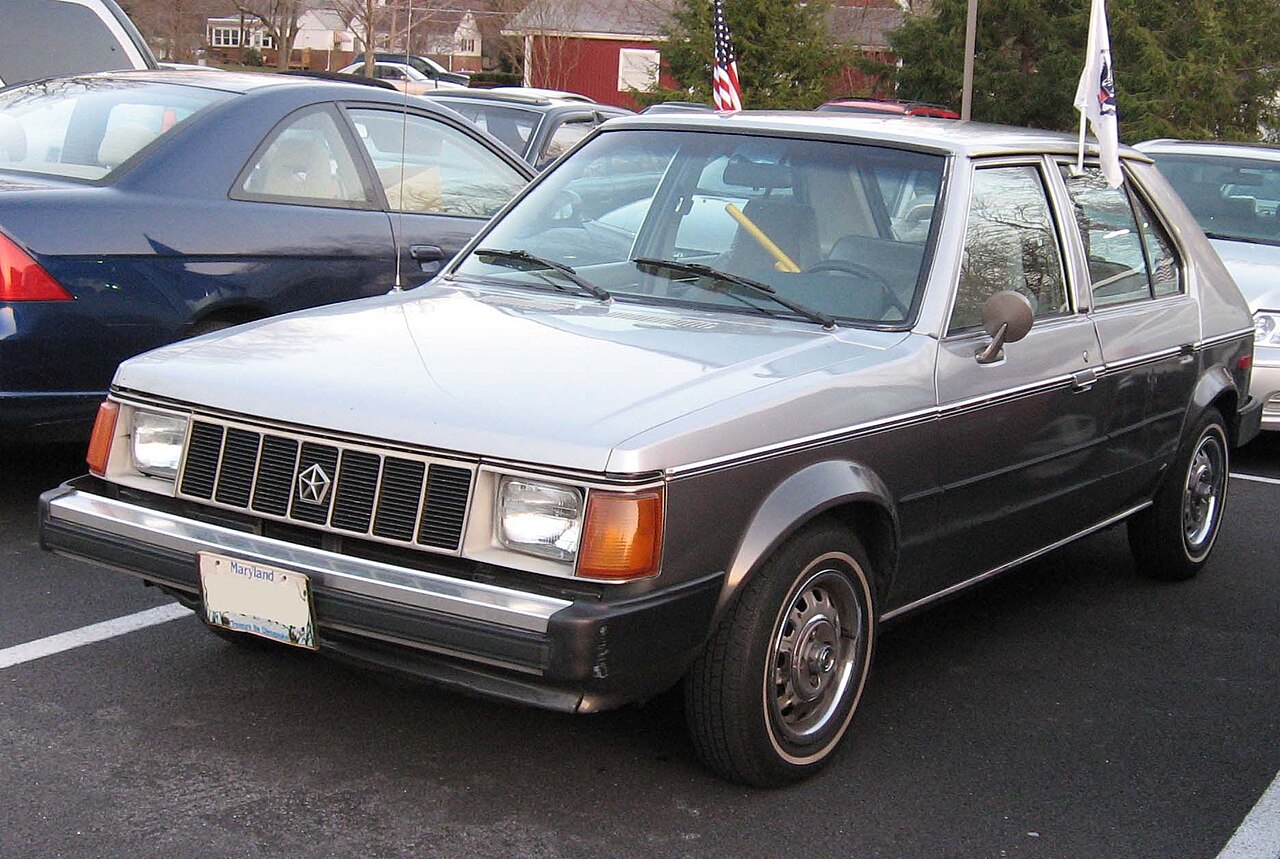
To adapt the Horizon for America, Chrysler bought nearly 100 Volkswagen Rabbits purely to reverse engineer them.
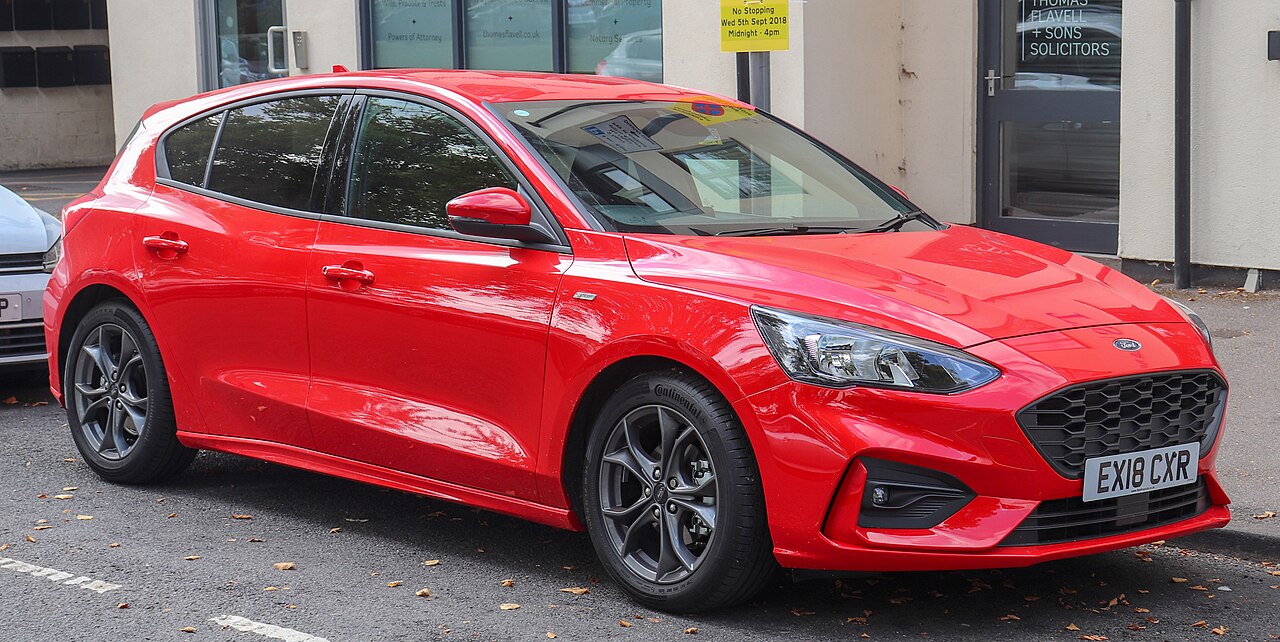
The Mk3 Focus RS's AWD system could send 100 percent of engine power to the rear wheels alone — built not in Ford's home country, but at the Saarlouis plant in Germany.
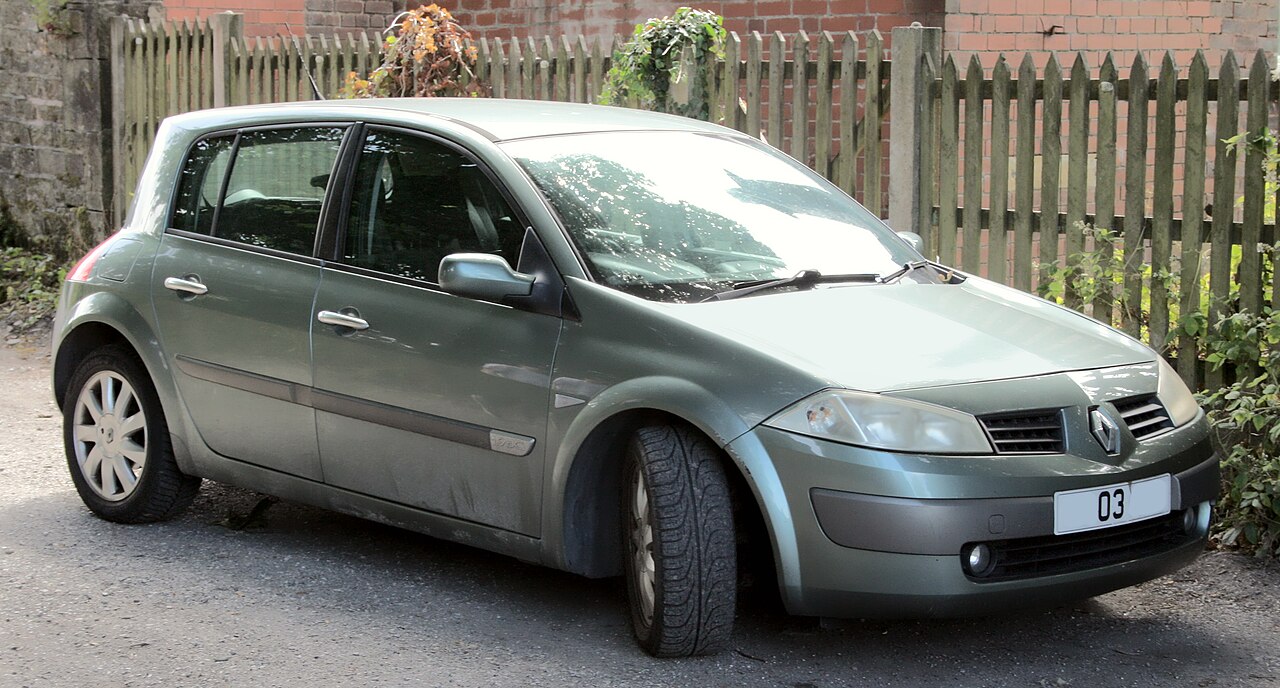
In June 2003, a Mégane II became the subject of the first ever live televised crash test with a real human driver at the wheel instead of a dummy — filmed by Top Gear.
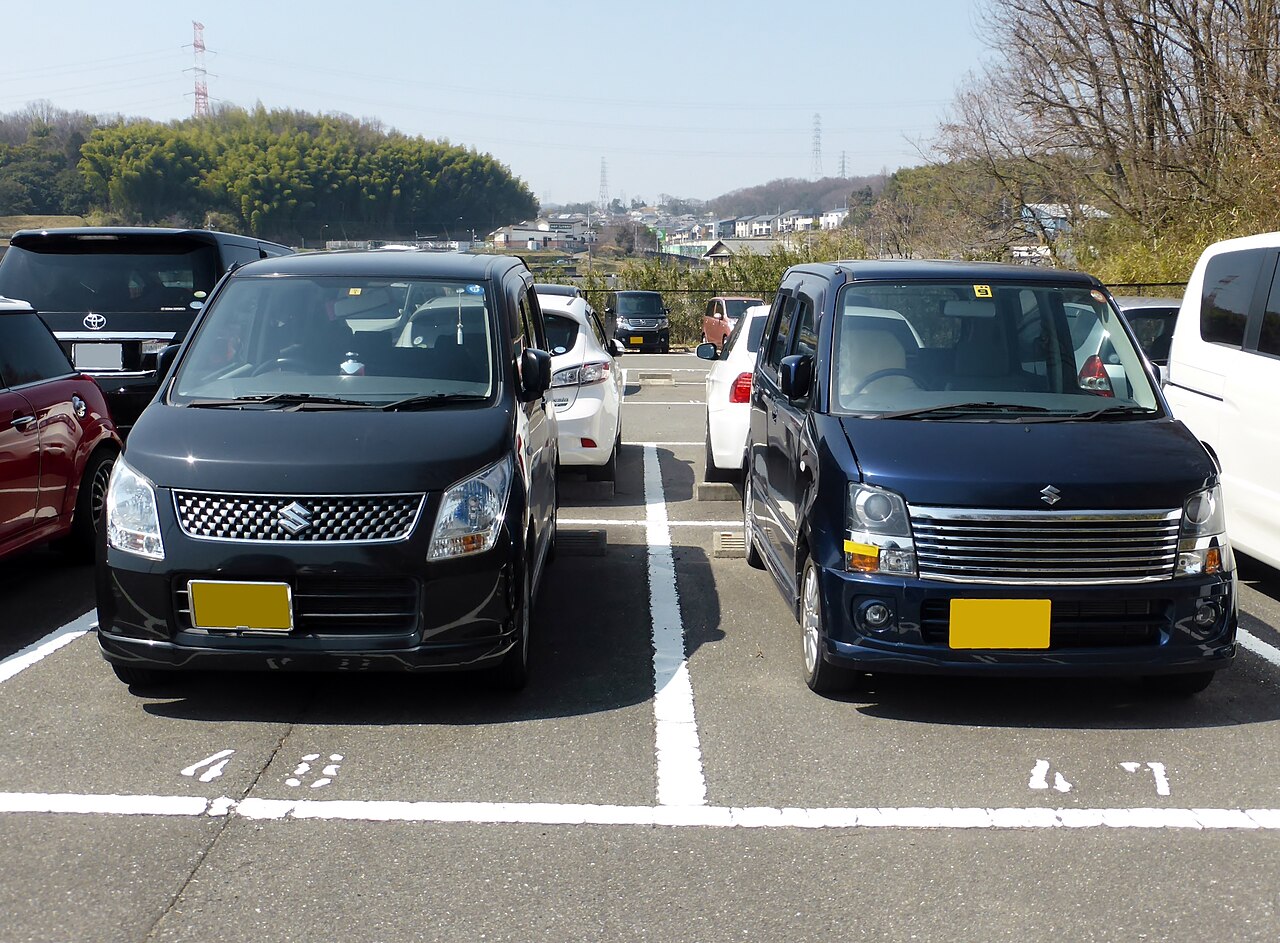
This Wagon R redesigned its rear doors specifically to kill off the D-pillar — bigger doors with built-in quarter glass solved what earlier generations needed a whole extra pillar for.
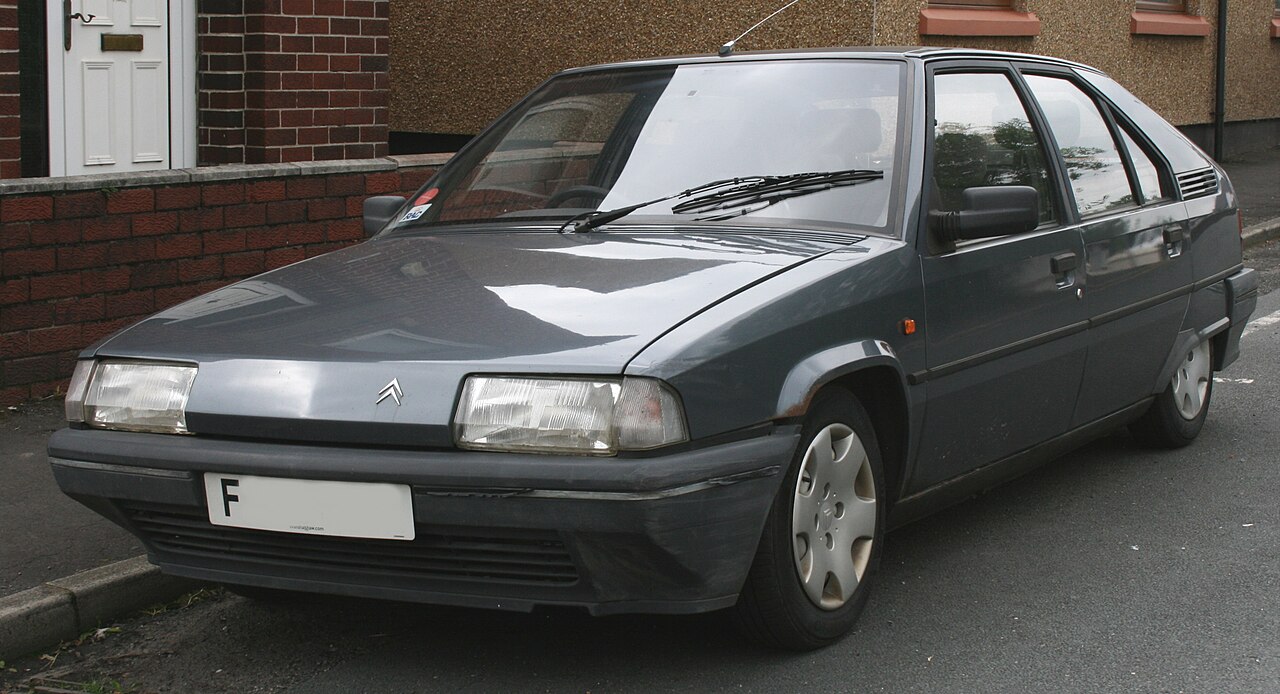
The BX was the UK's best-selling diesel car for four years from 1987, and 2,315,739 were built in all.
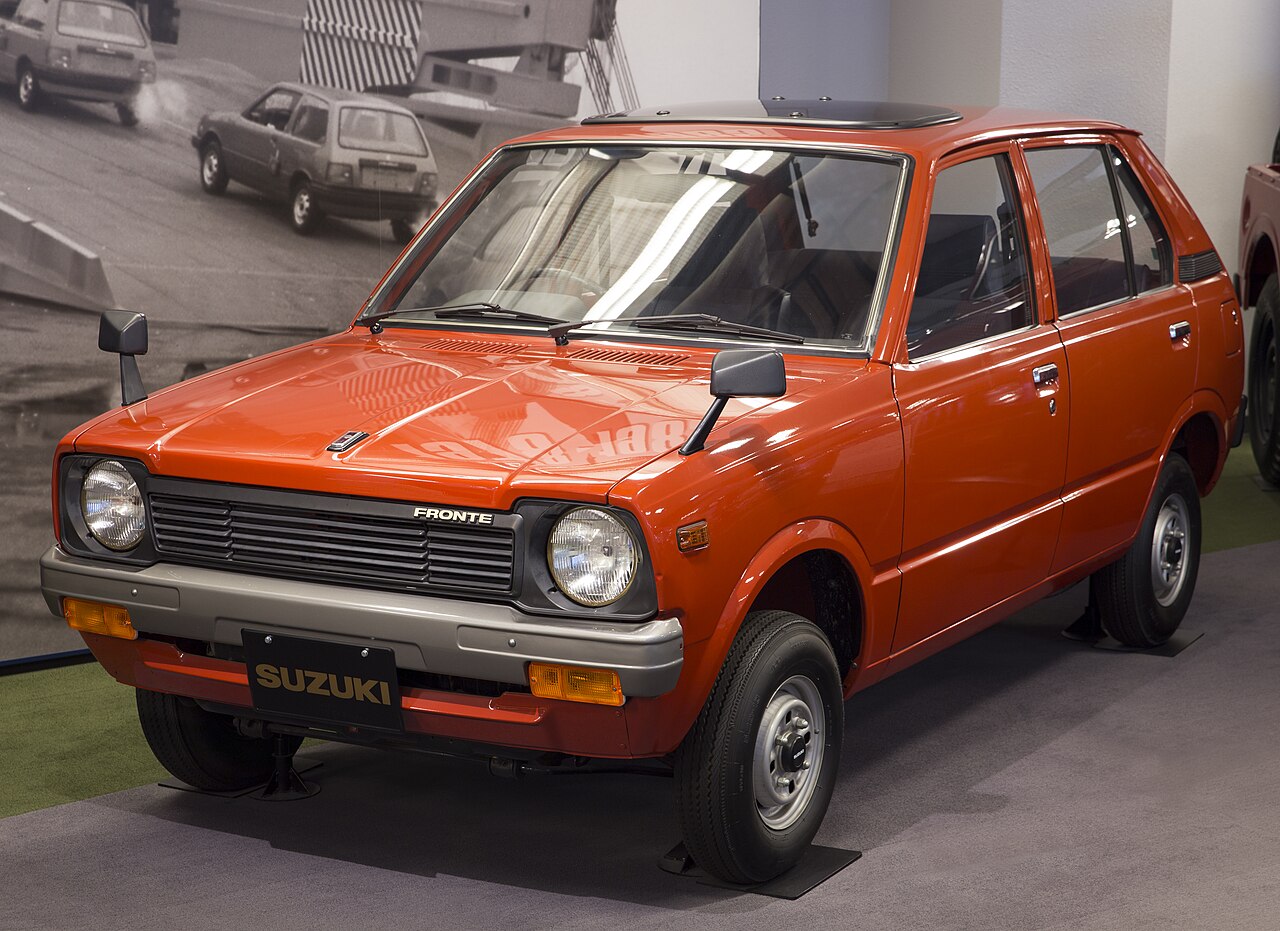
Six months before Suzuki retired the Fronte name for good, the CN11S's 796cc version was already being built in China under a completely different name: the Anchi 6330.
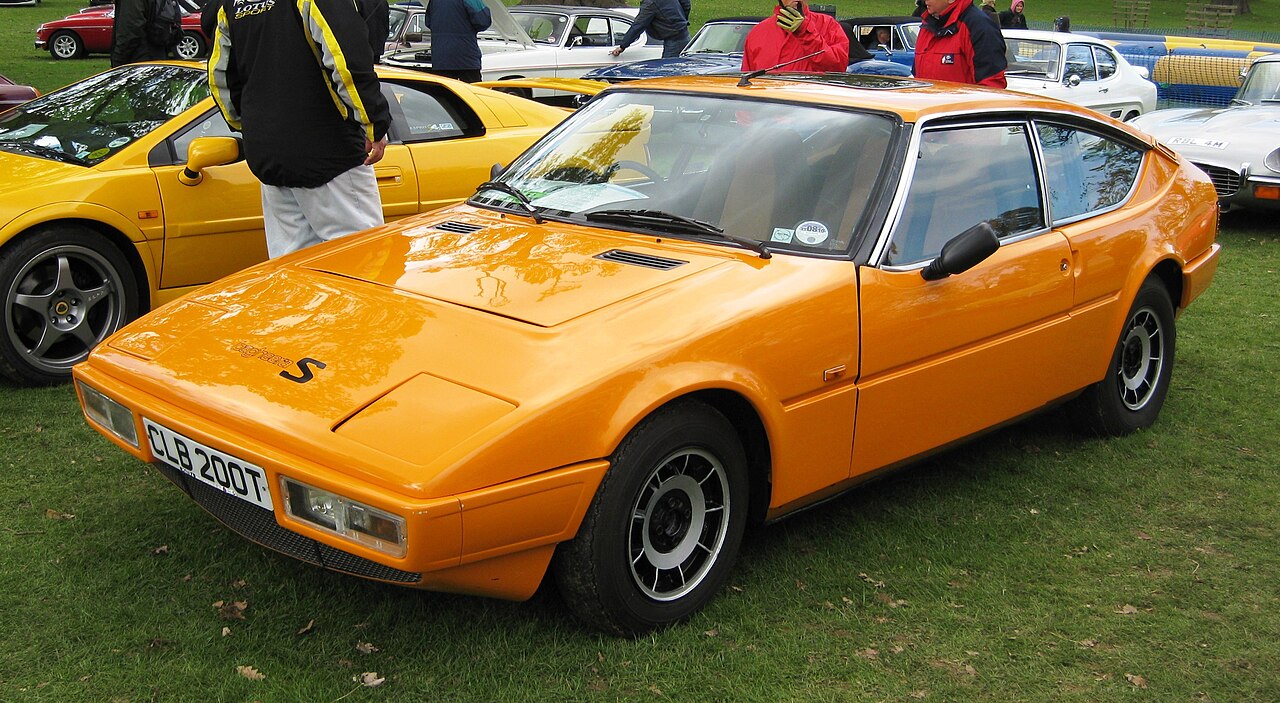
Built to use up Chrysler-Simca's parts bin, it took its engine and gearbox straight from the front-wheel-drive Simca 1100 but mounted them amidships instead.