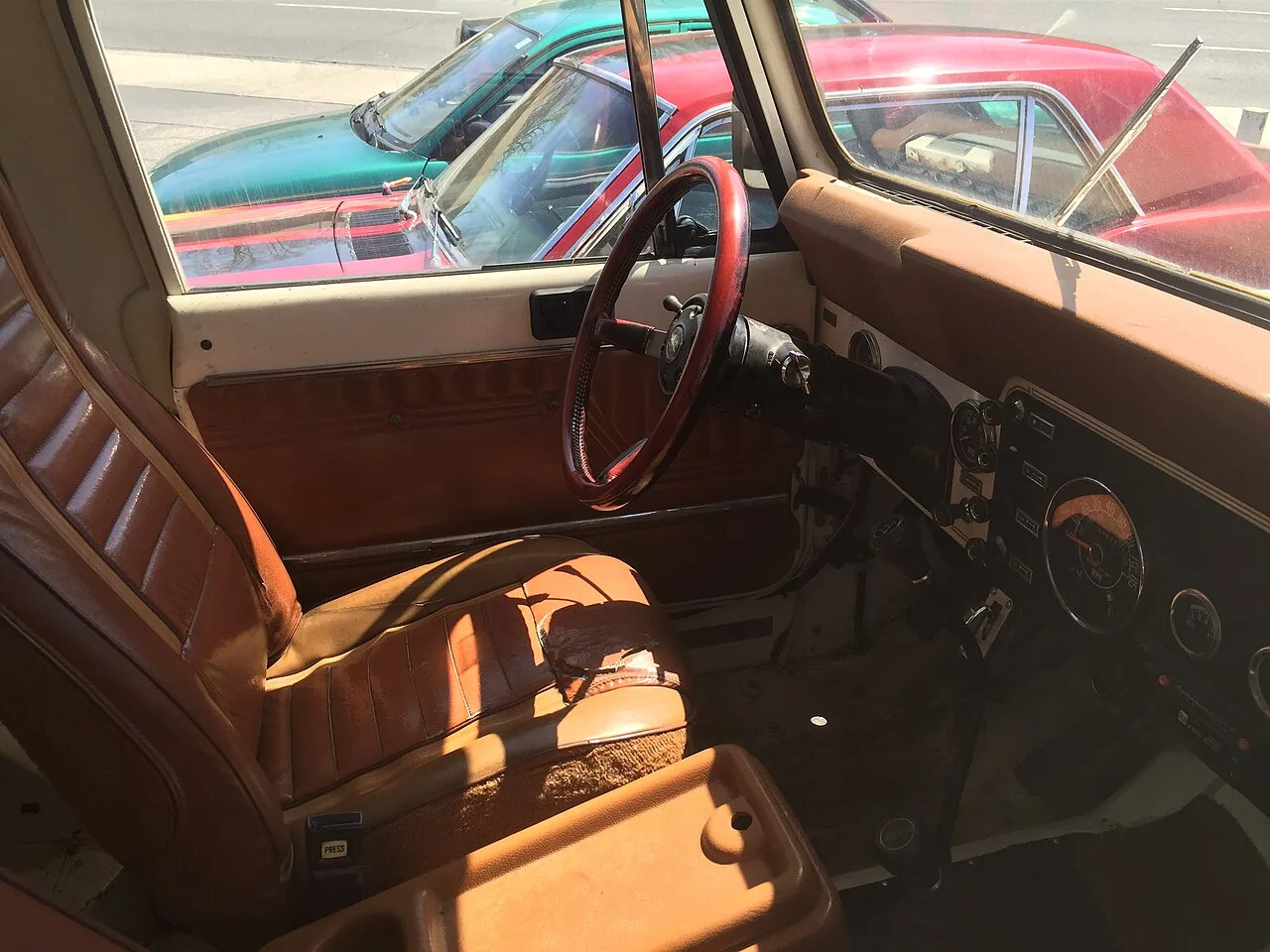
VerifiedFIRST · WORLDWIDEFIRST PRINTONLY ONE IN VANCOUVERThe last CJ-7s off the line carried their own dash plaque: "Last of a Great Breed — This collectors-edition CJ ends an era that began with the legendary Jeep of World War II."

Before Zamboni built its own machines, the earliest ice-resurfacers were built on top of Jeep CJs — the CJ-3A, CJ-3B and CJ-5 all served as the chassis underneath, from 1950 until 1964.
Lead trim: 2.2 Willys Hurricane four-cylinder
Nobody in Burbles has spotted a Jeep CJ-3B yet. See one on the street, point the app at it, and the first card is yours — with your @handle permanently credited on this page.
FactBefore Zamboni built its own machines, the earliest ice-resurfacers were built on top of Jeep CJs — the CJ-3A, CJ-3B and CJ-5 all served as the chassis underneath, from 1950 until 1964.
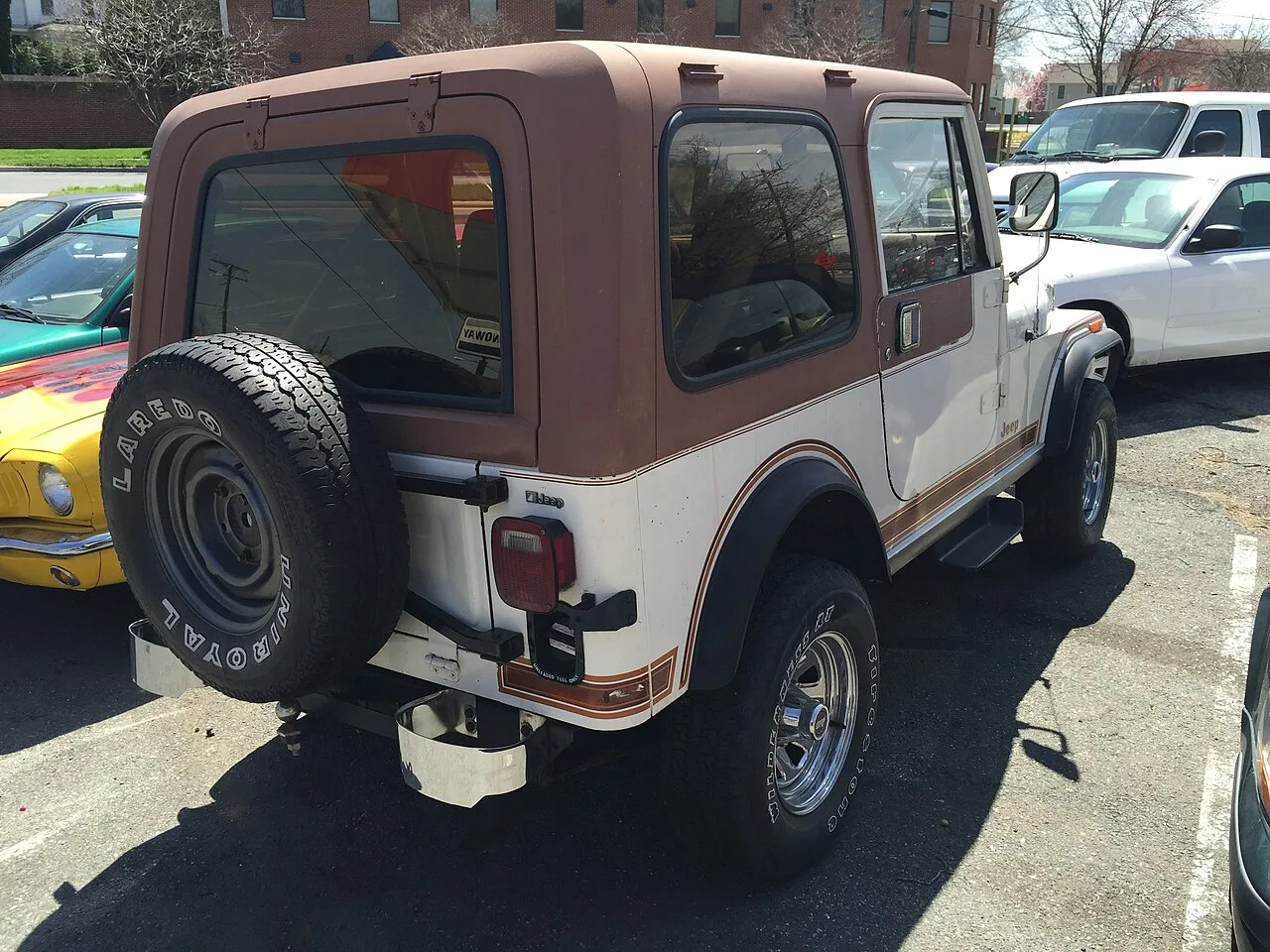
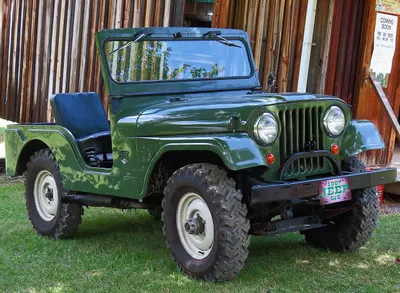
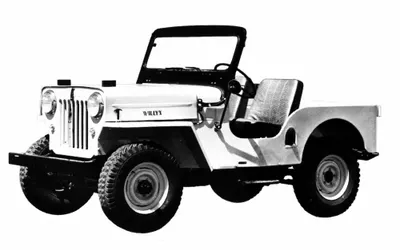
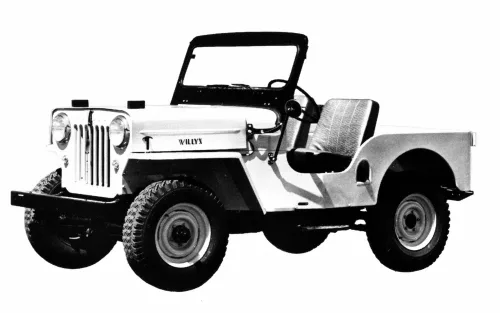
Replaced the CJ-3A in 1953, the year Kaiser Motors bought Willys-Overland and dropped "Overland" from the name, with a higher grille and hood to clear the new Willys Hurricane engine. A four-speed manual became optional in 1963 at $194, with a 17.5 ft turning radius. About 196,000 were built to 1968 (155,494 in the US), a substantial share being the M606 militarised export version for the Mutual Defense Assistance Program. The design was licensed to Mitsubishi in Japan and Mahindra in India, which built it long after 1968.
Real Jeep CJ cards spotted on the street by Burbles collectors. Tap any card to flip it over, inspect the collector’s binder, or follow them.
VerifiedFIRST · WORLDWIDEFIRST PRINTONLY ONE IN VANCOUVERThe last CJ-7s off the line carried their own dash plaque: "Last of a Great Breed — This collectors-edition CJ ends an era that began with the legendary Jeep of World War II."
One published trim in the catalogue. A blank is a figure not recorded, not zero.
| Trim | Years | Engine | Power | Torque | 0–60 | Drive | Gearbox | MSRP |
|---|---|---|---|---|---|---|---|---|
| 2.2 Willys Hurricane four-cylinder | 1953–1968 | 2.2 L Inline-4 | 75 hp | 114 lb-ft | — | — | — | — |
We don’t estimate running costs for a car like this. What it costs depends on its condition, its specialist and how it is driven, and an average would mislead.
Nobody has claimed one yet.


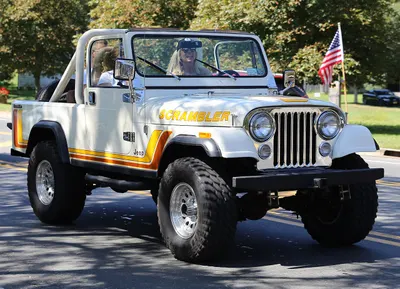
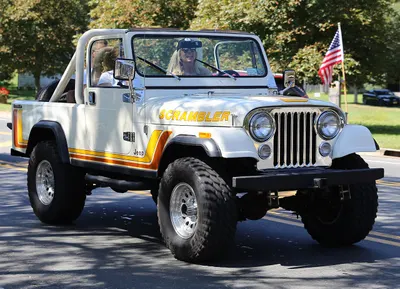
Former President Ronald Reagan kept a Jeep Scrambler — the long-wheelbase CJ-8 — and actually drove it around his California ranch.

The last CJ-7s off the line carried their own dash plaque: "Last of a Great Breed — This collectors-edition CJ ends an era that began with the legendary Jeep of World War II."

Willys/Kaiser-Jeep introduced the Tuxedo Park trim on the CJ-5 in 1961, the first factory attempt to market the CJ as a comfortable on-road vehicle rather than purely a farm and military tool.

Before Zamboni built its own machines, the earliest ice-resurfacers were built on top of Jeep CJs — the CJ-3A, CJ-3B and CJ-5 all served as the chassis underneath, from 1950 until 1964.

This Jeep moonlighted as ice rink equipment — CJ-3As (and later CJ-3Bs and CJ-5s) were fitted with resurfacing gear on top and used as early Zamboni machines through 1964.

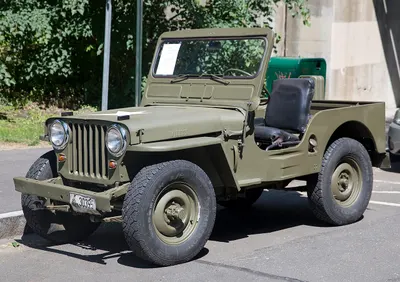
Jeep's CJ-2A wasn't just a civilian pickup — it invented the category, becoming the world's first mass-produced civilian four-wheel-drive vehicle.
Same body, same money, other badges — tap any card to flip.

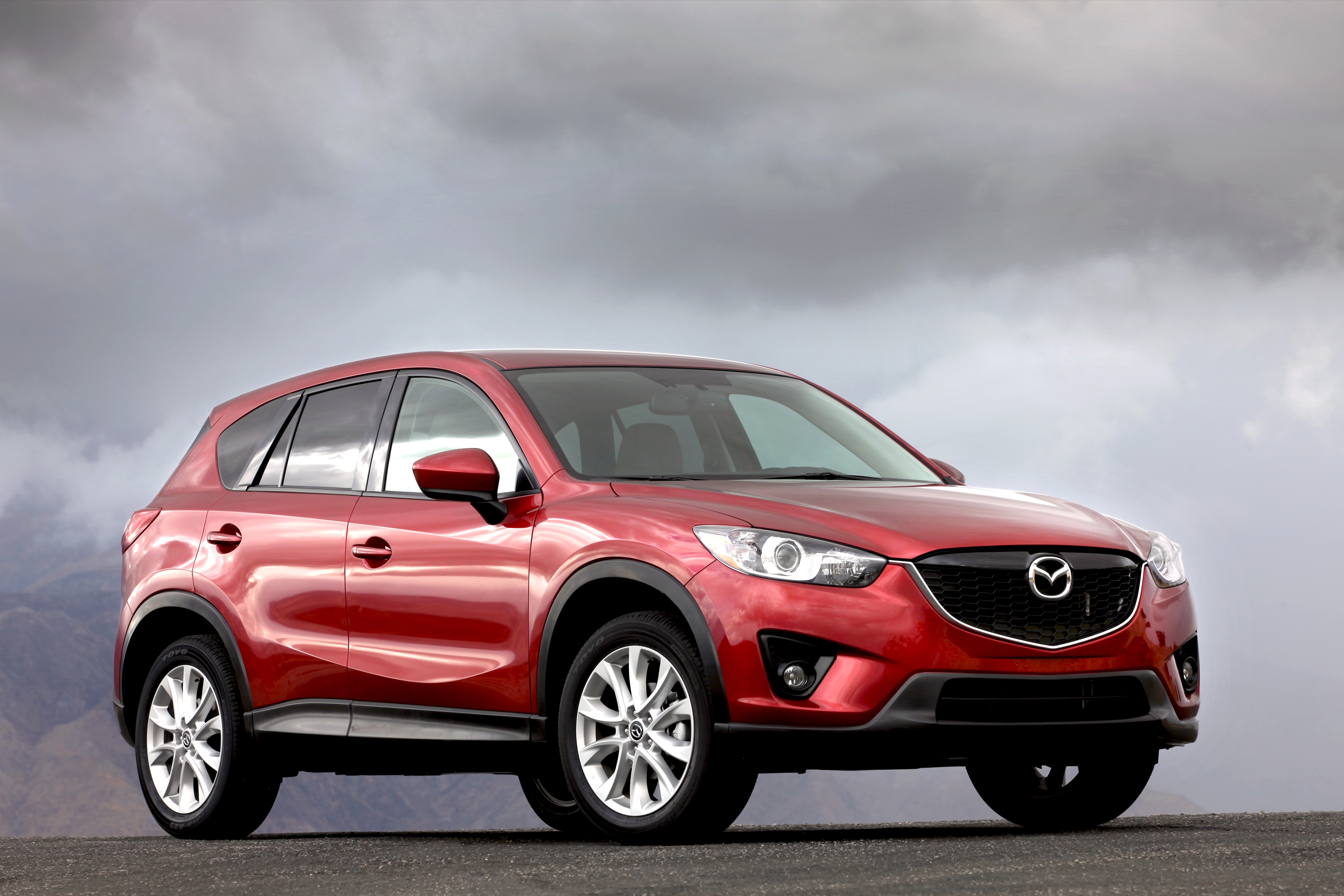
IIHS only crash-tests the driver's corner; tested on the passenger side instead, the CX-5 showed far worse intrusion.

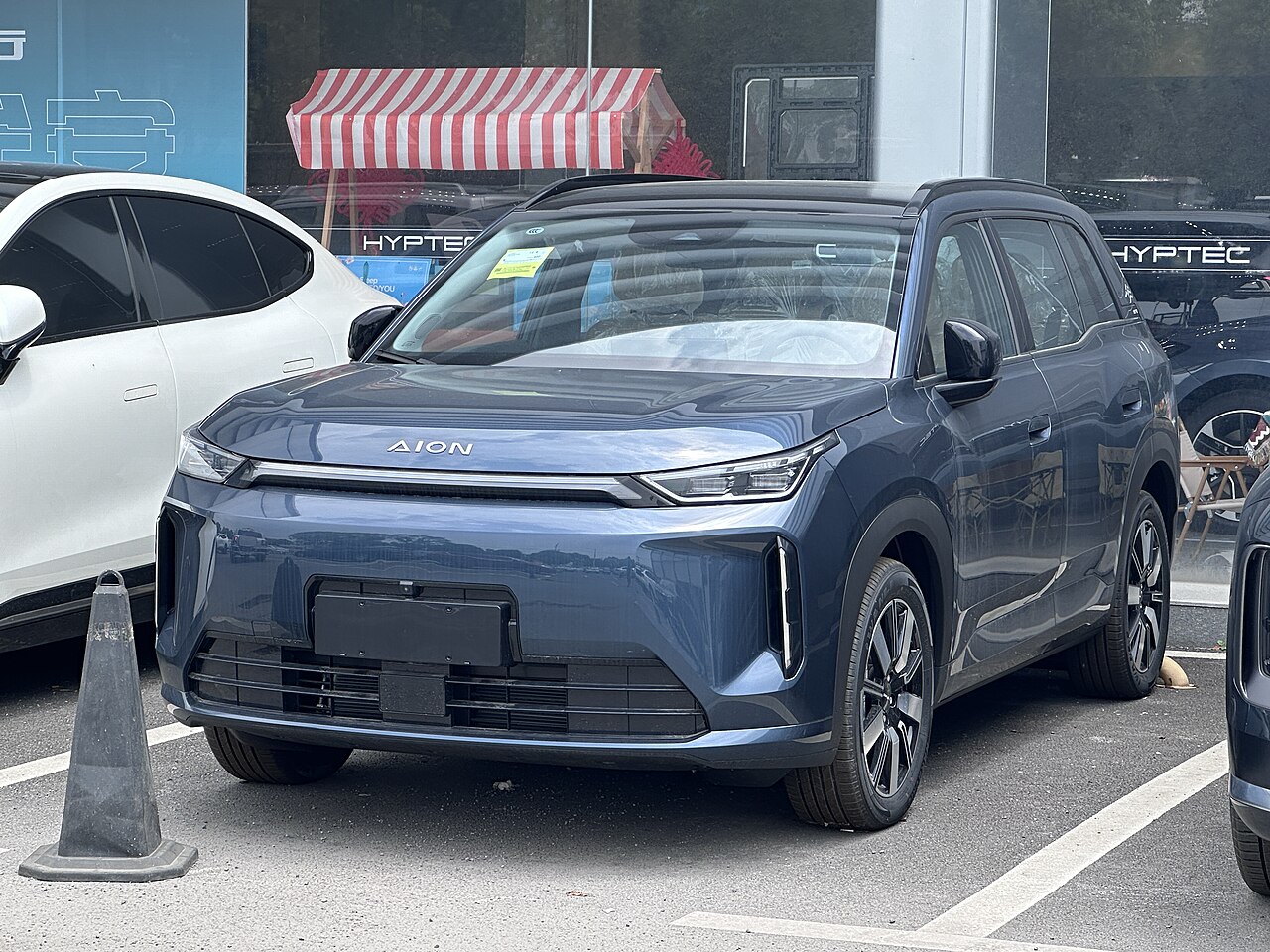
Despite launching from a standing start in late 2025, the i60 topped GAC Aion's own sales chart through January's seasonal slowdown.

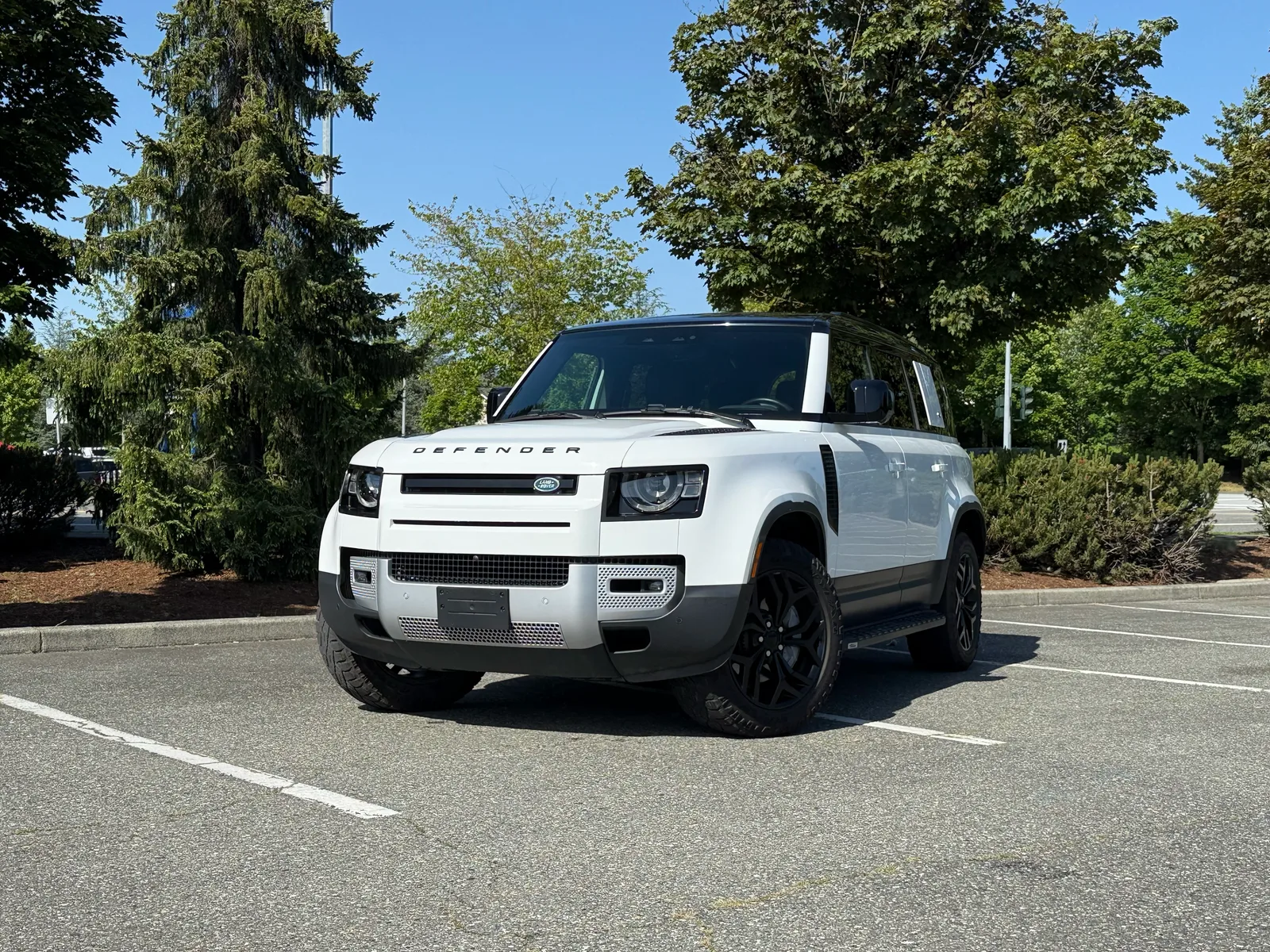
Every Defender before this one was body-on-frame — this generation broke decades of tradition with an aluminium unibody structure instead.

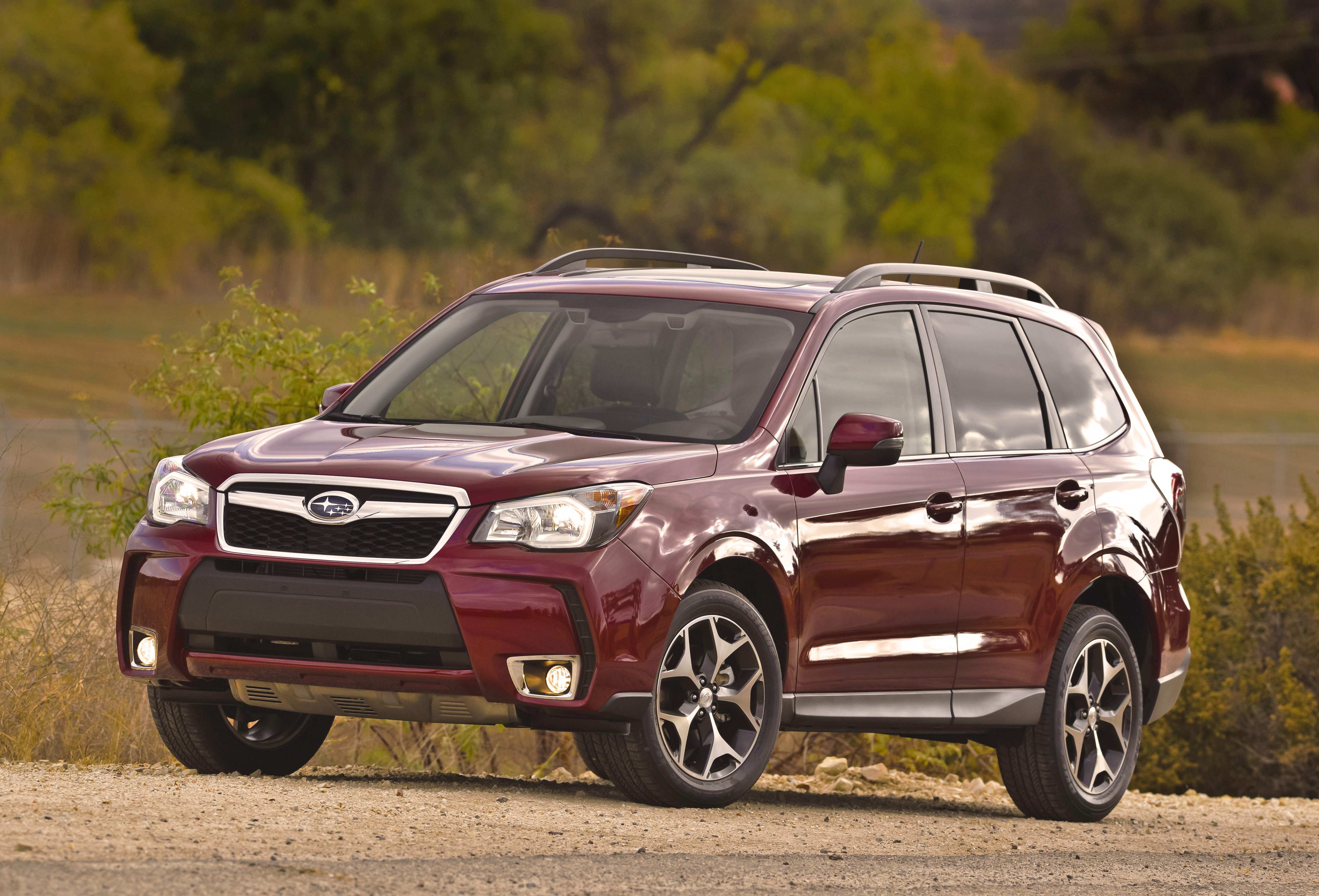
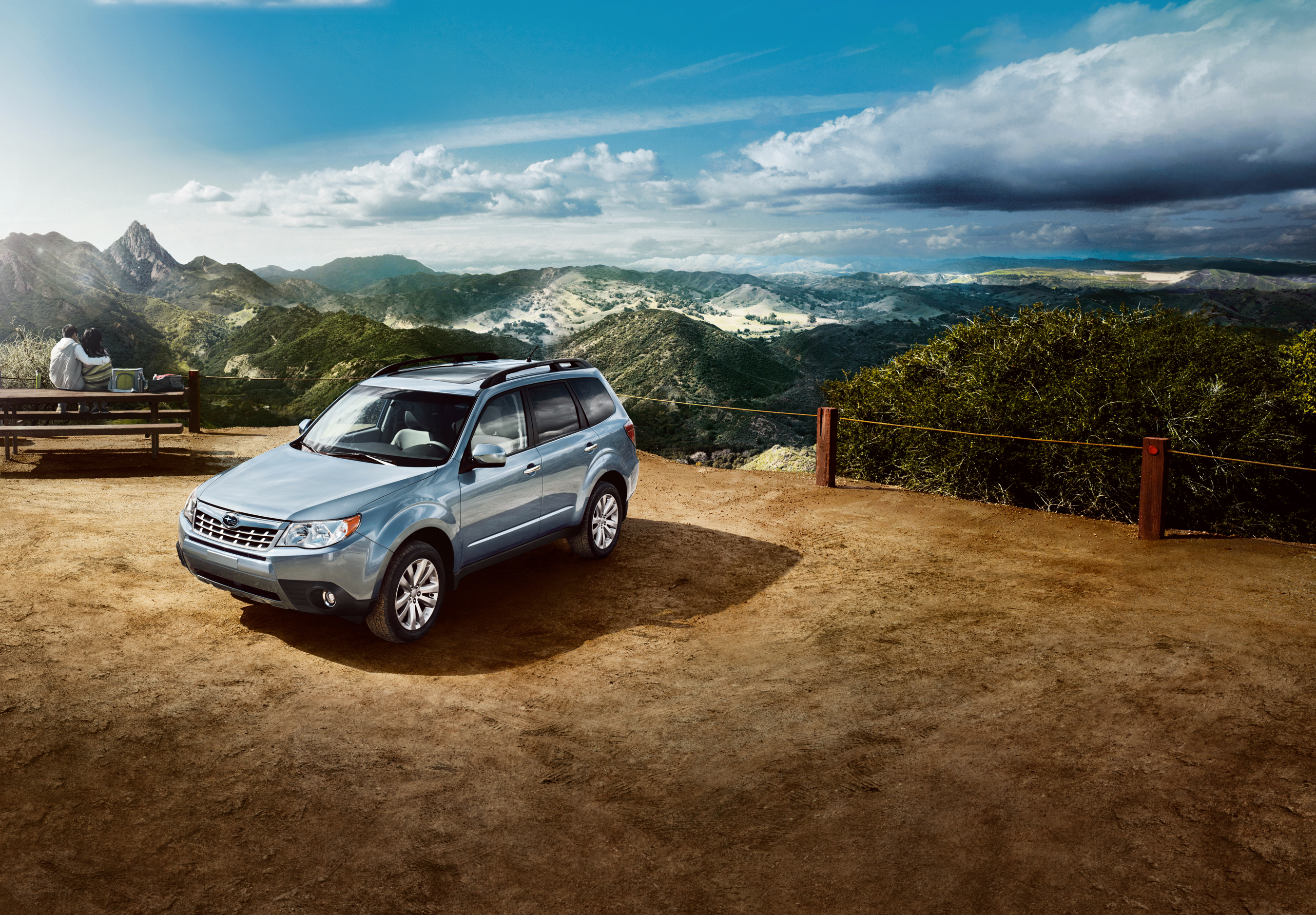
Crashed on the passenger side instead of the driver's, the 2014 Forester showed far more intrusion and would have rated Marginal with the IIHS.

Subaru built a 2.5XT for the National Ski Patrol with a diamond-plate floor, a 9,500-pound winch and a toboggan on the roof.

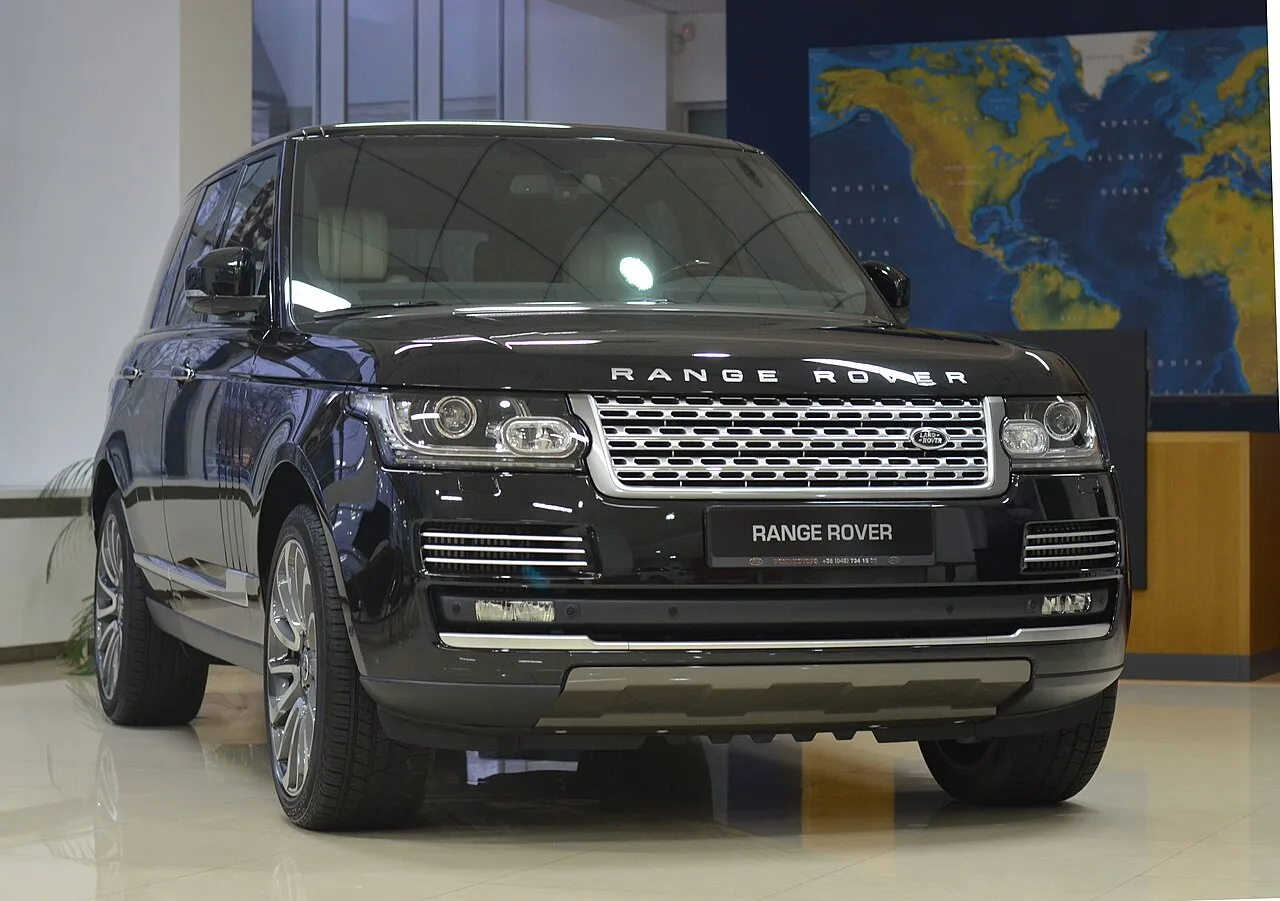
The L405 was the first Range Rover with a fully aluminum monocoque body, cutting up to 420 kg from the outgoing steel-bodied L322.

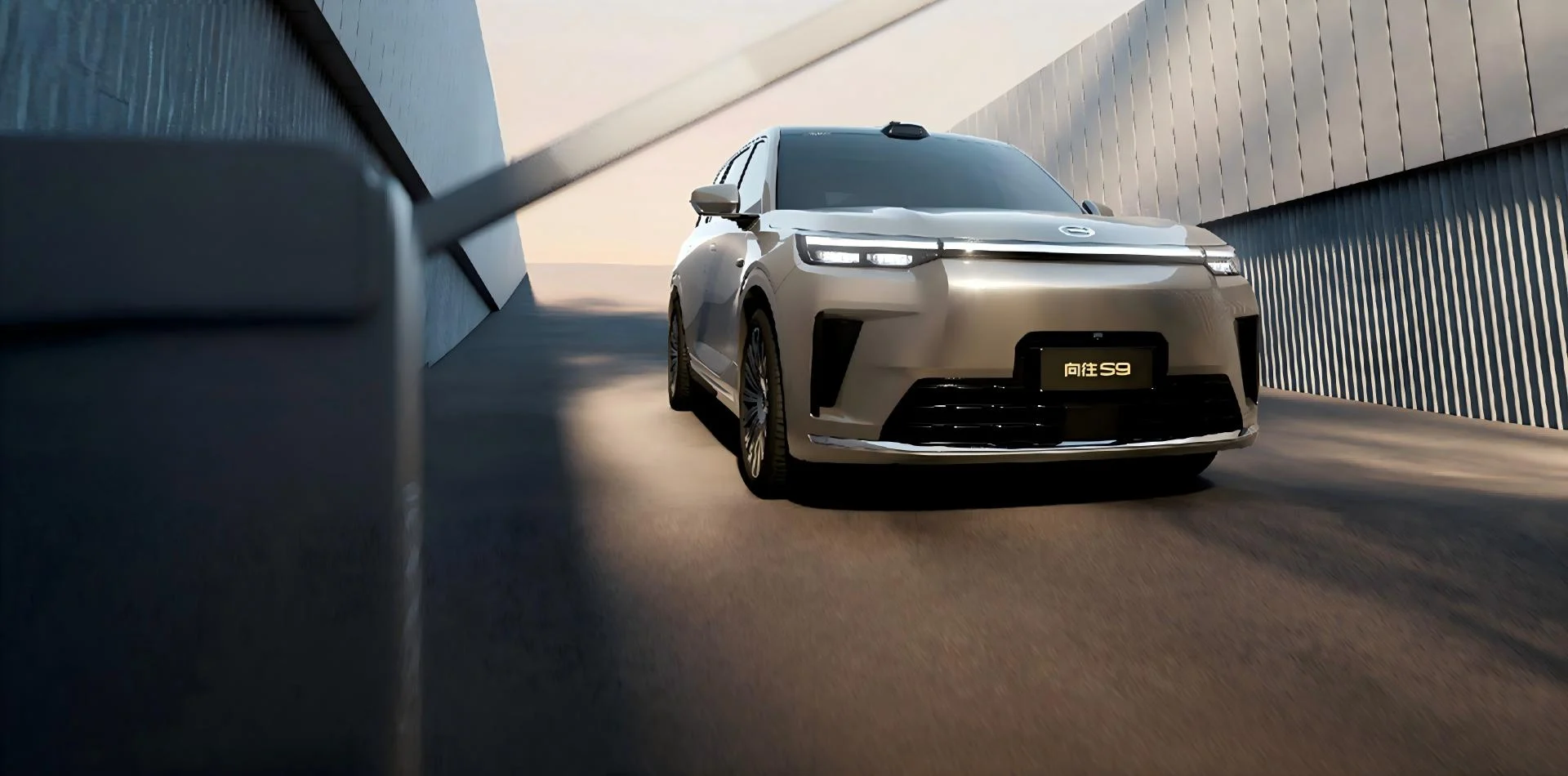
Rear passengers get a 17.3-inch screen that extends from the roof, and a lidar sensor sits in the front of the roof.

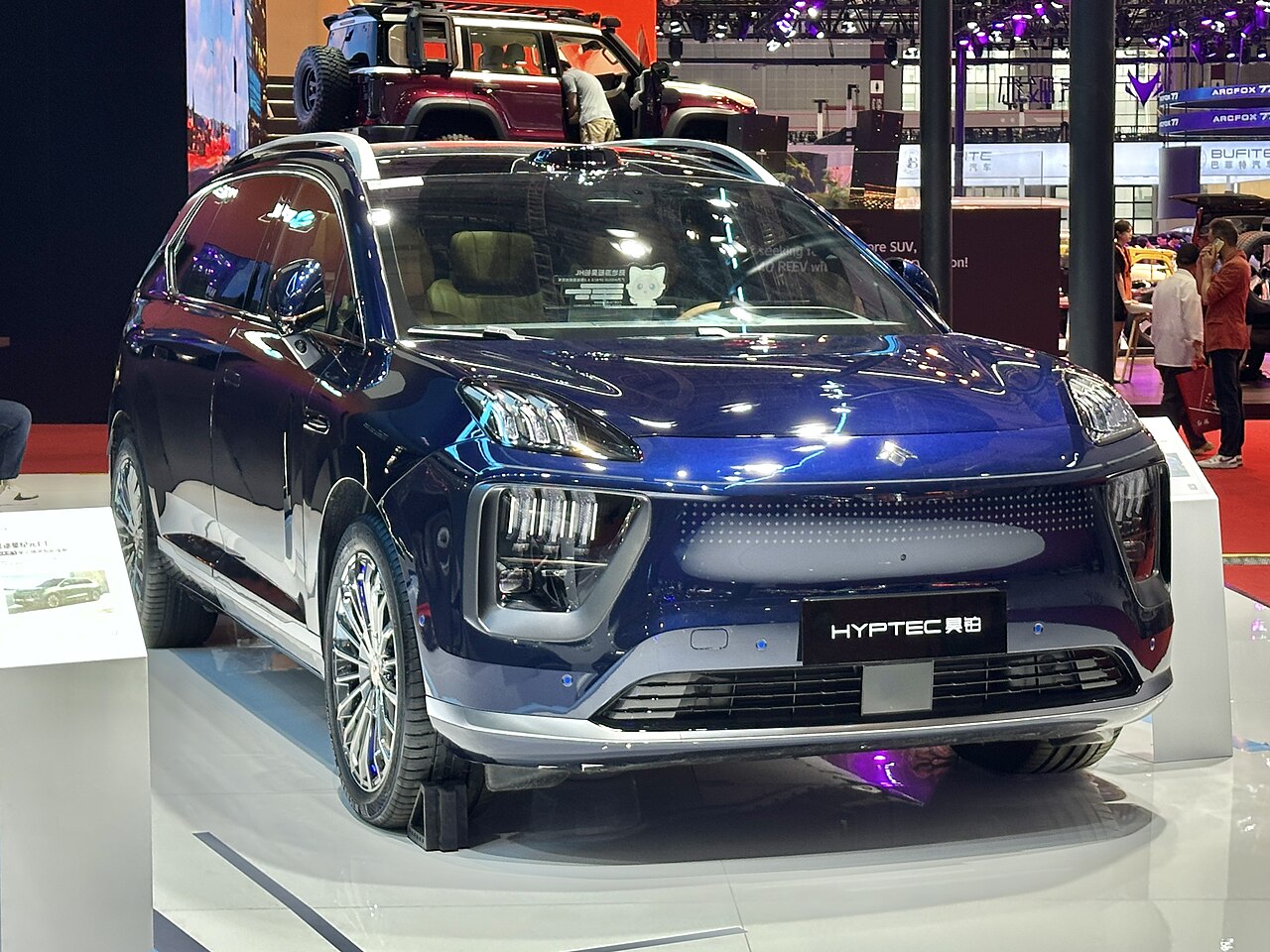
Its range-extender variant is rated for 1,200 km on a tank and charge, over three times the car's electric-only range.