Honda farmed the first Inspire's cabin out to a furniture maker: Tendo Mokko supplied the leather trim and the real wood inserts on the dash and console, not an in-house design team.
Median 134 hp across 419 similar cars
Lead trim: 2.0 G20A CB5 (160 PS) · up to 187 hp
Honda Inspire CB5 / CC2 / CC31989–1995
- 0spots by members
- Unclaimednobody has spotted one yet
- 0sets it belongs to
Nobody in Burbles has spotted a Honda Inspire CB5 / CC2 / CC3 yet. See one on the street, point the app at it, and the first card is yours — with your @handle permanently credited on this page.
FactHonda farmed the first Inspire's cabin out to a furniture maker: Tendo Mokko supplied the leather trim and the real wood inserts on the dash and console, not an in-house design team.
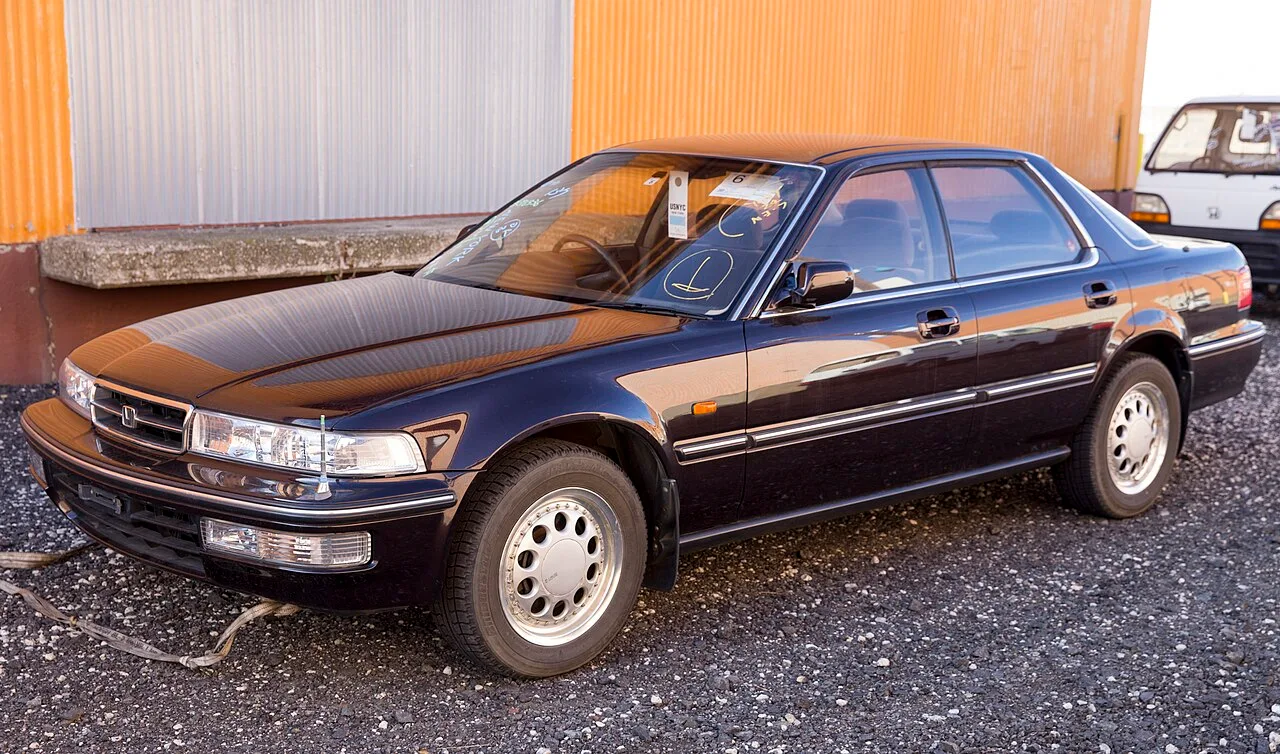
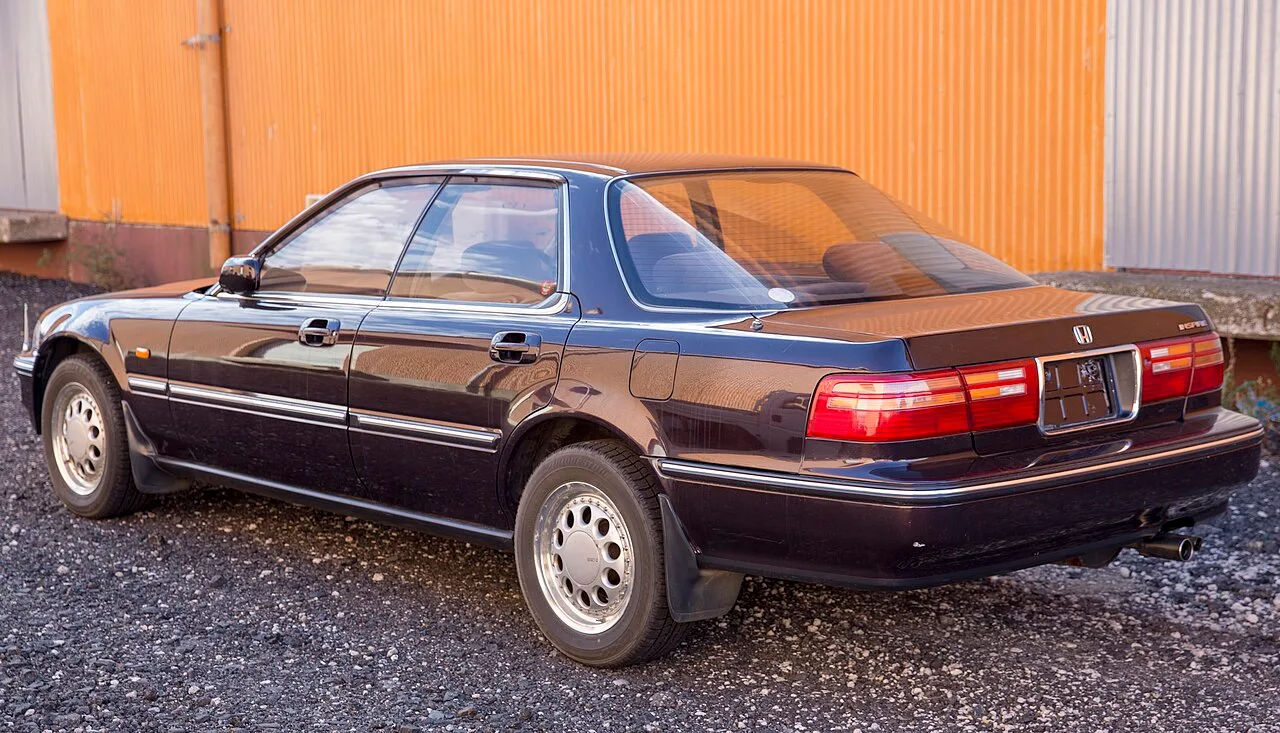
On 12 October 1989 the Honda Accord Inspire was introduced, sharing its platform with the Honda Vigor, a JDM Accord-derived five-cylinder luxury sedan sold only at Honda Verno dealers; the Inspire was sold at Honda Clio stores. The SOHC four-valve G20A inline-five was all new, and in Japan the smaller G20A used regular grade fuel while the larger G25A used premium. The CB5 Accord Inspire was a shorter, narrower version to comply with Japanese size requirements for "compact" cars, in AZ-i, AG-i and AX-i trims. A longer, wider version with the G20 (CC3) or the new 2.5-litre G25A (CC2) debuted in early 1992, with the 2.0 rising from 160 to 165 PS and the 2.5 developing 190 PS. The transmission sits behind the engine, with a driveshaft to a front-mounted limited-slip differential, giving a 60:40 front to rear weight distribution.
Collectors Spotted in the Honda Inspire Lineage
No member has published a public street spot of the Honda Inspire yet — the First · Worldwide stamp is wide open.
Trims & Figures
3 published trims in the catalogue. A blank is a figure not recorded, not zero.
| Trim | Years | Engine | Power | Torque | 0–60 | Drive | Gearbox | MSRP |
|---|---|---|---|---|---|---|---|---|
| 2.0 G20A CB5 (160 PS) | 1989–1995 | 2.0 L Inline-5 | 158 hp | 137 lb-ft | — | — | — | — |
| 2.0 G20A CC3 (165 PS) | 1992–1995 | 2.0 L Inline-5 | 163 hp | 137 lb-ft | — | — | — | — |
| 2.5 G25A CC2 (190 PS) | 1992–1995 | 2.5 L Inline-5 | 187 hp | 175 lb-ft | — | — | — | — |
Owning one
We don’t estimate running costs for a car like this. What it costs depends on its condition, its specialist and how it is driven, and an average would mislead.
Owners’ builds
Nobody has claimed one yet.
Photographs
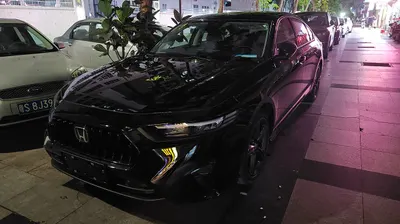
This Inspire’s face earned a Star Wars nickname — Carscoops dubbed it "A Stormtrooper-Faced Accord For China" when it launched in 2023.
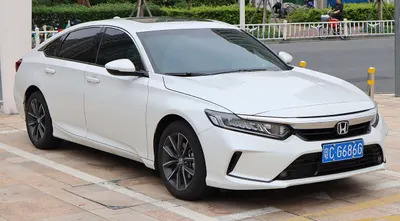
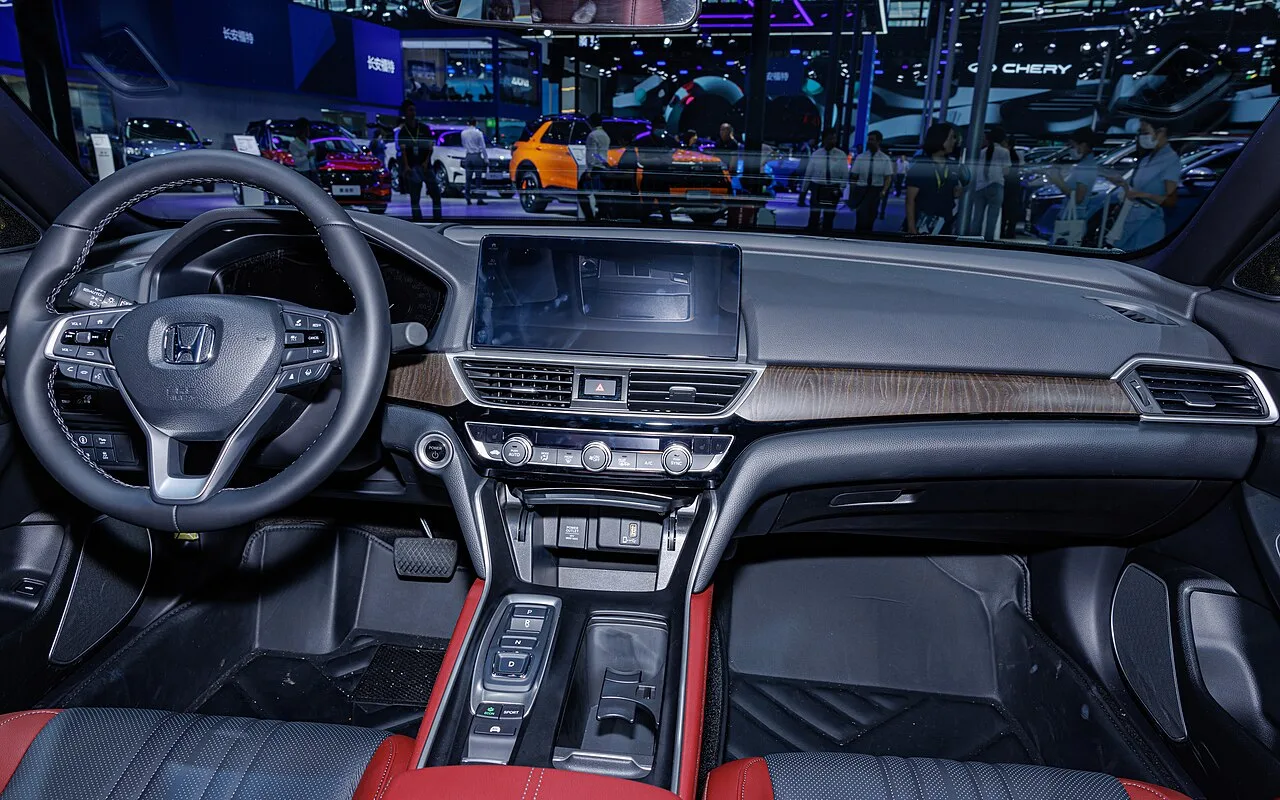
After a six-year hiatus, Honda revived the Inspire nameplate in 2018 for China only — built by Dongfeng Honda purely to replace the Spirior, with no return to Japan.
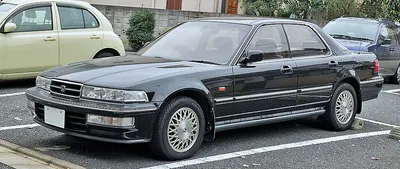
Most cars were ditching hydraulics for electric power steering by the 2000s — this Inspire generation went the other way, switching back to hydraulic.
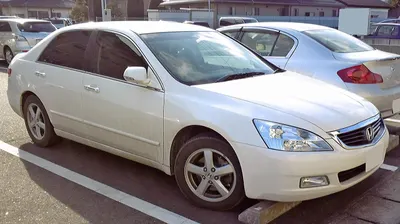
The Japan-only UC1 Inspire wasn't just another sedan — it's the car Honda chose to debut Variable Cylinder Management on, the cylinder-deactivation tech that later spread across its whole lineup.
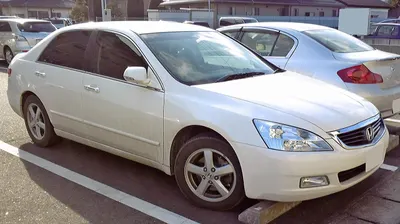
This Inspire flipped the usual script: it was designed and built in the United States, then shipped the other way across the Pacific to be sold in Japan — a first for Honda.
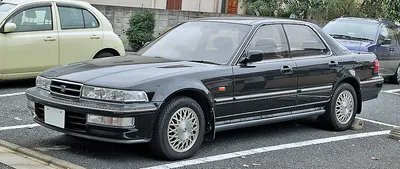
This Japanese-market Inspire wasn't built in Japan — starting with this generation, every Inspire and Saber came from Honda's Marysville, Ohio plant.
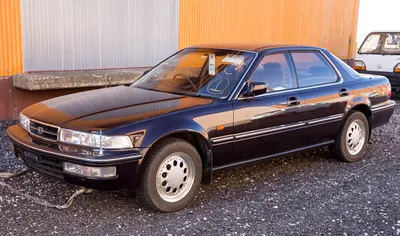
Honda farmed the first Inspire's cabin out to a furniture maker: Tendo Mokko supplied the leather trim and the real wood inserts on the dash and console, not an in-house design team.
Rivals
Same body, same money, other badges — tap any card to flip.

It briefly served as senior sibling to Marquette, a GM companion brand cancelled after just one year.

Nissan hired former BMW engineers to help develop the 510's suspension, which is why period reviewers frequently compared its handling to the BMW 1600/2002.

A Trabant 601 won its class at the 1970 Monte Carlo Rally, with a second 601 right behind it in second.

The 600 was a stopgap: the P50's body over the 601's mechanicals, and for a while its estate was built alongside the new 601 saloon.

The G80 Sport brought a 370 PS twin-turbo 3.3 V6, a mesh grille and copper-tinted chrome with copper stitching to match.

The Vigor was sold only with a five-cylinder engine, an unusual configuration Honda used to fit a longer engine transversely under a short hood.

The GS/E coupe earned the nickname "German Charger" for its long hood, short deck stance borrowed from Detroit muscle cars.

This DeVille/Fleetwood was the first production car anywhere to mount its V8 sideways, Cadillac's front-drive gamble on the new C-body.