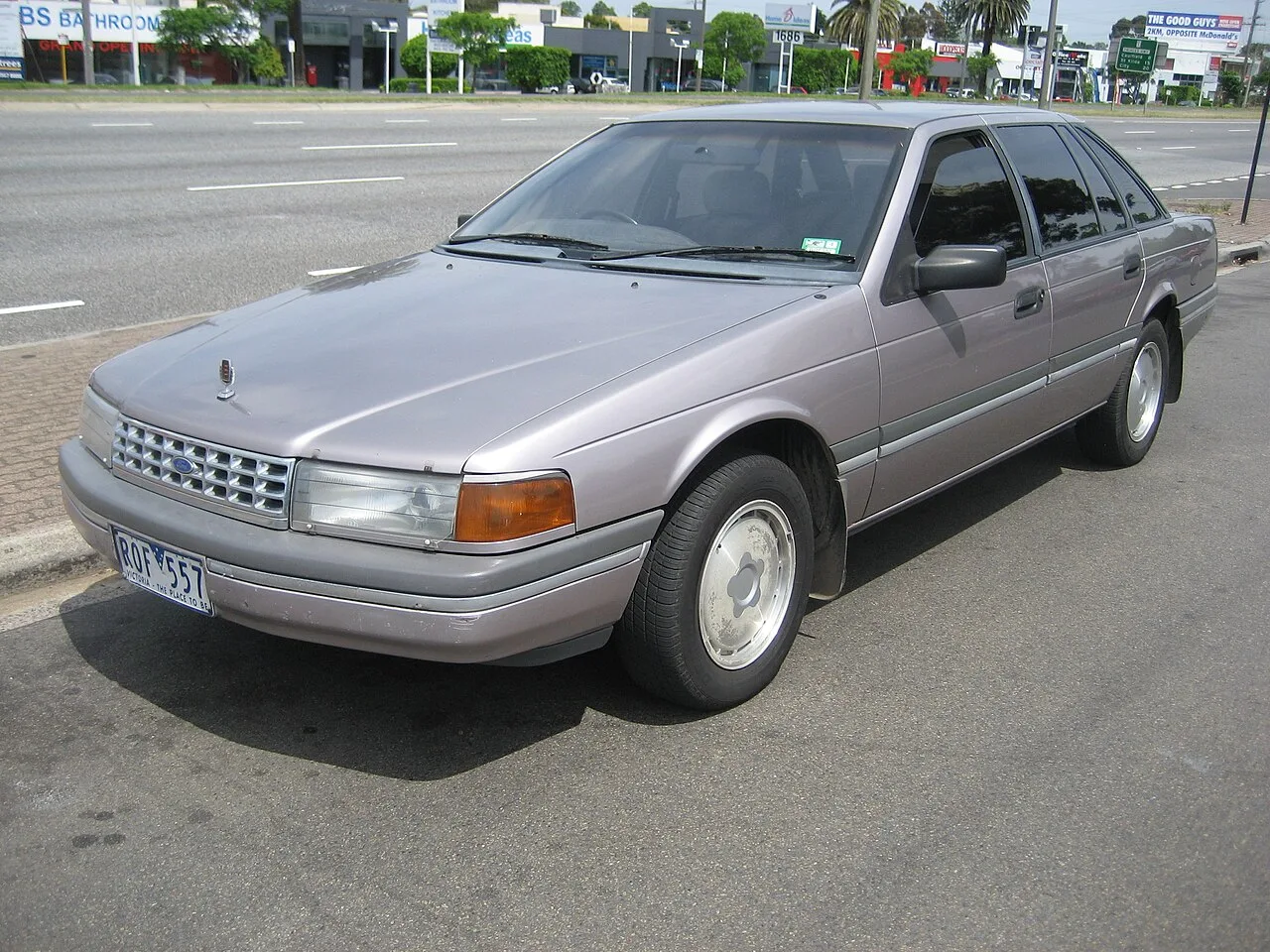
New Zealand's government drove NL Ghia Fairlanes as Crown limousines, powered by the same 4.0-litre six sold to the public.
Median 147 hp across 595 similar cars
Lead trim: Fairlane NA 3.9 six · up to 221 hp
Ford Fairlane (Australia)1988–1999
- 0spots by members
- Unclaimednobody has spotted one yet
- 0sets it belongs to
Nobody in Burbles has spotted a Ford Fairlane (Australia) yet. See one on the street, point the app at it, and the first card is yours — with your @handle permanently credited on this page.
FactNew Zealand's government drove NL Ghia Fairlanes as Crown limousines, powered by the same 4.0-litre six sold to the public.
June 1988 brought the next major revision, in which the Fairlane's straight edges gave way to gentle curves based on the EA26-platform EA Falcon — still a long-wheelbase Falcon with a six-light body — with the 4.1 L six heavily revised into a 3.9 L unit with improved fuel economy and power. All N-series Fairlanes and D-series LTDs rode on the Falcon/Fairmont station-wagon platform and were among the most common platforms for Australian stretch limousines. The November 1989 NA II had a four-speed automatic instead of a three-speed (with the disputed "NB" prototype); in August 1991 the NC and DC brought back the V8 (the Canadian-made 5.0 L Windsor from North American light trucks with a reversed inlet manifold), the higher-spec Fairlane Ghia and, in 1992, the 3.9 L six redesignated a 4.0-litre; in 1993 Ford briefly sold a Fairlane Sportsman Ghia with a Tickford-tuned 4.0 L six as in the Falcon XR6, and the NC III (August 1993) left only the Ghia. The March 1995 NF was a major restyle to coincide with the EF Falcon, the Sportsman reappeared for 1996, and the September 1996 NL added a Concorde trim in 1997 with the same 4.0 and 5.0 L engines and a Concorde and Concorde Ghia in 1998; the New Zealand Government used NL Ghias as Crown limousines with the 165 kW 4.0 L six.
Collectors Spotted in the Ford Fairlane (Australia) Lineage
No member has published a public street spot of the Ford Fairlane (Australia) yet — the First · Worldwide stamp is wide open.
Trims & Figures
3 published trims in the catalogue. A blank is a figure not recorded, not zero.
| Trim | Years | Engine | Power | Torque | 0–60 | Drive | Gearbox | MSRP |
|---|---|---|---|---|---|---|---|---|
| Fairlane NA 3.9 six | 1988–1991 | 3.9 L Inline-6 | 186 hp | 249 lb-ft | — | — | — | — |
| Fairlane NC Ghia 5.0 Windsor V8 | 1991–1999 | 5.0 L V8 | 221 hp | 286 lb-ft | — | — | — | — |
| Fairlane NC II / NL 4.0 six | 1992–1999 | 4.0 L Inline-6 | 211 hp | 263 lb-ft | — | — | — | — |
Owning one
We don’t estimate running costs for a car like this. What it costs depends on its condition, its specialist and how it is driven, and an average would mislead.
Owners’ builds
Nobody has claimed one yet.
Photographs
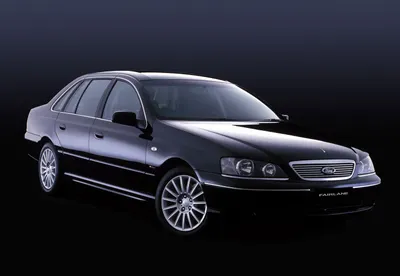
The final Australian Fairlane got a bigger 5.4-litre V8 derived from Ford's American Triton engine — badged locally not by displacement but as the 'Barra 220.'
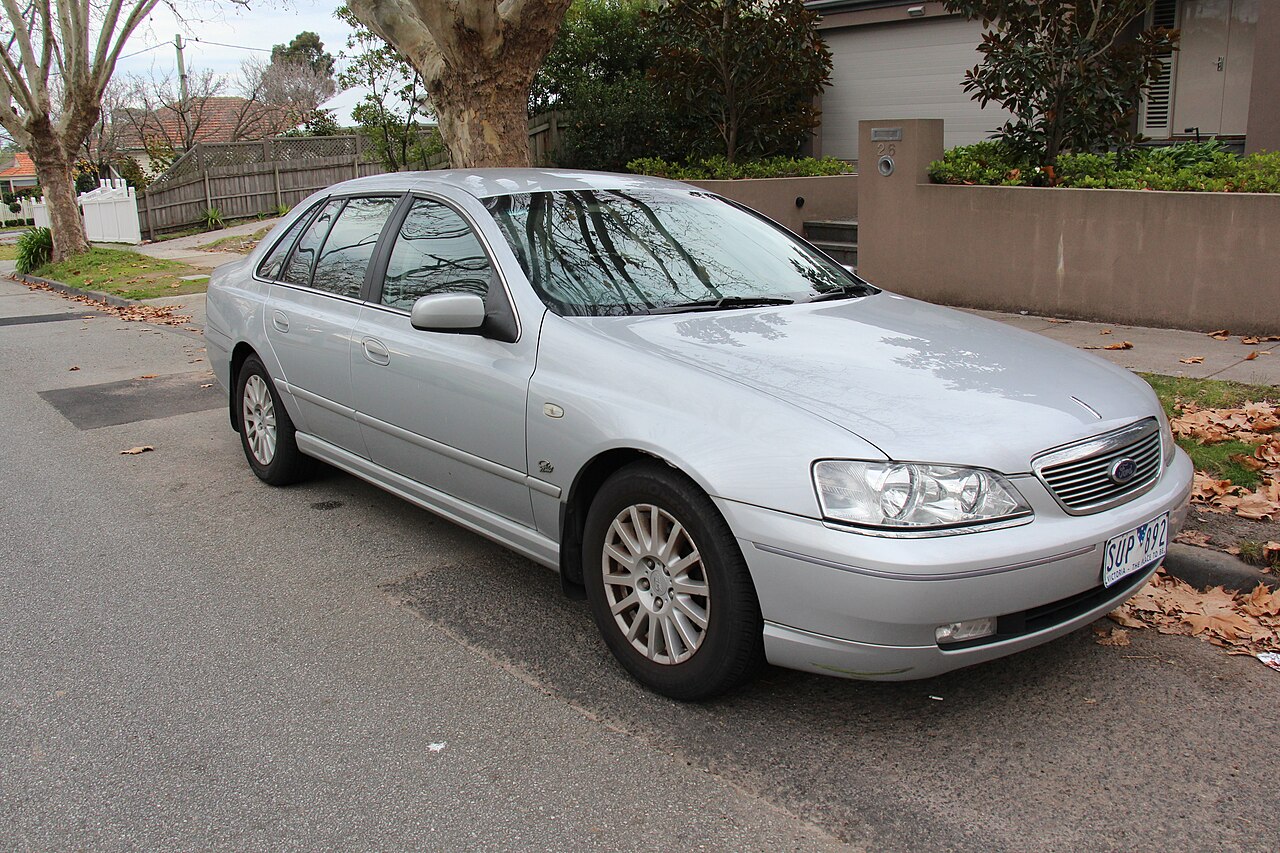
Ford ditched its small-block Windsor V8 for this Fairlane, switching in the larger, three-valve 5.4-litre Modular V8 instead — a complete change of engine architecture.
The AU Fairlane borrowed its C-pillar look from the Lincoln Town Car, then sold so poorly Ford rushed a fix within a year.
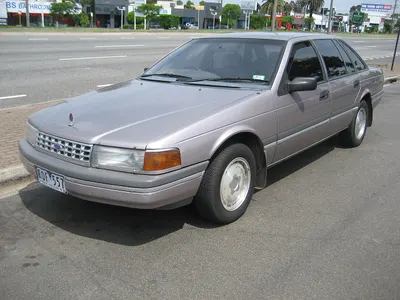
New Zealand's government drove NL Ghia Fairlanes as Crown limousines, powered by the same 4.0-litre six sold to the public.
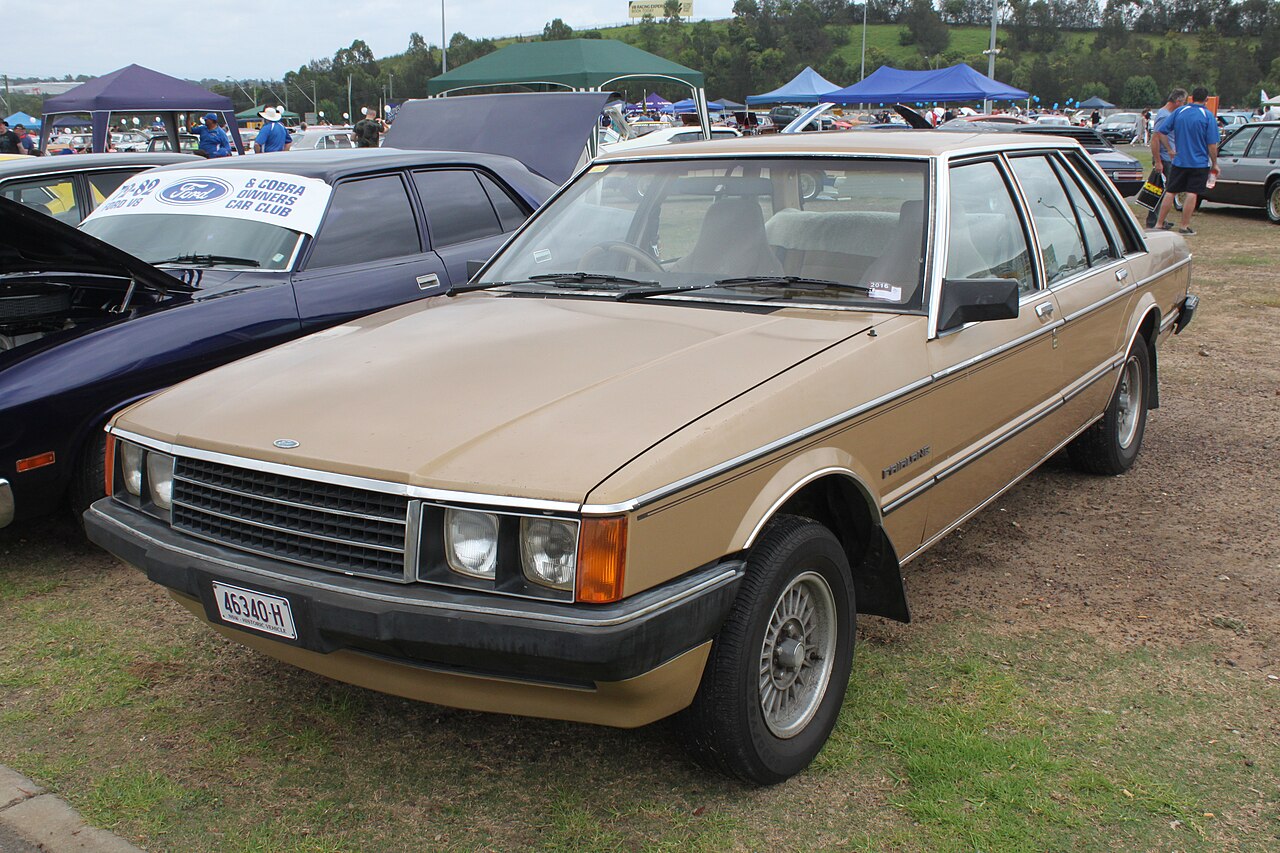
Ford dropped the 351 V8 in 1982, the first sign it was walking away from big Fairlane V8s entirely.
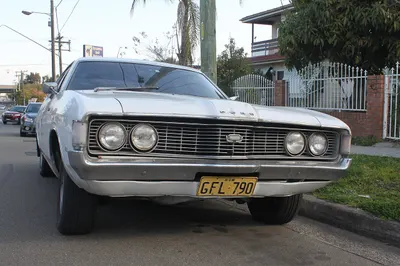
This Fairlane generation kept selling in South Africa even after Ford pulled the mainstream Falcon there in favor of the European Granada — and only the top-spec 500 trim made the cut.
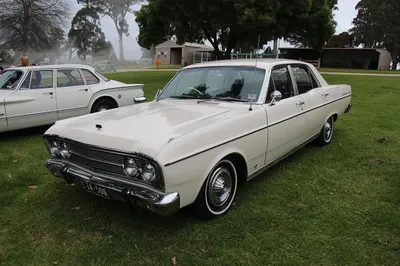
This Fairlane's extra luxury space wasn't a new design at all — Ford Australia just took the Falcon of the day, stretched the body behind the rear door, and pushed the back seat rearward for more legroom.
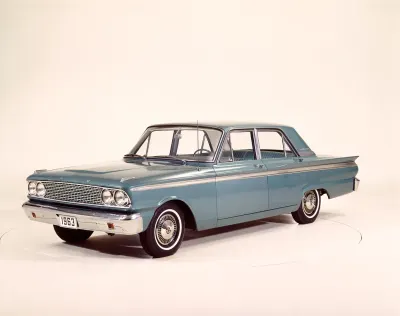
Despite being an all-new model, this Fairlane launched £200 cheaper than the car it replaced.
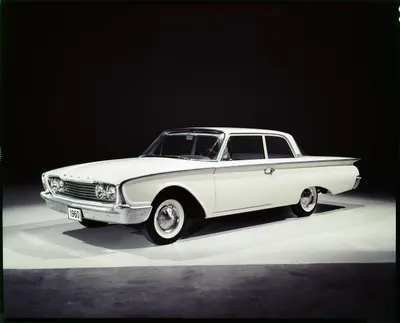
Building this full-size Fairlane in Australia wasn’t a quick rebadge — Ford Australia spent nearly two years and about £1.5 million tooling up a local line for it.
Rivals
Same body, same money, other badges — tap any card to flip.

It briefly served as senior sibling to Marquette, a GM companion brand cancelled after just one year.

Nissan hired former BMW engineers to help develop the 510's suspension, which is why period reviewers frequently compared its handling to the BMW 1600/2002.

A Trabant 601 won its class at the 1970 Monte Carlo Rally, with a second 601 right behind it in second.

The 600 was a stopgap: the P50's body over the 601's mechanicals, and for a while its estate was built alongside the new 601 saloon.

The G80 Sport brought a 370 PS twin-turbo 3.3 V6, a mesh grille and copper-tinted chrome with copper stitching to match.

The Vigor was sold only with a five-cylinder engine, an unusual configuration Honda used to fit a longer engine transversely under a short hood.

The GS/E coupe earned the nickname "German Charger" for its long hood, short deck stance borrowed from Detroit muscle cars.

This DeVille/Fleetwood was the first production car anywhere to mount its V8 sideways, Cadillac's front-drive gamble on the new C-body.