Ford F-150 thirteenth generation282HP
 VerifiedFIRST PRINT
V6 · 3.5 L
FACT
Ford bet the F-150 on aluminum body panels, the first mass-market American vehicle built that way.
BURBLES · SPOTTED 10/2026№ 0001
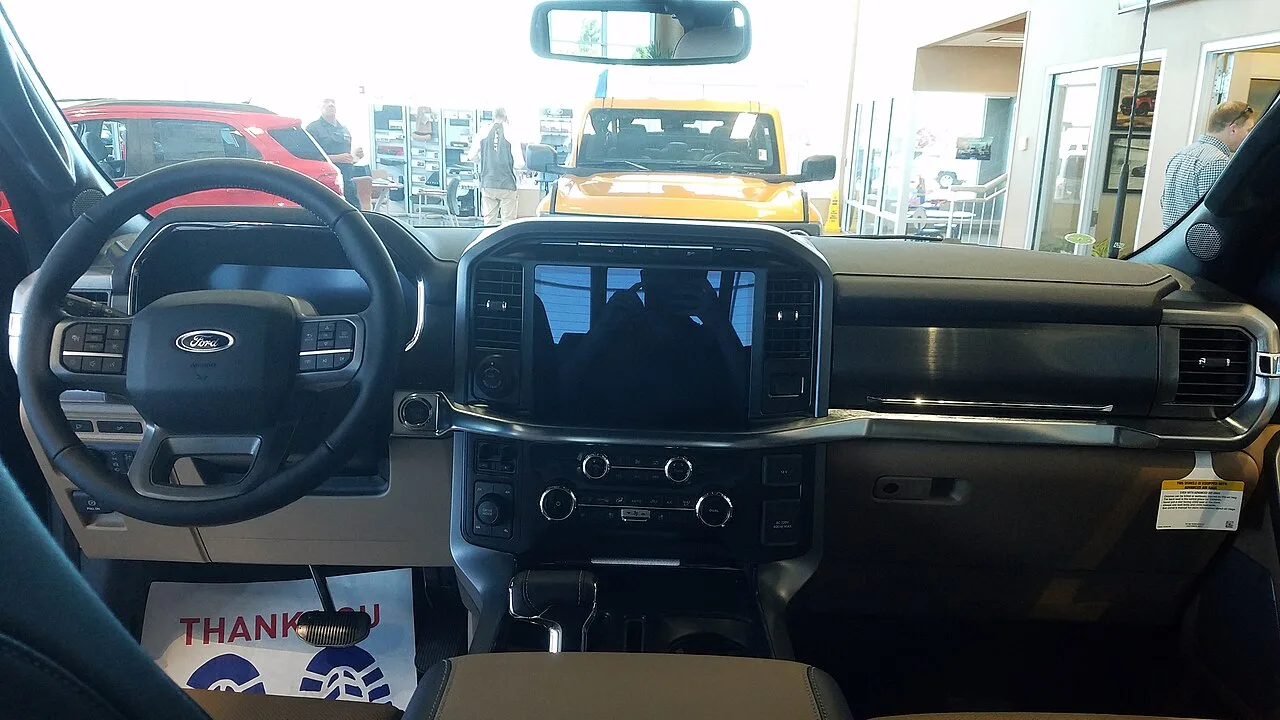
In 1986 Ford simplified the F-150's dash by making a full gauge cluster standard on every truck — the tachometer was the only option left, a production shortcut dressed up as an upgrade.
Median 94 hp across 48 similar cars
Lead trim: 3.8 Essex V6 (110 hp, 1982–83) · up to 245 hp
Nobody in Burbles has spotted a Ford F-150 seventh generation yet. See one on the street, point the app at it, and the first card is yours — with your @handle permanently credited on this page.
FactIn 1986 Ford simplified the F-150's dash by making a full gauge cluster standard on every truck — the tachometer was the only option left, a production shortcut dressed up as an upgrade.
Produced from September 1979 for the 1980–86 model years. A 1982 facelift put the Blue Oval in the grille (still used today) and the four-door crew cab returned in 1983 on the single-rear-wheel F-350; the F-100 ended with 1983, and 1986 was the final year for the column-shifted three-speed manual, making it the second-to-last American vehicle with that transmission design. Engines: a 3.8 Essex V6 (110 hp, 1982–83, standard on the F-100), the 4.9 300 six (125 hp from 1981), the 302 V8 (133 hp, then 190 hp EFI in 1985 — the first Ford light-truck engine with fuel injection), the 351M/351 Windsor V8 (136–150 hp), a 210 hp high-output 351 (1984–86), the 460 V8 (245 hp from 1983) and an International-built 6.9 IDI diesel (150 or 170 hp from 1983); a 400 (153 hp) for HD F-250 and F-350.
Real Ford F-150 cards spotted on the street by Burbles collectors. Tap any card to flip it over, inspect the collector’s binder, or follow them.
VerifiedFIRST PRINTFord bet the F-150 on aluminum body panels, the first mass-market American vehicle built that way.
10 published trims in the catalogue. A blank is a figure not recorded, not zero.
| Trim | Years | Engine | Power | Torque | 0–60 | Drive | Gearbox | MSRP |
|---|---|---|---|---|---|---|---|---|
| 3.8 Essex V6 (110 hp, 1982–83) | 1982–1983 | 3.8 L V6 | 110 hp | 183 lb-ft | — | — | — | — |
| 4.9 300 straight-six (125 hp, 1981–86) | 1981–1986 | 4.9 L Inline-6 | 125 hp | 250 lb-ft | — | — | — | — |
| 4.9 302 V8 EFI (190 hp, 1985–86) | 1985–1986 | 4.9 L V8 | 190 hp | 285 lb-ft | — | — | — | — |
| 4.9 302 V8 two-barrel (133 hp, 1980–85) | 1980–1985 | 4.9 L V8 | 133 hp | 233 lb-ft | — | — | — | — |
| 5.8 351 Windsor HO V8 four-barrel (210 hp, 1984–86) | 1984–1986 | 5.8 L V8 | 210 hp | 305 lb-ft | — | — | — | — |
| 5.8 351 Windsor V8 two-barrel (150 hp, 1983–85) | 1983–1985 | 5.8 L V8 | 150 hp | 280 lb-ft | — | — | — | — |
| 5.8 351M V8 (136 hp, 1980–82) | 1980–1982 | 5.8 L V8 | 136 hp | 262 lb-ft | — | — | — | — |
| 6.6 400 V8 (153 hp, HD F-250 / F-350, 1980–82) | 1980–1982 | 6.6 L V8 | 153 hp | 309 lb-ft | — | — | — | — |
| 6.9 International IDI diesel V8 (170 hp, 1983–86) | 1983–1986 | 6.9 L V8 | 170 hp | 315 lb-ft | — | — | — | — |
| 7.5 460 V8 four-barrel (245 hp, 1983–86) | 1983–1986 | 7.5 L V8 | 245 hp | 380 lb-ft | — | — | — | — |
An estimate, for the 3.8 Essex V6 (110 hp, 1982–83) trim: fuel on its EPA figure and a dated national price, upkeep on a per-mile average for the kind of car it is.
Nobody has claimed one yet.
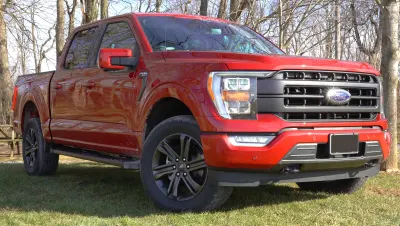
The 2021 F-150's redesign changed 92% of its parts -- only the cab, bed structure and tailgate script font carried over from the previous generation.
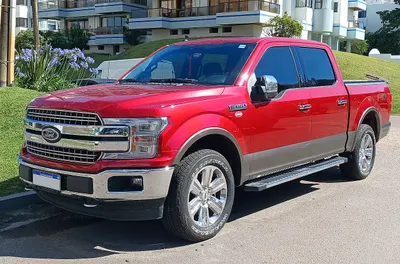
Ford bet the F-150 on aluminum body panels, the first mass-market American vehicle built that way.
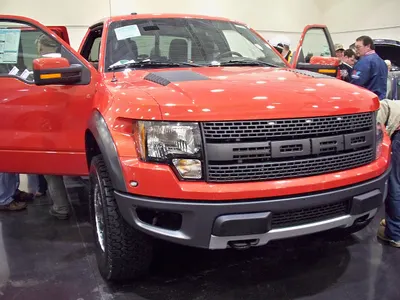
This F-150 generation dropped the manual transmission for the first time ever — and its Flareside bed, retired at the end of 2009, was the last factory stepside pickup bed built, period.
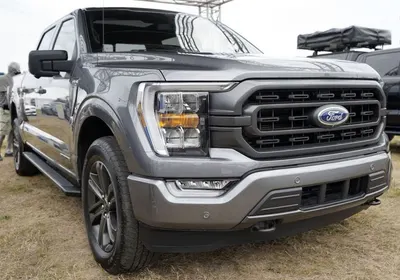
This was the last F-150 you could ever order with a manual transmission or the Flareside bed — both quietly disappeared from the lineup after 2008.
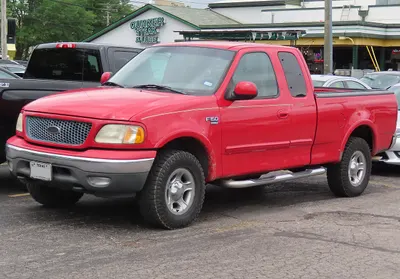
Ford was so unsure buyers would accept the radically redesigned 1997 F-150 that it kept building and selling the old 1996 truck alongside it for months.
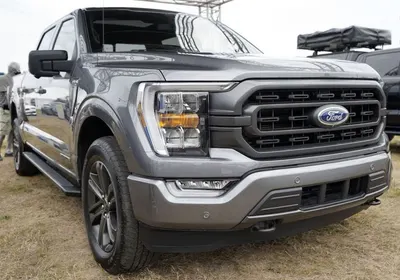
Ford brought in Formula 1 legend Jackie Stewart to help tune the suspension on the F-150 SVT Lightning — a three-time world champion dialing in a pickup truck's handling.
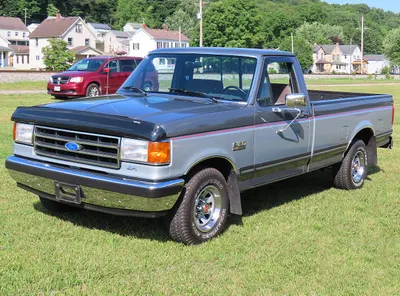
The 1987 F-150 redesign made history with something easy to overlook: it was the first full-size American pickup to switch to composite headlights.
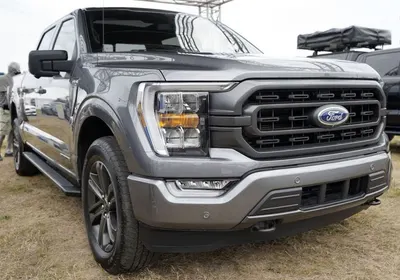
In 1986 Ford simplified the F-150's dash by making a full gauge cluster standard on every truck — the tachometer was the only option left, a production shortcut dressed up as an upgrade.
Same body, same money, other badges — tap any card to flip.
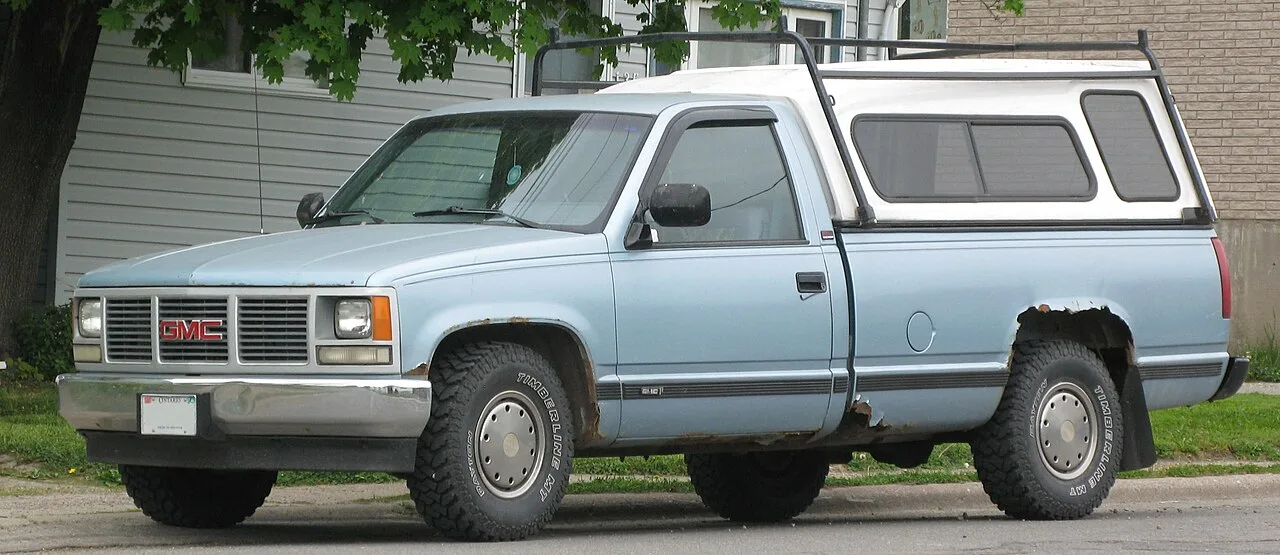
The GMT400 split the twins for good: 1988 was the year "C/K" became Chevrolet-only badging, while GMC's version of the very same truck became the Sierra.
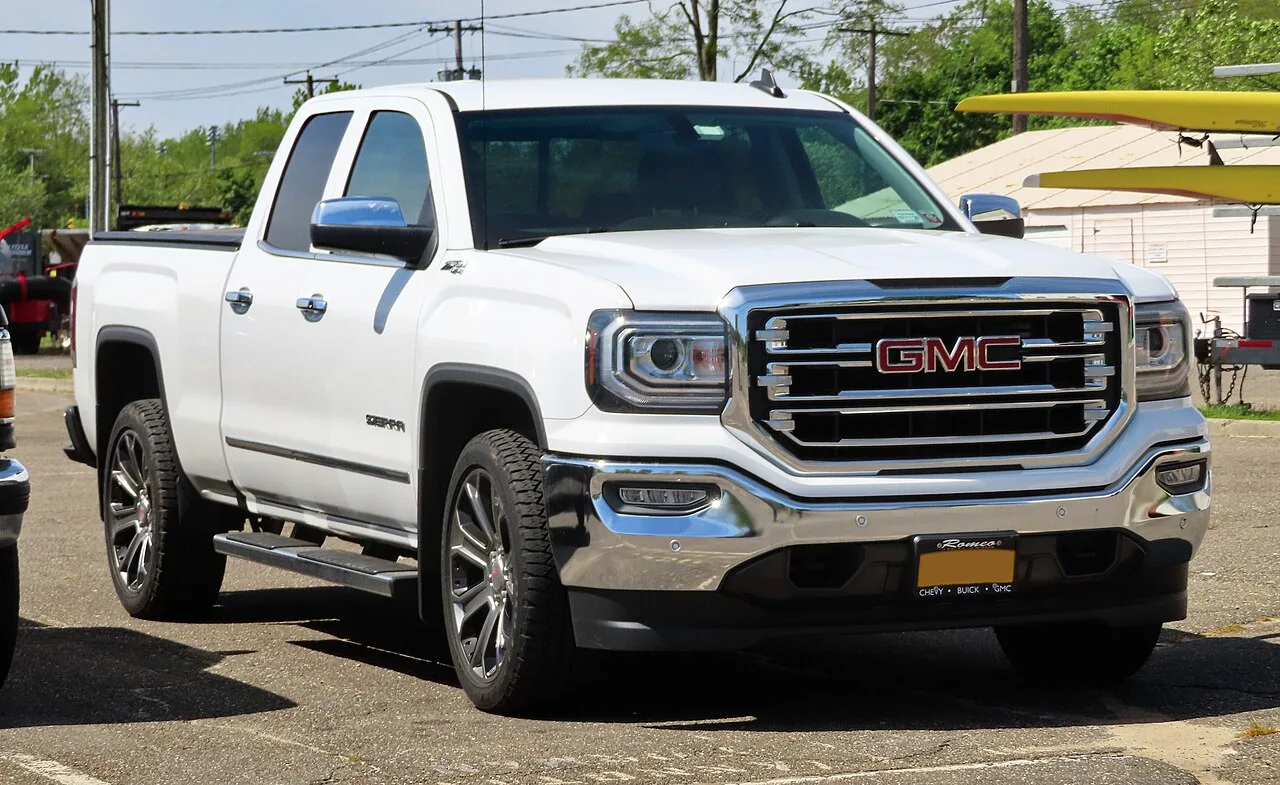
GMC found 10 extra horsepower in the Sierra All Terrain X's 5.3L V8 with nothing more than a performance exhaust, no other changes needed to go from 355 to 365 hp.
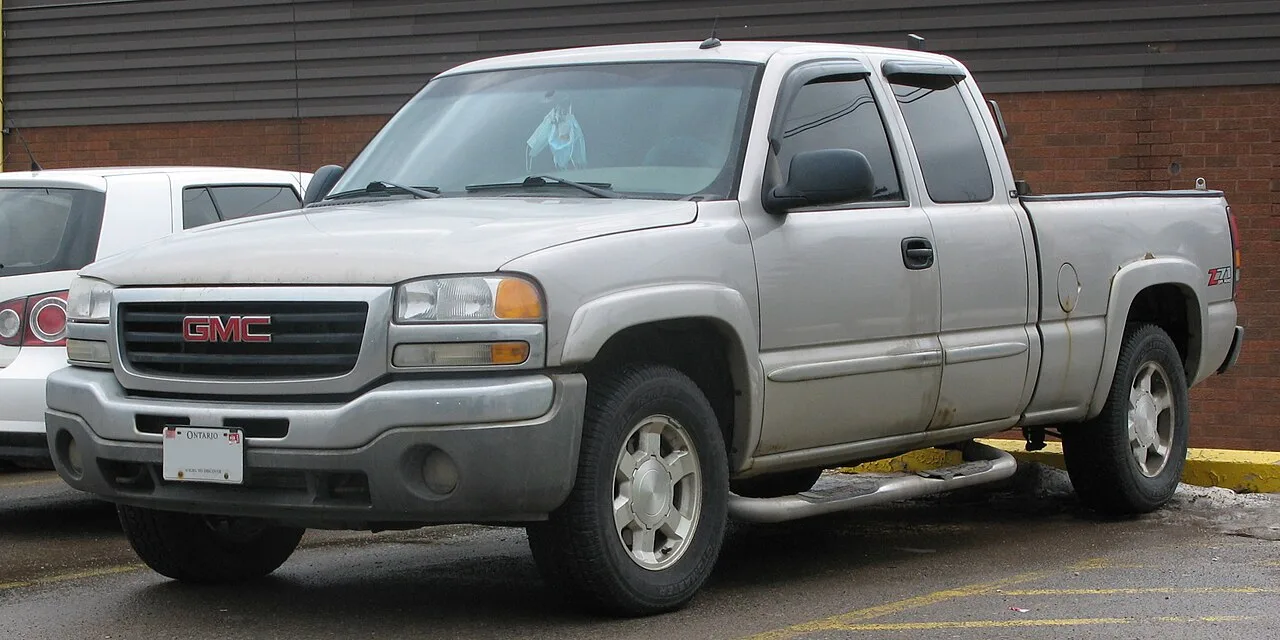
This Sierra kept rolling off the line for a full extra year after its replacement arrived - badged "Classic" in 2007 just to tell the two generations apart on dealer lots.
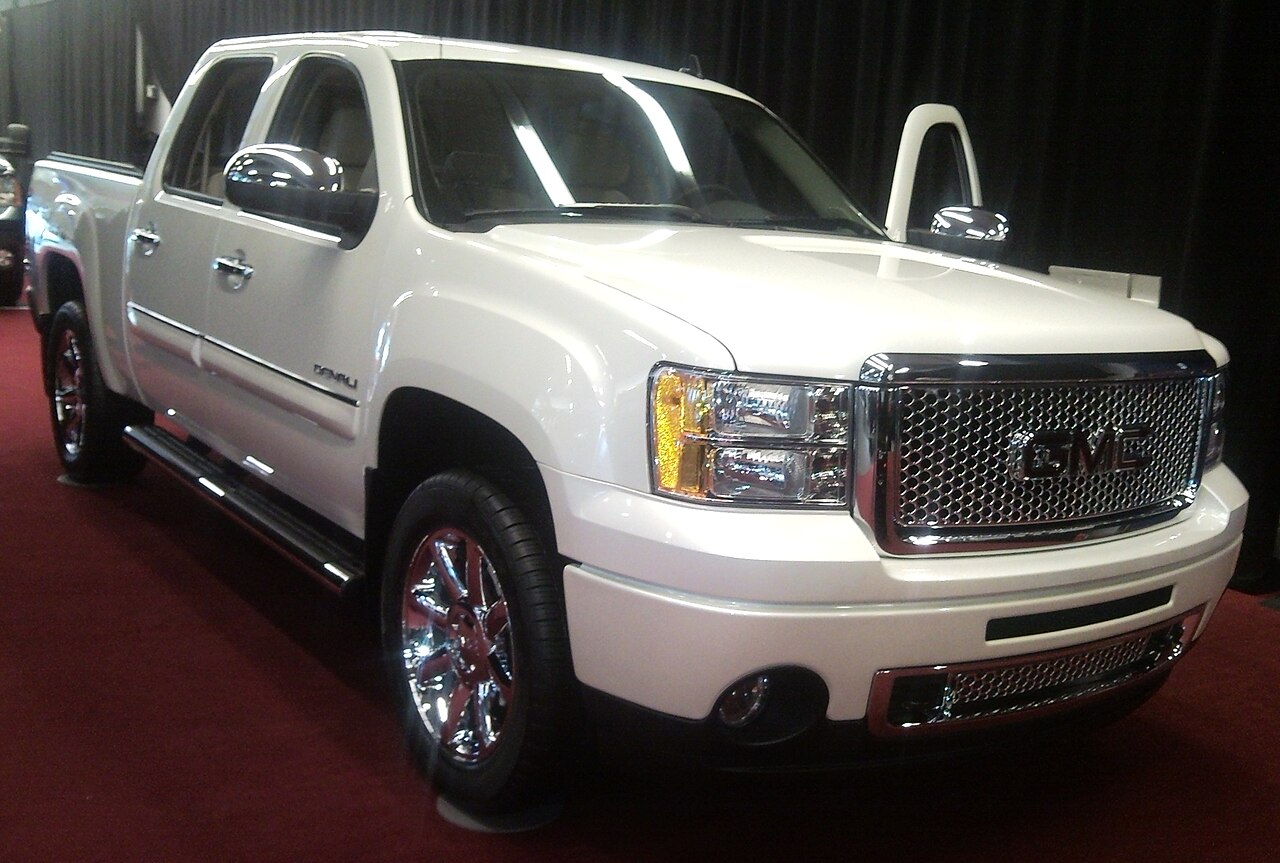
When this GMT900 Sierra launched for 2007, GM kept selling the outgoing truck alongside it, badged "Classic," so buyers could choose old or new side by side on the same lot.
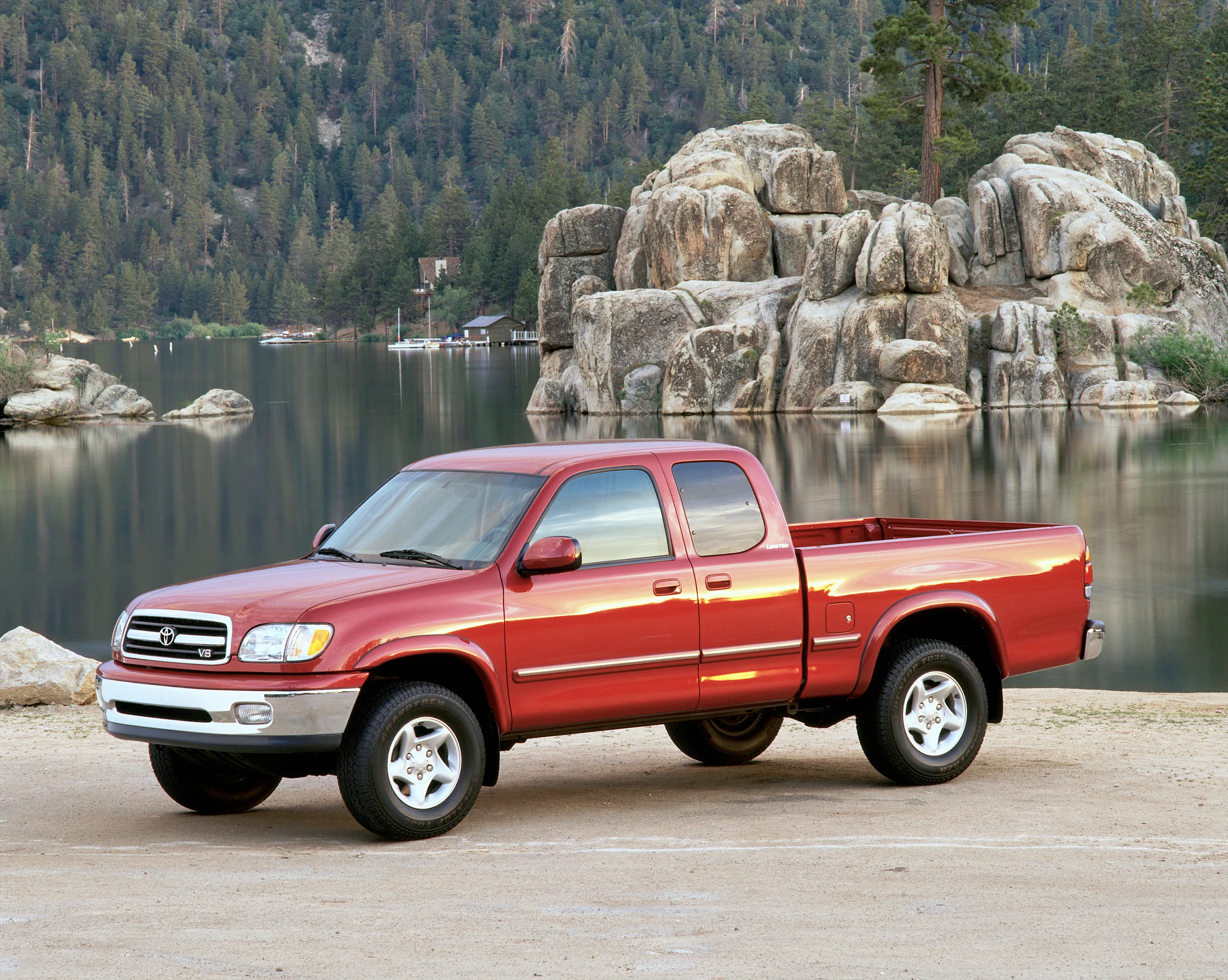
Toyota showed it as the T150 until Ford sued over the likeness to the F-150, and the production truck was renamed Tundra.
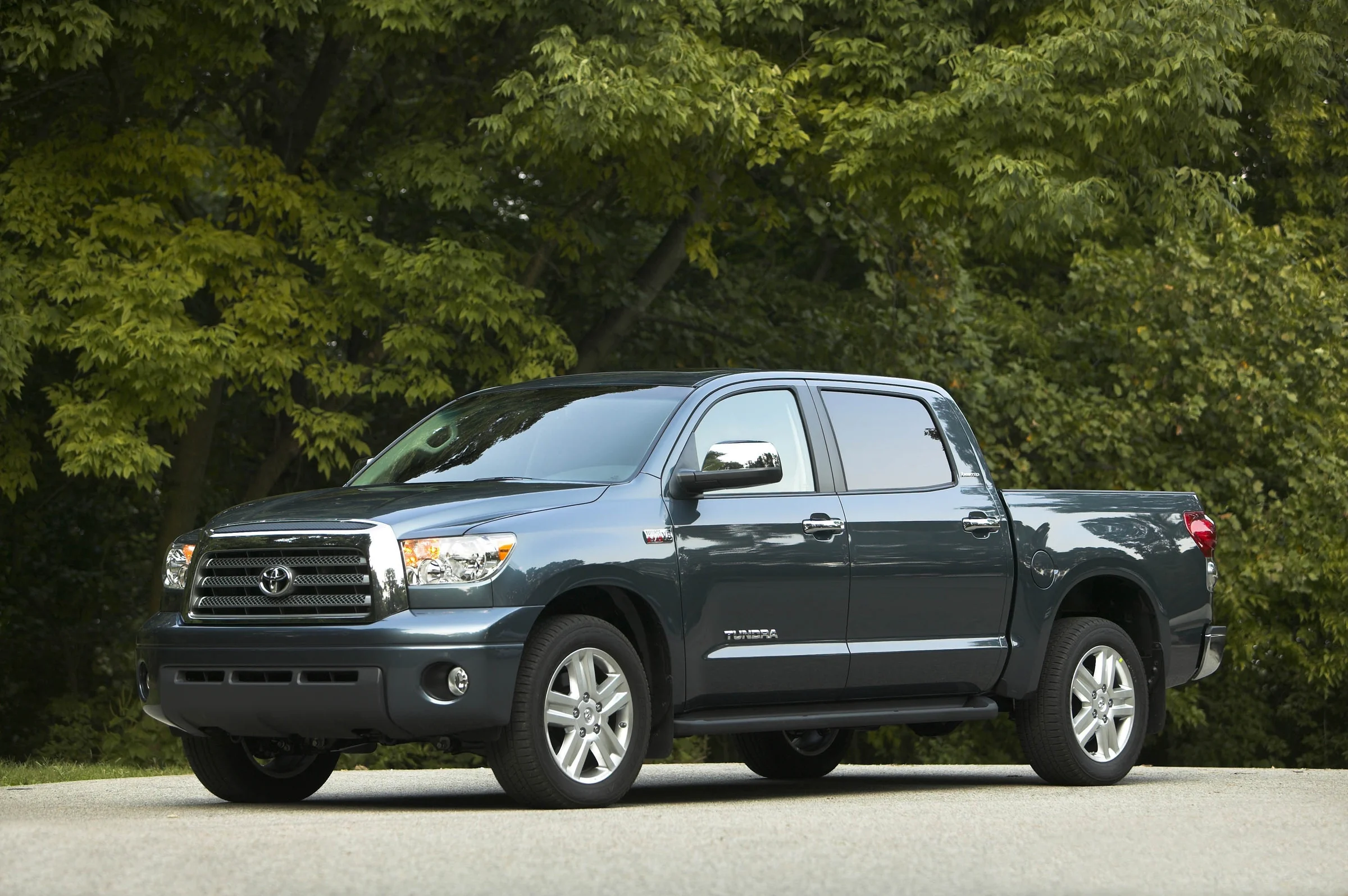
A Louisiana owner put over a million miles on his 2007 Tundra in eight years; Toyota gave him a new truck and took his apart to study it.
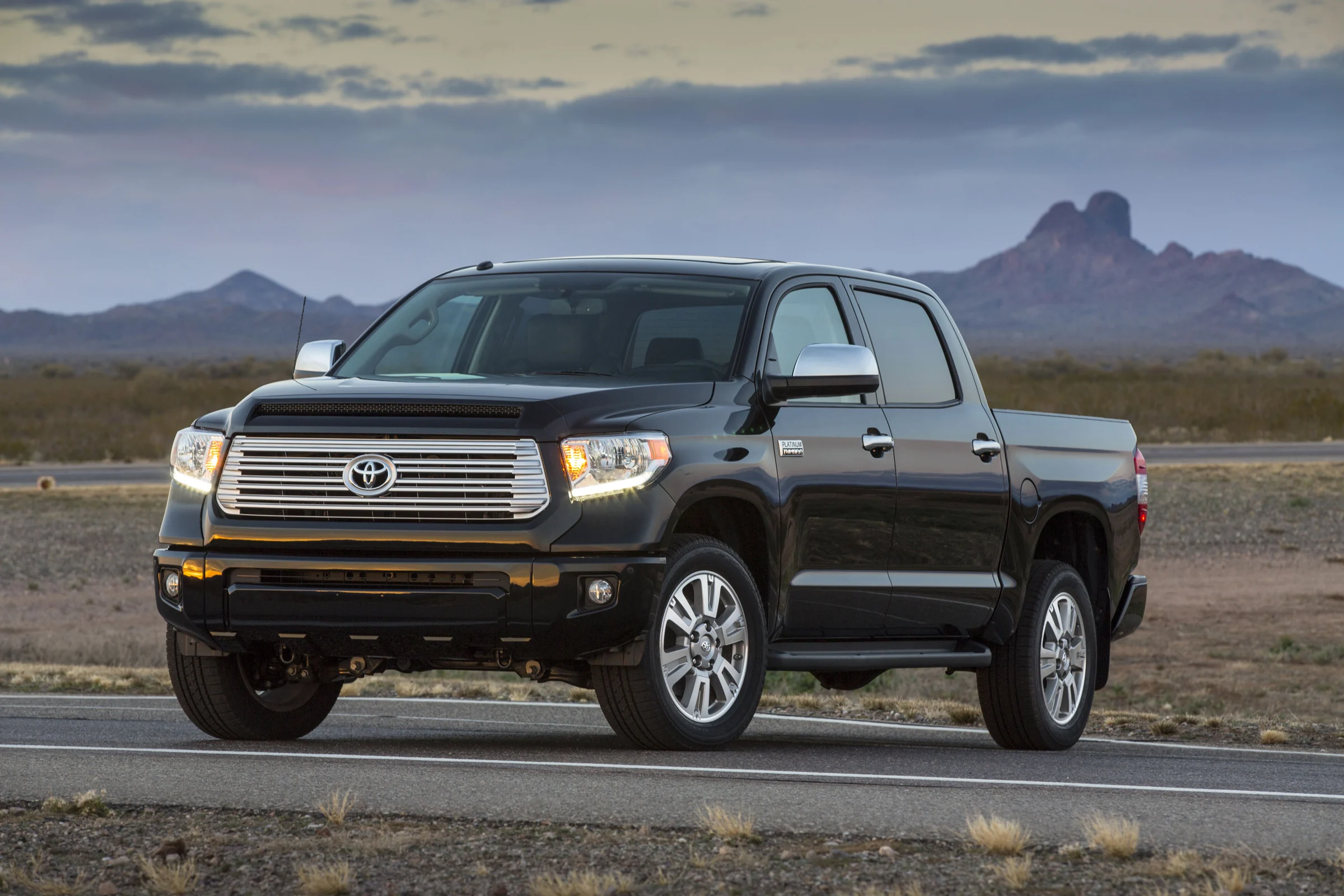
Toyota's Texas Tundra plant sits on land bought from the state's oldest working cattle ranch, and the 1794 Edition is named for the year that ranch was founded.
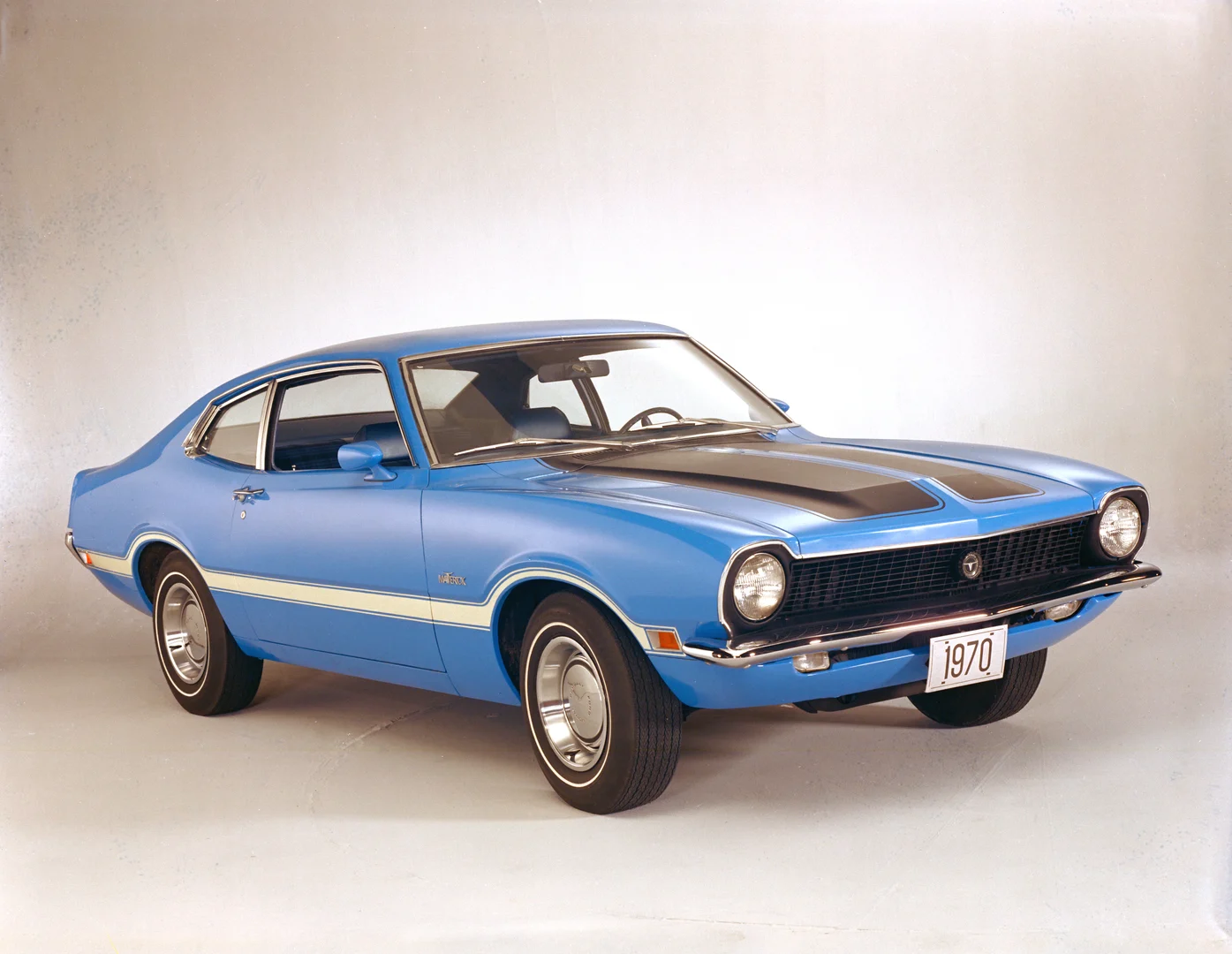
Its launch colours had pun names such as "Anti-Establish Mint" and "Freudian Gilt", sent to Lee Iacocca by a friend.