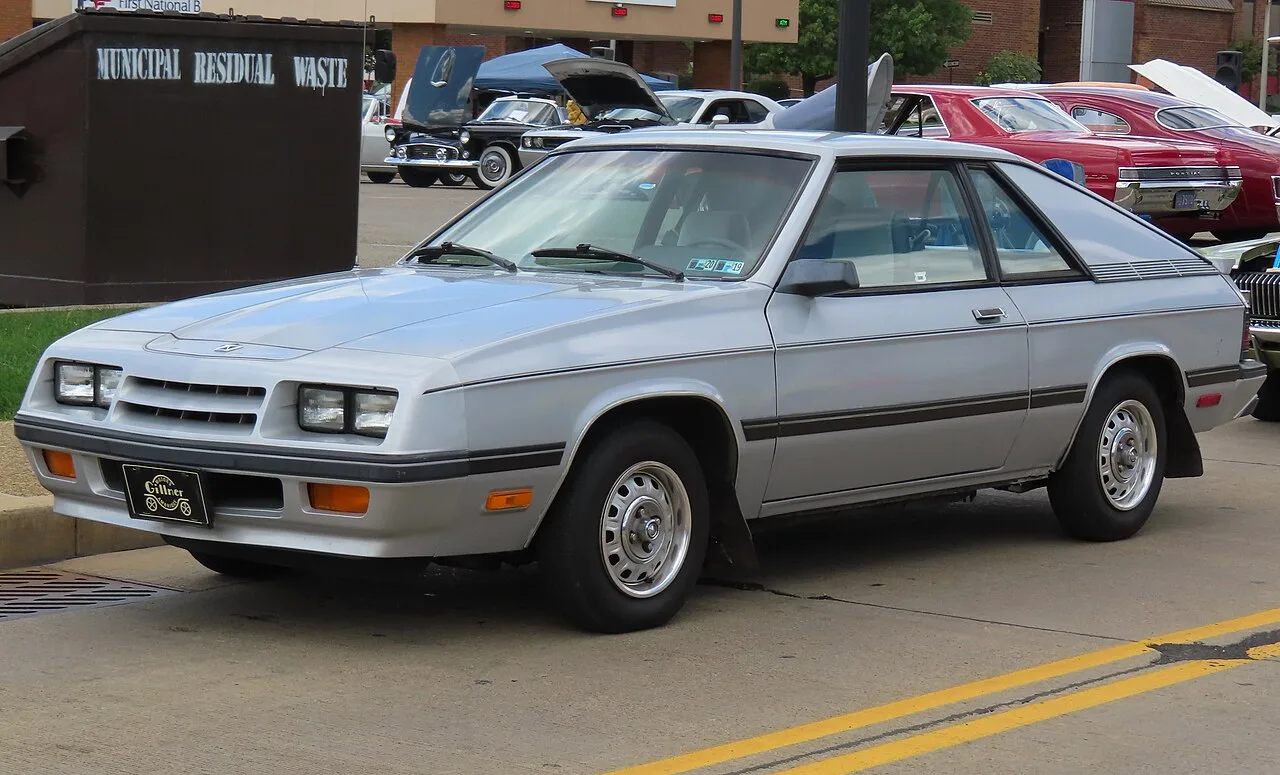
Carroll Shelby's take on the Charger skipped the usual horsepower chase — he went after suspension and styling instead of a bigger engine.
Median 100 hp across 292 similar cars
Lead trim: Shelby Charger 2.2 L four, raised compression (107 hp, 1983) · up to 174 hp
Dodge Charger1983–1987
- 0spots by members
- Unclaimednobody has spotted one yet
- 1set it completes
Nobody in Burbles has spotted a Dodge Charger yet. See one on the street, point the app at it, and the first card is yours — with your @handle permanently credited on this page.
FactCarroll Shelby's take on the Charger skipped the usual horsepower chase — he went after suspension and styling instead of a bigger engine.
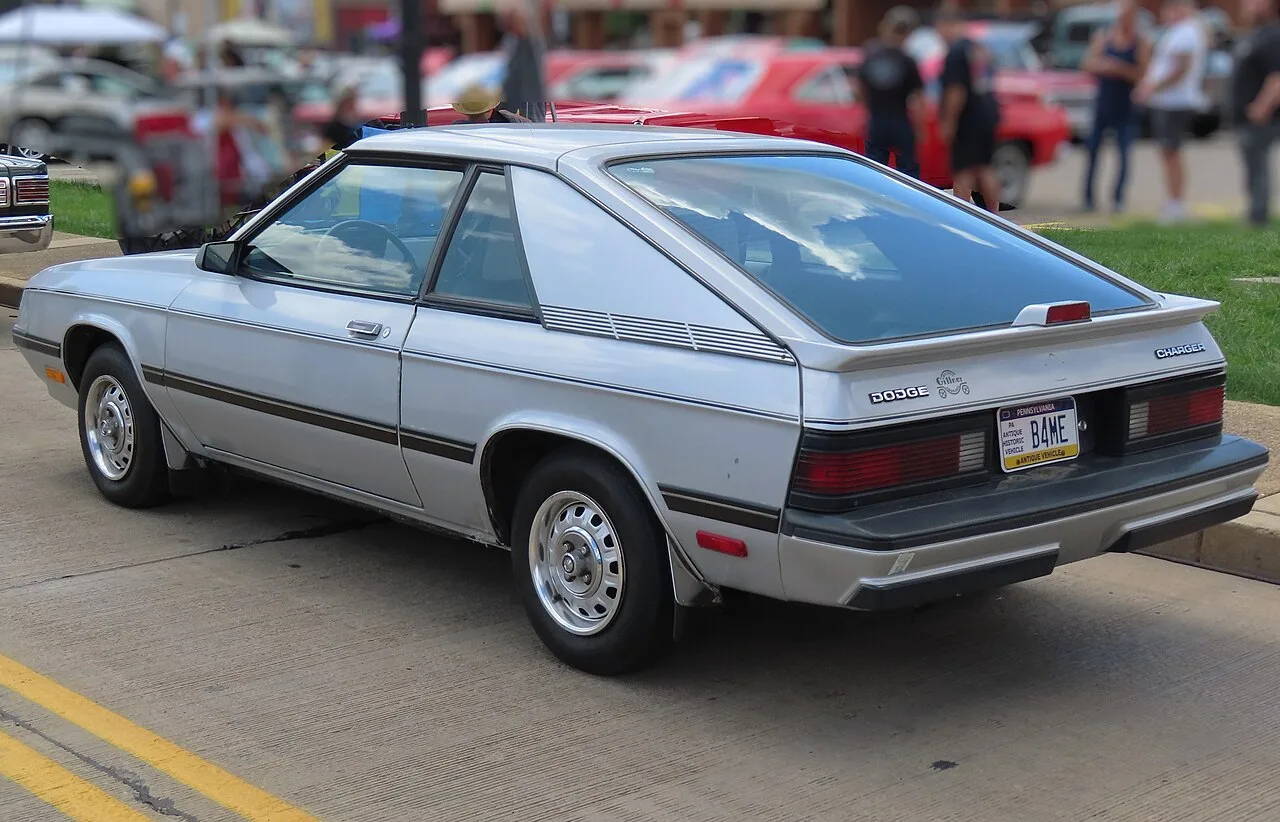
For 1983 Carroll Shelby modified the Dodge Charger to be sold at Dodge dealers as the Dodge Shelby Charger. Rather than focusing on speed, Shelby modified the suspension and styling: the engine compression was raised for 107 hp and the manual transmission had revised ratios; shorter springs, special wheels and tires complemented stronger brakes and a quicker, 14:1, power steering rack; outside were a new nose and racing stripes, and a free-flowing exhaust system made for a more aggressive sound. Body kits and other parts were often shipped to dealerships along with the car to be fitted after delivery. Production was 8,251 for the first year. For 1984 the Shelby Charger could be ordered with an optional automatic transmission (7,552 sold), and the high-output engine (now up to 110 hp) was also available in baseline Chargers and Turismos as the "Charger 2.2" and "Turismo 2.2" schemes. The MPFI/turbocharged Turbo I ("T1") engine was added for 1985, producing 146 hp with a Garrett AiResearch T3 turbocharger and Chrysler/Bosch multiple-point fuel injection, as first seen in the Dodge Daytona Turbo the previous year; 7,709 Shelby Chargers were made for 1985 and 7,669 in 1986. 1987 was the final year, with just 1,011 produced plus 1,000 more sent to Shelby's Whittier plant in California to be modified as the 1987 Shelby GLHS; the 174 hp Turbo II cars were badged the Shelby Charger Turbo (not "Dodge"). Shelby Chargers were available in black with a silver skunk stripe (1984–1987), Santa Fe blue with a silver skunk stripe (1983–1986), silver with a Santa Fe blue skunk stripe (1983–1986) and Garnett red with a silver skunk stripe (1984–1987).
Collectors Spotted in the Dodge Charger Lineage
No member has published a public street spot of the Dodge Charger yet — the First · Worldwide stamp is wide open.
Trims & Figures
4 published trims in the catalogue. A blank is a figure not recorded, not zero.
| Trim | Years | Engine | Power | Torque | 0–60 | Drive | Gearbox | MSRP |
|---|---|---|---|---|---|---|---|---|
| Shelby Charger 2.2 L Turbo I four (146 hp, 1985–1986) | 1985–1986 | 2.2 L Inline-4 | 146 hp | 168 lb-ft | — | FWD | — | — |
| Shelby Charger 2.2 L four, raised compression (107 hp, 1983) | 1983–1983 | 2.2 L Inline-4 | 107 hp | — | — | FWD | — | — |
| Shelby Charger 2.2 L high-output four (110 hp, 1984) | 1984–1984 | 2.2 L Inline-4 | 110 hp | 129 lb-ft | — | FWD | — | — |
| Shelby Charger Turbo 2.2 L Turbo II four (174 hp, 1987) | 1987–1987 | 2.2 L Inline-4 | 174 hp | 200 lb-ft | — | FWD | — | — |
Owning one
We don’t estimate running costs for a car like this. What it costs depends on its condition, its specialist and how it is driven, and an average would mislead.
Owners’ builds
Nobody has claimed one yet.
Photographs
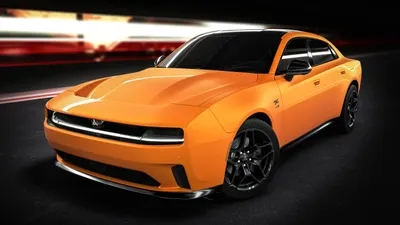
The electric concept's Fratzonic exhaust pushed sound through an amplifier and a rear tuning chamber at up to 126 dB, as loud as a Hellcat Dodge.
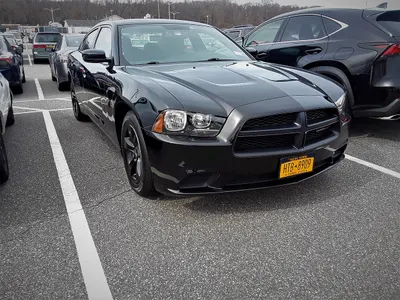
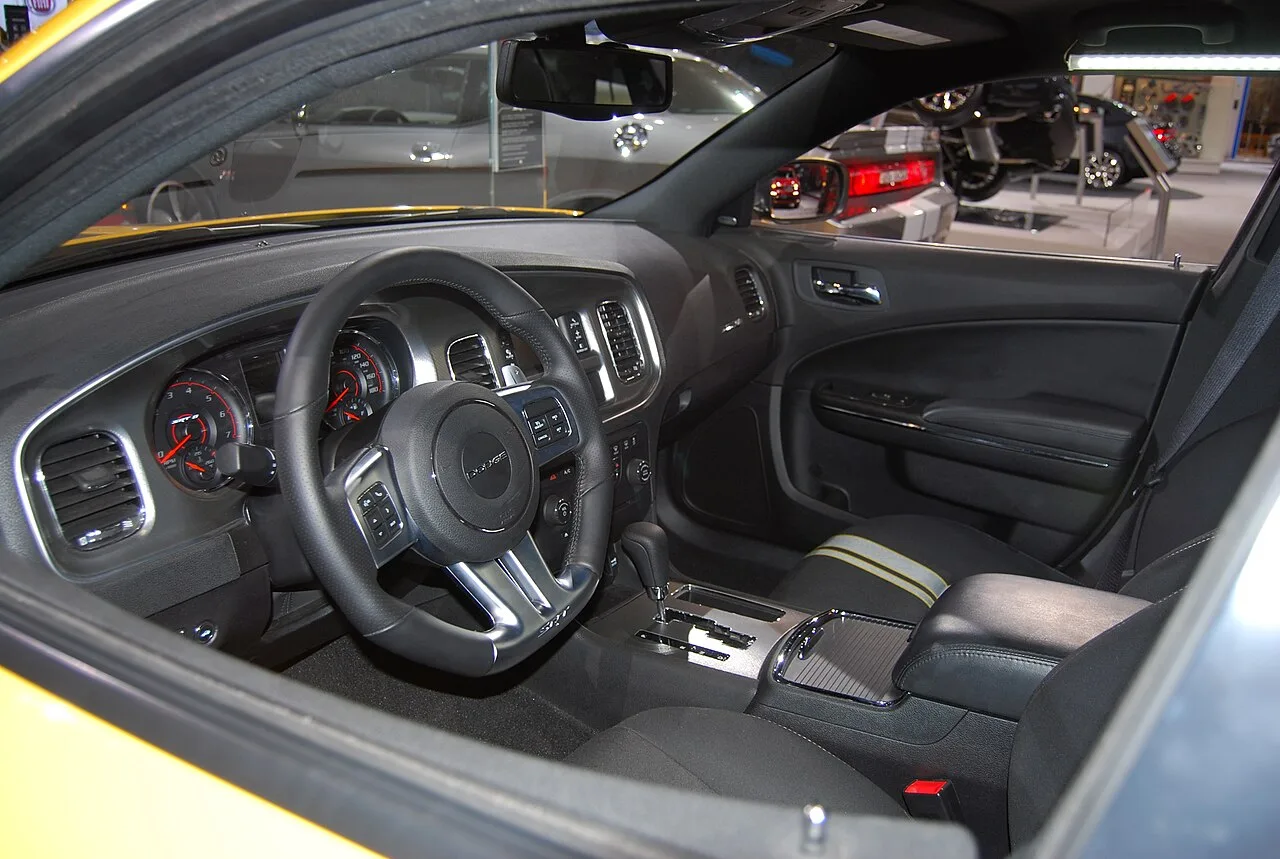
Strip away the badges and this Charger SRT8 is mechanically identical to the Chrysler 300 SRT8 — same hardware, very different attitude.
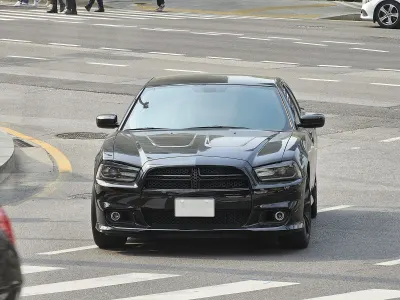
Dodge's wildest factory option: the 2022 'Jailbreak Edition' let buyers customize an 807-hp Hellcat Redeye Charger straight from the factory, as if breaking it free of a standard build sheet.
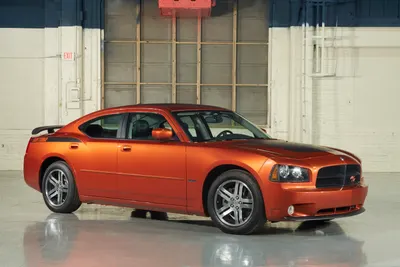
Under the muscle-car styling sat Mercedes hardware: parts derived from the W211 E-Class and S-Class, down to the 5-speed automatic and the rear differential.
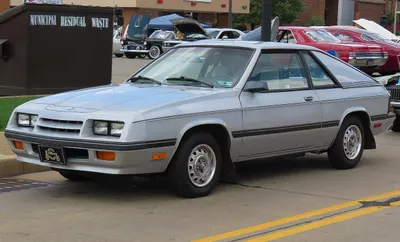
Carroll Shelby's GLHS was so thoroughly his own that Dodge badging was banned from it entirely — the five-door GLH Omni still wore a Dodge nameplate, but the GLHS wore none.
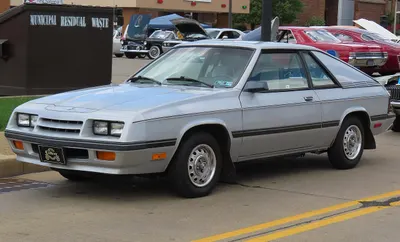
Carroll Shelby's take on the Charger skipped the usual horsepower chase — he went after suspension and styling instead of a bigger engine.
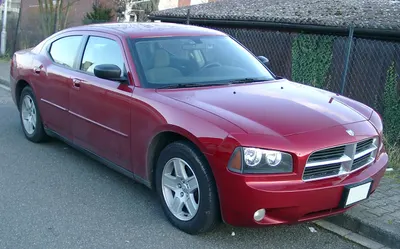
Carroll Shelby himself got his hands on this front-wheel-drive Charger in 1983, reworking it into the Dodge Shelby Charger sold through Dodge dealers.
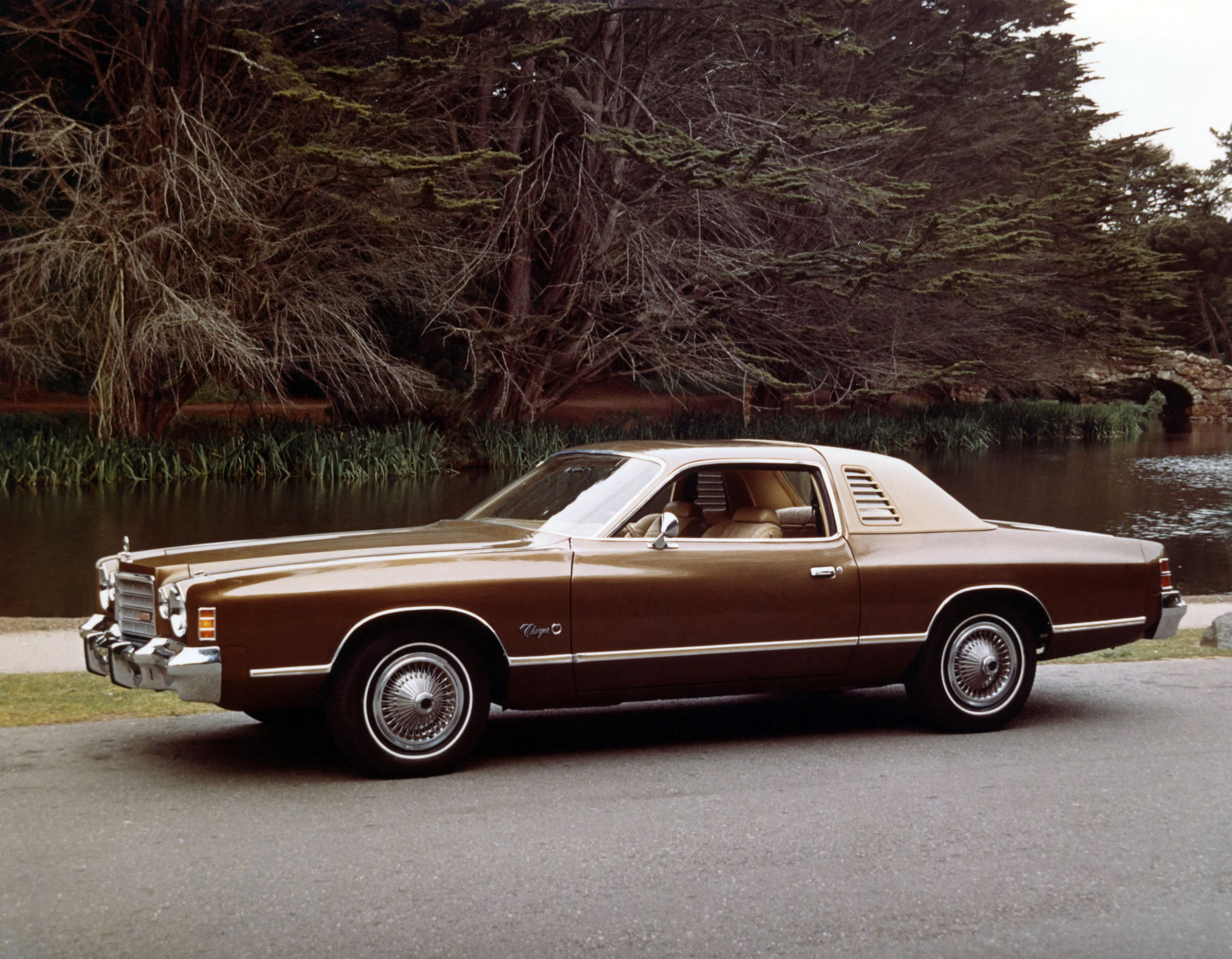
NASCAR teams judged this Charger's new slab sides so unaerodynamic they raced 1974 bodywork into January 1978 instead.
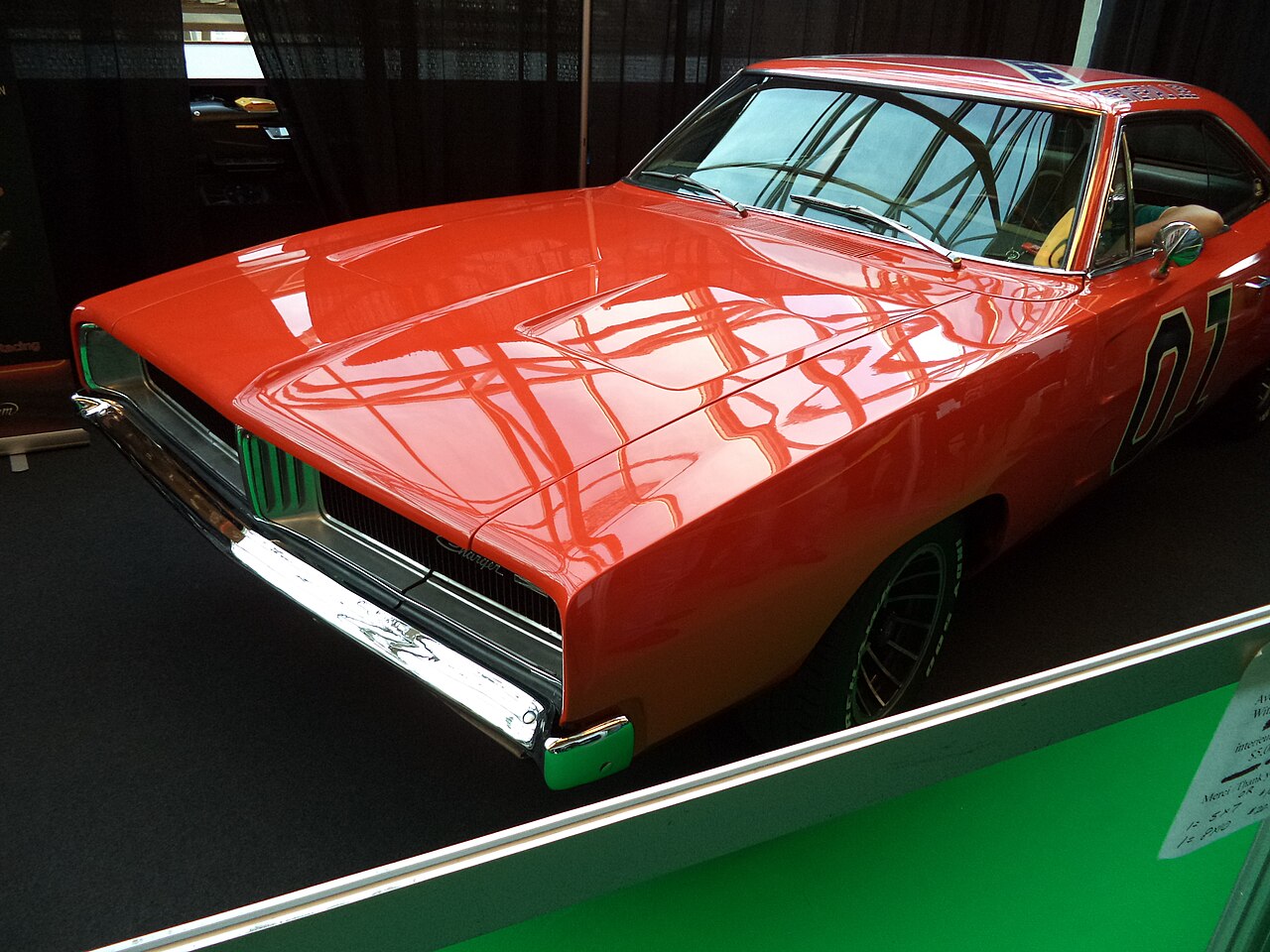
The 1968 redesign was styled by Richard Sias under Elwood Engel, and its recessed grille and flying-buttress roofline were penned specifically to outperform the Ford Torino and Mercury Cyclone on NASCAR superspeedways.
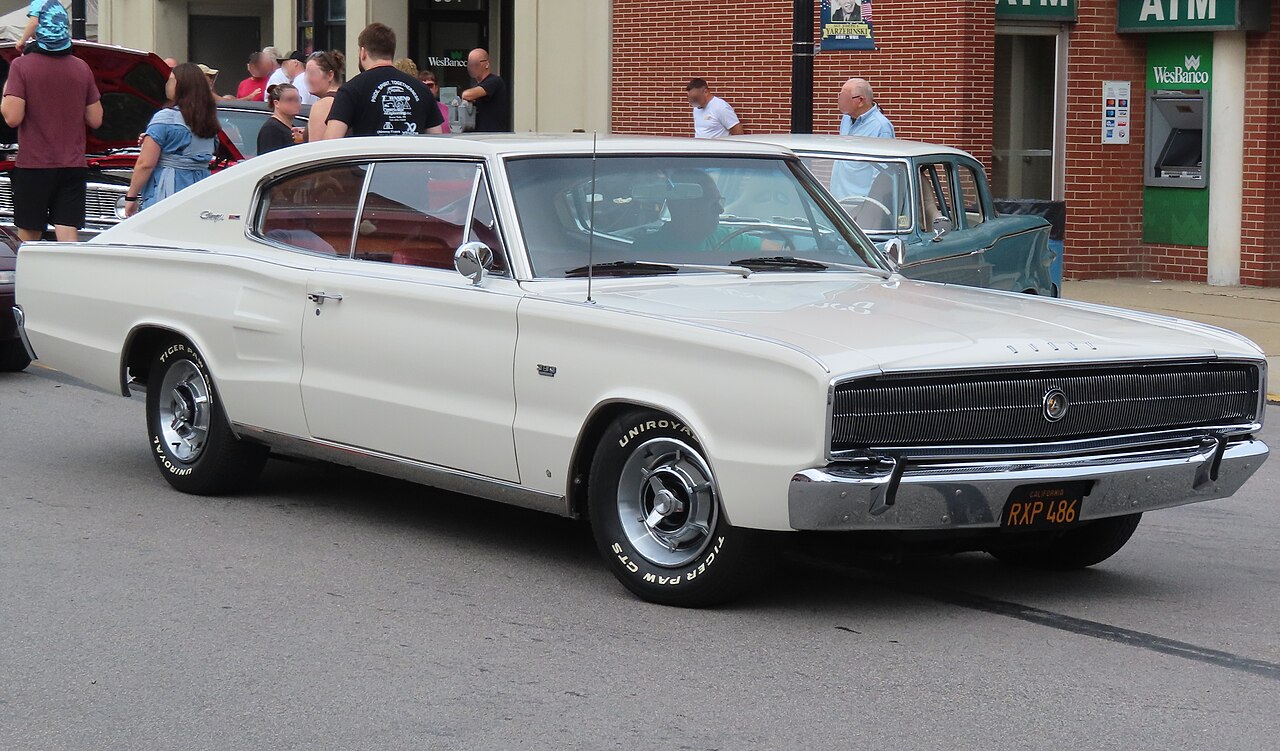
The 1966 Charger's rear taillights were fed by a single long strip hidden behind the full-width lens, lit by the reversing bulb doubling as backup light only on one side per federal rules of the day.
Rivals
Same body, same money, other badges — tap any card to flip.

It briefly served as senior sibling to Marquette, a GM companion brand cancelled after just one year.

Nissan hired former BMW engineers to help develop the 510's suspension, which is why period reviewers frequently compared its handling to the BMW 1600/2002.

A Trabant 601 won its class at the 1970 Monte Carlo Rally, with a second 601 right behind it in second.

The 600 was a stopgap: the P50's body over the 601's mechanicals, and for a while its estate was built alongside the new 601 saloon.

The G80 Sport brought a 370 PS twin-turbo 3.3 V6, a mesh grille and copper-tinted chrome with copper stitching to match.

The Vigor was sold only with a five-cylinder engine, an unusual configuration Honda used to fit a longer engine transversely under a short hood.

The GS/E coupe earned the nickname "German Charger" for its long hood, short deck stance borrowed from Detroit muscle cars.

This DeVille/Fleetwood was the first production car anywhere to mount its V8 sideways, Cadillac's front-drive gamble on the new C-body.