Dodge Charger
Every Dodge Charger generation in the Burbles catalogue — complete specs, rarity tiers, interactive 3D cards, and the collectors who have spotted them on the street.
- Lineage Span
- 1966–present 10 generations · 56 published trims
- Power Evolution
- 62 → 470 hp Base lead-trim output across eras
- Catalogue Rarity
- 2 Legendary 2 Legendary · 4 Epic · 4 Rare/Common
All 10 Dodge Charger Generations
Each generation deals in its rarity tier’s alloy with its engine disc, lead specs, and first spotter record. Click into any generation for full trims and market figures.
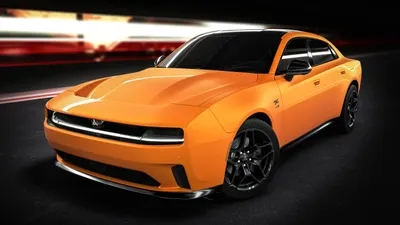
The electric concept's Fratzonic exhaust pushed sound through an amplifier and a rear tuning chamber at up to 126 dB, as loud as a Hellcat Dodge.
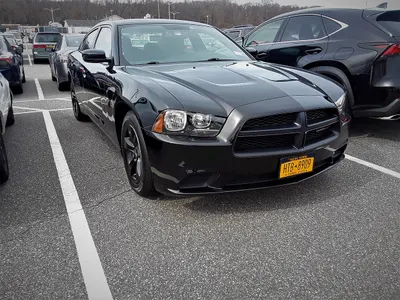
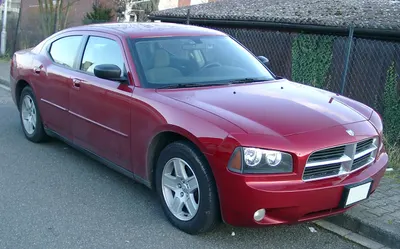
Strip away the badges and this Charger SRT8 is mechanically identical to the Chrysler 300 SRT8 — same hardware, very different attitude.
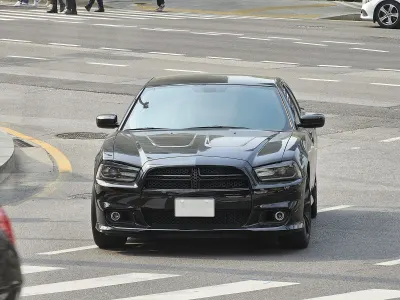
Dodge's wildest factory option: the 2022 'Jailbreak Edition' let buyers customize an 807-hp Hellcat Redeye Charger straight from the factory, as if breaking it free of a standard build sheet.
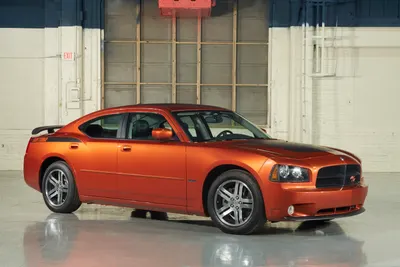
Under the muscle-car styling sat Mercedes hardware: parts derived from the W211 E-Class and S-Class, down to the 5-speed automatic and the rear differential.
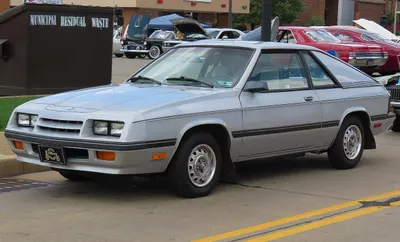
Carroll Shelby's GLHS was so thoroughly his own that Dodge badging was banned from it entirely — the five-door GLH Omni still wore a Dodge nameplate, but the GLHS wore none.
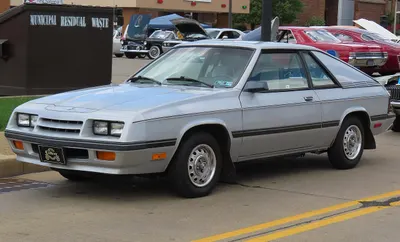
Carroll Shelby's take on the Charger skipped the usual horsepower chase — he went after suspension and styling instead of a bigger engine.
Carroll Shelby himself got his hands on this front-wheel-drive Charger in 1983, reworking it into the Dodge Shelby Charger sold through Dodge dealers.
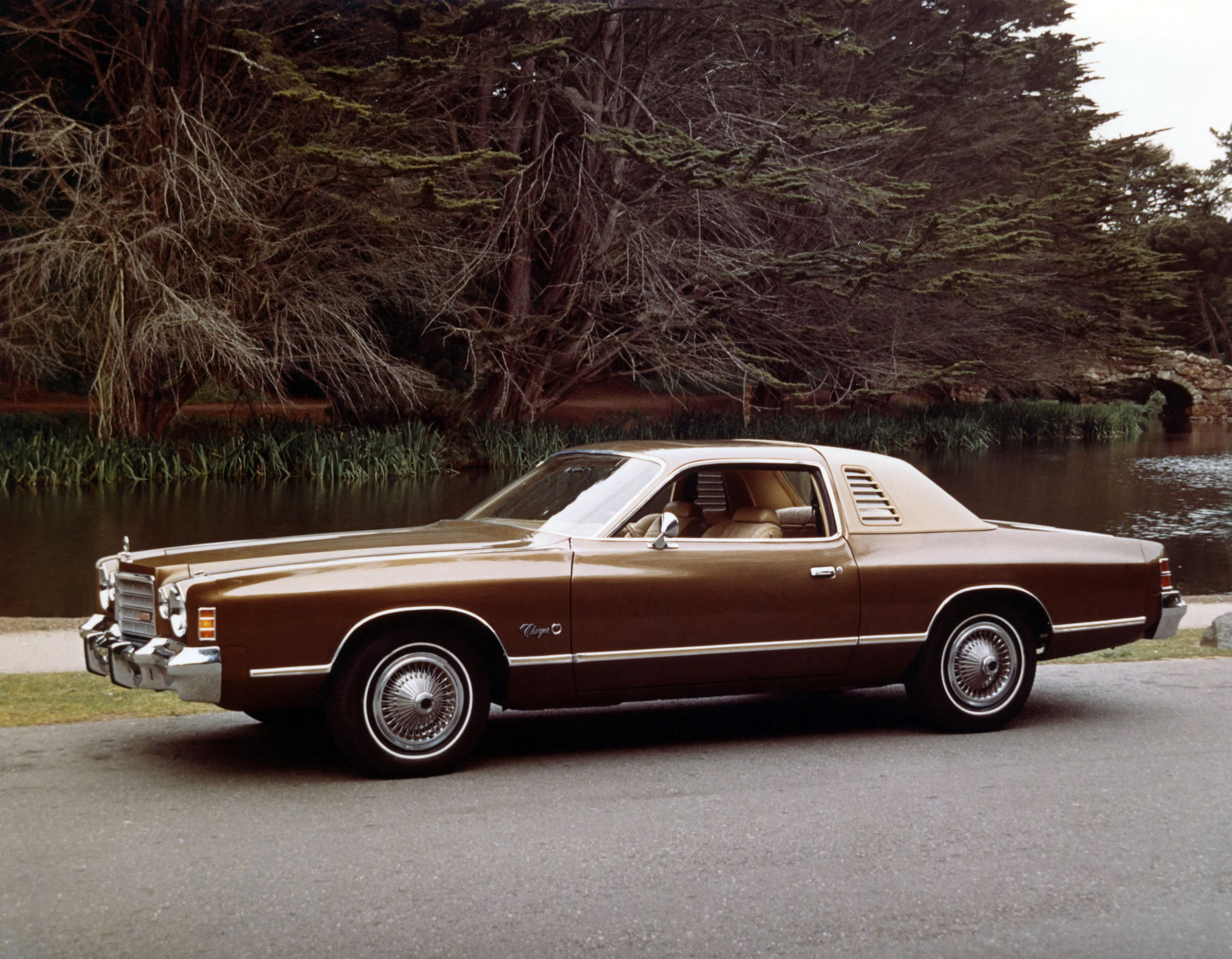
NASCAR teams judged this Charger's new slab sides so unaerodynamic they raced 1974 bodywork into January 1978 instead.
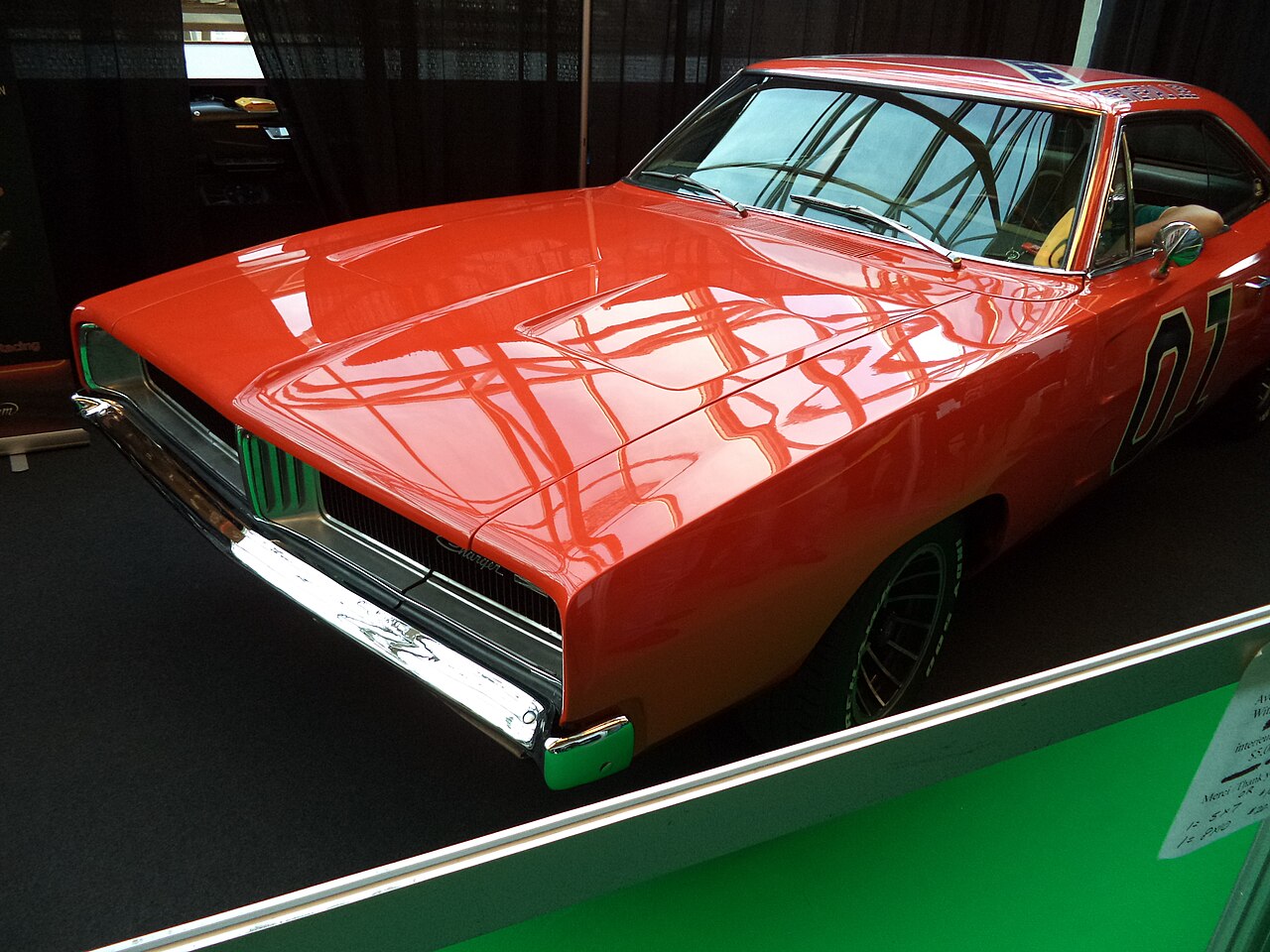
The 1968 redesign was styled by Richard Sias under Elwood Engel, and its recessed grille and flying-buttress roofline were penned specifically to outperform the Ford Torino and Mercury Cyclone on NASCAR superspeedways.
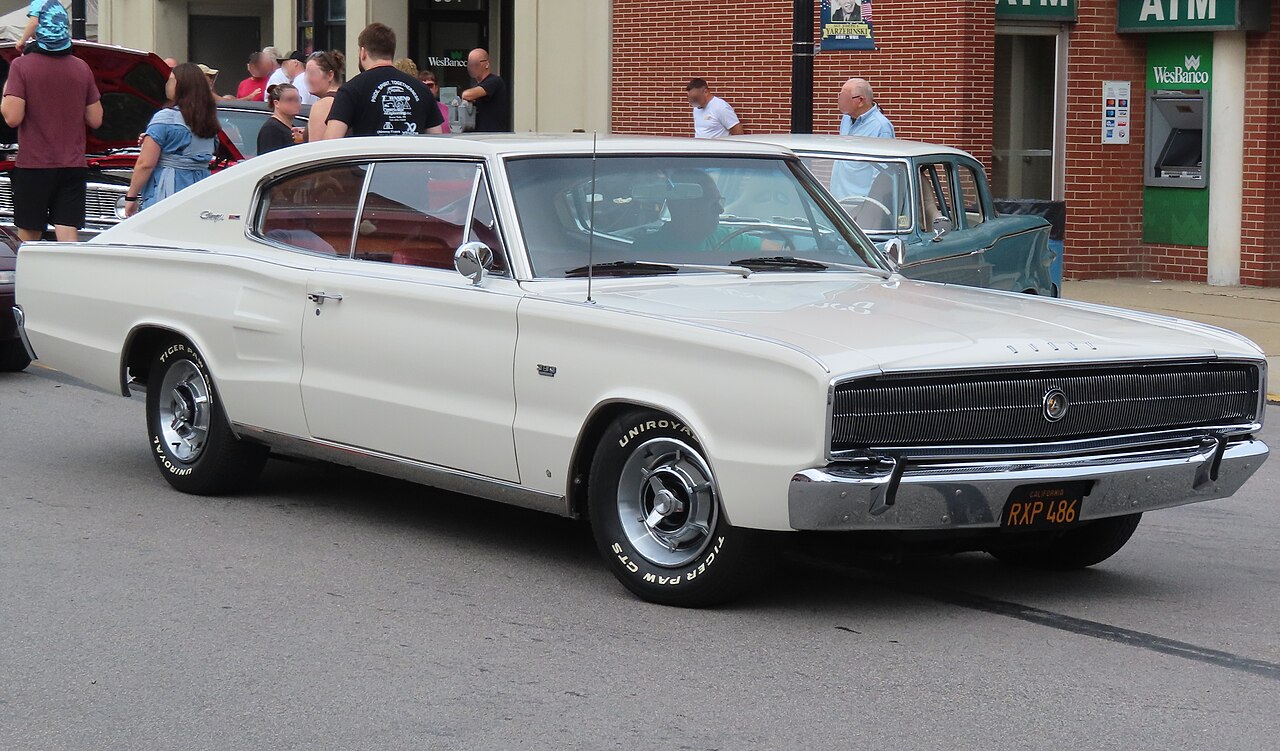
The 1966 Charger's rear taillights were fed by a single long strip hidden behind the full-width lens, lit by the reversing bulb doubling as backup light only on one side per federal rules of the day.
Collectors Who Spotted the Dodge Charger
No member has published a public street spot of the Dodge Charger yet — the First · Worldwide stamp is wide open.
Dodge Charger Generation-by-Generation Comparison
Lead figures across every published generation, newest to oldest. Select any generation to inspect all trims and engine options.
| Generation | Years | Tier & Rarity | Engine | Power & Torque | 0–60 mph | Weight | Trims | First Spotter |
|---|---|---|---|---|---|---|---|---|
| LB ChargerLB | 2024–present | Uncommon | 3.0L I6 | — | — | — | 14 trims → | Unclaimed |
| Charger SRT (LD)LD Charger SRT | 2012–2023 | Uncommon | 6.4L I8 | 470 hp · 470 lb-ft | — | — | 6 trims → | Unclaimed |
| LD ChargerLD | 2011–2023 | Common | 3.6L V6 | 292 hp · 260 lb-ft | — | — | 9 trims → | Unclaimed |
| LX ChargerLX | 2006–2010 | Uncommon | 6.1L I8 | — | — | — | 8 trims → | Unclaimed |
| Shelby GLHS (1987) | 1987–1987 | Legendary1,000 built | 2.2L I4 | 175 hp · 175 lb-ft | — | — | 1 trim → | Unclaimed |
| Shelby Charger (1983–1987) | 1983–1987 | Epic | 2.2L I4 | 107 hp | — | — | 4 trims → | Unclaimed |
| Charger L-body (1982–1983)L-body | 1982–1983 | Epic | 1.6L I4 | 62 hp · 85 lb-ft | — | — | 2 trims → | Unclaimed |
| Charger fourth generation (1975–1978)B-body | 1975–1978 | Epic | 5.2L V8 | — | — | — | 3 trims → | Unclaimed |
| Second-generation Charger | 1968–1970 | Epic | 6.3L V8 | 290 hp · 390 lb-ft | — | — | 5 trims → | Unclaimed |
| First-generation Charger | 1966–1967 | Legendary | 5.2L V8 | 230 hp · 340 lb-ft | — | — | 4 trims → | Unclaimed |
See a Dodge Charger on the street, point Burbles at it, and that generation’s card goes in your binder with your own photo and serial number. Own one? Add it to your garage in the app.