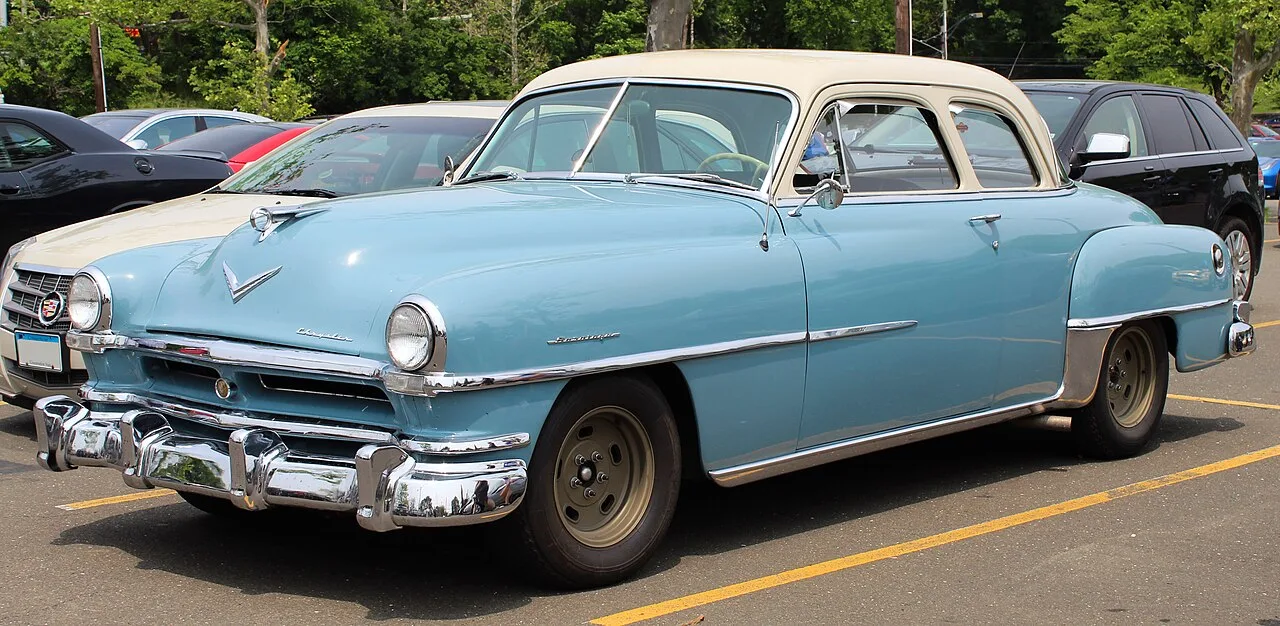
Paired with Chrysler's new Hemi V8, the 1951 Saratoga's shorter, lighter body made it quicker than the Oldsmobile Rocket 88 — the performance benchmark of its day.
Lead trim: Saratoga 331 FirePower Hemi V8 (180 hp)
Chrysler SaratogaC-46K · 1949–1952
- 0spots by members
- Unclaimednobody has spotted one yet
- 0sets it belongs to
Nobody in Burbles has spotted a Chrysler Saratoga yet. See one on the street, point the app at it, and the first card is yours — with your @handle permanently credited on this page.
FactPaired with Chrysler's new Hemi V8, the 1951 Saratoga's shorter, lighter body made it quicker than the Oldsmobile Rocket 88 — the performance benchmark of its day.
When the fully redesigned 1949 "Second Series" Chryslers bowed in mid-season the Saratoga was again limited to a four-door sedan and two-door club coupé, sharing the 131.5 in wheelbase and the 323.5 cu in (5.3 L) Straight-8 of the New Yorker and reintroduced Imperial (1949 production 2,275, average price US$2,461); the Presto-Matic semi-automatic was now called Prestomatic. For 1951 the Saratoga used Chrysler's famed 331 cu in (5.4 L) FirePower Hemi V8 (it introduced it in 1951), with power drum brakes standard on V8s, Hydraguide power steering as an industry first and the Fluid Torque Drive torque converter as options; the engine powered the Cunningham C-2R at the 1951 24 Hours of Le Mans, and the 1951–52 two-door Club Coupés, the lightest bodies, with the 180-horsepower Hemi were used in road racing and stock car racing (a Saratoga driven by Bill Sterling came third behind two Ferraris in the 1951 La Carrera Panamericana, and Carl Kiekhaefer's Mercury Marine raced a pair in 1951 and 1952). That combination put the Hemi Saratoga in the performance league of the Olds Rocket 88 but quicker; 1951 was a great year with 34,806 built (an eight-passenger sedan on a 139.5 in wheelbase and a wagon were added), production fell to 17,401 for 1952 because of the Korean War (plus 1,300 built in Canada, the first eight-cylinder Chryslers from Windsor since 1937) with pot metal trim painted silver. The Saratoga was discontinued for 1953, its sports luxury duties passing to the New Yorker and then the 1955 Chrysler 300. Engines: 323.5 cu in Spitfire I8 and 331 cu in FirePower V8; wheelbase 131.5 in and 125.5 in, length 211.75 in (1949–1950) and 213.25 in (1951–1952), width 75.12 in.
Collectors Spotted in the Chrysler Saratoga Lineage
No member has published a public street spot of the Chrysler Saratoga yet — the First · Worldwide stamp is wide open.
Trims & Figures
2 published trims in the catalogue. A blank is a figure not recorded, not zero.
| Trim | Years | Engine | Power | Torque | 0–60 | Drive | Gearbox | MSRP |
|---|---|---|---|---|---|---|---|---|
| Saratoga 323.5 Spitfire I8 | 1949–1950 | 5.3 L Inline-8 | — | — | — | RWD | — | — |
| Saratoga 331 FirePower Hemi V8 (180 hp) | 1951–1952 | 5.4 L V8 | 180 hp | 312 lb-ft | — | RWD | — | — |
Owning one
We don’t estimate running costs for a car like this. What it costs depends on its condition, its specialist and how it is driven, and an average would mislead.
Owners’ builds
Nobody has claimed one yet.
Photographs
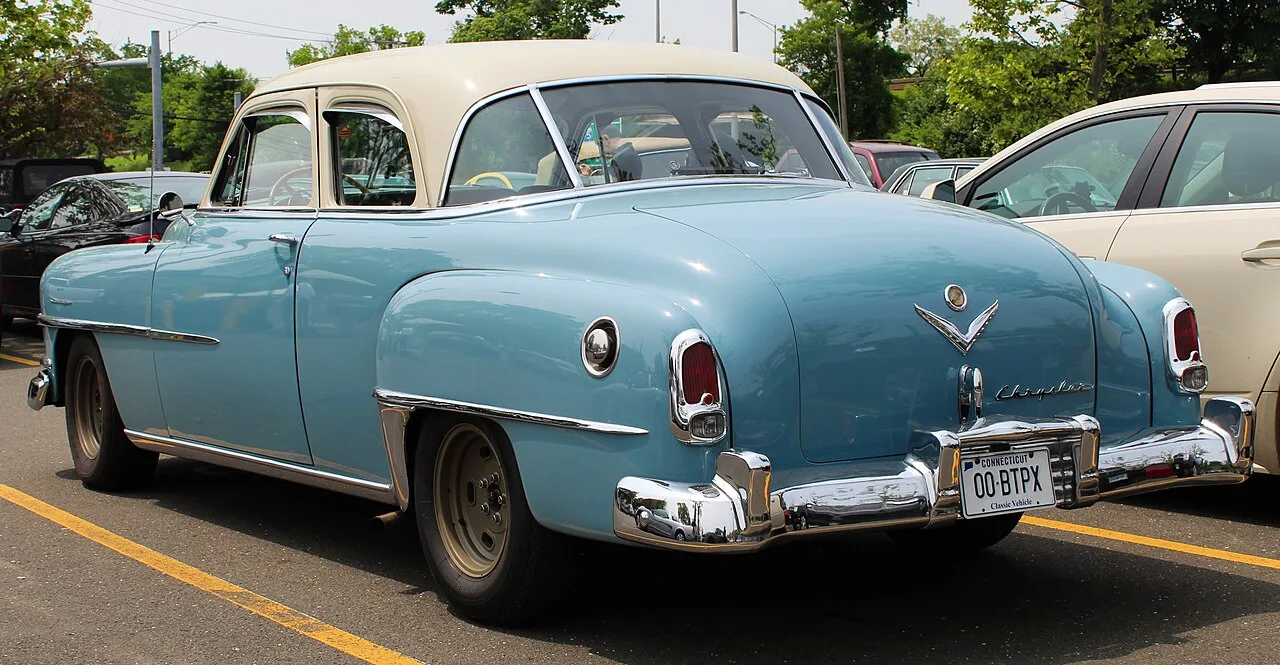
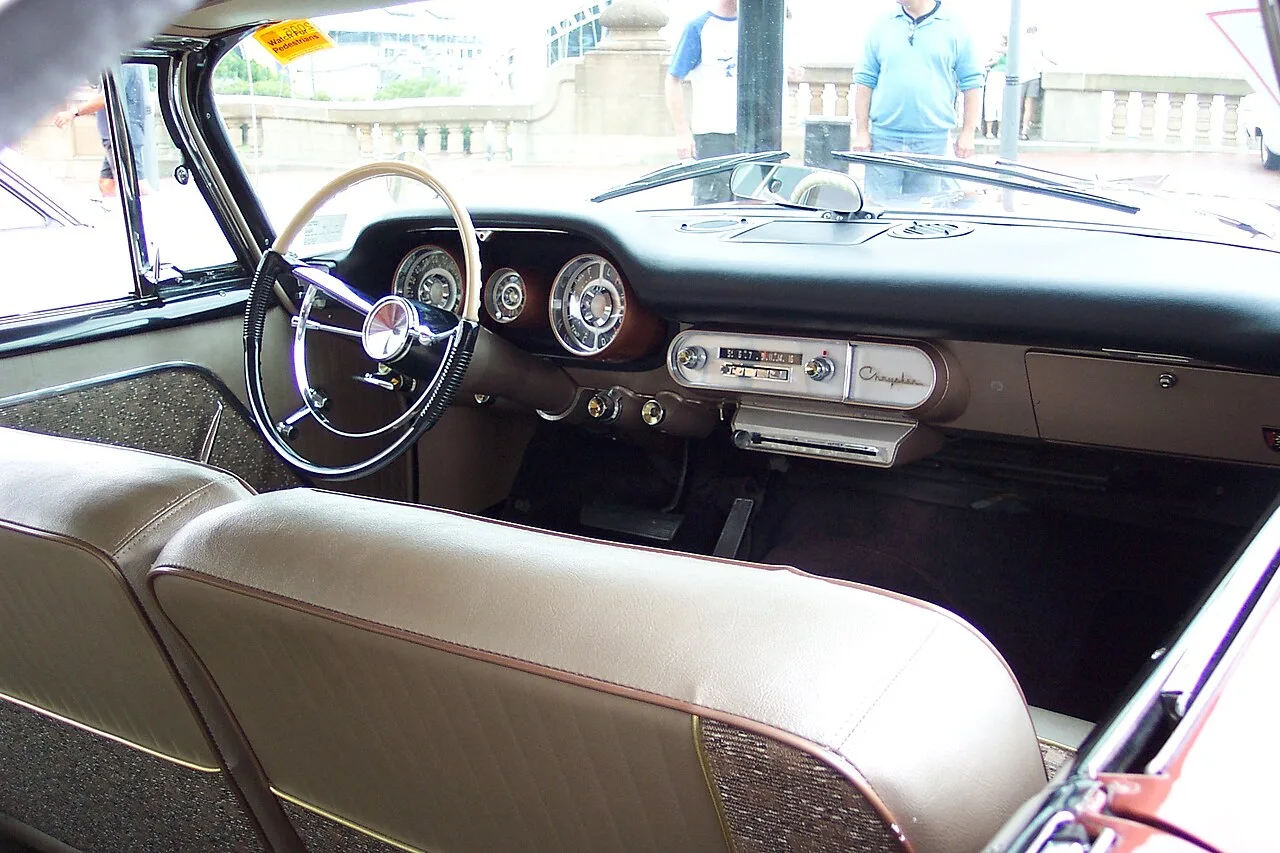
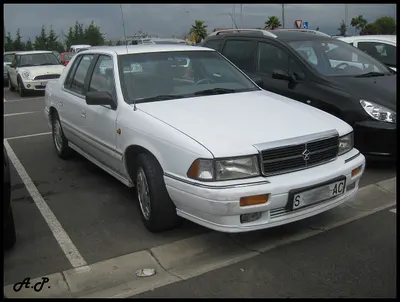
Europe's Saratoga was no simple badge job: global safety rules forced Chrysler to redesign its headlamps, lights, glass, mirrors, seat belts and even the instrument cluster for export.
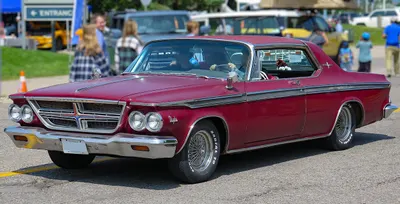
After Chrysler killed the Saratoga name in the US, Canada kept it alive — the '61 Canadian Saratoga was really just a US Windsor wearing Saratoga badges.
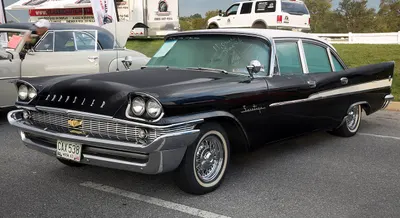
For 1957-58, what Americans bought as the Saratoga, Canadians bought as the Windsor — while the actual American Windsor wasn't sold in Canada at all.
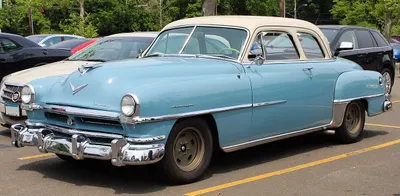
Paired with Chrysler's new Hemi V8, the 1951 Saratoga's shorter, lighter body made it quicker than the Oldsmobile Rocket 88 — the performance benchmark of its day.
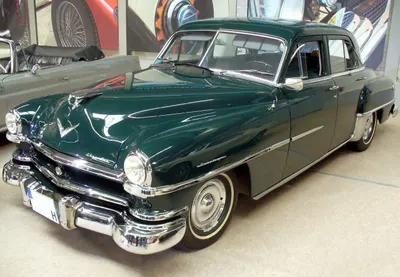
Postwar material shortages meant Chrysler couldn't get real whitewall tires for the Saratoga, so it faked the look with chrome 'beauty rings' on the wheels instead.
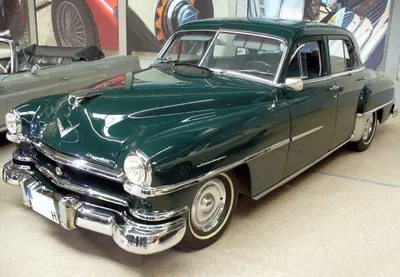
Despite the humbler name, the original Saratoga actually launched priced above both the Imperial and the New Yorker in Chrysler's own lineup.
Rivals
Same body, same money, other badges — tap any card to flip.

It briefly served as senior sibling to Marquette, a GM companion brand cancelled after just one year.

Nissan hired former BMW engineers to help develop the 510's suspension, which is why period reviewers frequently compared its handling to the BMW 1600/2002.

A Trabant 601 won its class at the 1970 Monte Carlo Rally, with a second 601 right behind it in second.

The 600 was a stopgap: the P50's body over the 601's mechanicals, and for a while its estate was built alongside the new 601 saloon.

The G80 Sport brought a 370 PS twin-turbo 3.3 V6, a mesh grille and copper-tinted chrome with copper stitching to match.

The Vigor was sold only with a five-cylinder engine, an unusual configuration Honda used to fit a longer engine transversely under a short hood.

The GS/E coupe earned the nickname "German Charger" for its long hood, short deck stance borrowed from Detroit muscle cars.

This DeVille/Fleetwood was the first production car anywhere to mount its V8 sideways, Cadillac's front-drive gamble on the new C-body.