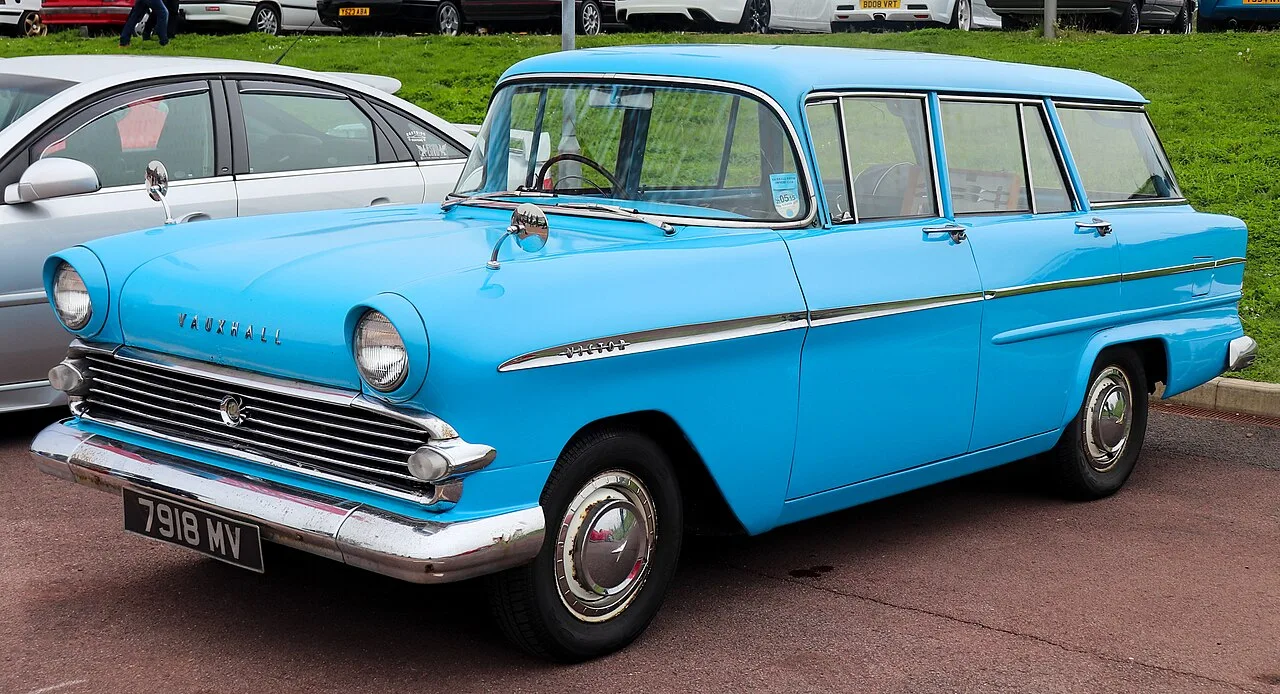
Vauxhall built the original Victor's body directly off the 1955 Chevrolet Bel Air, right down to the forward-sloping windscreen pillars.
Median 95 hp across 244 similar cars
Lead trim: 1.5 OHV
Vauxhall Victor F1957–1961
- 0spots by members
- Unclaimednobody has spotted one yet
- 0sets it belongs to
Nobody in Burbles has spotted a Vauxhall Victor F yet. See one on the street, point the app at it, and the first card is yours — with your @handle permanently credited on this page.
FactVauxhall built the original Victor's body directly off the 1955 Chevrolet Bel Air, right down to the forward-sloping windscreen pillars.
The original Victor, launched on 28 February 1957, was coded the F series and saw a production run of more than 390,000 units. The car was of unitary construction and featured a large glass area with a heavily curved windscreen and rear window; following American styling trends then current, the A-pillars sloped forwards, and the body style was derived directly from the classic 1955 Chevrolet Bel Air. Bench seats were fitted front and rear and the Super model had extra chrome trim, with remnants of the signature Vauxhall bonnet flutes. It was designed to compete with the Ford Consul Mk2, Austin A55 Cambridge and Morris Oxford Series III, and it used a 1.5-litre overhead-valve four-cylinder with a 3-speed manual.
Collectors Spotted in the Vauxhall Victor Lineage
No member has published a public street spot of the Vauxhall Victor yet — the First · Worldwide stamp is wide open.
Trims & Figures
One published trim in the catalogue. A blank is a figure not recorded, not zero.
| Trim | Years | Engine | Power | Torque | 0–60 | Drive | Gearbox | MSRP |
|---|---|---|---|---|---|---|---|---|
| 1.5 OHV | 1957–1961 | 1.5 L Inline-4 | 55 hp | — | — | — | — | — |
Owning one
We don’t estimate running costs for a car like this. What it costs depends on its condition, its specialist and how it is driven, and an average would mislead.
Owners’ builds
Nobody has claimed one yet.
Photographs
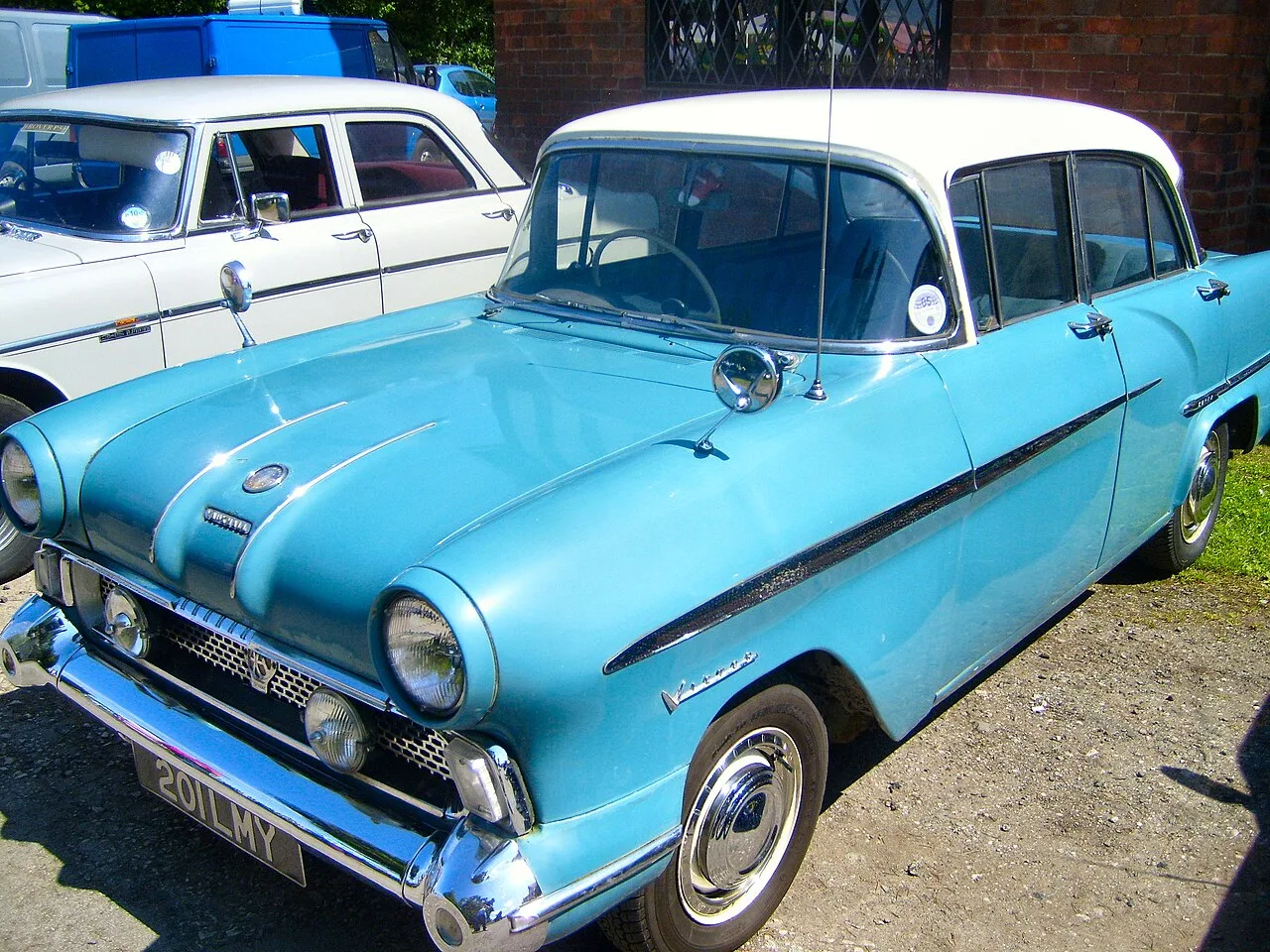
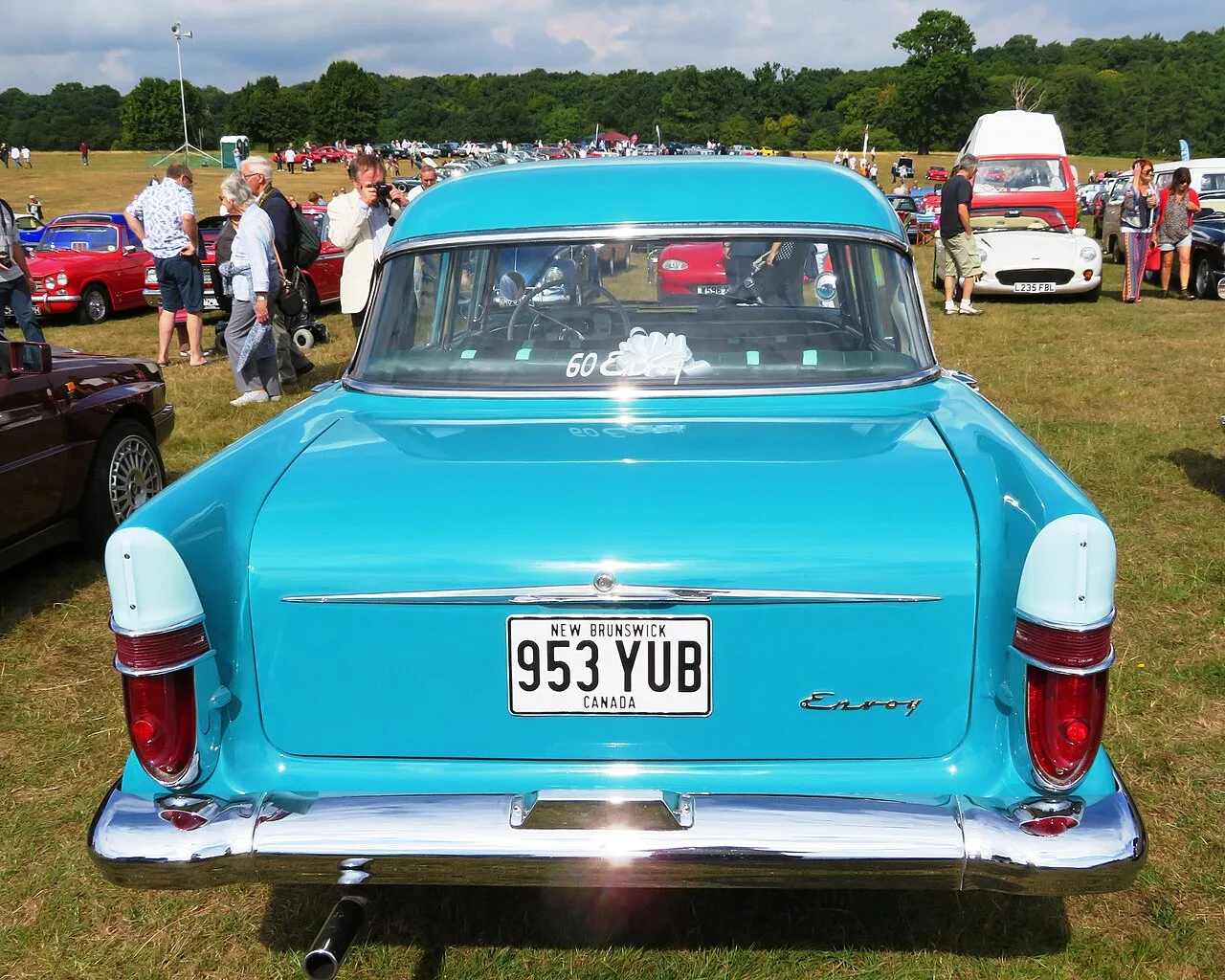
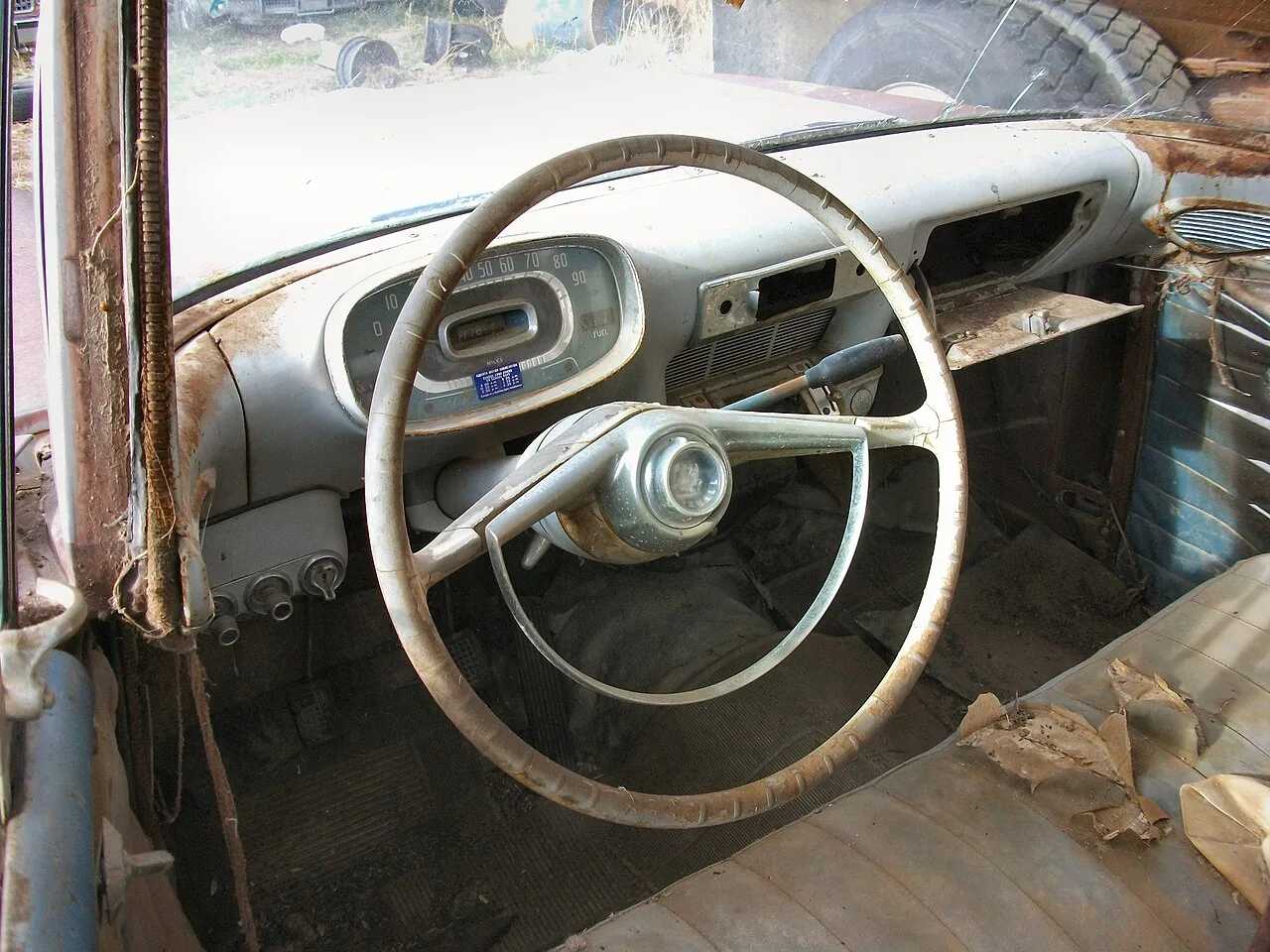
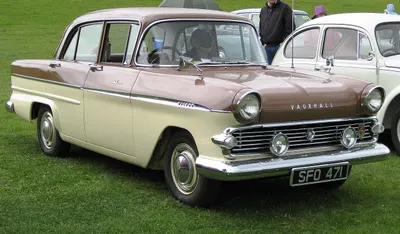
The FE looked much bigger than the FD it replaced but grew just 2 inches, the extra room coming from cleverer packaging.
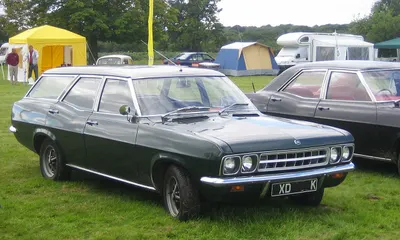
The FD's windscreen was bonded in, not rubber-sealed, a first for a mass-produced car years before it became standard practice.
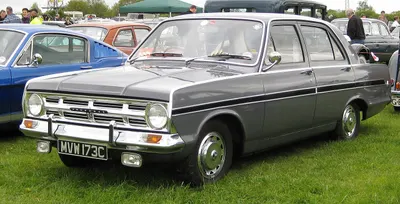
Vauxhall sold the FC's downgrade as an upgrade, badging it Victor 101 for a claimed 101 improvements over the FB.
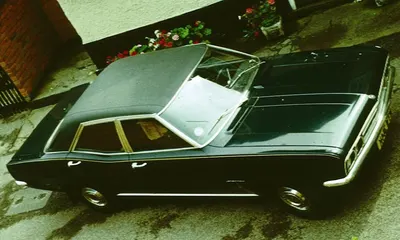
Vauxhall gave up on America after the FB: Pontiac, Oldsmobile and Buick launched home-grown compacts and US sales stopped after 1961.
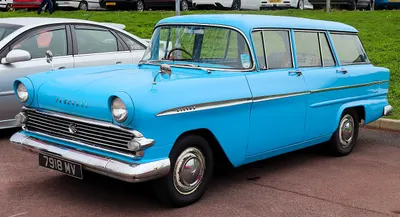
Vauxhall built the original Victor's body directly off the 1955 Chevrolet Bel Air, right down to the forward-sloping windscreen pillars.
Rivals
Same body, same money, other badges — tap any card to flip.

It briefly served as senior sibling to Marquette, a GM companion brand cancelled after just one year.

Nissan hired former BMW engineers to help develop the 510's suspension, which is why period reviewers frequently compared its handling to the BMW 1600/2002.

A Trabant 601 won its class at the 1970 Monte Carlo Rally, with a second 601 right behind it in second.

The 600 was a stopgap: the P50's body over the 601's mechanicals, and for a while its estate was built alongside the new 601 saloon.

The G80 Sport brought a 370 PS twin-turbo 3.3 V6, a mesh grille and copper-tinted chrome with copper stitching to match.

The Vigor was sold only with a five-cylinder engine, an unusual configuration Honda used to fit a longer engine transversely under a short hood.

The GS/E coupe earned the nickname "German Charger" for its long hood, short deck stance borrowed from Detroit muscle cars.

This DeVille/Fleetwood was the first production car anywhere to mount its V8 sideways, Cadillac's front-drive gamble on the new C-body.