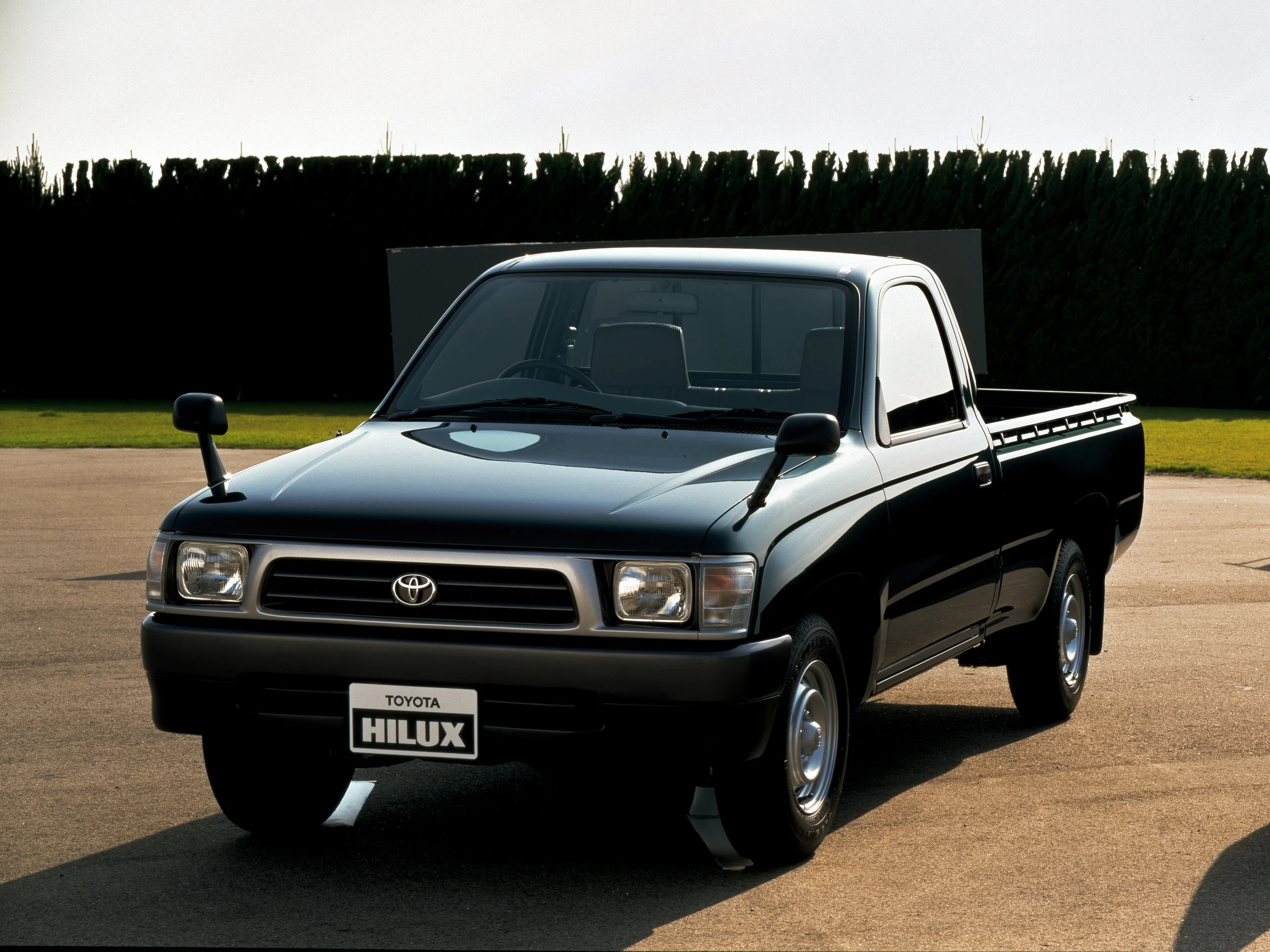
Thailand's Sport Rider SUV began as a four-door Hilux pickup and was converted into a wagon on arrival by Thai Auto Works.
Median 75 hp across 24 similar cars
Lead trim: 2.0 1RZ-E (109 hp, Japan) · up to 190 hp
Toyota Hilux N140 / N150 / N160 / N170 sixth generationN140/N150/N160/N170 · 1997–2006
- 0spots by members
- Unclaimednobody has spotted one yet
- 0sets it belongs to
Nobody in Burbles has spotted a Toyota Hilux N140 / N150 / N160 / N170 sixth generation yet. See one on the street, point the app at it, and the first card is yours — with your @handle permanently credited on this page.
FactThailand's Sport Rider SUV began as a four-door Hilux pickup and was converted into a wagon on arrival by Thai Auto Works.
The sixth-generation Hilux was introduced in late 1997 and was the first to offer the Xtracab body in Japan. It was powered mainly by RZ-series four-cylinder petrol engines alongside L-series diesels carried over from the previous generation, later joined by the 5L, 1KZ-TE and, for Europe, Thailand and Malaysia, the KD-series turbodiesels. A facelift in 2001 brought a rounder front end, the Prerunner package arrived, and Australian four-wheel-drive models gained a 3.4-litre V6 from 2002. Toyota stopped selling the Hilux in Japan in 2004, and this was the last generation built there, with export production moving to Thailand.
Collectors Spotted in the Toyota Hilux Lineage
No member has published a public street spot of the Toyota Hilux yet — the First · Worldwide stamp is wide open.
Trims & Figures
11 published trims in the catalogue. A blank is a figure not recorded, not zero.
| Trim | Years | Engine | Power | Torque | 0–60 | Drive | Gearbox | MSRP |
|---|---|---|---|---|---|---|---|---|
| 2.0 1RZ-E (109 hp, Japan) | 1997–2003 | 2.0 L Inline-4 | 109 hp | — | — | — | — | — |
| 2.4 2L diesel (74 hp) | 1997–2005 | 2.4 L Inline-4 | 74 hp | — | — | — | — | — |
| 2.4 2L-T turbodiesel (89 hp, Europe) | 1997–2001 | 2.4 L Inline-4 | 89 hp | — | — | — | — | — |
| 2.4 2RZ-FE (142 hp) | 1997–2005 | 2.4 L Inline-4 | 142 hp | — | — | — | — | — |
| 2.5 2KD-FTV D-4D (101 hp) | 2001–2005 | 2.5 L Inline-4 | 101 hp | — | — | — | — | — |
| 2.7 3RZ-FE (154 hp) | 1997–2005 | 2.7 L Inline-4 | 154 hp | — | — | — | — | — |
| 2.8 3L diesel (93 hp) | 1997–2005 | 2.8 L Inline-4 | 93 hp | — | — | — | — | — |
| 3.0 1KD-FTV D-4D (123 hp, Thailand) | 2002–2004 | 3.0 L Inline-4 | 123 hp | — | — | — | — | — |
| 3.0 1KZ-TE turbodiesel (114 hp) | 1999–2005 | 3.0 L Inline-4 | 114 hp | — | — | — | — | — |
| 3.0 5L diesel (90 hp) | 1997–2004 | 3.0 L Inline-4 | 90 hp | — | — | — | — | — |
| 3.4 5VZ-FE V6 (190 hp, Australia 4WD) | 2002–2004 | 3.4 L V6 | 190 hp | — | — | 4WD | — | — |
Owning one
We don’t estimate running costs for a car like this. What it costs depends on its condition, its specialist and how it is driven, and an average would mislead.
Owners’ builds
Nobody has claimed one yet.
In the Community
Open CommunityNo notes tagged with the Toyota Hilux N140 / N150 / N160 / N170 sixth generation yet.
Photographs
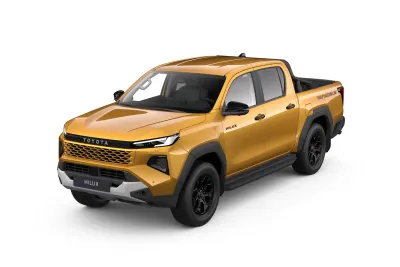
Toyota has announced a hydrogen fuel-cell version of this Hilux for 2028, following a battery-electric one in 2026.
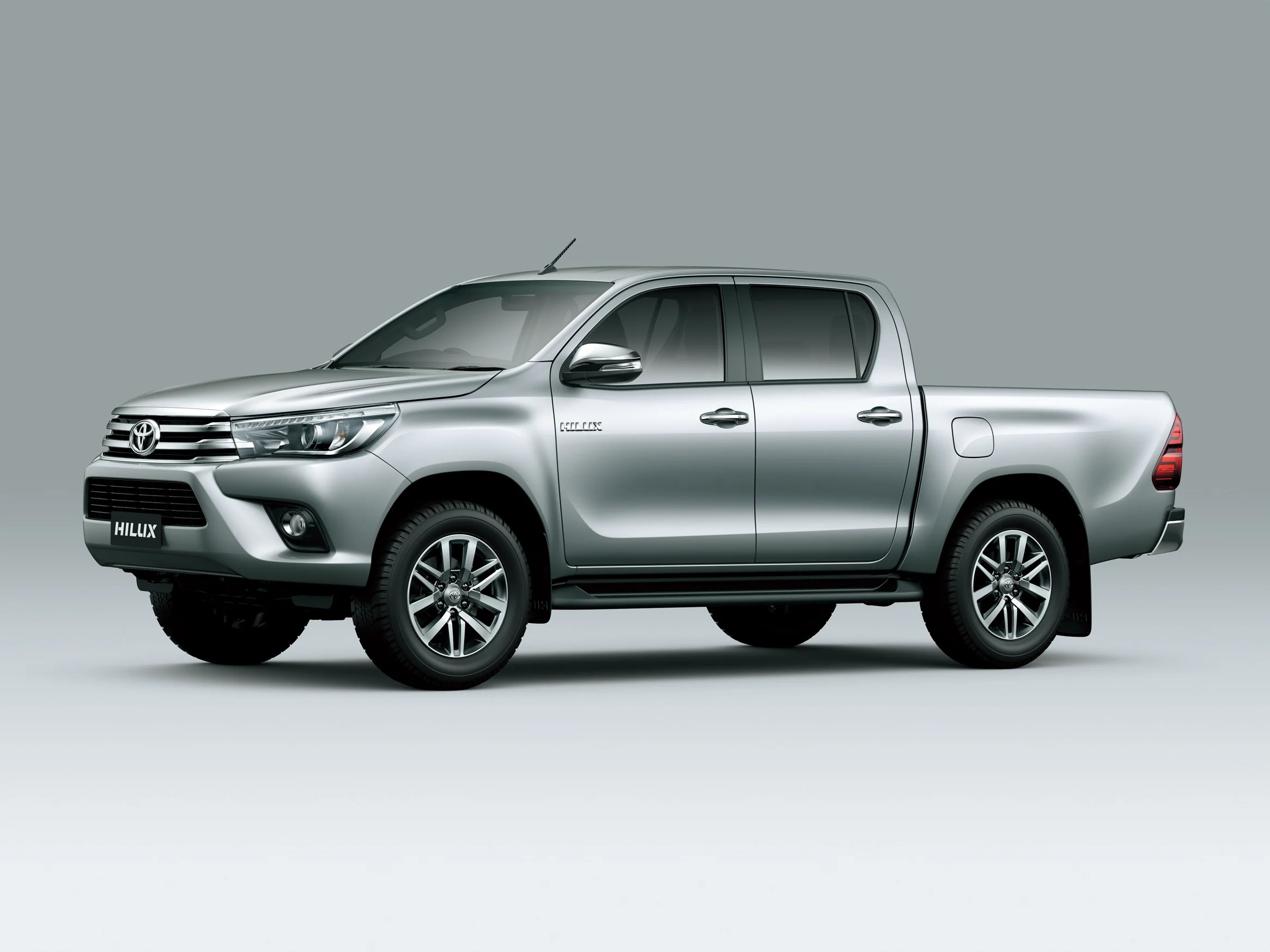
In 2017 the Hilux came home to Japan, its first sale there since Toyota stopped in 2004.
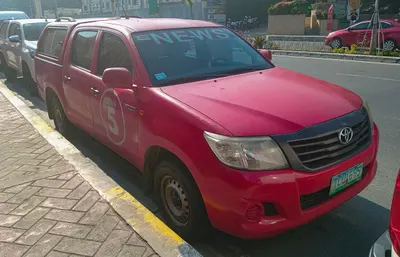
This Hilux broke a four-decade streak: it was the first generation ever not built in Japan, developed and launched out of Thailand instead, where it's sold under its own name, the Hilux Vigo.
Thailand's Sport Rider SUV began as a four-door Hilux pickup and was converted into a wagon on arrival by Thai Auto Works.
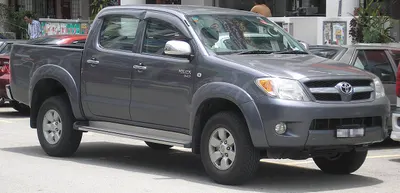
This Hilux outlived its own successor by a decade: Toyota moved on worldwide by 1988, but South Africa kept building this exact generation until 1998 because local content laws made that cheaper than retooling for the new model.
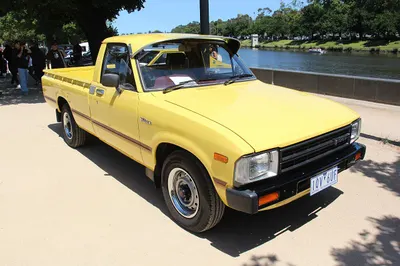
To crack the US SUV market, Toyota partnered with RV maker Winnebago on this Hilux — the resulting Trekker conversion helped pave the way to the 4Runner.
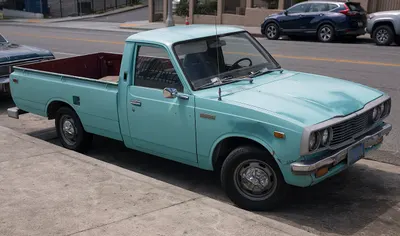
This Hilux generation had an unexpected second career: some North American coachbuilders turned it into the base for tiny Toyota motor-homes.
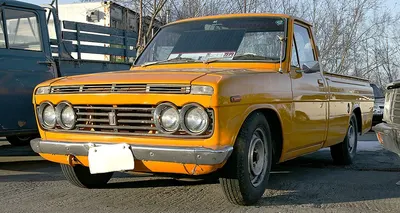
Toyota dodged America's steep truck tariff on the original Hilux with a loophole: ship only the cab and chassis, then bolt a US-built bed on afterward.
Rivals
Same body, same money, other badges — tap any card to flip.
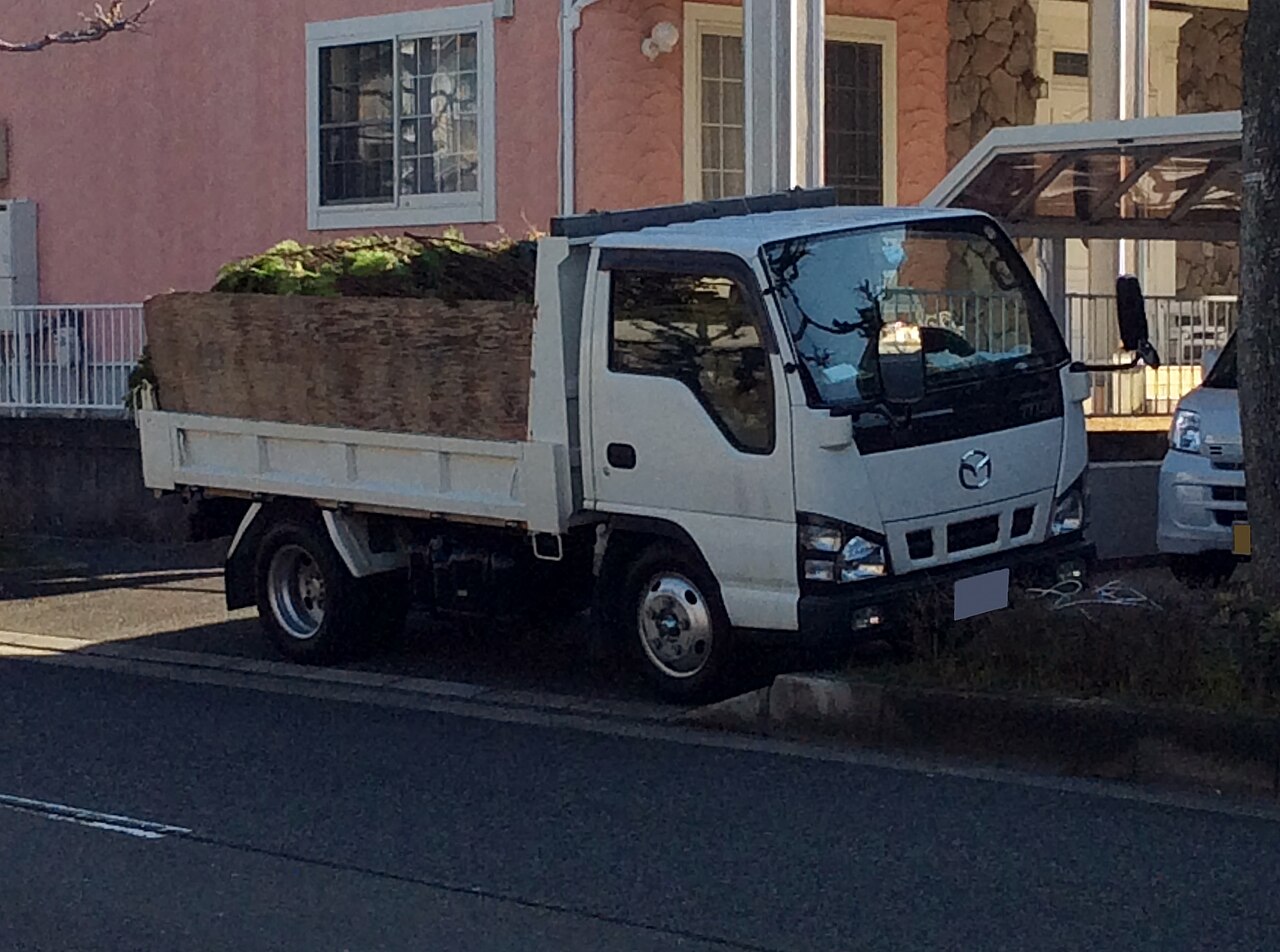
When Mazda's E2000 — the truck that became the Titan — launched in January 1964, the factory was tasked with building 1,900 of them a month.
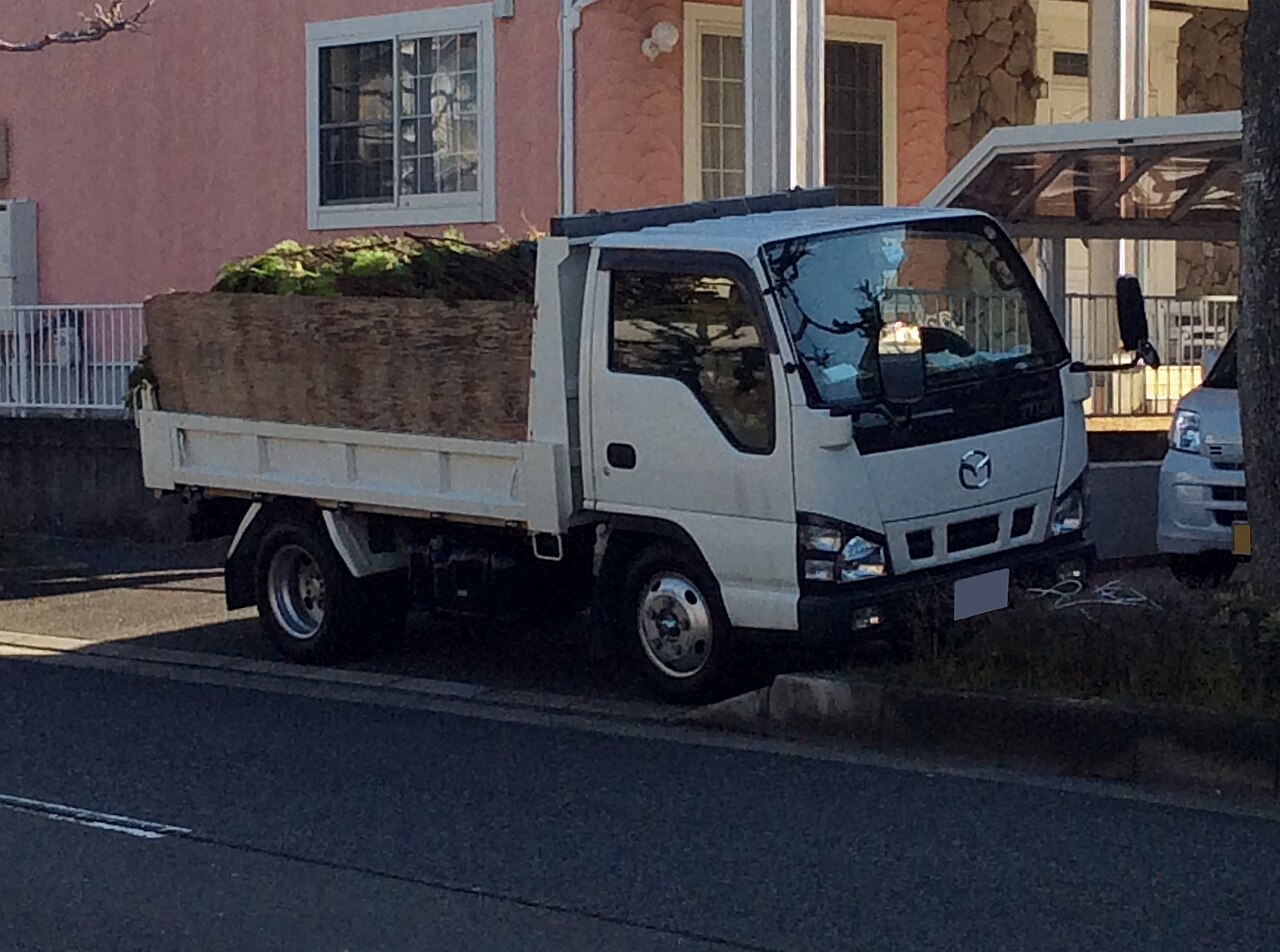
Swaraj Mazda built this truck under license in India from 1985, and the plant survived name changes all the way to SML Isuzu.
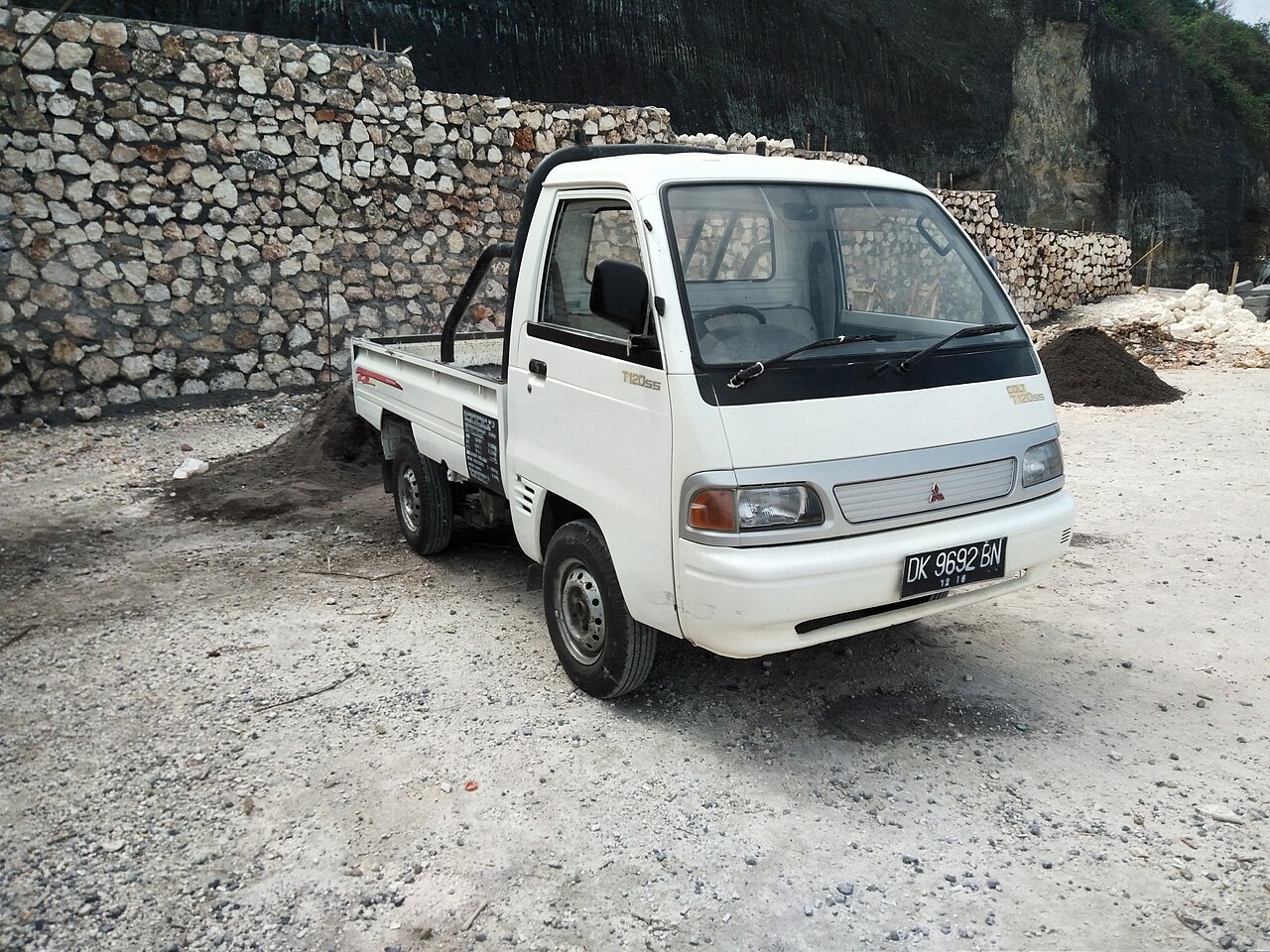
Indonesia built this pickup for 28 years with no successor, the last one leaving the Jakarta line in January 2019 after 324,960 units.
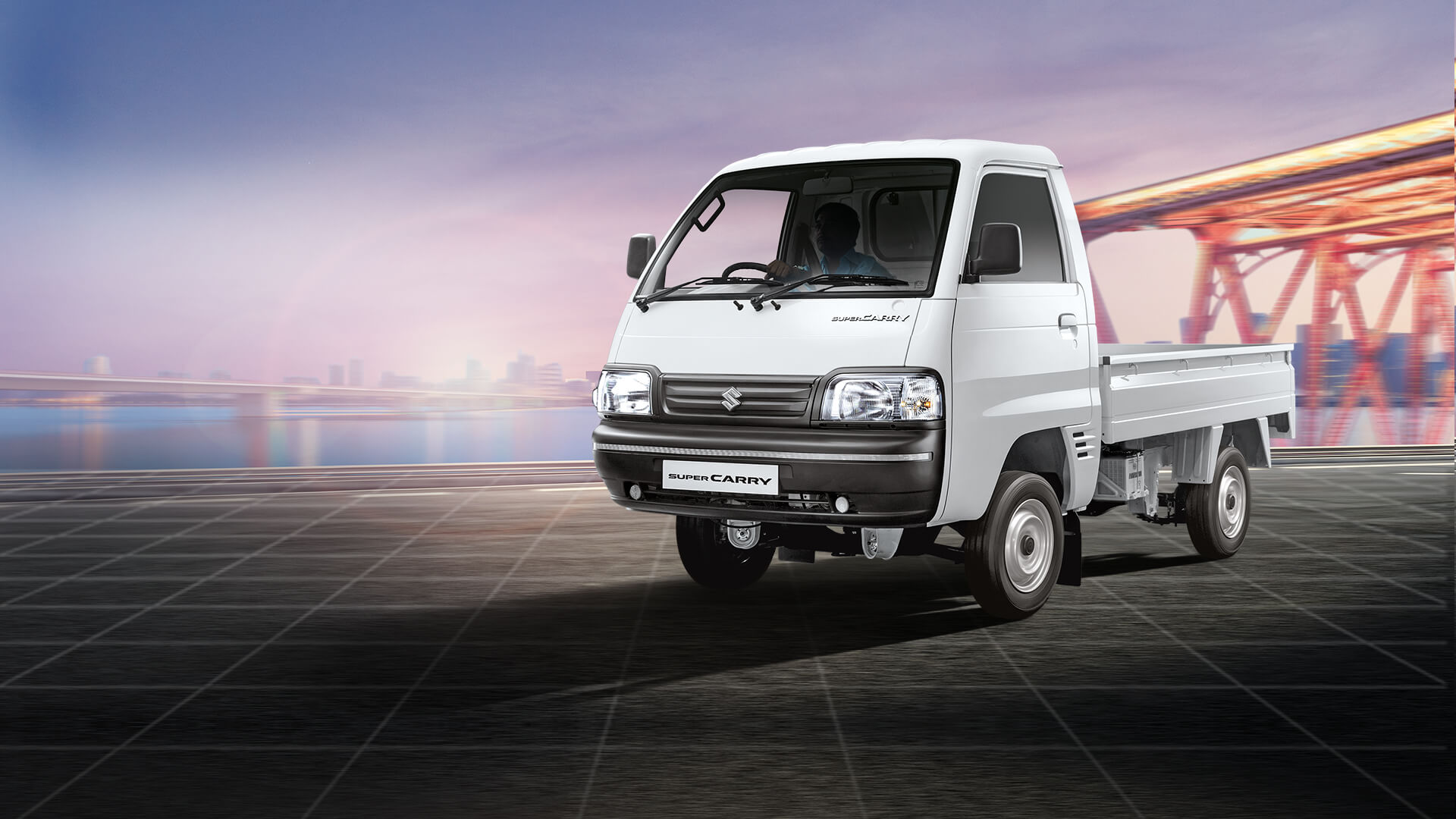
Suzuki's first-ever diesel engine, fitted to the Super Carry, is so small that it isn't able to power an air-conditioning system at all.
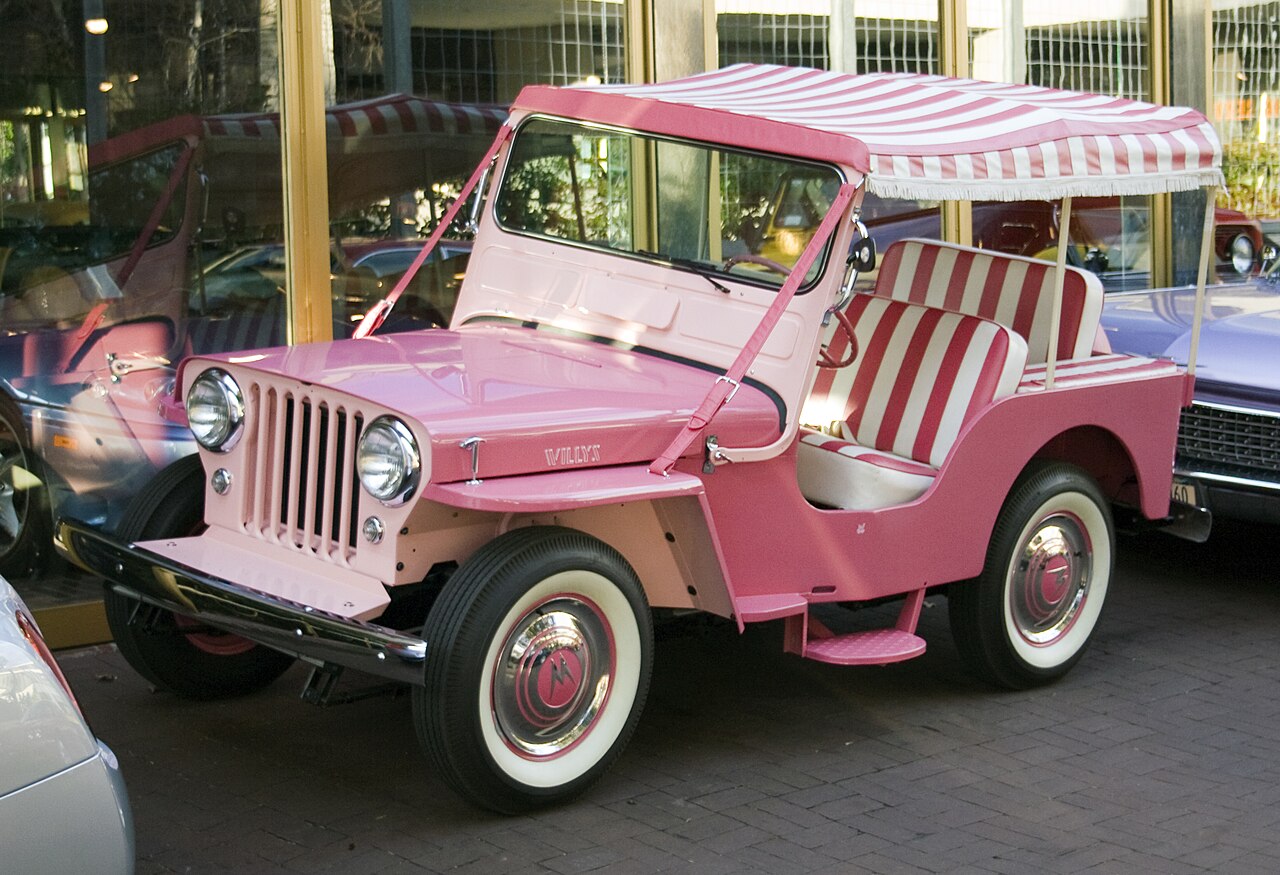
A right-hand-drive DJ-3A was built so postal drivers could reach roadside mailboxes without leaving the seat.
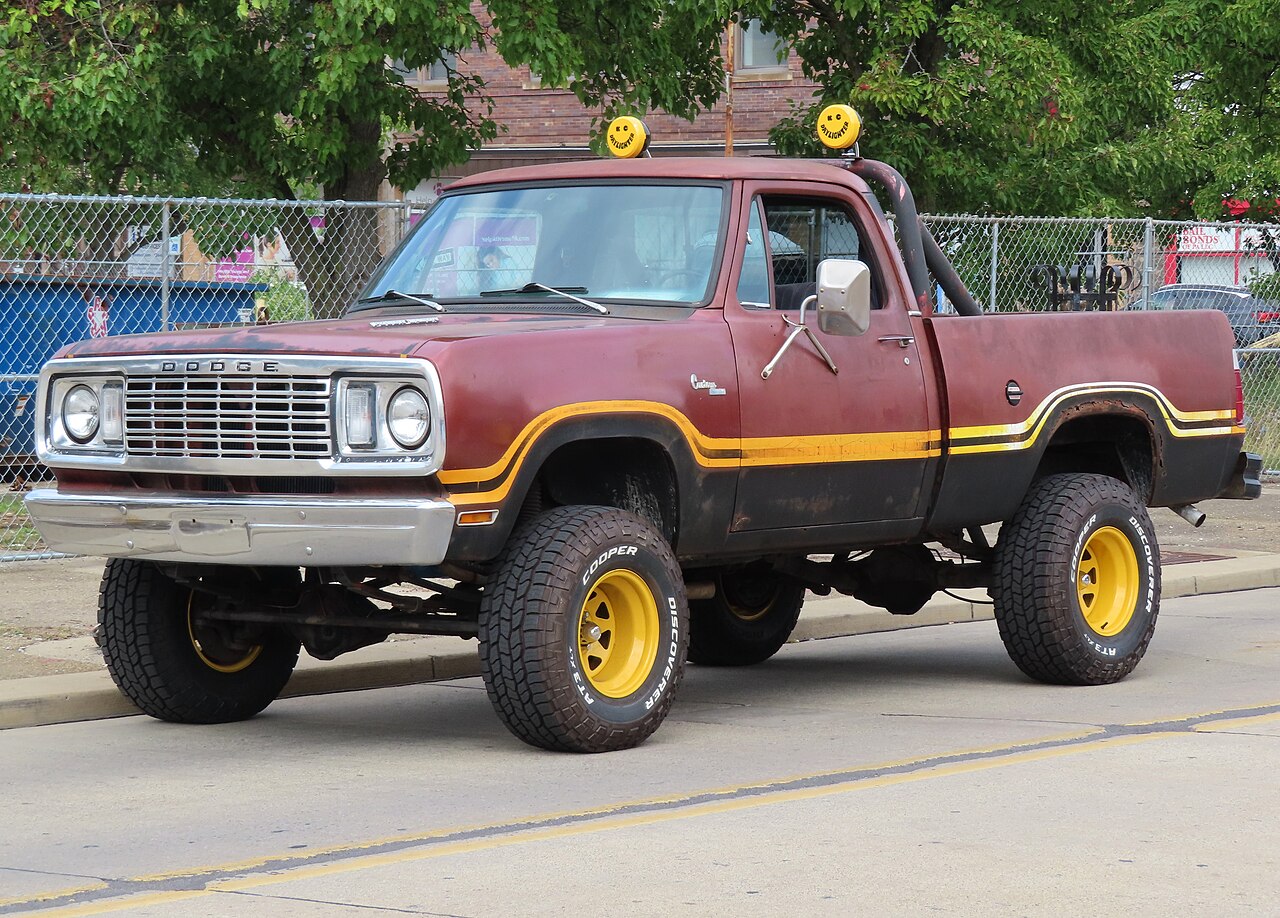
The Power Wagon name and civilian pickup design were derived directly from the WC-series military trucks Dodge built for World War II.
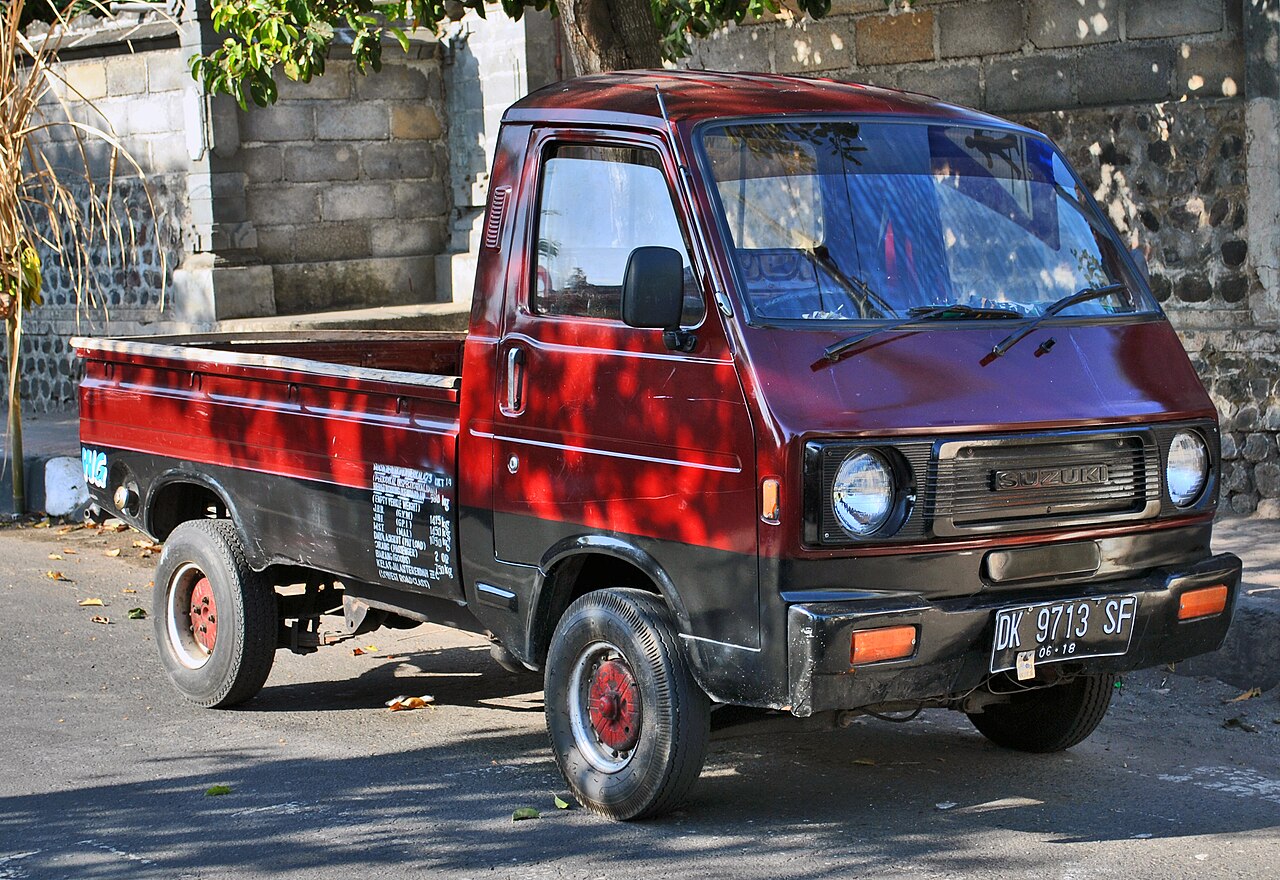
Suzuki kept the L20 Carry at the exact same 21 hp as its predecessor but still called it progress — the gain was a patented Cylinder Crank Injection lubrication system, not more power.
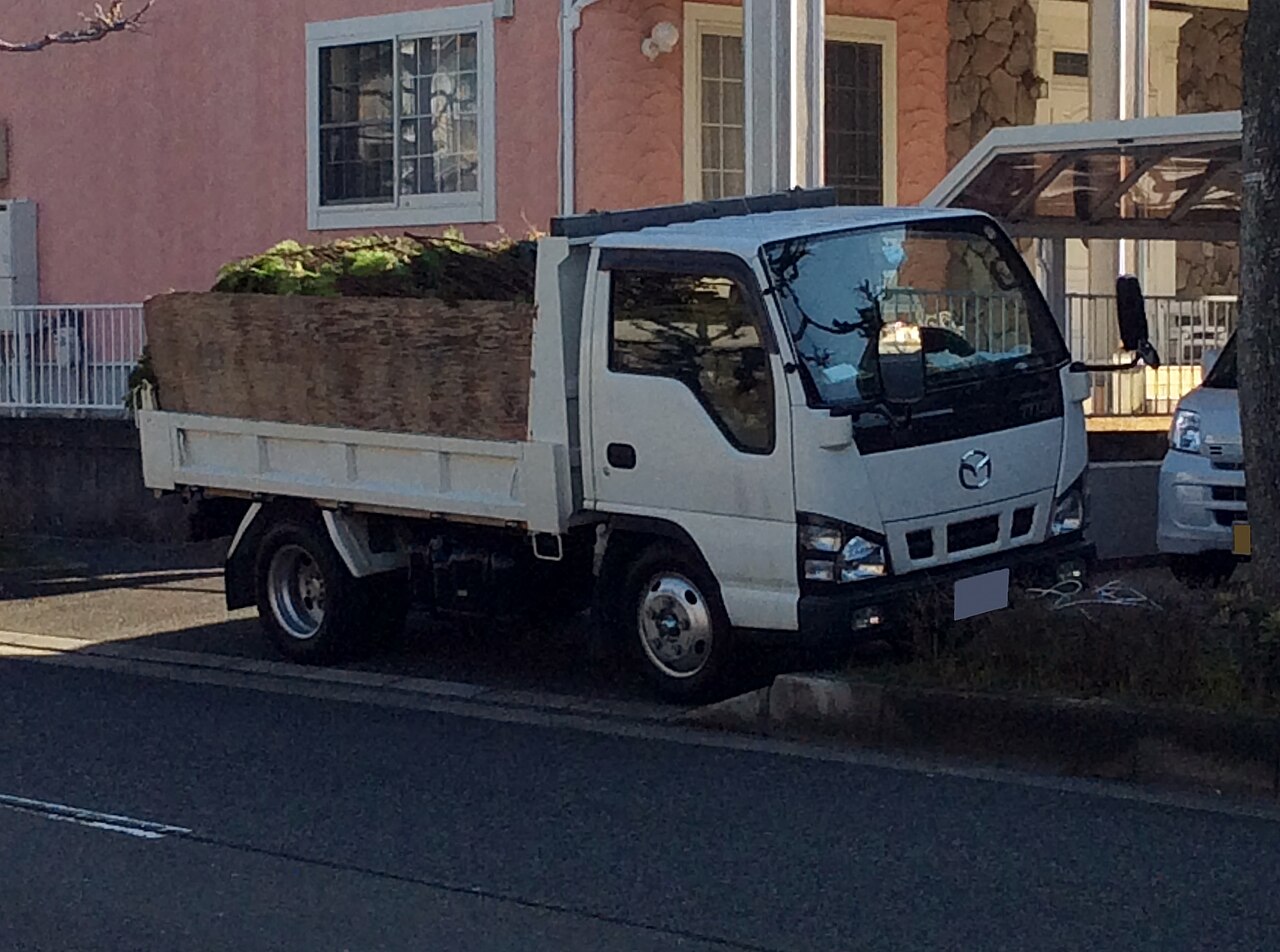
This generation of Titan quietly became the ancestor of two other trucks entirely: it was license-built by Kia as the Kia Titan in South Korea, and formed the basis of the Australian Ford Trader.