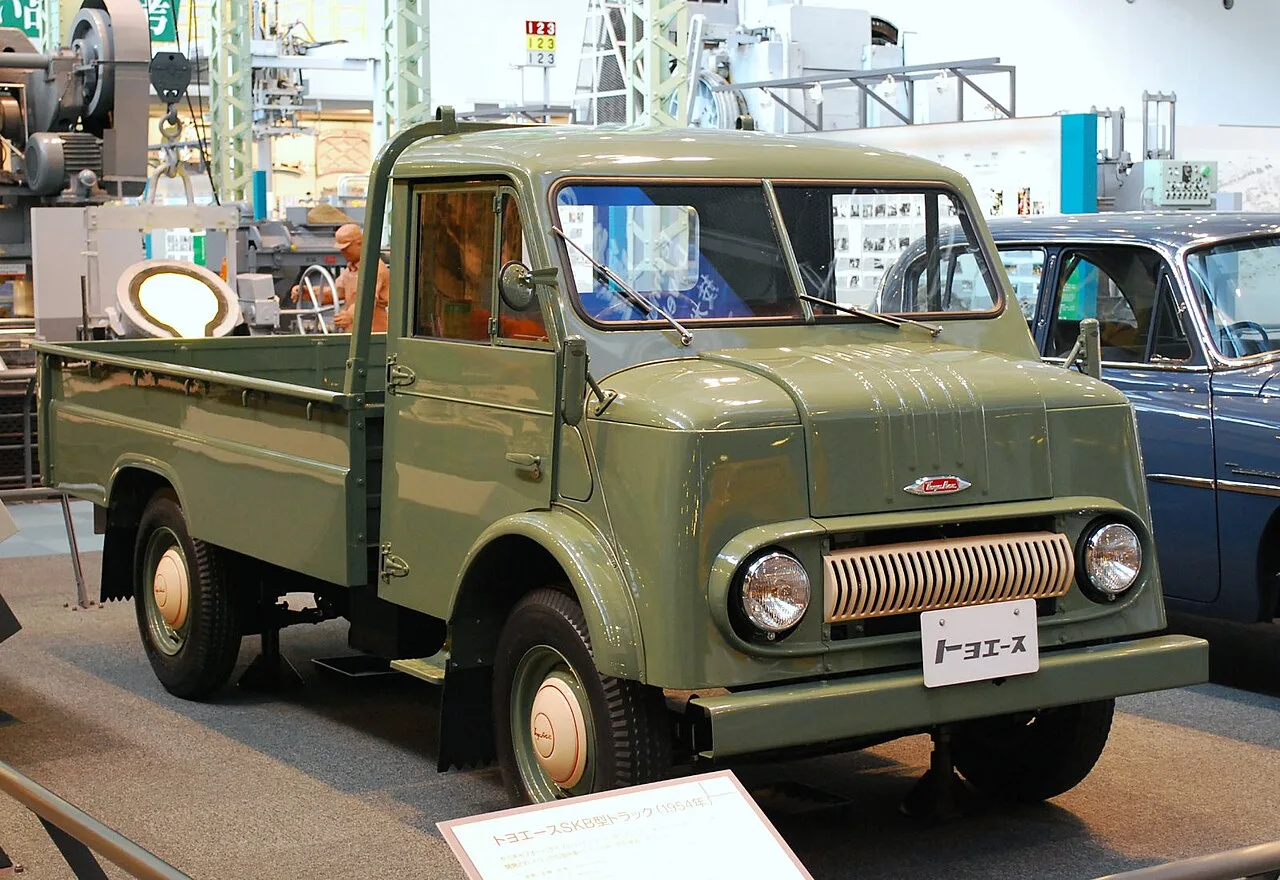
Toyota's first light truck didn't bother with real seats — the original ToyoAce used hammock-style seating, the same trick the Citroën 2CV used.
Median 46 hp across 8 similar cars
Lead trim: ToyoAce S 995 cc sidevalve inline-four (30 PS) · up to 33 hp
Toyota ToyoAce first generation SKBSKB · 1954–1959
- 0spots by members
- Unclaimednobody has spotted one yet
- 0sets it belongs to
Nobody in Burbles has spotted a Toyota ToyoAce first generation SKB yet. See one on the street, point the app at it, and the first card is yours — with your @handle permanently credited on this page.
FactToyota's first light truck didn't bother with real seats — the original ToyoAce used hammock-style seating, the same trick the Citroën 2CV used.
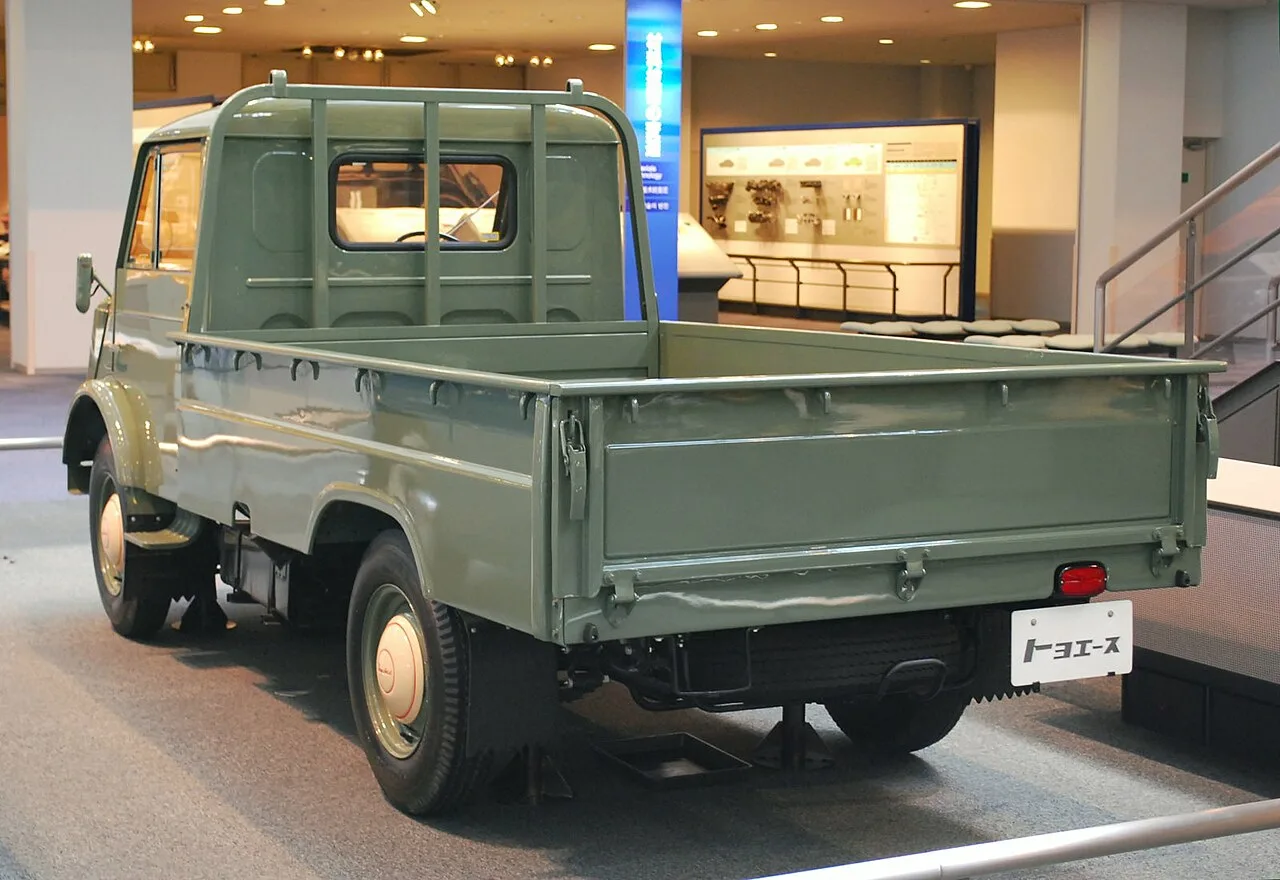
The Toyota ToyoAce is a light to medium cab-over truck built by Toyota since September 1954; until a renaming contest in 1956 it was sold as the "Toyopet Light Truck SKB". The first generation was a one-ton semi-cab-over with a four-cylinder sidevalve inline-four "type S" engine of 1.0 L (995 cc) and 30 PS (22 kW), raised to 33 PS (24 kW) in 1958, with a spartan interior with hammock-style seats as in a Citroën 2CV. The "K" in the model code was shared, as was the chassis, with the Toyopet SK/RK Truck (later the Toyota Stout). It initially sold slowly because its price was much higher than the three-wheeled trucks it competed with, but after a large price drop it changed the Japanese light-truck market in favour of four-wheeled vehicles; panel van, light van, double cab and other bodies (chassis SK17 to SK19) followed, and the former Central Motors produced the ToyoAce van from June 1956 to July 1960. Since 1985 the ToyoAce and Dyna lines have been merged, with Dynas generally intended for heavier duty, and in Japan the ToyoAce was exclusive to Toyopet Store dealerships.
Collectors Spotted in the Toyota ToyoAce Lineage
No member has published a public street spot of the Toyota ToyoAce yet — the First · Worldwide stamp is wide open.
Trims & Figures
2 published trims in the catalogue. A blank is a figure not recorded, not zero.
| Trim | Years | Engine | Power | Torque | 0–60 | Drive | Gearbox | MSRP |
|---|---|---|---|---|---|---|---|---|
| ToyoAce S 995 cc sidevalve inline-four (30 PS) | 1954–1958 | 1.0 L Inline-4 | 30 hp | — | — | — | — | — |
| ToyoAce S 995 cc sidevalve inline-four (33 PS, from 1958) | 1958–1959 | 1.0 L Inline-4 | 33 hp | — | — | — | — | — |
Owning one
We don’t estimate running costs for a car like this. What it costs depends on its condition, its specialist and how it is driven, and an average would mislead.
Owners’ builds
Nobody has claimed one yet.
Photographs
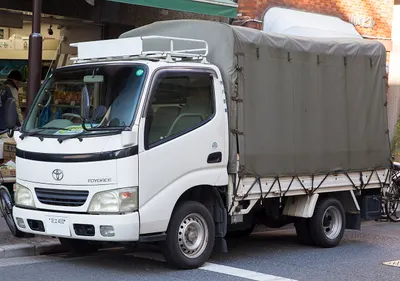
By its fifth generation the humble ToyoAce had grown an LPG option and a four-litre diesel six — serious range for what started as a one-ton delivery truck.
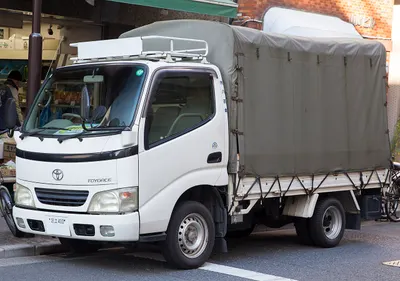
Toyota actually shrank this ToyoAce's wheelbase by 345mm versus its predecessor — same size and cargo room, but a tighter turning circle for city work.
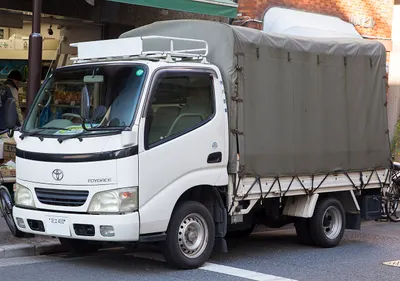
This generation of the humble ToyoAce truck spawned a legend: Toyota built a passenger van on the same platform and called it the HiAce.
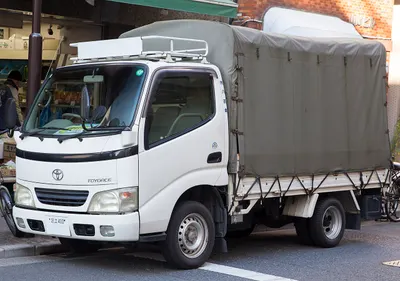
The second-gen ToyoAce ditched its predecessor's front engine for a layout tucked underneath and behind the seats — freeing up room for a third passenger and a tilt-forward cab for service access.
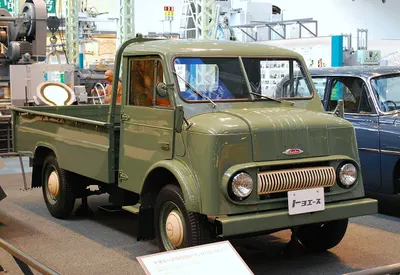
Toyota's first light truck didn't bother with real seats — the original ToyoAce used hammock-style seating, the same trick the Citroën 2CV used.
Rivals
Same body, same money, other badges — tap any card to flip.
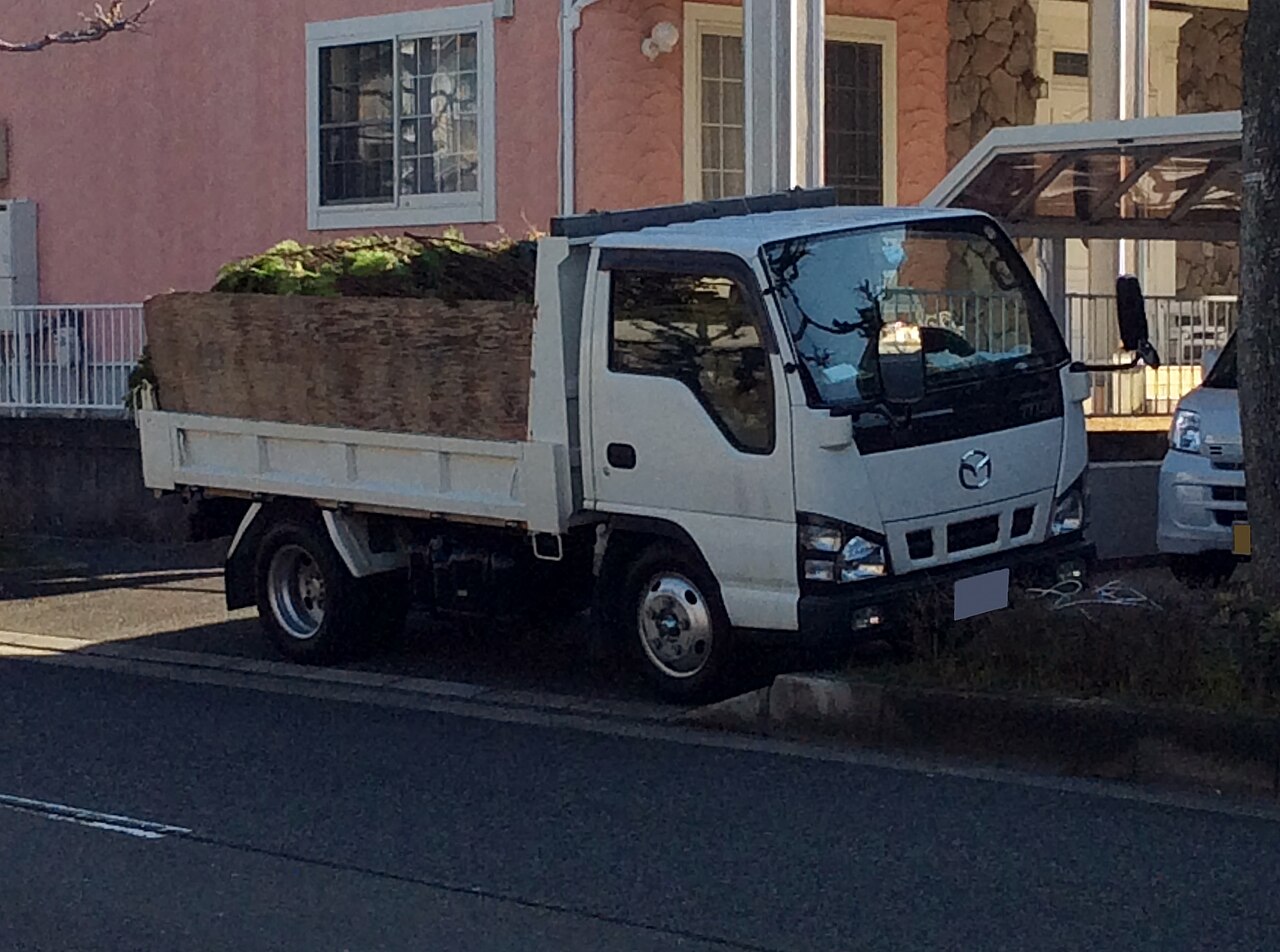
When Mazda's E2000 — the truck that became the Titan — launched in January 1964, the factory was tasked with building 1,900 of them a month.
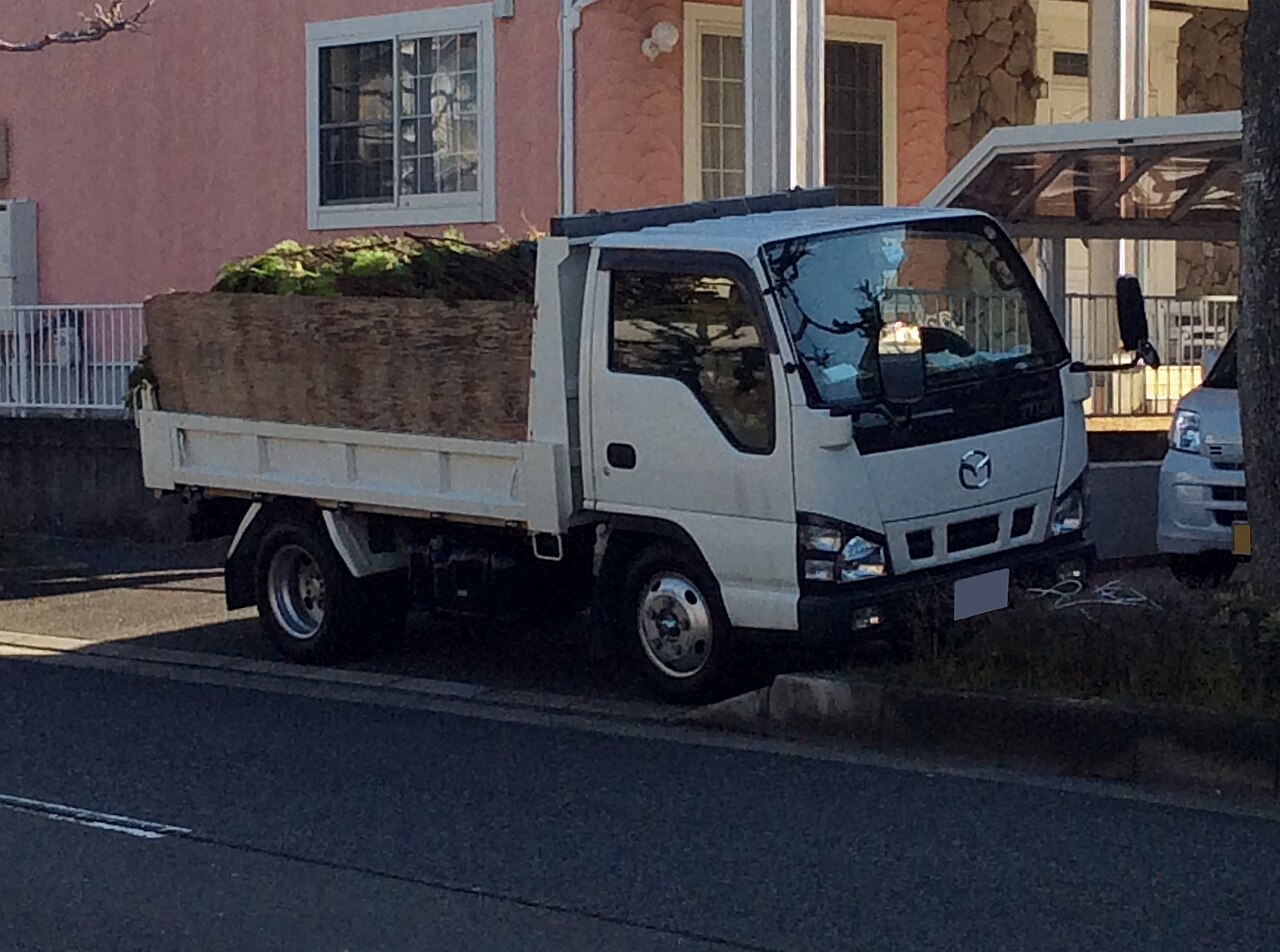
Swaraj Mazda built this truck under license in India from 1985, and the plant survived name changes all the way to SML Isuzu.
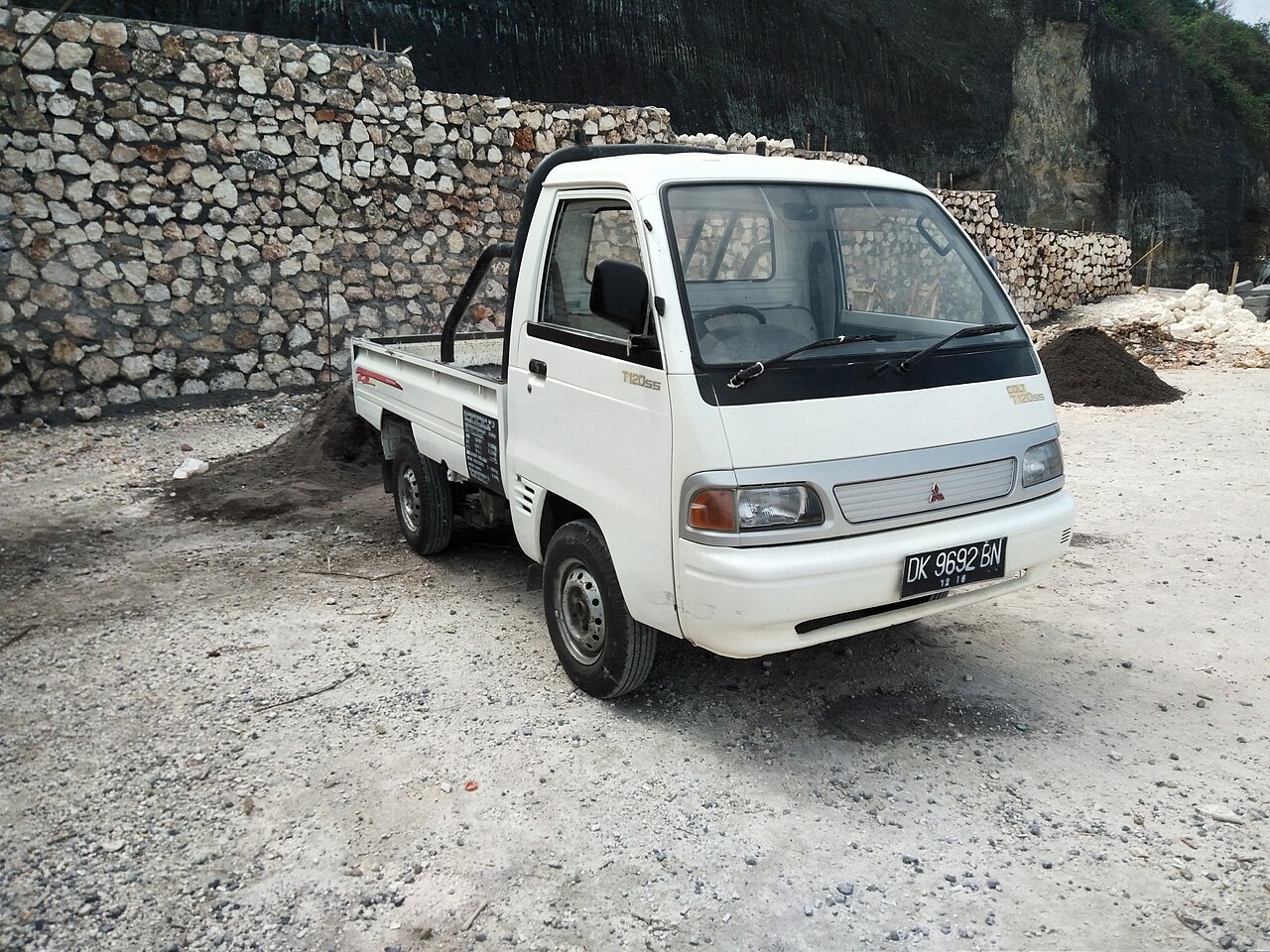
Indonesia built this pickup for 28 years with no successor, the last one leaving the Jakarta line in January 2019 after 324,960 units.
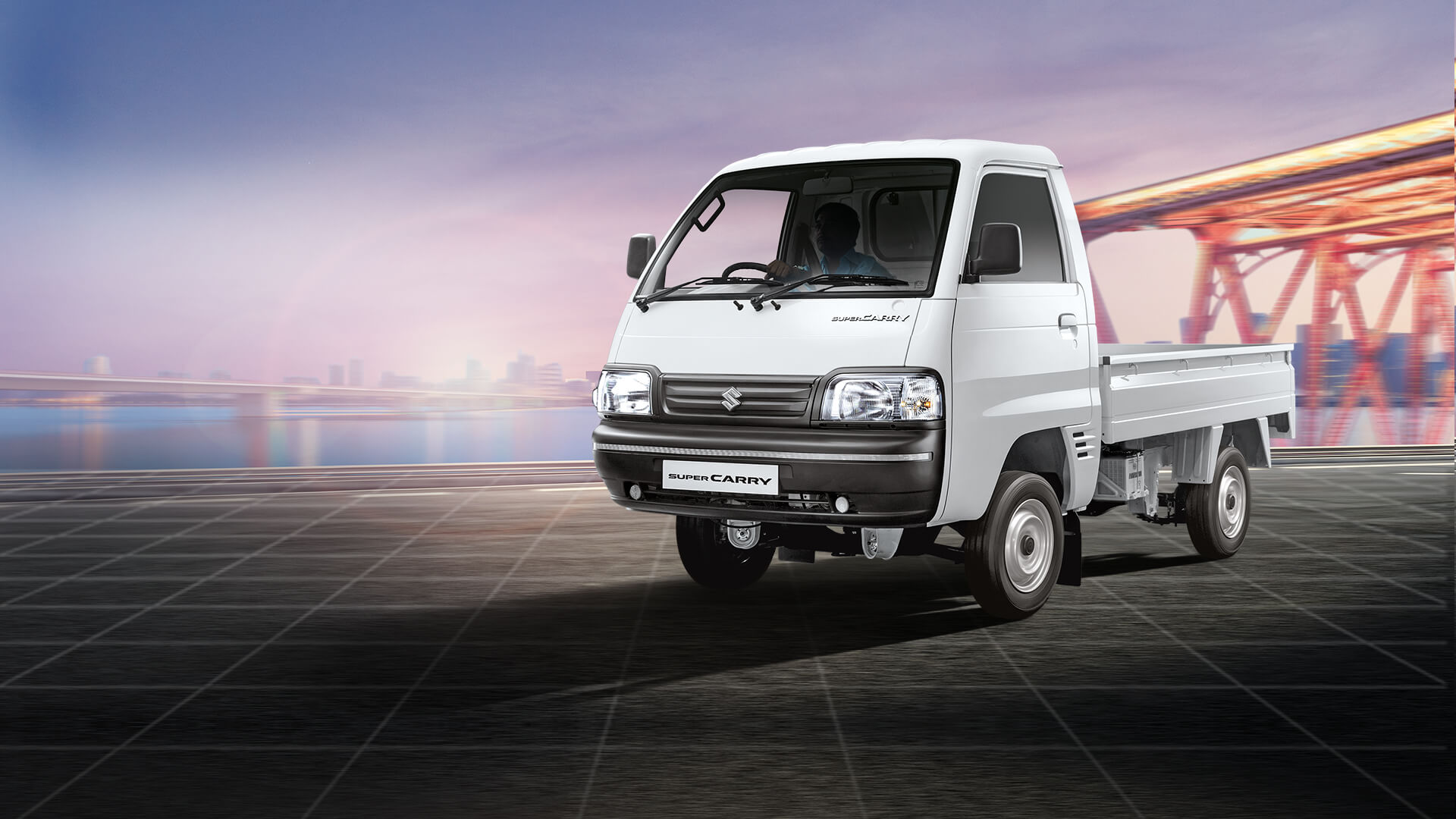
Suzuki's first-ever diesel engine, fitted to the Super Carry, is so small that it isn't able to power an air-conditioning system at all.
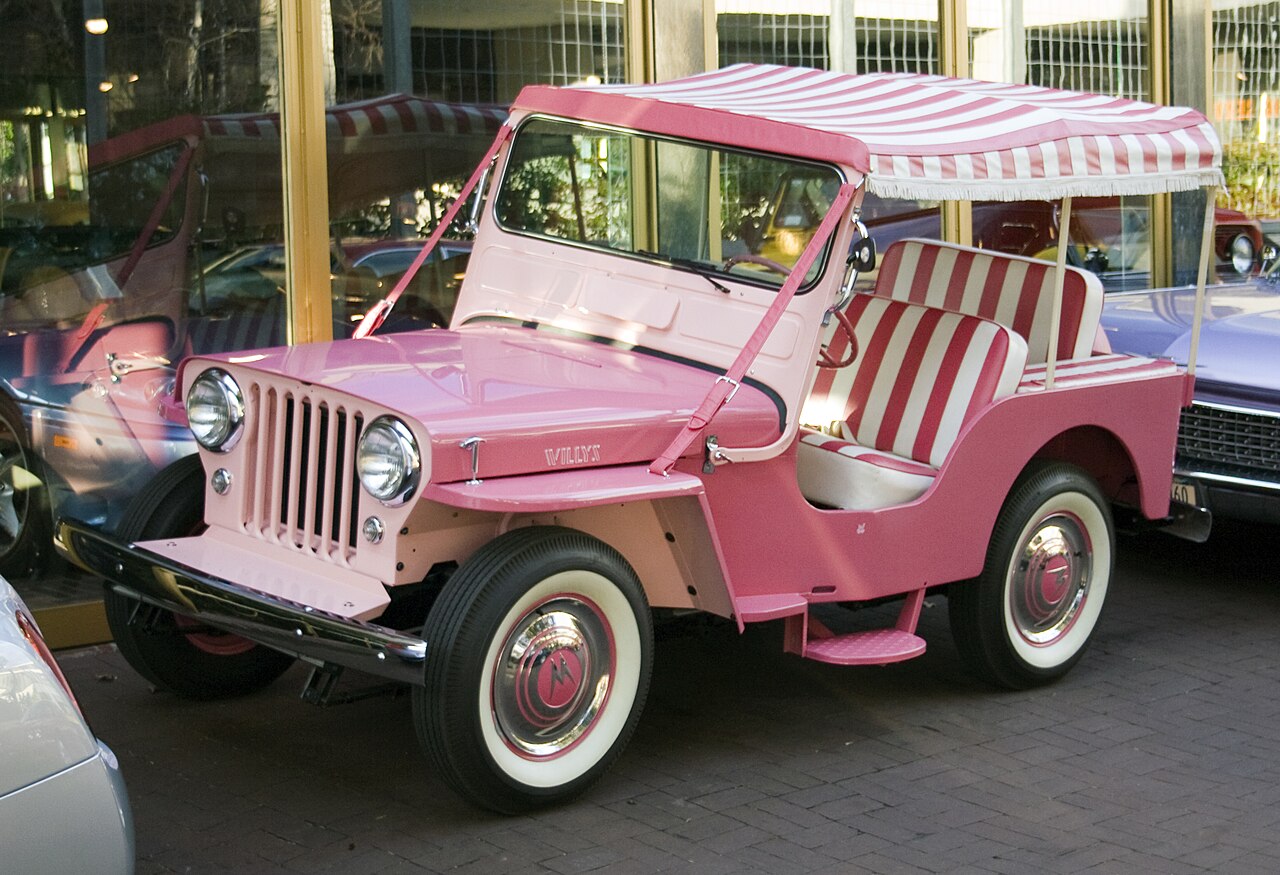
A right-hand-drive DJ-3A was built so postal drivers could reach roadside mailboxes without leaving the seat.
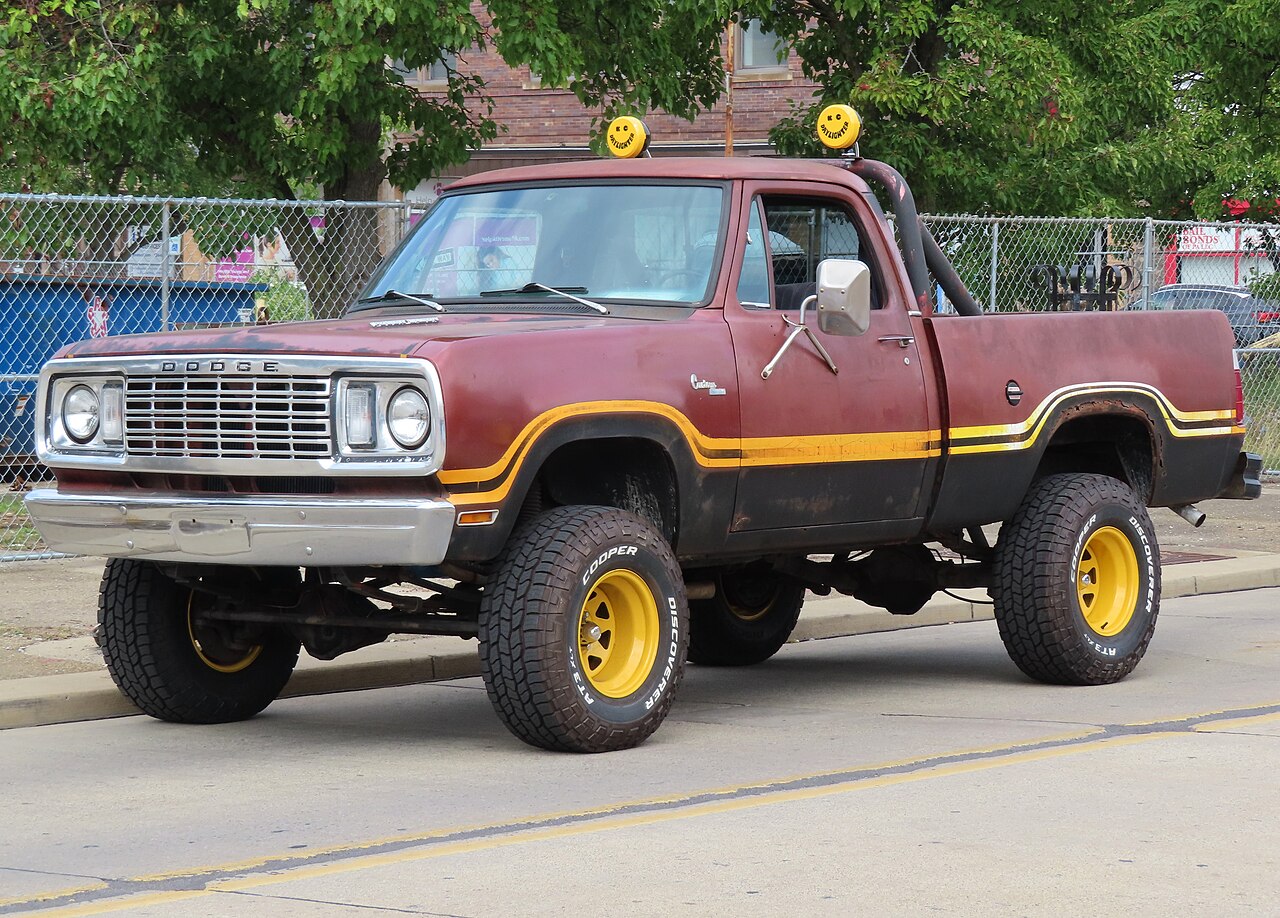
The Power Wagon name and civilian pickup design were derived directly from the WC-series military trucks Dodge built for World War II.
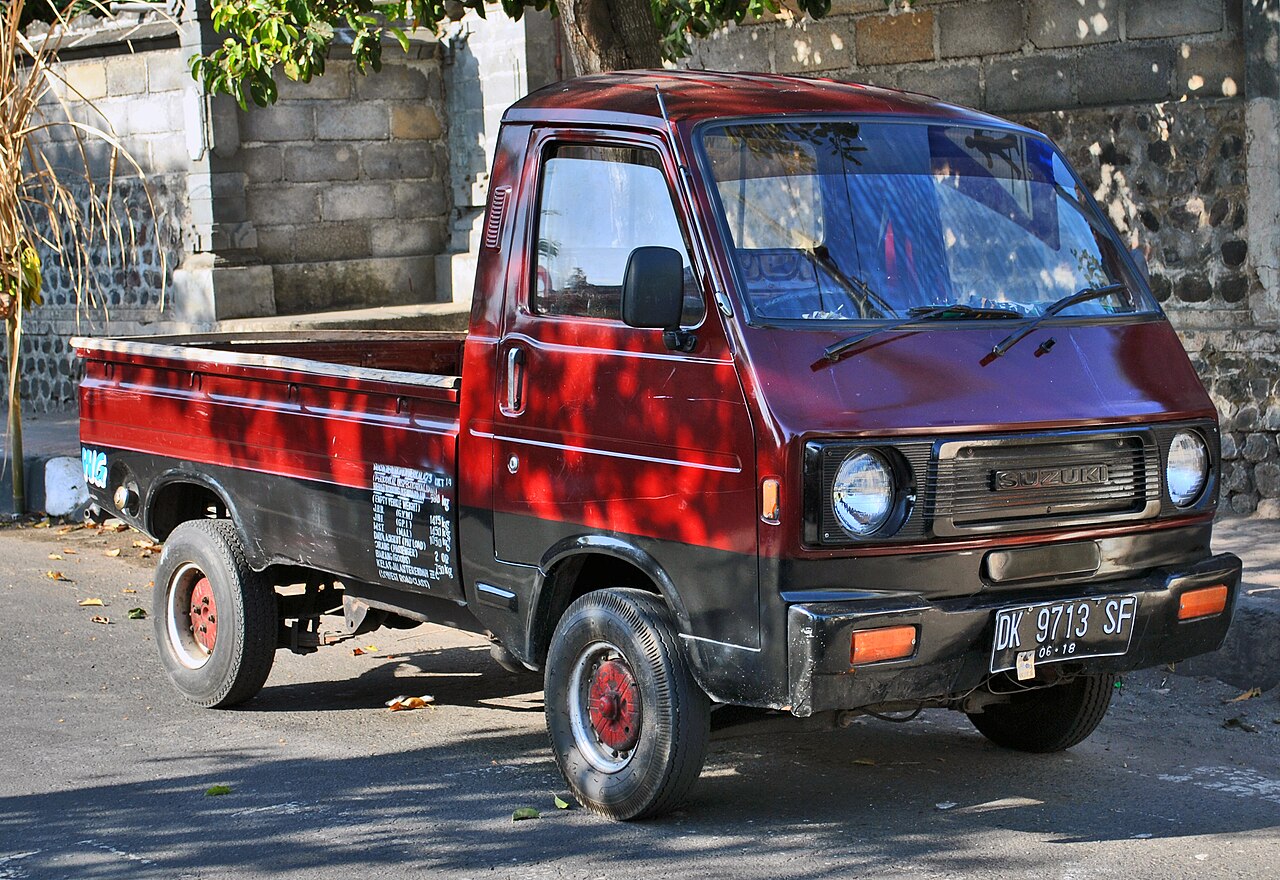
Suzuki kept the L20 Carry at the exact same 21 hp as its predecessor but still called it progress — the gain was a patented Cylinder Crank Injection lubrication system, not more power.
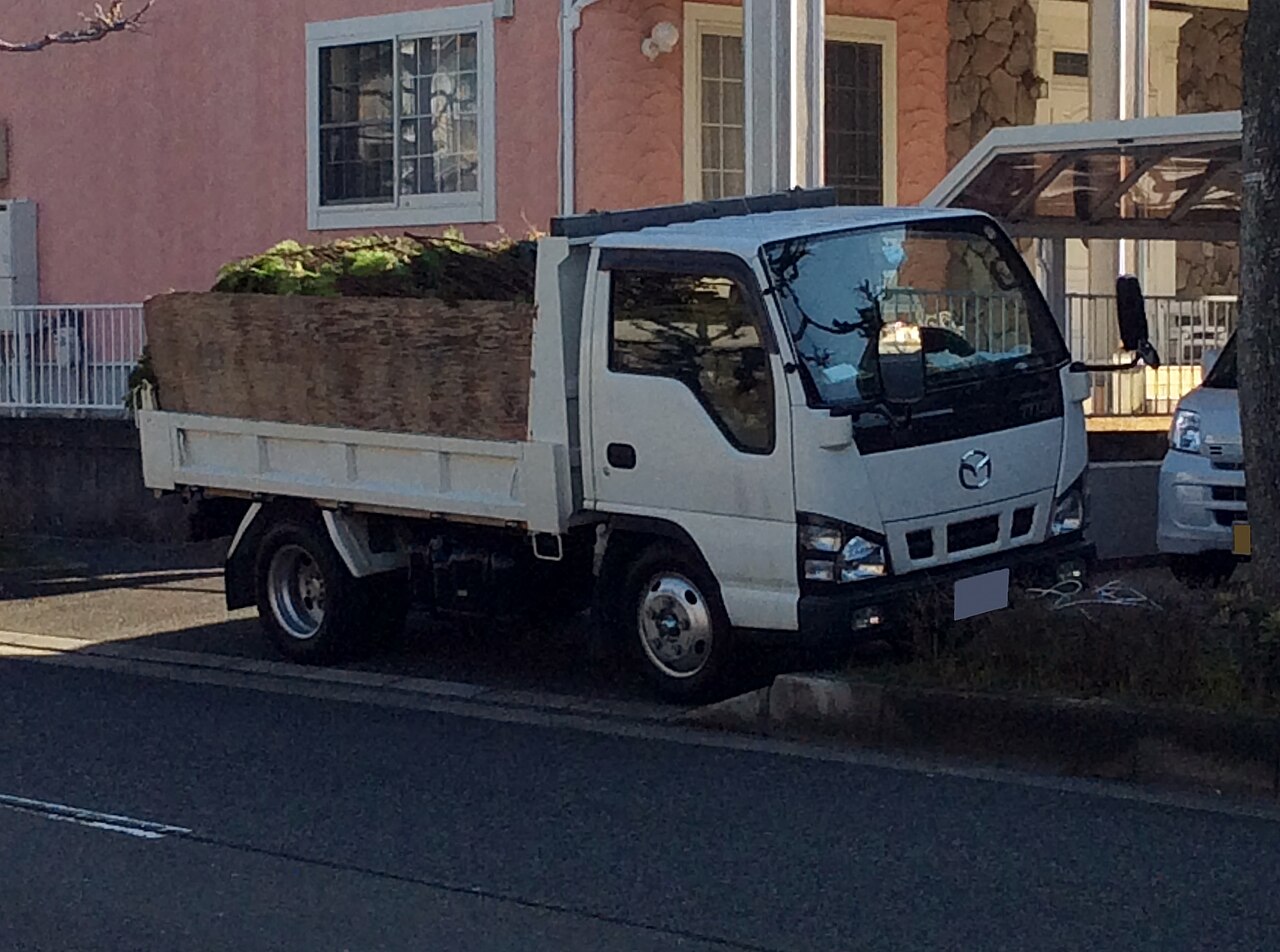
This generation of Titan quietly became the ancestor of two other trucks entirely: it was license-built by Kia as the Kia Titan in South Korea, and formed the basis of the Australian Ford Trader.