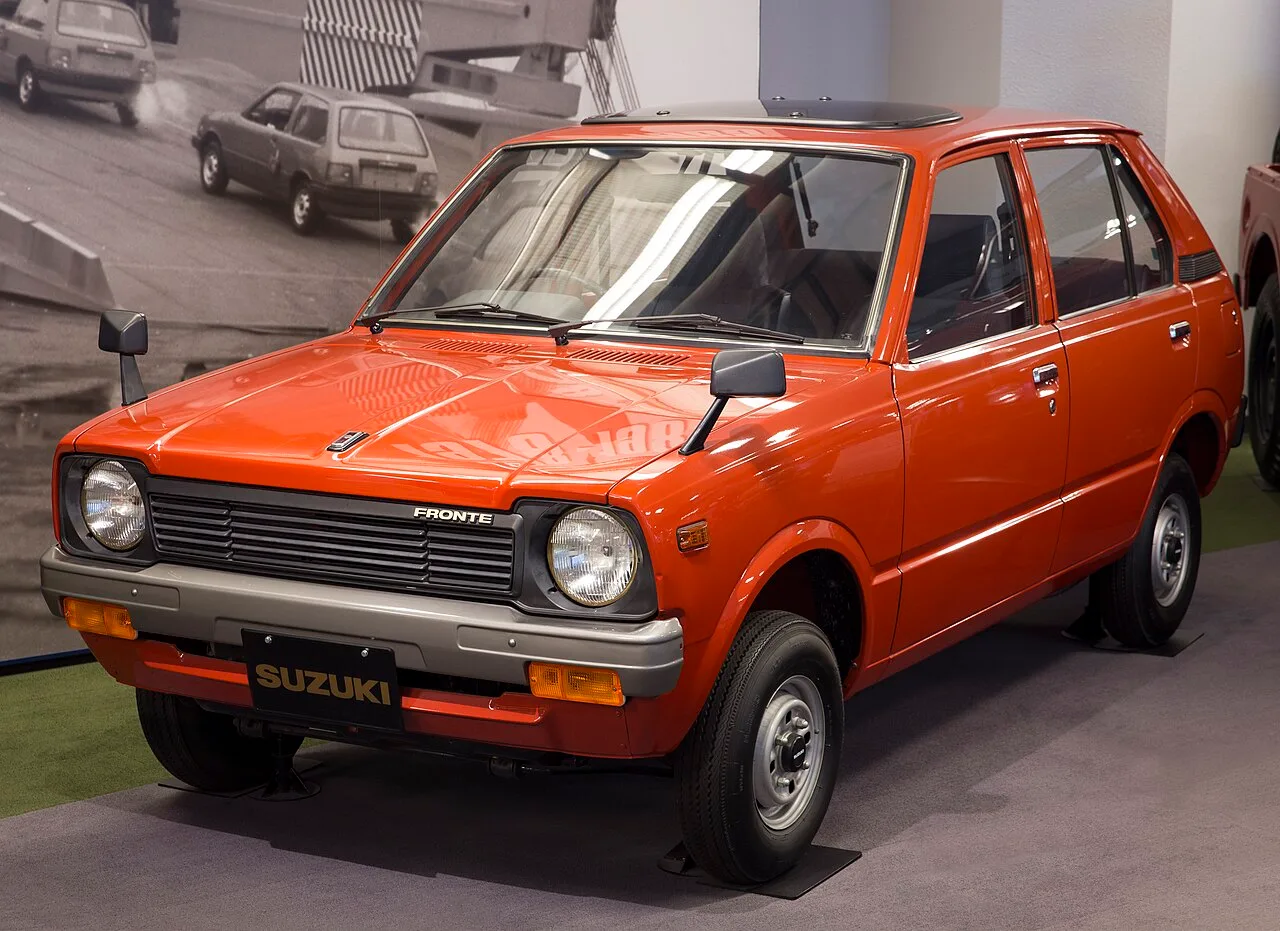
The SS30/SS40 Fronte tore up the old formula entirely — Suzuki ditched the rear-engine, rear-drive layout of the previous Fronte for a modern transverse front-engine, front-wheel-drive setup.
Median 62 hp across 128 similar cars
Lead trim: T5B 0.54 L two-stroke SS30 (28 PS) · up to 31 hp
Suzuki Fronte SS30/SS40SS30/SS40/SS80 · 1979–1984
- 0spots by members
- Unclaimednobody has spotted one yet
- 0sets it belongs to
Nobody in Burbles has spotted a Suzuki Fronte SS30/SS40 yet. See one on the street, point the app at it, and the first card is yours — with your @handle permanently credited on this page.
FactThe SS30/SS40 Fronte tore up the old formula entirely — Suzuki ditched the rear-engine, rear-drive layout of the previous Fronte for a modern transverse front-engine, front-wheel-drive setup.
Replaced the Fronte 7-S in May 1979 as a big step to a transverse front-engine, front-wheel-drive layout on a wheelbase stretched from 2,030 to 2,150 mm; commercial versions were now all called Alto (also the export name), with the two-door getting a proper rear hatch and the four-door an opening rear glass. The SS30S kept the 539 cc T5B two-stroke at 28 PS (not offered in the Fronte after May 1981); the SS40S had the newly developed 543 cc four-stroke three-cylinder F5A at 31 PS, which soon displaced the two-stroke. Both claimed 110 km/h. In Europe the Alto also came with a 796 cc four-stroke three (SS80) from July 1981, 100 mm longer with 12-inch wheels; Chile called it the "Fronte 800". The low-cost FX-A/FS-A arrived in May 1980, a grille revision in May 1981 and a two-speed torque-converter automatic that October. A May 1983 facelift brought square headlamps, door mirrors and a compression ratio of 9.7:1, with claimed power down to 29 PS at 6,000 rpm and a digital-instrument FS-QG. The Alto outsold the Fronte about five to two.
Collectors Spotted in the Suzuki Fronte Lineage
No member has published a public street spot of the Suzuki Fronte yet — the First · Worldwide stamp is wide open.
Trims & Figures
3 published trims in the catalogue. A blank is a figure not recorded, not zero.
| Trim | Years | Engine | Power | Torque | 0–60 | Drive | Gearbox | MSRP |
|---|---|---|---|---|---|---|---|---|
| F5A 0.54 L SOHC SS40 (29 PS, from May 1983) | 1983–1984 | 0.5 L Inline-3 | 29 hp | 30 lb-ft | — | FWD | — | — |
| F5A 0.54 L SOHC four-stroke SS40 (31 PS) | 1979–1983 | 0.5 L Inline-3 | 31 hp | 30 lb-ft | — | FWD | — | — |
| T5B 0.54 L two-stroke SS30 (28 PS) | 1979–1981 | 0.5 L Inline-3 | 28 hp | 38 lb-ft | — | FWD | — | — |
Owning one
We don’t estimate running costs for a car like this. What it costs depends on its condition, its specialist and how it is driven, and an average would mislead.
Owners’ builds
Nobody has claimed one yet.
Photographs
Six months before Suzuki retired the Fronte name for good, the CN11S's 796cc version was already being built in China under a completely different name: the Anchi 6330.
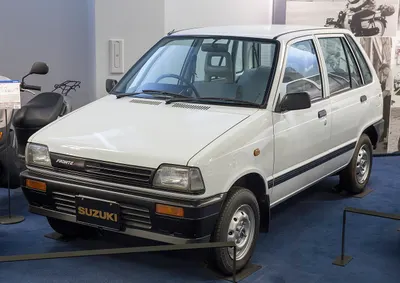
When Suzuki built the next Cervo in 1988, it didn't start from scratch — the chassis, front clip and door panels were lifted straight from the outgoing CB/CD72 Fronte.
The SS30/SS40 Fronte tore up the old formula entirely — Suzuki ditched the rear-engine, rear-drive layout of the previous Fronte for a modern transverse front-engine, front-wheel-drive setup.
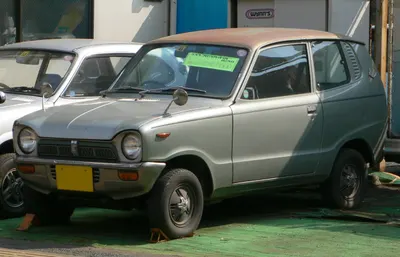
New emissions rules hit Suzuki's two-stroke engine so hard it had to buy four-stroke engines from arch-rival Daihatsu to keep selling the Fronte.
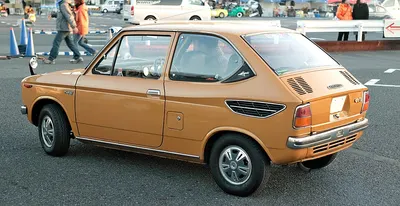
Giorgetto Giugiaro designed the tiny Fronte Coupé by recycling his own one-box concept from the 1967 electric 'Rowan Elettrica' city car — then Suzuki reworked it for a 356cc kei car.
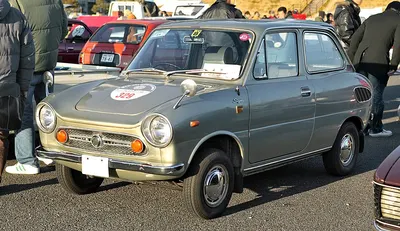
Tuning the Fronte 360's triple carburettors meant reaching through a small egg-shaped hole behind the rear seat — that's literally where Suzuki put them.
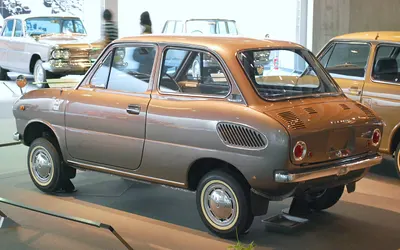
Suzuki named the Fronte for its own claim to being at the front of kei-car development, and for its front-wheel drive.
Rivals
Same body, same money, other badges — tap any card to flip.
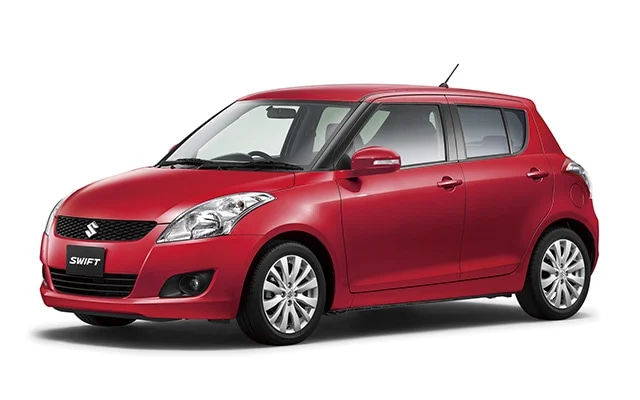
Japan was a minor market for the Swift: when it passed 2 million sales in 2011, about 39% were in India and 27% in Europe, against roughly 15% at home.
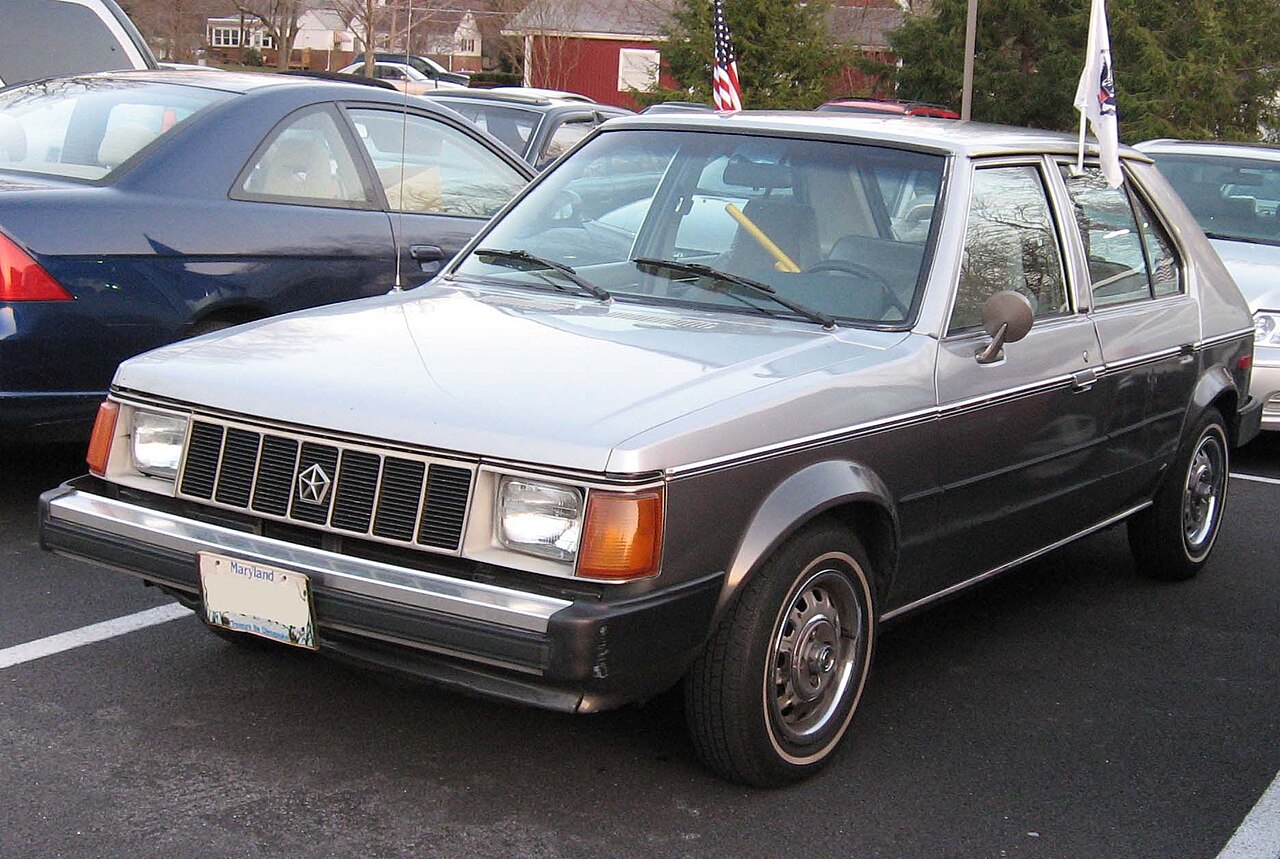
To adapt the Horizon for America, Chrysler bought nearly 100 Volkswagen Rabbits purely to reverse engineer them.
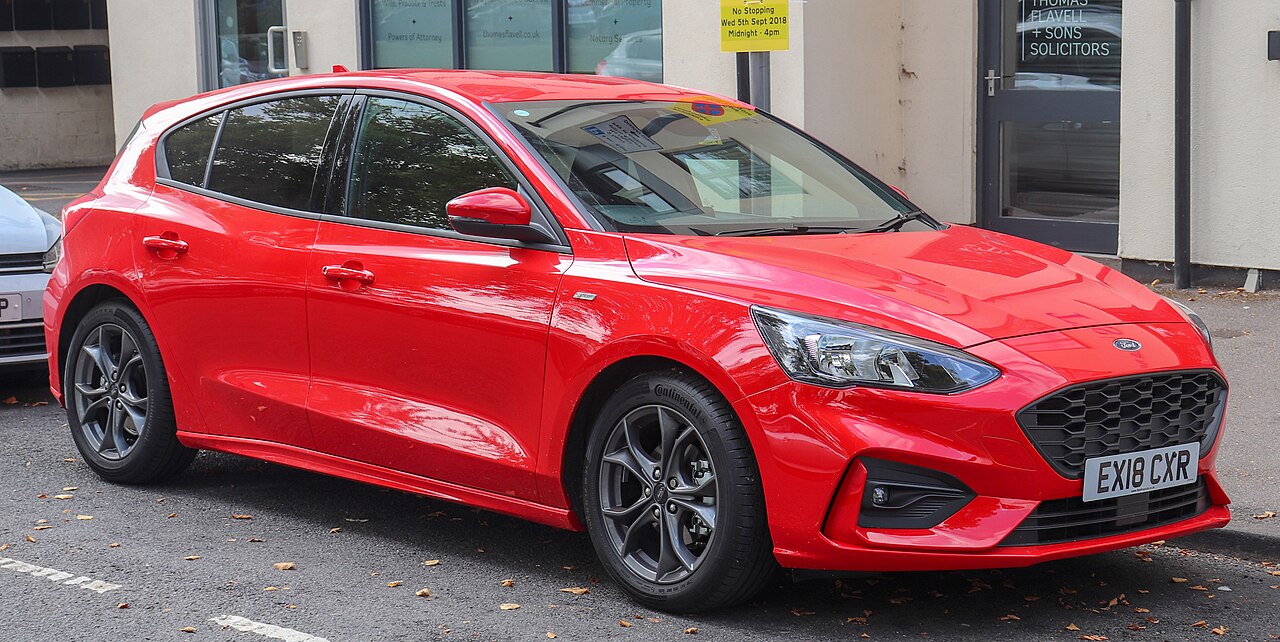
The Mk3 Focus RS's AWD system could send 100 percent of engine power to the rear wheels alone — built not in Ford's home country, but at the Saarlouis plant in Germany.
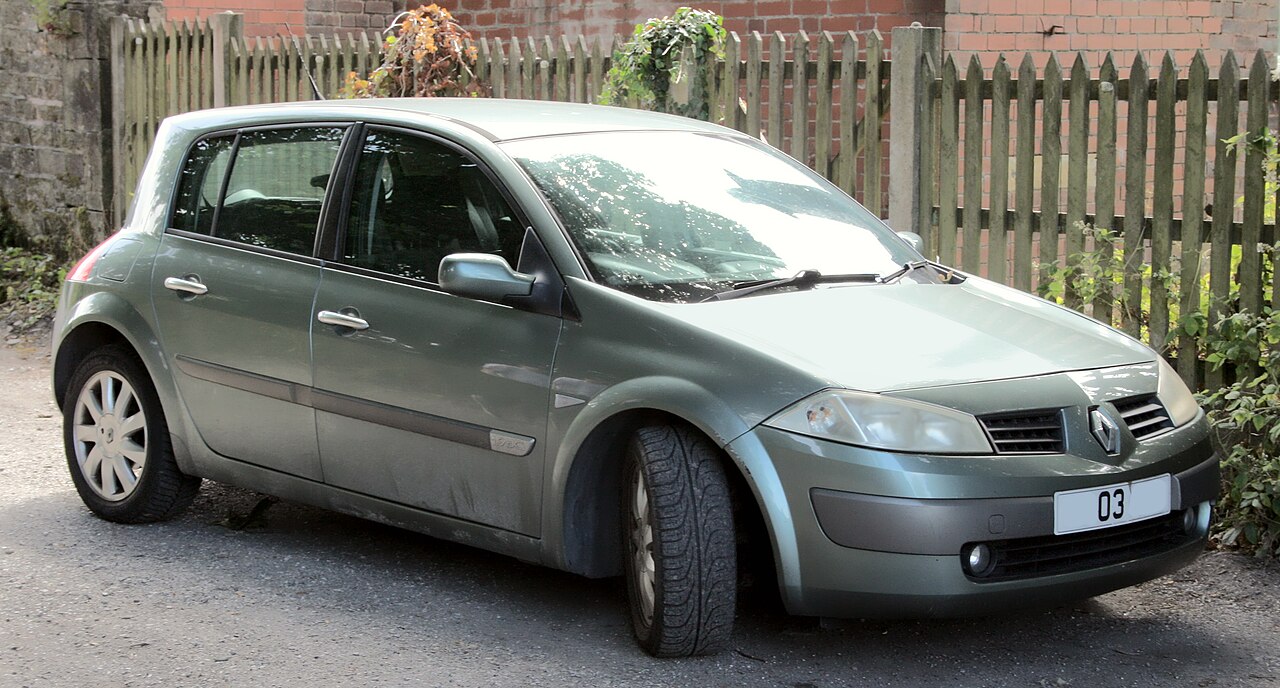
In June 2003, a Mégane II became the subject of the first ever live televised crash test with a real human driver at the wheel instead of a dummy — filmed by Top Gear.
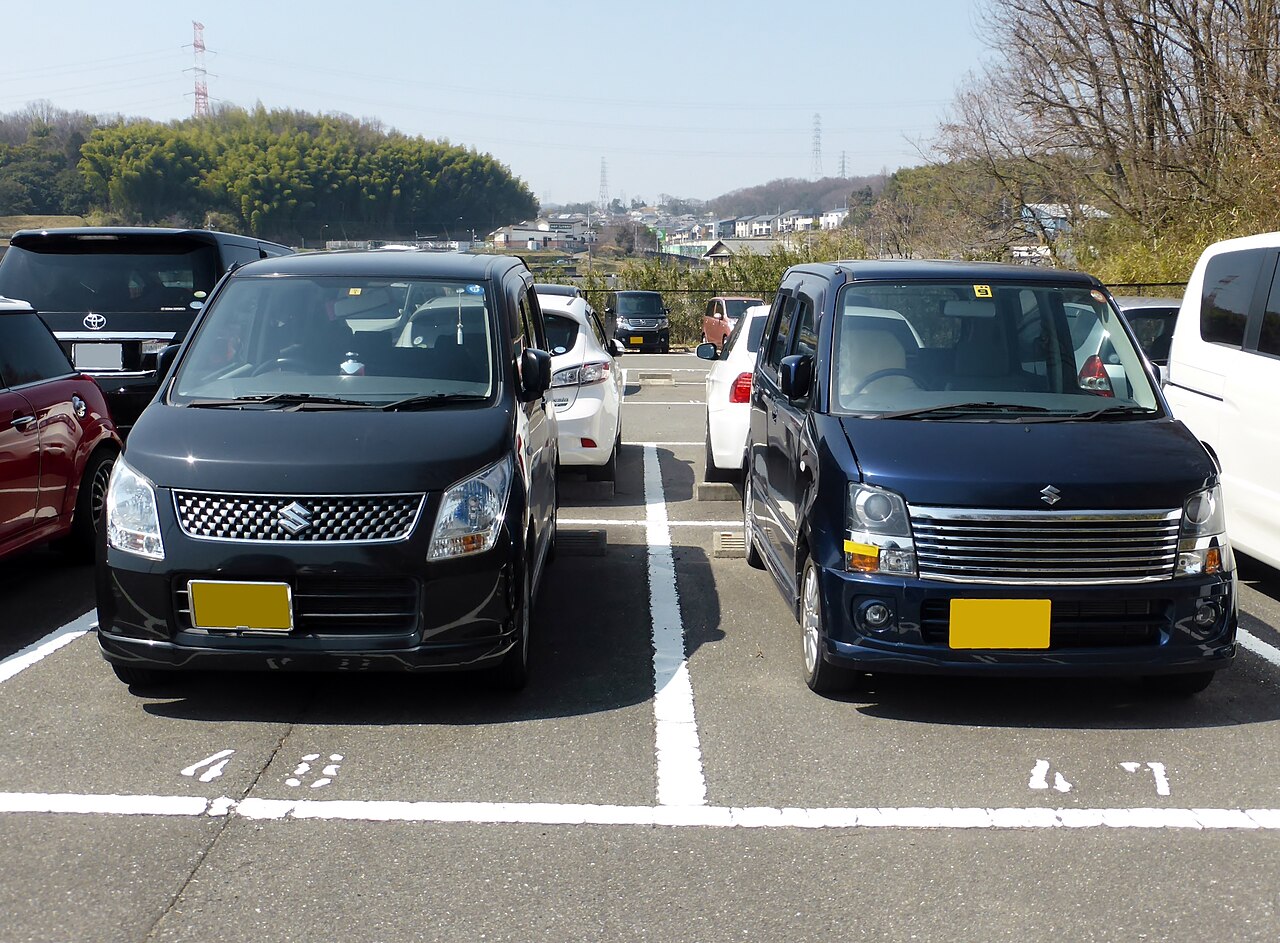
This Wagon R redesigned its rear doors specifically to kill off the D-pillar — bigger doors with built-in quarter glass solved what earlier generations needed a whole extra pillar for.
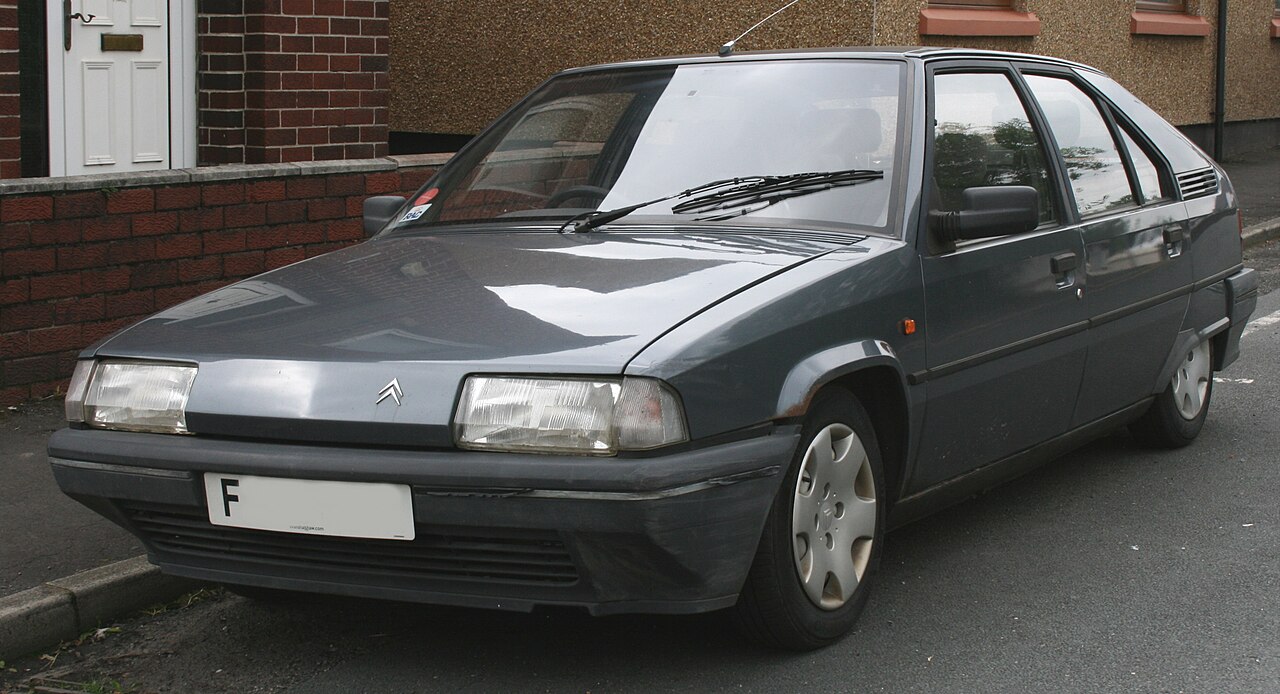
The BX was the UK's best-selling diesel car for four years from 1987, and 2,315,739 were built in all.
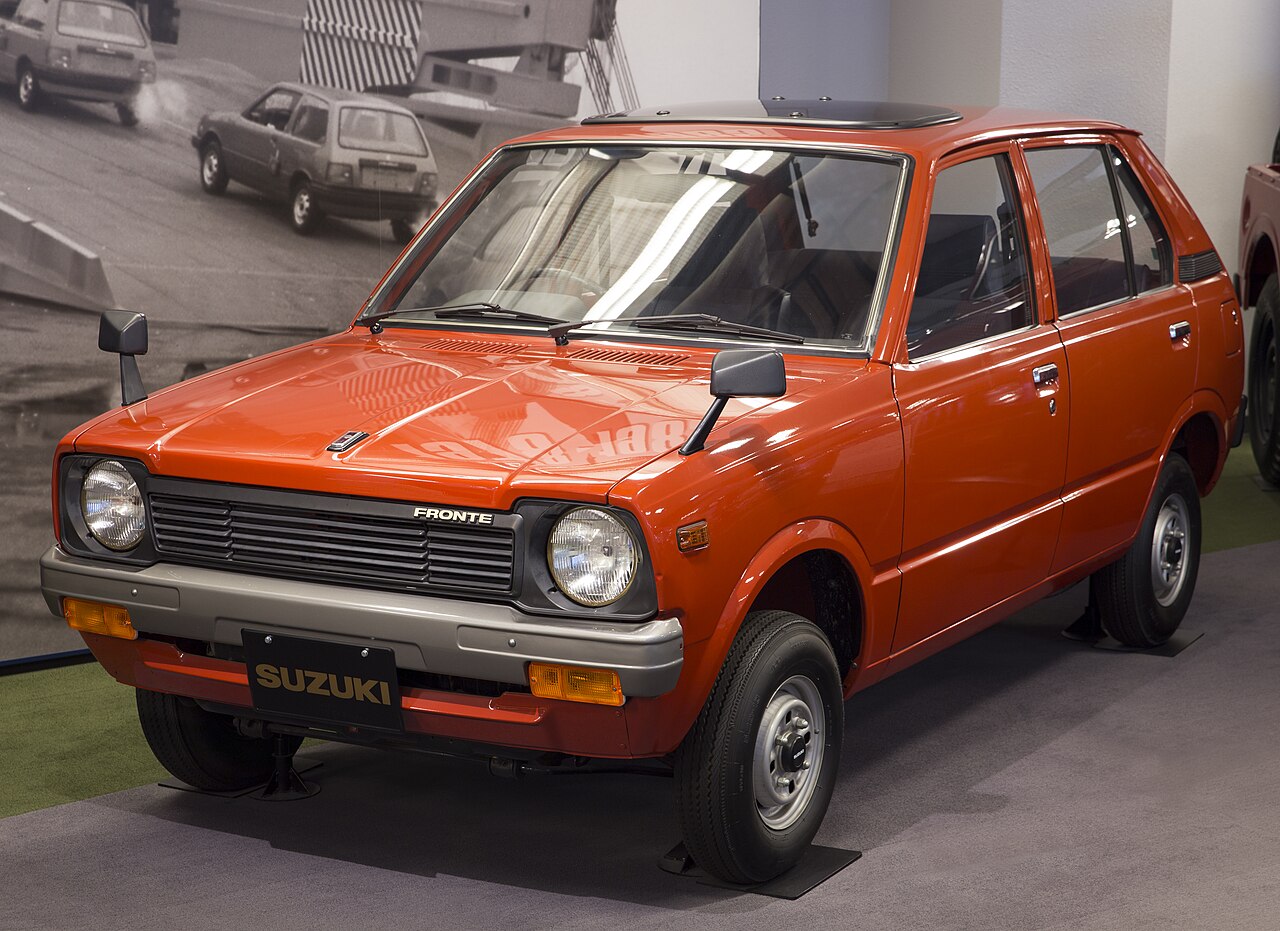
Six months before Suzuki retired the Fronte name for good, the CN11S's 796cc version was already being built in China under a completely different name: the Anchi 6330.
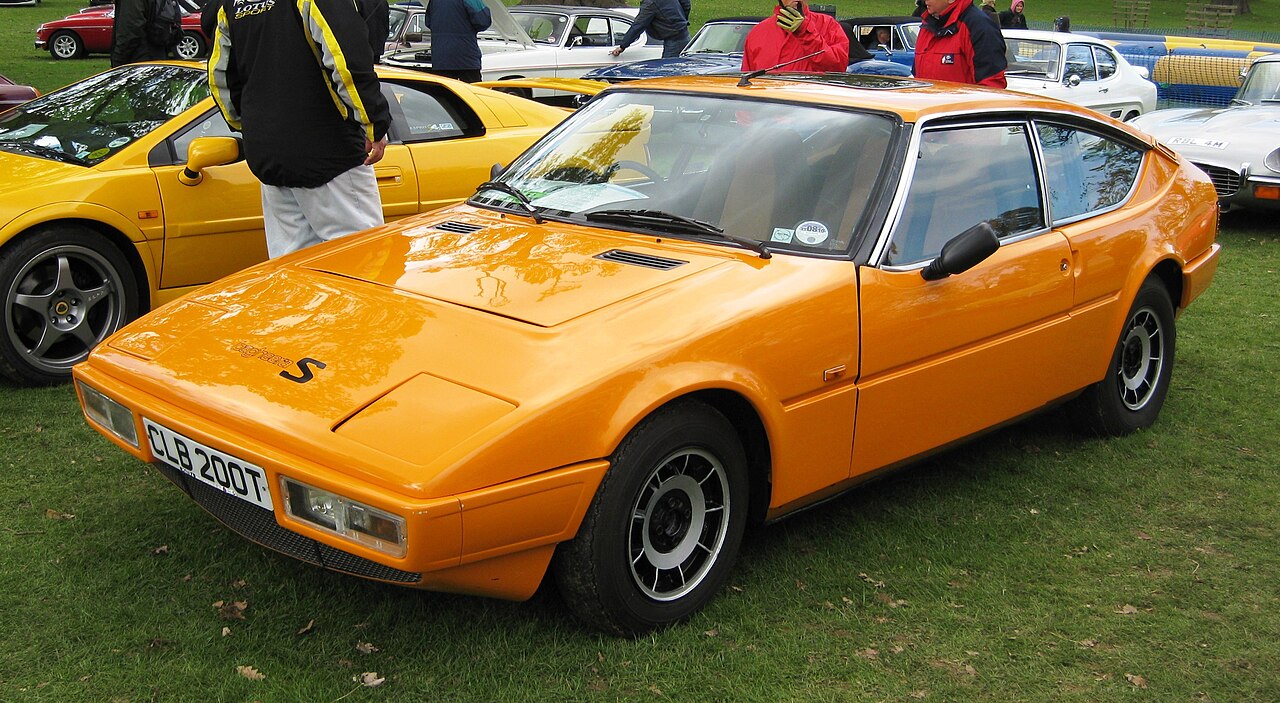
Built to use up Chrysler-Simca's parts bin, it took its engine and gearbox straight from the front-wheel-drive Simca 1100 but mounted them amidships instead.