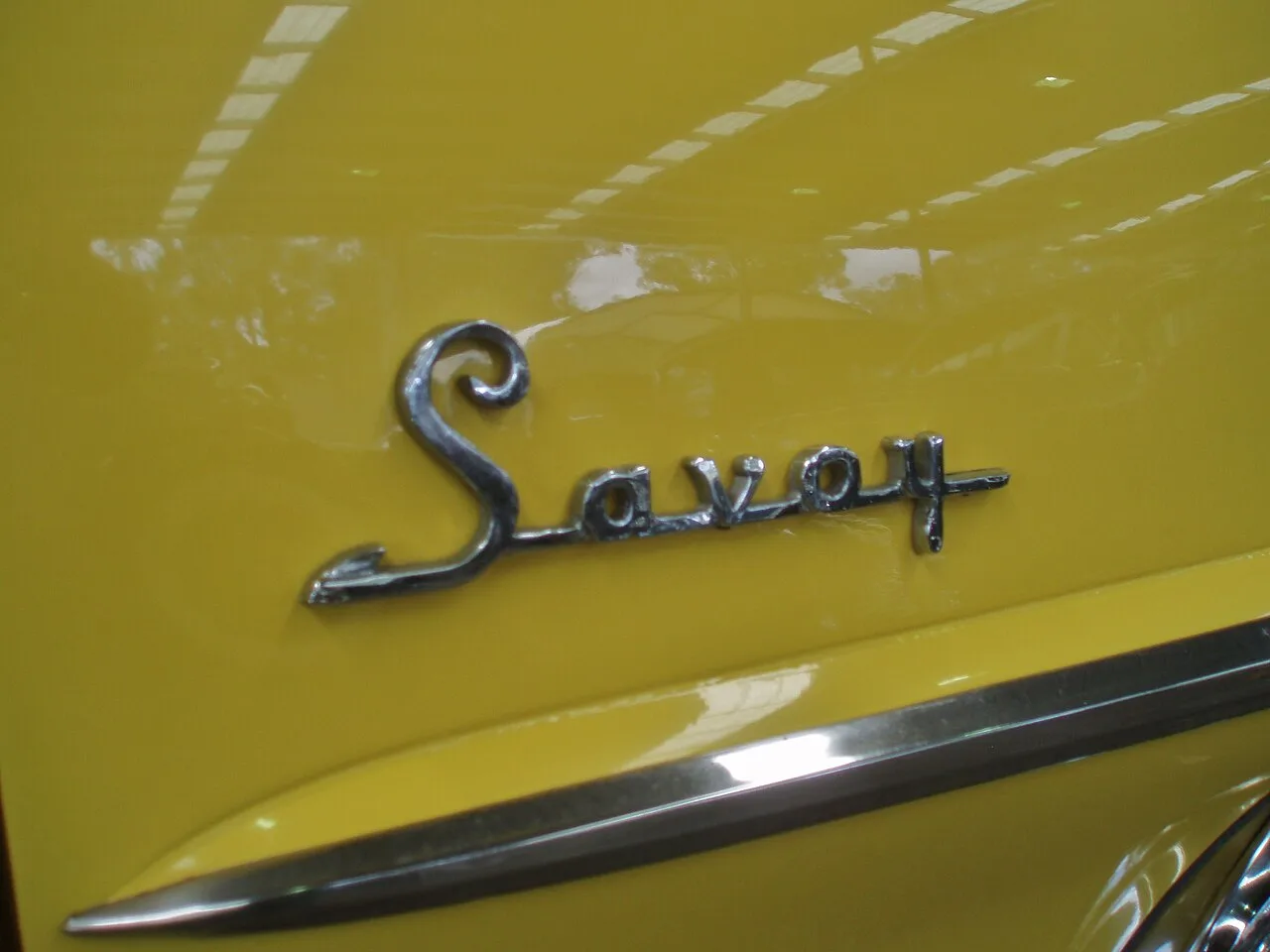
In 1956 you could option a Plymouth Savoy with the Highway Hi-Fi — an honest-to-goodness in-dash record player.
Lead trim: Savoy (1955–1956)
Plymouth Savoy1955–1956
- 0spots by members
- Unclaimednobody has spotted one yet
- 0sets it belongs to
Nobody in Burbles has spotted a Plymouth Savoy yet. See one on the street, point the app at it, and the first card is yours — with your @handle permanently credited on this page.
FactIn 1956 you could option a Plymouth Savoy with the Highway Hi-Fi — an honest-to-goodness in-dash record player.
For 1955 through 1956 the Plymouth Savoy was positioned between the base Plaza and the high-end Belvedere on a 115.0 in wheelbase (203.8 in long): available in 1955 with new power steering; for 1956 the line added a hardtop coupe and the Custom Suburban station wagon, seat belts were added for safety and the Highway Hi-Fi record player was optional. Engines on the infobox were the 225 cu in (3.7 L) six and 270, 301, 318, 383, 361 and 395 cu in V8s with 2-speed automatic, 3-speed manual and 3-speed automatic transmissions; the page gives no years or ratings for them. Chrysler produced a promotional video showing the 1955–56 Plymouth models being built at Lynch Road Assembly.
Collectors Spotted in the Plymouth Savoy Lineage
No member has published a public street spot of the Plymouth Savoy yet — the First · Worldwide stamp is wide open.
Trims & Figures
One published trim in the catalogue. A blank is a figure not recorded, not zero.
| Trim | Years | Engine | Power | Torque | 0–60 | Drive | Gearbox | MSRP |
|---|---|---|---|---|---|---|---|---|
| Savoy (1955–1956) | 1955–1956 | — | — | — | — | RWD | — | — |
Owning one
We don’t estimate running costs for a car like this. What it costs depends on its condition, its specialist and how it is driven, and an average would mislead.
Owners’ builds
Nobody has claimed one yet.
Photographs
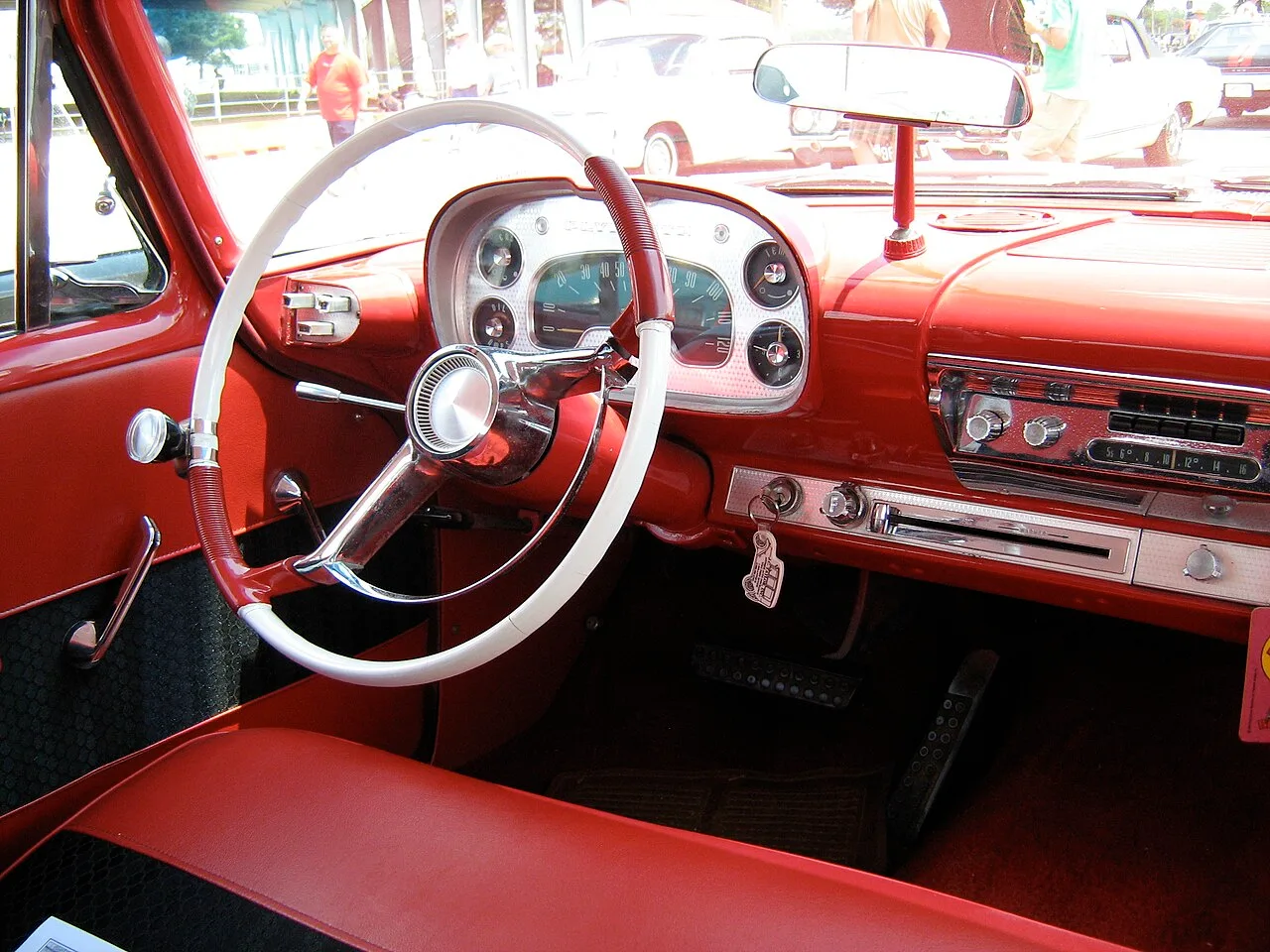
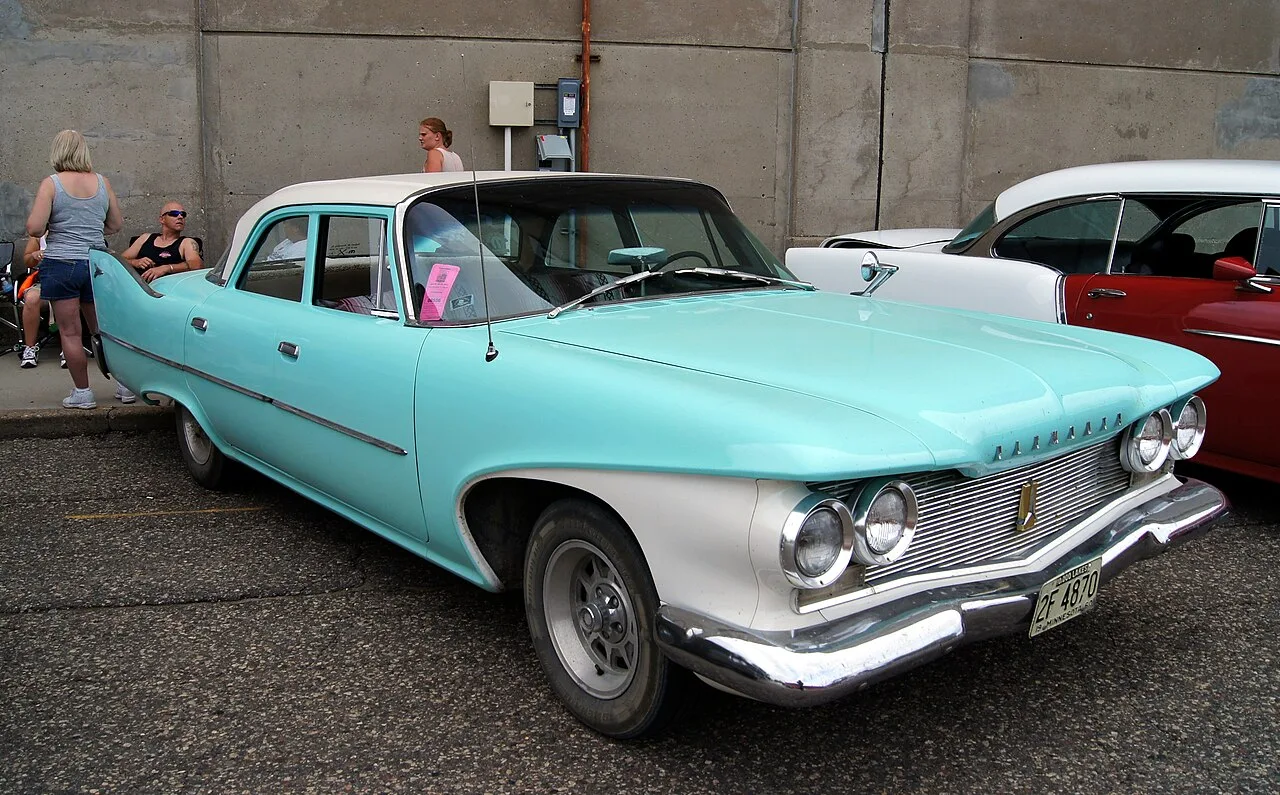
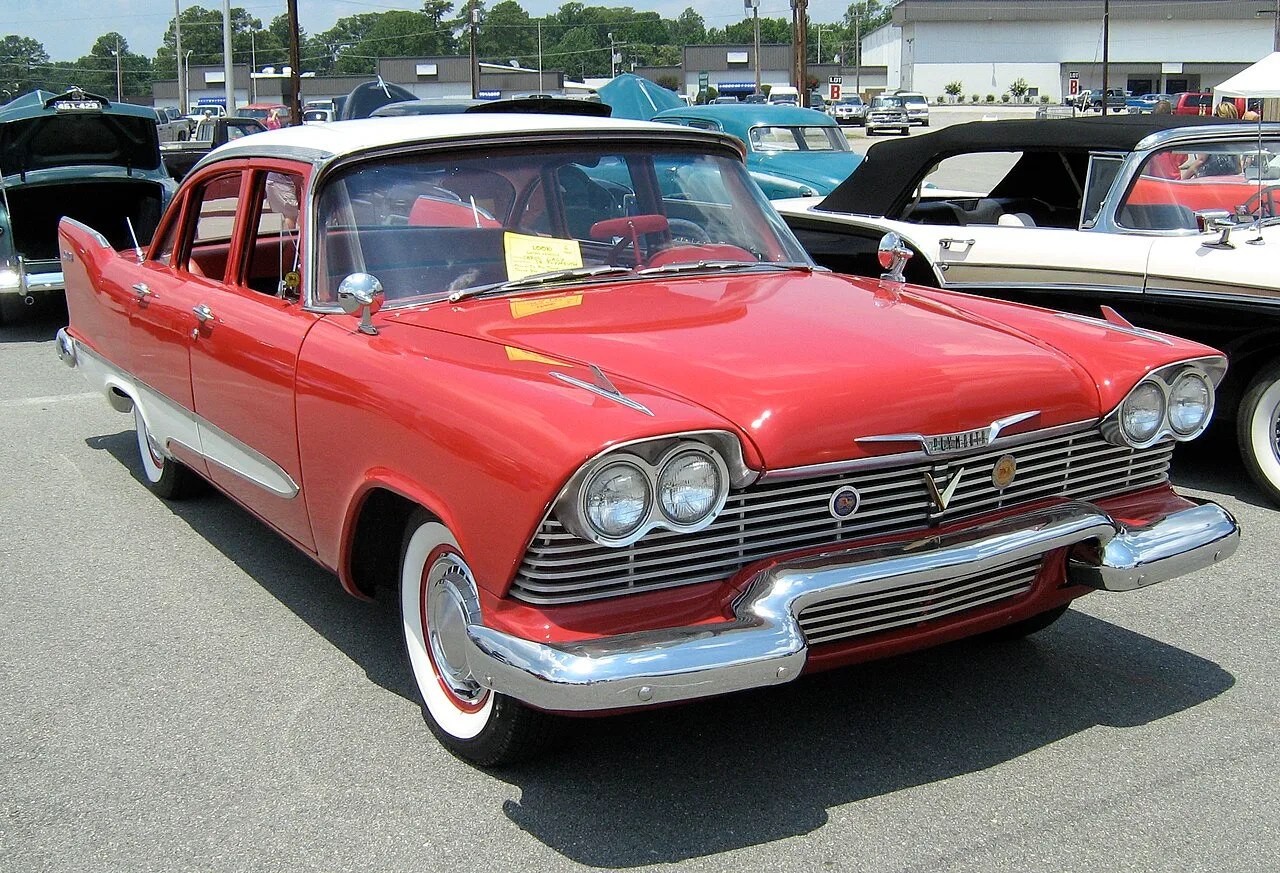
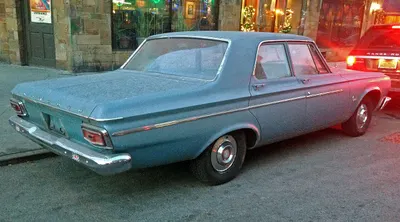
Plymouth's race-only 413 Max Wedge was never meant to be common — Chrysler built just 289 of them before handing the job to the bigger 426 for the following two years.
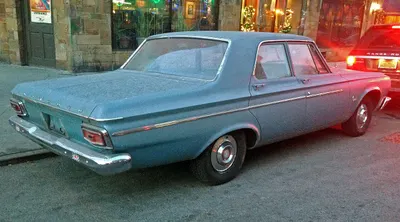
Buried in the humble Savoy's options sheet for 1962 was the 413 Max Wedge - a race-only 410+ horsepower V8 that Plymouth built just 289 times.
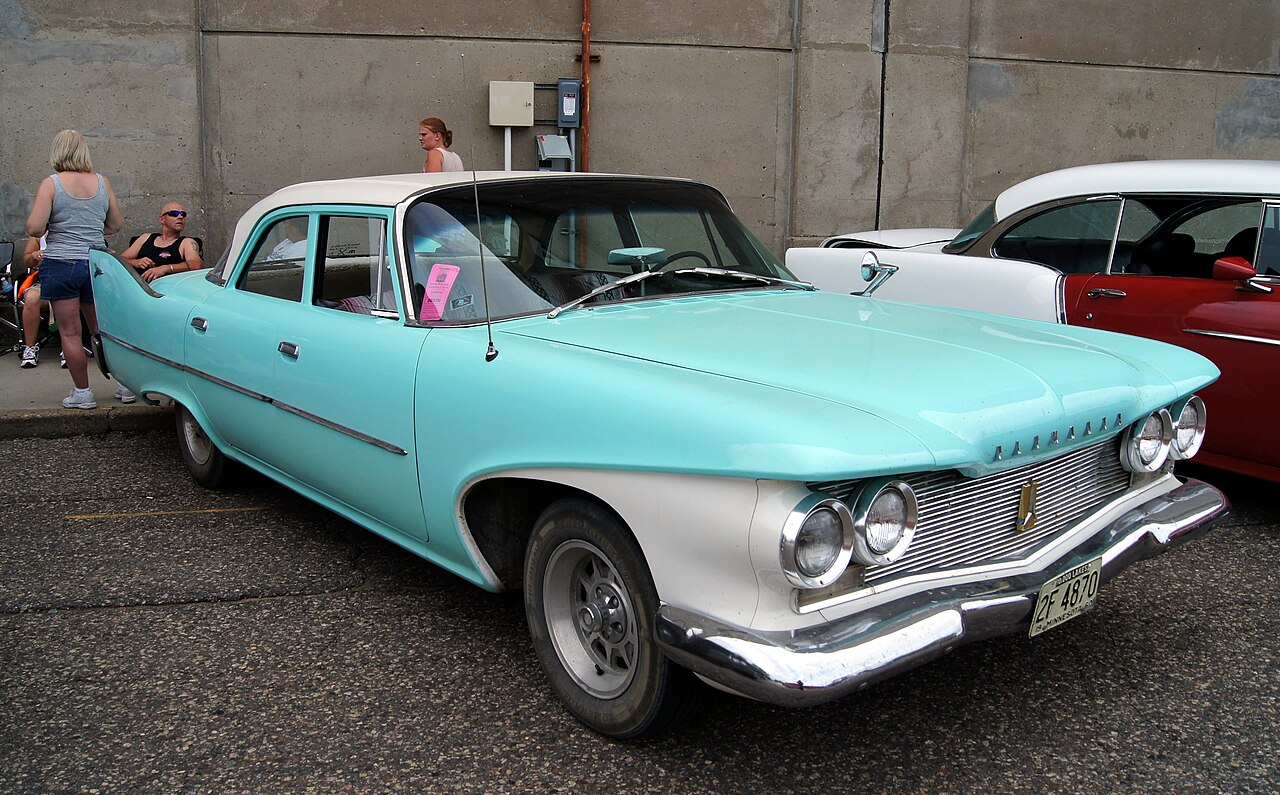
Plymouth's own historians don't defend the 1961 Savoy's face: period writing says it was "hit with the ugly stick," blaming odd chromed "eyelashes" stuck above the headlights.
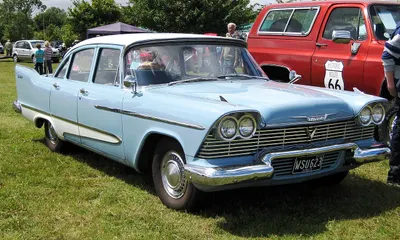
When Plymouth dropped the Plaza in 1959, the Savoy inherited its spot as the cheapest full-size Plymouth — and sales didn't suffer; taxi fleets and police departments snapped it up instead.
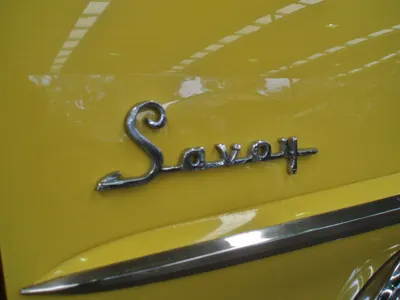
In 1956 you could option a Plymouth Savoy with the Highway Hi-Fi — an honest-to-goodness in-dash record player.
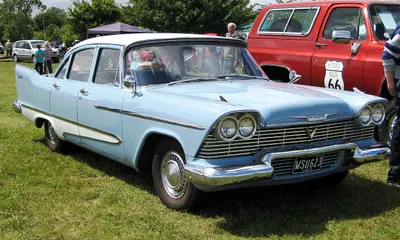
Plymouth changed the Savoy's engine mid-model-year in 1954 — on February 26th, displacement jumped and power rose from 100 to 110 hp, without so much as a new badge.
Rivals
Same body, same money, other badges — tap any card to flip.

It briefly served as senior sibling to Marquette, a GM companion brand cancelled after just one year.

Nissan hired former BMW engineers to help develop the 510's suspension, which is why period reviewers frequently compared its handling to the BMW 1600/2002.

A Trabant 601 won its class at the 1970 Monte Carlo Rally, with a second 601 right behind it in second.

The 600 was a stopgap: the P50's body over the 601's mechanicals, and for a while its estate was built alongside the new 601 saloon.

The G80 Sport brought a 370 PS twin-turbo 3.3 V6, a mesh grille and copper-tinted chrome with copper stitching to match.

The Vigor was sold only with a five-cylinder engine, an unusual configuration Honda used to fit a longer engine transversely under a short hood.

The GS/E coupe earned the nickname "German Charger" for its long hood, short deck stance borrowed from Detroit muscle cars.

This DeVille/Fleetwood was the first production car anywhere to mount its V8 sideways, Cadillac's front-drive gamble on the new C-body.