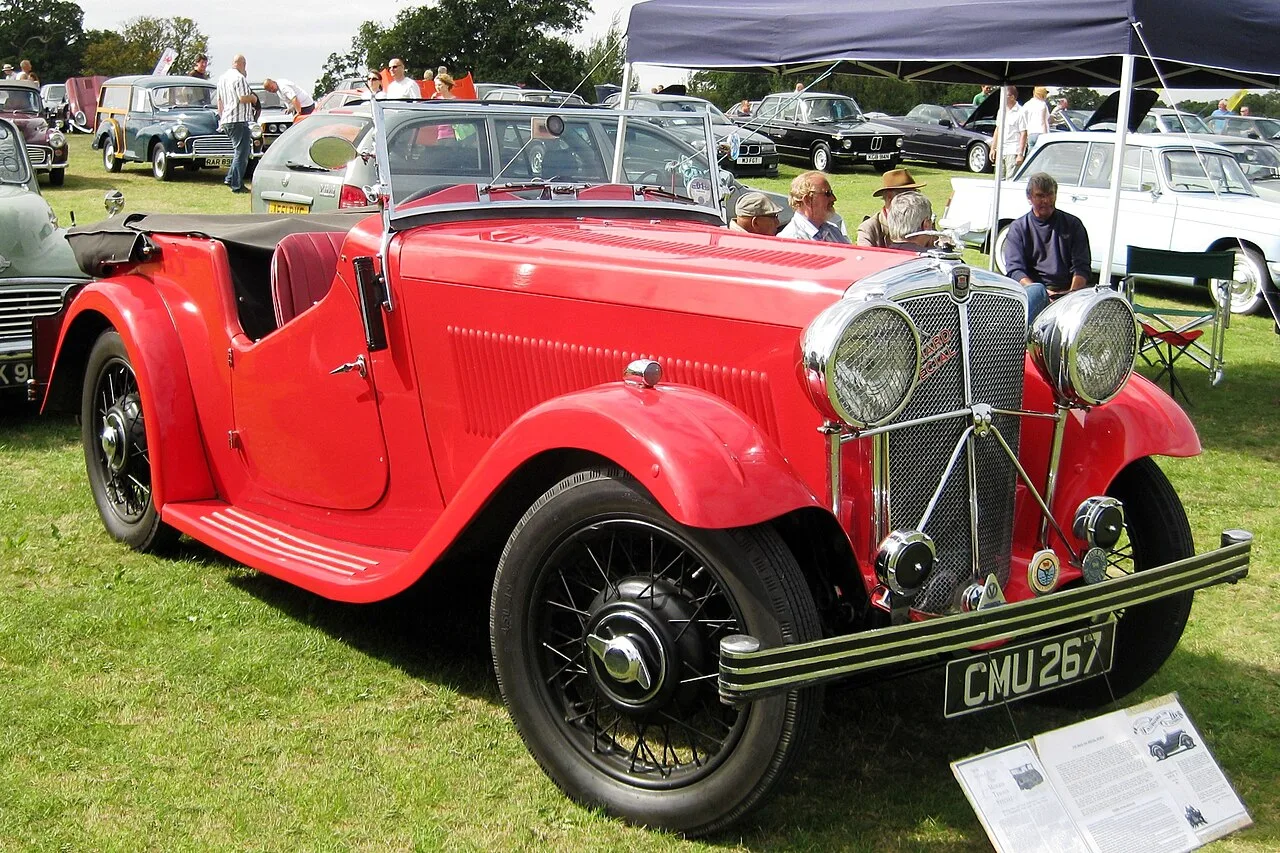
The Ten Six wasn't just a bigger-engined Ten — Morris stretched the wheelbase and dropped in a six-cylinder engine borrowed from the Cowley Four to create it.
Lead trim: Ten Six 1.4 side-valve six (1378 cc)
Morris Ten Six1934–1935
- 0spots by members
- Unclaimednobody has spotted one yet
- 0sets it belongs to
Nobody in Burbles has spotted a Morris Ten Six yet. See one on the street, point the app at it, and the first card is yours — with your @handle permanently credited on this page.
FactThe Ten Six wasn't just a bigger-engined Ten — Morris stretched the wheelbase and dropped in a six-cylinder engine borrowed from the Cowley Four to create it.
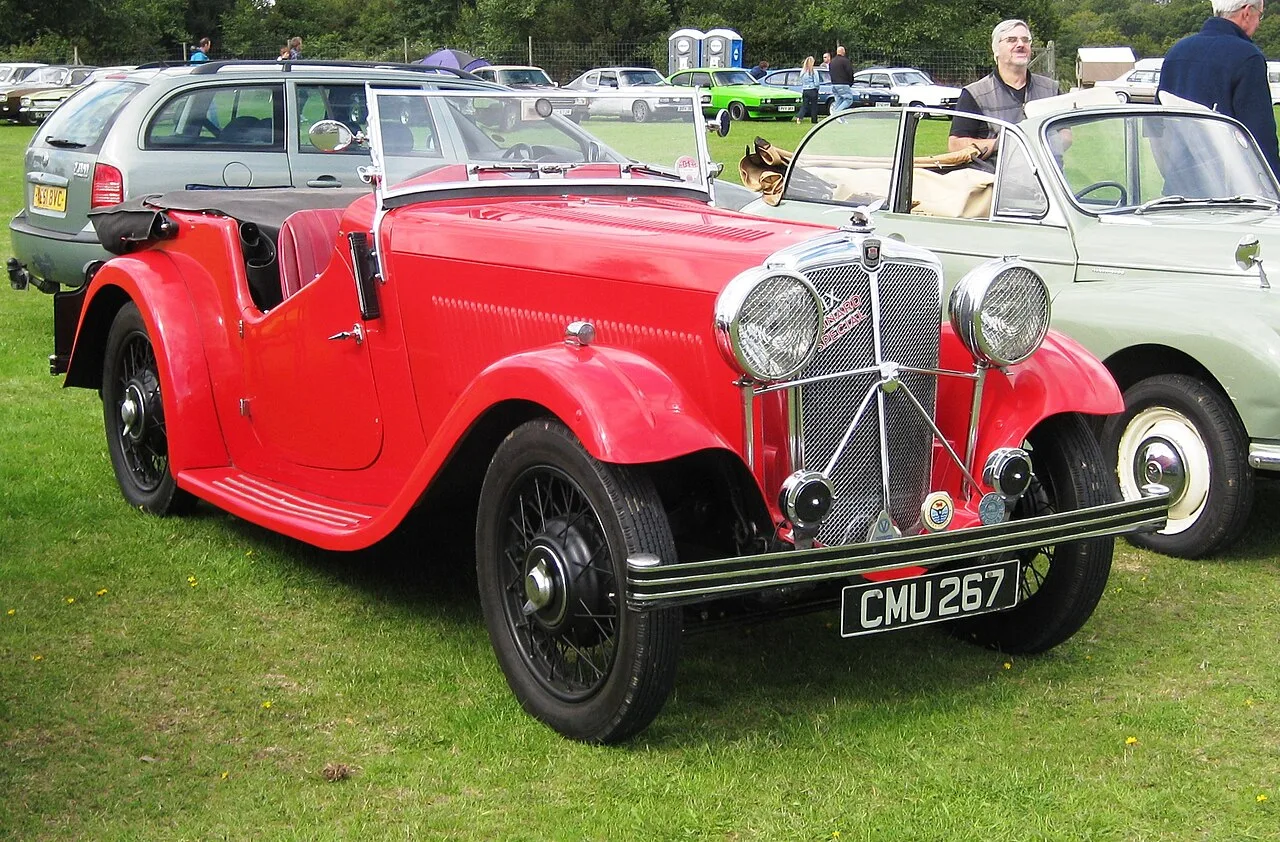
On 28 August 1933 a 12 hp six-cylinder version of the Ten was announced on the longer-wheelbase chassis of the Cowley Four, with a 1,378 cc side-valve six and a three-speed manual, offered as a four-door saloon, five-door Traveller's saloon, open two-seater, four-door tourer, two-door Special coupé and Special sports; prices ran from £180 for the two-seater to £215 for the Special coupé. A sporting version, the Ten-Six Special, was made in small numbers with a tuned engine and twin SU carburettors, and shown at Olympia in October 1933 with a long strapped bonnet, louvred valances, no running boards, cutaway doors and a flared low tail. The infobox gives production years 1934–1935.
Collectors Spotted in the Morris Ten Lineage
No member has published a public street spot of the Morris Ten yet — the First · Worldwide stamp is wide open.
Trims & Figures
One published trim in the catalogue. A blank is a figure not recorded, not zero.
| Trim | Years | Engine | Power | Torque | 0–60 | Drive | Gearbox | MSRP |
|---|---|---|---|---|---|---|---|---|
| Ten Six 1.4 side-valve six (1378 cc) | 1934–1935 | 1.4 L Inline-6 | — | — | — | — | — | — |
Owning one
We don’t estimate running costs for a car like this. What it costs depends on its condition, its specialist and how it is driven, and an average would mislead.
Owners’ builds
Nobody has claimed one yet.
Photographs
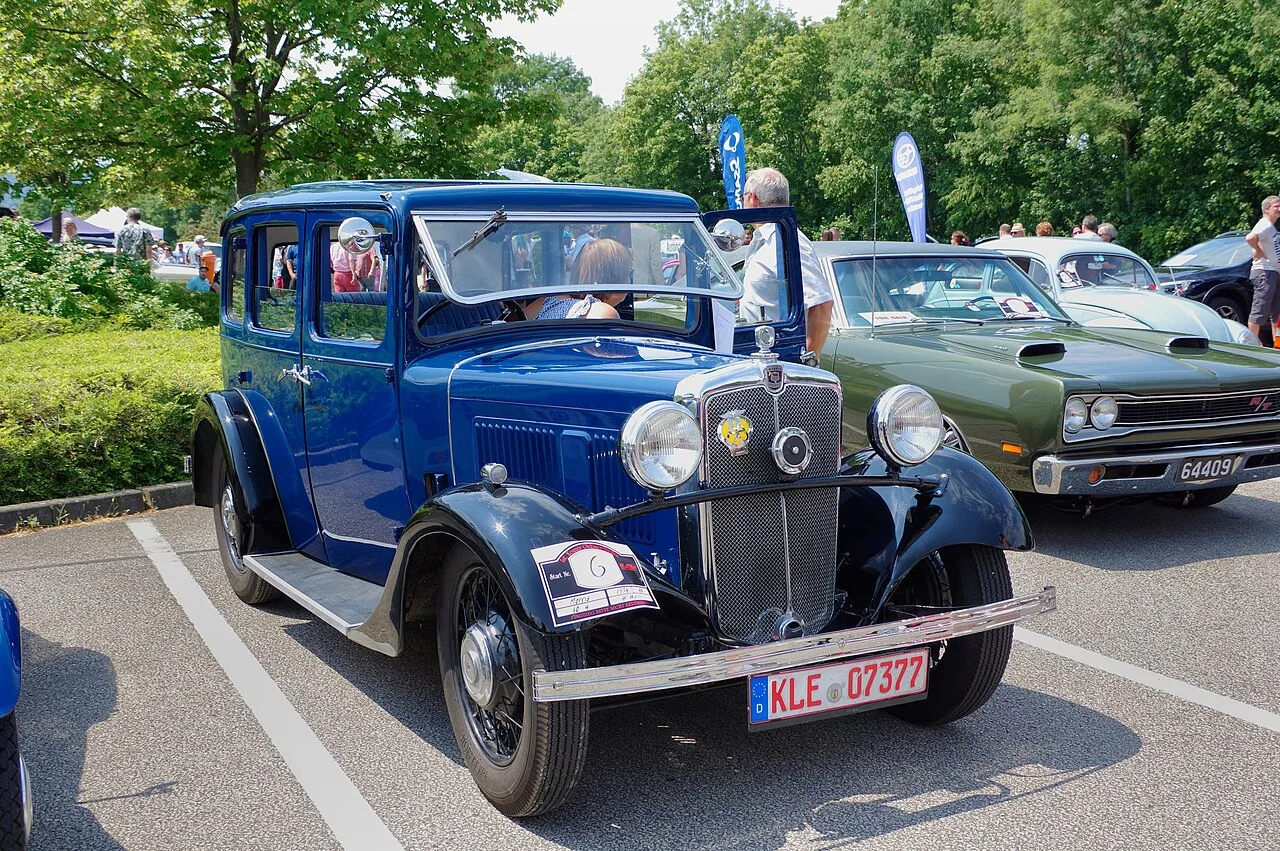
Morris shelved independent front suspension for the Ten Series M to save money — but the parts they'd already designed for it resurfaced after the war in the MG Y-type.
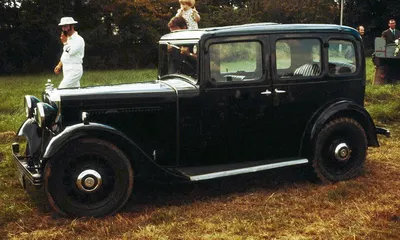
For 1938 the humble Ten got a real power jump — a new overhead-valve engine took it from 27 to 37.5 horsepower almost overnight.
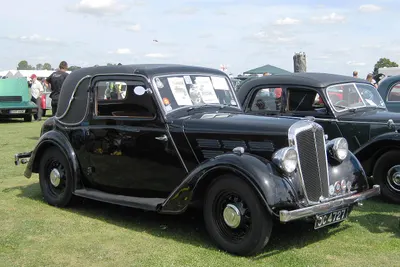
In 1935, Morris folded the Ten into a shared design — the new Ten Series II used the exact same body and chassis as the bigger Morris Twelve Series II, badge-engineering before the term even existed.
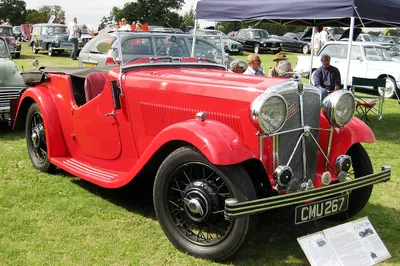
The Ten Six wasn't just a bigger-engined Ten — Morris stretched the wheelbase and dropped in a six-cylinder engine borrowed from the Cowley Four to create it.
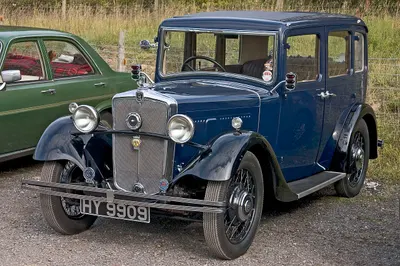
This 1930s Morris ran a genuinely odd piece of engineering: a wet cork clutch ahead of its four-speed gearbox, paired with then-cutting-edge Lockheed hydraulic brakes.
Rivals
Same body, same money, other badges — tap any card to flip.

It briefly served as senior sibling to Marquette, a GM companion brand cancelled after just one year.

Nissan hired former BMW engineers to help develop the 510's suspension, which is why period reviewers frequently compared its handling to the BMW 1600/2002.

A Trabant 601 won its class at the 1970 Monte Carlo Rally, with a second 601 right behind it in second.

The 600 was a stopgap: the P50's body over the 601's mechanicals, and for a while its estate was built alongside the new 601 saloon.

The G80 Sport brought a 370 PS twin-turbo 3.3 V6, a mesh grille and copper-tinted chrome with copper stitching to match.

The Vigor was sold only with a five-cylinder engine, an unusual configuration Honda used to fit a longer engine transversely under a short hood.

The GS/E coupe earned the nickname "German Charger" for its long hood, short deck stance borrowed from Detroit muscle cars.

This DeVille/Fleetwood was the first production car anywhere to mount its V8 sideways, Cadillac's front-drive gamble on the new C-body.