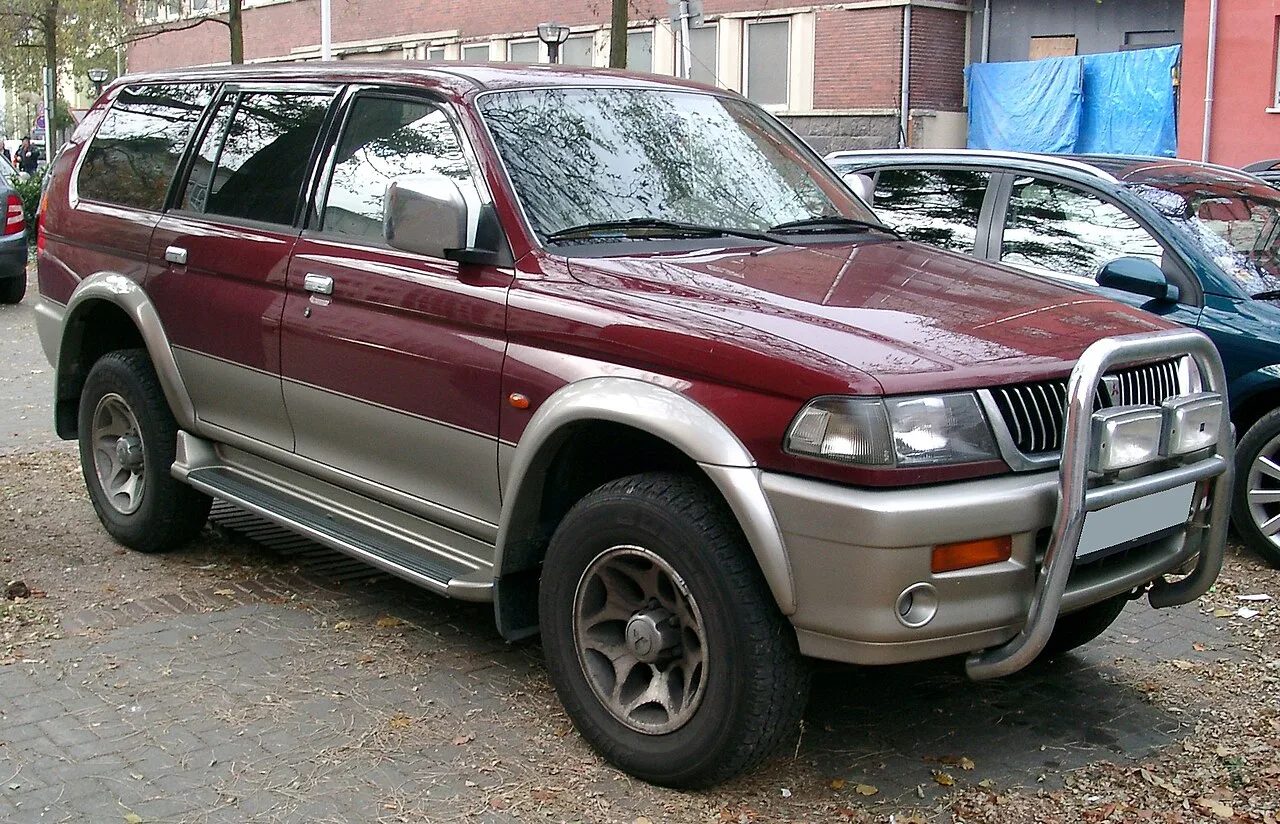
This Pajero Sport wore seven different names across markets, from Challenger to Nativa to Strada G-Wagon in Thailand.
Median 190 hp across 238 similar cars
Lead trim: 2.4 4G64 · up to 186 hp
Mitsubishi Pajero Sport / Montero Sport / Challenger first generation K801996–2008
- 0spots by members
- Unclaimednobody has spotted one yet
- 0sets it belongs to
Nobody in Burbles has spotted a Mitsubishi Pajero Sport / Montero Sport / Challenger first generation K80 yet. See one on the street, point the app at it, and the first card is yours — with your @handle permanently credited on this page.
FactThis Pajero Sport wore seven different names across markets, from Challenger to Nativa to Strada G-Wagon in Thailand.
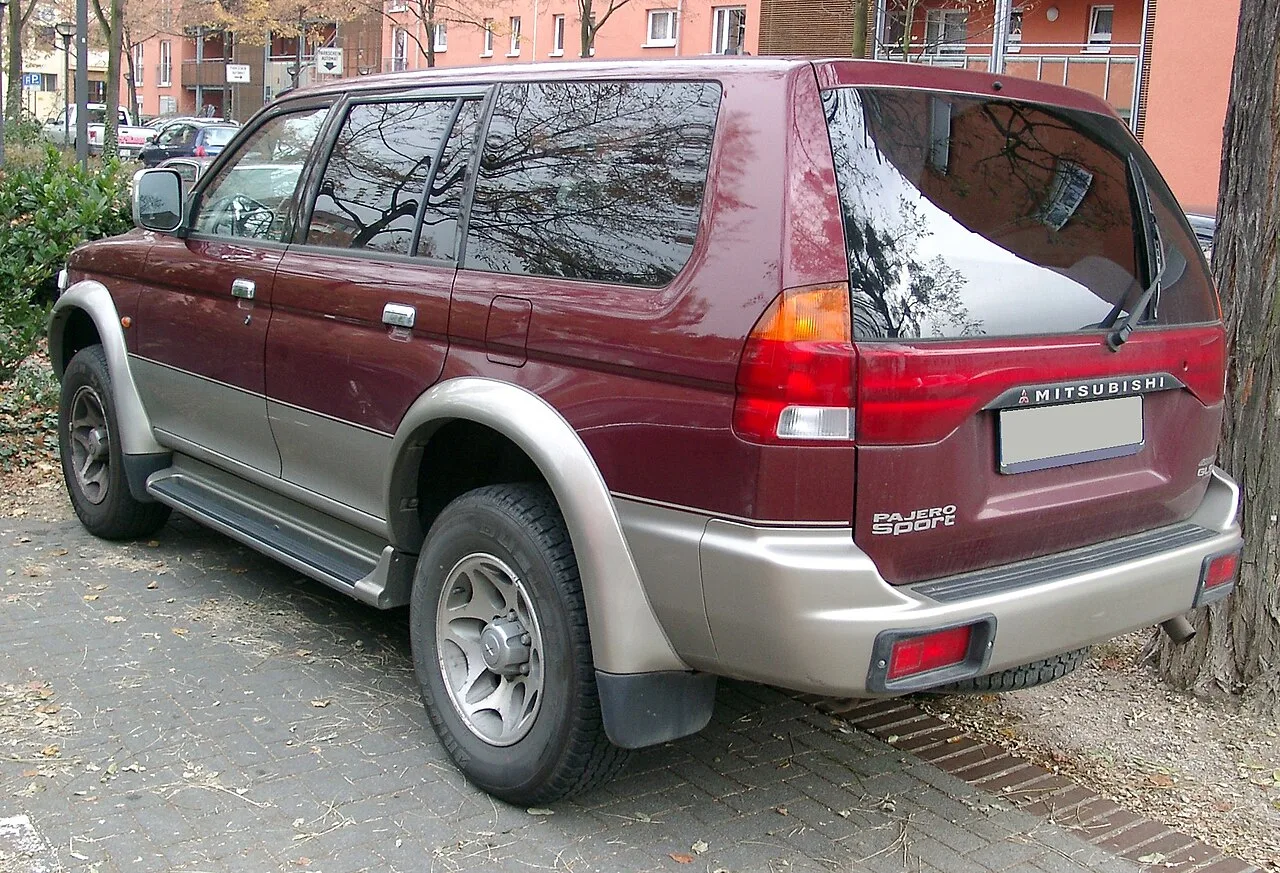
Production of the first-generation Mitsubishi Pajero Sport began in Japan in 1996 and it was available for most export markets by 1997, where it was variously known as the Challenger, Pajero Sport in Europe, Montero Sport in North America, South America, Spain and the Philippines, Nativa in parts of Latin America, the Caribbean and the Middle East, Shogun Sport in the United Kingdom, and Strada G-Wagon in Thailand. Based on the Strada pickup truck of the same vintage, sharing many components and some body panels such as the front doors, it was also built on the second-generation Pajero wheelbase and served as a smaller model to the larger Pajero. Like the Pajero it featured independent front suspension with torsion bars and a live rear axle, and in addition to numerous facelifts there was a major suspension change from rear leaf to coil springs in late 2000. Local assembly for foreign markets was introduced in China in 2003 and Brazil in 2006.
Collectors Spotted in the Mitsubishi Pajero Sport Lineage
No member has published a public street spot of the Mitsubishi Pajero Sport yet — the First · Worldwide stamp is wide open.
Trims & Figures
7 published trims in the catalogue. A blank is a figure not recorded, not zero.
| Trim | Years | Engine | Power | Torque | 0–60 | Drive | Gearbox | MSRP |
|---|---|---|---|---|---|---|---|---|
| 2.4 4G64 | 1996–2008 | 2.4 L Inline-4 | 132 hp | 148 lb-ft | — | — | — | — |
| 2.5 4D56 turbo | 1996–2008 | 2.5 L Inline-4 | 114 hp | 177 lb-ft | — | — | — | — |
| 2.8 4M40 | 1996–2008 | 2.8 L Inline-4 | 95 hp | — | — | — | — | — |
| 2.8 4M40 turbo | 1996–2008 | 2.8 L Inline-4 | 138 hp | 232 lb-ft | — | — | — | — |
| 3.0 6G72 | 1996–2008 | 3.0 L V6 | 174 hp | 188 lb-ft | — | — | — | — |
| 3.2 4M41 turbo | 1996–2008 | 3.2 L Inline-4 | 163 hp | 259 lb-ft | — | — | — | — |
| 3.5 6G74 | 1996–2008 | 3.5 L V6 | 186 hp | 226 lb-ft | — | — | — | — |
Owning one
We don’t estimate running costs for a car like this. What it costs depends on its condition, its specialist and how it is driven, and an average would mislead.
Owners’ builds
Nobody has claimed one yet.
In the Community
Open CommunityNo notes tagged with the Mitsubishi Pajero Sport / Montero Sport / Challenger first generation K80 yet.
Photographs
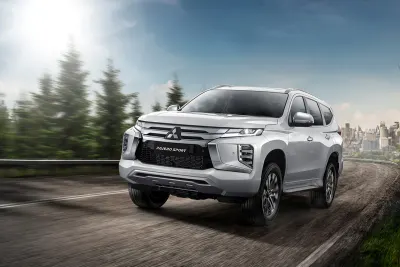
This Pajero Sport's hill descent control was a first for Mitsubishi, debuting alongside a new off-road mode in Super-Select 4WD-II.
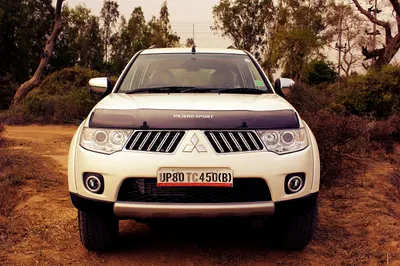
Every market's Pajero Sport came from one factory: Thailand built them all, whether badged Montero, Shogun or Dakar.
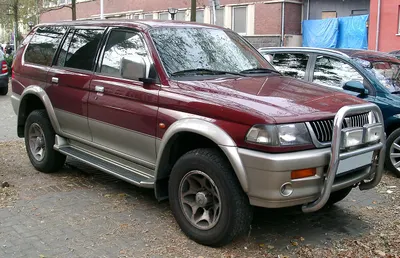
This Pajero Sport wore seven different names across markets, from Challenger to Nativa to Strada G-Wagon in Thailand.
Rivals
Same body, same money, other badges — tap any card to flip.
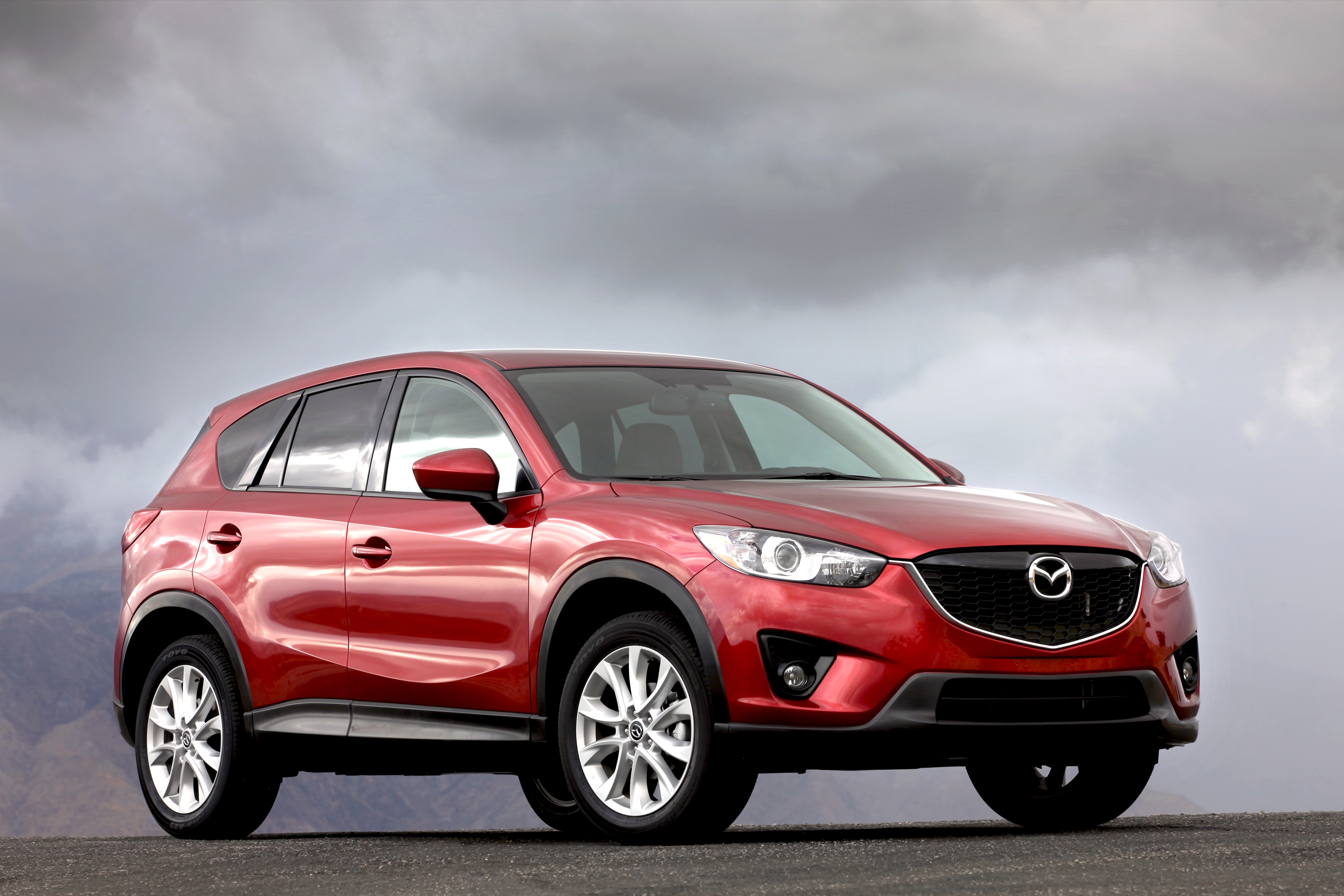
IIHS only crash-tests the driver's corner; tested on the passenger side instead, the CX-5 showed far worse intrusion.
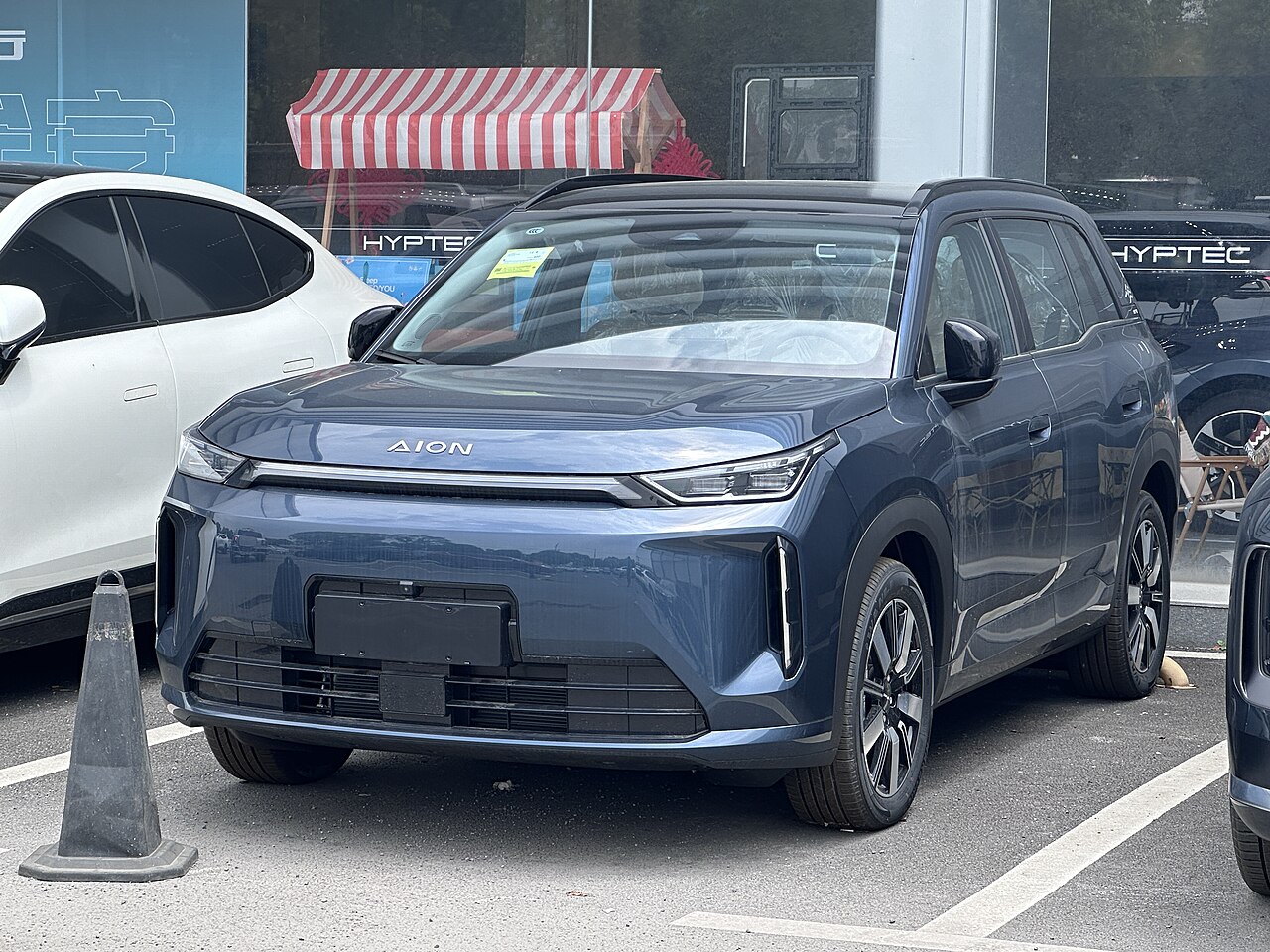
Despite launching from a standing start in late 2025, the i60 topped GAC Aion's own sales chart through January's seasonal slowdown.
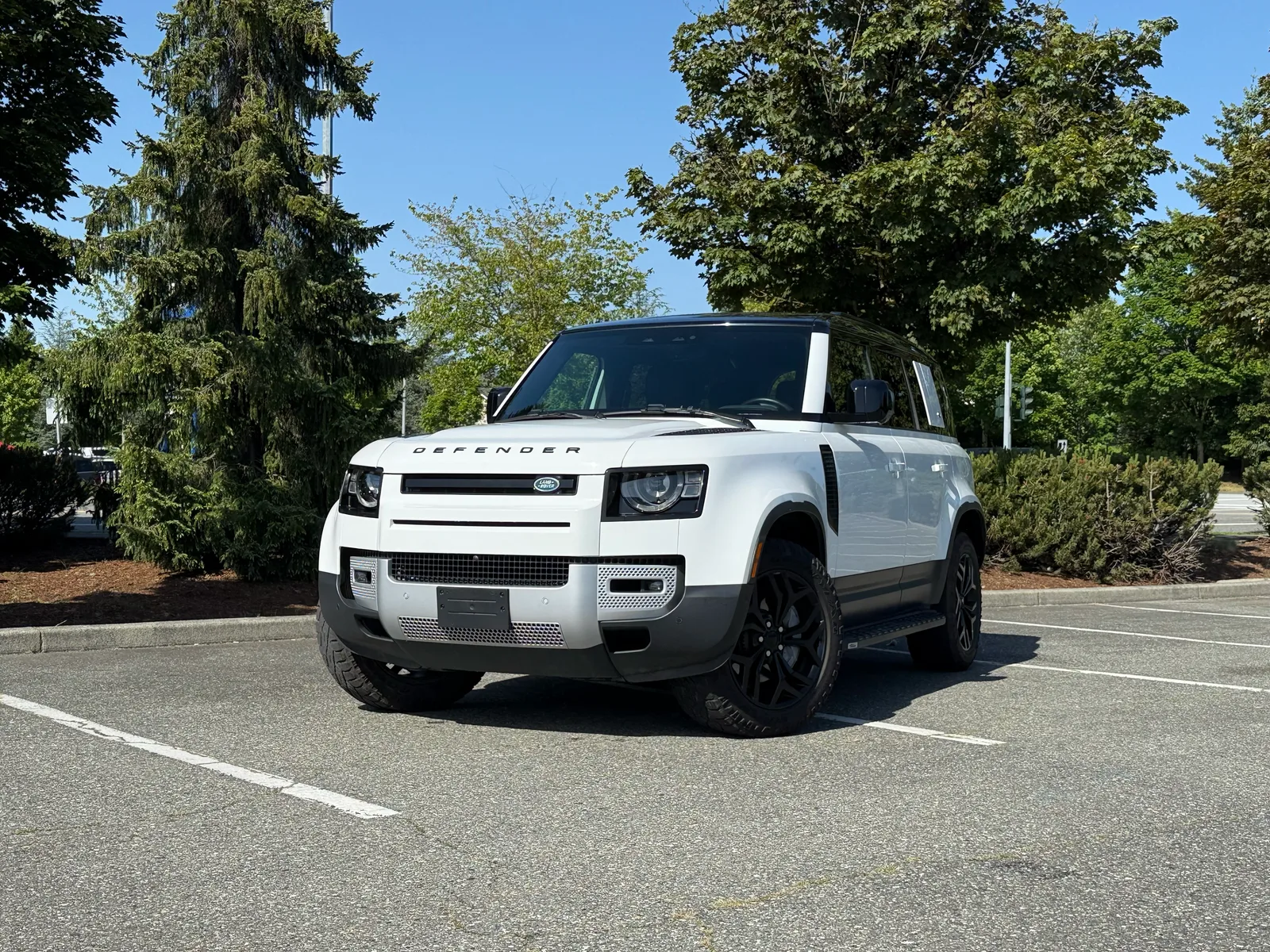
Every Defender before this one was body-on-frame — this generation broke decades of tradition with an aluminium unibody structure instead.
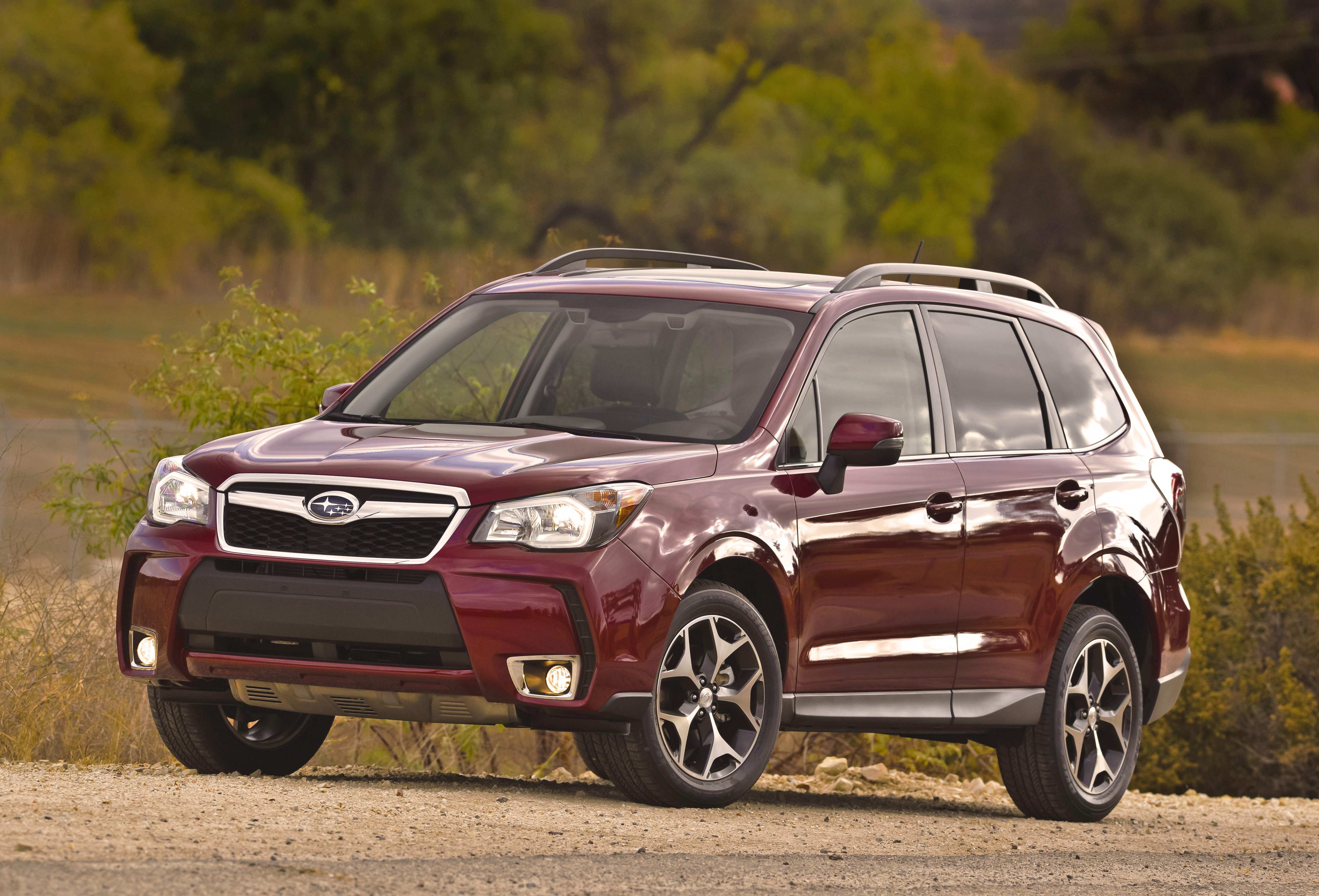
Crashed on the passenger side instead of the driver's, the 2014 Forester showed far more intrusion and would have rated Marginal with the IIHS.
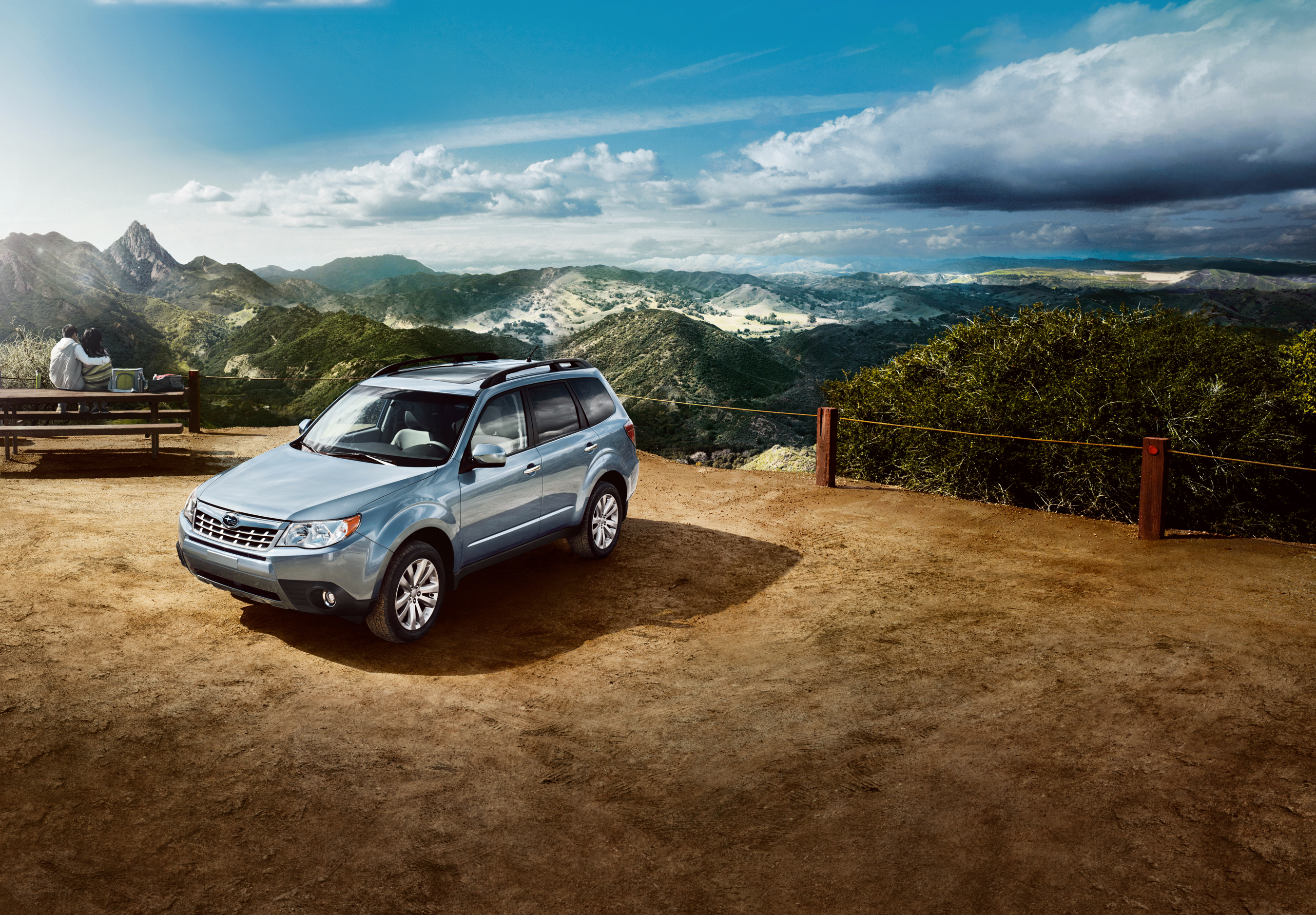
Subaru built a 2.5XT for the National Ski Patrol with a diamond-plate floor, a 9,500-pound winch and a toboggan on the roof.
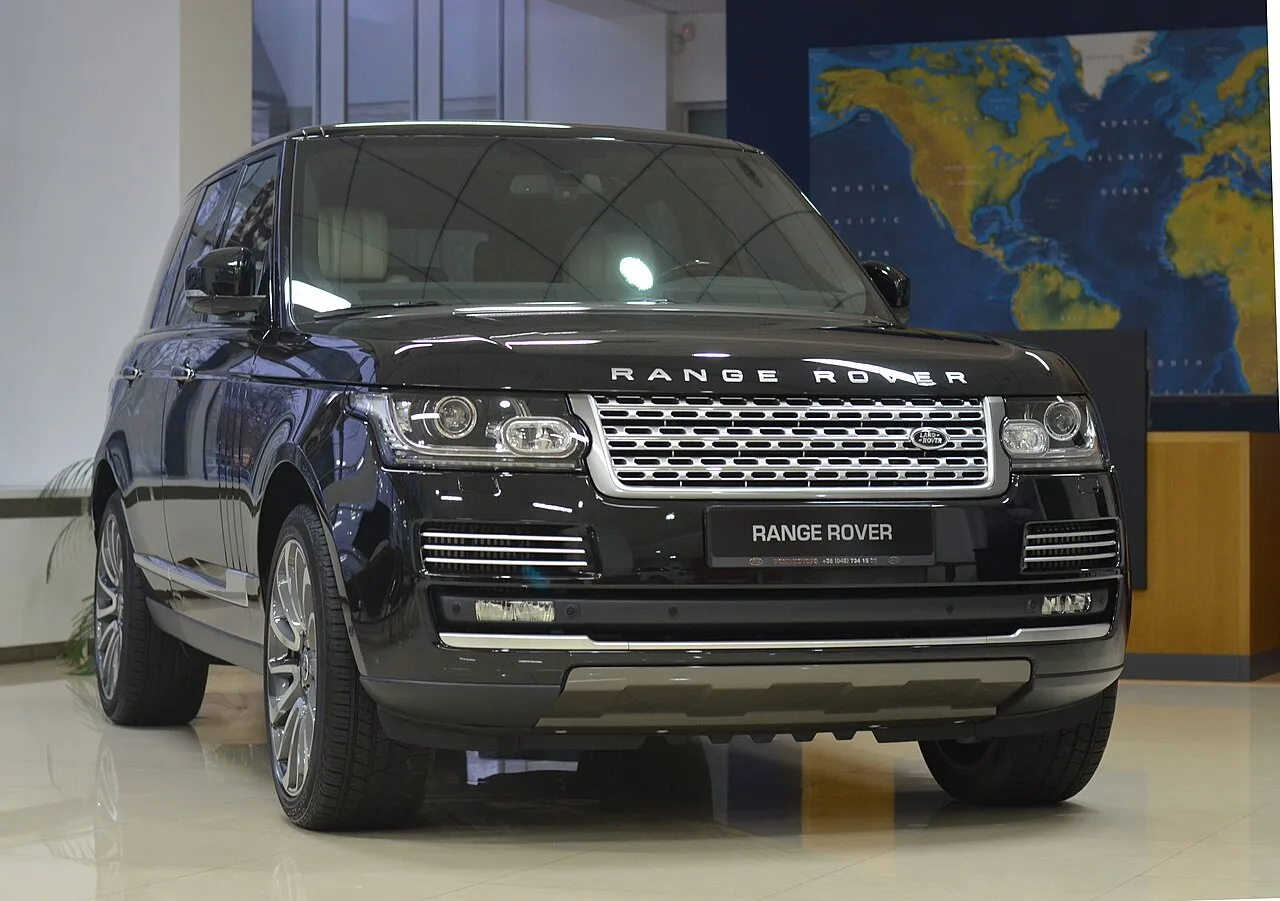
The L405 was the first Range Rover with a fully aluminum monocoque body, cutting up to 420 kg from the outgoing steel-bodied L322.
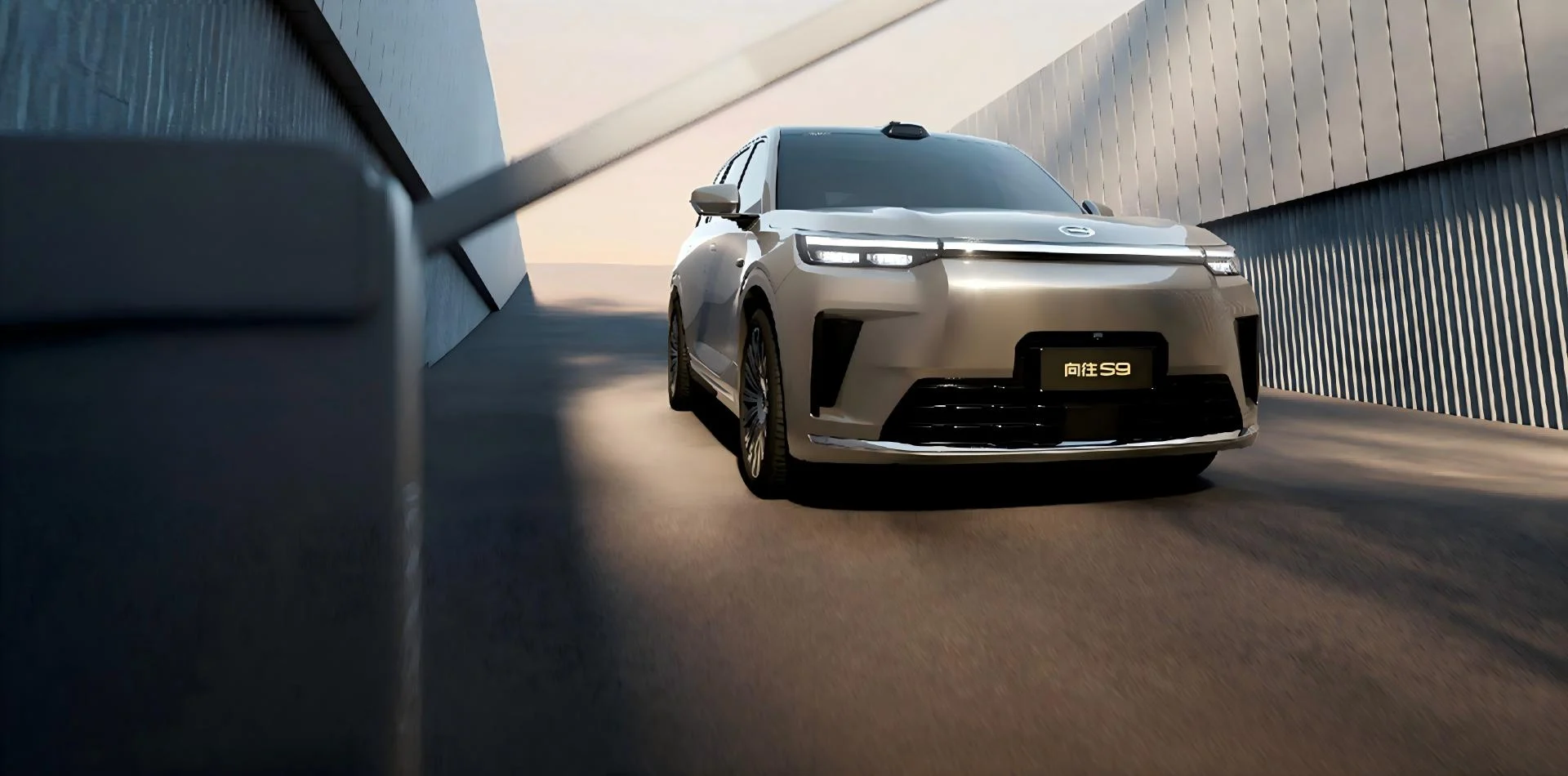
Rear passengers get a 17.3-inch screen that extends from the roof, and a lidar sensor sits in the front of the roof.
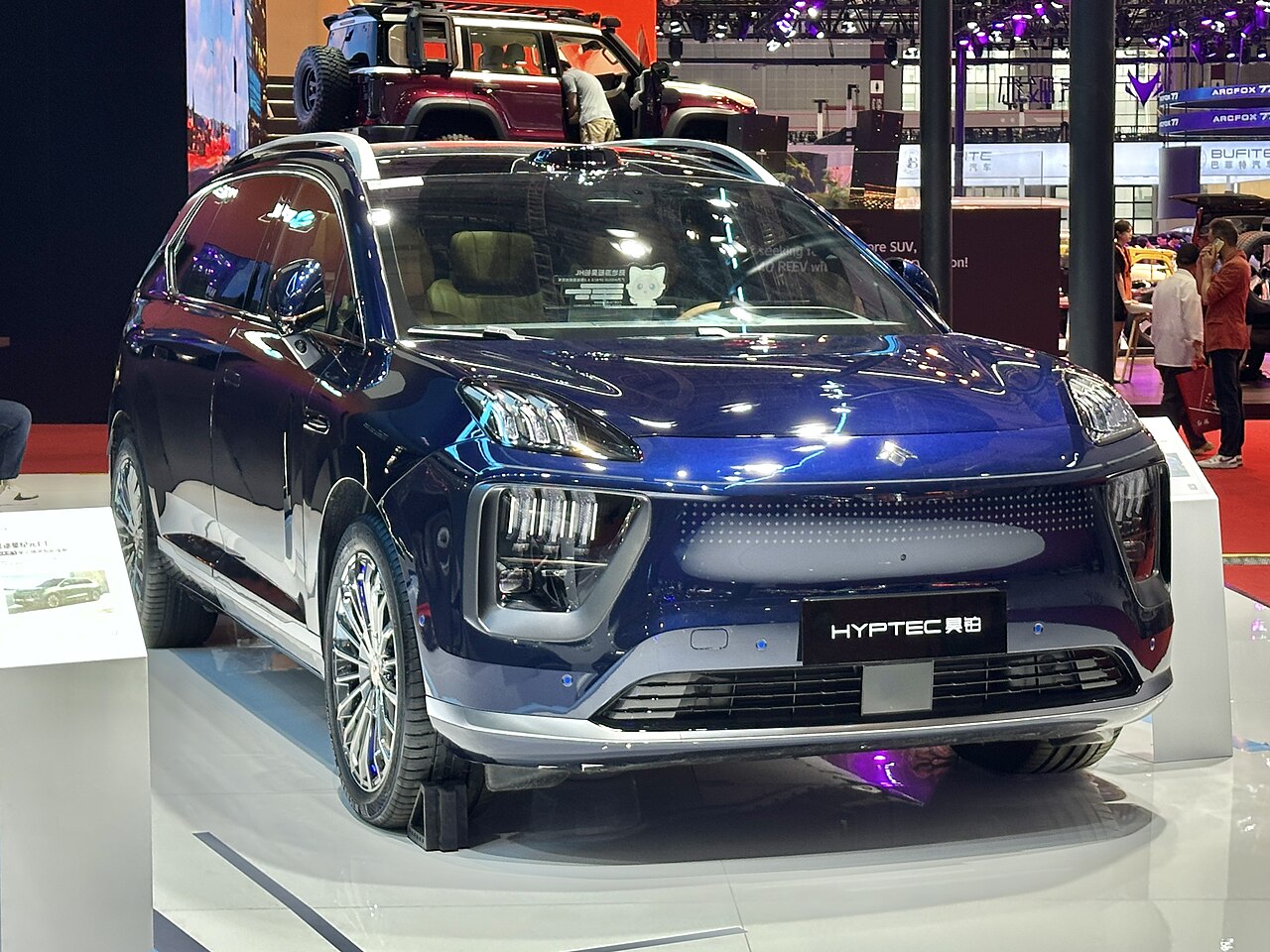
Its range-extender variant is rated for 1,200 km on a tank and charge, over three times the car's electric-only range.