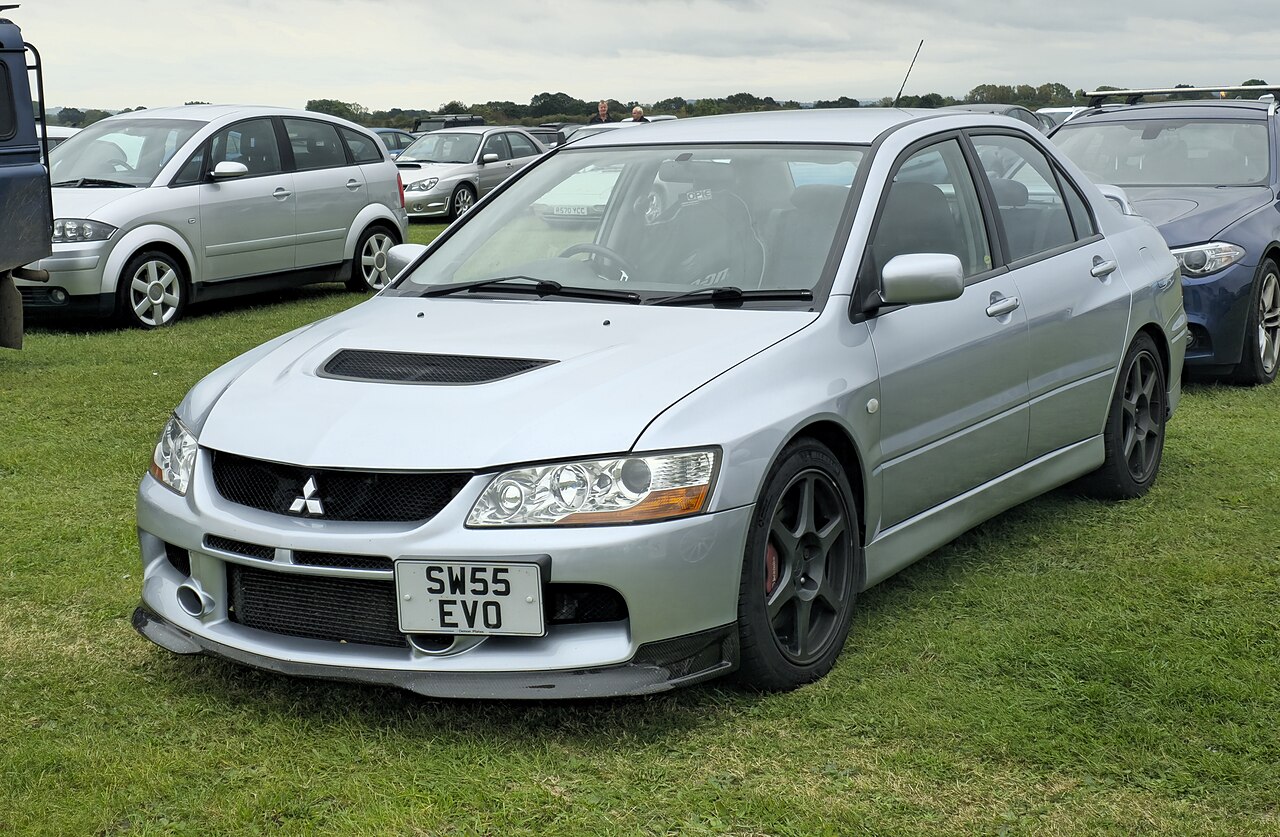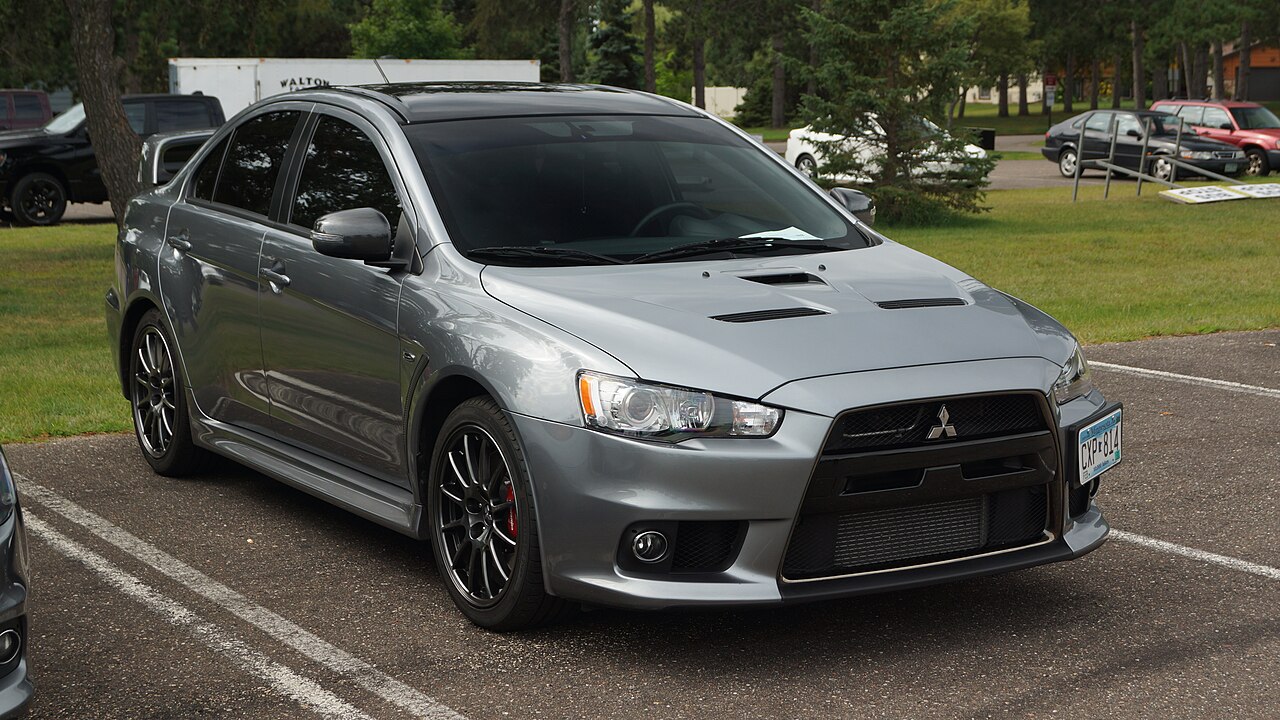
VerifiedFIRST · WORLDWIDEFIRST PRINTONLY ONE IN VANCOUVERRed paint on an Evo VI means one thing: only the Tommi Mäkinen Edition got it, reserved for the car that wore the rally champion's name.

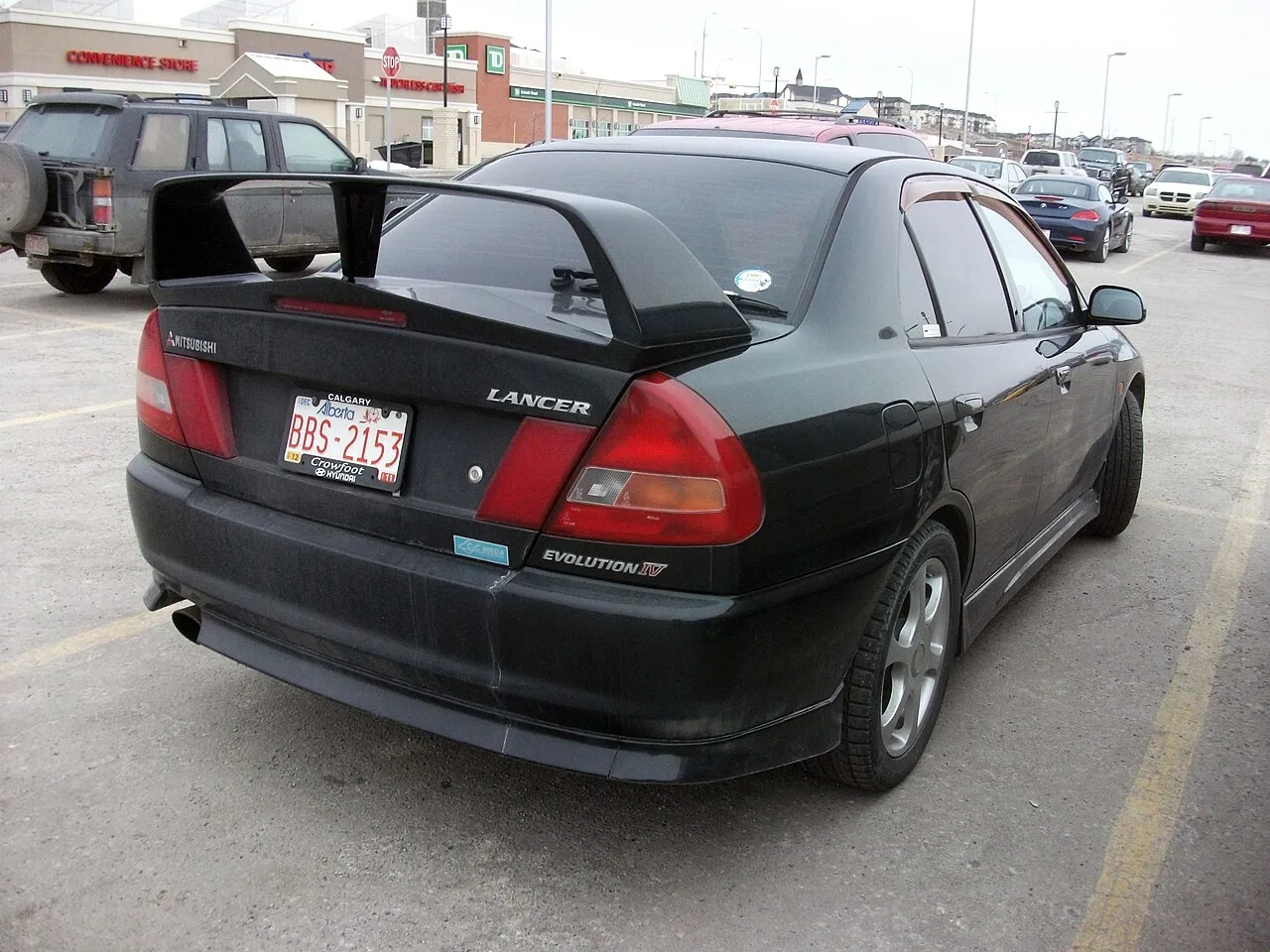
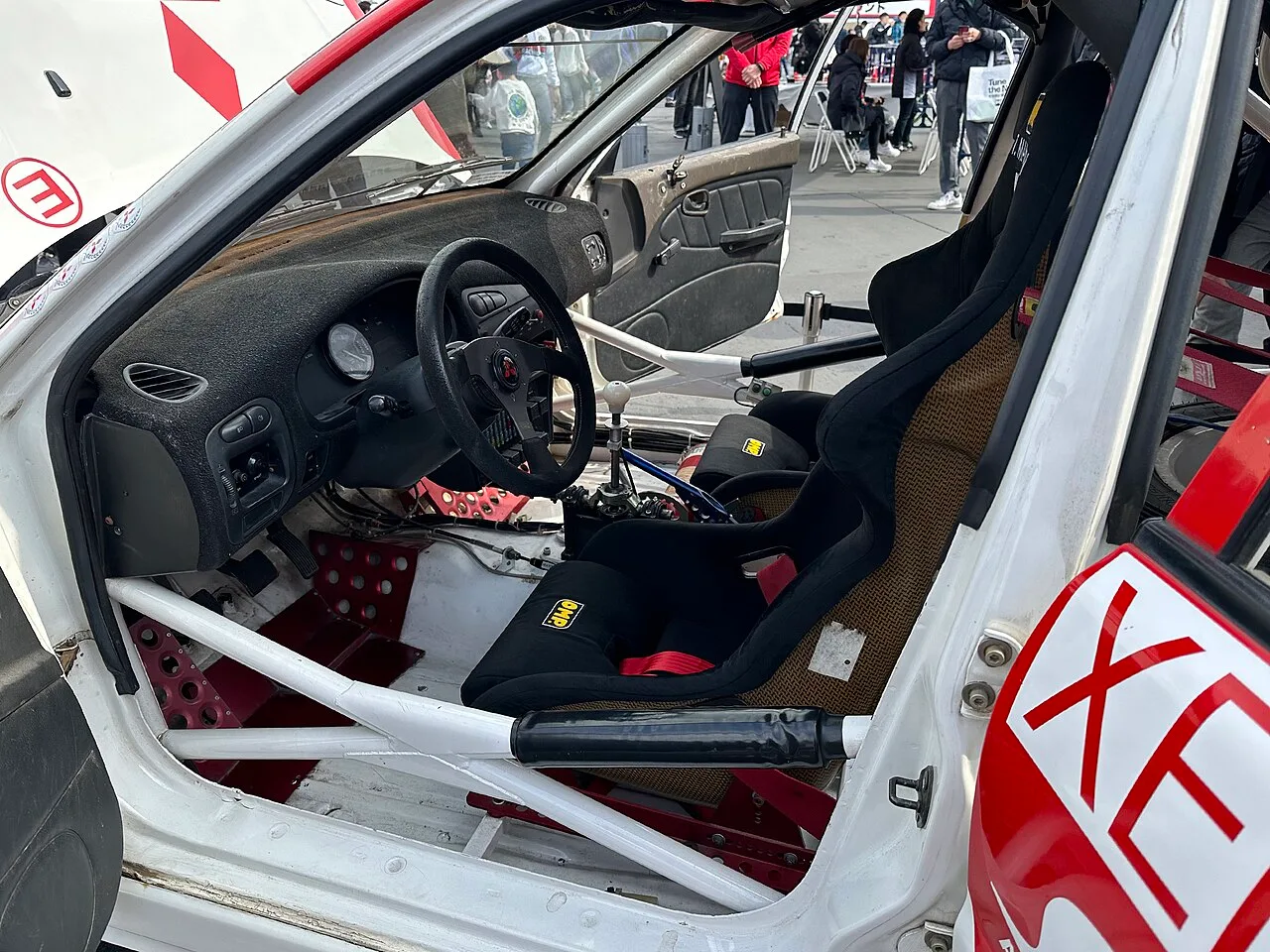
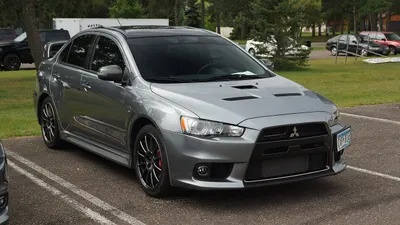
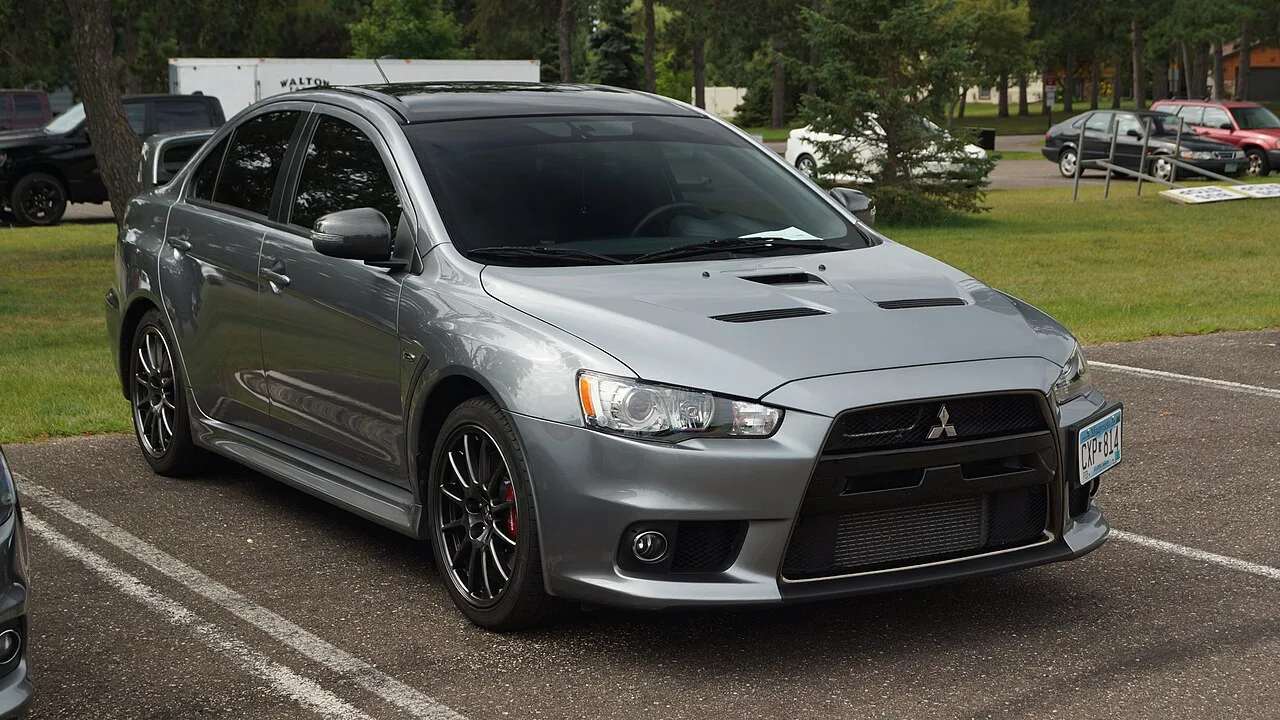
Mitsubishi built the Evolution specifically to homologate a rally car for Group A competition in the World Rally Championship.
Median 144 hp across 277 similar cars
Lead trim: GSR Evolution
Nobody in Burbles has spotted a Mitsubishi Lancer Evolution I yet. See one on the street, point the app at it, and the first card is yours — with your @handle permanently credited on this page.
FactMitsubishi built the Evolution specifically to homologate a rally car for Group A competition in the World Rally Championship.
The first Lancer Evolution used the 2.0 L turbocharged DOHC engine and AWD drivetrain from the original Galant VR-4 in a Lancer chassis, and was sold as the GSR Evolution and the GSR Evolution RS.
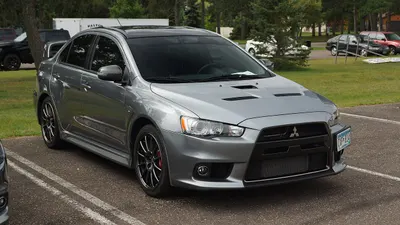
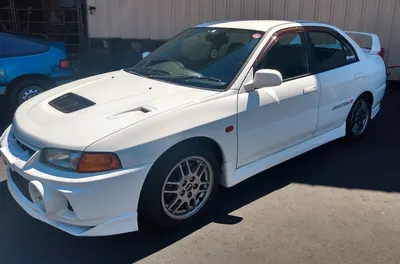
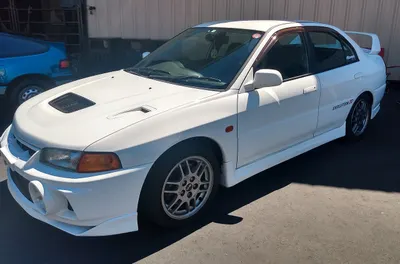
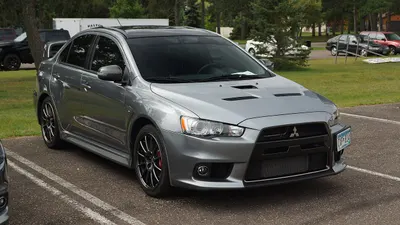
Real Mitsubishi Lancer Evolution cards spotted on the street by Burbles collectors. Tap any card to flip it over, inspect the collector’s binder, or follow them.
VerifiedFIRST · WORLDWIDEFIRST PRINTONLY ONE IN VANCOUVERRed paint on an Evo VI means one thing: only the Tommi Mäkinen Edition got it, reserved for the car that wore the rally champion's name.
VerifiedFIRST · WORLDWIDEFIRST PRINTONLY ONE IN VANCOUVERThe Evolution VII broke a decade of Evo tradition: it was the first Evolution ever offered with an automatic — the 'GT-A,' with fuzzy-logic shift mapping that adapted to the driver's own habits.
One published trim in the catalogue. A blank is a figure not recorded, not zero.
| Trim | Years | Engine | Power | Torque | 0–60 | Drive | Gearbox | MSRP |
|---|---|---|---|---|---|---|---|---|
| GSR Evolution | 1992–1994 | 2.0 L Inline-4 | 247 hp | 228 lb-ft | — | AWD | manual | — |
We don’t estimate running costs for a car like this. What it costs depends on its condition, its specialist and how it is driven, and an average would mislead.
Nobody has claimed one yet.


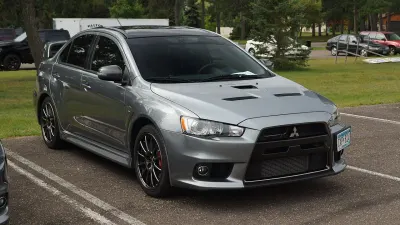
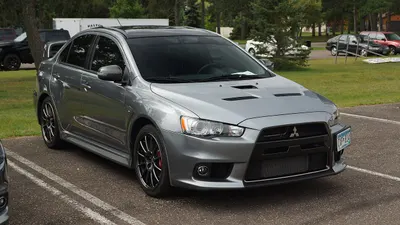
The Evo X's S-AWC system could send a different amount of torque to each rear wheel independently — torque-vectoring tech that used to live only in cars costing many times as much.

Everyone calls it the 'Evo IX Wagon' — but Mitsubishi itself never once used that name in any official material.

The road-legal Evolution VIII FQ-400 was quick enough that Top Gear's Stig lapped the show's test track just 1.1 seconds slower than a Lamborghini Murciélago.

The FQ-400 kept pace with a Lamborghini Murciélago on Top Gear, a 405 hp Evo built by three separate UK tuning shops.

The Evolution VII broke a decade of Evo tradition: it was the first Evolution ever offered with an automatic — the 'GT-A,' with fuzzy-logic shift mapping that adapted to the driver's own habits.

Red paint on an Evo VI means one thing: only the Tommi Mäkinen Edition got it, reserved for the car that wore the rally champion's name.

Mitsubishi widened the Evolution V's body for better handling and, in doing so, pushed it 70mm past Japan's legal limit for a 'compact' car, surrendering the tax-friendly classification for good.

Mitsubishi only planned to build 6,000 of this Evo — they were gone within three days of release.

This Evolution III launched Tommi Mäkinen's run of four straight WRC drivers' titles (1996–99) — he won the first of them in this very car.

The Evolution II squeezed another 10 PS from the same 4G63T turbo engine as the original Evo — 260 PS now, with torque unchanged.

Mitsubishi built the Evolution specifically to homologate a rally car for Group A competition in the World Rally Championship.
Same body, same money, other badges — tap any card to flip.

It briefly served as senior sibling to Marquette, a GM companion brand cancelled after just one year.

Nissan hired former BMW engineers to help develop the 510's suspension, which is why period reviewers frequently compared its handling to the BMW 1600/2002.

A Trabant 601 won its class at the 1970 Monte Carlo Rally, with a second 601 right behind it in second.

The 600 was a stopgap: the P50's body over the 601's mechanicals, and for a while its estate was built alongside the new 601 saloon.

The G80 Sport brought a 370 PS twin-turbo 3.3 V6, a mesh grille and copper-tinted chrome with copper stitching to match.

The Vigor was sold only with a five-cylinder engine, an unusual configuration Honda used to fit a longer engine transversely under a short hood.

The GS/E coupe earned the nickname "German Charger" for its long hood, short deck stance borrowed from Detroit muscle cars.

This DeVille/Fleetwood was the first production car anywhere to mount its V8 sideways, Cadillac's front-drive gamble on the new C-body.