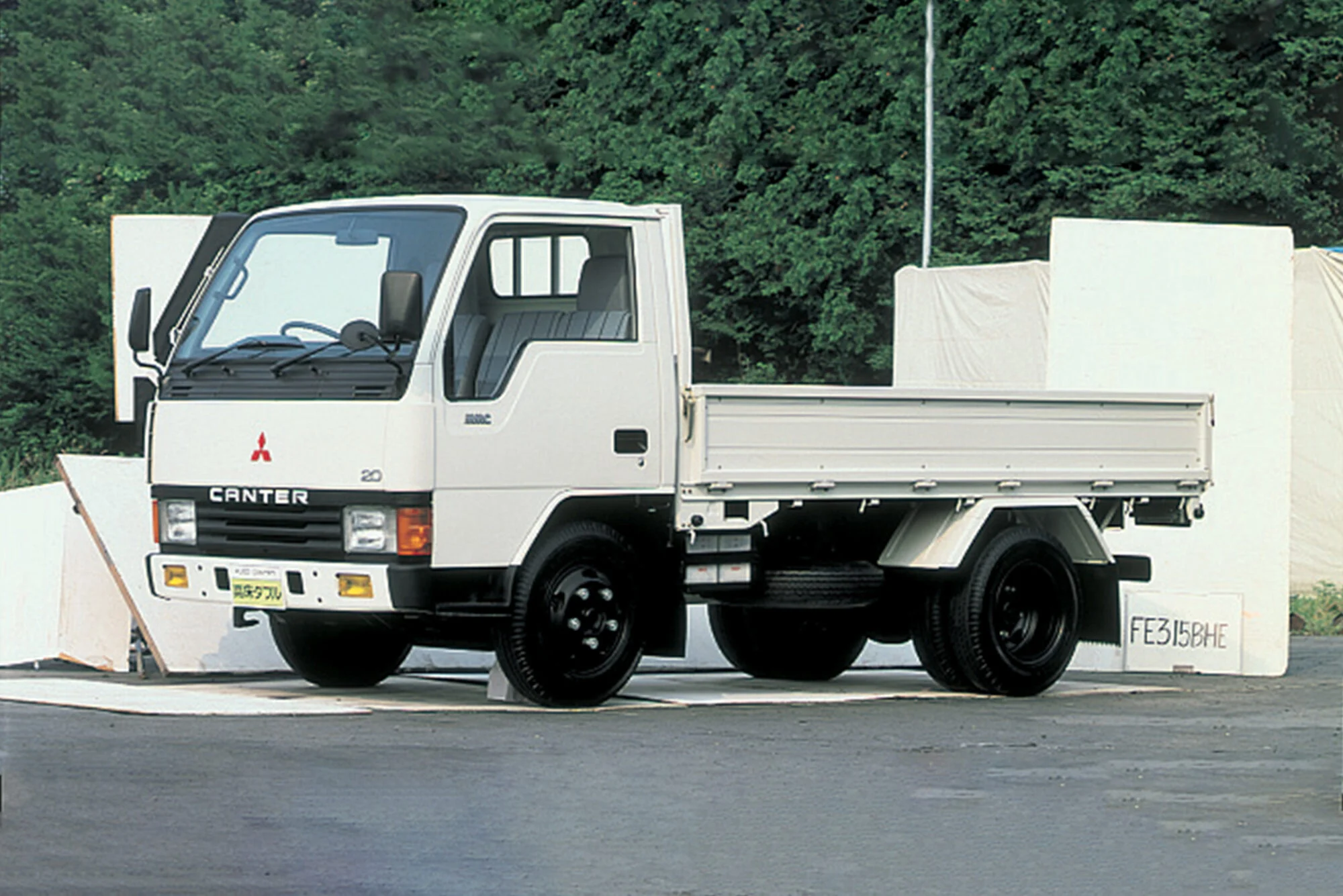
In June 1991 the Canter got ABS brakes, a first for its class in Japan, and power windows became standard on every one.
Lead trim: 3.9 Diesel Turbo (4D34)
Mitsubishi Canter FE3/4FE3/4 · 1985–1993
- 0spots by members
- Unclaimednobody has spotted one yet
- 0sets it belongs to
Nobody in Burbles has spotted a Mitsubishi Canter FE3/4 yet. See one on the street, point the app at it, and the first card is yours — with your @handle permanently credited on this page.
FactIn June 1991 the Canter got ABS brakes, a first for its class in Japan, and power windows became standard on every one.
The fifth-generation Canter appeared in October 1985 with single rectangular headlights in place of the round twin lamps, front disc brakes on some models and a floor shift. Four-wheel drive was added to the Canter 20 and 30 in July 1986, and the Canter 15 was renamed Canter Guts in January 1987. A November 1989 facelift met new emissions rules, and ABS became an option in June 1991, a first in its class in Japan.
Collectors Spotted in the Mitsubishi Canter Lineage
No member has published a public street spot of the Mitsubishi Canter yet — the First · Worldwide stamp is wide open.
Trims & Figures
6 published trims in the catalogue. A blank is a figure not recorded, not zero.
| Trim | Years | Engine | Power | Torque | 0–60 | Drive | Gearbox | MSRP |
|---|---|---|---|---|---|---|---|---|
| 2.0 Petrol (4G63) | 1990–1993 | 2.0 L | — | — | — | — | — | — |
| 2.7 Diesel (4DR5) | 1985–1987 | 2.7 L | — | — | — | — | — | — |
| 2.8 Diesel (4DR7) | 1991–1993 | 2.8 L | — | — | — | — | — | — |
| 3.6 Diesel (4D32) | 1986–1993 | 3.6 L | — | — | — | — | — | — |
| 3.9 Diesel Turbo (4D34) | 1992–1993 | 3.9 L | — | — | — | — | — | — |
| 4.2 Diesel (4D33) | 1991–1993 | 4.2 L | — | — | — | — | — | — |
Owning one
We don’t estimate running costs for a car like this. What it costs depends on its condition, its specialist and how it is driven, and an average would mislead.
Owners’ builds
Nobody has claimed one yet.
Photographs
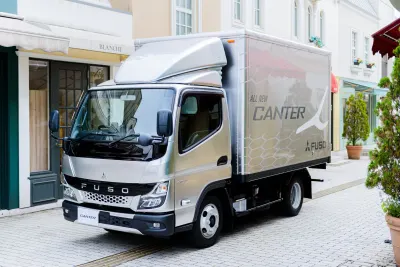
The October 2020 facelift folded the old Canter Guts into the line as 1.5-ton Canter variants.
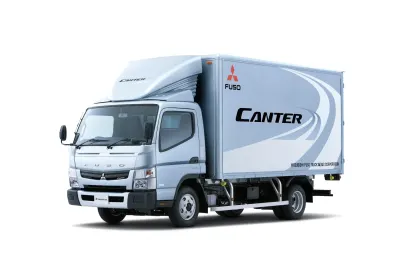
The Canter Eco-Hybrid paired a 150 hp diesel with a 40 kW motor-generator and a 2 kWh lithium-ion battery.
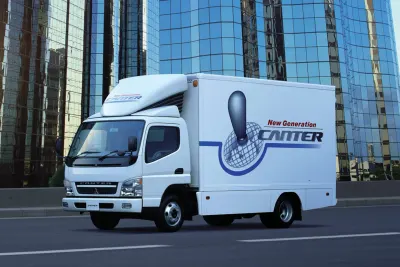
The 2002 Canter moved its gear lever to the dashboard, a world-first for cab-over trucks.
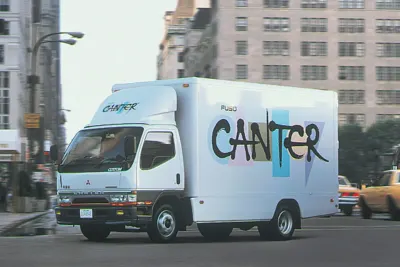
In October 1997 the Canter Guts' all-wheel drive went from on-demand with a crawler to a permanent system.
In June 1991 the Canter got ABS brakes, a first for its class in Japan, and power windows became standard on every one.
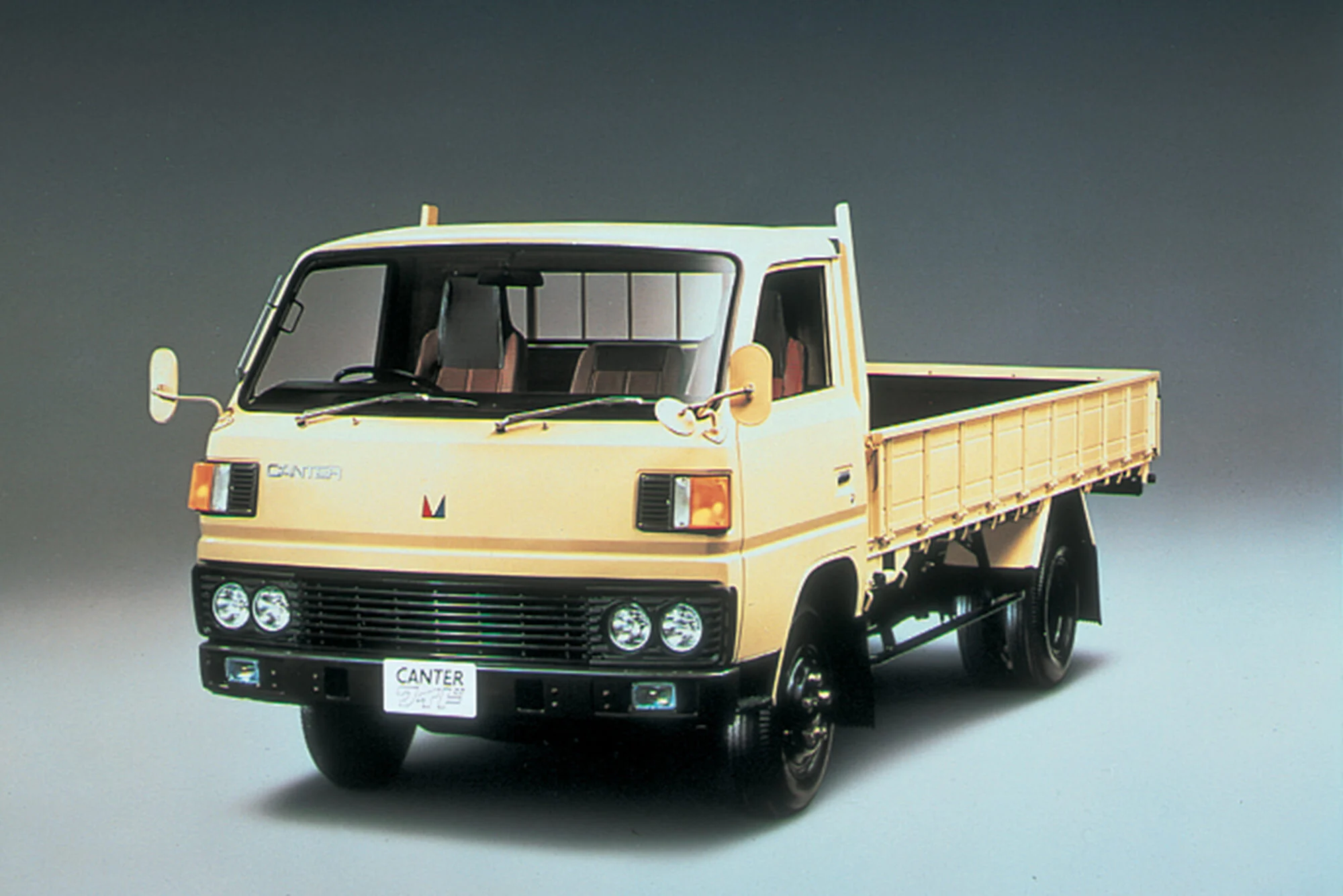
From the fourth-generation Canter on, Japan got wide-cab 2- and 3-ton variants alongside the narrow ones.
Rivals
Same body, same money, other badges — tap any card to flip.
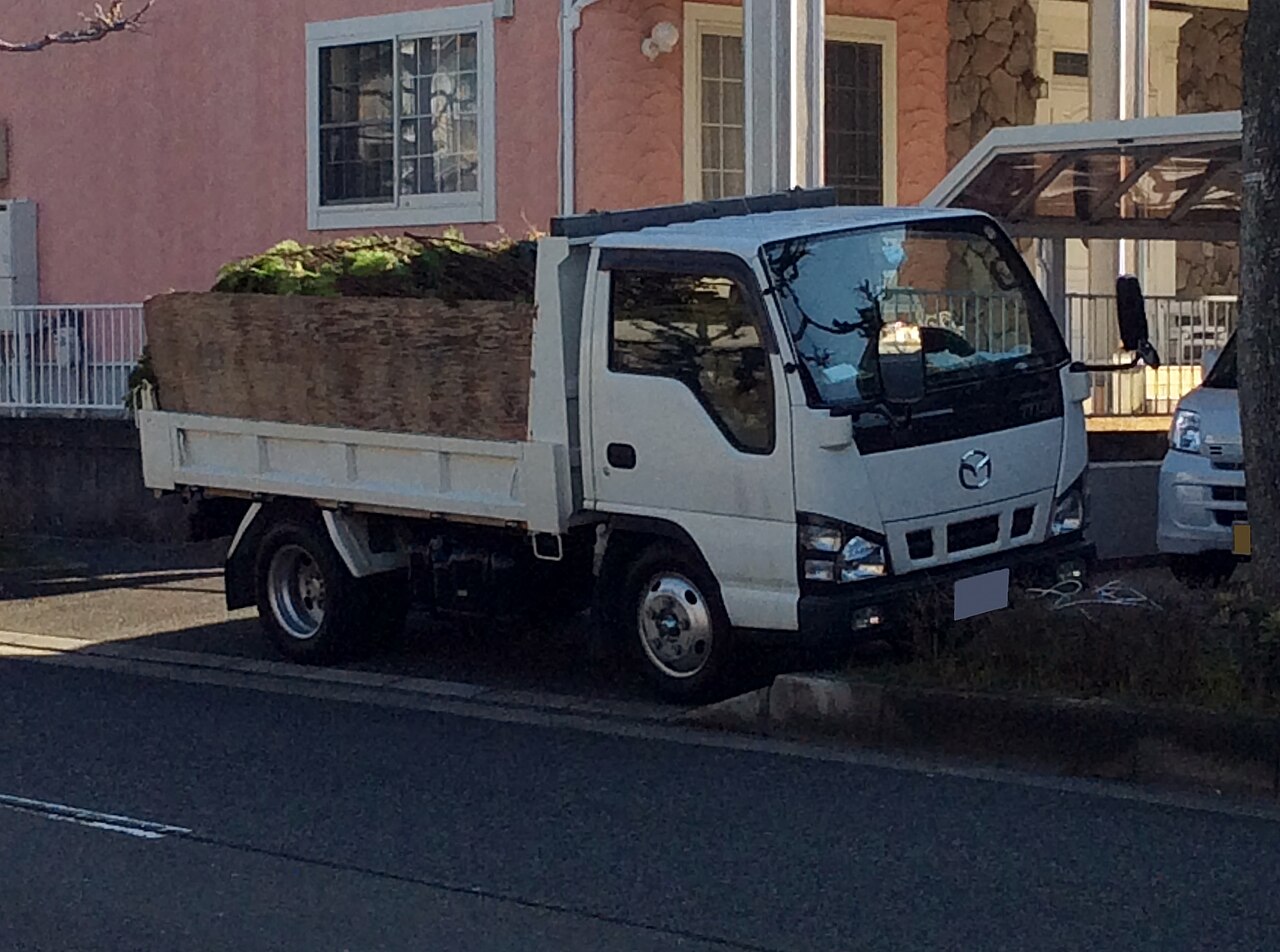
When Mazda's E2000 — the truck that became the Titan — launched in January 1964, the factory was tasked with building 1,900 of them a month.
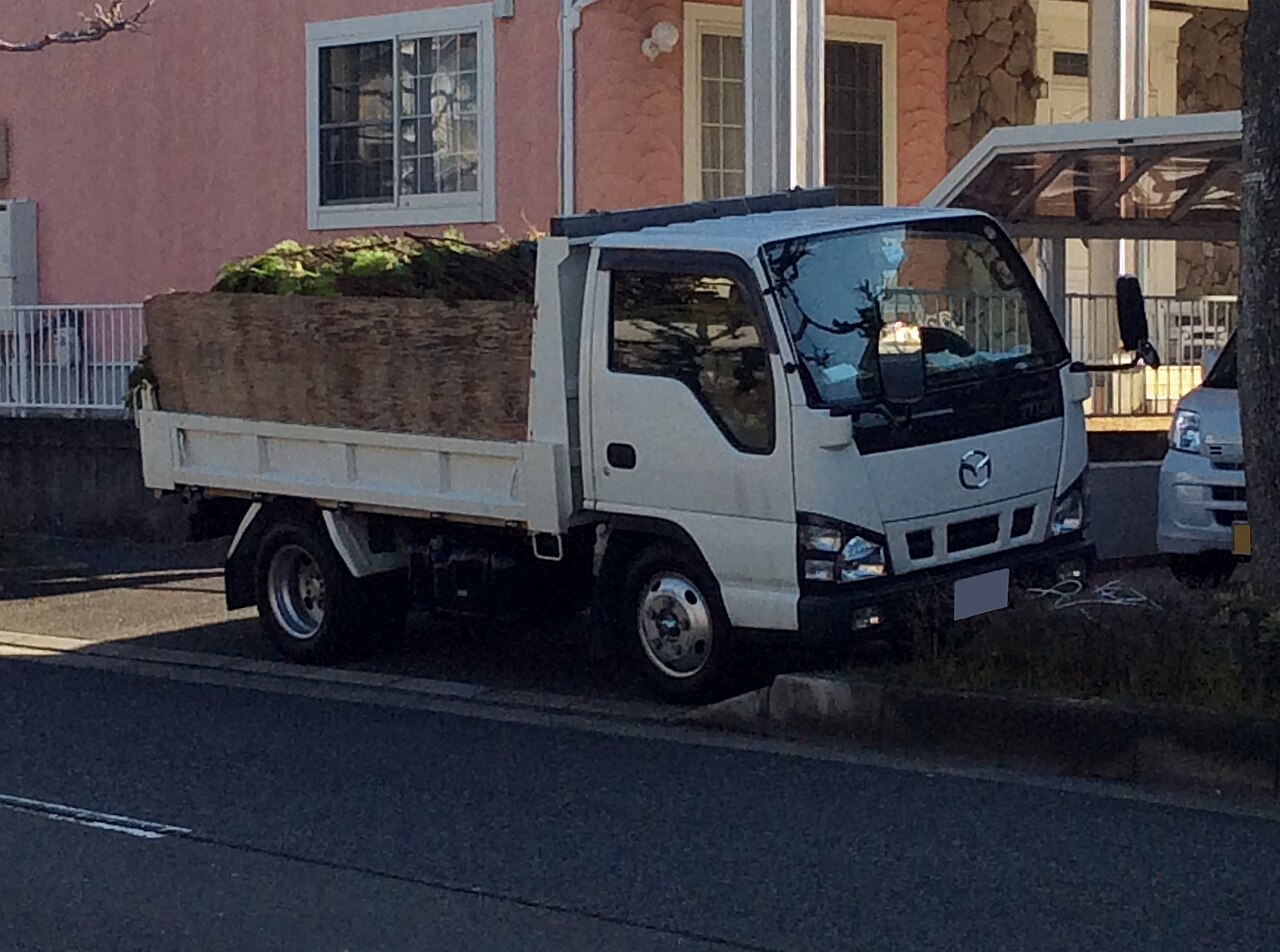
Swaraj Mazda built this truck under license in India from 1985, and the plant survived name changes all the way to SML Isuzu.
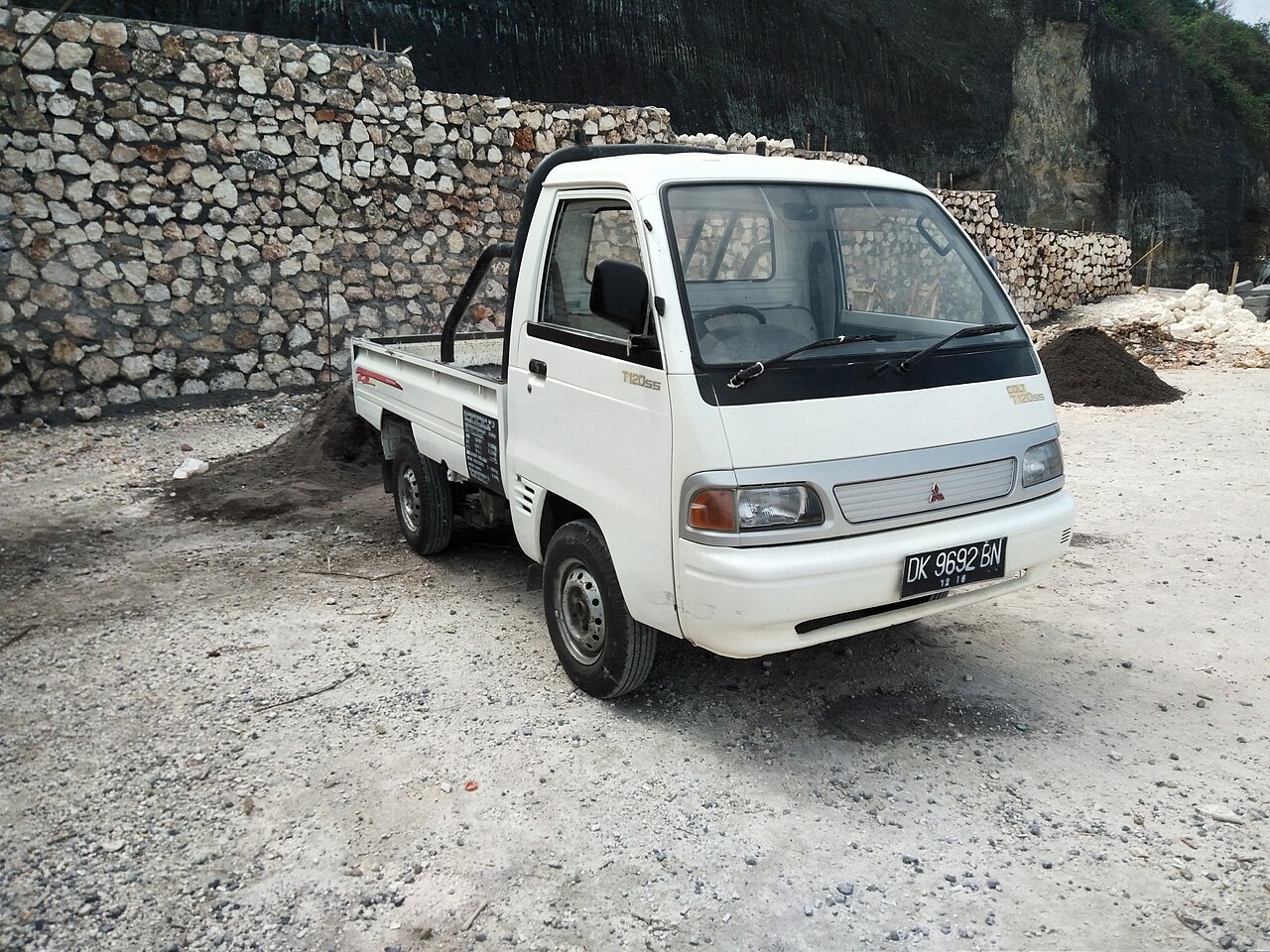
Indonesia built this pickup for 28 years with no successor, the last one leaving the Jakarta line in January 2019 after 324,960 units.
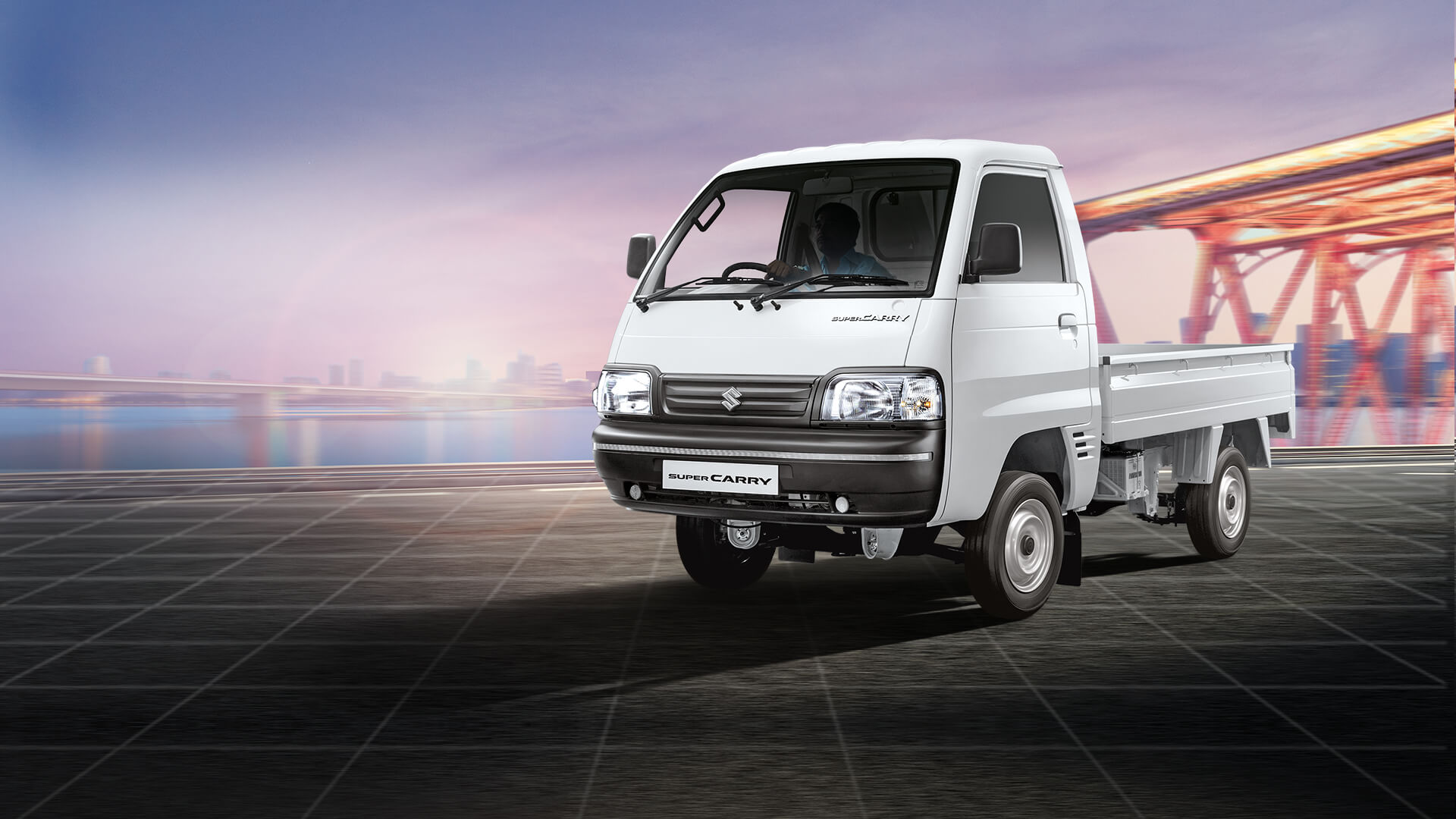
Suzuki's first-ever diesel engine, fitted to the Super Carry, is so small that it isn't able to power an air-conditioning system at all.
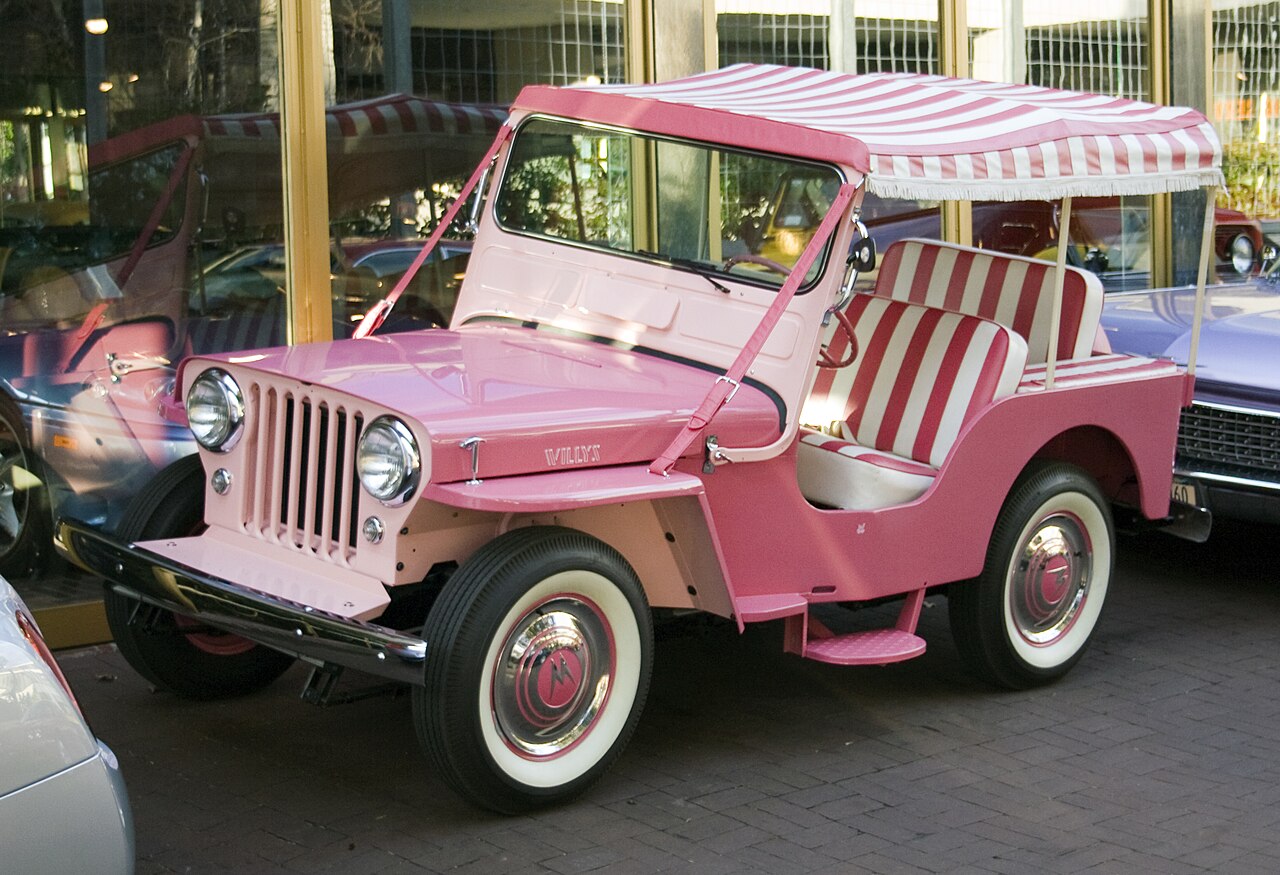
A right-hand-drive DJ-3A was built so postal drivers could reach roadside mailboxes without leaving the seat.
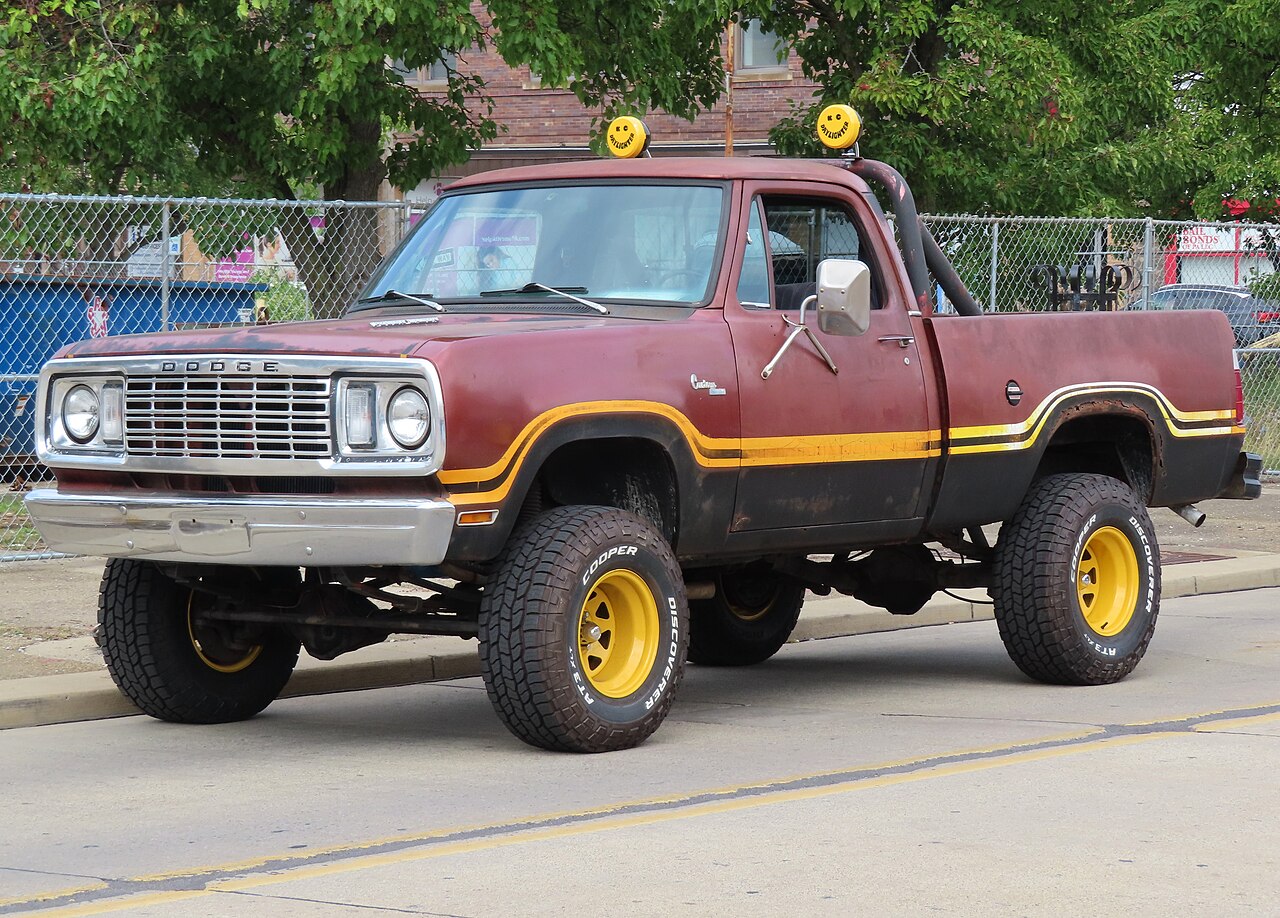
The Power Wagon name and civilian pickup design were derived directly from the WC-series military trucks Dodge built for World War II.
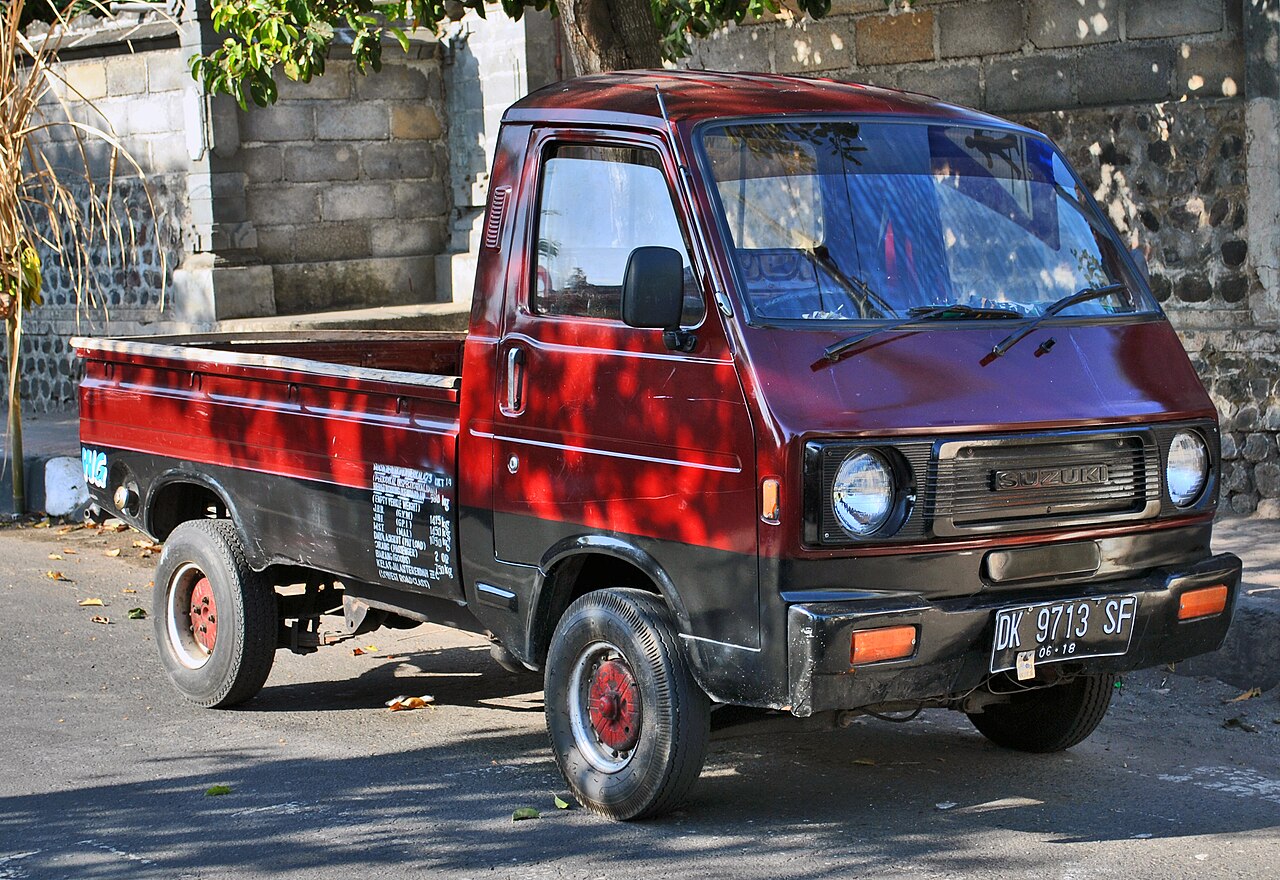
Suzuki kept the L20 Carry at the exact same 21 hp as its predecessor but still called it progress — the gain was a patented Cylinder Crank Injection lubrication system, not more power.
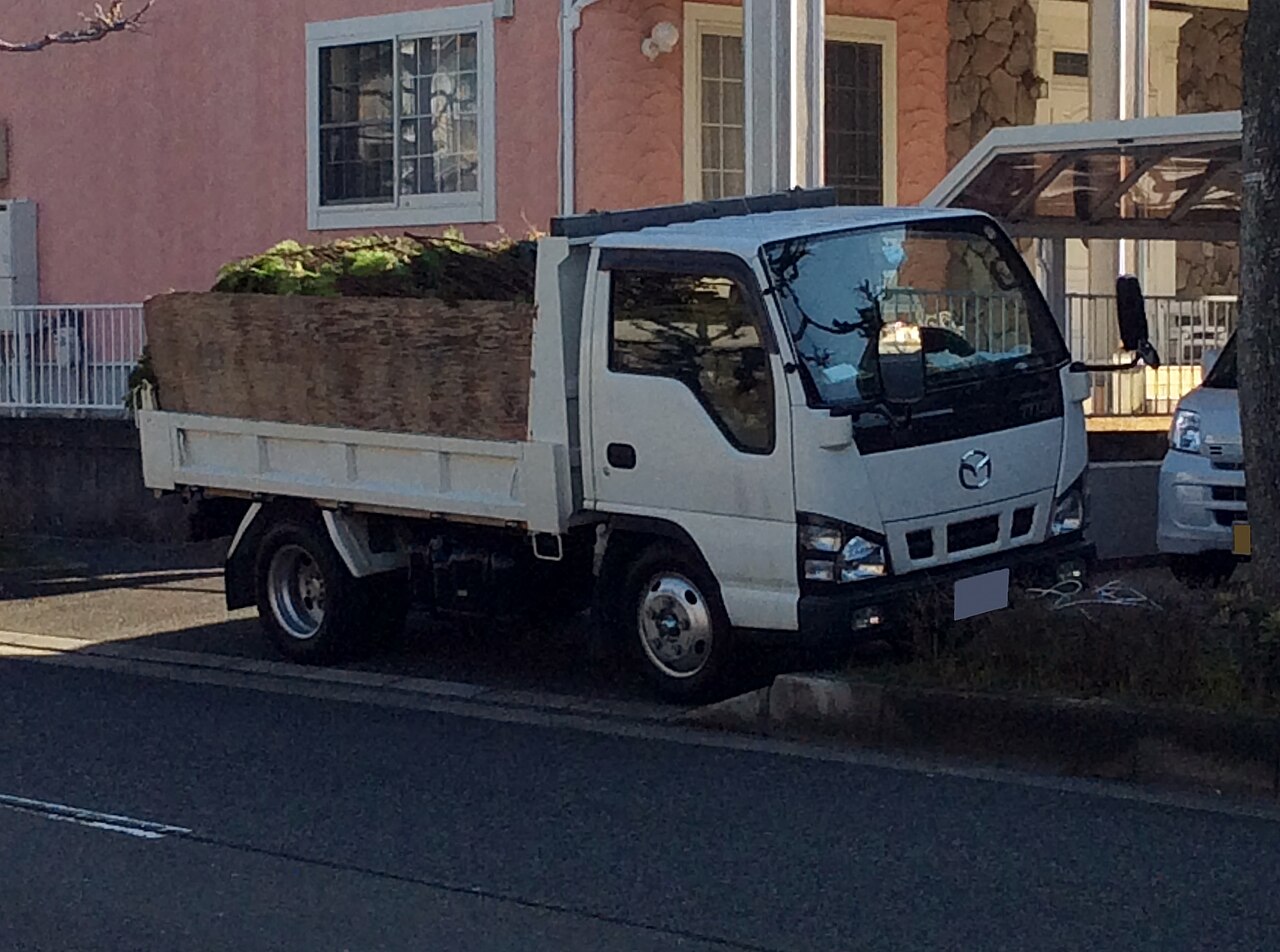
This generation of Titan quietly became the ancestor of two other trucks entirely: it was license-built by Kia as the Kia Titan in South Korea, and formed the basis of the Australian Ford Trader.