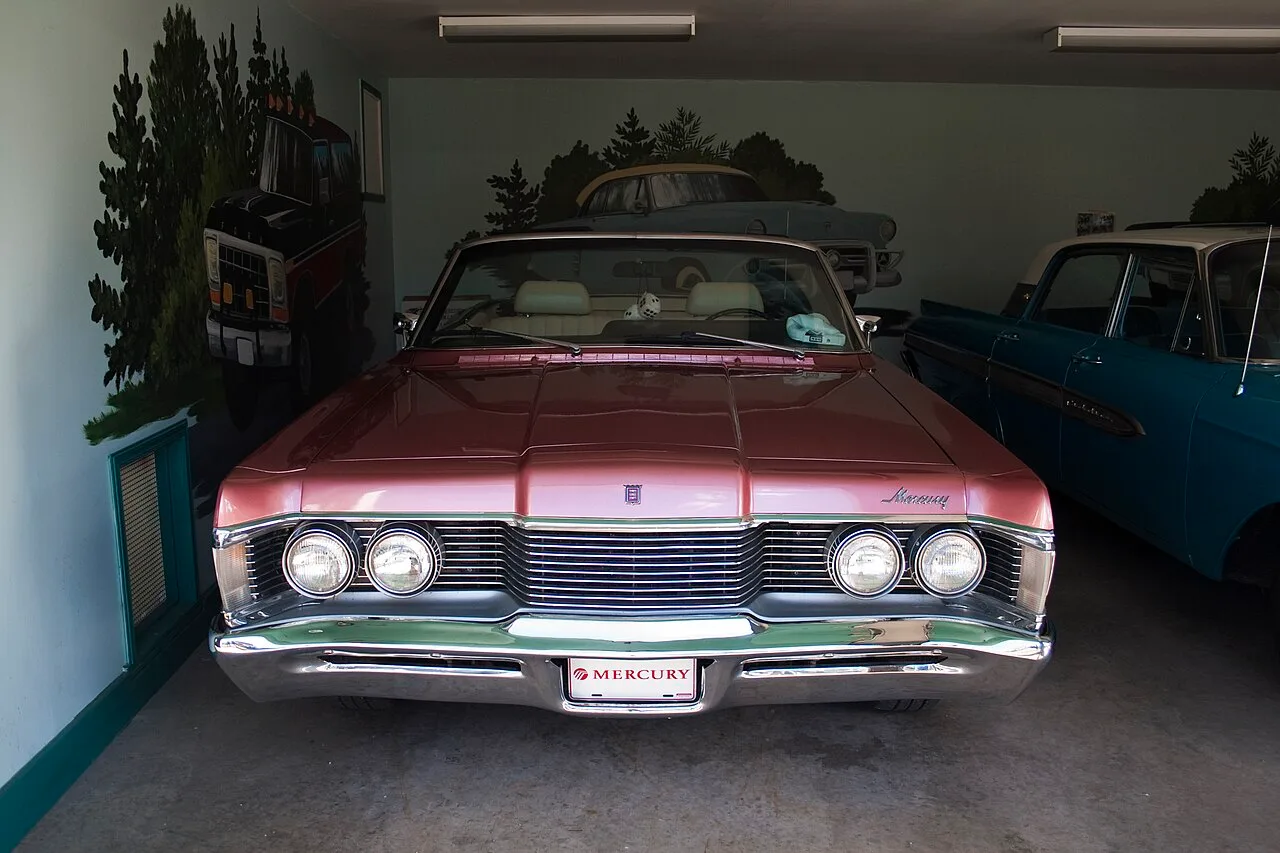
This Marquis previewed a seat design that took over American cars for two decades: its 50/50 split "Twin Comfort Lounge" bench mixed three-passenger capacity with the individual adjustment of bucket seats.
Lead trim: Marquis 390 cu in Marauder Super 390 V8 (315 hp, 1968) · up to 345 hp
Mercury Marquis1967–1968
- 0spots by members
- Unclaimednobody has spotted one yet
- 0sets it belongs to
Nobody in Burbles has spotted a Mercury Marquis yet. See one on the street, point the app at it, and the first card is yours — with your @handle permanently credited on this page.
FactThis Marquis previewed a seat design that took over American cars for two decades: its 50/50 split "Twin Comfort Lounge" bench mixed three-passenger capacity with the individual adjustment of bucket seats.
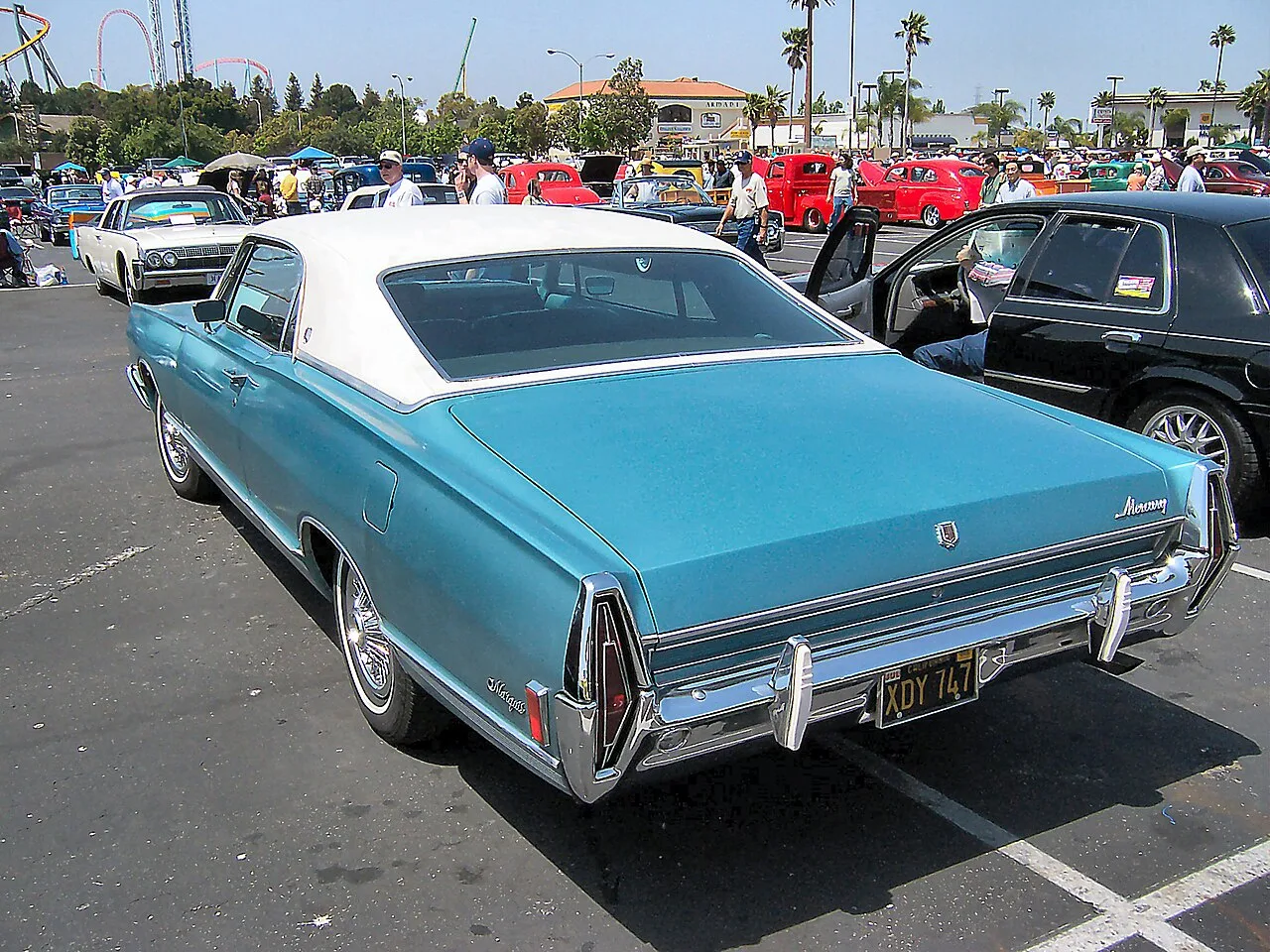
The Mercury Marquis is a model line marketed by Mercury from 1967 to 1986, deriving its name from a title of French nobility and introduced as the divisional counterpart of the Ford LTD; it was initially slotted as the flagship full-size Mercury range above the Monterey and served as the basis for the later Grand Marquis. For 1967 Mercury introduced two hardtop model lines above the Park Lane to serve as the LTD counterpart: the Park Lane Brougham was a four-door, with the Marquis offered solely as a two-door. While all full-size Mercury two-doors were hardtops, the Marquis had a standard vinyl roof giving it a wider C-pillar, and it shared its roofline with the LTD but had higher-specification interior trim (wood trim in place of simulated wood, optional leather unavailable on the LTD). Built on a 123 in wheelbase (4 inches longer than the LTD), 218.5 in long, 77.9 in wide and 55.1 in high, it had "Twin Comfort Lounge" front seats, a 50/50 split bench combining three-passenger capacity with individual legroom adjustment. For 1967 the standard engine was the 410 cubic-inch Marauder V8 producing 330 hp (4-speed manual standard, 3-speed automatic optional); for 1968 the 410 was replaced by a 390 cubic-inch Marauder Super 390 V8 producing 315 hp (3-speed manual replacing the 4-speed), and the 428 cubic-inch Super Marauder V8 was optional both years at 345 hp, retuned to 340 hp for 1968.
Collectors Spotted in the Mercury Marquis Lineage
No member has published a public street spot of the Mercury Marquis yet — the First · Worldwide stamp is wide open.
Trims & Figures
4 published trims in the catalogue. A blank is a figure not recorded, not zero.
| Trim | Years | Engine | Power | Torque | 0–60 | Drive | Gearbox | MSRP |
|---|---|---|---|---|---|---|---|---|
| Marquis 390 cu in Marauder Super 390 V8 (315 hp, 1968) | 1968–1968 | 6.4 L V8 | 315 hp | 427 lb-ft | — | RWD | — | — |
| Marquis 410 cu in Marauder V8 (330 hp, 1967) | 1967–1967 | 6.7 L V8 | 330 hp | 444 lb-ft | — | RWD | — | — |
| Marquis 428 cu in Super Marauder V8 (340 hp, 1968) | 1968–1968 | 7.0 L V8 | 340 hp | 462 lb-ft | — | RWD | — | — |
| Marquis 428 cu in Super Marauder V8 (345 hp, 1967) | 1967–1967 | 7.0 L V8 | 345 hp | 462 lb-ft | — | RWD | — | — |
Owning one
We don’t estimate running costs for a car like this. What it costs depends on its condition, its specialist and how it is driven, and an average would mislead.
Owners’ builds
Nobody has claimed one yet.
Photographs
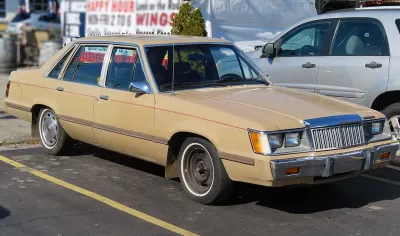
Canada got a Mercury the US never saw: the 1985 Marquis LTS packed a 165-hp Mustang V8 into a police-spec chassis, and only 134 were ever built.
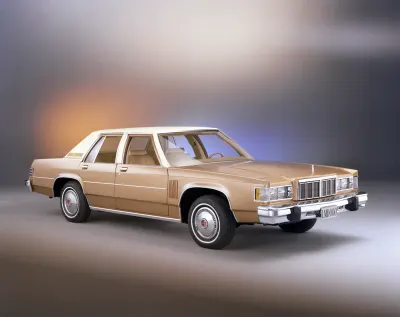
The 1979 Marquis hit a milestone no full-size Mercury wagon had managed since 1955: a curb weight under 4,000 pounds, trimmed way down from the car it replaced.
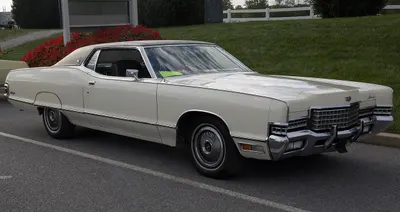
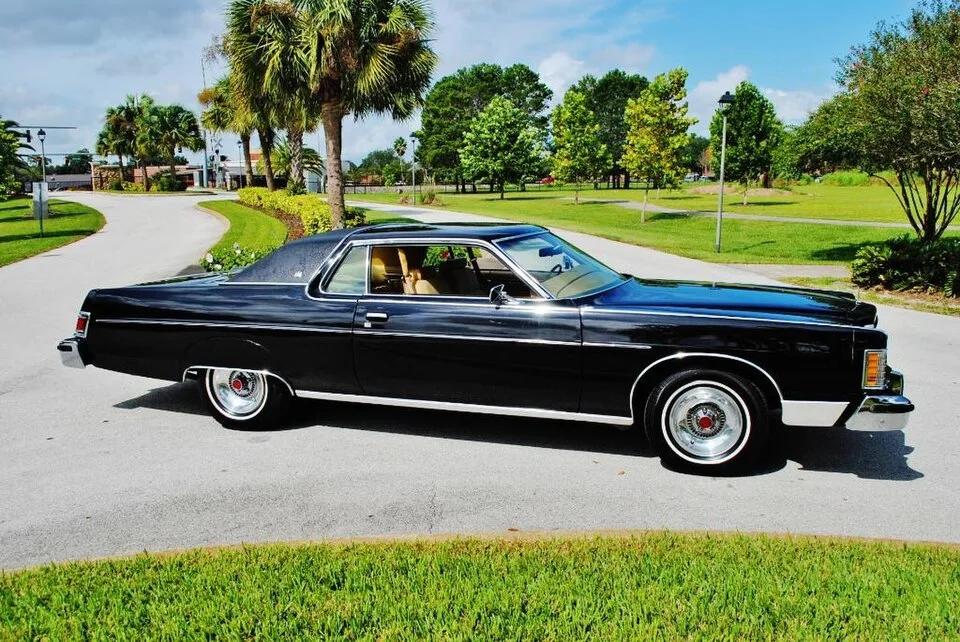
The 1978 Marquis was the end of an era: alongside the Chrysler New Yorker two-door, it was the last pillarless two-door hardtop any American automaker ever built.
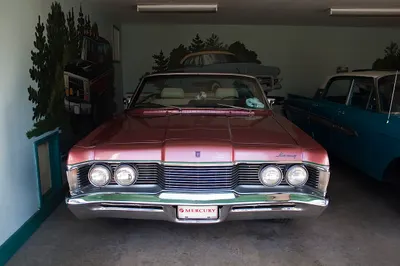
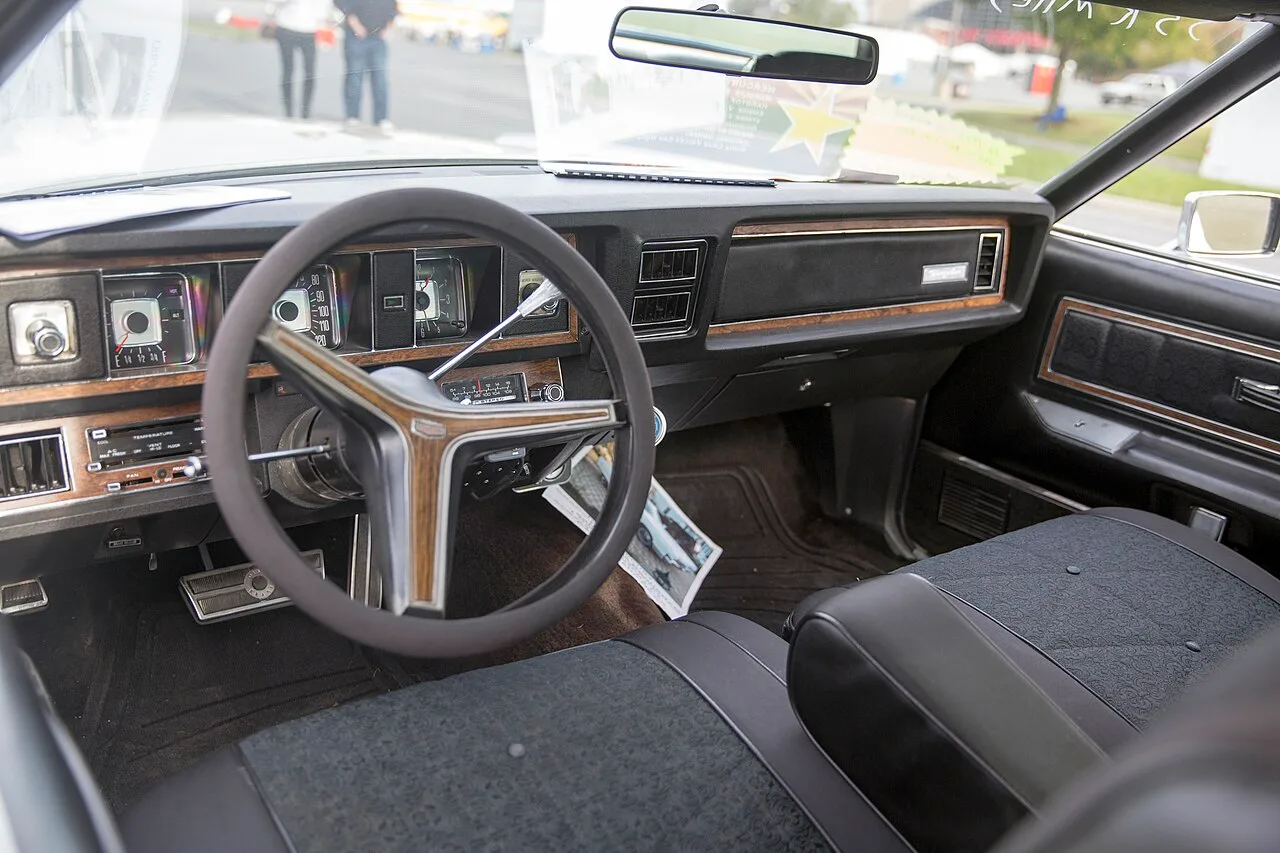
This Marquis previewed a seat design that took over American cars for two decades: its 50/50 split "Twin Comfort Lounge" bench mixed three-passenger capacity with the individual adjustment of bucket seats.
Rivals
Same body, same money, other badges — tap any card to flip.

It briefly served as senior sibling to Marquette, a GM companion brand cancelled after just one year.

Nissan hired former BMW engineers to help develop the 510's suspension, which is why period reviewers frequently compared its handling to the BMW 1600/2002.

A Trabant 601 won its class at the 1970 Monte Carlo Rally, with a second 601 right behind it in second.

The 600 was a stopgap: the P50's body over the 601's mechanicals, and for a while its estate was built alongside the new 601 saloon.

The G80 Sport brought a 370 PS twin-turbo 3.3 V6, a mesh grille and copper-tinted chrome with copper stitching to match.

The Vigor was sold only with a five-cylinder engine, an unusual configuration Honda used to fit a longer engine transversely under a short hood.

The GS/E coupe earned the nickname "German Charger" for its long hood, short deck stance borrowed from Detroit muscle cars.

This DeVille/Fleetwood was the first production car anywhere to mount its V8 sideways, Cadillac's front-drive gamble on the new C-body.