Mercedes-Benz didn't think Americans wanted the G-Wagen, so a small New Mexico importer called Europa International started certifying and selling them in 1993 on its own — and sold Mercedes on the idea so well the company eventually bought the US distribution rights back.
Median 148 hp across 139 similar cars
Lead trim: 200 GE (Italy, M102 2.0 I4) · up to 292 hp
Mercedes-Benz G-ClassW463-1990 · 1990–2001
- 0spots by members
- Unclaimednobody has spotted one yet
- 1set it completes
Nobody in Burbles has spotted a Mercedes-Benz G-Class yet. See one on the street, point the app at it, and the first card is yours — with your @handle permanently credited on this page.
FactMercedes-Benz didn't think Americans wanted the G-Wagen, so a small New Mexico importer called Europa International started certifying and selling them in 1993 on its own — and sold Mercedes on the idea so well the company eventually bought the US distribution rights back.
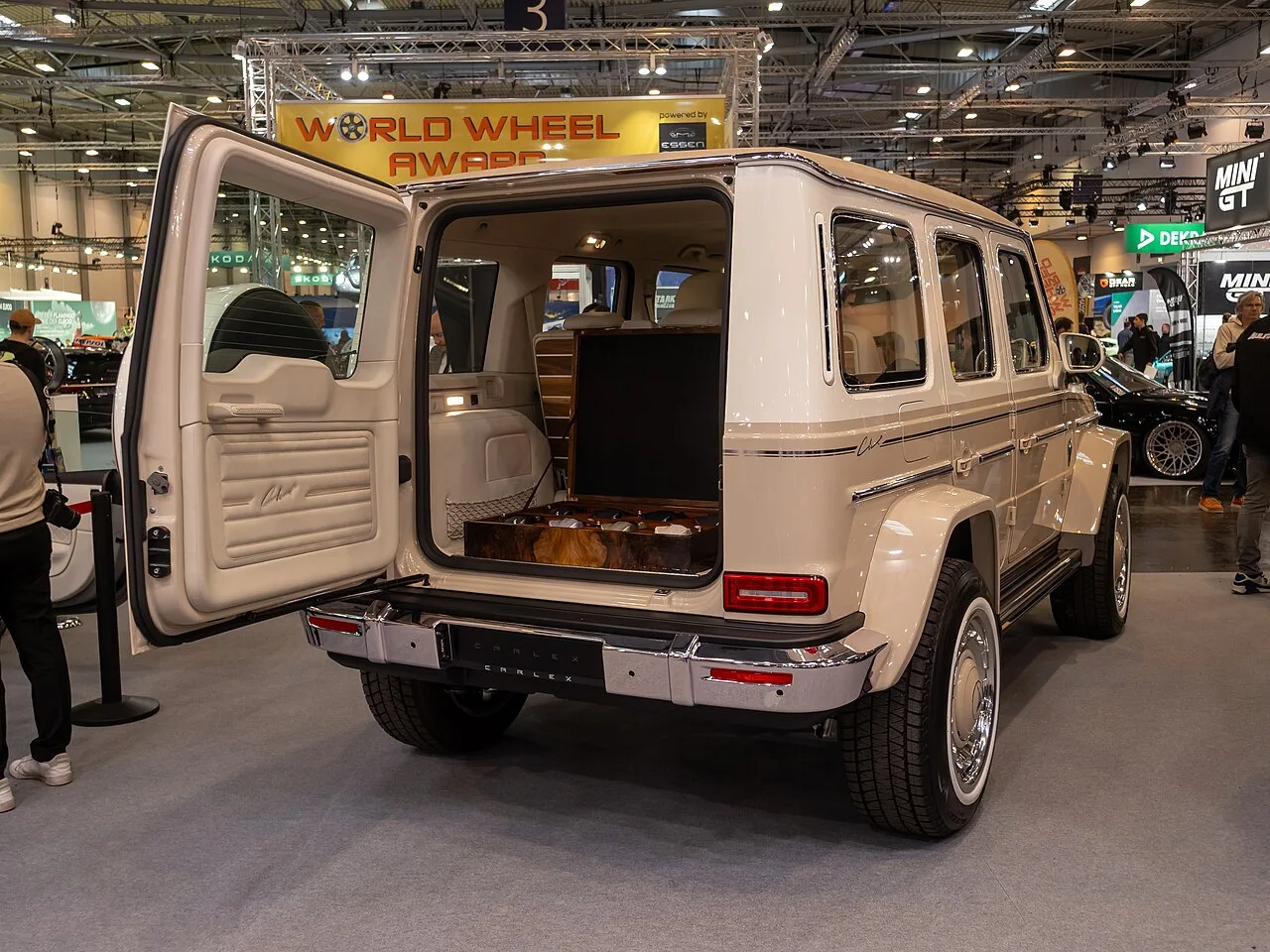
For 1990 the W460 was extensively revised and a new chassis number, W463, was assigned. The W463 moved the G-Class from spartan and utilitarian to a luxury model on par with the S-Class and the luxurious Range Rover: the exterior smoothed out the front end, with the fender flares and front end (cooling grille and headlamp bezels) painted in body colour, form-fitted front bumpers with integrated fog lamps and standard running boards; the interior was significantly updated with wood trim and leather upholstery for the first time; and new features included ABS and full-time four-wheel drive with electrically locking differentials. The engines were carried over from the W460/W461, the 200 GE, 230 GE and 300 GE petrol with the 250 GD and 300 GD diesel, and the model line was officially renamed the G-Class in 1994, when ventilated front disc brakes and a driver's air bag became standard; in 1996 the automatic became an electronically controlled 5-speed with headlamp washers, cruise control and a front passenger's air bag, and for 1999 a limited run of V8-powered "G 500 Classic" special editions marked the 20th anniversary, with a multifunction steering wheel added to all models. The first generation W463 had the widest range of engines ever fitted to a Mercedes-Benz vehicle during its 28-year model run, from four to twelve cylinders and from natural aspiration to supercharger, turbo and twin turbo. Mercedes-Benz did not consider selling the G-Class in the United States at first: a small registered importer in New Mexico, Europa International, began certifying and modifying it in 1993, received small-volume manufacturer status when the G 500 arrived in 1998 and, through its sales success with high-end luxury clientele, led Mercedes-Benz to buy the distribution rights; the official US launch was in 2001. Length 4,661 mm (183.5 in) and width 1,760 mm (69.3 in) before 2003, height 1,836 mm (72.3 in) before 2002. The page's table runs the V6 G 320 to 2006 and the G 500 to 2008, while this generation ends in 2001, so their years are cut there; the G 500's power is left blank because the page gives it both as 296 PS (218 kW; 292 hp) and 300 PS (221 kW; 296 hp). The AMG-built and AMG-tuned G-Class models are catalogued as their own generations.
Collectors Spotted in the Mercedes-Benz G-Class Lineage
No member has published a public street spot of the Mercedes-Benz G-Class yet — the First · Worldwide stamp is wide open.
Trims & Figures
10 published trims in the catalogue. A blank is a figure not recorded, not zero.
| Trim | Years | Engine | Power | Torque | 0–60 | Drive | Gearbox | MSRP |
|---|---|---|---|---|---|---|---|---|
| 200 GE (Italy, M102 2.0 I4) | 1990–1994 | 2.0 L Inline-4 | 114 hp | 127 lb-ft | — | 4WD | — | — |
| 230 GE / G 230 (M102 2.3 I4) | 1990–1995 | 2.3 L Inline-4 | 125 hp | 140 lb-ft | — | 4WD | — | — |
| 250 GD (OM602 2.5 diesel I5) | 1990–1992 | 2.5 L Inline-5 | 93 hp | 117 lb-ft | — | 4WD | — | — |
| 300 GD / G 300 D (OM603 3.0 diesel I6) | 1990–1994 | 3.0 L Inline-6 | 111 hp | 141 lb-ft | — | 4WD | — | — |
| 300 GE / G 300 (M103 3.0 I6) | 1990–1994 | 3.0 L Inline-6 | 168 hp | 140 lb-ft | — | 4WD | — | — |
| 350 GD T / G 350 Turbodiesel (OM603 3.5 turbo diesel I6) | 1992–1996 | 3.4 L Inline-6 | 134 hp | 225 lb-ft | — | 4WD | — | — |
| G 300 D Turbodiesel (OM606 3.0 turbo diesel I6) | 1996–2001 | 3.0 L Inline-6 | 174 hp | 243 lb-ft | — | 4WD | — | — |
| G 320 (M104 3.2 I6) | 1994–1998 | 3.2 L Inline-6 | 208 hp | 221 lb-ft | — | 4WD | — | — |
| G 320 (M112 3.2 V6) | 1997–2001 | 3.2 L V6 | 215 hp | 221 lb-ft | — | 4WD | — | — |
| G 500 (M113 5.0 V8) | 1998–2001 | 5.0 L V8 | 292 hp | 339 lb-ft | — | 4WD | — | — |
Owning one
We don’t estimate running costs for a car like this. What it costs depends on its condition, its specialist and how it is driven, and an average would mislead.
Owners’ builds
Nobody has claimed one yet.
Photographs
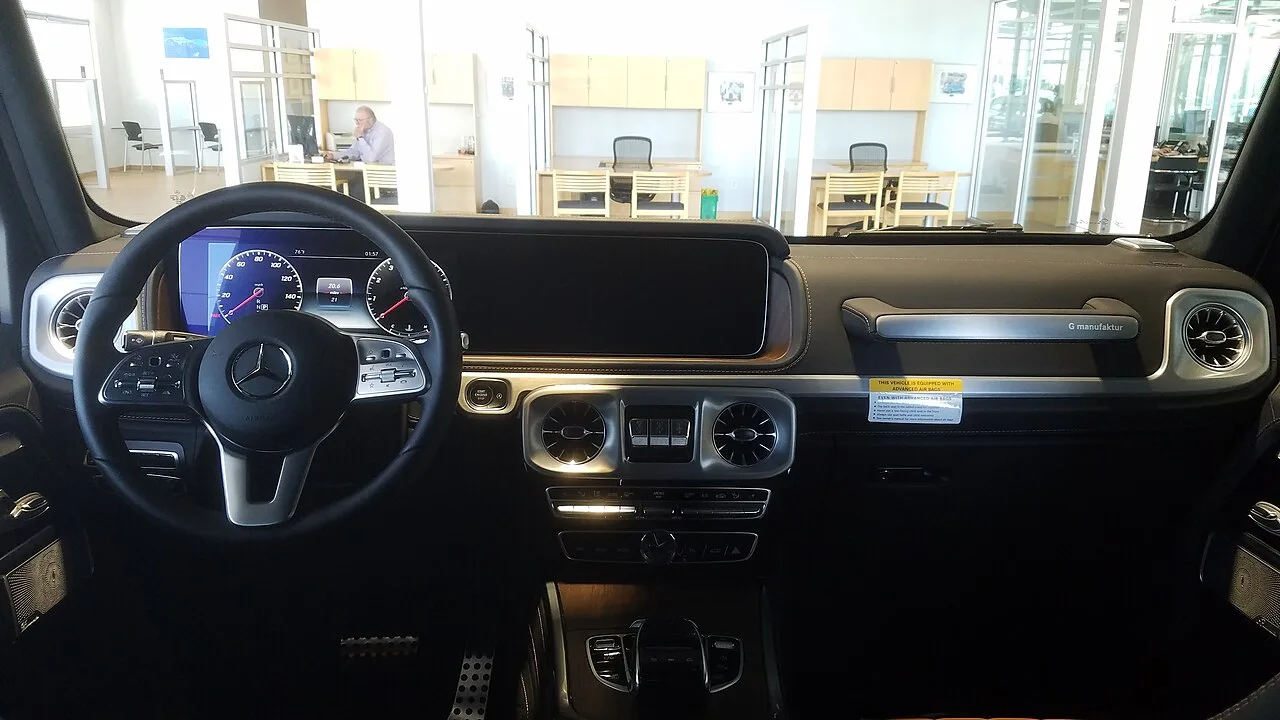
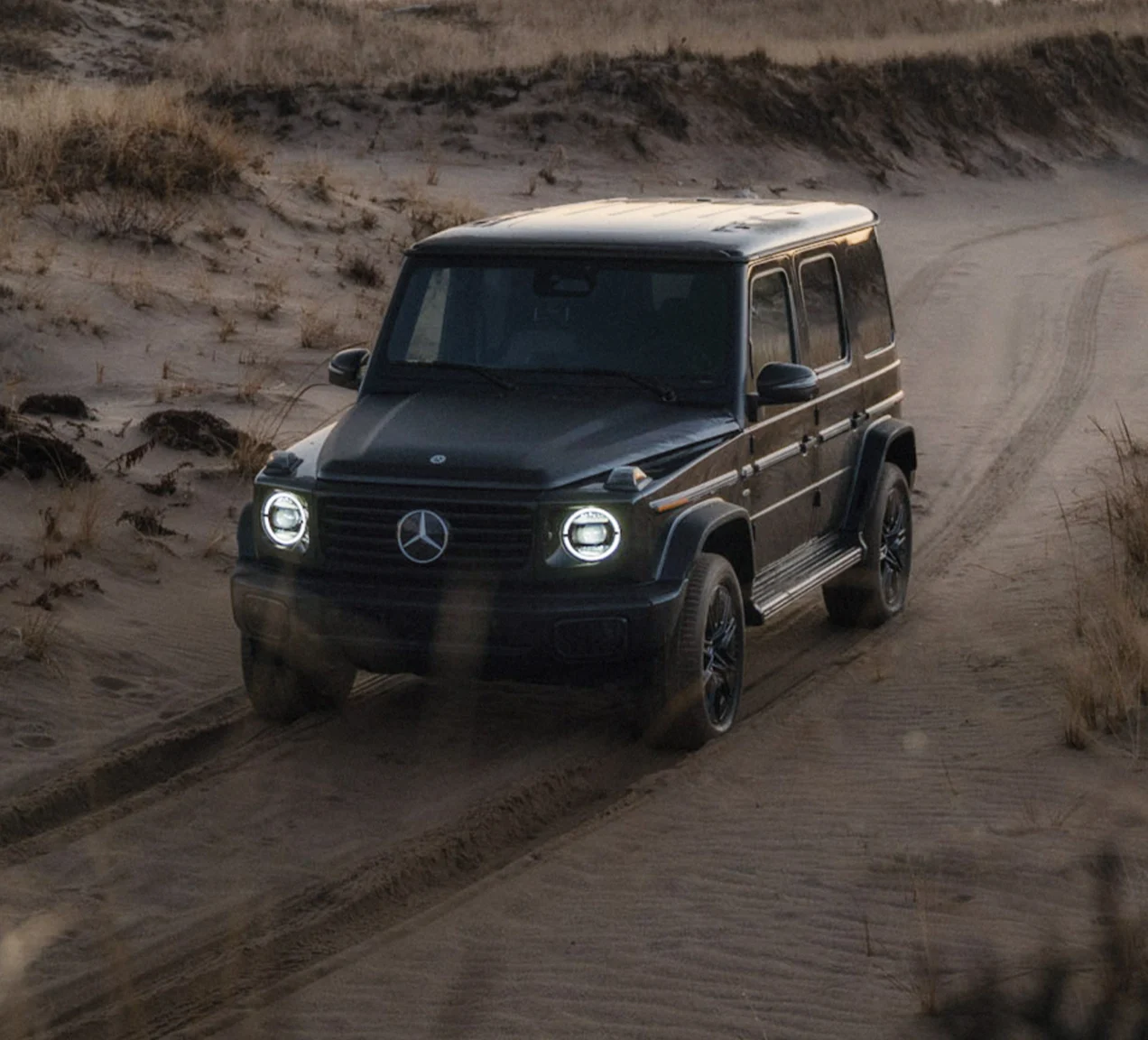
Mercedes never officially confirmed the W465 chassis code; media outlets coined it themselves after the old W463 ended.
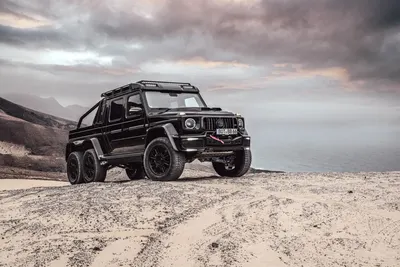
Brabus stretched the G63's wheelbase 20 inches to fit the XLP 900's pickup bed -- 27 inches more overall length, on only 10 trucks.
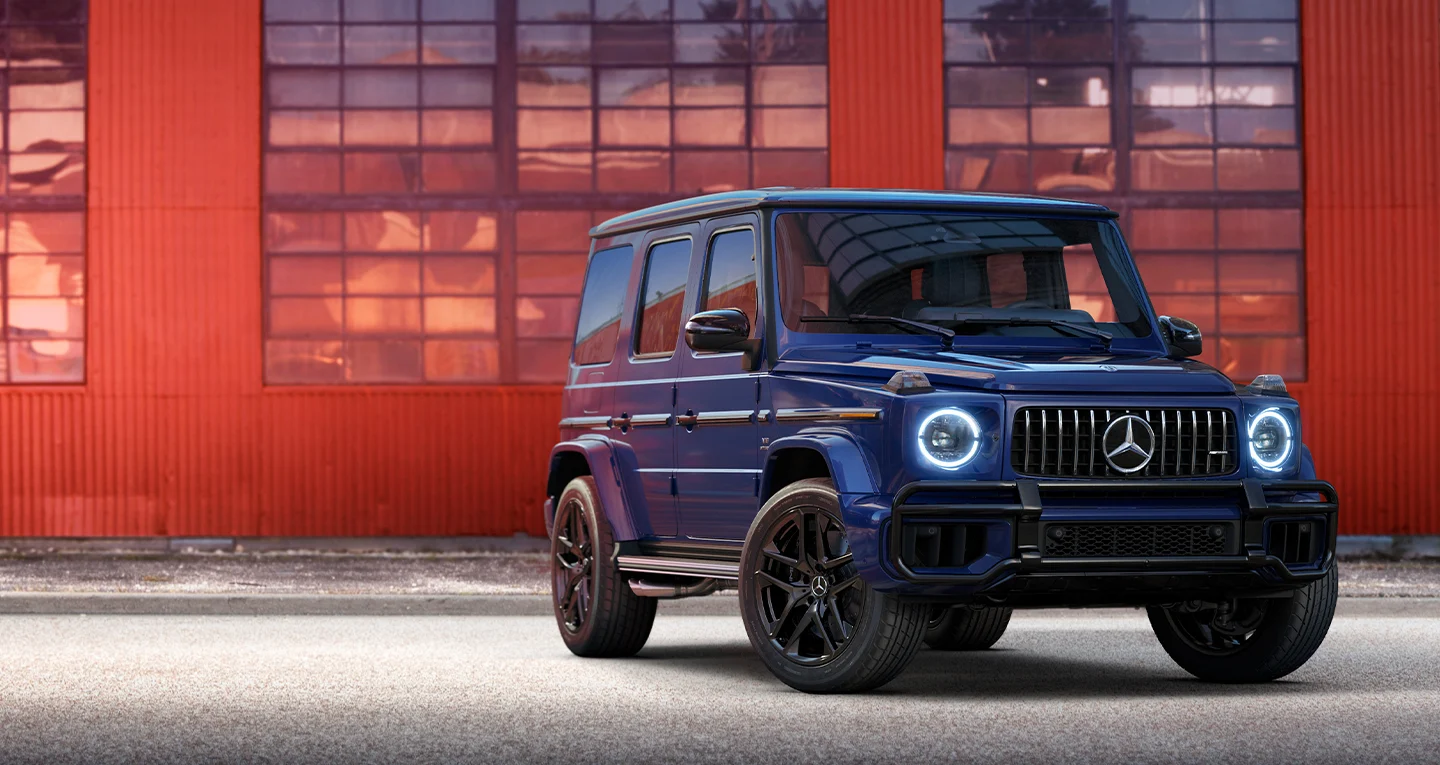
Its Active Ride Control suspension replaces anti-roll bars with hydraulics, linking each damper's compression side to the rebound side opposite.
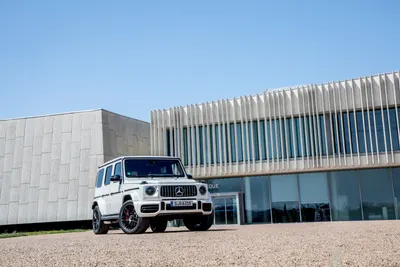
The 2019 G-Class looks almost identical to its predecessor — but underneath, only three parts carried over: the headlamp washers, the door handles, and the spare-wheel cover.
The portal-axle G63 4x4² variant of this generation went on sale for 2023 with a $350,050 starting price.
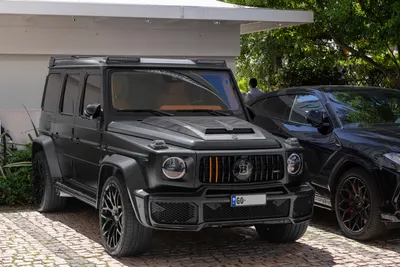
It reaches 100 km/h in 4.3 seconds, and Brabus caps the top speed at 240 km/h to protect the tyres.
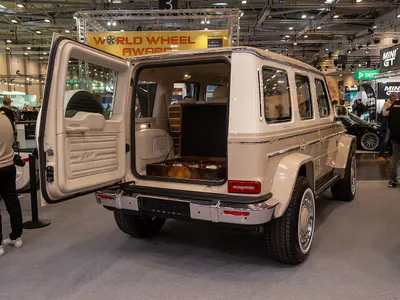
Mercedes built only 99 of these at €749,700 each, using rear doors lifted from a stretched G 55 built in 2001.
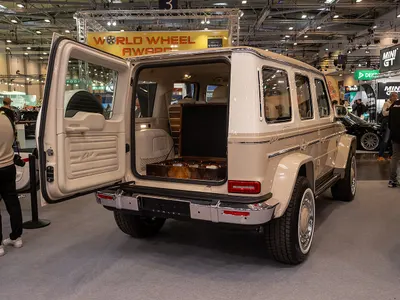
The G65 AMG made the G-Wagen only the third production passenger SUV ever built with a V12 engine, after the Lamborghini LM002.
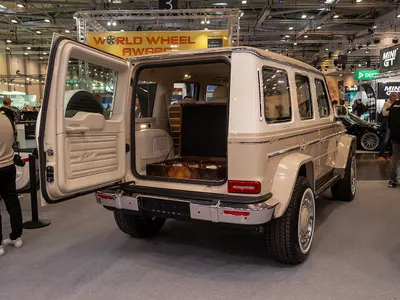
This oddball G-Wagen wasn't built from scratch — Mercedes shortened the chassis from the six-wheeled G 63 AMG 6×6 and bolted a normal G-Class body on top.
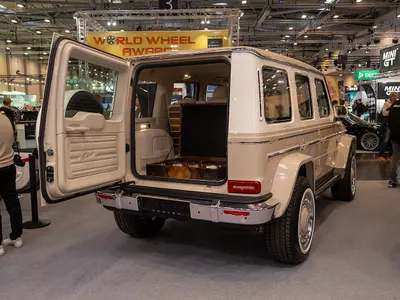
The 2012 G63 AMG's tough-guy new look borrowed parts from unexpected places — its mirrors came straight off the GL-Class and ML-Class SUVs.
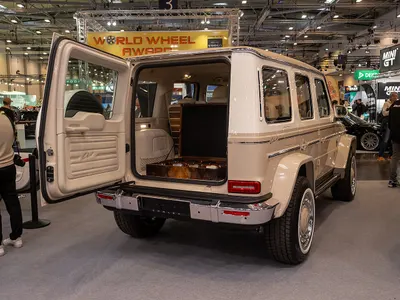
The G63 AMG 6x6 began life as a pickup pitched to the Australian Army in 2007; Mercedes expected modest interest and sold just over 100 anyway.
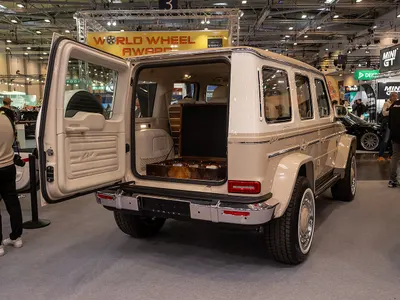
Mid-cycle, this G 63 AMG swapped its supercharged V8 for a twin-turbo 5.5L unit — a rare case of a performance SUV gaining displacement while actually cutting fuel use and emissions.
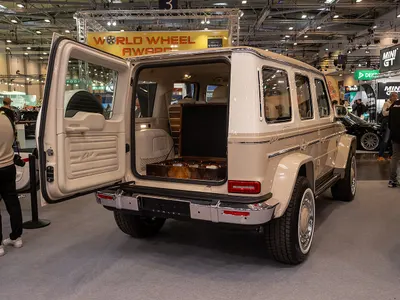
The boxy G 65 AMG is only the third production SUV in history to carry a V12 — the first was the Lamborghini LM002, a decade before Mercedes made the idea a showroom option.
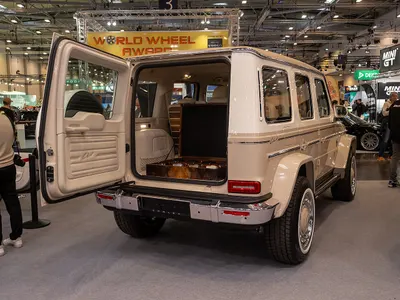
A boxy, military-derived off-roader became a Hollywood status symbol: the G55 AMG is the version that turned the G-Wagen into the favourite ride of celebrities and the wealthy.
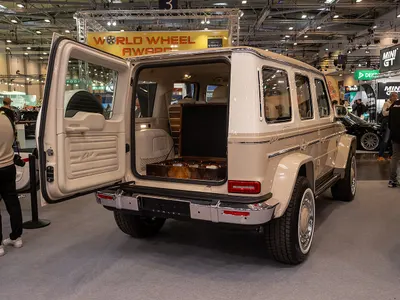
Mercedes and AMG never advertised the G63 AMG V12 at all -- no brochures, no ads, no shows. Only about five were built, offered quietly to hand-picked AMG customers.
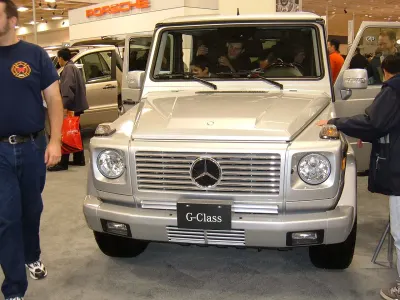
A W463 G-Class exists that Mercedes never advertised: the G 63 AMG V12, built in secret for select customers with no brochures, ads, or shows — reportedly just five made.
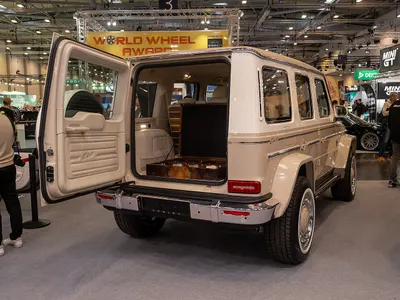
Mercedes planned to pull the G-Class from the US after 2005 — until the Marine Corps ordered 157 G-based Fast Attack Vehicles and the automaker reversed course.
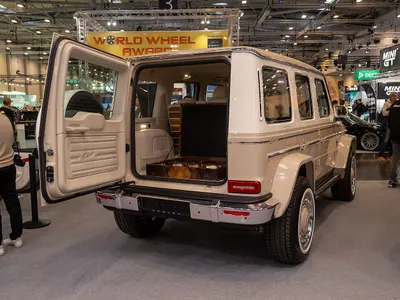
Only 38 G 43 AMGs were ever built, every single one ordered under a "company vehicle" country code — mostly for VIPs, and quite possibly intelligence services.
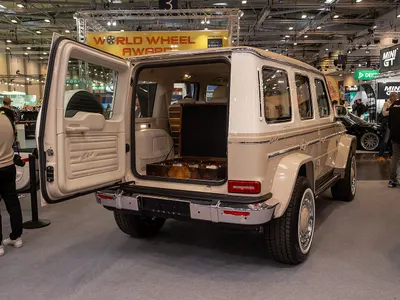
AMG didn't bother building a bespoke engine for its first G-Wagen — the G 36 AMG just borrowed the straight-six already doing duty in the C 36 AMG and E 36 AMG.
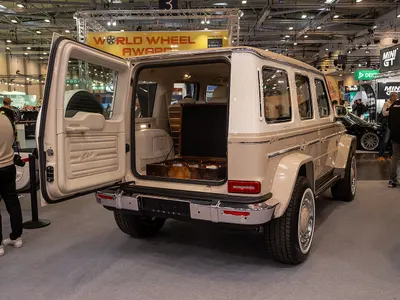
The first-ever AMG-built G-Wagen, the 500 GE 6.0, bored its V8 out to six litres — and then built only thirteen of them, all long-wheelbase.
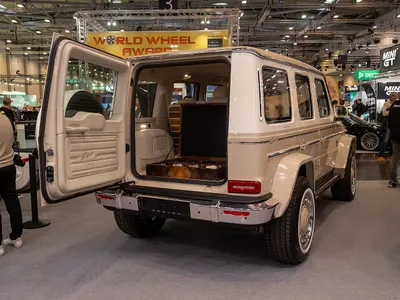
The '500' in 500 GE V8 was meant to be the production run — but Mercedes only had enough leftover V8s on hand to actually finish 446 of them.
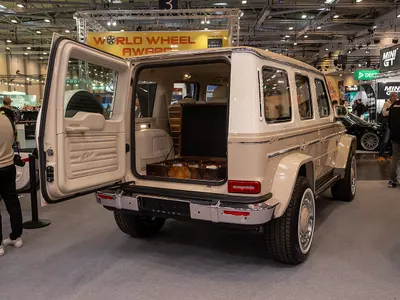
Mercedes-Benz didn't think Americans wanted the G-Wagen, so a small New Mexico importer called Europa International started certifying and selling them in 1993 on its own — and sold Mercedes on the idea so well the company eventually bought the US distribution rights back.
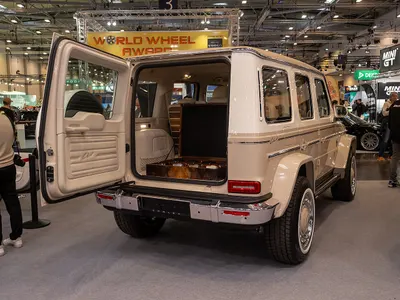
Brabus didn't just remap this G-Wagen's little four-cylinder — they bored it out from 2.3 to 2.6 litres to get more power out of it.
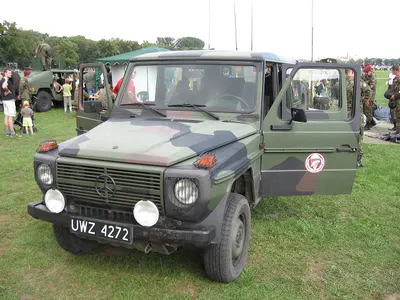
The austere, military-spec W461 G-Wagen ran on its own 24-volt electrical system — a deliberate break from the civilian G-Class that made it incompatible with ordinary 12-volt parts.
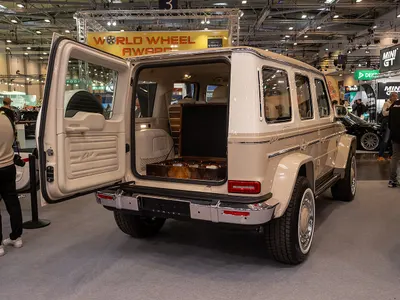
Long before AMG G-Wagens were a status symbol, AMG was already tuning the utilitarian G-Class: the 280 GE AMG pushed its 2.8-litre six up to 182 PS.
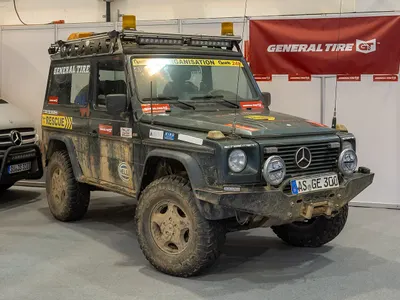
A civilian G-Wagen became a Popemobile within a year of going on sale — built for Pope John Paul II's first trip to Germany in 1980.
Rivals
Same body, same money, other badges — tap any card to flip.
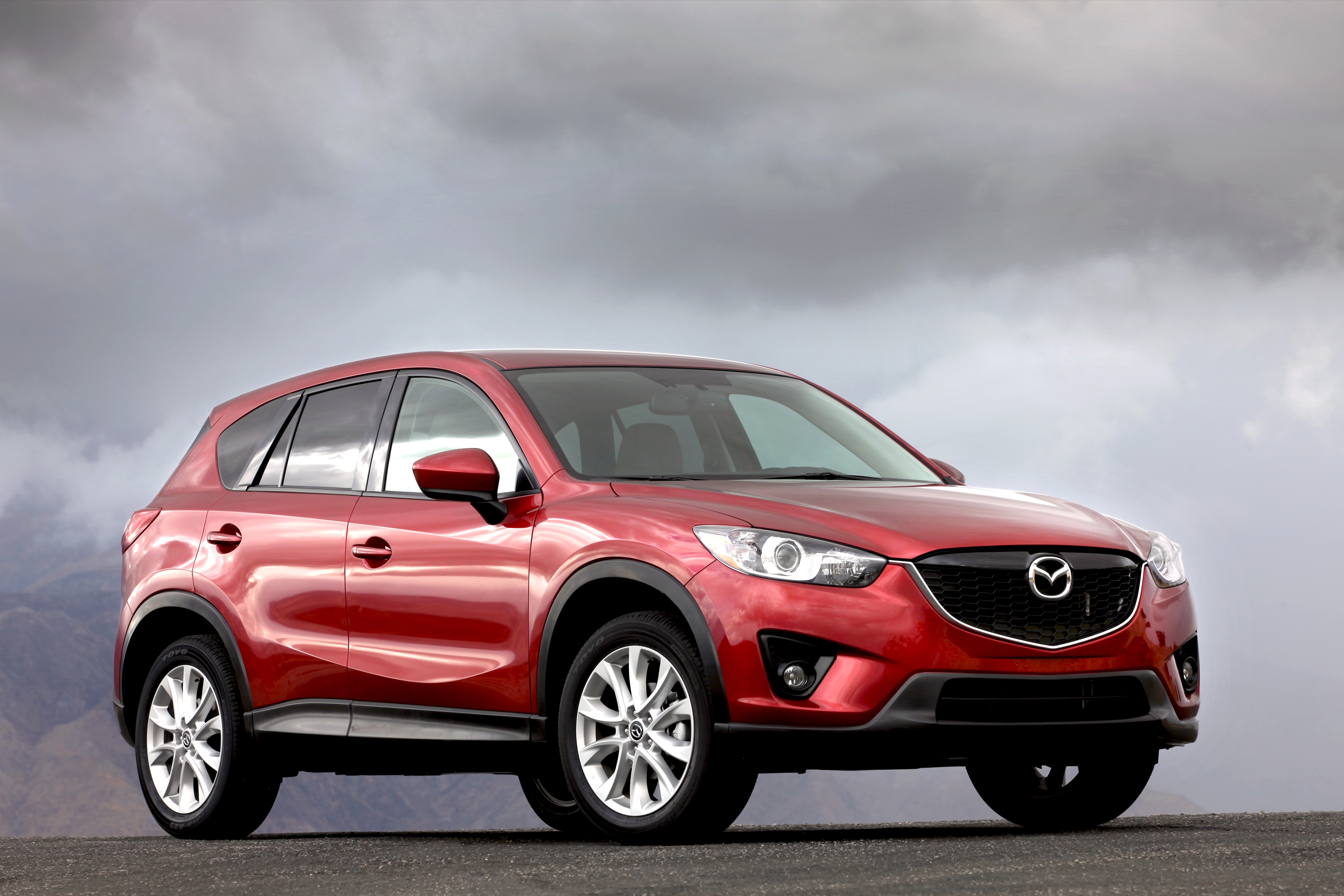
IIHS only crash-tests the driver's corner; tested on the passenger side instead, the CX-5 showed far worse intrusion.
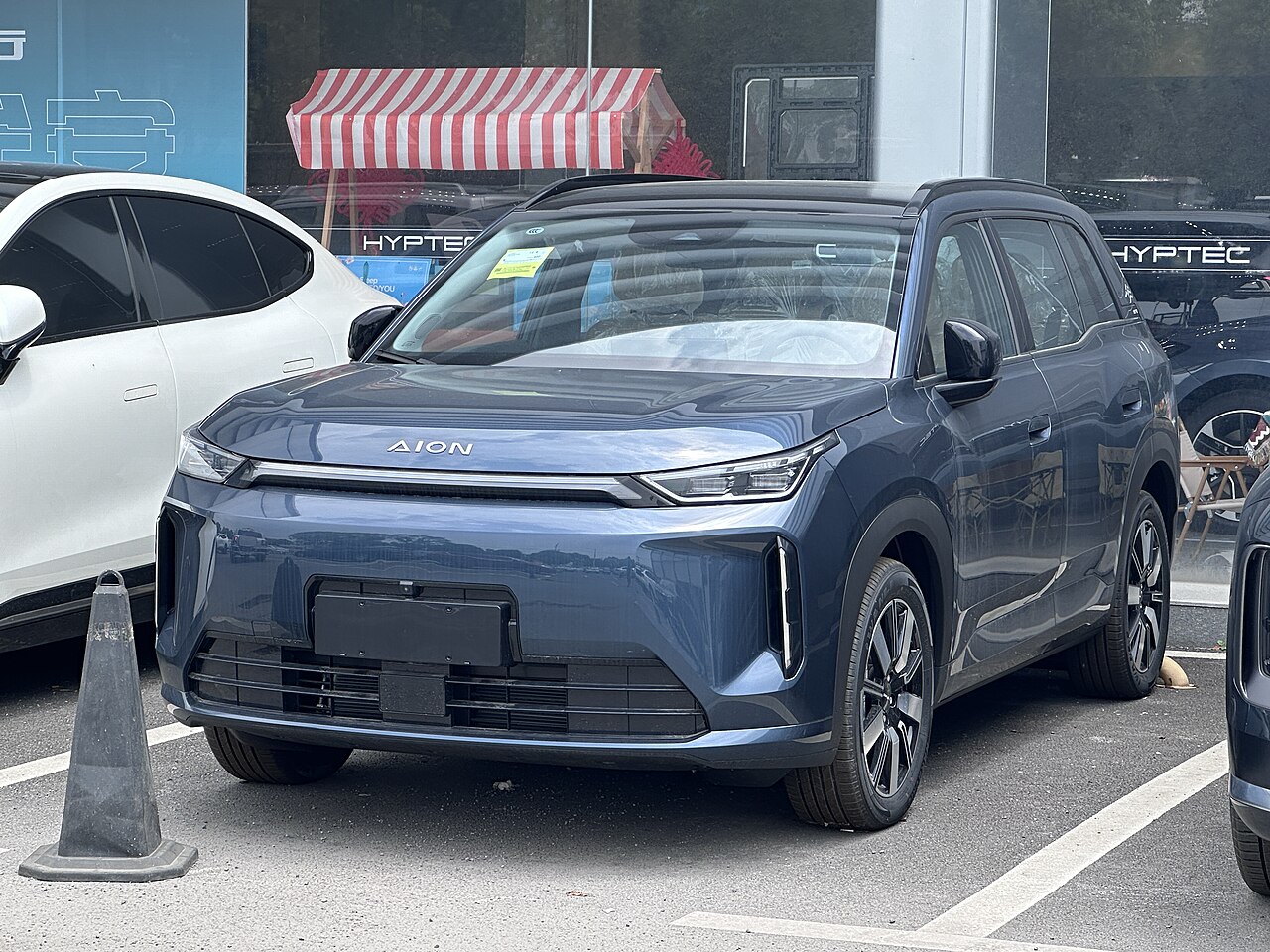
Despite launching from a standing start in late 2025, the i60 topped GAC Aion's own sales chart through January's seasonal slowdown.
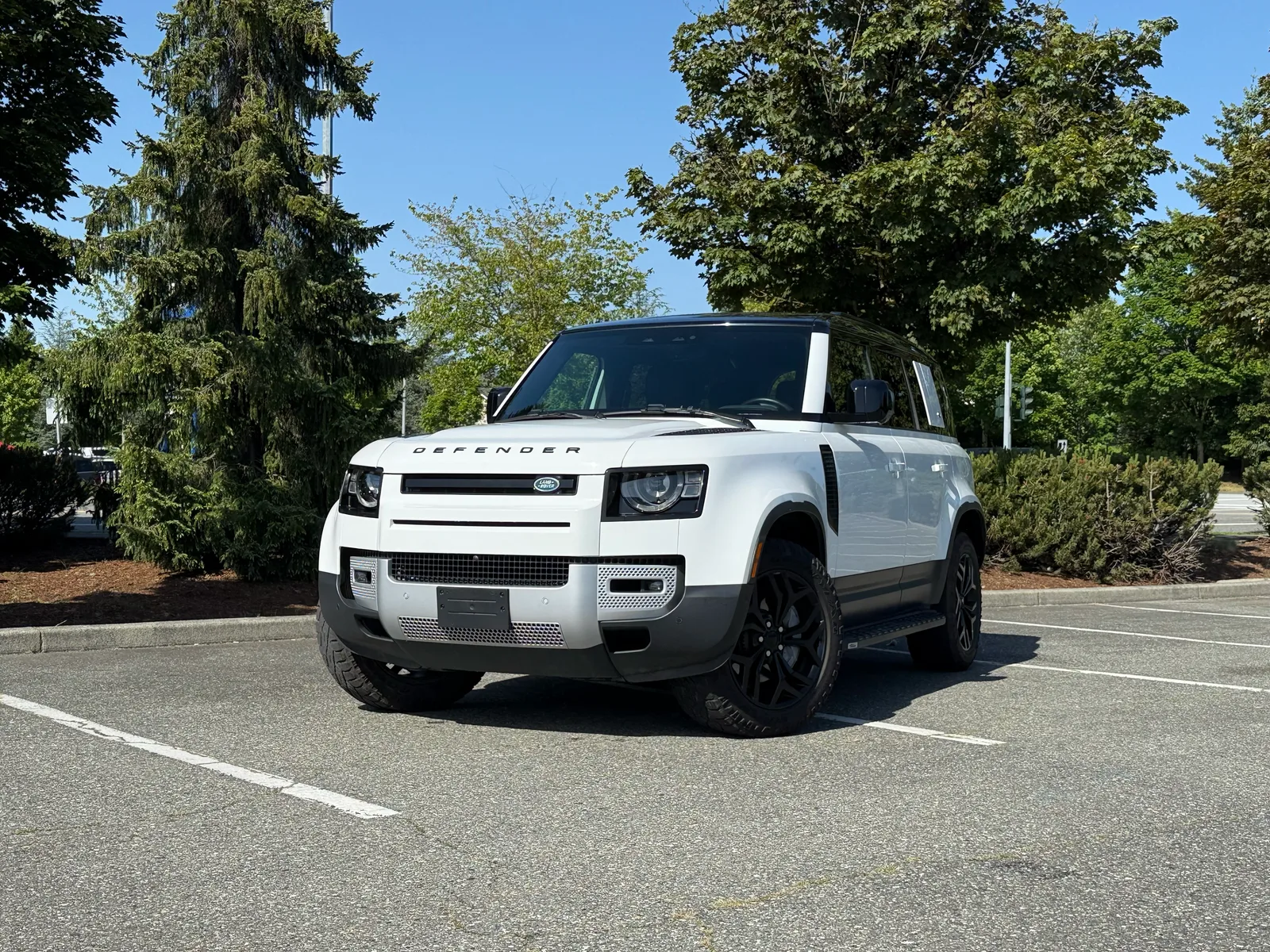
Every Defender before this one was body-on-frame — this generation broke decades of tradition with an aluminium unibody structure instead.
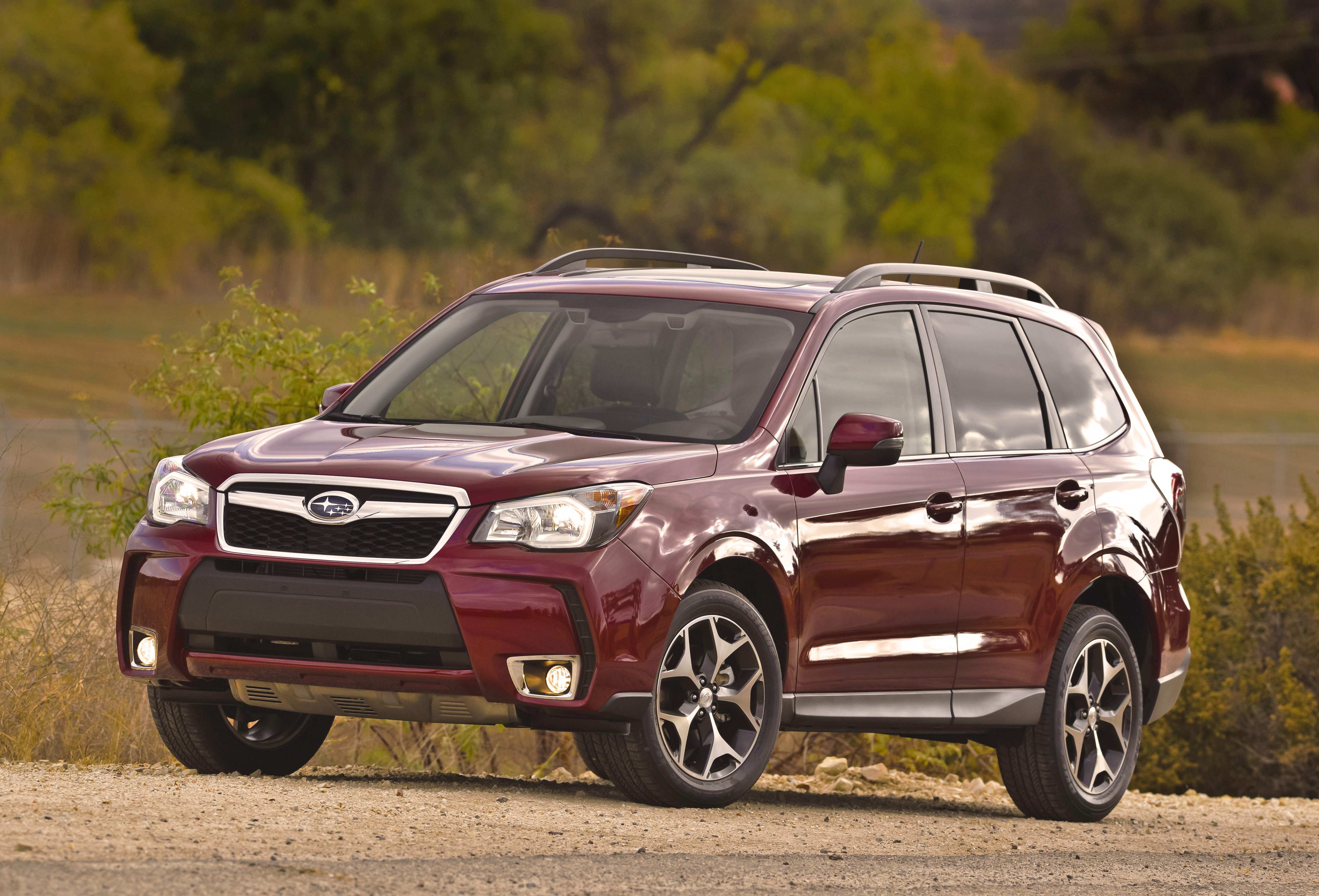
Crashed on the passenger side instead of the driver's, the 2014 Forester showed far more intrusion and would have rated Marginal with the IIHS.
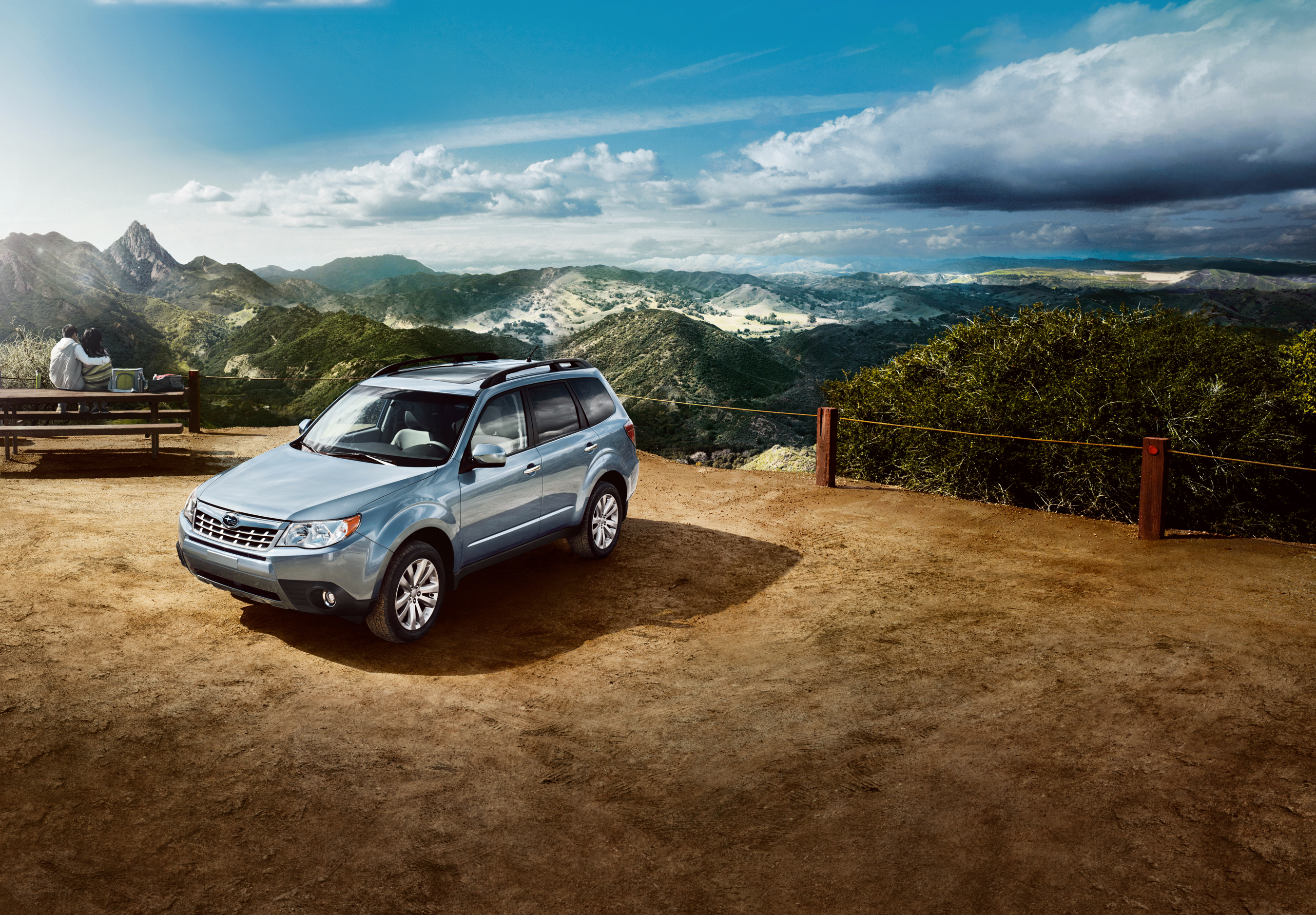
Subaru built a 2.5XT for the National Ski Patrol with a diamond-plate floor, a 9,500-pound winch and a toboggan on the roof.
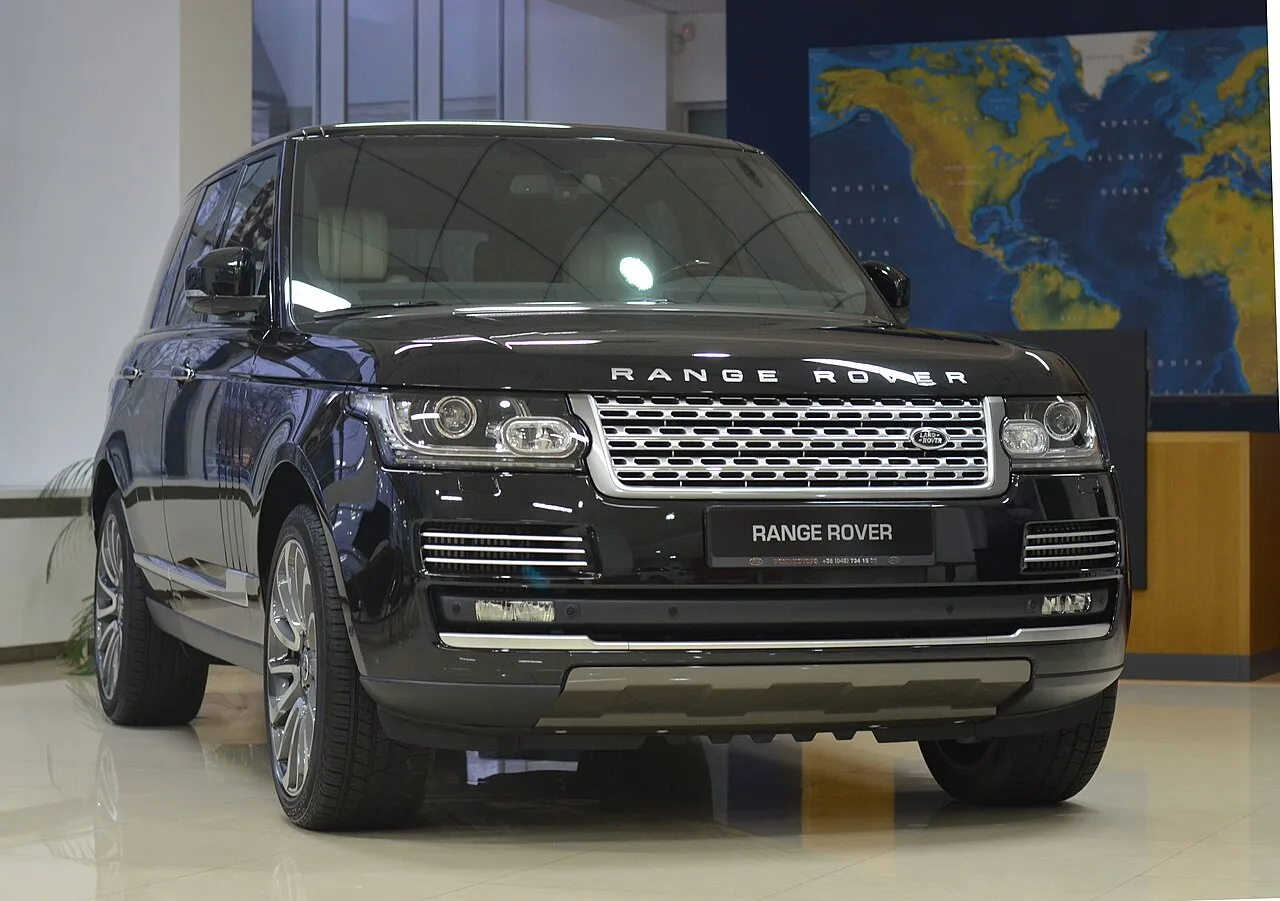
The L405 was the first Range Rover with a fully aluminum monocoque body, cutting up to 420 kg from the outgoing steel-bodied L322.
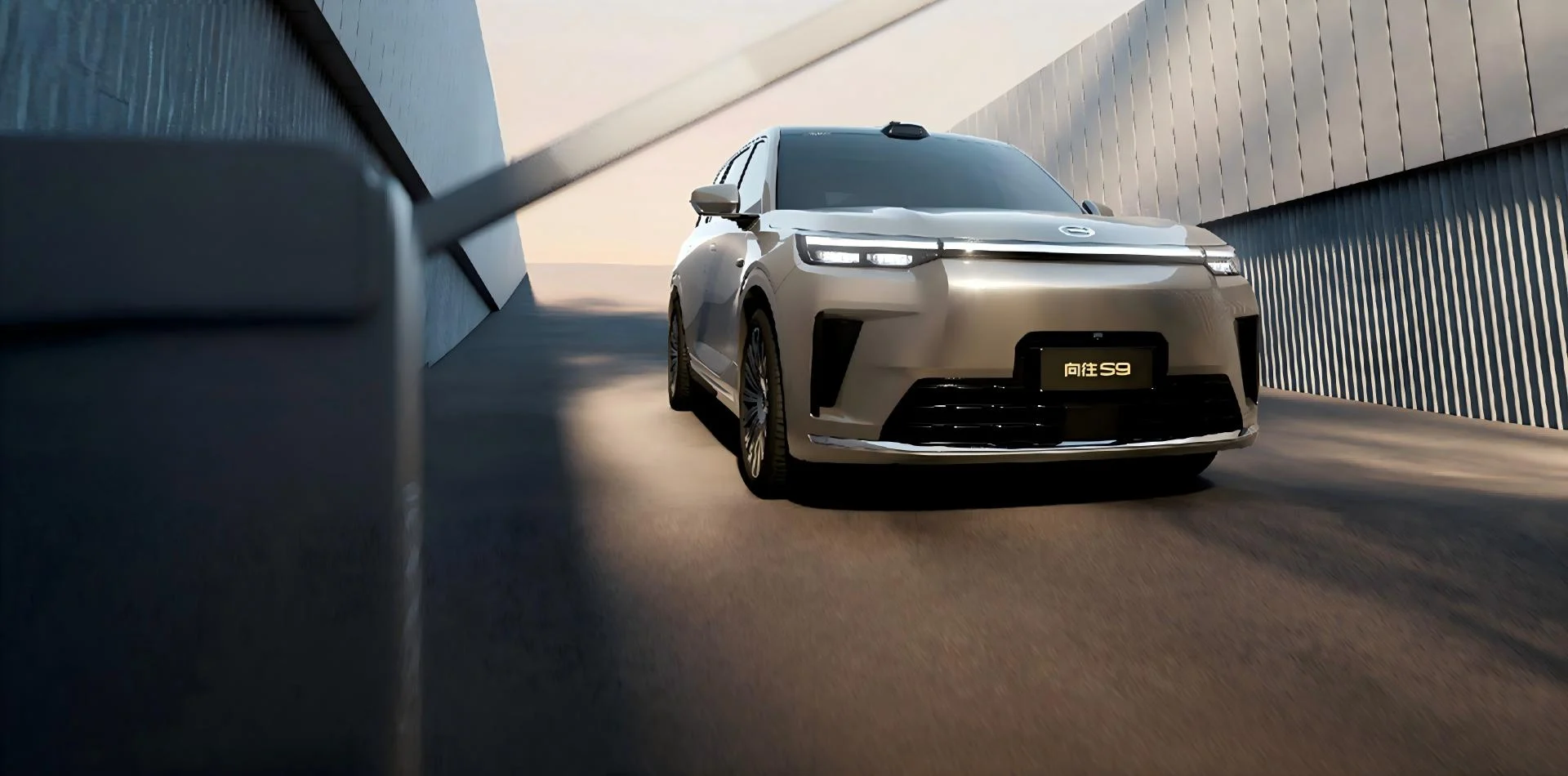
Rear passengers get a 17.3-inch screen that extends from the roof, and a lidar sensor sits in the front of the roof.
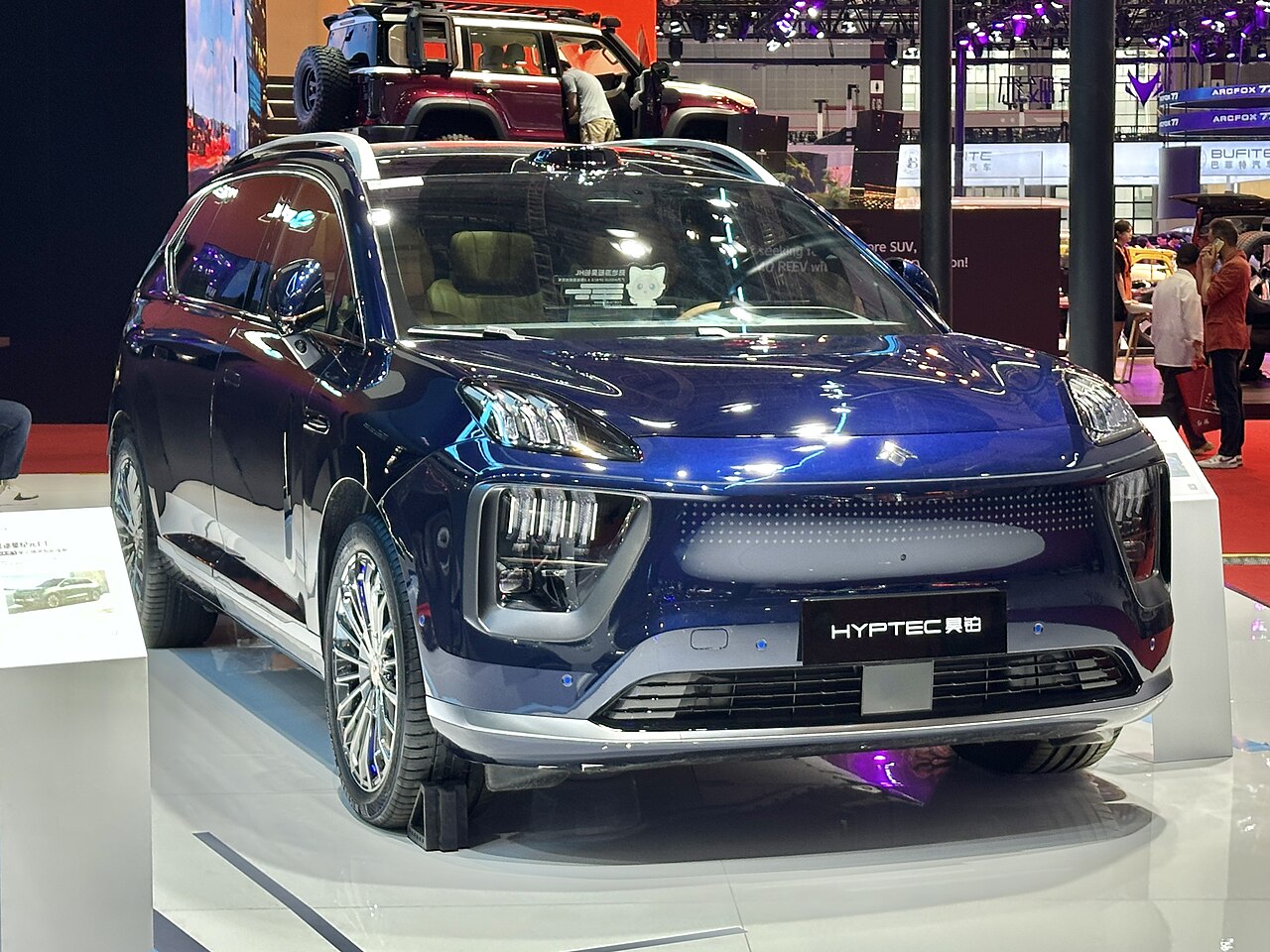
Its range-extender variant is rated for 1,200 km on a tank and charge, over three times the car's electric-only range.