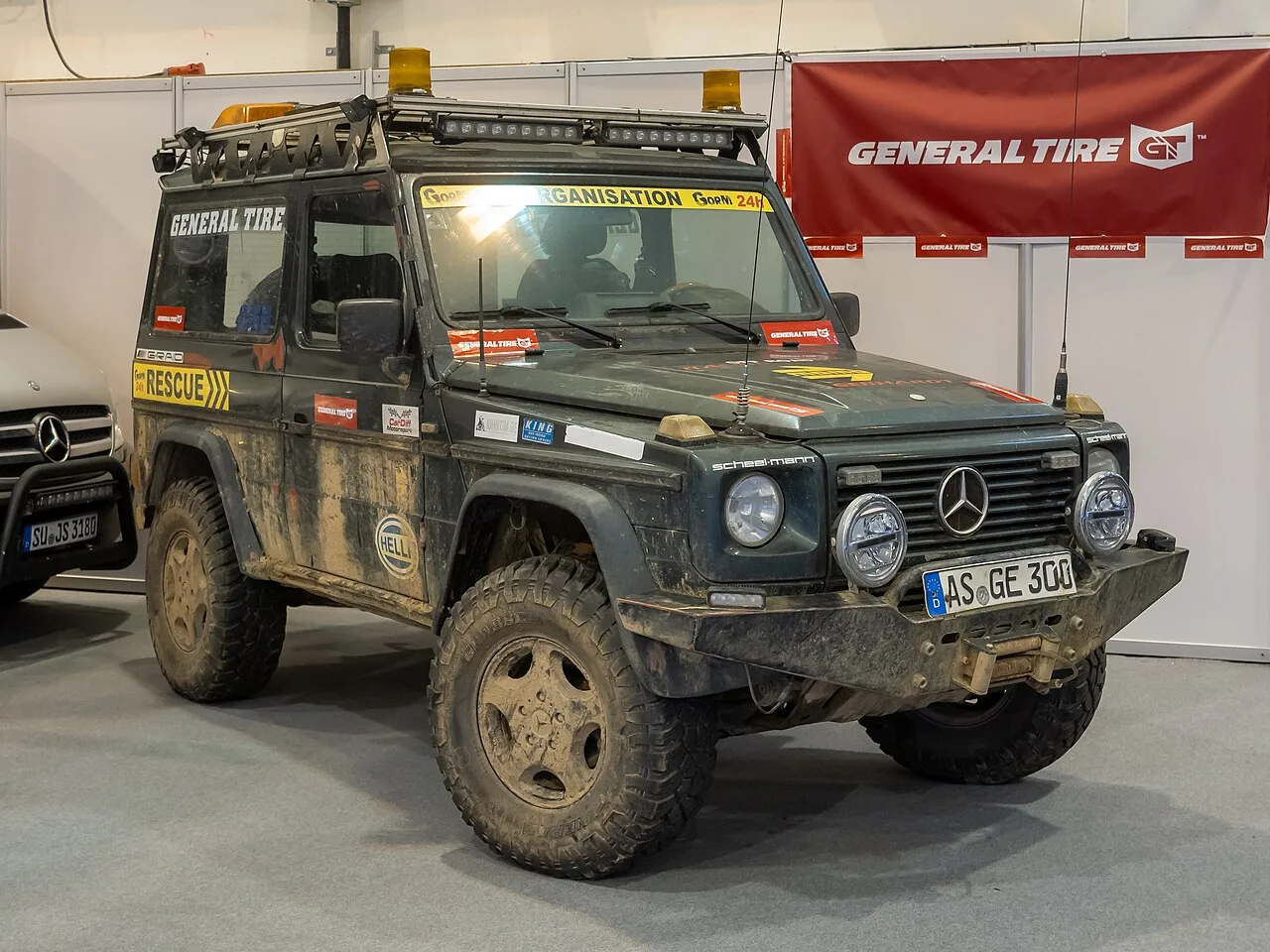
A civilian G-Wagen became a Popemobile within a year of going on sale — built for Pope John Paul II's first trip to Germany in 1980.
Median 107 hp across 71 similar cars
Lead trim: 200 GE (Italy only, M102 2.0 I4) · up to 154 hp
Mercedes-Benz G-ClassW460 · 1979–1991
- 0spots by members
- Unclaimednobody has spotted one yet
- 1set it completes
Nobody in Burbles has spotted a Mercedes-Benz G-Class yet. See one on the street, point the app at it, and the first card is yours — with your @handle permanently credited on this page.
FactA civilian G-Wagen became a Popemobile within a year of going on sale — built for Pope John Paul II's first trip to Germany in 1980.
The G-Class was developed as a military vehicle from a suggestion by the Shah of Iran, Mohammad Reza Pahlavi, to Mercedes and offered as a civilian vehicle from 1979, in its military role sometimes called the "Wolf". Development began in 1972 with a cooperative agreement between Daimler-Benz and Steyr-Daimler-Puch in Graz, Austria (Stuttgart engineers in charge of design and testing, the Graz team the production plans); the first wooden model went before Daimler-Benz management in 1973, the first drivable prototype was tested in the German coalfields, the Sahara Desert and the Arctic Circle in 1974, and production of the "G Model" began in Graz in 1979. The W460 was introduced at a press event at the off-road proving ground in Toulon, France, and went on sale in September 1979 with three engine choices and five body variants (2-door short-wheelbase convertible, cab chassis pickup, 3-door SWB station wagon and panel van, 3-door LWB station wagon and panel van, 5-door LWB station wagon; wheelbase 2,400 mm (2-door) or 2,850 mm (4-door); designer Erich Ledwinka; also sold as the Puch G in Austria, Switzerland and other markets). The first major refinements came in 1981 (automatic transmission, air conditioning, an auxiliary fuel tank, protective headlamp grilles and a cable winch); fuel injection arrived in 1982 with the 230 GE, introduced in Turin, along with more supportive front seats, auxiliary heating, wider tires and fender flares; for 1985 differential locks, central door locking and a tachometer became standard. Mercedes-Benz never officially exported the G-Wagen to the United States: grey-import specialists brought the W460 in and modified it until the 1988 Motor Vehicle Safety Compliance Act closed the loopholes, and the underpowered 230 GE, 280 GE and 300 GD might not have appealed to the American market. The 200 GE was built specifically for Italian markets and others where a heavy tax penalty applied to engines larger than 2 litres; the 300 GD was the most popular model and the 280 GE the most powerful, and a turbocharged diesel was never fitted. Derivations were the W462 ELBO (1988–2005, assembled from CKD kits by ELBO in Thessaloniki for the Greek Army, the 240 GD and 290 GDT) and the Peugeot P4 VLTT (1981–1988, built under licence in France with Peugeot 504 engine and 604 transmission, recognisable by its rectangular headlamps). The W460 was replaced by the W461 after the W463 arrived; the page's engine table runs the 230 GE and 250 GD to 1992, while its infobox and text end the W460 in 1991. The 230 G is listed with two different power figures (89 bhp and 101 bhp), so no power is entered for it; the 280 GE AMG and 230 GE 2.6 Brabus are catalogued as their own generations.
Collectors Spotted in the Mercedes-Benz G-Class Lineage
No member has published a public street spot of the Mercedes-Benz G-Class yet — the First · Worldwide stamp is wide open.
Trims & Figures
7 published trims in the catalogue. A blank is a figure not recorded, not zero.
| Trim | Years | Engine | Power | Torque | 0–60 | Drive | Gearbox | MSRP |
|---|---|---|---|---|---|---|---|---|
| 200 GE (Italy only, M102 2.0 I4) | 1986–1991 | 2.0 L Inline-4 | 117 hp | 131 lb-ft | — | 4WD | — | — |
| 230 G (M115 2.3 I4) | 1979–1982 | 2.3 L Inline-4 | — | 123 lb-ft | — | 4WD | — | — |
| 230 GE (M102 2.3 I4, fuel injected) | 1982–1991 | 2.3 L Inline-4 | 123 hp | 142 lb-ft | — | 4WD | — | — |
| 240 GD (OM616 2.4 diesel I4) | 1979–1987 | 2.4 L Inline-4 | 71 hp | 101 lb-ft | — | 4WD | — | — |
| 250 GD (OM602 2.5 diesel I5) | 1987–1991 | 2.5 L Inline-5 | 83 hp | 114 lb-ft | — | 4WD | — | — |
| 280 GE (M110 2.8 I6) | 1979–1990 | 2.7 L Inline-6 | 154 hp | 167 lb-ft | — | 4WD | — | — |
| 300 GD (OM617 3.0 diesel I5) | 1979–1990 | 3.0 L Inline-5 | 87 hp | 127 lb-ft | — | 4WD | — | — |
Owning one
We don’t estimate running costs for a car like this. What it costs depends on its condition, its specialist and how it is driven, and an average would mislead.
Owners’ builds
Nobody has claimed one yet.
Photographs
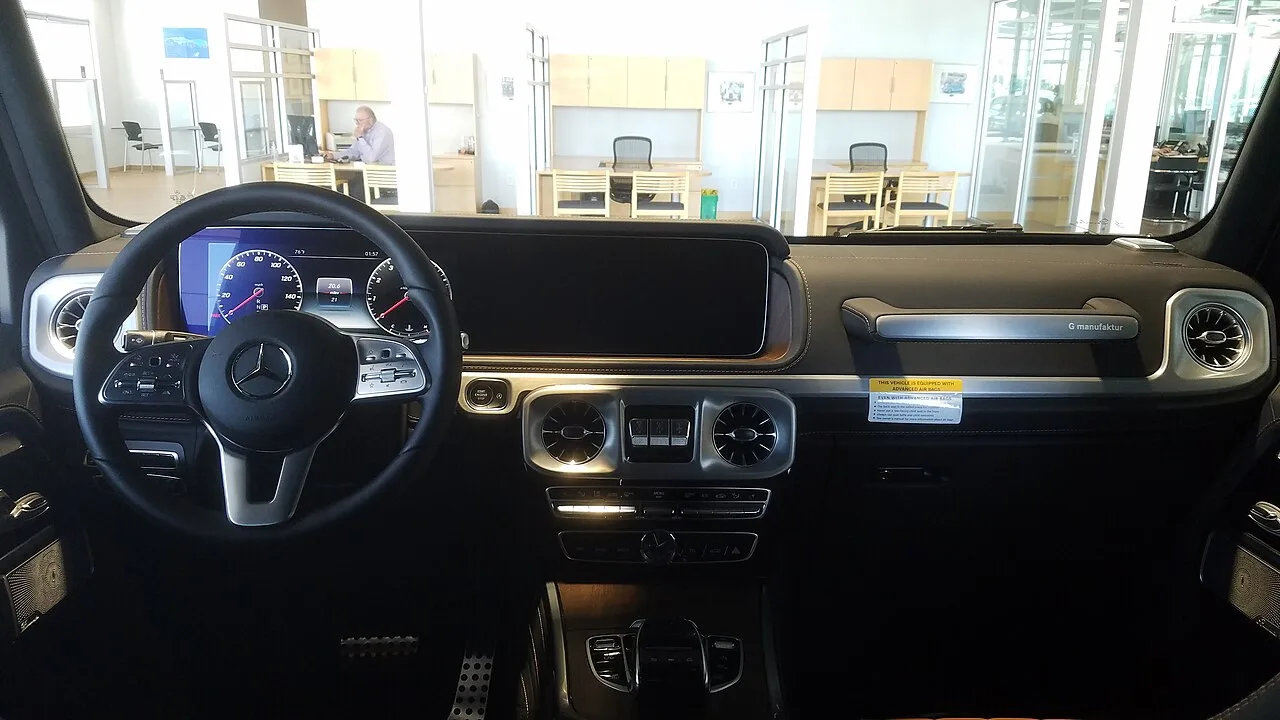
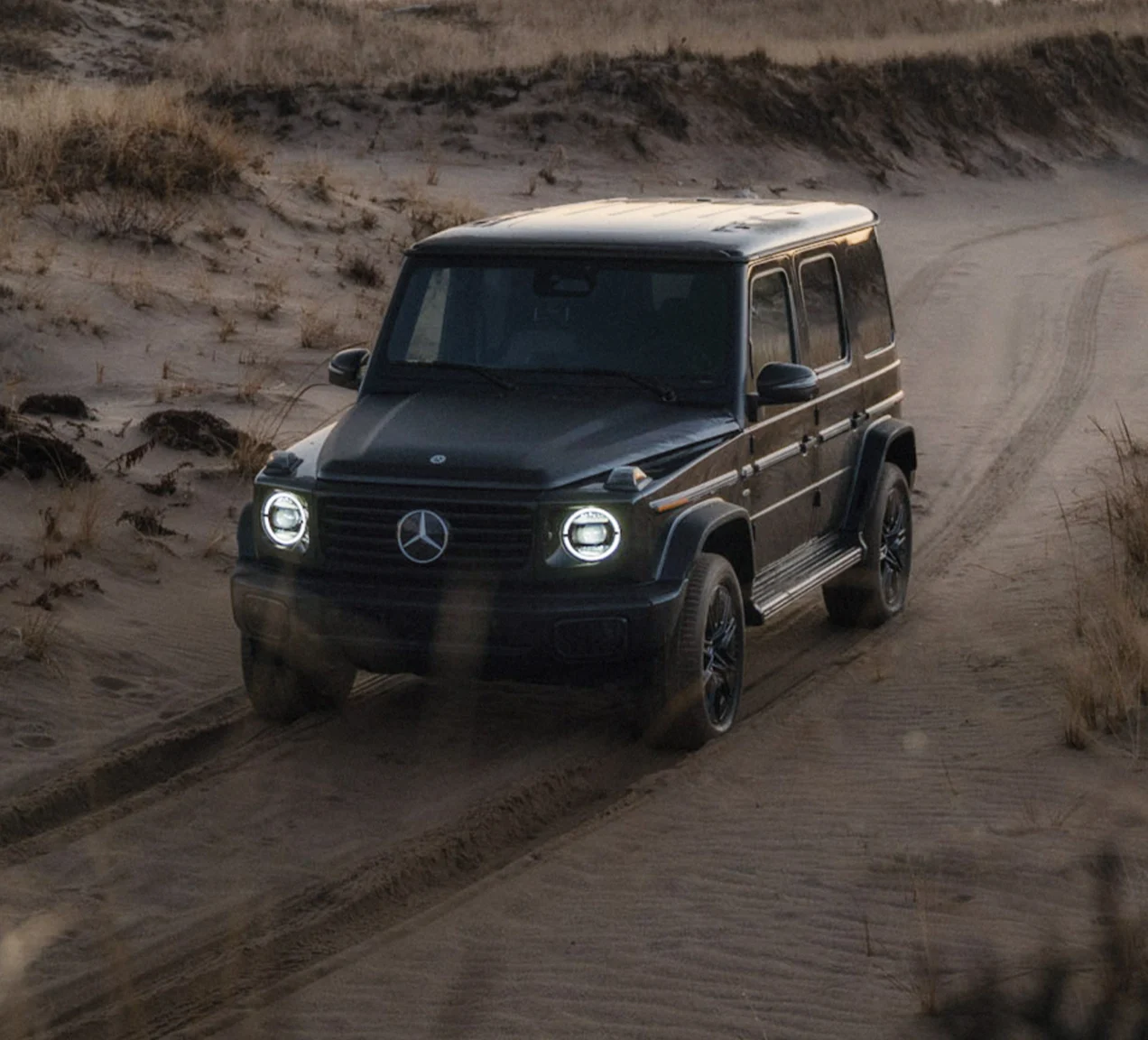
Mercedes never officially confirmed the W465 chassis code; media outlets coined it themselves after the old W463 ended.
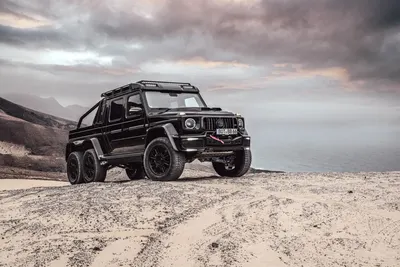
Brabus stretched the G63's wheelbase 20 inches to fit the XLP 900's pickup bed -- 27 inches more overall length, on only 10 trucks.
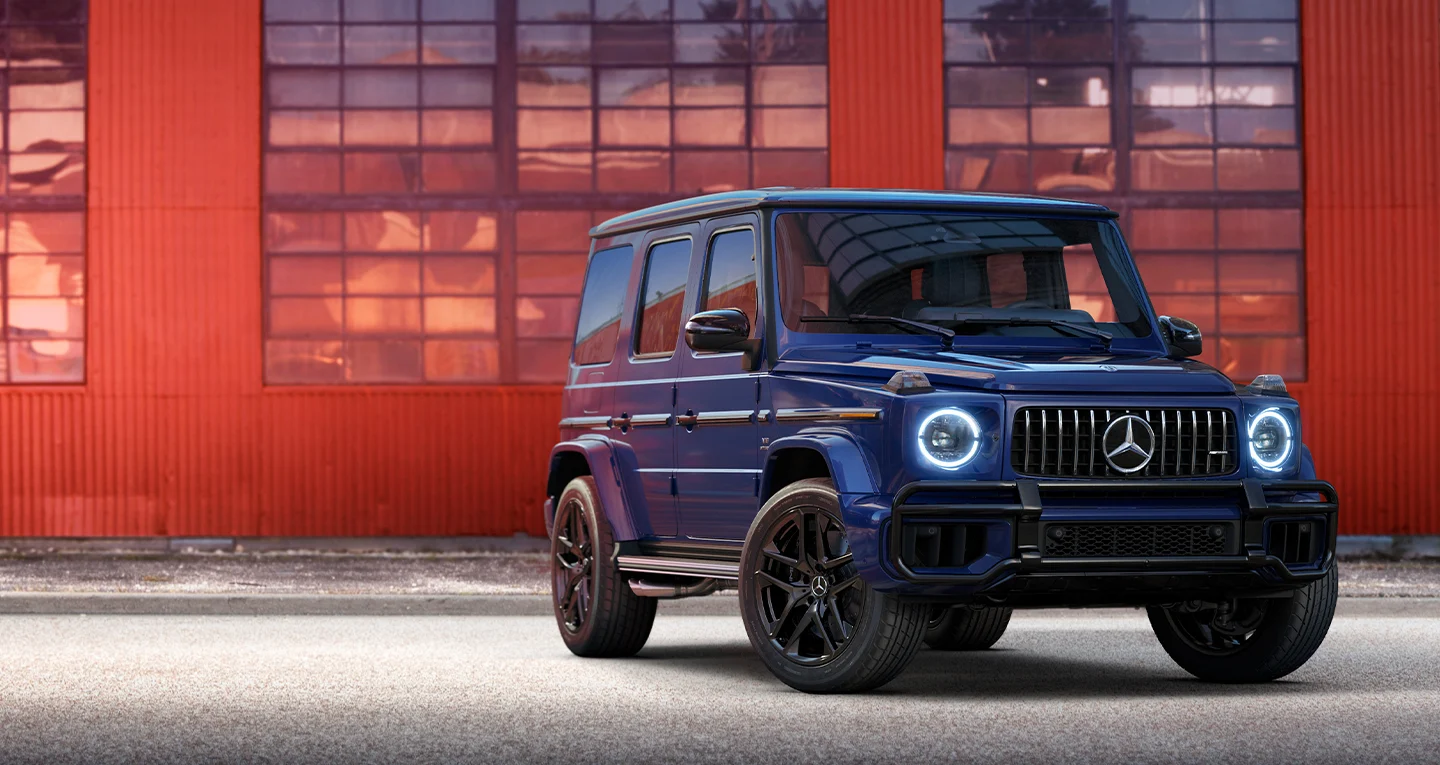
Its Active Ride Control suspension replaces anti-roll bars with hydraulics, linking each damper's compression side to the rebound side opposite.
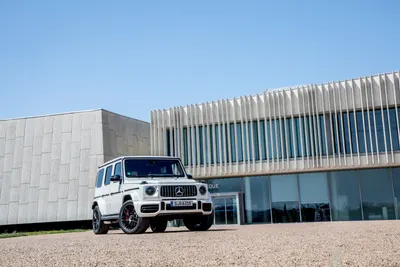
The 2019 G-Class looks almost identical to its predecessor — but underneath, only three parts carried over: the headlamp washers, the door handles, and the spare-wheel cover.
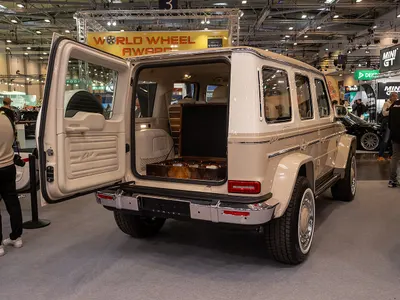
The portal-axle G63 4x4² variant of this generation went on sale for 2023 with a $350,050 starting price.
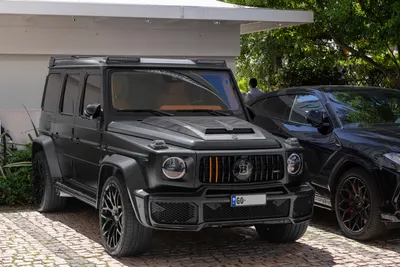
It reaches 100 km/h in 4.3 seconds, and Brabus caps the top speed at 240 km/h to protect the tyres.
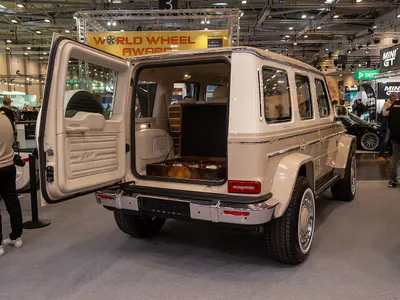
Mercedes built only 99 of these at €749,700 each, using rear doors lifted from a stretched G 55 built in 2001.
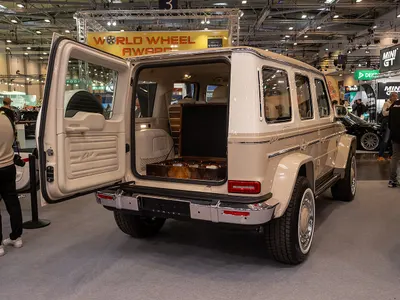
The G65 AMG made the G-Wagen only the third production passenger SUV ever built with a V12 engine, after the Lamborghini LM002.
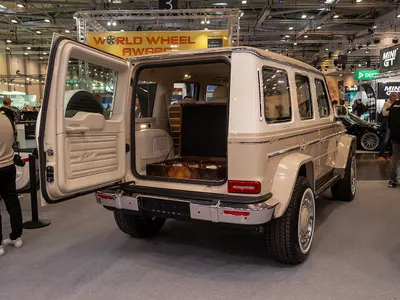
This oddball G-Wagen wasn't built from scratch — Mercedes shortened the chassis from the six-wheeled G 63 AMG 6×6 and bolted a normal G-Class body on top.
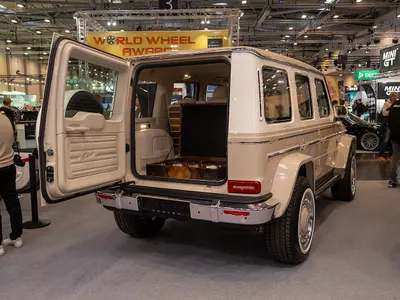
The 2012 G63 AMG's tough-guy new look borrowed parts from unexpected places — its mirrors came straight off the GL-Class and ML-Class SUVs.
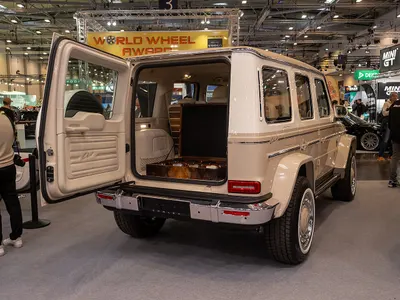
The G63 AMG 6x6 began life as a pickup pitched to the Australian Army in 2007; Mercedes expected modest interest and sold just over 100 anyway.
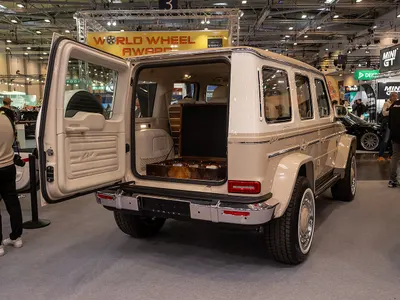
Mid-cycle, this G 63 AMG swapped its supercharged V8 for a twin-turbo 5.5L unit — a rare case of a performance SUV gaining displacement while actually cutting fuel use and emissions.
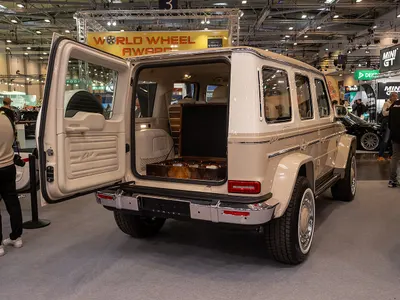
The boxy G 65 AMG is only the third production SUV in history to carry a V12 — the first was the Lamborghini LM002, a decade before Mercedes made the idea a showroom option.
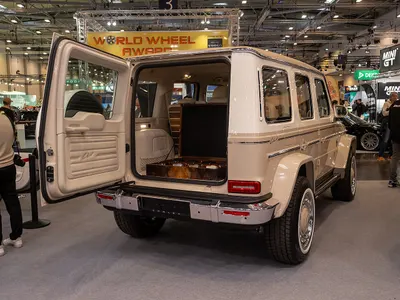
A boxy, military-derived off-roader became a Hollywood status symbol: the G55 AMG is the version that turned the G-Wagen into the favourite ride of celebrities and the wealthy.
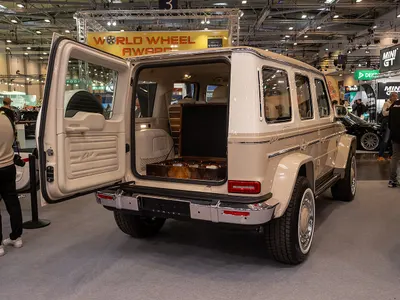
Mercedes and AMG never advertised the G63 AMG V12 at all -- no brochures, no ads, no shows. Only about five were built, offered quietly to hand-picked AMG customers.
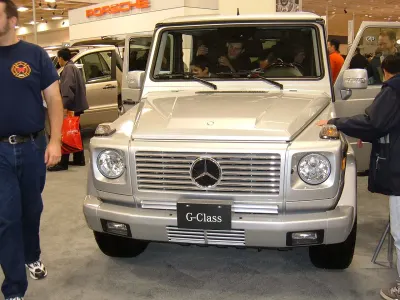
A W463 G-Class exists that Mercedes never advertised: the G 63 AMG V12, built in secret for select customers with no brochures, ads, or shows — reportedly just five made.
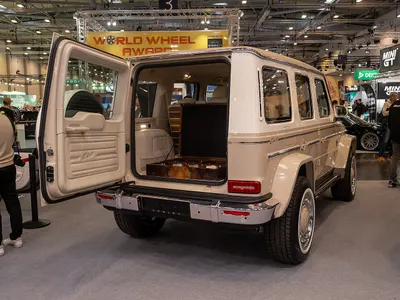
Mercedes planned to pull the G-Class from the US after 2005 — until the Marine Corps ordered 157 G-based Fast Attack Vehicles and the automaker reversed course.
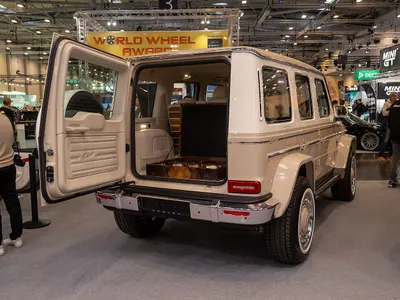
Only 38 G 43 AMGs were ever built, every single one ordered under a "company vehicle" country code — mostly for VIPs, and quite possibly intelligence services.
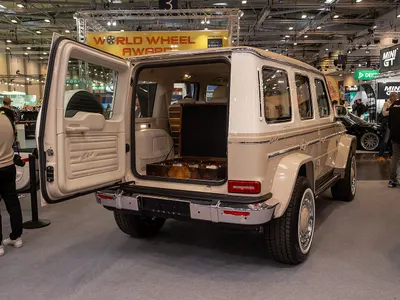
AMG didn't bother building a bespoke engine for its first G-Wagen — the G 36 AMG just borrowed the straight-six already doing duty in the C 36 AMG and E 36 AMG.
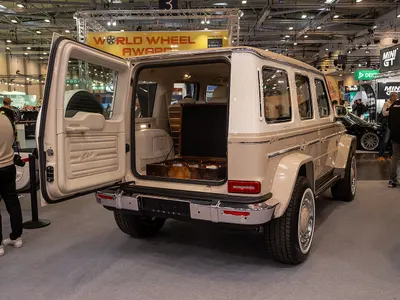
The first-ever AMG-built G-Wagen, the 500 GE 6.0, bored its V8 out to six litres — and then built only thirteen of them, all long-wheelbase.
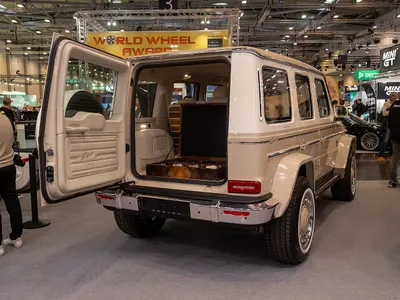
The '500' in 500 GE V8 was meant to be the production run — but Mercedes only had enough leftover V8s on hand to actually finish 446 of them.
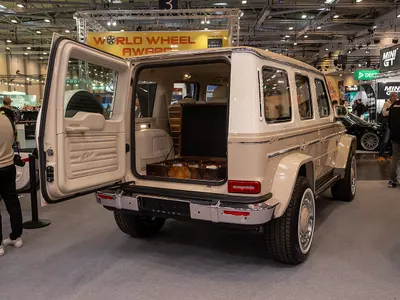
Mercedes-Benz didn't think Americans wanted the G-Wagen, so a small New Mexico importer called Europa International started certifying and selling them in 1993 on its own — and sold Mercedes on the idea so well the company eventually bought the US distribution rights back.
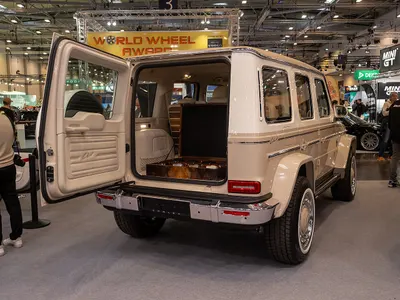
Brabus didn't just remap this G-Wagen's little four-cylinder — they bored it out from 2.3 to 2.6 litres to get more power out of it.
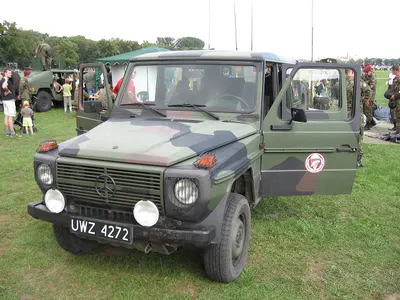
The austere, military-spec W461 G-Wagen ran on its own 24-volt electrical system — a deliberate break from the civilian G-Class that made it incompatible with ordinary 12-volt parts.
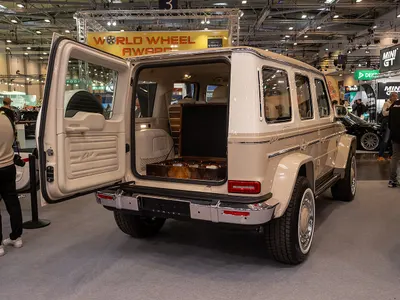
Long before AMG G-Wagens were a status symbol, AMG was already tuning the utilitarian G-Class: the 280 GE AMG pushed its 2.8-litre six up to 182 PS.
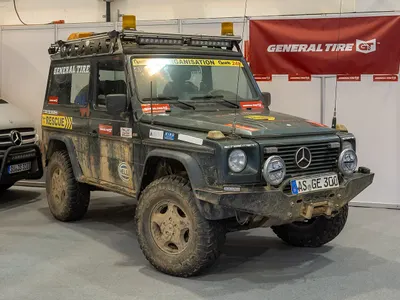
A civilian G-Wagen became a Popemobile within a year of going on sale — built for Pope John Paul II's first trip to Germany in 1980.
Rivals
Same body, same money, other badges — tap any card to flip.
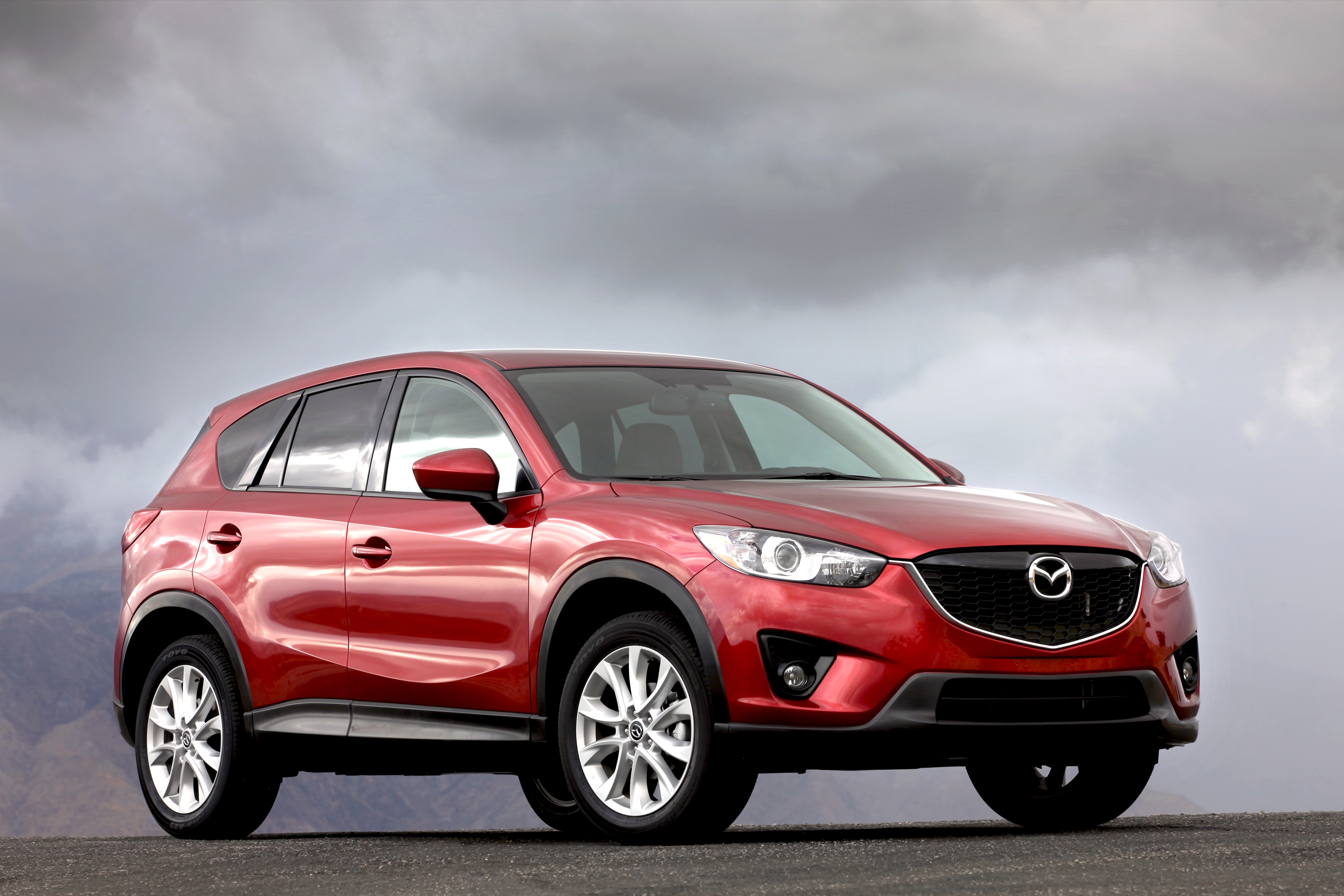
IIHS only crash-tests the driver's corner; tested on the passenger side instead, the CX-5 showed far worse intrusion.
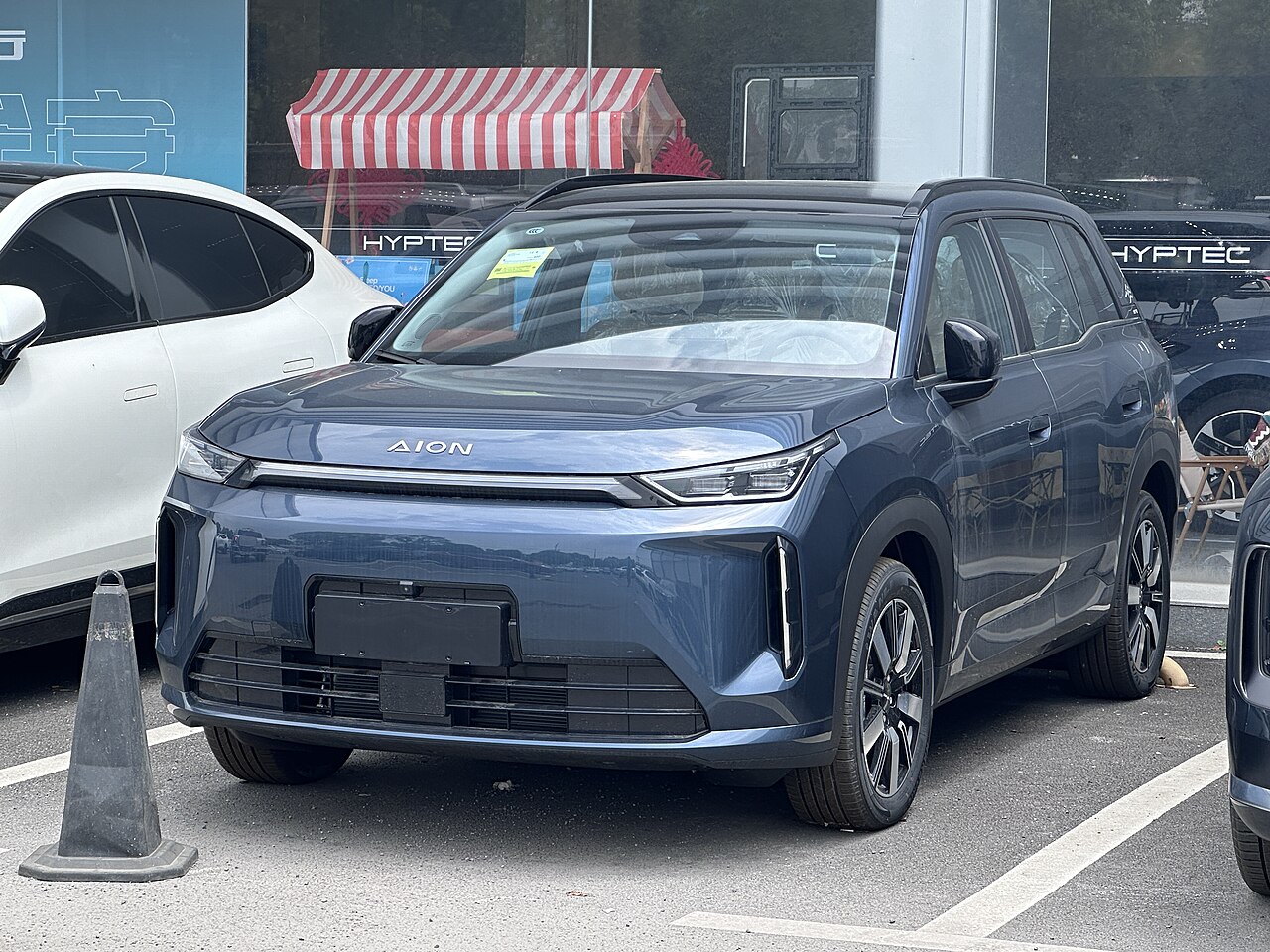
Despite launching from a standing start in late 2025, the i60 topped GAC Aion's own sales chart through January's seasonal slowdown.
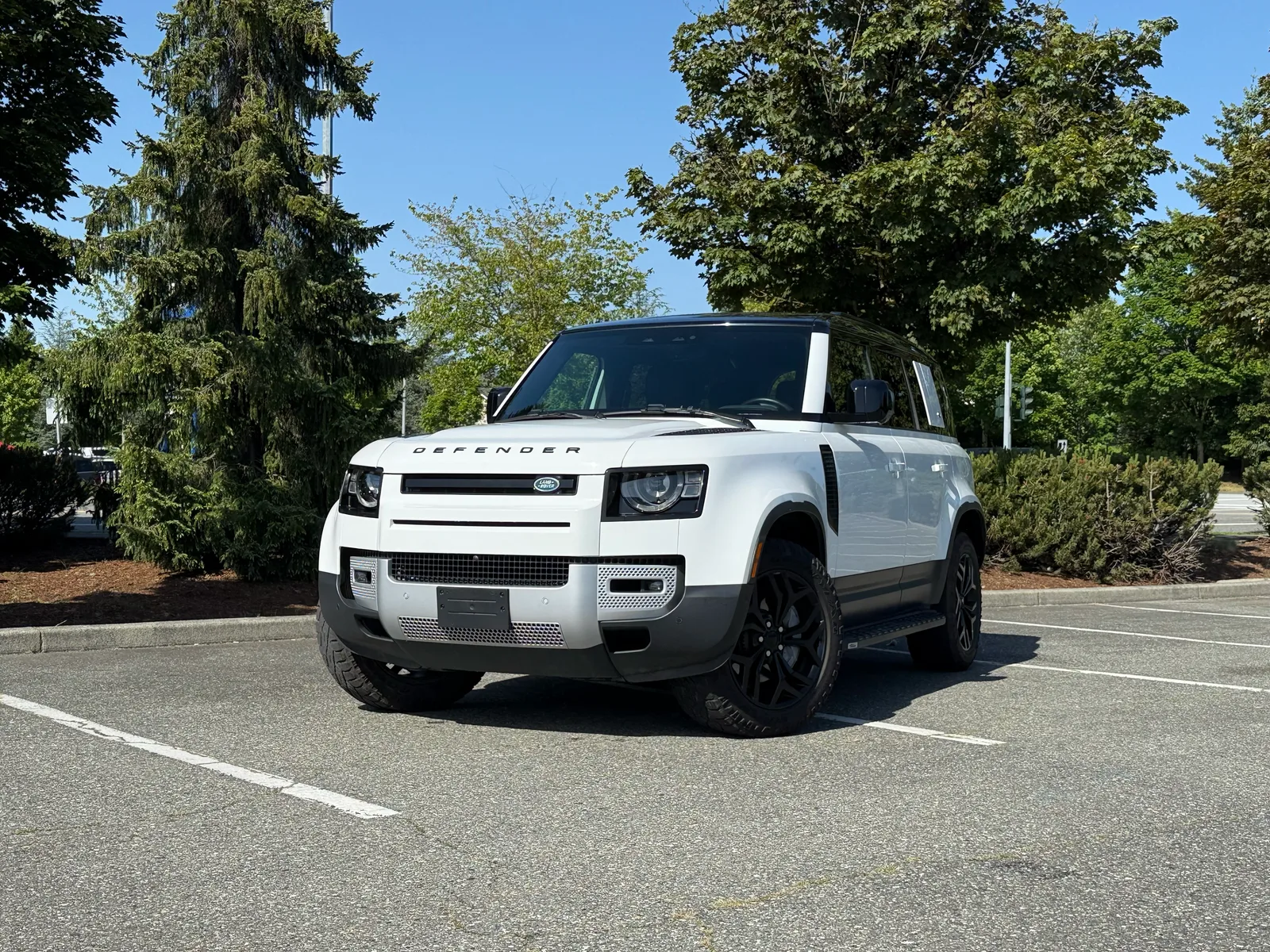
Every Defender before this one was body-on-frame — this generation broke decades of tradition with an aluminium unibody structure instead.
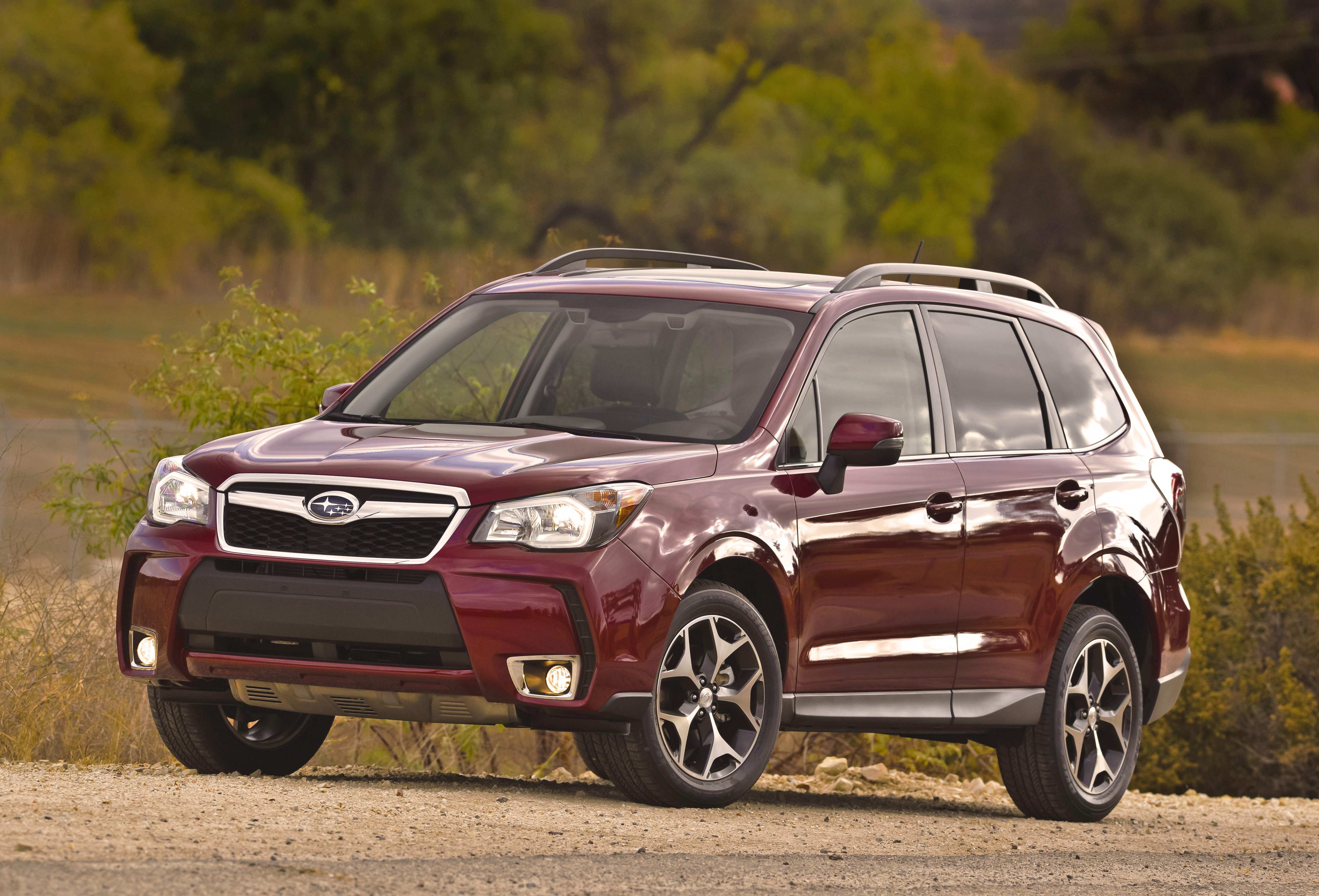
Crashed on the passenger side instead of the driver's, the 2014 Forester showed far more intrusion and would have rated Marginal with the IIHS.
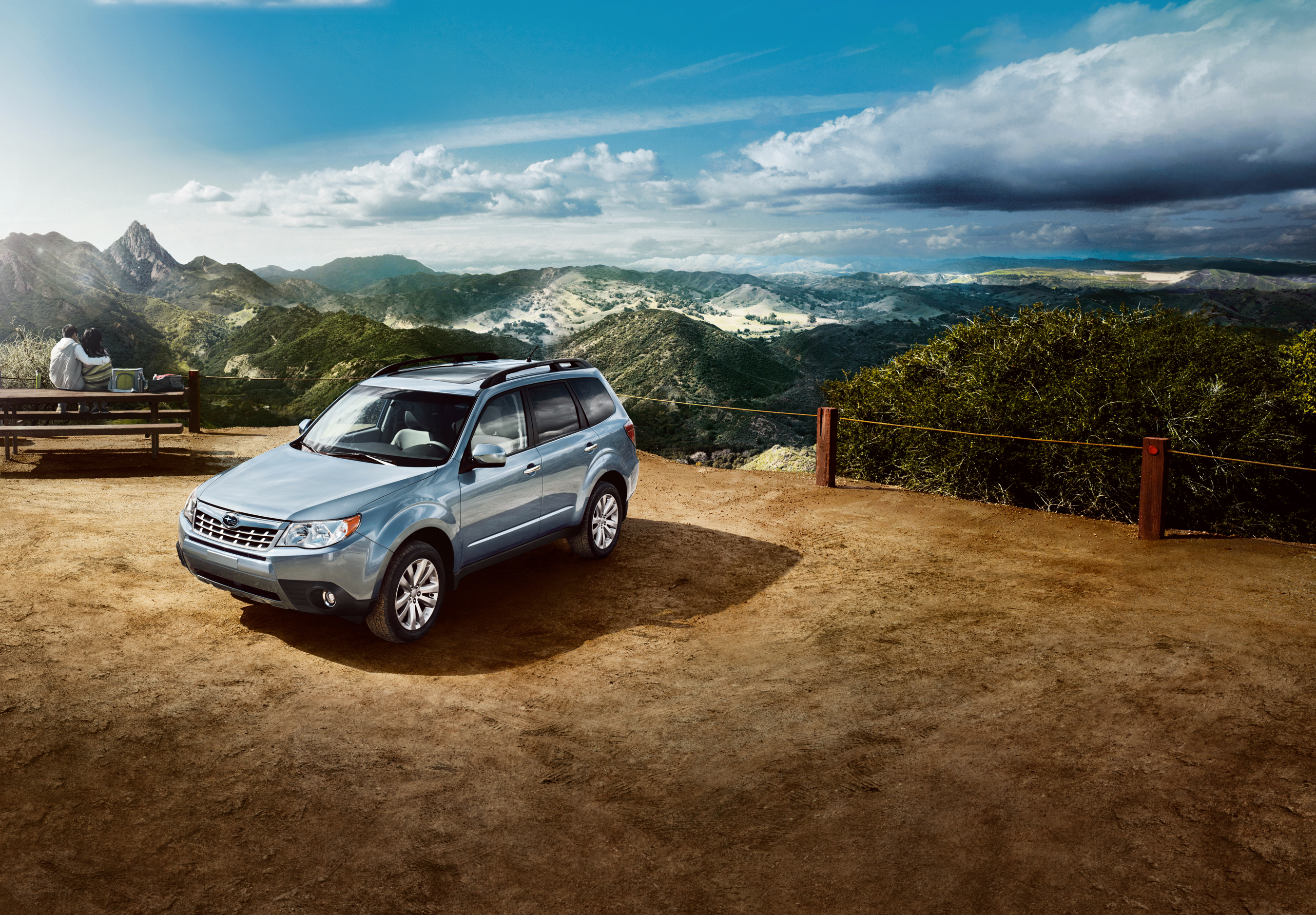
Subaru built a 2.5XT for the National Ski Patrol with a diamond-plate floor, a 9,500-pound winch and a toboggan on the roof.
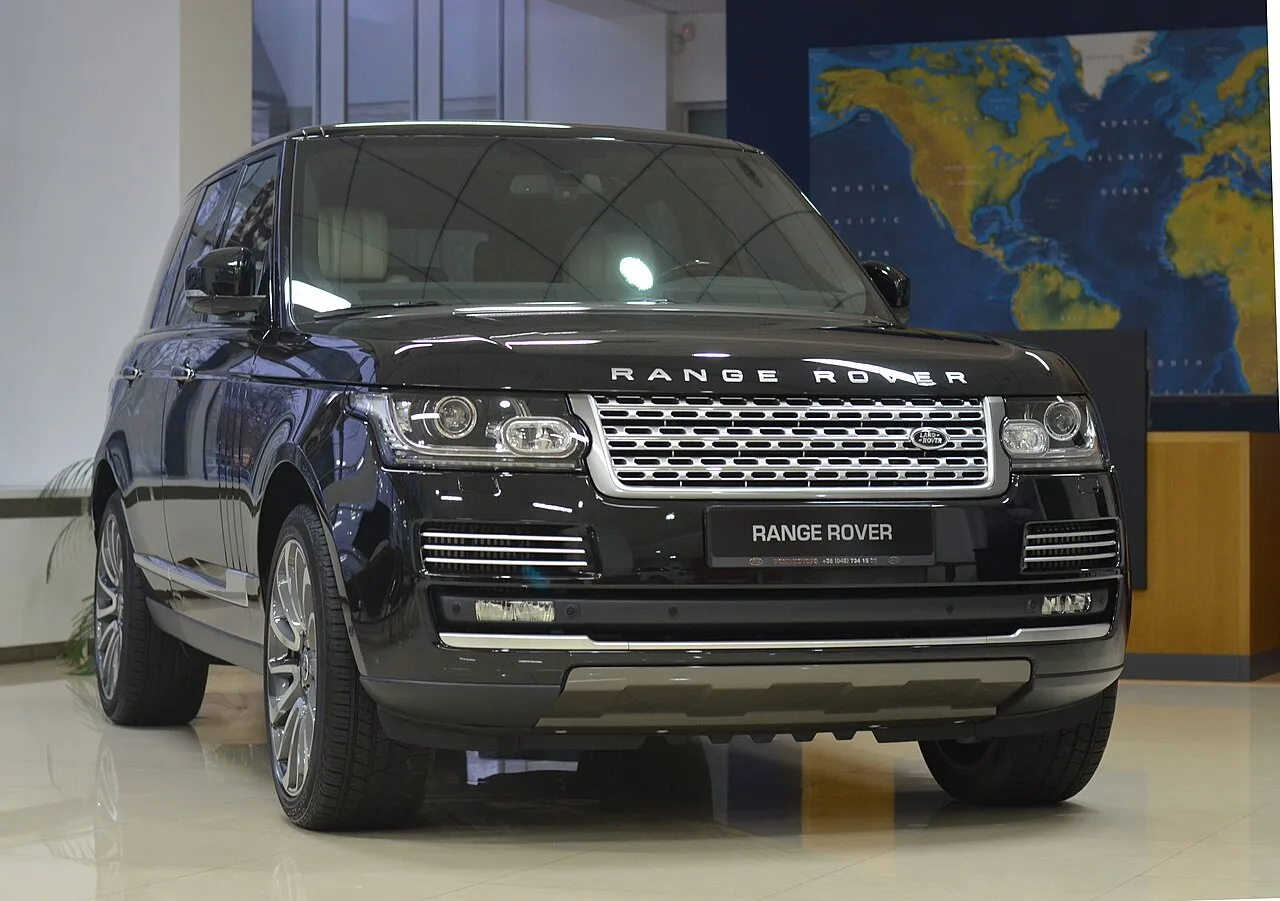
The L405 was the first Range Rover with a fully aluminum monocoque body, cutting up to 420 kg from the outgoing steel-bodied L322.
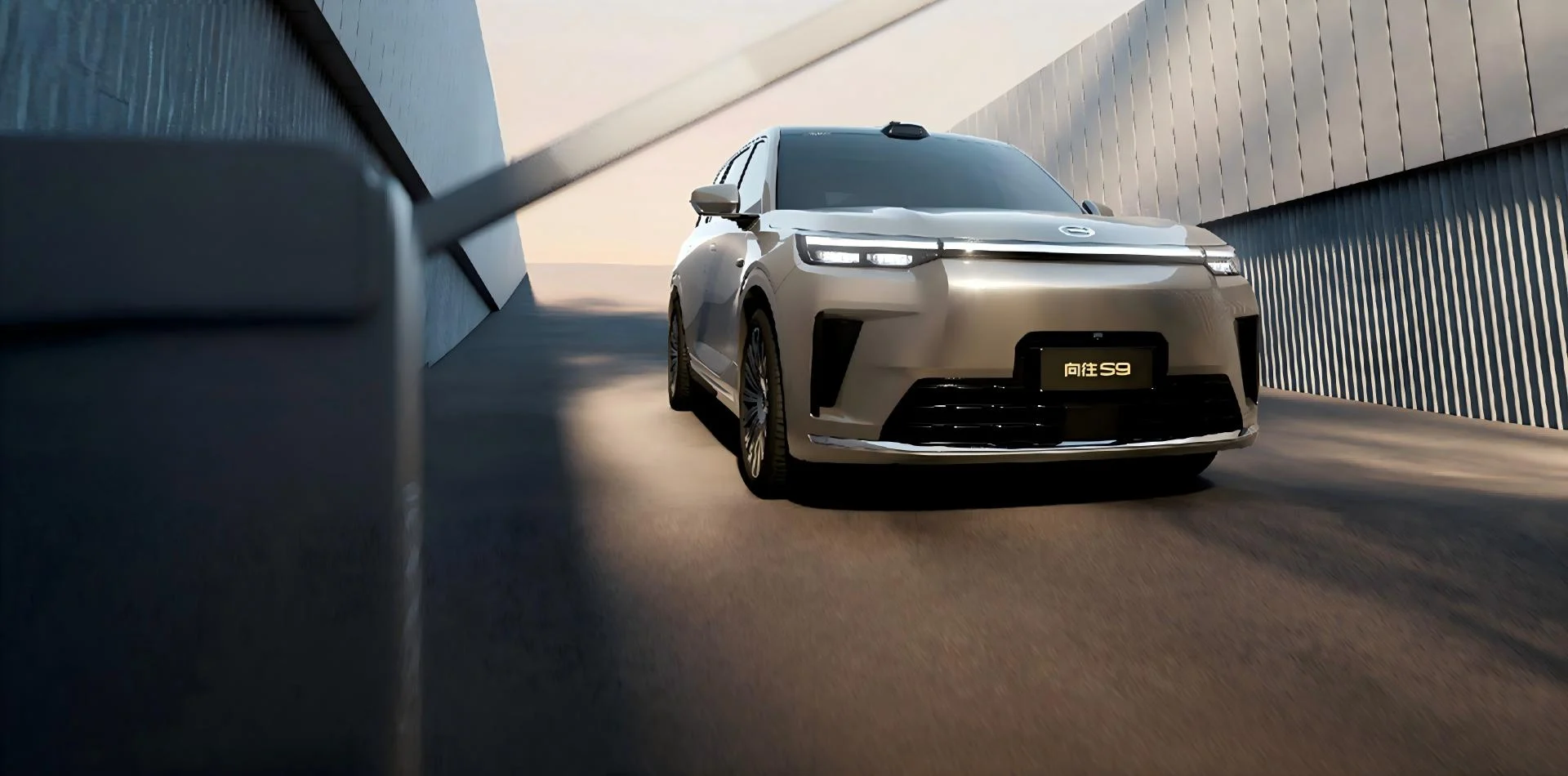
Rear passengers get a 17.3-inch screen that extends from the roof, and a lidar sensor sits in the front of the roof.
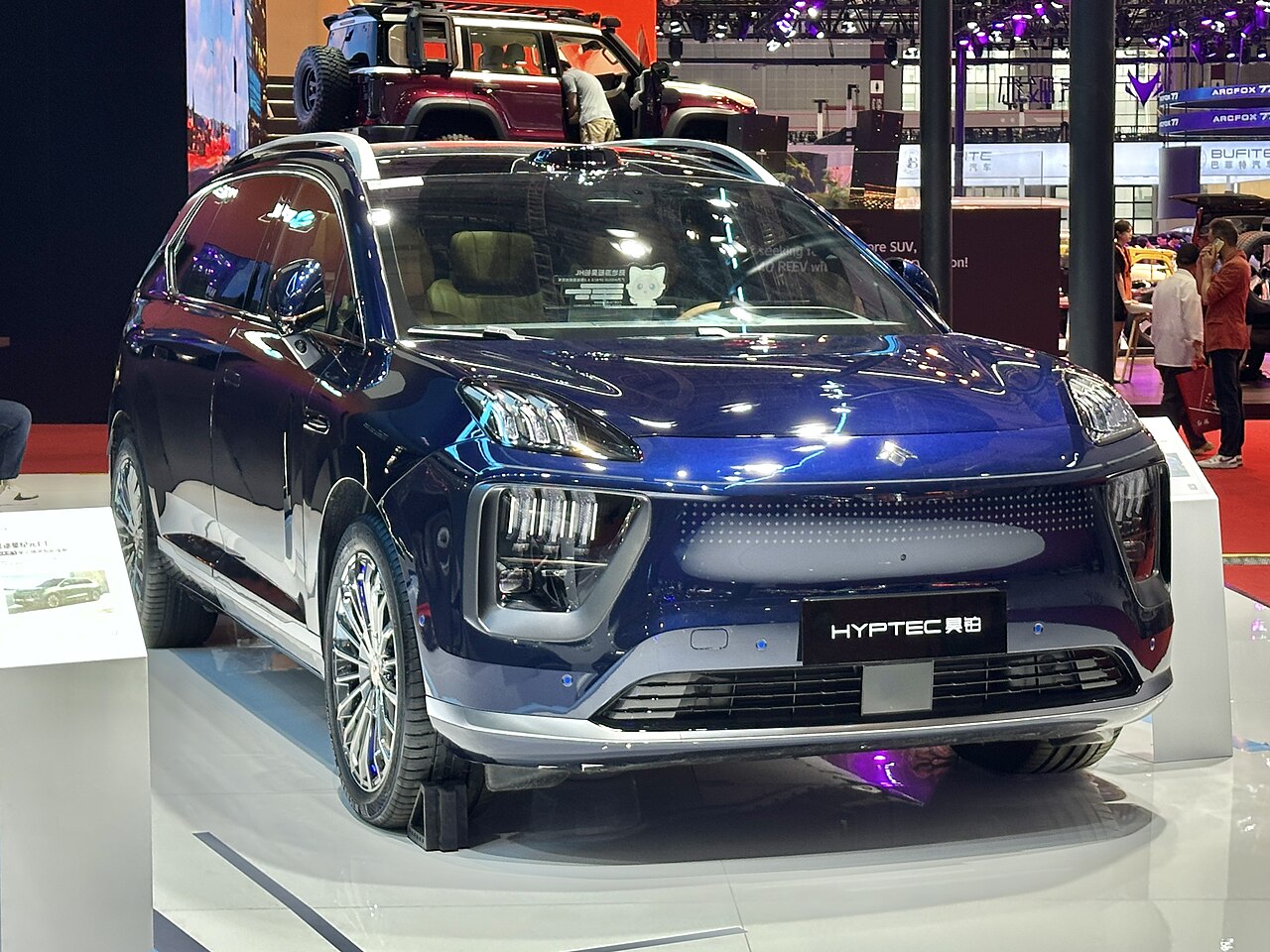
Its range-extender variant is rated for 1,200 km on a tank and charge, over three times the car's electric-only range.