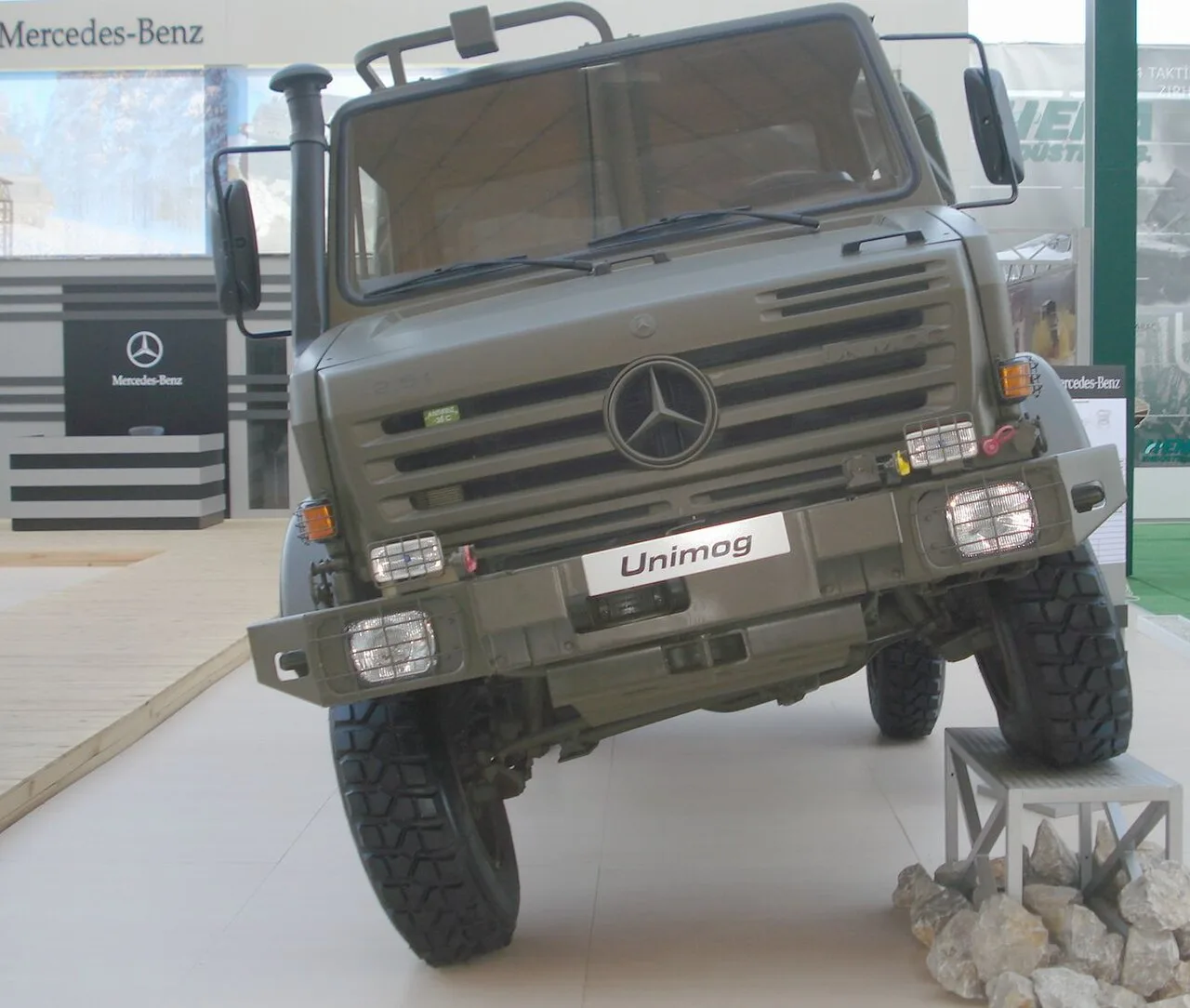
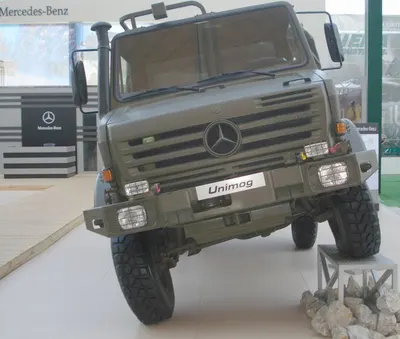
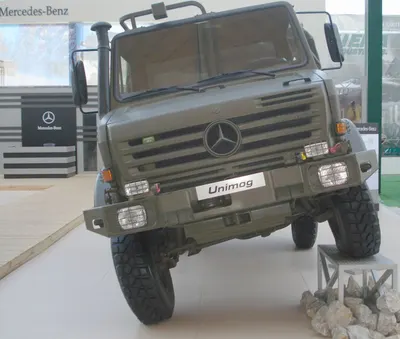
The Unimog's now-iconic 'edgy' bonnet wasn't always there — it debuted in 1974 on the first heavy-duty Unimog, the U 120 of the 425 series, and Mercedes-Benz has kept that same hard-edged look on Unimogs ever since.
Median 55 hp across 43 similar cars
Lead trim: Unimog U 1300 (425.121) OM 352 turbo diesel (123 hp) · up to 148 hp
Mercedes-Benz Unimog 425425 · 1975–1988
- 0spots by members
- Unclaimednobody has spotted one yet
- 0sets it belongs to
Nobody in Burbles has spotted a Mercedes-Benz Unimog 425 yet. See one on the street, point the app at it, and the first card is yours — with your @handle permanently credited on this page.
FactThe Unimog's now-iconic 'edgy' bonnet wasn't always there — it debuted in 1974 on the first heavy-duty Unimog, the U 120 of the 425 series, and Mercedes-Benz has kept that same hard-edged look on Unimogs ever since.
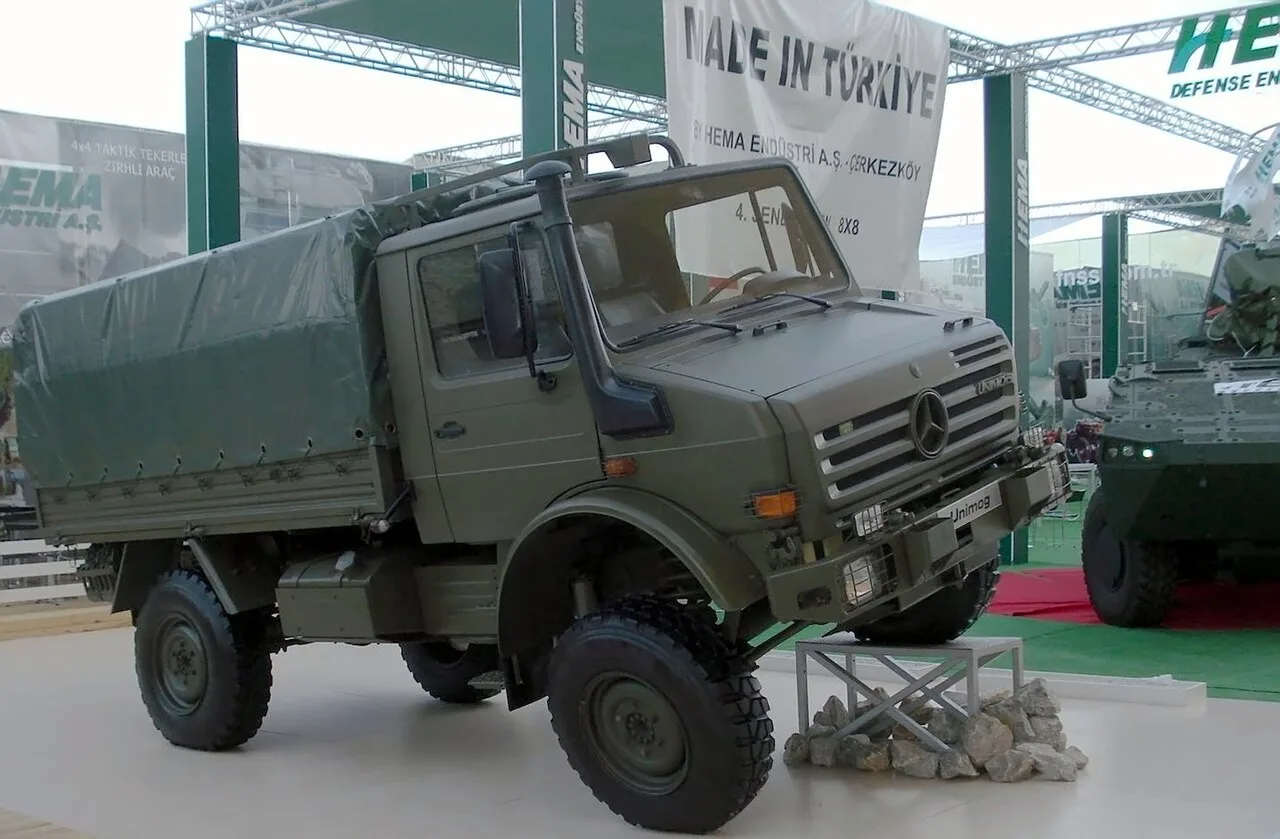
The Unimog 425 is the first series-production heavy-duty Unimog, made by Daimler-Benz in Gaggenau from 1975 to 1988 (3,135 built in three types, far fewer than the longer 435) alongside the long-wheelbase 435. Shown at the 1974 DLG show in Frankfurt as the Unimog U 120 (120 PS), production models had 125 or 150 PS and were called U 1300 and U 1500; it was the first Unimog with the "edgy cab" still used today. It is a two-axle lorry with a downswept ladder frame, rear-wheel drive with manually engaged front drive, coil-sprung live portal axles with panhard rods, pneumatic dual-circuit disc brakes on all wheels, two switchable PTOs (540 and 1000/min) and a hydraulic three-point linkage. Its only engine was the turbocharged 5,675 cc OM 352 straight-six diesel (110 kW / 148 hp and 340 lb·ft in the U 1500), through a pneumatically shifted UG 3/40-8 gearbox (four gears with a two-speed planetary group, eight in all, with a separate 1:1.03 reversing gearbox so that reverse could exceed 80 km/h — the planetary group can be locked to prevent this) or, for farm customers, a 24-speed version; top speed is 85 km/h (53 mph).
Collectors Spotted in the Mercedes-Benz Unimog Lineage
No member has published a public street spot of the Mercedes-Benz Unimog yet — the First · Worldwide stamp is wide open.
Trims & Figures
2 published trims in the catalogue. A blank is a figure not recorded, not zero.
| Trim | Years | Engine | Power | Torque | 0–60 | Drive | Gearbox | MSRP |
|---|---|---|---|---|---|---|---|---|
| Unimog U 1300 (425.121) OM 352 turbo diesel (123 hp) | 1975–1988 | 5.7 L Inline-6 | 123 hp | — | — | — | — | — |
| Unimog U 1500 (425.141) OM 352 turbo diesel (148 hp) | 1975–1988 | 5.7 L Inline-6 | 148 hp | 340 lb-ft | — | — | — | — |
Owning one
We don’t estimate running costs for a car like this. What it costs depends on its condition, its specialist and how it is driven, and an average would mislead.
Owners’ builds
Nobody has claimed one yet.
Photographs
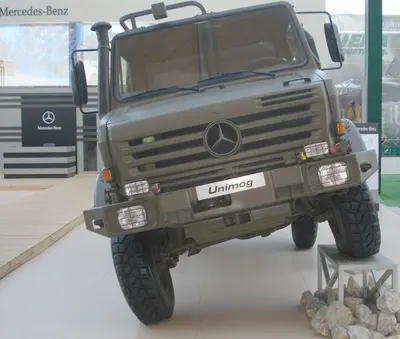
The Unimog 435 wasn't built for farms or fire departments first — it was developed in 1975 specifically for West Germany's Bundeswehr, as the military successor to the Unimog S 404.
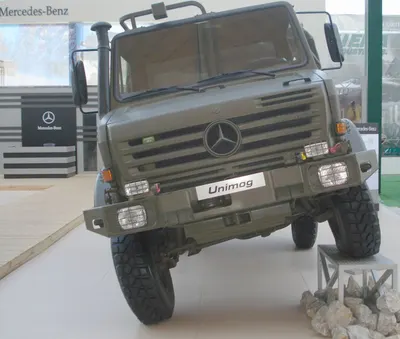
The Unimog's now-iconic 'edgy' bonnet wasn't always there — it debuted in 1974 on the first heavy-duty Unimog, the U 120 of the 425 series, and Mercedes-Benz has kept that same hard-edged look on Unimogs ever since.
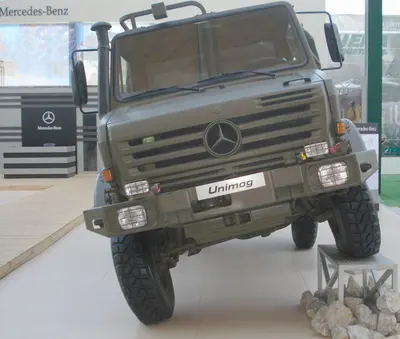
The 406 was the first Unimog designed with a proper cab from the start — Daimler-Benz built an entirely new industrial press just to stamp its panels.
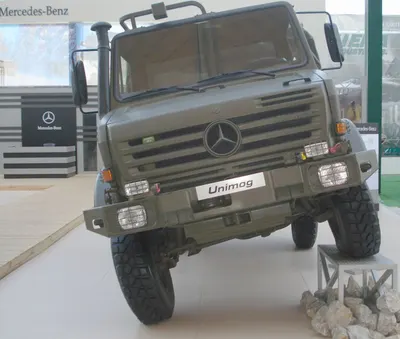
The 411 shipped with a crash gearbox (no synchro) even after Mercedes gave the smaller 404 a synchromesh box — drivers had to double-clutch until synchromesh became optional in 1957 and standard in 1959.
Of every Unimog variant ever built, the 404 S sold the most: 64,242 units between 1955 and 1980 — the best-selling Unimog in the whole lineage.
The 401/402 update gave the Unimog its first Mercedes three-pointed star on the hood, replacing the ox-horn emblem the earliest models wore.
Rivals
Same body, same money, other badges — tap any card to flip.
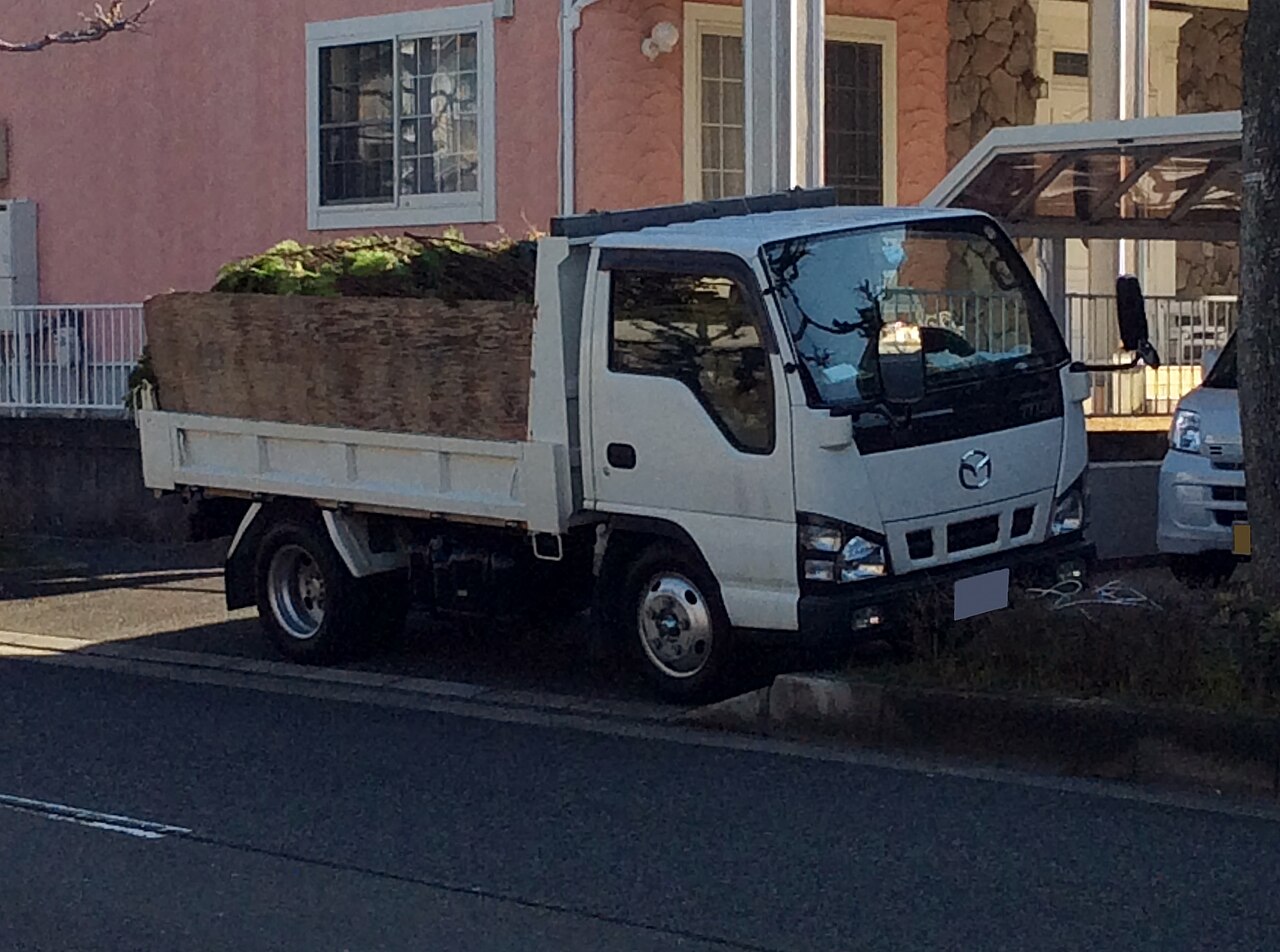
When Mazda's E2000 — the truck that became the Titan — launched in January 1964, the factory was tasked with building 1,900 of them a month.
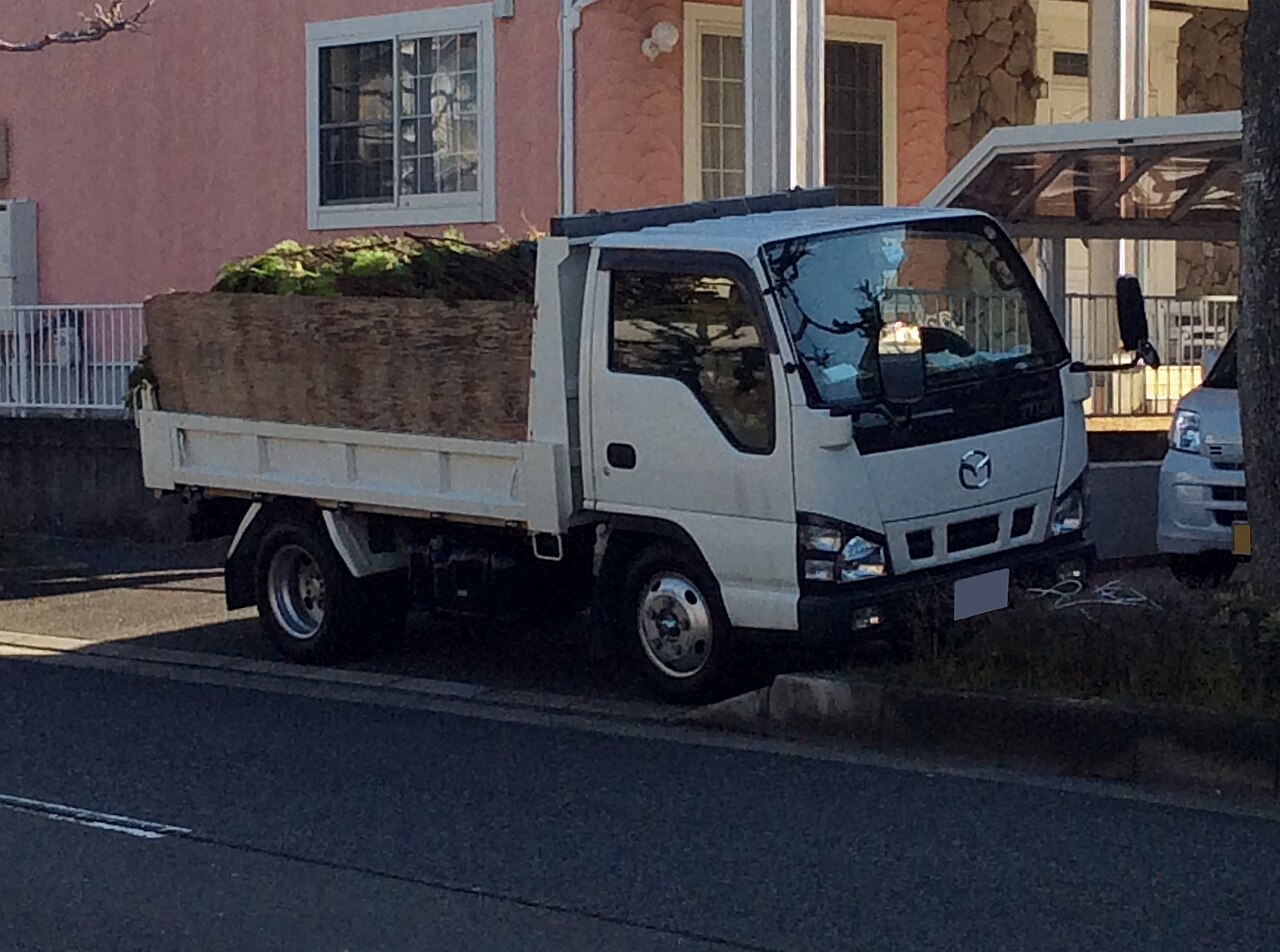
Swaraj Mazda built this truck under license in India from 1985, and the plant survived name changes all the way to SML Isuzu.
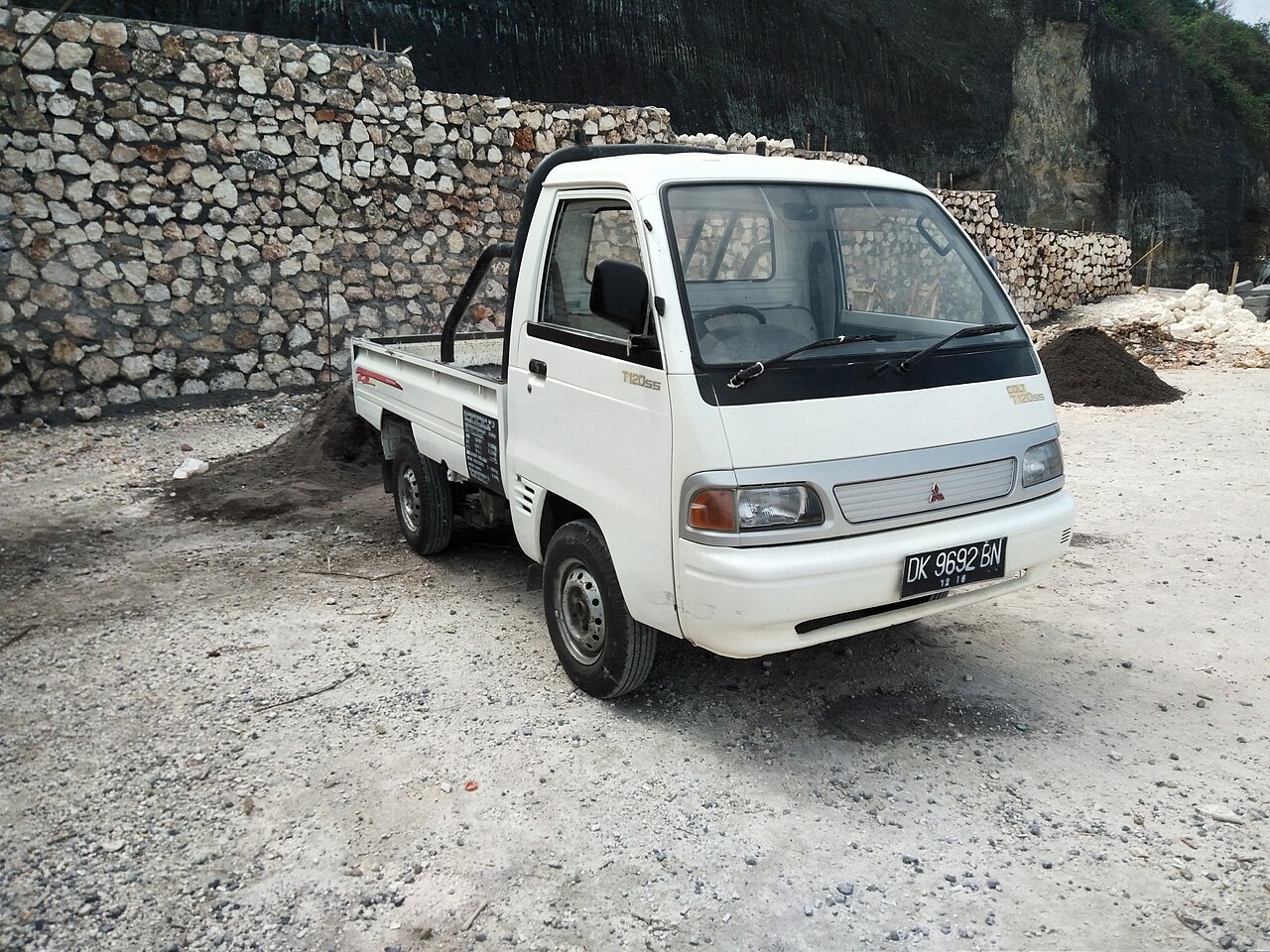
Indonesia built this pickup for 28 years with no successor, the last one leaving the Jakarta line in January 2019 after 324,960 units.
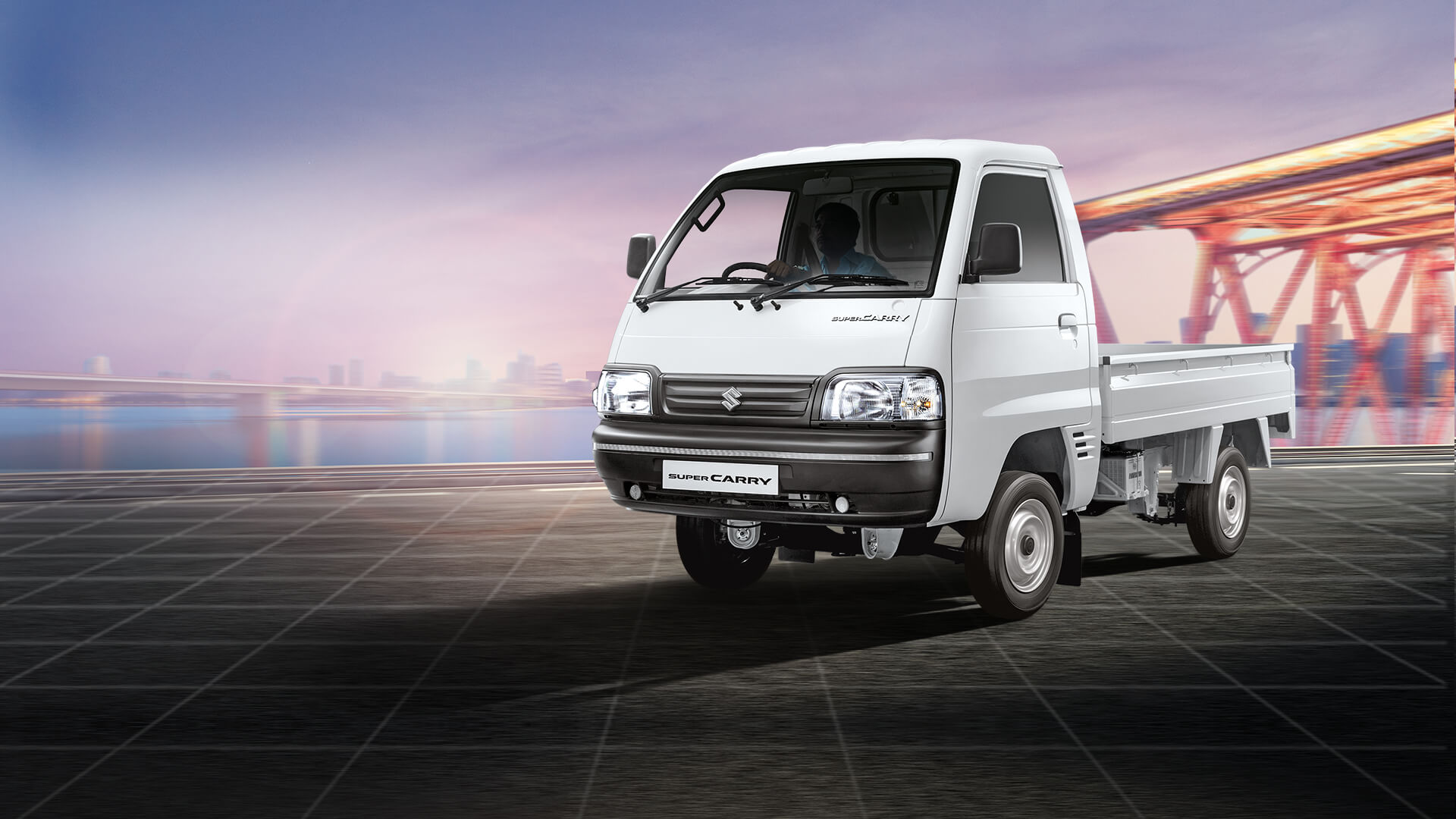
Suzuki's first-ever diesel engine, fitted to the Super Carry, is so small that it isn't able to power an air-conditioning system at all.
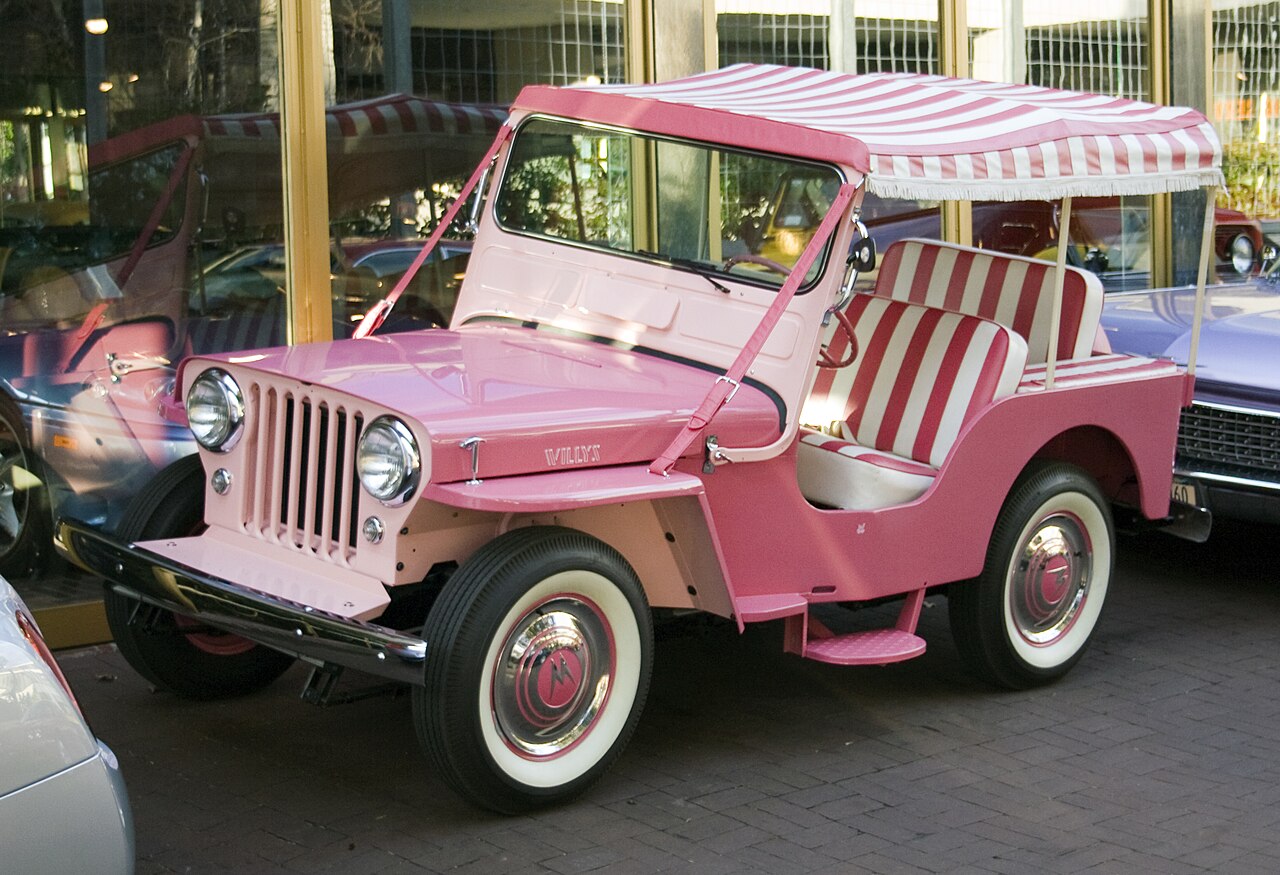
A right-hand-drive DJ-3A was built so postal drivers could reach roadside mailboxes without leaving the seat.
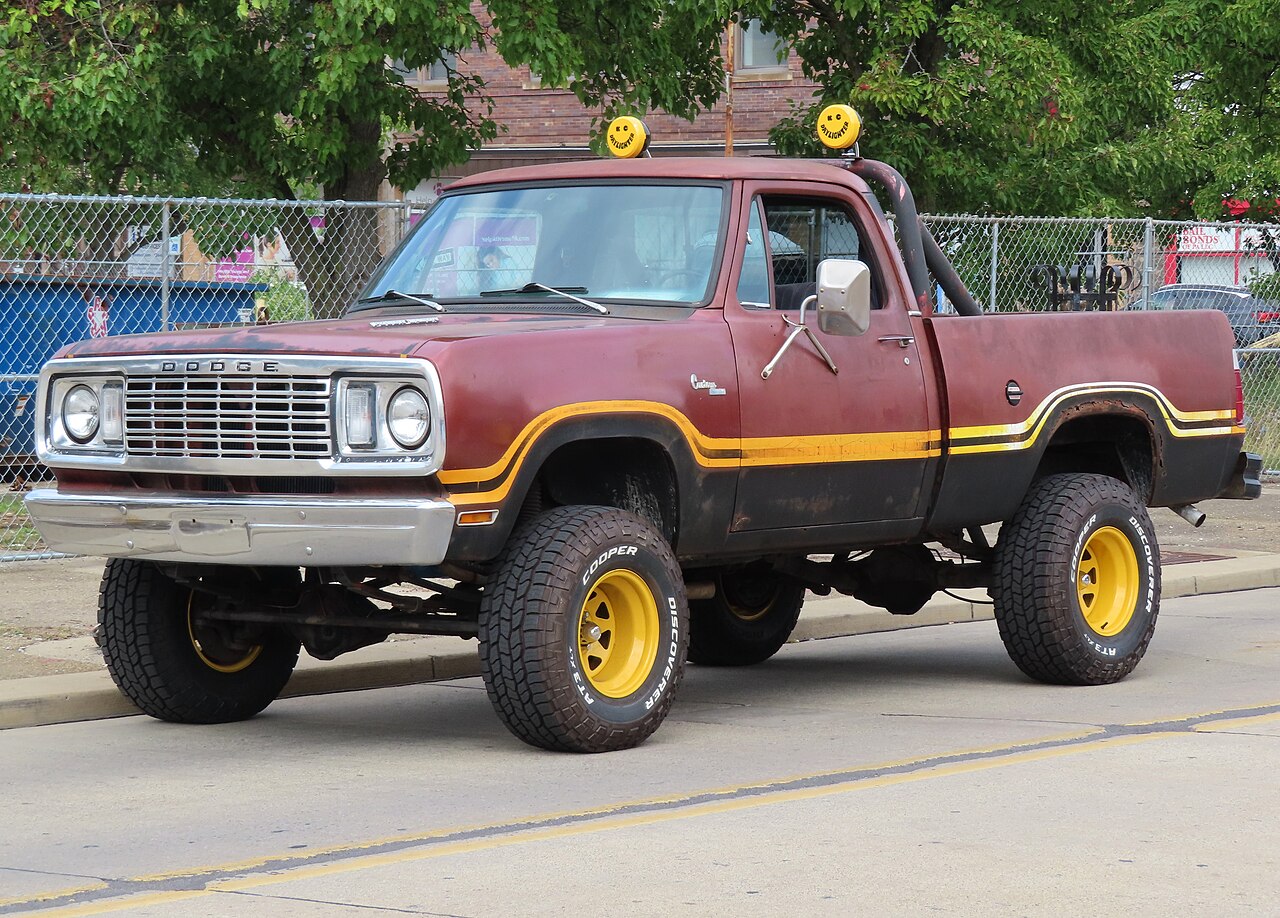
The Power Wagon name and civilian pickup design were derived directly from the WC-series military trucks Dodge built for World War II.
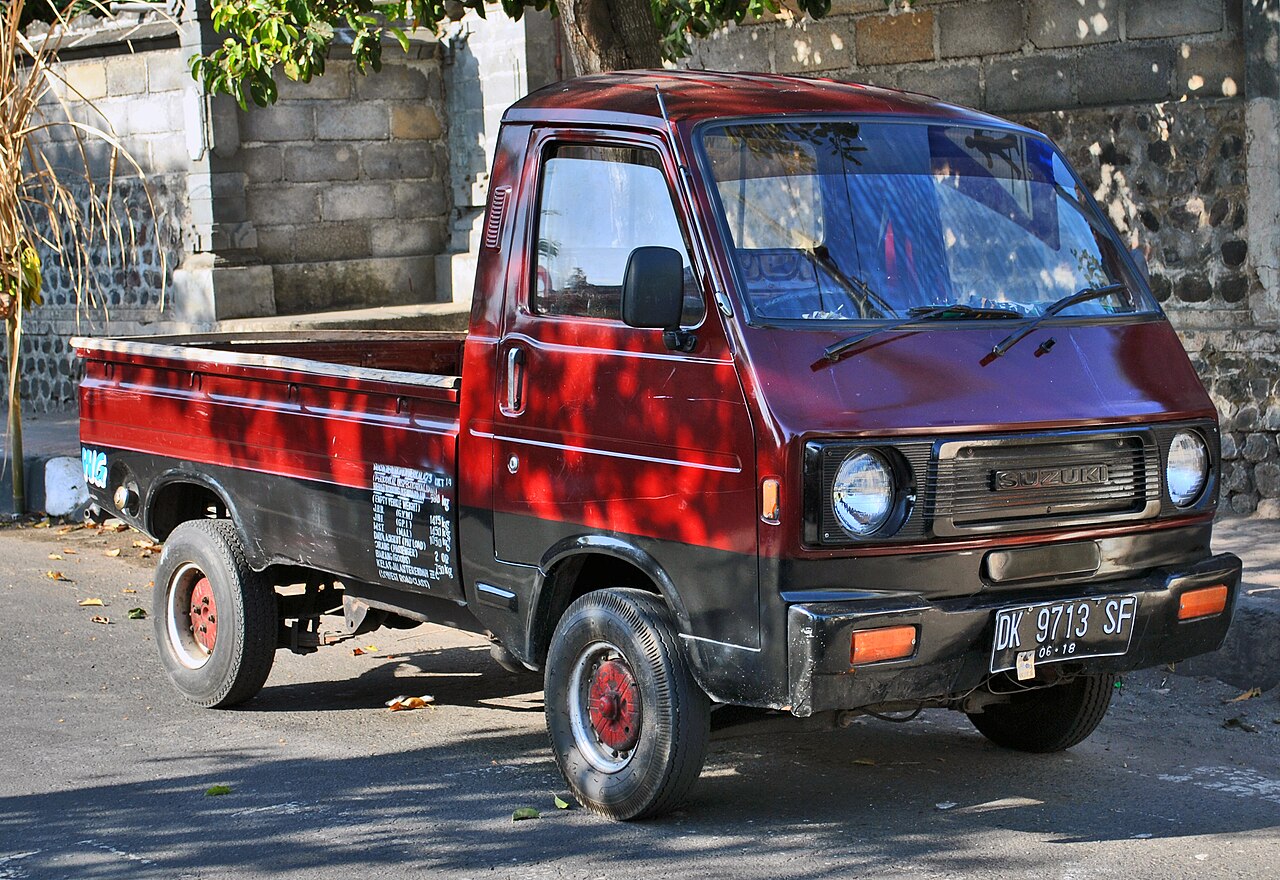
Suzuki kept the L20 Carry at the exact same 21 hp as its predecessor but still called it progress — the gain was a patented Cylinder Crank Injection lubrication system, not more power.
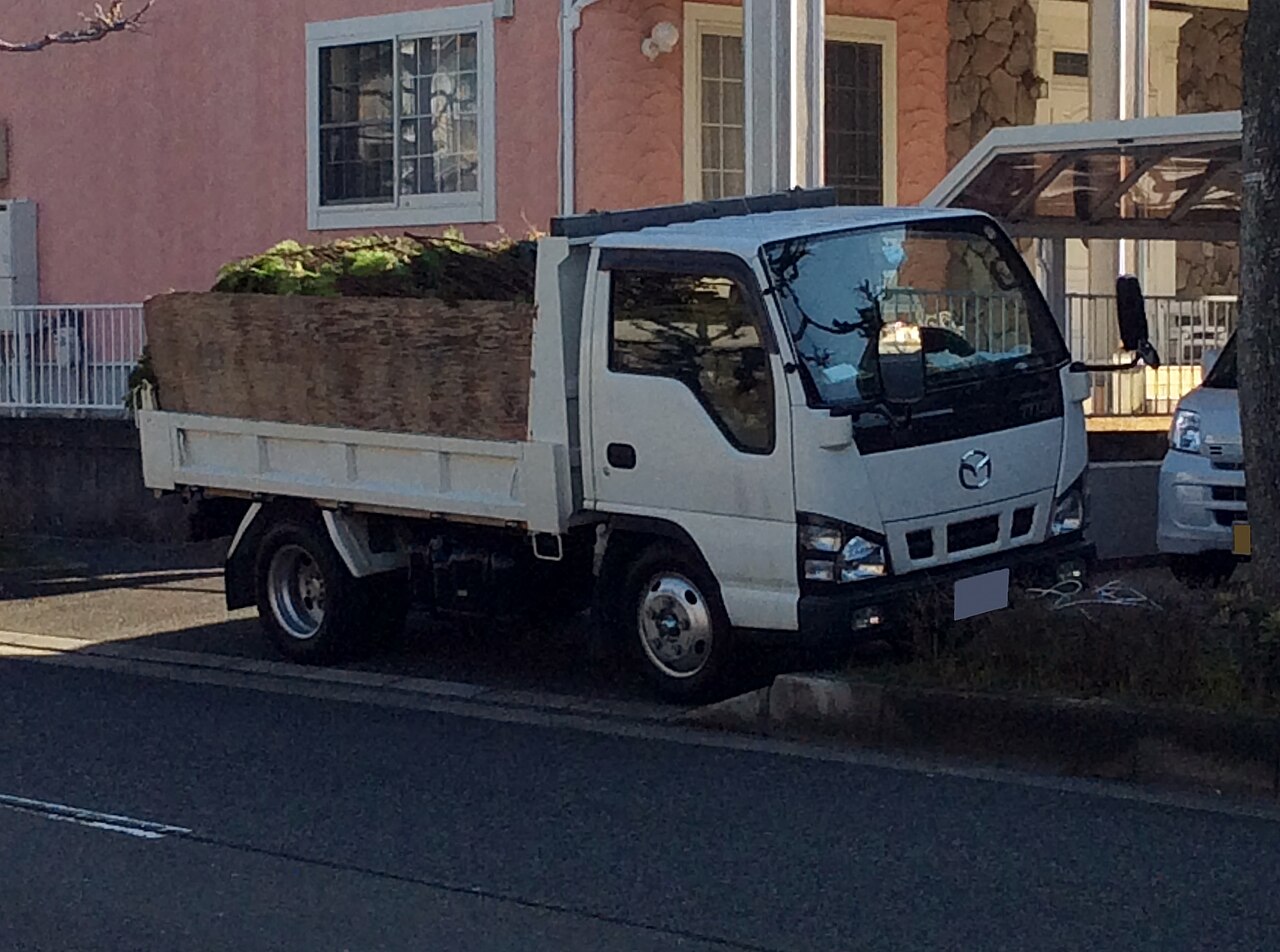
This generation of Titan quietly became the ancestor of two other trucks entirely: it was license-built by Kia as the Kia Titan in South Korea, and formed the basis of the Australian Ford Trader.