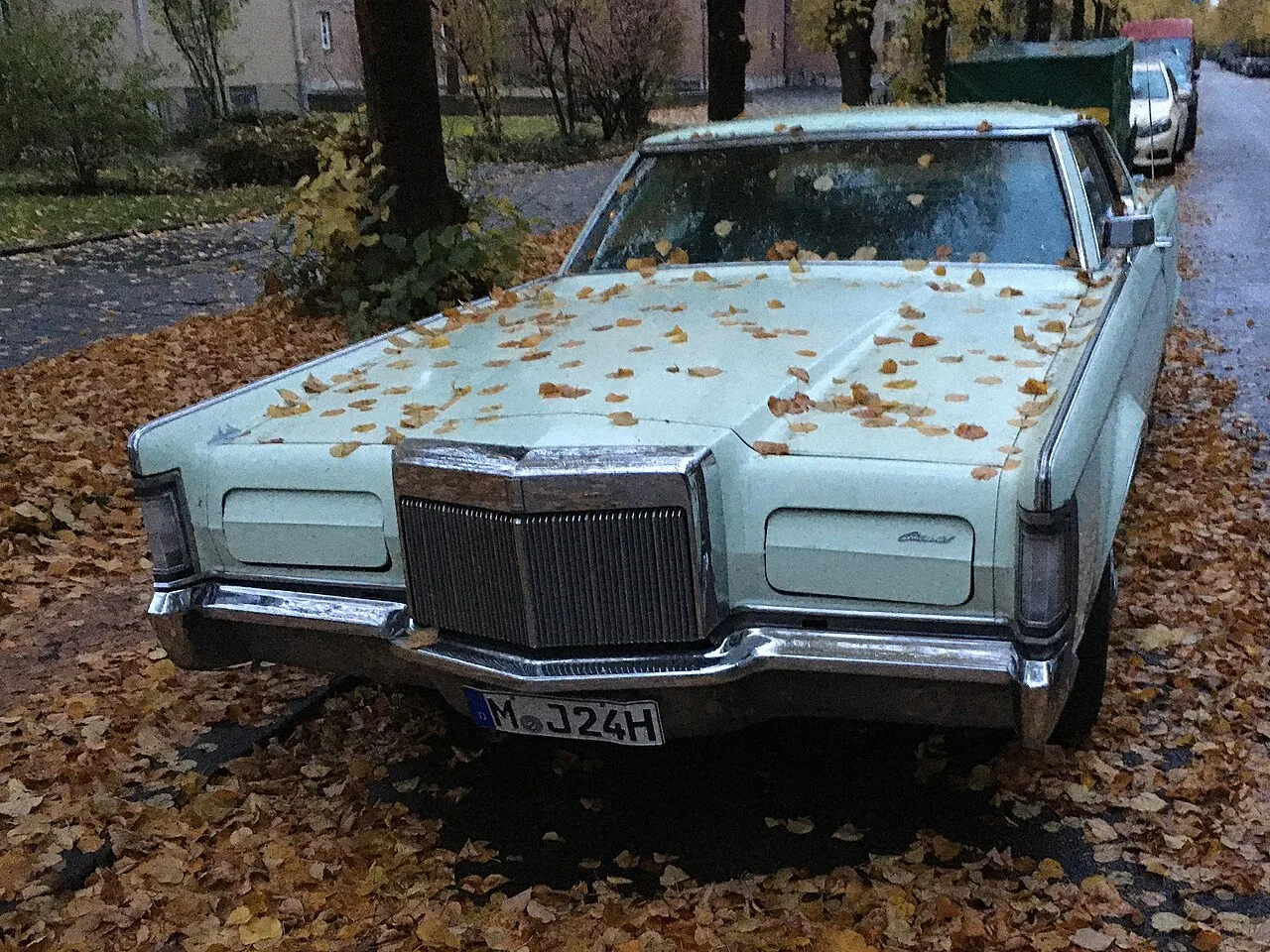
This generation held the line as a full-size land yacht longer than any other American nameplate — Lincoln didn't downsize the Continental until the 1980 model year.
Lead trim: Continental (1974) · up to 365 hp
Lincoln Continental1970–1979
- 0spots by members
- Unclaimednobody has spotted one yet
- 0sets it belongs to
Nobody in Burbles has spotted a Lincoln Continental yet. See one on the street, point the app at it, and the first card is yours — with your @handle permanently credited on this page.
FactThis generation held the line as a full-size land yacht longer than any other American nameplate — Lincoln didn't downsize the Continental until the 1980 model year.
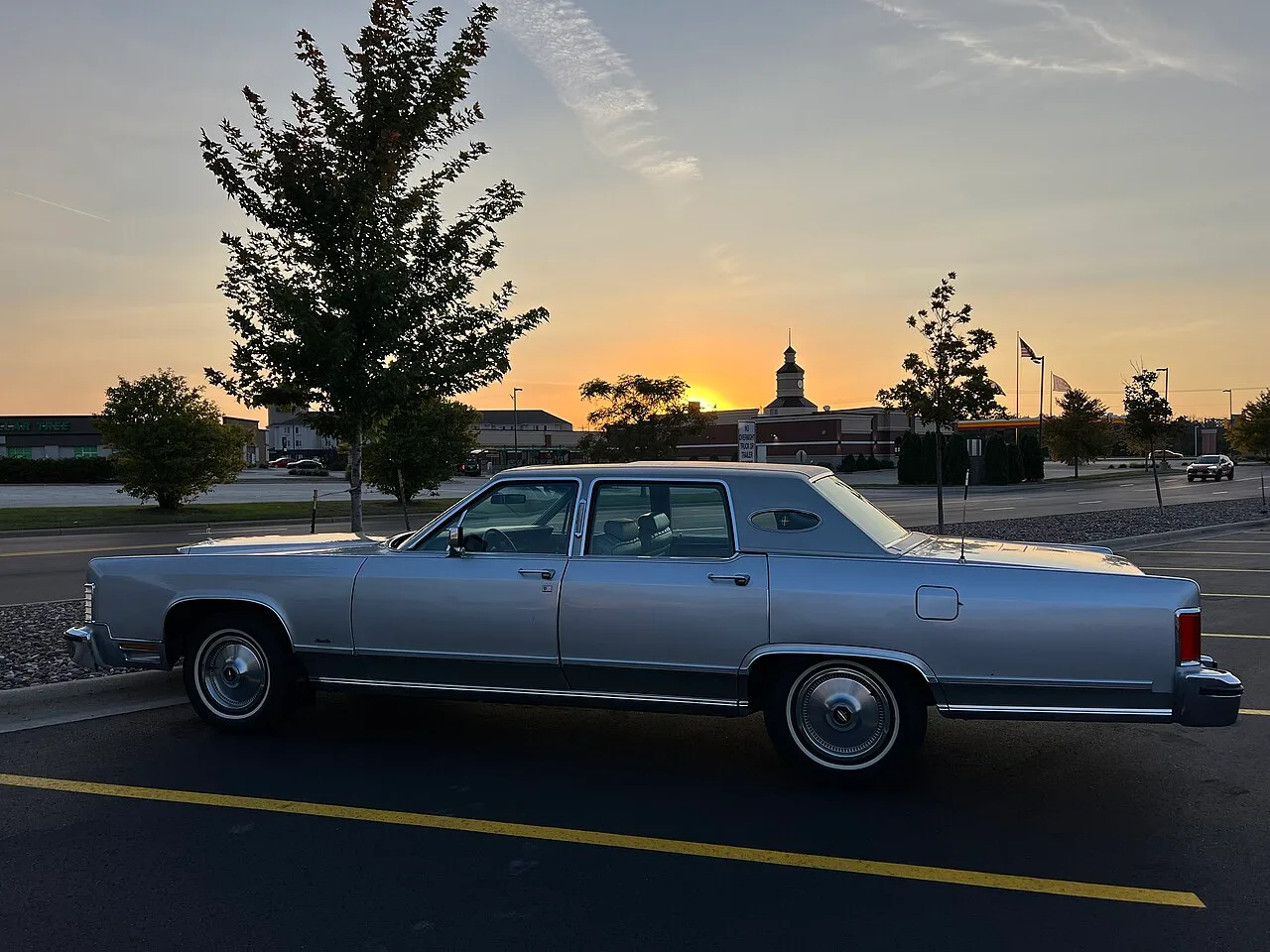
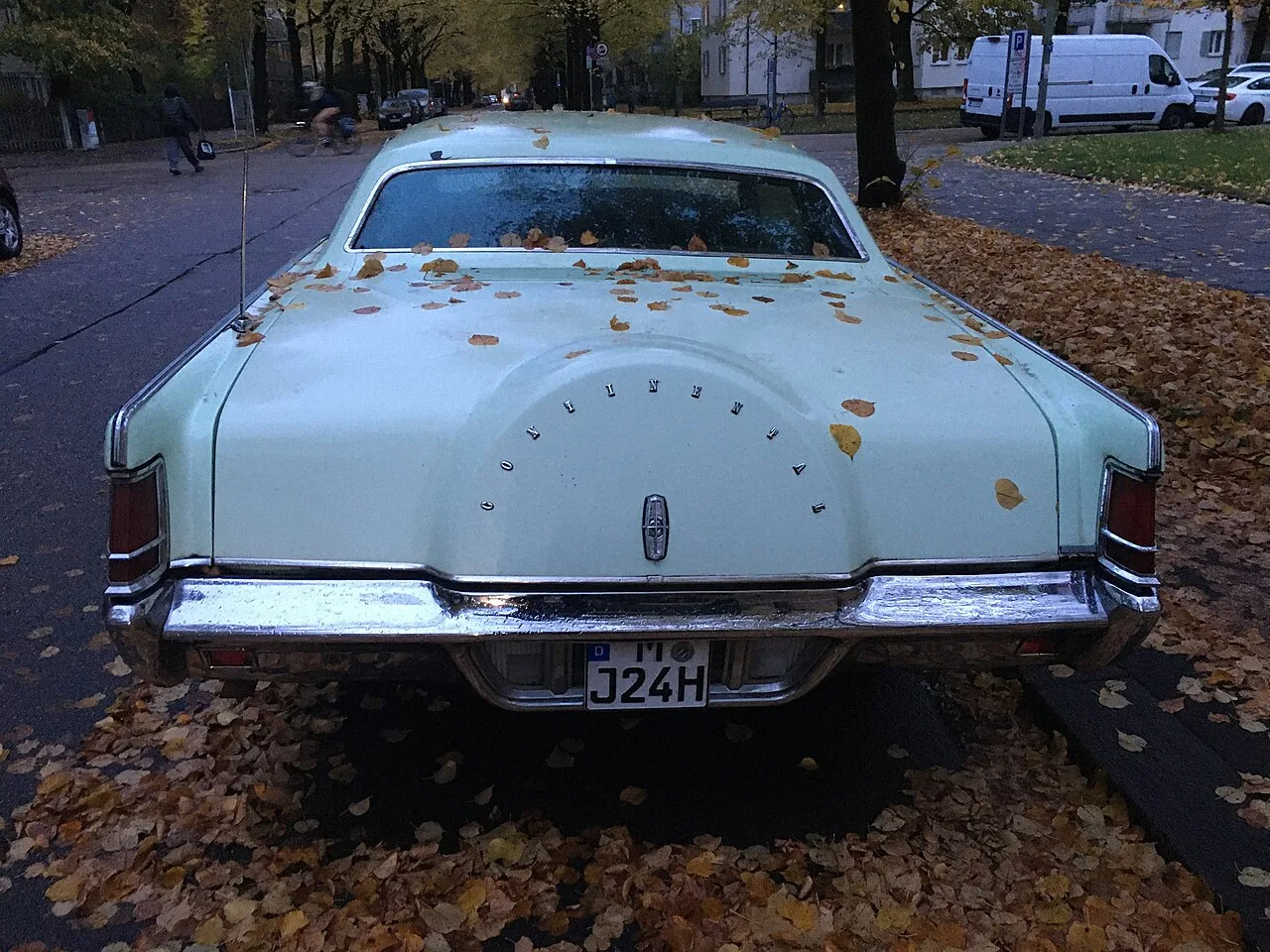
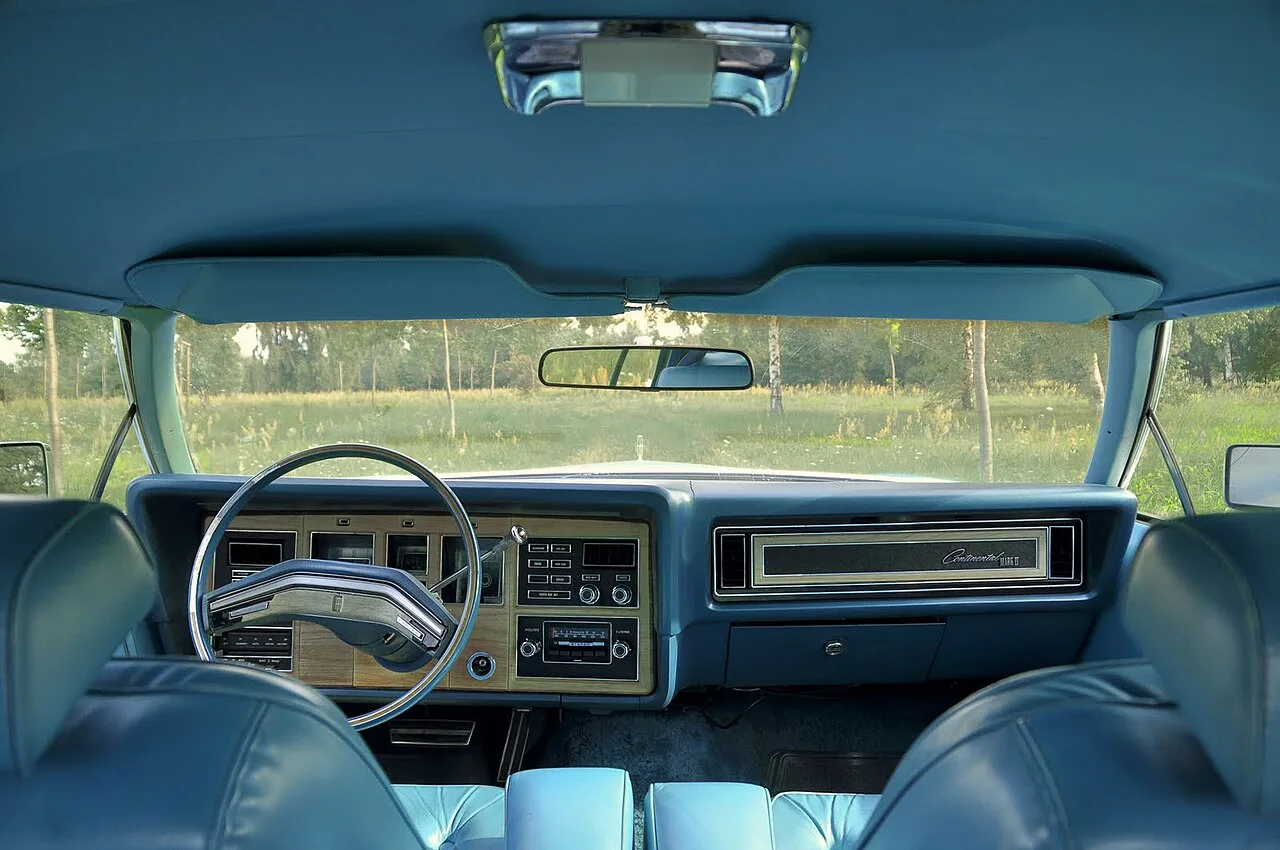
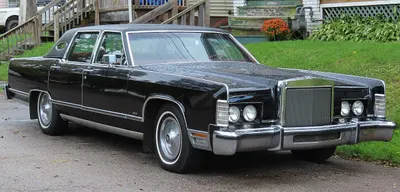
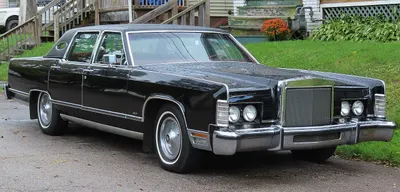
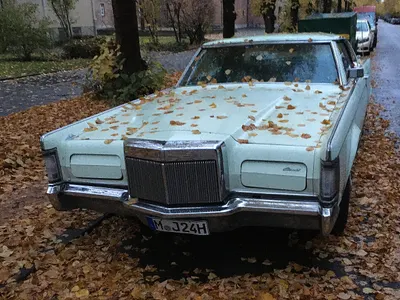
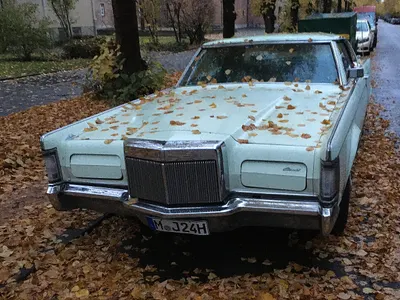
For 1970 Lincoln introduced the fifth-generation Continental, building on the success of the Mark III to modernize the model after a nine-year run. It reverted to body-on-frame construction (the first Lincoln to do so since 1957) on a longer-wheelbase (127 in; 127.2 in from 1974) version of the Mercury Marquis chassis to save development cost, shared with the Ford LTD and Marquis, with coil springs at all four corners, front disc brakes and, from 1975, optional four-wheel disc brakes; the sedan gave up "suicide doors" for conventional front-hinged doors. It was offered as a two-door hardtop and a four-door "pillared hardtop" sedan (no convertible), with vacuum-operated hidden headlamps shared with the Mark series; for 1970 the Continental, four-door and Town Car (sold only as a four-door with a vinyl roof) were introduced, and a two-door Town Coupe followed in 1973. Length grew from 225.0 in (1970–72) to 229.9 in (1973, 5-mph bumpers), 232.6 in (1974), 232.9 in (1975–76) and 233.0 in (1977–79), with widths of 79.6–80.3 in and heights of 55.2–55.7 in; the 5-mph-bumpered 1977–79 Lincolns were the longest automobiles ever produced by Ford, and for 1977 the Continental became the largest mass-market automobile produced worldwide. The 460 cubic-inch V8 was the standard engine, available from 1970 to 1977 (Lincoln-exclusive until 1972, when Mercury adopted it for the Marquis and Colony Park); a 400 cubic-inch V8 was added for California for 1977, became standard for 1978 with the 460 an option, and the 460 was discontinued for 1979, both with the Ford C6 3-speed automatic. The 1974 sedan listed at US$8,238 and 29,351 were sold. The page gives no horsepower ratings for this generation. A major 1975 revision brought a fully pillared two-door roofline with a square opera window and, on Town Cars, the Mark IV's oval opera window; 1977 added a Rolls-Royce-style narrower radiator grille. Special editions were the 1971 Golden Anniversary Town Car (1,575 built), the 1977–1979 Williamsburg Edition and the 1979 Collector's Series, all option packages; no Designer Series was offered. Production was 37,695 in 1970, 45,969 in 1972, 58,636 in 1973, 95,600 in 1977 and 92,600 in 1979.
Collectors Spotted in the Lincoln Continental Lineage
No member has published a public street spot of the Lincoln Continental yet — the First · Worldwide stamp is wide open.
Trims & Figures
7 published trims in the catalogue. A blank is a figure not recorded, not zero.
| Trim | Years | Engine | Power | Torque | 0–60 | Drive | Gearbox | MSRP |
|---|---|---|---|---|---|---|---|---|
| Continental (1970–1972) | 1970–1972 | — | 365 hp | 500 lb-ft | — | RWD | — | — |
| Continental (1973) | 1973–1973 | — | 219 hp | 360 lb-ft | — | RWD | — | — |
| Continental (1974) | 1974–1974 | — | 215 hp | 350 lb-ft | — | RWD | — | — |
| Continental (1975–1976) | 1975–1976 | — | — | — | — | RWD | — | — |
| Continental (1977–1979) | 1977–1979 | — | — | — | — | RWD | — | — |
| Continental 400 cu in 335-series V8 (1977–1979) | 1977–1979 | 6.6 L V8 | — | — | — | RWD | — | — |
| Continental 460 cu in 385-series V8 (1970–1978) | 1970–1978 | 7.5 L V8 | — | — | — | RWD | — | — |
Owning one
We don’t estimate running costs for a car like this. What it costs depends on its condition, its specialist and how it is driven, and an average would mislead.
Owners’ builds
Nobody has claimed one yet.
Photographs
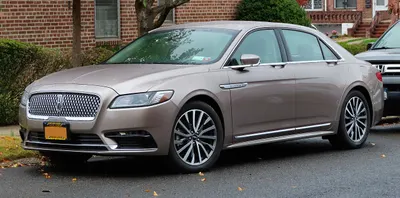
When this Continental ended production in 2020, it took the last Lincoln sedan sold in America with it — the brand has been SUVs only ever since.
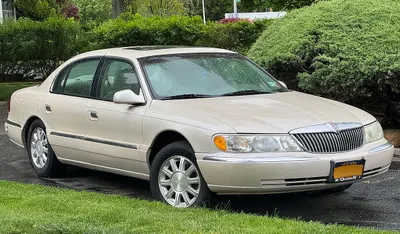
When this Continental died in 2002, Lincoln didn't give its successor the name back — the closest replacement arrived seven years later as the alphanumeric MKS.
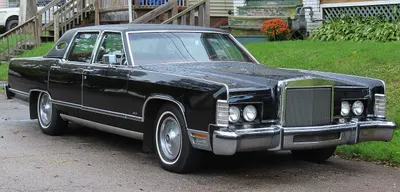
This Continental made Ford the first American carmaker to put airbags on both sides of the dash as standard — only Porsche's 944 Turbo had done it first, anywhere in the world.
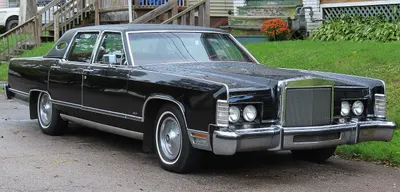
For 1985 this Continental quietly became an ABS pioneer, adopting 4-channel anti-lock brakes far more advanced than the "Sure-Track" system Lincoln had used back in the 1970s.
The 1982 Continental quietly introduced an American first: gas-charged shock absorbers, tech so effective Ford later retuned it for the Mustang SVO.
This 1980 Continental made Lincoln the last American brand to finally downsize its full-size cars — and the shortest Lincoln since the Versailles.
This generation held the line as a full-size land yacht longer than any other American nameplate — Lincoln didn't downsize the Continental until the 1980 model year.
This generation’s convertible ditched its roof but not the weight: frame reinforcements to compensate made it one of the heaviest passenger cars Ford ever built.
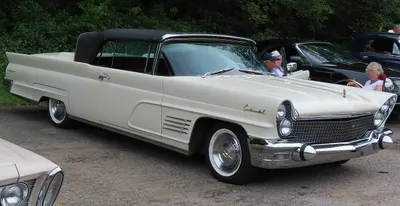
The 1959-60 Continental Town Car and Limousine hold a grim superlative: the heaviest American standard-wheelbase sedans built since World War II.
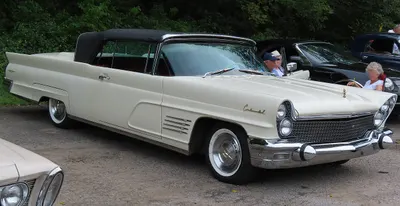
The 1958 Continental Mark III convertible is the longest mass-produced convertible in US history — beaten by only one car ever built, the ultra-rare 1934-37 Cadillac V16.
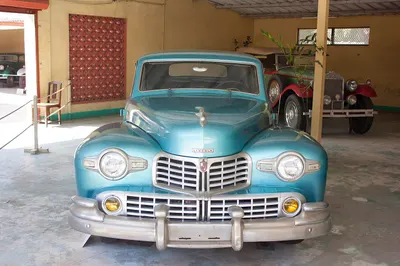
When this Continental’s run ended in 1948, so did an era: it’s the last car from a major American automaker ever sold with a factory V12.
Rivals
Same body, same money, other badges — tap any card to flip.

It briefly served as senior sibling to Marquette, a GM companion brand cancelled after just one year.

Nissan hired former BMW engineers to help develop the 510's suspension, which is why period reviewers frequently compared its handling to the BMW 1600/2002.

A Trabant 601 won its class at the 1970 Monte Carlo Rally, with a second 601 right behind it in second.

The 600 was a stopgap: the P50's body over the 601's mechanicals, and for a while its estate was built alongside the new 601 saloon.

The G80 Sport brought a 370 PS twin-turbo 3.3 V6, a mesh grille and copper-tinted chrome with copper stitching to match.

The Vigor was sold only with a five-cylinder engine, an unusual configuration Honda used to fit a longer engine transversely under a short hood.

The GS/E coupe earned the nickname "German Charger" for its long hood, short deck stance borrowed from Detroit muscle cars.

This DeVille/Fleetwood was the first production car anywhere to mount its V8 sideways, Cadillac's front-drive gamble on the new C-body.