This generation’s convertible ditched its roof but not the weight: frame reinforcements to compensate made it one of the heaviest passenger cars Ford ever built.
Lead trim: Continental 430 cu in MEL V8 (1961) · up to 365 hp
Lincoln Continental1961–1969
- 0spots by members
- Unclaimednobody has spotted one yet
- 0sets it belongs to
Nobody in Burbles has spotted a Lincoln Continental yet. See one on the street, point the app at it, and the first card is yours — with your @handle permanently credited on this page.
FactThis generation’s convertible ditched its roof but not the weight: frame reinforcements to compensate made it one of the heaviest passenger cars Ford ever built.
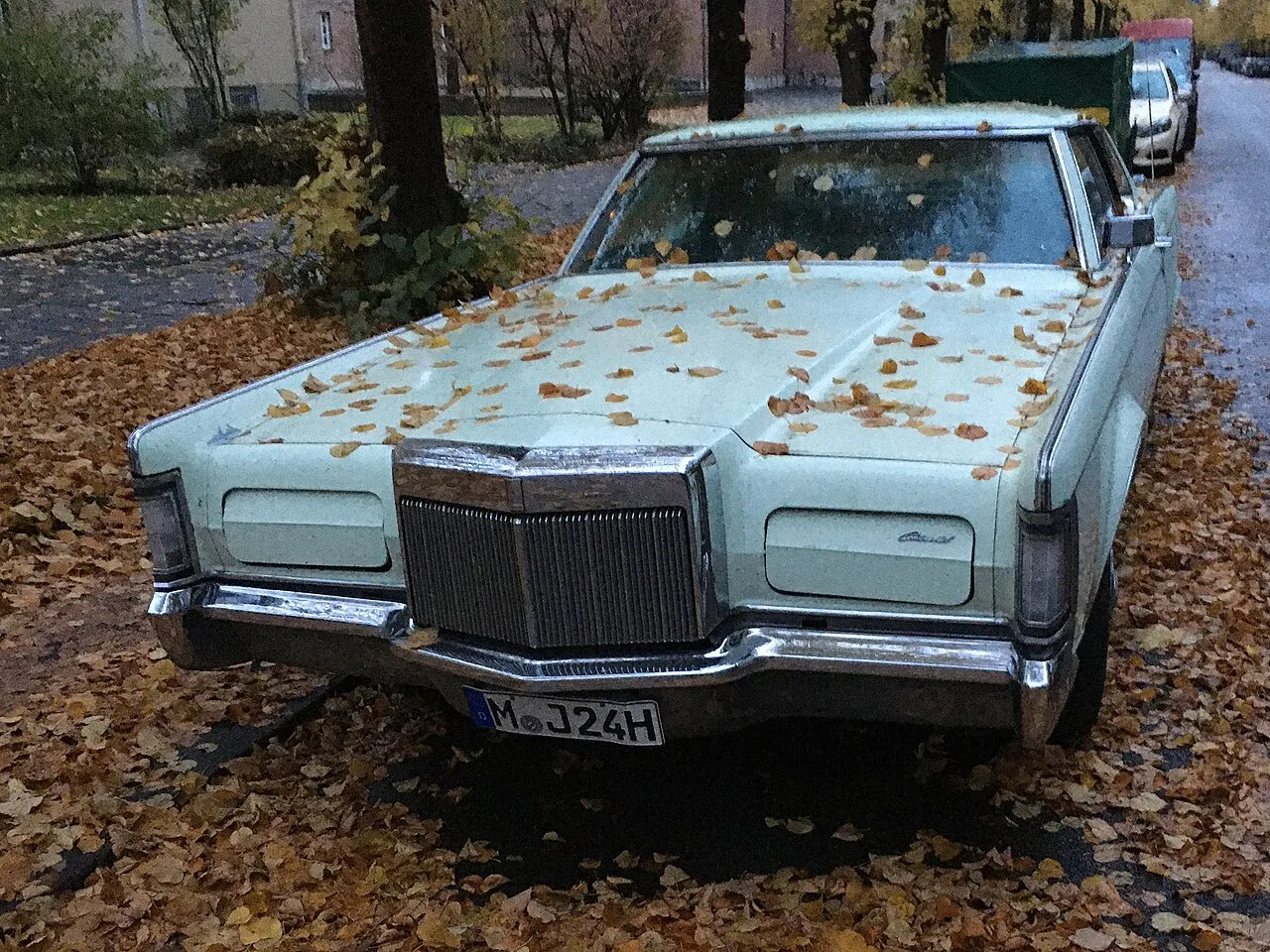
For the 1961 model year the Lincoln range was consolidated into one model: after the $60 million lost on the 1958–1960 cars, all models were replaced by a new Lincoln Continental styled by Elwood Engel (his rejected 1961 Thunderbird proposal), the first appearance of the name on a Lincoln since 1948 and available only as a four-door sedan and convertible until 1966. It was nearly 15 inches shorter overall with an 8-inch shorter wheelbase than its predecessor but heavier than its Cadillac or Imperial counterparts, on a stretched version of the 1961 Thunderbird unibody platform (123-inch wheelbase to 1963, 126 inches for 1964–69), with rear-hinged "suicide" rear doors for the first time on a Lincoln since 1951 and the first four-door convertible from a major American manufacturer after World War II. The 1961 sedan listed at US$6,067 (22,303 built) and the convertible at US$6,713 (2,857); the 1961 Continental won Car Life's Engineering Excellence Award and was the first US car sold with a 2-year/24,000-mile warranty. The only engine was the 430 cu in (7.0 L) MEL V8 carried over from the Mark V, expanded to 462 cubic inches for 1966 (the largest-displacement engine ever used in a Ford passenger car), with the 460 cu in (7.5 L) 385-series V8 taking over by 1969 (all with a 3-speed automatic, the C6 new for 1966); the page gives no horsepower ratings. The 1964 mid-cycle redesign lengthened the wheelbase and squared the roofline; 1966 added a two-door pillarless hardtop and a 5-inch longer all-new body (a price cut of nearly $600 boosted sales 36%); 1967 was the last year of the convertible (2,276 sold; the 5,712 lb model is one of the heaviest passenger cars Ford ever sold); the Town Car name returned in 1969 as an interior trim package. Dimensions by year: length 212.4 in (1961), 213.3 in (1962–63), 216.3 in (1964–65), 220.9 in (1966–68), 224.2 in (1969); width 78.6 in (1961–65) then 79.7 in; height 53.6, 54.2, 55.0 and 54.2 in. The Secret Service used two versions as presidential state cars from 1961 to 1977, including SS-100-X, the 1961 limousine modified by Hess & Eisenhardt that carried President Kennedy.
Collectors Spotted in the Lincoln Continental Lineage
No member has published a public street spot of the Lincoln Continental yet — the First · Worldwide stamp is wide open.
Trims & Figures
5 published trims in the catalogue. A blank is a figure not recorded, not zero.
| Trim | Years | Engine | Power | Torque | 0–60 | Drive | Gearbox | MSRP |
|---|---|---|---|---|---|---|---|---|
| Continental 430 cu in MEL V8 (1961) | 1961–1961 | 7.0 L V8 | 300 hp | 465 lb-ft | — | RWD | — | — |
| Continental 430 cu in MEL V8 (1962–1963) | 1962–1963 | 7.0 L V8 | 320 hp | 465 lb-ft | — | RWD | — | — |
| Continental 430 cu in MEL V8 (1964–1965) | 1964–1965 | 7.0 L V8 | 320 hp | 465 lb-ft | — | RWD | — | — |
| Continental 460 cu in 385-series V8 (1969) | 1969–1969 | 7.5 L V8 | 365 hp | 500 lb-ft | — | RWD | — | — |
| Continental 462 cu in MEL V8 (1966–1968) | 1966–1968 | 7.6 L V8 | 340 hp | 485 lb-ft | — | RWD | — | — |
Owning one
We don’t estimate running costs for a car like this. What it costs depends on its condition, its specialist and how it is driven, and an average would mislead.
Owners’ builds
Nobody has claimed one yet.
Photographs
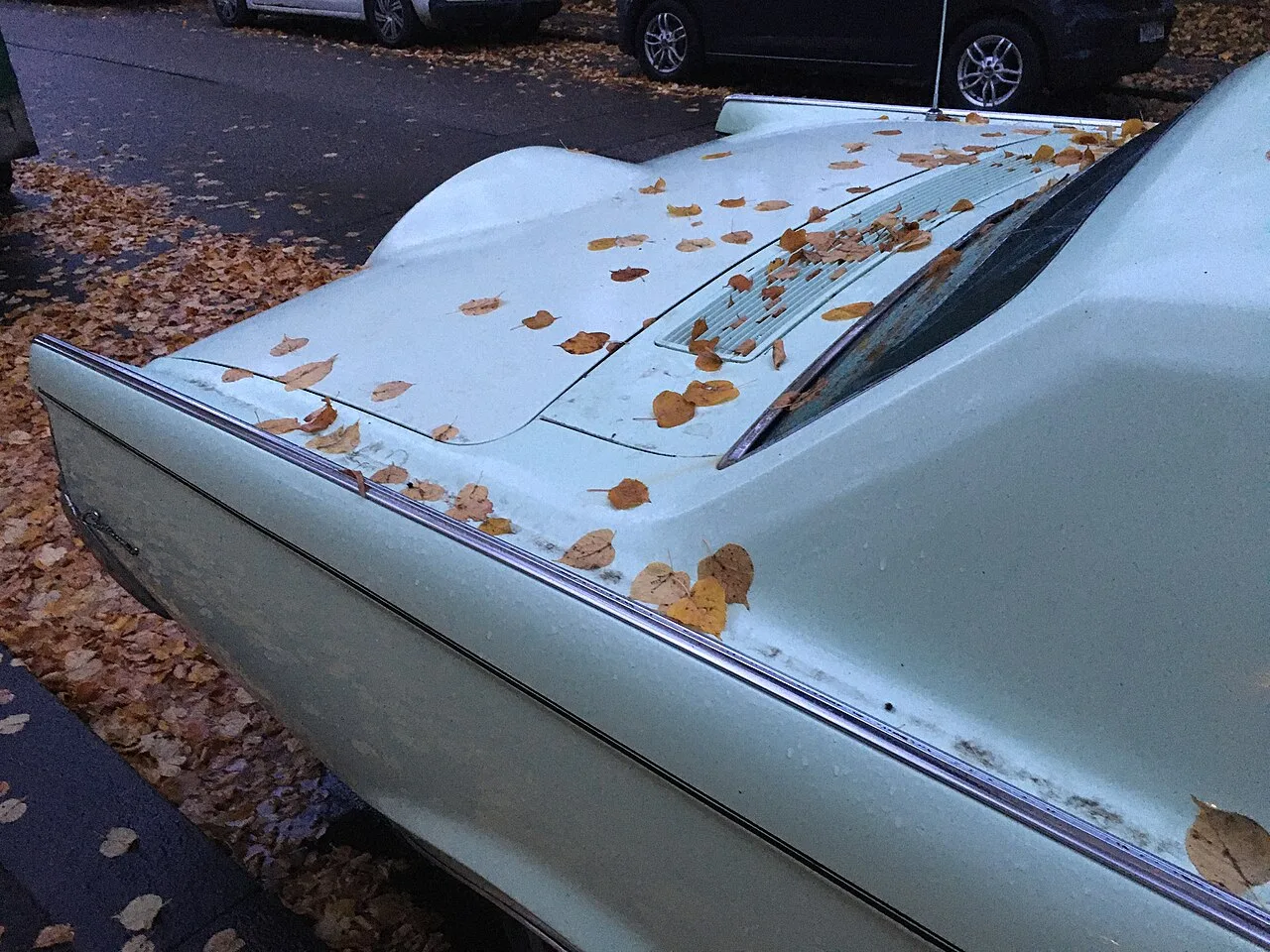
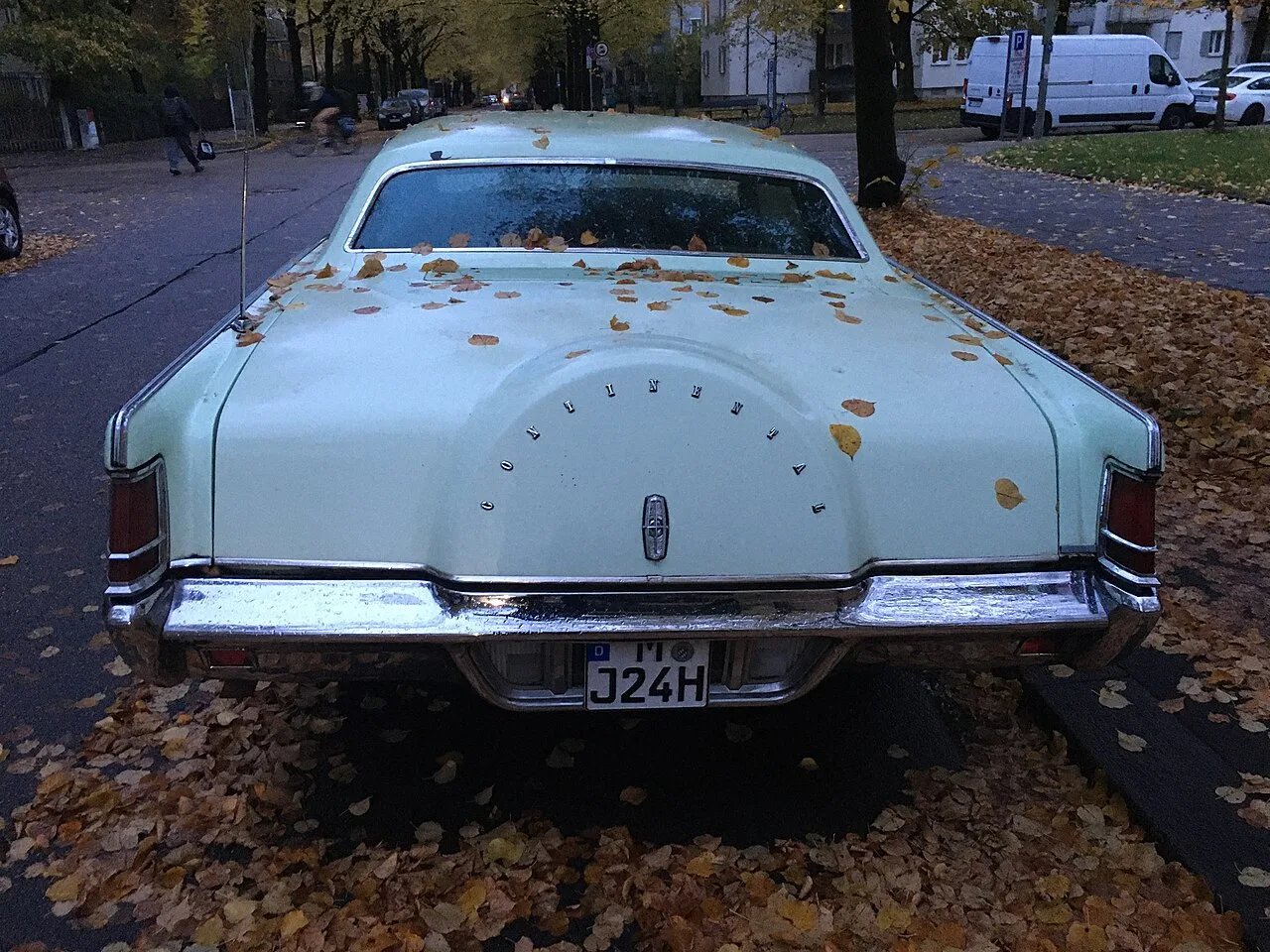
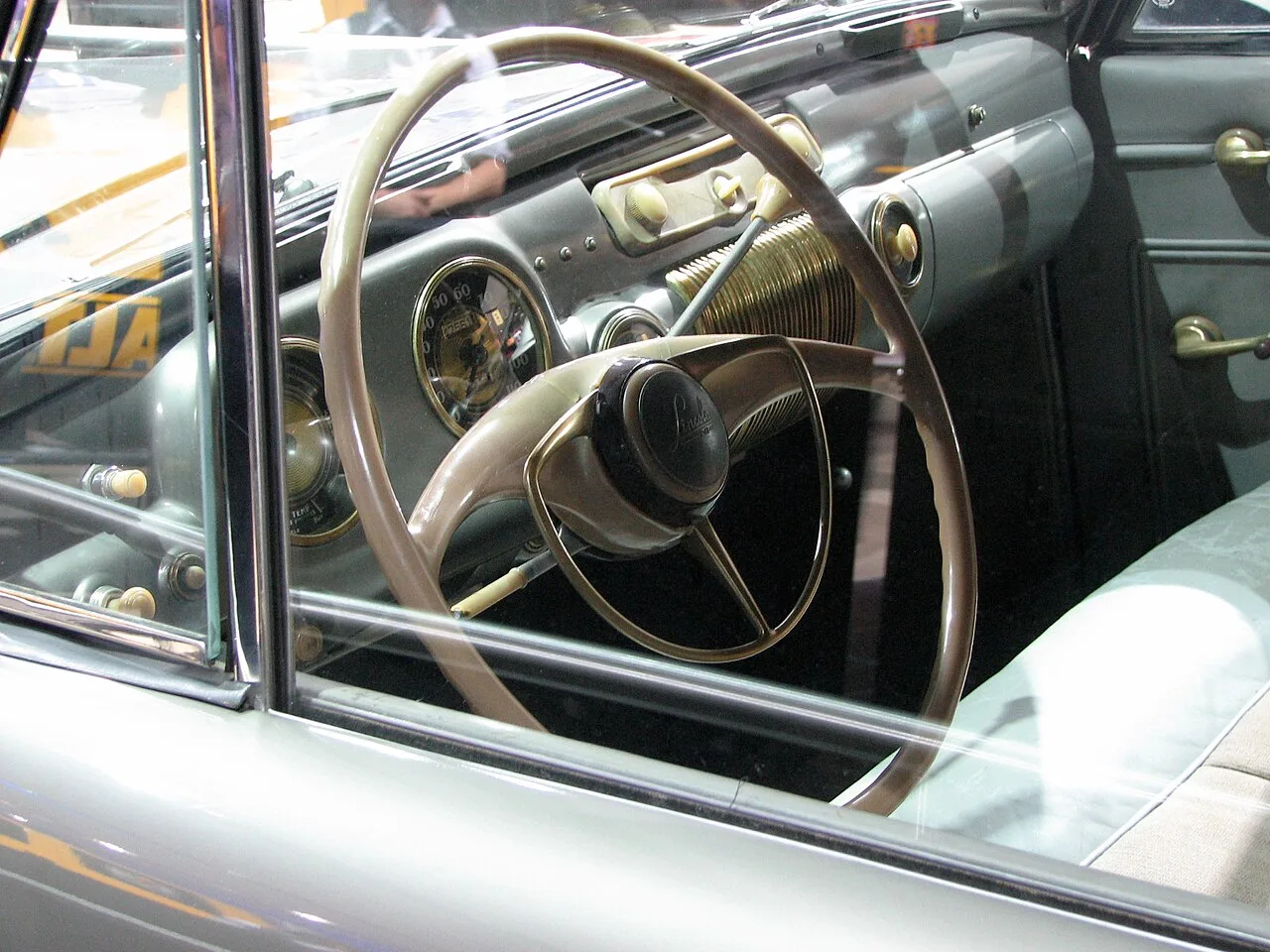
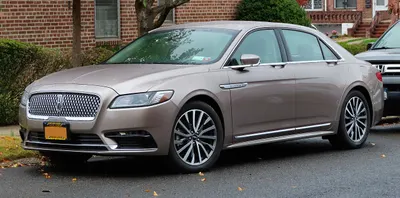
When this Continental ended production in 2020, it took the last Lincoln sedan sold in America with it — the brand has been SUVs only ever since.
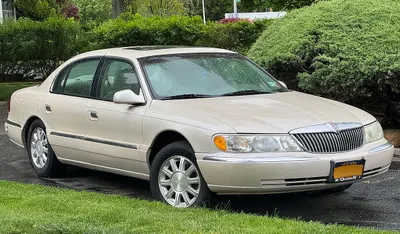
When this Continental died in 2002, Lincoln didn't give its successor the name back — the closest replacement arrived seven years later as the alphanumeric MKS.
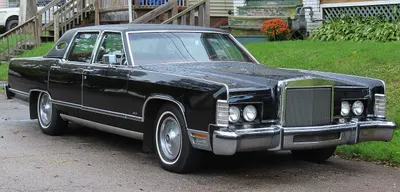
This Continental made Ford the first American carmaker to put airbags on both sides of the dash as standard — only Porsche's 944 Turbo had done it first, anywhere in the world.
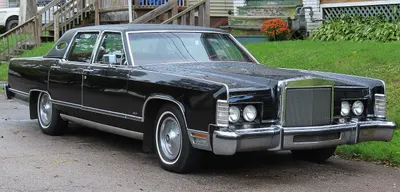
For 1985 this Continental quietly became an ABS pioneer, adopting 4-channel anti-lock brakes far more advanced than the "Sure-Track" system Lincoln had used back in the 1970s.
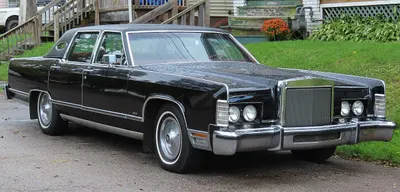
The 1982 Continental quietly introduced an American first: gas-charged shock absorbers, tech so effective Ford later retuned it for the Mustang SVO.
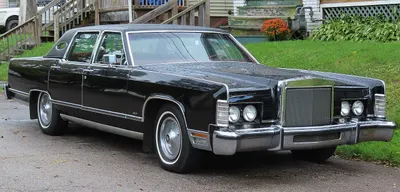
This 1980 Continental made Lincoln the last American brand to finally downsize its full-size cars — and the shortest Lincoln since the Versailles.
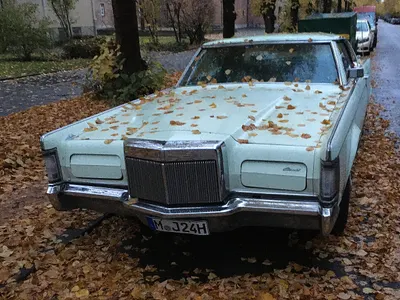
This generation held the line as a full-size land yacht longer than any other American nameplate — Lincoln didn't downsize the Continental until the 1980 model year.
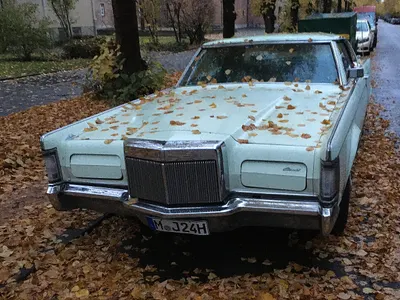
This generation’s convertible ditched its roof but not the weight: frame reinforcements to compensate made it one of the heaviest passenger cars Ford ever built.
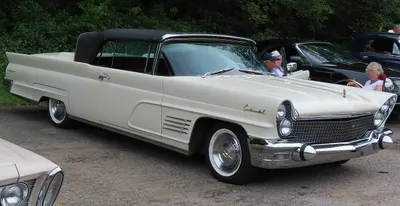
The 1959-60 Continental Town Car and Limousine hold a grim superlative: the heaviest American standard-wheelbase sedans built since World War II.
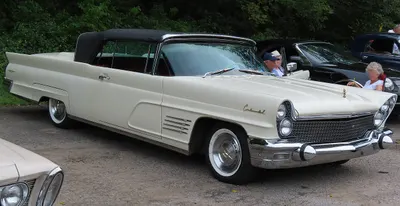
The 1958 Continental Mark III convertible is the longest mass-produced convertible in US history — beaten by only one car ever built, the ultra-rare 1934-37 Cadillac V16.
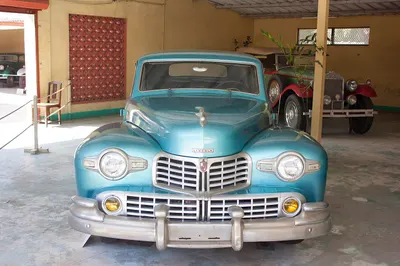
When this Continental’s run ended in 1948, so did an era: it’s the last car from a major American automaker ever sold with a factory V12.
Rivals
Same body, same money, other badges — tap any card to flip.

It briefly served as senior sibling to Marquette, a GM companion brand cancelled after just one year.

Nissan hired former BMW engineers to help develop the 510's suspension, which is why period reviewers frequently compared its handling to the BMW 1600/2002.

A Trabant 601 won its class at the 1970 Monte Carlo Rally, with a second 601 right behind it in second.

The 600 was a stopgap: the P50's body over the 601's mechanicals, and for a while its estate was built alongside the new 601 saloon.

The G80 Sport brought a 370 PS twin-turbo 3.3 V6, a mesh grille and copper-tinted chrome with copper stitching to match.

The Vigor was sold only with a five-cylinder engine, an unusual configuration Honda used to fit a longer engine transversely under a short hood.

The GS/E coupe earned the nickname "German Charger" for its long hood, short deck stance borrowed from Detroit muscle cars.

This DeVille/Fleetwood was the first production car anywhere to mount its V8 sideways, Cadillac's front-drive gamble on the new C-body.